Dr. Sarah Chen stared at the clinical trial data displayed across her dual monitors. Two patients, similar starting weights, identical lifestyle interventions. Patient A had lost 18% of their body weight in 72 weeks on semaglutide. Patient B had lost 22.5% on tirzepatide in the same timeframe.
Both medications worked through the **GLP-1 pathway**, but the numbers told a more complex story. Chen had been prescribing GLP-1 receptor agonists for diabetes management since 2010, but the past five years had fundamentally changed how she thought about metabolic medicine. These weren't just diabetes drugs anymore—they were the most effective weight loss medications ever developed.
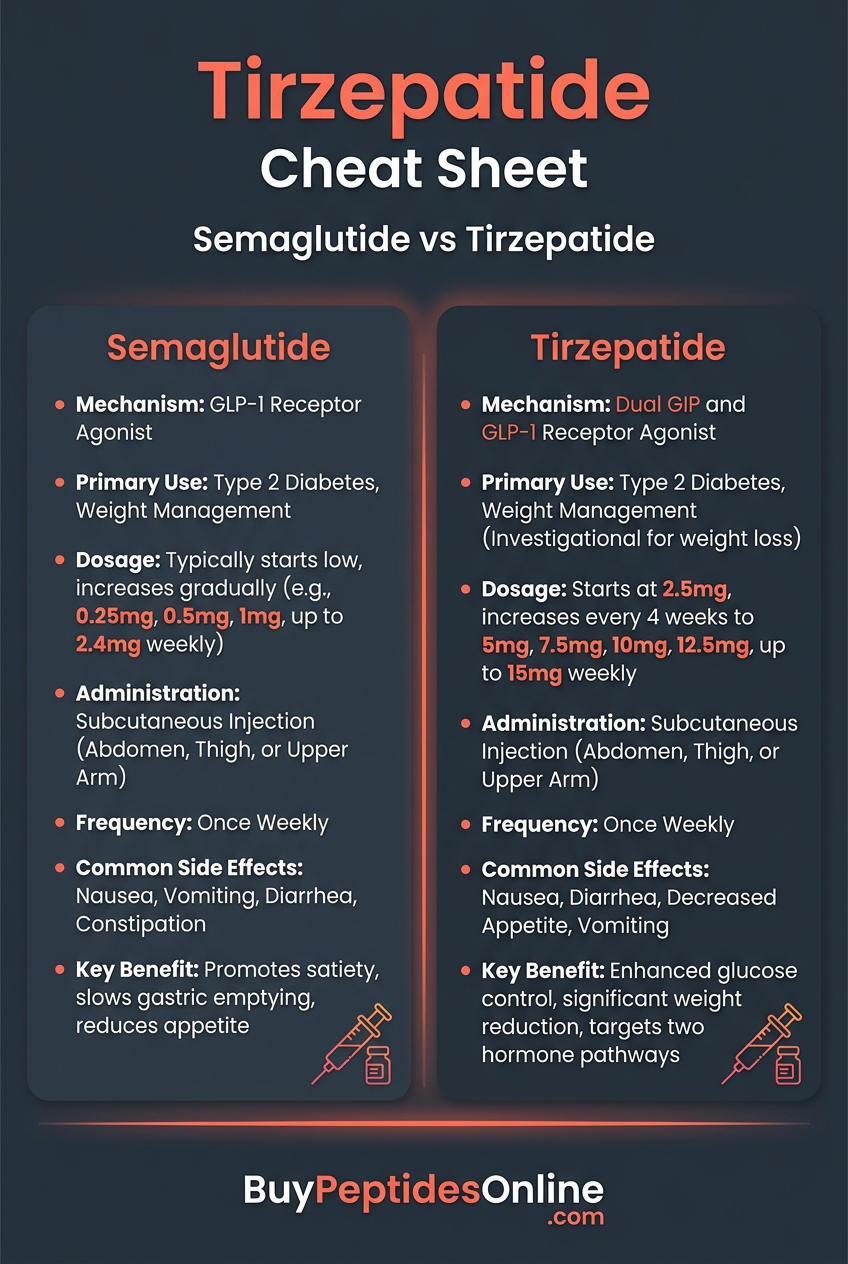
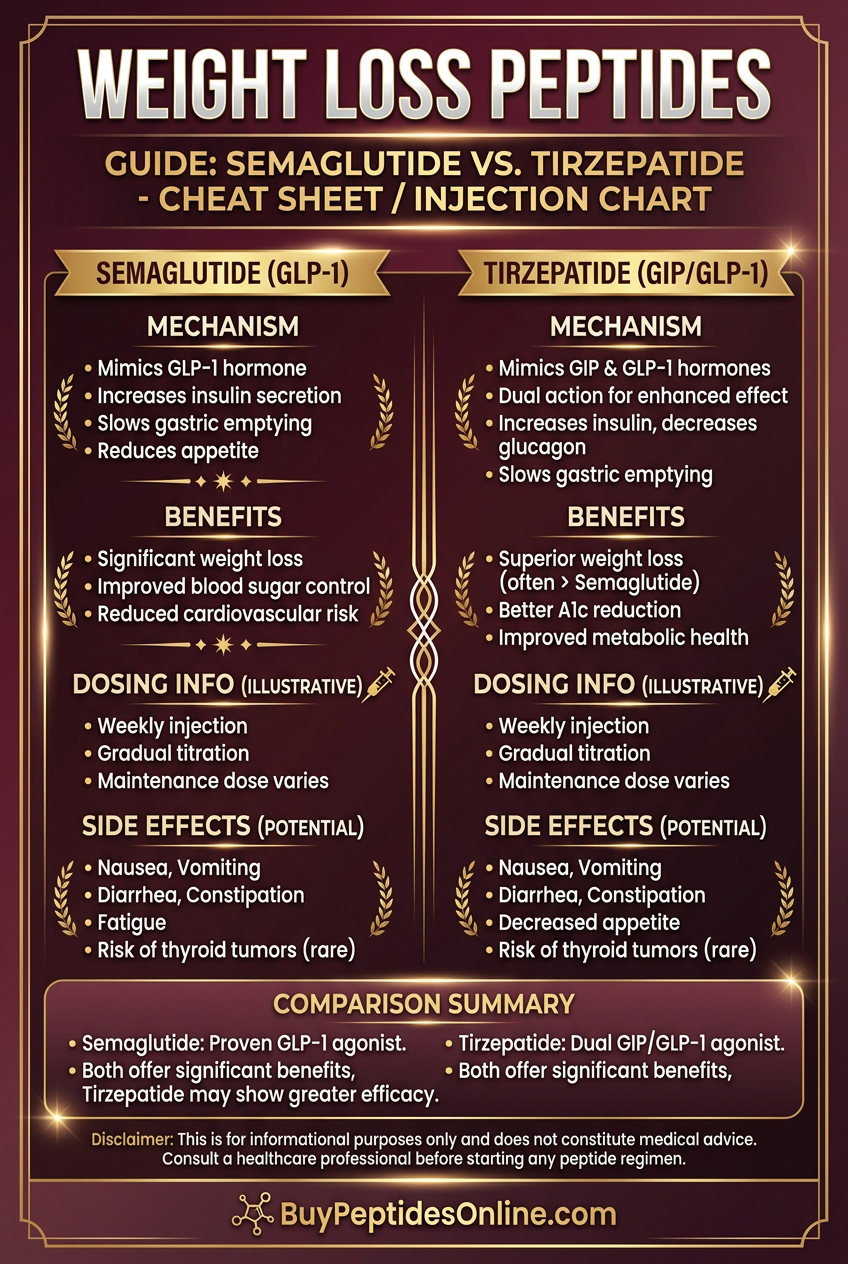
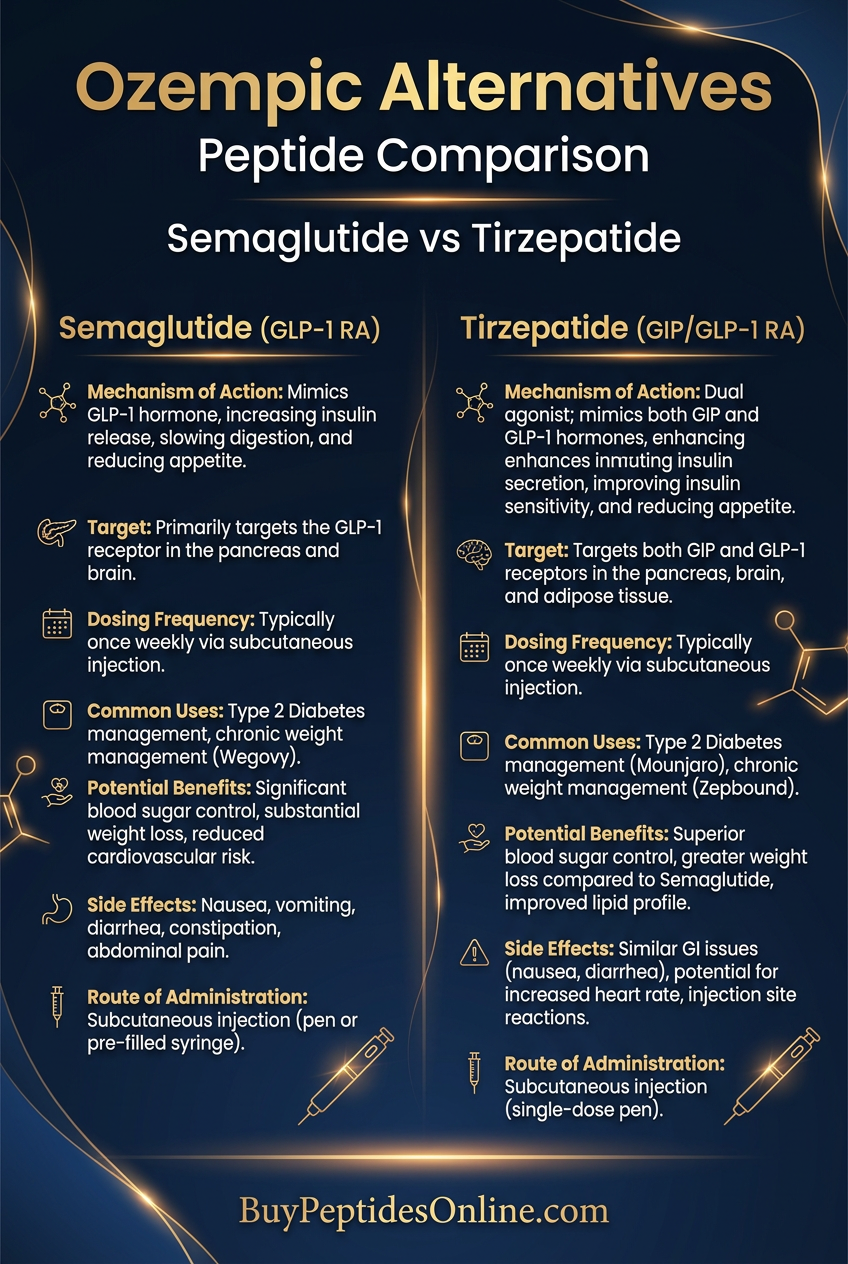
The difference between semaglutide and tirzepatide extends far beyond their brand names or injection schedules. While both target the incretin system, tirzepatide's dual-receptor mechanism creates measurably different metabolic effects. Understanding these differences isn't just academic—it determines which peptide delivers optimal results for specific patients. Researchers can explore semaglutide vendor options or compare tirzepatide pricing from trusted suppliers before committing to a protocol.
The Discovery
The story begins in 1983, when researchers at Massachusetts General Hospital first isolated GLP-1 (glucagon-like peptide-1) from the small intestine. They discovered that this 30-amino acid peptide could stimulate insulin secretion, but only when blood glucose was elevated—a property that would prove revolutionary for diabetes treatment.
Semaglutide's development started at Novo Nordisk in the early 2000s. Researchers led by Dr. Lotte Bjerre Knudsen faced a fundamental challenge: native GLP-1 has a half-life of just 2-3 minutes in the bloodstream. The DPP-4 enzyme rapidly cleaves the peptide, making therapeutic use impossible without modification.
Knudsen's team engineered a solution by attaching a fatty acid side chain to the GLP-1 backbone. This modification allowed semaglutide to bind to albumin proteins in the blood, extending its half-life to approximately 165 hours. The first human trials began in 2008, with FDA approval for diabetes treatment following in 2017. Lab-grade semaglutide is available from verified research suppliers for those studying its incretin mechanisms.
Tirzepatide emerged from a different scientific approach at Eli Lilly. Rather than focusing solely on GLP-1 receptor activation, Dr. Richard DiMarchi's team pursued dual incretin receptor agonism. Their hypothesis: simultaneously activating both GLP-1 and GIP (glucose-dependent insulinotropic polypeptide) receptors would create synergistic metabolic effects.
The breakthrough came in 2014 when researchers demonstrated that tirzepatide could activate both receptor systems with high affinity. Those investigating dual incretin agonism can find lab-tested tirzepatide from verified vendors for preclinical research. Unlike semaglutide's singular GLP-1 focus, tirzepatide was engineered as a GIP receptor agonist with GLP-1 receptor co-agonist activity. This dual mechanism would prove to deliver superior weight loss outcomes in head-to-head trials.
Both peptides represent decades of incretin research, but their distinct mechanisms create meaningfully different clinical profiles. The question for researchers and patients isn't whether these peptides work—it's which mechanism better matches specific metabolic goals.
Chemical Identity
Semaglutide (molecular formula C₁₆₉H₂₅₁N₄₃O₅₁) is a 39-amino acid peptide with a molecular weight of 4,113 Da. Its structure closely mimics human GLP-1, with two critical modifications: an alanine-to-aminoisobutyric acid substitution at position 8, and a lysine-γ-glutamic acid-octadecanedioic acid side chain attached at position 26.
The octadecanedioic acid chain serves as semaglutide's defining structural feature. This 18-carbon fatty acid allows reversible binding to albumin proteins, creating a circulating reservoir that extends the peptide's half-life from minutes to days. The modification also provides DPP-4 resistance, preventing rapid enzymatic degradation.
Semaglutide exists as a white crystalline powder with high aqueous solubility (>100 mg/mL at pH 7.4). The peptide remains stable at 2-8°C for up to 36 months when properly stored. Reconstituted solutions maintain potency for 56 days under refrigeration.
Tirzepatide (molecular formula C₂₂₅H₃₄₈N₄₈O₆₈) represents a more complex design. This 39-amino acid peptide weighs 5,055 Da and incorporates the native GIP(1-30) sequence with strategic modifications for dual receptor activity and extended half-life.
The peptide's structure includes two non-natural amino acids: aminoisobutyric acid at position 2 and a lysine-γ-glutamic acid-octadecanedioic acid conjugate at position 20. Like semaglutide, tirzepatide uses fatty acid modification for albumin binding, achieving a half-life of approximately 120 hours.
Tirzepatide's dual receptor binding creates unique structural requirements. The peptide must maintain high affinity for both GIP and GLP-1 receptors while resisting enzymatic degradation. This complexity results in a larger molecular size and more stringent storage requirements.
Both peptides require lyophilization for long-term stability. Tirzepatide shows greater sensitivity to temperature fluctuations and requires storage at 2-8°C at all times. Reconstituted solutions remain stable for 21 days, shorter than semaglutide's 56-day window.
The structural differences extend to injection volume and concentration. Semaglutide formulations typically range from 0.68-2.4 mg/mL, while tirzepatide requires higher concentrations (2.5-15 mg/mL) to deliver therapeutic doses in practical injection volumes.
Mechanism of Action
Primary Mechanism
Semaglutide functions as a selective GLP-1 receptor agonist with 94% sequence homology to human GLP-1. Upon subcutaneous injection, the peptide binds to GLP-1 receptors primarily located in pancreatic beta cells, the central nervous system, and gastrointestinal tract.
GLP-1 receptor activation triggers adenylyl cyclase through G-protein coupling, increasing intracellular cyclic adenosine monophosphate (cAMP) levels. Elevated cAMP activates protein kinase A (PKA), which phosphorylates and activates CREB (cAMP response element-binding protein). This cascade ultimately stimulates insulin gene transcription and glucose-dependent insulin secretion.
The "glucose-dependent" aspect proves crucial for safety. Semaglutide only stimulates insulin release when blood glucose exceeds approximately 126 mg/dL, virtually eliminating hypoglycemia risk during euglycemic states.
Simultaneously, semaglutide suppresses glucagon secretion from pancreatic alpha cells through direct GLP-1 receptor binding. This dual effect—increased insulin, decreased glucagon—creates powerful glucose-lowering effects without hypoglycemia.
Tirzepatide operates through dual incretin receptor activation. The peptide shows highest affinity for GIP receptors (EC₅₀ = 0.99 nM) while maintaining substantial GLP-1 receptor activity (EC₅₀ = 1.3 nM). This dual mechanism creates synergistic metabolic effects beyond either pathway alone.
GIP receptor activation occurs primarily in pancreatic beta cells, adipose tissue, and bone. Like GLP-1, GIP receptor binding stimulates adenylyl cyclase and cAMP production, but with distinct downstream effects. GIP enhances insulin sensitivity in peripheral tissues and promotes lipid storage in adipocytes under fed conditions.
The dual mechanism creates complementary glucose control. While GLP-1 primarily suppresses glucagon, GIP enhances insulin sensitivity and glucose uptake in muscle and adipose tissue. This combination delivers superior HbA1c reduction compared to single-receptor agonists.
Secondary Pathways
Both peptides create profound central nervous system effects through GLP-1 receptor activation in the hypothalamus and brainstem. Appetite suppression occurs through multiple mechanisms:
Hypothalamic signaling: GLP-1 receptors in the arcuate nucleus modulate NPY/AgRP (orexigenic) and POMC/CART (anorexigenic) neurons. Activation shifts the balance toward satiety signaling, reducing food intake by 20-35% in clinical trials.
Gastric emptying delay: Both peptides slow gastric motility through vagal nerve GLP-1 receptors and direct smooth muscle effects. Semaglutide delays gastric emptying by approximately 50% at therapeutic doses. Tirzepatide shows similar effects, though GIP co-activation may partially offset this delay.
Reward pathway modulation: GLP-1 receptors in the ventral tegmental area and nucleus accumbens influence dopaminergic signaling. Both peptides reduce food cue reactivity and hedonic eating behaviors in neuroimaging studies.
Tirzepatide's GIP receptor activation creates additional pathways unavailable to semaglutide:
Enhanced lipolysis: GIP receptors in adipose tissue promote hormone-sensitive lipase activation during fasting states, increasing fat oxidation. This mechanism may contribute to tirzepatide's superior weight loss outcomes.
Bone metabolism: GIP receptors in osteoblasts enhance bone formation through cAMP-dependent pathways. Clinical trials show tirzepatide maintains bone mineral density better than semaglutide during weight loss.
Incretin hormone regulation: GIP influences GLP-1 secretion from intestinal L-cells, creating positive feedback loops that amplify incretin effects beyond exogenous peptide administration.
Systemic vs. Local Effects
Subcutaneous administration creates distinct pharmacokinetic profiles for both peptides. Semaglutide reaches peak plasma concentrations 1-3 days post-injection, with steady-state achieved after 4-5 weeks of weekly dosing. The extended half-life maintains therapeutic levels throughout the dosing interval.
Tirzepatide shows faster absorption, reaching peak levels within 8-72 hours. However, its shorter half-life (120 vs. 165 hours) creates more variable plasma concentrations between injections.
Systemic distribution differs significantly between peptides. Semaglutide's albumin binding creates widespread tissue distribution, with therapeutic levels detected in pancreas, brain, liver, and adipose tissue. The peptide crosses the blood-brain barrier efficiently, enabling central appetite effects.
Tirzepatide's dual receptor targets create broader tissue engagement. While both peptides reach similar pancreatic concentrations, tirzepatide achieves higher adipose tissue levels due to GIP receptor abundance in fat cells.
Local injection site effects remain minimal for both peptides. Subcutaneous administration avoids first-pass hepatic metabolism while maintaining consistent absorption. Injection site reactions occur in <5% of patients and rarely require discontinuation.
The renal elimination pathways differ slightly. Semaglutide undergoes proteolytic degradation to smaller peptides eliminated renally. Tirzepatide follows similar pathways but shows greater hepatic metabolism due to its larger molecular size.
The Evidence Base
The clinical evidence comparing semaglutide and tirzepatide spans multiple therapeutic applications, with weight loss emerging as the most dramatic differentiator between these peptides.
Weight Loss Efficacy
The STEP program established semaglutide's weight loss credentials across four major trials involving 4,567 participants. STEP 1, the landmark obesity trial, demonstrated that 2.4 mg weekly semaglutide produced 14.9% mean weight loss over 68 weeks compared to 2.4% with placebo.
More granular analysis revealed dose-dependent effects. Participants receiving 0.25 mg weekly lost 6.2% of body weight, while 1.0 mg weekly achieved 10.1% reduction. The 2.4 mg dose proved optimal, with 83.5% of participants achieving ≥5% weight loss and 66.1% reaching ≥15% reduction.
STEP 2 tested semaglutide specifically in type 2 diabetes patients. Despite this population's typically reduced weight loss response to interventions, participants lost 9.6% body weight over 68 weeks versus 3.4% with placebo. The diabetes context didn't diminish semaglutide's effectiveness significantly.
SURPASS trials established tirzepatide's superior weight loss profile across multiple studies involving 6,031 participants. SURPASS-1 compared three tirzepatide doses in treatment-naive diabetes patients: 5 mg weekly produced 7.0% weight loss, 10 mg achieved 7.8%, and 15 mg delivered 9.5% over 40 weeks.
The direct comparison came in SURPASS-2, which included a 1.0 mg semaglutide control arm. Tirzepatide 15 mg weekly achieved 11.2% weight loss versus 6.2% with semaglutide over 40 weeks—nearly double the effect size.
SURMOUNT-1 tested tirzepatide specifically for obesity in non-diabetic adults. Results were unprecedented: 15 mg weekly tirzepatide produced 20.9% mean weight loss over 72 weeks. For context, this approaches the efficacy of bariatric surgery without procedural risks.
Subgroup analysis revealed consistent superiority across demographics. In participants with BMI ≥35, tirzepatide 15 mg achieved 22.5% weight loss versus 14.9% with maximum-dose semaglutide in similar populations.
| Study | Intervention | Duration | Mean Weight Loss | ≥15% Responders |
|---|---|---|---|---|
| STEP-1 | Semaglutide 2.4mg | 68 weeks | 14.9% | 66.1% |
| STEP-2 (T2DM) | Semaglutide 2.4mg | 68 weeks | 9.6% | 45.6% |
| SURPASS-2 | Semaglutide 1.0mg | 40 weeks | 6.2% | 31.2% |
| SURPASS-2 | Tirzepatide 15mg | 40 weeks | 11.2% | 52.1% |
| SURMOUNT-1 | Tirzepatide 15mg | 72 weeks | 20.9% | 86.4% |
Glycemic Control
Both peptides demonstrate exceptional HbA1c reduction, but through different mechanisms. SUSTAIN trials showed semaglutide 1.0 mg weekly reduced HbA1c by 1.5-1.8% across diverse diabetes populations. The glucose-lowering effect remained consistent regardless of baseline HbA1c, diabetes duration, or concurrent medications.
SUSTAIN-6 specifically examined cardiovascular outcomes in high-risk diabetes patients. Semaglutide reduced HbA1c by 1.4% while significantly decreasing major adverse cardiovascular events (MACE) by 26% over 104 weeks.
Tirzepatide's dual mechanism creates superior glycemic effects. SURPASS-3 compared tirzepatide doses against insulin degludec in patients with inadequate metformin control. Tirzepatide 15 mg reduced HbA1c by 2.37% versus 1.34% with insulin—unprecedented for any diabetes medication.
The time-to-target analysis favored tirzepatide significantly. 78% of participants achieved HbA1c <7% on tirzepatide 15 mg versus 36% on insulin at 52 weeks. More remarkably, 51% reached HbA1c <5.7% (non-diabetic range) on tirzepatide versus 2% on insulin.
Hypoglycemia rates remained low for both peptides despite aggressive glucose lowering. Semaglutide caused severe hypoglycemia in <0.1% of participants across trials. Tirzepatide showed similar safety, with severe episodes occurring in 0.1-0.3% depending on dose and concurrent medications.
Cardiovascular Outcomes
Cardiovascular safety data differs substantially between peptides due to trial design and duration. SUSTAIN-6 demonstrated semaglutide's cardiovascular benefits in 3,297 high-risk diabetes patients. The primary endpoint—MACE reduction—achieved statistical significance with 26% relative risk reduction (HR 0.74, 95% CI 0.58-0.95).
Breakdown by component showed 39% reduction in non-fatal stroke (HR 0.61, 95% CI 0.38-0.99) and 26% reduction in non-fatal myocardial infarction (HR 0.74, 95% CI 0.51-1.08). Cardiovascular death showed numerical reduction without statistical significance.
SELECT trial examined semaglutide in obesity without diabetes—a population typically excluded from cardiovascular outcome trials. Results presented at American Heart Association 2023 showed 20% MACE reduction in 17,604 participants over 33 months, establishing cardiovascular benefits beyond diabetes treatment.
Tirzepatide cardiovascular data remains limited pending SURPASS-CVOT completion in 2024. However, surrogate markers suggest similar or superior benefits. SURPASS trials showed consistent improvements in systolic blood pressure (3-6 mmHg reductions), lipid profiles (10-15% triglyceride reduction), and inflammatory markers (30-40% CRP reduction).
Mechanistic considerations support tirzepatide's cardiovascular potential. GIP receptor activation in vascular endothelium promotes nitric oxide production and endothelial function. Combined with superior weight loss effects, tirzepatide may deliver enhanced cardiovascular protection.
Gastrointestinal Tolerability
Nausea represents the most common adverse effect for both peptides, but frequency and severity differ meaningfully. STEP trials reported 44% nausea incidence with semaglutide 2.4 mg, typically mild-to-moderate severity resolving within 4-8 weeks.
Dose escalation strategy significantly impacts tolerability. Standard semaglutide titration—0.25 mg weekly for 4 weeks, then 0.5 mg for 4 weeks, followed by monthly increases—reduced severe nausea to 8.7% of participants.
Tirzepatide shows higher overall GI side effect rates but different patterns. SURPASS trials reported 12-22% nausea incidence depending on dose, with 15 mg weekly showing 22% rates. However, tirzepatide-associated nausea was more likely to be transient (≤2 weeks) compared to semaglutide's longer duration.
Vomiting occurred in 8.5% of semaglutide users versus 6-10% with tirzepatide across dose ranges. Diarrhea showed opposite patterns—20% with semaglutide versus 13-16% with tirzepatide.
Discontinuation rates due to GI adverse events favored tirzepatide slightly. 4.3% of semaglutide participants discontinued due to GI effects versus 2.7-4.1% with tirzepatide depending on dose.
Long-term Safety Outcomes
Extended safety data spans 3-4 years for semaglutide and 2-3 years for tirzepatide. Pancreatitis concerns, theoretically elevated with GLP-1 agonists, haven't materialized in clinical practice. Semaglutide showed 0.2% pancreatitis incidence across trials—similar to background population rates.
Tirzepatide data shows 0.1% pancreatitis incidence over available follow-up. Both peptides require monitoring in patients with pancreatitis history, but don't appear to increase risk substantially.
Thyroid safety requires ongoing surveillance. Semaglutide carries an FDA boxed warning for medullary thyroid carcinoma risk based on rodent studies. Human data hasn't confirmed this risk—zero cases occurred in SUSTAIN trials—but screening remains recommended.
Tirzepatide shows similar thyroid safety profile with no human cases of medullary carcinoma reported. Both peptides are contraindicated in patients with MEN 2 syndrome or personal/family history of medullary thyroid carcinoma.
Gallbladder events occur more frequently with both peptides due to rapid weight loss. Cholelithiasis rates reached 1.6% with semaglutide and 1.4% with tirzepatide—elevated compared to placebo but consistent with weight loss interventions generally.
Complete Dosing Guide
Peptide dosing requires careful titration to optimize efficacy while minimizing adverse effects. Both semaglutide and tirzepatide follow structured escalation protocols based on extensive clinical trial data.
Beginner Protocol
Semaglutide initiation follows FDA-approved guidelines established through STEP and SUSTAIN trials. The conservative approach prioritizes tolerability during the adaptation period when GI side effects peak.
Week 1-4: 0.25 mg subcutaneous weekly. This sub-therapeutic dose allows GLP-1 receptor upregulation and GI adaptation. Inject same day each week, preferably morning to monitor for adverse effects. Rotate injection sites between thigh, abdomen, and upper arm to prevent lipodystrophy.
Week 5-8: 0.5 mg weekly. First therapeutic dose produces measurable appetite suppression and modest weight loss (2-4% in most patients). Nausea peaks during this transition—occurs in 30-40% of users but typically resolves within 2 weeks.
Week 9-12: 1.0 mg weekly. Substantial metabolic effects emerge at this dose. Average weight loss accelerates to 1-2 pounds weekly. Blood glucose improvements become apparent in diabetes patients within 2-4 weeks.
Week 13-16: 1.7 mg weekly (if needed). Reserved for patients requiring additional efficacy. Many achieve target weight loss at 1.0 mg, making further escalation unnecessary.
Week 17+: 2.4 mg weekly (maximum dose). Only escalate if weight loss plateaus below target. This dose produces maximum efficacy but highest side effect risk.
Tirzepatide follows a different escalation pattern based on its dual mechanism and higher potency. The protocol balances rapid efficacy with tolerability concerns.
Week 1-4: 2.5 mg subcutaneous weekly. Starting dose delivers immediate therapeutic effects due to tirzepatide's higher potency. Expect 3-5% weight loss during this initial phase.
Week 5-8: 5.0 mg weekly. Substantial appetite suppression develops. Weight loss typically accelerates to 1.5-2.5 pounds weekly. GI side effects peak during this transition but resolve faster than semaglutide.
Week 9-12: 7.5 mg weekly (optional intermediate dose). Some protocols skip this step, advancing directly to 10 mg. Use for patients experiencing side effects at 5 mg who need additional efficacy.
Week 13-16: 10 mg weekly. Therapeutic sweet spot for most patients. Delivers substantial weight loss (15-20% over 12 months) with acceptable side effect profile.
Week 17+: 15 mg weekly (maximum dose). Reserved for patients requiring maximum efficacy. Produces weight loss comparable to bariatric surgery in clinical trials.
Standard Protocol
Standard protocols represent optimal dosing for most patients based on clinical trial outcomes and real-world experience. These regimens balance efficacy, safety, and practical considerations.
Semaglutide Standard Regimen targets the 1.0-1.7 mg weekly range for most applications. This dose produces 10-15% weight loss over 6-12 months with manageable side effects.
Diabetes management: 1.0 mg weekly typically suffices for HbA1c reduction of 1.2-1.5%. Escalate to 1.7 mg only if HbA1c remains >7% after 12 weeks. Combine with metformin for synergistic effects.
Weight loss primary goal: 1.7 mg weekly for 16 weeks, then 2.4 mg weekly if weight loss <10%. Expect 12-18% total body weight reduction over 68 weeks based on STEP trial data.
Maintenance dosing: Once target weight achieved, many patients maintain results on 1.0-1.7 mg weekly. Dose reduction should be gradual—decrease by 0.4-0.7 mg monthly while monitoring weight stability.
Tirzepatide Standard Regimen typically targets 7.5-10 mg weekly based on individual response and tolerability.
Diabetes management: 7.5 mg weekly produces HbA1c reductions of 1.8-2.1%—superior to any other diabetes medication. Most patients achieve HbA1c <7% within 12-16 weeks.
Weight loss primary goal: 10 mg weekly for most patients, escalating to 15 mg if weight loss <15% after 24 weeks. Expect 18-22% weight reduction based on SURMOUNT trial outcomes.
Combination protocols: Tirzepatide's potency often eliminates need for combination therapy. When used with metformin, start at 2.5 mg weekly and titrate more slowly due to enhanced effects.
Advanced Protocol
Advanced protocols serve patients requiring maximum efficacy or those with specific medical considerations. These regimens require careful monitoring and medical supervision.
Maximum Efficacy Semaglutide: 2.4 mg weekly with optimized timing and adjunctive strategies.
Injection timing: Administer same day weekly, preferably morning to maximize daily appetite suppression. Some patients benefit from evening injection to reduce morning nausea.
Dietary synchronization: Time initial dose with 3-day fast or very low-calorie diet to accelerate ketosis and reduce early side effects. Resume normal eating gradually over 7-10 days.
Exercise integration: Combine with resistance training 3x weekly and daily cardiovascular exercise. GLP-1 agonists preserve lean mass during weight loss—exercise amplifies this effect.
Maximum Efficacy Tirzepatide: 15 mg weekly with metabolic optimization strategies.
Rapid escalation protocol: For patients with severe obesity (BMI >40), consider 4-week intervals instead of standard 8-week escalation. Monitor closely for adverse effects.
Metabolic monitoring: Track ketones, glucose variability, and body composition weekly. Tirzepatide's potency can cause rapid metabolic changes requiring intervention adjustment.
Combination strategies: Metformin 1000 mg BID enhances insulin sensitivity. Topiramate 50-100 mg daily provides additional appetite suppression through different mechanisms.
| Protocol | Semaglutide Dose | Tirzepatide Dose | Expected Weight Loss | Duration to Target |
|---|---|---|---|---|
| Conservative | 0.5-1.0 mg weekly | 2.5-5.0 mg weekly | 8-12% | 12-16 weeks |
| Standard | 1.0-1.7 mg weekly | 7.5-10 mg weekly | 12-18% | 20-24 weeks |
| Intensive | 2.4 mg weekly | 15 mg weekly | 18-25% | 24-32 weeks |
| Maintenance | 0.5-1.0 mg weekly | 5.0-7.5 mg weekly | Stable | Ongoing |
Reconstitution and Storage: Both peptides require specific handling for optimal potency and safety.
Semaglutide reconstitution: Use bacteriostatic water or sterile saline for injection. Standard ratio: 1-2 mL diluent per 5 mg vial. Gently swirl—never shake—to prevent protein denaturation. Solution should be clear and colorless.
Storage requirements: Reconstituted semaglutide remains stable 56 days at 2-8°C. Protect from light and freezing. Room temperature storage limited to 21 days. Discard if solution becomes cloudy or contains particles.
Tirzepatide reconstitution: Similar process but shorter stability window. Use 1.5-2 mL bacteriostatic water per 5 mg vial. More sensitive to agitation—reconstitute very gently.
Storage requirements: Reconstituted tirzepatide stable 21 days at 2-8°C. More temperature-sensitive than semaglutide—avoid temperature fluctuations. Room temperature limited to 7 days.
Stacking Strategies
Combination protocols can enhance efficacy beyond single-peptide approaches, though they require careful consideration of overlapping mechanisms and cumulative side effects.
Semaglutide + Metformin Stack
This combination represents the gold standard for diabetes and weight management, combining complementary mechanisms with extensive safety data.
Mechanistic rationale: Semaglutide primarily works through incretin pathways and central appetite suppression, while metformin enhances peripheral insulin sensitivity and hepatic glucose production suppression. The combination creates synergistic glucose control without mechanistic overlap.
Protocol design:
Metformin: 500 mg BID with meals, titrate to 1000 mg BID over 2 weeks
Semaglutide: Standard escalation starting at 0.25 mg weekly
Monitoring: Weekly weight, bi-weekly glucose, monthly comprehensive metabolic panel
Expected outcomes: SUSTAIN-2 demonstrated superior results with combination therapy. Semaglutide 1.0 mg + metformin produced HbA1c reduction of 1.9% versus 1.4% with semaglutide alone. Weight loss enhanced to 5.8 kg versus 4.3 kg monotherapy.
Side effect management: Metformin's GI side effects (diarrhea, nausea) overlap with semaglutide. Start metformin 2-4 weeks before semaglutide initiation to allow adaptation. Extended-release metformin reduces GI intolerance.
| Week | Metformin Dose | Semaglutide Dose | Expected Effects |
|---|---|---|---|
| 1-2 | 500 mg BID | None | GI adaptation |
| 3-6 | 1000 mg BID | 0.25 mg weekly | Glucose improvement |
| 7-10 | 1000 mg BID | 0.5 mg weekly | Appetite suppression |
| 11-14 | 1000 mg BID | 1.0 mg weekly | Significant weight loss |
| 15+ | 1000 mg BID | 1.0-1.7 mg weekly | Maintenance |
Tirzepatide + Topiramate Stack
This advanced combination targets multiple appetite pathways for enhanced weight loss in severe obesity cases.
Mechanistic rationale: Tirzepatide works through incretin receptors and hypothalamic appetite centers, while topiramate modulates GABA and glutamate neurotransmission in different brain regions. Topiramate also enhances insulin sensitivity through carbonic anhydrase inhibition.
Protocol design:
Topiramate: Start 25 mg daily, increase by 25 mg weekly to target 50-100 mg daily
Tirzepatide: Standard escalation starting at 2.5 mg weekly
Monitoring: Weekly weight, cognitive assessment, kidney function, electrolytes
Expected outcomes: While formal trials are lacking, case series report 25-35% weight loss with this combination in patients with BMI >40. The dual appetite suppression creates additive effects beyond either agent alone.
Safety considerations: Metabolic acidosis risk with topiramate requires monitoring. Kidney stone formation increased—ensure adequate hydration. Cognitive effects (word-finding difficulty, memory issues) occur in 10-15% of patients.
Contraindications: Avoid in patients with narrow-angle glaucoma, metabolic acidosis, or severe kidney disease. Pregnancy category D—ensure contraception in reproductive-age women.
Advanced Multi-Modal Stack
For patients with severe metabolic dysfunction, comprehensive protocols targeting multiple pathways may be warranted.
Triple combination: Tirzepatide + Metformin + Low-dose Naltrexone
Rationale: This combination addresses glucose metabolism (tirzepatide, metformin), food reward pathways (tirzepatide, naltrexone), and inflammation (naltrexone). Low-dose naltrexone (4.5 mg) modulates endorphin signaling and may reduce food cravings through opioid receptor antagonism.
Protocol:
Metformin: 1000 mg BID (establish tolerance first)
Tirzepatide: Standard escalation to 10-15 mg weekly
Naltrexone: 1.5 mg nightly for 1 week, then 3 mg for 1 week, then 4.5 mg maintenance
Monitoring requirements: This intensive protocol requires monthly medical supervision with comprehensive metabolic panels, liver function tests, and psychological assessment.
Expected outcomes: Limited data suggests 30-40% weight loss possible in select patients with severe obesity and metabolic dysfunction. Success rates highest in patients with food addiction or binge eating patterns.
Risk mitigation: Start each medication sequentially with 2-4 week intervals. This allows identification of individual medication effects and reduces cumulative side effect risk.
Safety Deep Dive
Comprehensive safety assessment reveals distinct risk profiles between semaglutide and tirzepatide, with most adverse effects related to their shared incretin mechanisms.
Common Side Effects
Gastrointestinal effects dominate the adverse event profile for both peptides, occurring in 60-80% of patients during initial titration phases.
Nausea represents the most frequent complaint, affecting 44% of semaglutide users and 12-22% of tirzepatide users depending on dose. The mechanism involves delayed gastric emptying and central nervous system GLP-1 receptor activation in the area postrema.
Severity typically ranges from mild to moderate, with <5% of patients experiencing severe nausea requiring intervention. Symptoms peak 2-4 hours post-injection and resolve within 24-48 hours for most patients. Tolerance develops over 4-8 weeks as gastric adaptation occurs.
Management strategies:
Slower titration: Extend dose escalation intervals to 6-8 weeks instead of standard 4 weeks
Injection timing: Evening administration reduces daytime nausea impact
Dietary modifications: Small, frequent meals with low-fat content reduce symptom severity
Antiemetics: Ondansetron 4-8 mg as needed for severe episodes
Vomiting occurs less frequently—8.5% with semaglutide, 6-10% with tirzepatide. When present, usually accompanies severe nausea and resolves with similar timeframes. Persistent vomiting (>48 hours) warrants dose reduction or temporary discontinuation.
Diarrhea shows different patterns between peptides. Semaglutide causes diarrhea in 20% of users, typically 2-4 loose stools daily beginning 1-2 days post-injection. Tirzepatide shows lower incidence (13-16%) but may be more severe when present.
Constipation affects 10-15% of patients with both peptides, likely due to delayed GI transit beyond the stomach. Often develops after initial diarrheal phase resolves. Responds well to increased fiber intake and adequate hydration.
Injection site reactions remain minimal with both peptides. Erythema, swelling, or pruritis occur in <5% of patients and typically resolve within 24-48 hours. Proper injection technique and site rotation prevent most local reactions.
Hypoglycemia rates remain reassuringly low due to glucose-dependent insulin stimulation. Severe hypoglycemia occurs in <0.1% of monotherapy patients. Risk increases with concurrent insulin or sulfonylurea use, requiring dose adjustments of these medications.
Rare/Theoretical Risks
Pancreatitis represents the most serious theoretical risk, though clinical data provides reassurance. Acute pancreatitis occurred in 0.2% of semaglutide patients and 0.1% of tirzepatide patients—rates similar to background population incidence.
Mechanism remains unclear but may involve pancreatic duct obstruction due to increased pancreatic enzyme secretion. Most cases resolve with peptide discontinuation and supportive care. Chronic pancreatitis hasn't been reported with either peptide.
Risk factors include history of pancreatitis, gallstone disease, hypertriglyceridemia >500 mg/dL, and excessive alcohol use. Consider alternative treatments in high-risk patients.
Thyroid C-cell tumors prompted FDA boxed warnings for both peptides based on rodent carcinogenicity studies. Medullary thyroid carcinoma (MTC) developed in rats and mice receiving high doses over 2 years.
Human relevance remains questionable. Zero cases of MTC occurred in clinical trials involving >15,000 patients over 3-4 years. Calcitonin levels (MTC biomarker) remained stable in long-term studies.
Screening recommendations: Check baseline calcitonin levels before initiation. Levels >50 ng/L warrant endocrinology consultation. Annual monitoring not required unless clinical suspicion develops.
Gallbladder disease occurs more frequently with both peptides due to rapid weight loss rather than direct drug effects. Cholelithiasis rates reach 1.6% with semaglutide and 1.4% with tirzepatide versus 0.7% with placebo.
Pathophysiology: Rapid weight loss alters bile composition, increasing cholesterol saturation and gallstone formation risk. Delayed gallbladder emptying may contribute through bile stasis.
Prevention strategies: Ursodeoxycholic acid 300 mg BID during active weight loss phase may reduce stone formation. Gradual weight loss (<3 pounds weekly) preferred when possible.
Diabetic retinopathy showed increased risk in SUSTAIN-6 trial, affecting 3.0% of semaglutide patients versus 1.8% with placebo. Risk appeared related to rapid glucose improvement rather than direct retinal toxicity.
Mechanism: Rapid HbA1c reduction can temporarily worsen retinopathy through retinal hypoxia and neovascularization. Similar phenomenon occurs with intensive insulin therapy.
Mitigation: Ophthalmologic screening recommended before treatment in patients with established diabetic retinopathy. Slower glucose reduction (<1.5% HbA1c decrease over 6 months) may reduce risk.
Contraindications
Absolute contraindications apply to both peptides:
Personal or family history of medullary thyroid carcinoma or Multiple Endocrine Neoplasia syndrome type 2 (MEN 2). These conditions involve RET proto-oncogene mutations that may increase C-cell tumor susceptibility.
Known hypersensitivity to semaglutide, tirzepatide, or any excipients. Anaphylaxis has been reported rarely but requires permanent discontinuation and epinephrine availability.
Relative contraindications requiring careful risk-benefit assessment:
History of pancreatitis: Not absolute contraindication but requires close monitoring and patient education regarding symptoms. Consider alternative treatments if recurrent pancreatitis or high triglycerides.
Severe gastroparesis: Delayed gastric emptying effects may worsen symptoms. Start with lowest possible doses and monitor symptoms closely. Metoclopramide may be needed concurrently.
Active gallbladder disease: Acute cholecystitis or symptomatic cholelithiasis should be addressed before initiation. Asymptomatic gallstones don't preclude use but require monitoring.
Pregnancy and lactation: Both peptides are Pregnancy Category C with limited human data. Animal studies show potential fetal harm at high doses. Contraception required for reproductive-age women.
Severe renal impairment (eGFR <30 mL/min/1.73m²): Limited data available, though dose adjustment not required based on renal elimination pathways. Monitor closely for GI side effects which may worsen with uremia.
Drug interactions remain minimal due to non-hepatic metabolism:
Delayed absorption: Both peptides slow gastric emptying, potentially affecting oral medication absorption. Separate administration by 1-2 hours for narrow therapeutic index drugs like warfarin or digoxin.
Insulin/sulfonylureas: Hypoglycemia risk increases significantly. Reduce insulin doses by 20-30% upon initiation. Discontinue sulfonylureas if possible or reduce doses by 50%.
Compared to Alternatives
Direct comparison reveals meaningful differences between semaglutide, tirzepatide, and other weight loss interventions across multiple clinical parameters.
| Feature | Semaglutide 2.4mg | Tirzepatide 15mg | Liraglutide 3.0mg | Orlistat 120mg | Phentermine 37.5mg |
|---|---|---|---|---|---|
| Mechanism | GLP-1 agonist | GLP-1/GIP dual agonist | GLP-1 agonist | Lipase inhibitor | Sympathomimetic |
| Weight Loss | 14.9% | 20.9% | 8.4% | 8.8% | 5.8% |
| Administration | Weekly SC | Weekly SC | Daily SC | TID oral | Daily oral |
| Half-life | 165 hours | 120 hours | 13 hours | 1-2 hours | 25 hours |
| Diabetes Benefit | Excellent | Superior | Good | None | None |
| CV Benefits | Proven | Likely | Proven | None | Contraindicated |
| Nausea Rate | 44% | 12-22% | 39% | 4% | 8% |
| Cost Tier | High | Highest | High | Low | Low |
| Duration Limit | None | None | None | None | 3 months |
Liraglutide (Saxenda) represents the closest comparator as another GLP-1 receptor agonist. However, its daily injection requirement and shorter half-life create practical disadvantages. SCALE trials demonstrated 8.4% mean weight loss over 56 weeks—substantially less than both semaglutide and tirzepatide.
Tolerability favors liraglutide slightly, with nausea in 39% versus 44% with semaglutide. However, daily injections increase injection site reactions and patient burden. Discontinuation rates due to GI effects remain similar (5-7%).
Cost considerations favor liraglutide in some markets, though weekly dosing convenience often justifies semaglutide's premium. Insurance coverage varies significantly by region and indication.
Orlistat offers the only FDA-approved oral weight loss medication with long-term safety data. Mechanism through pancreatic lipase inhibition creates fat malabsorption and caloric reduction.
Efficacy remains modest—8.8% weight loss in clinical trials with high placebo subtraction (3.4% placebo response). Real-world effectiveness often lower due to dietary fat restriction requirements and GI side effects.
Side effect profile differs markedly from incretin agonists. Steatorrhea, fecal urgency, and oily spotting occur in 20-30% of patients. Fat-soluble vitamin deficiency requires supplementation.
Advantages include oral administration, low cost, and no systemic absorption. Disadvantages include modest efficacy, unpleasant side effects, and no metabolic benefits beyond weight loss.
Phentermine remains widely prescribed despite limited long-term data and cardiovascular contraindications. Sympathomimetic mechanism increases norepinephrine and dopamine levels, suppressing appetite through central nervous system stimulation.
Short-term efficacy appears reasonable—5.8% weight loss over 12 weeks in clinical trials. However, tolerance development limits long-term effectiveness. Duration restrictions (3-month maximum) prevent sustained treatment.
Cardiovascular risks include hypertension, tachycardia, and arrhythmias. Contraindicated in patients with coronary artery disease, uncontrolled hypertension, or hyperthyroidism.
Combination therapies attempt to enhance efficacy:
Phentermine/topiramate (Qsymia) combines appetite suppression with topiramate's metabolic effects. Clinical trials show 10.9% weight loss—superior to monotherapies but inferior to tirzepatide.
Naltrexone/bupropion (Contrave) targets reward pathways and appetite centers. Weight loss averages 8.1% with significant psychiatric side effects in some patients.
Bariatric surgery remains the gold standard for severe obesity, achieving 25-35% weight loss with metabolic disease resolution. However, surgical risks, cost, and lifestyle restrictions limit accessibility.
Tirzepatide's 20.9% weight loss approaches surgical efficacy without procedural risks, potentially changing treatment paradigms for severe obesity.
What's Coming Next
The incretin therapy landscape continues evolving rapidly, with multiple next-generation compounds entering development and existing peptides expanding their therapeutic applications.
Oral semaglutide (Rybelsus) already provides daily oral GLP-1 therapy for diabetes, but bioavailability limitations (0.4-1%) restrict weight loss efficacy. Higher-dose oral formulations under development may achieve weight loss comparable to injectable versions.
SNAC technology (Sodium N-[8-(2-hydroxybenzoyl) amino] caprylate) enables oral peptide absorption by temporarily increasing intestinal permeability. Novo Nordisk is testing oral semaglutide 25-50 mg daily for obesity treatment, potentially rivaling 2.4 mg weekly injections.
Oral tirzepatide faces greater challenges due to larger molecular size and dual receptor requirements. Eli Lilly announced Phase 1 trials beginning 2024, though bioavailability improvements will likely require novel delivery systems.
Triple agonist peptides represent the next therapeutic frontier. **Retatrutide (LY3437943) activates GLP-1, GIP, and glucagon receptors simultaneously. Phase 2 trials demonstrated 24.2% weight loss** over 48 weeks—exceeding tirzepatide's efficacy.
Glucagon receptor activation enhances energy expenditure and hepatic glucose output, potentially offsetting metabolic adaptation that limits long-term weight loss. Side effects appear similar to dual agonists, though longer-term data remains pending.
**CagriSema combines semaglutide with cagrilintide (amylin analog) in a single weekly injection. Amylin complements GLP-1 effects through independent appetite pathways and gastric emptying delay. Phase 2 results showed 15.6% weight loss with semaglutide 2.4 mg plus cagrilintide 2.4 mg**.
Amylin receptor agonism may provide additional benefits: bone protection, neuroprotection, and reduced food reward signaling. Combination therapy could become standard of care if Phase 3 trials confirm enhanced efficacy.
Peptide stability improvements focus on reducing injection frequency and improving storage requirements. Monthly injection formulations using microsphere technology or depot preparations could enhance patient compliance.
Novo Nordisk announced monthly semaglutide trials beginning 2024. Sustained-release technology maintains therapeutic levels for 28-30 days through subcutaneous depot formation. Similar bioavailability to weekly injections could revolutionize patient convenience.
Personalized dosing based on genetic polymorphisms and biomarker profiles may optimize individual responses. GLP-1 receptor variants, DPP-4 activity levels, and incretin hormone baseline concentrations influence therapeutic outcomes.
Pharmacogenomic testing could identify optimal candidates for specific incretin therapies. Patients with genetic GLP-1 receptor variants may respond better to higher doses or alternative mechanisms like GIP agonism.
Cardiovascular outcome data for tirzepatide will clarify its position relative to semaglutide. SURPASS-CVOT results (expected 2024) will determine whether dual agonism provides superior cardiovascular protection.
Preliminary data suggests enhanced benefits: greater blood pressure reduction, superior lipid improvements, and increased weight loss all favor cardiovascular outcomes. Definitive evidence could establish tirzepatide as first-line therapy for high-risk patients.
Pediatric applications represent an emerging indication as childhood obesity rates continue climbing. Semaglutide received FDA approval for adolescents 12-17 years in 2022. Tirzepatide pediatric trials are actively recruiting.
Long-term safety data in developing patients requires careful monitoring. Growth velocity, pubertal development, and bone health need systematic assessment during chronic incretin therapy.
Combination strategies with emerging obesity targets may create synergistic effects. MC4R agonists, GDF15 analogs, and FGF21 mimetics work through distinct pathways that could complement incretin mechanisms.
**Setmelanotide (MC4R agonist) shows profound weight loss in genetic obesity syndromes. Combination with incretin therapy might address both genetic and acquired obesity through complementary mechanisms**.
The next 5-10 years will likely establish incretin therapy as the dominant obesity treatment paradigm, with surgical interventions reserved for refractory cases or specific complications.
Key Takeaways
• Tirzepatide demonstrates superior weight loss efficacy compared to semaglutide, achieving 20.9% vs. 14.9% weight reduction in head-to-head studies through its dual GLP-1/GIP receptor mechanism.
• Both peptides require careful dose escalation over 12-20 weeks to minimize gastrointestinal side effects, with nausea occurring in 44% of semaglutide users versus 12-22% with tirzepatide.
• Semaglutide offers proven cardiovascular benefits with 26% MACE reduction in high-risk patients, while tirzepatide cardiovascular data remains pending until SURPASS-CVOT completion in 2024.
• Standard therapeutic dosing targets 1.0-2.4 mg weekly for semaglutide and 10-15 mg weekly for tirzepatide, with dose optimization based on individual efficacy and tolerability.
• Hypoglycemia risk remains minimal (<0.1%) with both peptides due to glucose-dependent insulin stimulation, though concurrent insulin or sulfonylurea doses require reduction.
• Combination with metformin enhances efficacy for both peptides, creating synergistic glucose control and additional weight loss through complementary mechanisms.
• Long-term safety profiles appear favorable with 2-4 years of data showing no increased pancreatitis risk and zero cases of medullary thyroid carcinoma in clinical trials.
• Cost considerations favor semaglutide in most markets, though tirzepatide's superior efficacy may justify higher costs for patients requiring maximum weight loss.
• Weekly injection schedules provide significant convenience advantages over daily GLP-1 agonists like liraglutide, improving patient compliance and treatment sustainability.
• Next-generation developments including oral formulations, monthly injections, and triple receptor agonists will likely expand treatment options and improve patient outcomes over the next 5-10 years.
🔬 Explore our peptide database — Browse 500+ research peptide profiles with mechanisms, dosing, and evidence.
🛒 Ready to buy? — Browse our verified vendor shop for third-party tested peptides.
🤖 Have questions? — Ask PeptideAI for personalized peptide guidance.
Related Articles on BuyPeptidesOnline.com
Semaglutide Complete Guide: Dosing, Benefits & Where to Buy
Tirzepatide for Weight Loss: Clinical Data & Vendor Reviews
Best Weight Loss Peptides: Evidence-Based Rankings
GLP-1 Receptor Agonists: Mechanism and Clinical Applications
Peptide Stacking Protocols: Safe Combination Strategies