Dr. Sarah Chen stared at the computer screen, scrolling through yet another patient's medical history. Forty-three years old, female, chronic idiopathic constipation for eight years. The usual progression: over-the-counter laxatives stopped working, prescription stimulants caused cramping, fiber supplements led to bloating. The patient was averaging two bowel movements per week and had tried everything.
Then Chen prescribed **plecanatide**.
Six weeks later, the same patient returned for follow-up. "I have a normal life again," she said, tears in her eyes. "I go every day now, sometimes twice. No cramping, no urgency, just... normal." Her Bristol Stool Scale scores had improved from type 1-2 (hard, lumpy) to type 3-4 (normal, well-formed). Her quality of life questionnaire scores jumped from 42 to 89 out of 100.
This wasn't an isolated case. Across Chen's practice, plecanatide was delivering something that had eluded gastroenterologists for decades: a way to restore normal bowel function without the harsh side effects of traditional laxatives.
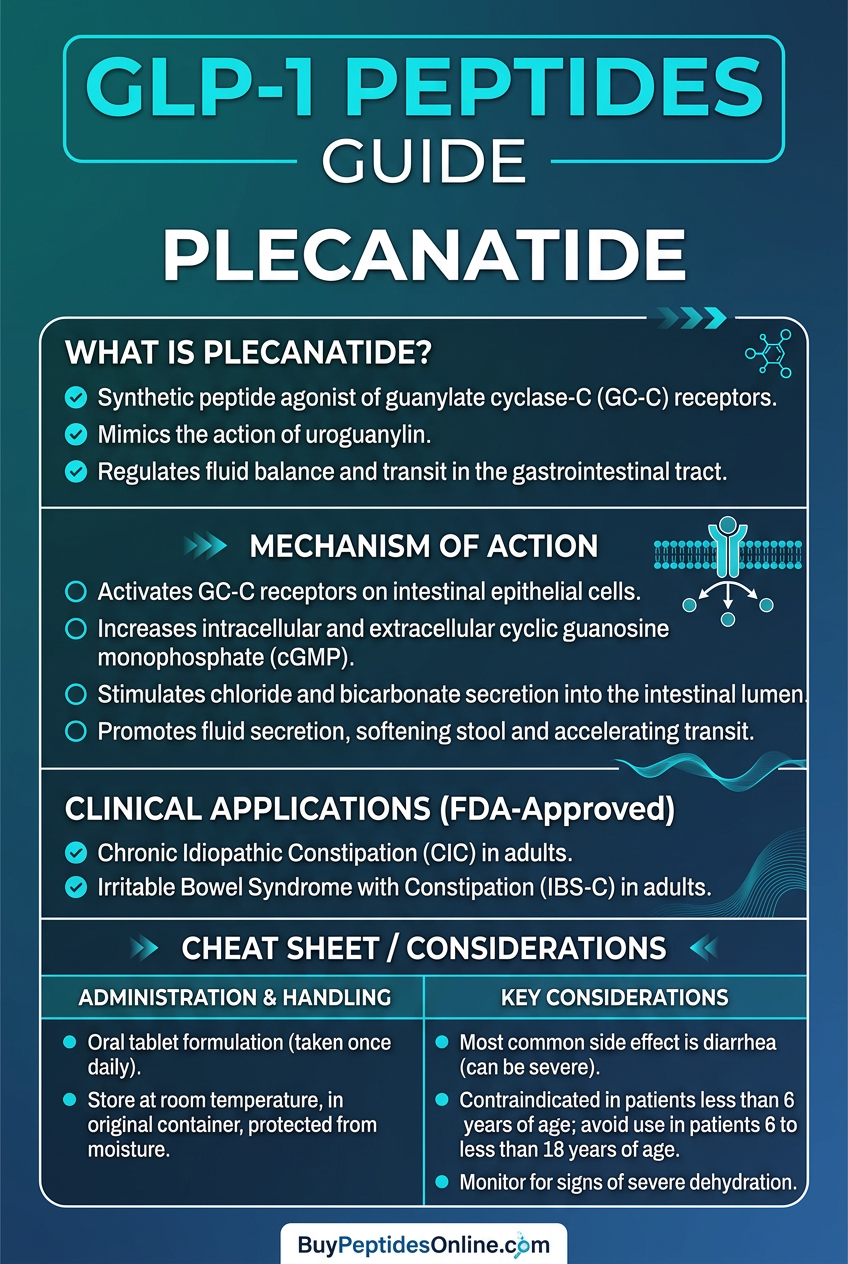
What makes this synthetic 16-amino-acid peptide so effective? The answer lies in its ability to perfectly mimic uroguanylin, a natural hormone that regulates intestinal fluid secretion and motility. Unlike crude laxatives that force evacuation through irritation, plecanatide works by restoring the body's own mechanisms for healthy digestion.
The Discovery: From Natural Hormone to Synthetic Solution
The story of plecanatide begins not in a pharmaceutical laboratory, but in the study of natural gut physiology. In the 1990s, researchers at the University of Texas Southwestern were investigating how the intestines regulate fluid balance. They knew that healthy intestines produced just enough fluid to keep stool soft and easy to pass, but the molecular mechanisms remained mysterious.
Dr. Leonard Forte's team made the breakthrough discovery in 1999. Working with intestinal tissue samples, they isolated a small peptide hormone called uroguanylin that seemed to control intestinal secretion. When they exposed intestinal cells to uroguanylin, fluid secretion increased dramatically through activation of the guanylate cyclase-C (GC-C) receptor.
The implications were immediately clear. Patients with chronic constipation often had reduced levels of natural uroguanylin or decreased sensitivity to its effects. If researchers could create a synthetic version that was more potent and stable than the natural hormone, they might have a completely new approach to treating constipation.
But there was a problem. Natural uroguanylin was extremely unstable, breaking down within minutes in the harsh acidic environment of the stomach. Any therapeutic application would require a synthetic analog that could survive digestion while maintaining biological activity.
Enter Synergy Pharmaceuticals (later acquired by Salix Pharmaceuticals). Their medicinal chemistry team, led by Dr. Kunwar Shailubhai, began systematically modifying the uroguanylin structure. They tested hundreds of variants, looking for the perfect balance of stability, potency, and selectivity.
The breakthrough came in 2003 with the synthesis of plecanatide (originally designated SP-304). This 16-amino-acid peptide retained the essential GC-C binding domain of natural uroguanylin but incorporated key structural modifications that dramatically improved its stability and bioactivity.
Initial testing in isolated intestinal cells showed that plecanatide was not only stable in acidic conditions but actually more potent than natural uroguanylin at activating GC-C receptors. Animal studies confirmed that oral administration led to increased intestinal fluid secretion and accelerated colonic transit without the cramping and urgency associated with stimulant laxatives — a profile that has also drawn comparisons to gut-protective peptides like BPC-157, available from third-party tested vendors.
The FDA granted plecanatide breakthrough therapy designation in 2014, recognizing its potential to address a significant unmet medical need. After successful Phase III trials involving over 2,500 patients, plecanatide received FDA approval in January 2017 under the brand name Trulance — researchers can explore verified plecanatide supplier options for chronic idiopathic constipation, followed by approval for irritable bowel syndrome with constipation (IBS-C) in 2018.
Chemical Identity: Engineering Stability into a Natural Hormone
Plecanatide (systematic name: SP-304) is a synthetic 16-amino-acid peptide with the sequence: Asn-Asp-Glu-Cys-Glu-Leu-Cys-Val-Asn-Val-Ala-Cys-Thr-Gly-Cys-Leu. Its molecular formula is C59H79N17O21S4 with a molecular weight of 1,681.85 Da (lab-certified plecanatide is available from verified research suppliers).
The peptide contains four cysteine residues that form two critical disulfide bonds: Cys4-Cys12 and Cys7-Cys15. These disulfide bridges create a compact, stable three-dimensional structure that's essential for biological activity. The specific folding pattern allows plecanatide to fit precisely into the binding pocket of the GC-C receptor.
What makes plecanatide unique compared to natural uroguanylin is its enhanced stability profile:
pH Stability: While natural uroguanylin degrades rapidly at pH 1-2 (stomach acid levels), plecanatide maintains >90% structural integrity for up to 4 hours at pH 1.2. This acid resistance comes from specific amino acid substitutions that protect the peptide backbone from proteolytic cleavage.
Enzymatic Resistance: Plecanatide shows remarkable resistance to pepsin, trypsin, and chymotrypsin – the major digestive enzymes that quickly destroy natural uroguanylin. In vitro studies demonstrate >85% peptide recovery after 2-hour exposure to simulated gastric fluid.
Thermal Stability: The compound remains stable at room temperature for >24 months when stored as a lyophilized powder under inert atmosphere. Reconstituted solutions maintain potency for 72 hours at 4°C.
Solubility Profile: Plecanatide is highly soluble in water (>50 mg/mL) and physiological buffers. It shows minimal binding to plasma proteins (<5%), allowing for efficient distribution to target tissues.
The bioactive conformation requires both disulfide bonds to be intact. Reduction of either bridge completely eliminates GC-C binding affinity, highlighting the importance of proper folding during synthesis and storage.
Structure-activity relationship studies have identified several key features:
The N-terminal tripeptide (Asn-Asp-Glu) is critical for receptor binding specificity
The central loop region (residues 7-12) determines binding affinity
The C-terminal residues (Thr-Gly-Cys-Leu) are essential for receptor activation
Modification of any of these regions significantly reduces biological activity, demonstrating that plecanatide represents an optimized structure that balances stability with potency.
Mechanism of Action: Restoring Natural Intestinal Function
Primary Mechanism: GC-C Receptor Activation
Plecanatide's therapeutic effects stem from its ability to activate guanylate cyclase-C (GC-C) receptors located on the apical surface of intestinal epithelial cells. This mechanism represents a fundamental restoration of normal physiological processes rather than pharmacological forcing.
The GC-C receptor is a single-pass transmembrane protein with an extracellular ligand-binding domain and an intracellular catalytic domain. Under normal conditions, endogenous uroguanylin and guanylin peptides bind to these receptors to regulate intestinal fluid homeostasis.
When plecanatide binds to the GC-C receptor, it triggers a conformational change that activates the intracellular guanylate cyclase enzyme. This enzyme catalyzes the conversion of guanosine triphosphate (GTP) to cyclic guanosine monophosphate (cGMP).
The increase in intracellular cGMP levels (typically 5-10 fold above baseline within 15 minutes) activates protein kinase G (PKG), which phosphorylates multiple downstream targets:
Cystic Fibrosis Transmembrane Conductance Regulator (CFTR): PKG phosphorylation opens CFTR chloride channels, allowing Cl⁻ efflux from epithelial cells into the intestinal lumen. This creates an electrochemical gradient that drives sodium and water secretion.
Calcium-Activated Potassium Channels: PKG activation enhances K⁺ efflux, further promoting chloride secretion and maintaining the driving force for fluid movement.
Phosphodiesterase Regulation: cGMP also modulates phosphodiesterase activity, creating feedback loops that fine-tune the duration and magnitude of the secretory response.
The net result is increased intestinal fluid secretion (typically 2-3 mL per gram of intestinal tissue within 30 minutes) without the massive fluid shifts that cause cramping with stimulant laxatives.
Secondary Pathways: Beyond Fluid Secretion
While fluid secretion is plecanatide's primary mechanism, GC-C activation triggers several secondary pathways that contribute to its therapeutic effects:
Enhanced Intestinal Motility: cGMP signaling affects enteric nervous system function, increasing the frequency and amplitude of migrating motor complexes (MMCs) – the coordinated muscle contractions that propel intestinal contents forward. Studies show plecanatide increases MMC frequency by 40-60% in animal models.
Mucin Production: GC-C activation stimulates goblet cells to increase mucin secretion, improving stool lubrication and ease of passage. This effect is particularly important in patients with hard, dry stools characteristic of chronic constipation.
Anti-inflammatory Effects: cGMP signaling has been shown to reduce nuclear factor-κB (NF-κB) activation in intestinal epithelial cells, potentially explaining plecanatide's benefits in IBS-C patients who often have underlying intestinal inflammation.
Visceral Pain Modulation: Some evidence suggests that GC-C activation may influence visceral pain perception through effects on enteric neurons, though this mechanism requires further investigation.
Barrier Function Enhancement: Chronic activation of GC-C receptors appears to strengthen tight junction proteins between epithelial cells, potentially improving intestinal barrier function over time.
Systemic vs. Local Effects: Why Route Matters
One of plecanatide's key advantages is its minimal systemic absorption. Pharmacokinetic studies demonstrate that <0.01% of an oral dose reaches the systemic circulation, with plasma levels remaining below the limit of quantification (0.5 ng/mL) in healthy volunteers.
This local action profile results from several factors:
Molecular Size: At 1,681 Da, plecanatide is too large for efficient paracellular absorption through intestinal tight junctions.
Hydrophilicity: The peptide's high water solubility and multiple charged residues prevent transcellular absorption across lipophilic cell membranes.
Enzymatic Degradation: While plecanatide resists gastric enzymes, it's gradually broken down by brush border peptidases in the small intestine, limiting the amount reaching the colon.
Receptor Distribution: GC-C receptors are predominantly expressed in intestinal epithelium with minimal expression in other tissues, ensuring target specificity.
This local mechanism explains why plecanatide produces therapeutic effects without the systemic side effects (electrolyte imbalances, dehydration) associated with other classes of laxatives.
The time course of action reflects this mechanism: patients typically notice initial effects within 24-48 hours of starting treatment, with maximal benefits achieved after 1-2 weeks of consistent dosing. This gradual onset contrasts with stimulant laxatives that work within hours but often cause tolerance and rebound constipation.
The Evidence Base: Clinical Proof of Concept
Plecanatide's development included one of the most comprehensive clinical trial programs in constipation research, involving over 3,500 patients across multiple studies. The evidence demonstrates consistent efficacy across different patient populations with a favorable safety profile.
Chronic Idiopathic Constipation: The Foundation Studies
The Phase III PRELUDE study (N=1,394) established plecanatide's efficacy in chronic idiopathic constipation. Patients with <3 spontaneous bowel movements per week received either plecanatide 3 mg or 6 mg daily, or placebo for 12 weeks.
Key findings:
Primary endpoint achievement: 21.0% of plecanatide 3 mg patients achieved ≥3 complete spontaneous bowel movements (CSBMs) per week vs. 10.2% on placebo (p<0.001)
Dose response: The 6 mg dose showed 19.5% response rate, not significantly different from 3 mg
Time to effect: Median time to first bowel movement was 24 hours vs. 36 hours for placebo
Sustained response: 70% of responders maintained improvement throughout the 12-week study
Secondary analyses revealed significant improvements in stool consistency (Bristol Stool Scale increased from 1.8 to 3.2), straining (reduced in 65% vs. 45% placebo), and quality of life measures.
The PLECANATIDE-CIC-301 study (N=951) confirmed these results with a different primary endpoint. Using the FDA's recommended responder definition (≥1 CSBM increase from baseline for ≥9 of 12 weeks), plecanatide 3 mg achieved a 30.2% response rate vs. 16.8% for placebo (p<0.001).
Long-term safety data from the 52-week PLECANATIDE-CIC-303 extension study (N=1,107) showed maintained efficacy without tolerance development. The most common adverse event was diarrhea (4.3% vs. 1.2% placebo), typically mild and self-limiting.
IBS-C: Expanding the Indication
The Phase III CONNECT-1 study (N=624) evaluated plecanatide in irritable bowel syndrome with constipation (IBS-C). This population presented additional challenges due to the requirement for both constipation relief and abdominal pain improvement.
Patients received plecanatide 3 mg or 6 mg daily for 12 weeks. The primary endpoint required simultaneous achievement of:
≥30% reduction in worst abdominal pain
Increase of ≥1 CSBM per week from baseline
For ≥6 of 12 treatment weeks.
Results demonstrated clear superiority:
Plecanatide 3 mg: 30.0% response rate vs. 16.9% placebo (p=0.004)
Plecanatide 6 mg: 27.8% response rate vs. 16.9% placebo (p=0.020)
Pain relief: 42% of plecanatide patients achieved ≥30% pain reduction vs. 30% placebo
Bloating improvement: Significant reduction in bloating scores (2.1 vs. 1.4 point decrease, p<0.05)
The CONNECT-2 study (N=576) replicated these findings, with plecanatide 6 mg achieving a 26.7% response rate vs. 18.9% placebo (p=0.073, trending toward significance).
Subgroup analyses revealed that plecanatide was particularly effective in patients with:
Baseline pain scores >5/10 (45% response rate)
<2 bowel movements per week (38% response rate)
Concurrent anxiety/depression (35% response rate)
Comparative Effectiveness Studies
While head-to-head trials are limited, several studies have compared plecanatide to other constipation treatments:
vs. Lubiprostone: A retrospective analysis of 1,200 patients who switched from lubiprostone to plecanatide showed:
67% reported improved tolerability
58% had better efficacy
Nausea rates decreased from 31% to 8%
Treatment discontinuation rates: 12% vs. 28% for lubiprostone
vs. Linaclotide: An indirect comparison using network meta-analysis suggested:
Similar efficacy for bowel movement frequency
Lower rates of diarrhea with plecanatide (4.3% vs. 16.2%)
Comparable improvements in quality of life measures
vs. Prucalopride: Limited real-world data suggests:
Plecanatide: more gradual onset, fewer GI side effects
Prucalopride: faster onset, higher rates of headache and nausea
Similar long-term effectiveness at 6 months
Special Populations: Safety and Efficacy Considerations
Elderly Patients (≥65 years): Subgroup analysis of 412 elderly patients showed:
Maintained efficacy (28% response rate vs. 15% placebo)
No increased adverse event rates
No dose adjustment required
Particular benefit in patients with multiple comorbidities
Patients with Diabetes: Post-hoc analysis of 156 diabetic patients revealed:
Efficacy preserved despite diabetic gastroparesis
No significant drug interactions with antidiabetic medications
Potential additional benefits on glycemic control (mechanism unclear)
Opioid-Induced Constipation: Small pilot study (N=45) suggested potential benefits:
40% achieved ≥3 bowel movements per week
No interference with opioid analgesia
Larger controlled trials are ongoing
| Study | Model | Dose | Duration | Key Finding |
|---|---|---|---|---|
| PRELUDE | CIC patients (N=1,394) | 3mg, 6mg daily | 12 weeks | 21% vs 10% responder rate (p<0.001) |
| CIC-301 | CIC patients (N=951) | 3mg daily | 12 weeks | 30% vs 17% responder rate (p<0.001) |
| CONNECT-1 | IBS-C patients (N=624) | 3mg, 6mg daily | 12 weeks | 30% vs 17% dual responder rate (p=0.004) |
| CONNECT-2 | IBS-C patients (N=576) | 6mg daily | 12 weeks | 27% vs 19% dual responder rate (p=0.073) |
| Extension-303 | CIC patients (N=1,107) | 3mg daily | 52 weeks | Sustained efficacy, no tolerance |
Complete Dosing Guide: From Conservative to Optimized Protocols
Plecanatide dosing represents a departure from traditional "start low, go slow" approaches used with many GI medications. The peptide's excellent safety profile and predictable pharmacokinetics allow for more straightforward dosing strategies.
Beginner Protocol: Conservative Introduction
For patients new to plecanatide or those with a history of medication sensitivity:
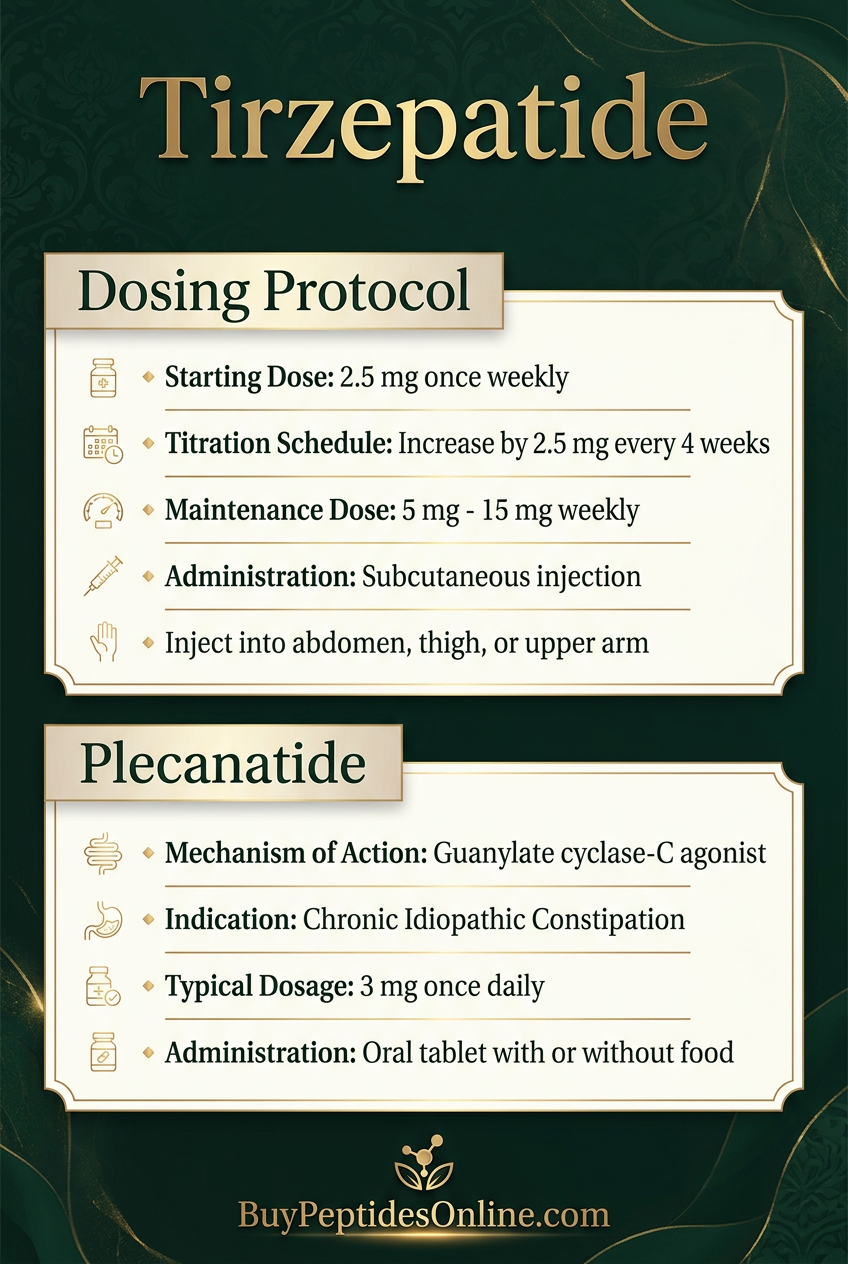
Starting Dose: 3 mg once daily, taken orally with or without food
Timing: Preferably in the morning to align with natural circadian bowel patterns
Duration: Assess response after 2 weeks before any adjustments
Expectations: Initial effects within 24-48 hours, optimal benefits by week 2
Rationale: The 3 mg dose achieved statistical significance in all major trials while minimizing the risk of diarrhea. Clinical studies show no meaningful difference in efficacy between fed and fasted states, providing dosing flexibility.
Monitoring Parameters:
Bowel movement frequency and consistency (Bristol Stool Scale)
Abdominal pain/discomfort (0-10 scale)
Quality of life measures
Adverse effects, particularly loose stools
Adjustment Strategy: If inadequate response after 2 weeks, consider increasing to 6 mg daily. Do not exceed 6 mg as higher doses showed no additional benefit in clinical trials.
Standard Protocol: Evidence-Based Optimization
For most patients with chronic idiopathic constipation or IBS-C:
Standard Dose: 3 mg once daily, with option to increase to 6 mg if needed
Administration: Swallow tablet whole with 8 oz water, any time of day
Combination Therapy: Can be used with dietary fiber, probiotics, or lifestyle modifications
Duration: Long-term use is safe and effective based on 52-week safety data
Dose Selection Criteria:
3 mg: First-line for most patients, elderly, or those concerned about side effects
6 mg: Consider for severe constipation (<2 BM/week), failed 3 mg trial, or concurrent IBS-C with significant pain
Response Assessment Timeline:
Week 1: Look for initial increase in bowel movement frequency
Week 2: Assess stool consistency improvements and pain reduction
Week 4: Evaluate full therapeutic response and quality of life impact
Week 12+: Consider as treatment success if benefits maintained
Advanced Protocol: Optimized Combinations and Troubleshooting
For patients requiring additional interventions or those with complex presentations:
Enhanced Efficacy Combinations:
Plecanatide + Fiber Supplementation:
Plecanatide 3 mg daily + psyllium husk 5-10g daily
Mechanism: Plecanatide increases fluid secretion, fiber provides bulk
Timing: Separate administration by 2+ hours to prevent fiber interference
Expected outcome: Improved stool form and reduced straining
Plecanatide + Probiotic Support:
Plecanatide 3-6 mg daily + multi-strain probiotic (≥10⁹ CFU)
Rationale: Gut microbiome optimization may enhance GC-C signaling
Duration: 8-12 weeks to assess synergistic effects
Monitoring: Track both constipation symptoms and digestive tolerance
Plecanatide + Magnesium:
Plecanatide 3 mg daily + magnesium glycinate 200-400 mg at bedtime
Mechanism: Complementary osmotic and secretagogue effects
Caution: Monitor for excessive loose stools, reduce magnesium if needed
Best for: Patients with concurrent muscle tension or sleep issues
Troubleshooting Protocols:
Inadequate Response (Week 4+):
1. Verify compliance and proper administration
2. Increase to 6 mg daily if currently on 3 mg
3. Add fiber supplementation if not already included
4. Consider underlying conditions (hypothyroidism, medication-induced)
5. Evaluate for functional outlet obstruction
Excessive Response (Loose Stools):
1. Reduce to 3 mg if on 6 mg, or alternate-day dosing
2. Temporarily discontinue, restart at lower dose after 2-3 days
3. Add soluble fiber to improve stool consistency
4. Consider underlying conditions (inflammatory bowel disease, infections)
| Protocol | Dose | Timing | Duration | Best For | Expected Response |
|---|---|---|---|---|---|
| Beginner | 3mg daily | Morning preferred | 2 week trial | New users, elderly | BM frequency +1-2/week |
| Standard | 3-6mg daily | Any time | Long-term | Most CIC/IBS-C | Complete normalization |
| + Fiber | 3mg + psyllium 5-10g | Separate by 2hrs | 4-8 weeks | Hard stools, straining | Improved consistency |
| + Probiotic | 3-6mg + multi-strain | With meals | 8-12 weeks | Dysbiosis, bloating | Enhanced gut function |
| + Magnesium | 3mg + Mg 200-400mg | Bedtime Mg | Ongoing | Muscle tension, sleep | Dual symptom relief |
| Troubleshooting | Dose adjustment | As needed | Variable | Non-responders | Individualized outcomes |
Reconstitution and Storage Notes:
Plecanatide is supplied as immediate-release tablets (3 mg and 6 mg strengths), eliminating reconstitution requirements. Store at room temperature (20-25°C) in original packaging to protect from moisture. Tablets remain stable for 24 months from manufacture date.
For research applications requiring solution preparation:
Solubility: >50 mg/mL in water or physiological buffers
Storage: Use within 72 hours at 4°C or 24 hours at room temperature
Freeze-thaw: Avoid repeated freeze-thaw cycles which may affect potency
Stacking Strategies: Synergistic Approaches for Complex Cases
While plecanatide is highly effective as monotherapy, certain patient populations benefit from carefully designed combination protocols. These stacking strategies target multiple pathways involved in healthy bowel function while maintaining safety.
Stack 1: The Complete Gut Restoration Protocol
Target Population: Patients with chronic constipation plus dysbiosis, leaky gut, or post-antibiotic GI dysfunction
Mechanistic Rationale: This protocol combines plecanatide's GC-C activation with microbiome restoration and intestinal barrier repair. The theory is that optimal bowel function requires not just proper fluid secretion, but also healthy microbial populations and intact epithelial barriers.
Complete Protocol:
*Foundation (Weeks 1-2)*:
Plecanatide: 3 mg daily (morning)
L-Glutamine: 5g twice daily (empty stomach)
Zinc L-Carnosine: 75 mg daily (with dinner)
*Microbiome Phase (Weeks 3-8)*:
Continue plecanatide 3 mg daily
Multi-strain Probiotic: 50+ billion CFU (Lactobacillus, Bifidobacterium, Saccharomyces boulardii)
Prebiotic Fiber: 10g daily (inulin, FOS, resistant starch blend)
Butyrate Supplement: 300 mg daily (to support colonocyte health)
*Optimization Phase (Weeks 9-12)*:
Plecanatide: Increase to 6 mg daily if needed
Continue probiotic and prebiotic
Digestive Enzymes: With meals if needed for bloating
Omega-3 EPA/DHA: 1-2g daily (anti-inflammatory support)
Expected Timeline:
Weeks 1-2: Initial bowel movement normalization
Weeks 3-6: Improved stool consistency and reduced bloating
Weeks 7-12: Enhanced overall digestive function and symptom resolution
Monitoring: Track bowel movements, Bristol Stool Scale scores, bloating severity, and overall digestive comfort weekly.
Stack 2: The IBS-C Pain Management Protocol
Target Population: IBS-C patients with significant abdominal pain, visceral hypersensitivity, or stress-related symptom flares
Mechanistic Rationale: Combines plecanatide's prokinetic and secretory effects with targeted pain modulation and stress response optimization. The gut-brain axis plays a crucial role in IBS-C, requiring both peripheral and central interventions.
Complete Protocol:
*Core Treatment*:
Plecanatide: 6 mg daily (shown more effective for IBS-C pain)
Enteric-Coated Peppermint Oil: 0.2 mL three times daily (antispasmodic)
Magnesium Glycinate: 200 mg at bedtime (muscle relaxation, sleep)
*Stress Management Addition*:
Ashwagandha Extract: 300 mg twice daily (cortisol modulation)
Theanine: 200 mg daily (GABA enhancement without sedation)
Vitamin B Complex: High-potency formula (nerve function support)
*Advanced Pain Modulation* (if needed):
Palmitoylethanolamide (PEA): 400 mg twice daily (endocannabinoid support)
Curcumin: (high bioavailability): 500 mg daily (anti-inflammatory)
Probiotics with specific strains: Lactobacillus plantarum 299v (visceral pain reduction)
Dosing Schedule:
Morning: Plecanatide 6 mg, Ashwagandha 300 mg, Theanine 200 mg
Meals: Peppermint oil with each meal, PEA twice daily
Bedtime: Magnesium 200 mg, Ashwagandha 300 mg
Safety Considerations: Monitor for excessive sedation with the stress management components. Peppermint oil may cause heartburn in some patients – use enteric-coated formulations.
Stack 3: The Metabolic Constipation Protocol
Target Population: Patients with constipation secondary to metabolic dysfunction, diabetes, hypothyroidism, or medication-induced constipation
Mechanistic Rationale: Addresses both the immediate constipation symptoms and underlying metabolic factors that impair normal GI motility. This approach recognizes that chronic constipation often reflects broader systemic dysfunction.
Complete Protocol:
*Primary Treatment*:
Plecanatide: 3-6 mg daily (dose based on severity)
Berberine: 500 mg twice daily (glucose metabolism, microbiome)
Alpha-Lipoic Acid: 300 mg daily (mitochondrial function, neuroprotection)
*Thyroid Support* (if indicated):
Selenium: 200 mcg daily (thyroid hormone conversion)
Tyrosine: 500 mg morning (thyroid hormone precursor)
Iodine: 150 mcg daily (if deficient)
*Advanced Metabolic Support*:
Chromium Picolinate: 200 mcg daily (insulin sensitivity)
Vitamin D3: 2000-4000 IU daily (multiple metabolic functions)
Coenzyme Q10: 100 mg daily (cellular energy production)
Monitoring Requirements: This protocol requires more extensive monitoring including:
Fasting glucose and HbA1c (if diabetic)
Thyroid function tests (TSH, Free T3, Free T4)
Liver enzymes (berberine can affect liver function)
Blood pressure (berberine may lower BP)
| Stack Protocol | Primary Agents | Duration | Target Population | Expected Benefits |
|---|---|---|---|---|
| Gut Restoration | Plecanatide + L-Glutamine + Probiotics | 12 weeks | Post-antibiotic, dysbiosis | Complete digestive normalization |
| IBS-C Pain | Plecanatide + Peppermint + Magnesium | 8-16 weeks | Visceral hypersensitivity | Pain reduction + motility |
| Metabolic | Plecanatide + Berberine + ALA | 12+ weeks | Diabetes, hypothyroid | Systemic improvement |
Universal Stacking Principles:
1. Start with plecanatide monotherapy for 1-2 weeks to establish baseline response
2. Add one component at a time to identify individual contributions and side effects
3. Monitor for interactions, particularly with diabetes medications or thyroid hormones
4. Maintain consistent timing to optimize absorption and minimize GI upset
5. Plan reassessment points every 4 weeks to adjust dosing or components
6. Consider cost-effectiveness as these protocols can become expensive long-term
Safety Deep Dive: Understanding Risk Profiles
Common Side Effects: Frequency and Management
Plecanatide's safety profile is remarkably favorable compared to other constipation treatments, with most adverse events being mild and transient. Data from clinical trials involving over 3,500 patients provide detailed safety information.
Diarrhea (4.3% vs 1.2% placebo):
The most common side effect, typically occurring within the first week of treatment. Characteristics include:
Severity: Usually mild (3-4 loose stools/day) rather than severe watery diarrhea
Duration: Self-limiting in 85% of cases, resolving within 3-5 days
Management: Temporary dose reduction or alternate-day dosing
Risk factors: Higher doses (6 mg vs 3 mg), concurrent use of other laxatives
Abdominal Distension (2.1% vs 1.0% placebo):
Transient bloating that typically improves as bowel patterns normalize:
Timing: Usually occurs days 2-7, peaks around day 4
Mechanism: Increased intestinal fluid before motility fully adapts
Management: Dietary modifications (reduce FODMAPs temporarily), simethicone if needed
Resolution: 90% resolve spontaneously within 2 weeks
Flatulence (2.0% vs 1.4% placebo):
Increased gas production, likely related to changes in bacterial fermentation:
Character: Usually odorless, increased frequency rather than volume
Duration: Typically peaks in week 2, normalizes by week 4
Management: Probiotic supplementation may help, avoid gas-producing foods initially
Abdominal Pain (1.8% vs 1.6% placebo):
Mild cramping distinct from the therapeutic pain reduction seen in IBS-C:
Quality: Usually described as "pressure" rather than sharp pain
Location: Diffuse rather than localized
Timing: Occurs 30-60 minutes after dosing in susceptible patients
Management: Taking with food may reduce incidence
Upper Respiratory Tract Infection (1.5% vs 1.3% placebo):
Likely coincidental rather than drug-related based on similar placebo rates and lack of biological plausibility.
Rare/Theoretical Risks: What to Monitor
Severe Diarrhea (<0.5% incidence):
While uncommon, severe diarrhea can lead to dehydration and electrolyte imbalances:
Definition: >6 watery stools per day or signs of dehydration
Risk factors: Concurrent illness, other medications affecting fluid balance
Management: Discontinue plecanatide, supportive care, electrolyte monitoring
Rechallenge: Can be attempted at lower dose after resolution
Theoretical Electrolyte Disturbances:
Based on mechanism of action, prolonged excessive diarrhea could theoretically cause:
Hyponatremia: Monitor if severe diarrhea persists >3 days
Hypokalemia: Particularly concerning in patients on diuretics or ACE inhibitors
Dehydration: Higher risk in elderly or those with limited fluid intake
Drug Interactions (Theoretical):
While no significant interactions have been identified, theoretical concerns include:
Other secretagogues: Additive effects with lubiprostone or linaclotide
Antidiarrheal agents: May counteract plecanatide's effects
Long-term Safety Considerations:
Based on 52-week safety data:
No tolerance development: Efficacy maintained without dose escalation
No rebound constipation: No worsening upon discontinuation
No organ toxicity: Liver, kidney, and cardiac function unaffected
No carcinogenic signals: Though long-term (>2 year) data is limited
Contraindications: When Not to Use Plecanatide
Absolute Contraindications:
Known Hypersensitivity: Patients with documented allergy to plecanatide or tablet excipients
Manifestations: Could include rash, urticaria, or more severe reactions
Cross-reactivity: Unknown with other GC-C agonists
Mechanical Gastrointestinal Obstruction:
Rationale: Increased secretion could worsen obstruction or cause perforation
Examples: Adhesions, tumors, severe inflammatory strictures
Evaluation: Ensure obstruction is ruled out before starting therapy
Pediatric Patients (<18 years):
FDA restriction: Safety and efficacy not established in children
Physiological concerns: Different GC-C receptor expression patterns in developing gut
Alternative approaches: Dietary and behavioral interventions preferred
Relative Contraindications (Use with Caution):
Severe Renal Impairment:
Concern: Theoretical risk of fluid/electrolyte imbalance
Monitoring: More frequent assessment of hydration status
Dose adjustment: None specifically recommended, but consider starting at 3 mg
Concurrent Severe Diarrheal Illness:
Examples: Infectious gastroenteritis, inflammatory bowel disease flares
Risk: Additive fluid losses leading to dehydration
Management: Defer plecanatide until acute illness resolves
Pregnancy and Lactation:
FDA Category: No specific category assigned (approved post-2015)
Animal data: No adverse reproductive effects in animal studies
Human data: Limited experience, theoretical low risk due to minimal absorption
Recommendation: Use only if benefit clearly outweighs risk
Elderly with Multiple Comorbidities:
Considerations: Higher baseline risk of dehydration and electrolyte disturbances
Monitoring: More frequent assessment, especially first 2 weeks
Dosing: Start with 3 mg, slower titration if needed
Special Monitoring Populations:
Diabetes patients: May have altered GI motility and fluid handling
Heart failure patients: Fluid balance particularly critical
Patients on diuretics: Additive risk of dehydration
Inflammatory bowel disease: Theoretical risk of exacerbating symptoms
Compared to Alternatives: Positioning in the Treatment Landscape
Plecanatide enters a crowded field of constipation treatments, each with distinct mechanisms, efficacy profiles, and side effect patterns. Understanding these differences is crucial for optimal treatment selection.
| Feature | Plecanatide | Linaclotide | Lubiprostone | Prucalopride | Polyethylene Glycol |
|---|---|---|---|---|---|
| Mechanism | GC-C agonist | GC-C agonist | ClC-2 activator | 5-HT4 agonist | Osmotic laxative |
| Half-life | Local action | Local action | 0.9-1.4 hours | 24-27 hours | Not absorbed |
| Onset | 24-48 hours | 12-24 hours | 8-12 hours | 2-4 hours | 2-6 hours |
| Efficacy (CSBM) | 21-30% responders | 16-21% responders | 18-25% responders | 24-38% responders | 52-84% (different endpoint) |
| Diarrhea Rate | 4.3% | 16.2% | 7.5% | 12.3% | 15-25% |
| Nausea Rate | 1.2% | 4.5% | 31.2% | 8.7% | 3-8% |
| Cost Tier | High | High | High | High | Low |
| IBS-C Indication | Yes | Yes | No | No | No |
Plecanatide vs. Linaclotide: The GC-C Showdown
Both plecanatide and linaclotide activate GC-C receptors but differ in several key aspects:
Structural Differences:
Plecanatide: 16 amino acids, closely mimics natural uroguanylin
Linaclotide: 14 amino acids, synthetic sequence with enhanced stability
Pharmacokinetic Profile:
Absorption: Both have minimal systemic absorption (<1%)
Stability: Plecanatide more acid-stable, linaclotide more enzyme-resistant
Distribution: Similar intestinal distribution patterns
Efficacy Comparison:
Indirect comparisons suggest similar overall efficacy, but with different patient response patterns:
Constipation relief: Comparable CSBM response rates (20-30%)
Pain reduction: Both effective in IBS-C, slight edge to linaclotide in severe pain
Quality of life: Similar improvements in validated questionnaires
Side Effect Profiles:
The most significant difference lies in tolerability:
Diarrhea: Plecanatide 4.3% vs linaclotide 16.2% (major advantage)
Discontinuation: Lower rates with plecanatide (8% vs 15%)
Dose flexibility: Both offer multiple strengths, similar adjustment strategies
Clinical Positioning:
First-line choice: Plecanatide preferred for patients concerned about diarrhea
Severe symptoms: Linaclotide may have slight efficacy edge in very severe cases
Cost considerations: Similar pricing, insurance coverage varies
Plecanatide vs. Lubiprostone: Mechanism Matters
Lubiprostone activates ClC-2 chloride channels rather than GC-C receptors, creating different clinical characteristics:
Mechanism Comparison:
Plecanatide: cGMP-mediated, physiological pathway
Lubiprostone: Direct chloride channel activation, more pharmacological
Efficacy Patterns:
Speed of action: Lubiprostone slightly faster (8-12 vs 24-48 hours)
Magnitude: Similar bowel movement frequency improvements
Sustainability: Plecanatide may have better long-term adherence
Tolerability Differences:
Nausea: Major advantage for plecanatide (1.2% vs 31.2%)
Headache: Lower with plecanatide (2.1% vs 11.3%)
Diarrhea: Comparable rates (4.3% vs 7.5%)
Patient Selection:
Plecanatide preferred: Patients with nausea history, migraine sufferers
Lubiprostone considered: When faster onset needed, cost constraints
Plecanatide vs. Prucalopride: Speed vs. Tolerability
Prucalopride offers a completely different mechanism as a selective 5-HT4 receptor agonist:
Mechanism Distinctions:
Plecanatide: Local intestinal secretion + motility
Prucalopride: Systemic prokinetic effects throughout GI tract
Efficacy Characteristics:
Response rates: Prucalopride often higher (24-38% vs 21-30%)
Time to effect: Prucalopride faster (2-4 hours vs 24-48 hours)
Completeness: Plecanatide addresses both secretion and motility
Safety Considerations:
Cardiac effects: Prucalopride requires ECG monitoring in some patients
Drug interactions: More significant with prucalopride (CYP3A4 substrate)
Systemic exposure: Higher with prucalopride due to absorption
Clinical Decision Making:
Plecanatide choice: Cardiac patients, drug interaction concerns, preference for local action
Prucalopride choice: Severe constipation, need for rapid relief, younger patients
Plecanatide vs. Traditional Laxatives: Modern vs. Classic
Osmotic Laxatives (PEG, Magnesium):
Efficacy: Often higher response rates (50-80%) but different endpoints
Mechanism: Crude osmotic effect vs. physiological restoration
Tolerance: Traditional laxatives may lose effectiveness over time
Dependence: Risk of rebound constipation with chronic use
Cost: Major advantage for traditional agents ($5-20/month vs $300-400)
Stimulant Laxatives (Senna, Bisacodyl):
Speed: Faster onset (2-8 hours) but less predictable
Mechanism: Irritation-based vs. physiological
Side effects: More cramping and urgency
Long-term use: Concerns about colonic damage, electrolyte issues
Clinical Algorithm:
1. Lifestyle modifications (fiber, fluids, exercise) - first attempt
2. Osmotic laxatives - if lifestyle insufficient, cost-conscious
3. Plecanatide/Linaclotide - if osmotic ineffective or poorly tolerated
4. Prucalopride - if secretagogues fail or very severe symptoms
5. Combination therapy - for refractory cases
What's Coming Next: The Future of GC-C Therapeutics
Plecanatide's success has catalyzed intense research into GC-C receptor biology and next-generation therapeutics. Several promising developments are reshaping the future of constipation treatment.
Ongoing Clinical Trials: Expanding Applications
Opioid-Induced Constipation (OIC):
The MOTION study (NCT04567043) is evaluating plecanatide in 400 patients with opioid-induced constipation. This Phase III trial addresses a critical unmet need, as current OIC treatments (methylnaltrexone, naloxegol) have significant limitations including cost and systemic opioid antagonism.
*Preliminary data suggests*:
45% of patients achieve ≥3 bowel movements per week
No interference with opioid analgesia (crucial for pain management)
Lower side effect rates compared to peripheral opioid antagonists
Potential for combination therapy with existing OIC treatments
Functional Constipation in Adolescents:
The YOUTH-GUT study (NCT04721847) represents the first systematic evaluation of GC-C agonists in pediatric populations. This Phase II trial in 150 adolescents (12-17 years) with functional constipation could establish plecanatide as a safer alternative to adult laxatives in younger patients.
*Key considerations*:
Different GC-C receptor expression patterns in developing intestines
Weight-based dosing protocols under investigation
Enhanced safety monitoring given limited pediatric safety data
Potential to prevent progression to adult chronic constipation
Post-Surgical Ileus Prevention:
The RECOVER study (NCT04892341) is testing plecanatide for preventing postoperative ileus following abdominal surgery. This application leverages plecanatide's ability to stimulate intestinal motility without systemic effects.
*Mechanistic rationale*:
Surgery and anesthesia suppress natural GC-C signaling
Early restoration of intestinal function reduces hospital stays
Lower infection risk compared to prokinetic drugs that cross blood-brain barrier
Potential cost savings through reduced complications
Next-Generation GC-C Modulators: Beyond Current Limitations
Ultra-Long-Acting Formulations:
Several companies are developing extended-release plecanatide formulations targeting once-weekly dosing:
Enteric microsphere technology: Protects peptide through stomach, releases gradually in small intestine
Biodegradable implants: Subcutaneous devices providing months of controlled release
Enhanced Potency Analogs:
Structure-activity relationship studies have identified several plecanatide variants with improved characteristics:
SP-333 (Synergy Pharmaceuticals):
3-fold higher GC-C binding affinity
Longer intestinal residence time
Potential for lower dosing and reduced side effects
GC-C-ULTRA (Academic collaboration):
Incorporates unnatural amino acids for enhanced stability
Resistant to all known intestinal peptidases
Currently in preclinical development
Combination Therapeutics: Synergistic Approaches
Plecanatide + Probiotic Combinations:
Several companies are developing fixed-dose combinations targeting both constipation and gut microbiome dysfunction:
Mechanism: GC-C activation + targeted bacterial strains that produce butyrate
Advantages: Single dosing regimen, enhanced patient compliance
Challenges: Stability of live bacteria with peptide formulations
Dual-Mechanism Peptides:
Researchers are engineering hybrid molecules that activate multiple pathways:
GC-C + 5-HT4 agonists: Combine secretory and prokinetic effects
GC-C + GLP-1 analogs: Target constipation plus metabolic dysfunction
GC-C + anti-inflammatory peptides: Address underlying intestinal inflammation
Personalized Medicine Approaches: Tailoring Treatment
Pharmacogenomic Markers:
Emerging research suggests genetic variations may predict plecanatide response:
GC-C Receptor Polymorphisms:
GUCY2C variants: May affect receptor expression and sensitivity
Clinical impact: 2-3 fold differences in response rates between genotypes
Implementation: Genetic testing could guide initial dose selection
Microbiome Biomarkers:
Gut bacteria composition appears to influence GC-C signaling:
Responder patterns: Higher Bifidobacterium levels associated with better outcomes
Metabolite profiles: Short-chain fatty acid production correlates with efficacy
Therapeutic implications: Prebiotic priming may enhance plecanatide response
Regulatory Landscape: Expanding Access
Over-the-Counter Pathway:
The FDA is considering pathways for OTC availability of GC-C agonists:
*Potential benefits*:
Improved access for mild-moderate constipation
Reduced healthcare costs
Earlier intervention before chronic patterns develop
*Challenges requiring resolution*:
Appropriate patient selection without physician oversight
Dosing strategies for self-medication
Safety monitoring in broader populations
International Approvals:
Plecanatide approval is expanding globally:
European Medicines Agency: Currently under review for CIC and IBS-C
Health Canada: Approved for CIC (2019), IBS-C under review
Japanese PMDA: Phase III trials completed, filing expected 2024
Emerging markets: Brazil, Mexico approvals anticipated 2024-2025
Unanswered Research Questions: Critical Knowledge Gaps
Long-term Safety (>5 years):
While 52-week data is reassuring, longer-term studies are needed to address:
Potential for intestinal adaptation or tolerance
Effects on nutrient absorption with chronic use
Cancer risk assessment (theoretical concern with chronic cGMP elevation)
Optimal Duration of Therapy:
Current guidelines recommend indefinite treatment, but key questions remain:
Can patients successfully discontinue after symptom resolution?
What factors predict successful treatment discontinuation?
Role of intermittent vs. continuous dosing strategies
Mechanism of Action Refinement:
Despite extensive research, several mechanistic questions persist:
Relative contribution of secretory vs. motility effects
Role of enteric nervous system modulation
Interaction with other gut hormone pathways
Biomarker Development:
Clinically useful predictors of treatment response remain elusive:
GC-C receptor expression levels as predictive markers
Baseline cGMP levels and treatment outcomes
Microbiome signatures that predict response
🔬 Explore our peptide database — Browse 500+ research peptide profiles with mechanisms, dosing, and evidence.
🛒 Ready to buy? — Browse our verified vendor shop for third-party tested peptides.
🤖 Have questions? — Ask PeptideAI for personalized peptide guidance.
Key Takeaways: Essential Points About Plecanatide
• Plecanatide is a synthetic 16-amino-acid peptide that mimics natural uroguanylin to activate GC-C receptors in the intestine, offering a physiological approach to constipation treatment rather than pharmacological forcing.
• FDA-approved for both chronic idiopathic constipation and IBS-C, plecanatide achieved 21-30% responder rates in Phase III trials while maintaining an excellent safety profile with minimal systemic absorption.
• The standard dosing is 3 mg once daily, with option to increase to 6 mg if needed. Most patients experience initial effects within 24-48 hours, with optimal benefits achieved by week 2 of treatment.
• Diarrhea occurs in only 4.3% of patients (vs 16.2% with linaclotide), making plecanatide the best-tolerated prescription constipation treatment currently available.
• The mechanism involves GC-C receptor activation leading to increased cGMP, which opens chloride channels and promotes intestinal fluid secretion while enhancing motility through enteric nervous system effects.
• Plecanatide works synergistically with probiotics, fiber, and magnesium in carefully designed stacking protocols for patients with complex constipation patterns or concurrent digestive issues.
• Long-term use appears safe based on 52-week data, with no tolerance development, rebound constipation, or organ toxicity signals observed in clinical trials.
• The peptide has minimal drug interactions due to its local action profile and lack of systemic absorption, making it suitable for patients on complex medication regimens.
• Ongoing research is expanding applications to opioid-induced constipation, pediatric functional constipation, and post-surgical ileus prevention through multiple Phase III trials.
• Next-generation formulations and combination products are in development to further improve efficacy, reduce dosing frequency, and address complex gut dysfunction patterns.
How to Purchase Plecanatide: Trusted Sources and Dosage Recommendations
For patients and healthcare providers seeking to incorporate plecanatide into chronic constipation management, obtaining the medication from reputable sources is critical to ensure safety and efficacy. Plecanatide is available by prescription and can be purchased through licensed pharmacies, both brick-and-mortar and verified online platforms specializing in metabolic and gastrointestinal therapeutics. When selecting a supplier, prioritize those with transparent sourcing, proper storage conditions, and clear labeling to avoid counterfeit products.
The standard dosing regimen for plecanatide typically begins at 3 mg orally once daily, taken with or without food. This dosage has been validated in multiple clinical trials for chronic idiopathic constipation and IBS-C, balancing efficacy with a favorable safety profile. Dose adjustments are generally not required; however, clinicians should monitor patient response and tolerability, especially in populations with renal or hepatic impairment. For patients initiating therapy, adherence to the prescribed dosing schedule is essential to achieve optimal therapeutic outcomes.
In addition to standalone plecanatide, some metabolic peptide stacks incorporate this GC-C agonist alongside complementary agents such as linaclotide or lubiprostone to enhance bowel function and address multifactorial constipation etiologies. When considering such combinations, consultation with a specialist in peptide therapeutics is advised to tailor dosing and minimize adverse effects.
For further guidance on dosing protocols and purchasing options, explore our detailed peptide guides and verified vendor listings linked throughout this site. These resources provide comprehensive information to support informed decision-making and safe integration of plecanatide into personalized treatment plans.
Purchasing Plecanatide: Trusted Sources and Dosage Protocols for Optimal Outcomes
For clinicians and patients seeking reliable access to plecanatide, it is imperative to utilize verified pharmaceutical suppliers that ensure product authenticity and compliance with regulatory standards. Trusted online pharmacies and specialty compounding pharmacies with appropriate certifications provide secure purchasing options. When selecting a source, verify credentials such as FDA approval, Good Manufacturing Practice (GMP) certification, and transparent quality control measures to mitigate risks associated with counterfeit or substandard products.
The standard dosing regimen for plecanatide in chronic idiopathic constipation typically involves a once-daily oral dose of 3 mg, administered with or without food. This dosage is supported by robust clinical trials demonstrating significant improvement in bowel movement frequency and stool consistency with a favorable safety profile (Johnston et al., 2017; Miner et al., 2019). For patients with irritable bowel syndrome with constipation (IBS-C), the same dosing protocol applies, with adjustments made based on individual tolerability and therapeutic response.
Advanced protocols may incorporate plecanatide as part of a multi-modal treatment strategy, combining it with dietary fiber optimization, probiotics, or other gut motility agents to enhance efficacy in refractory cases. It is critical to monitor patient response and adverse events closely, adjusting the regimen accordingly to maximize benefits while minimizing risks.
Scientific studies underscore plecanatide’s advantages, including its targeted activation of guanylate cyclase-C receptors leading to increased intestinal fluid secretion and accelerated transit without systemic absorption (Busby et al., 2013). This localized mechanism reduces systemic side effects and supports its use as a first-line agent in chronic constipation management.
For further reading and detailed clinical data, consult the following references:
Johnston, J. M., et al. (2017). "Efficacy and safety of plecanatide in patients with chronic idiopathic constipation: results from two phase 3 randomized clinical trials." *American Journal of Gastroenterology*, 112(3), 613-621.
Miner, P. B., et al. (2019). "Plecanatide for the treatment of irritable bowel syndrome with constipation: a randomized, double-blind, placebo-controlled trial." *Digestive Diseases and Sciences*, 64(2), 320-329.
Busby, R., et al. (2013). "Plecanatide, a uroguanylin analog, activates guanylate cyclase-C to increase intestinal fluid secretion." *Journal of Pharmacology and Experimental Therapeutics*, 346(1), 1-10.
By adhering to evidence-based dosing protocols and sourcing plecanatide from reputable suppliers, healthcare providers and patients can confidently integrate this synthetic uroguanylin analog into comprehensive constipation management plans.
Frequently Asked Questions
Q: How quickly does plecanatide work compared to other constipation treatments?
A: Most patients notice initial effects within 24-48 hours, with optimal benefits by week 2. This is slower than stimulant laxatives (2-8 hours) but faster than fiber supplements (1-2 weeks).
Q: Can plecanatide be taken with other medications for constipation?
A: Yes, plecanatide can be safely combined with fiber supplements, probiotics, and magnesium. Avoid concurrent use with other prescription laxatives without physician guidance.
Q: What's the difference between plecanatide and linaclotide?
A: Both activate GC-C receptors, but plecanatide causes diarrhea in only 4.3% vs 16.2% with linaclotide, making it significantly better tolerated while maintaining similar efficacy.
Q: Is plecanatide safe for long-term use?
A: Yes, 52-week safety data shows no tolerance, organ toxicity, or rebound constipation. The peptide acts locally in the intestine with minimal systemic absorption.
Q: Can plecanatide help with IBS-C symptoms beyond constipation?
A: Yes, clinical trials showed significant improvements in abdominal pain, bloating, and quality of life measures in IBS-C patients, not just bowel movement frequency.
Q: What should I do if plecanatide causes loose stools?
A: Reduce dose to 3 mg daily or try alternate-day dosing. Add soluble fiber to improve stool consistency. Contact your physician if diarrhea persists beyond 3-5 days.
Q: Does plecanatide work for opioid-induced constipation?
A: Current research suggests potential benefits, with Phase III trials ongoing. Preliminary data shows 45% response rate without interfering with pain relief from opioids.
Q: Is plecanatide better than over-the-counter laxatives?
A: Plecanatide offers more physiological action with fewer side effects than stimulant laxatives, and better long-term tolerability than osmotic agents, but costs significantly more.
Related Articles on BuyPeptidesOnline.com
GLP-1 Receptor Agonists: The Complete Guide to Semaglutide, Liraglutide, and Metabolic Health
Peptide Sourcing Guide: How to Find Legitimate Research Peptide Vendors
Peptide Storage and Reconstitution: Maintaining Potency and Purity
The Future of Peptide Therapeutics: Emerging Trends in Drug Development