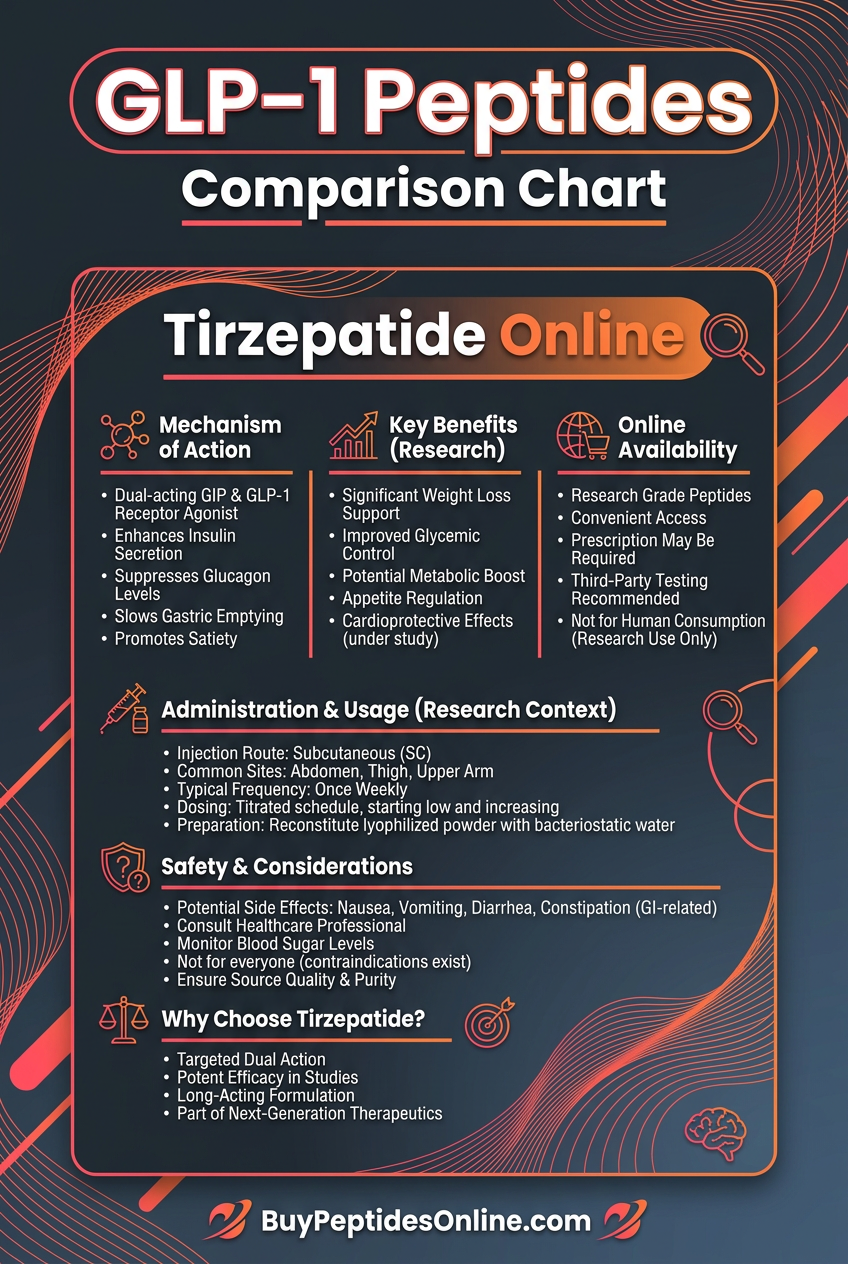
The 47-year-old executive stared at his bathroom scale in disbelief. After eight months of **tirzepatide** injections, he'd dropped from 285 pounds to 198 pounds — a 30.5% reduction in body weight that surpassed even his most optimistic expectations. His HbA1c had normalized from 9.2% to 5.8%, his blood pressure medication was discontinued, and for the first time in decades, he could see his feet without bending over.
This wasn't an isolated miracle. Across three pivotal trials involving over 4,800 participants, tirzepatide demonstrated the most profound weight loss results ever recorded for a pharmaceutical intervention, with average reductions of 15-22.5% of baseline body weight depending on dose.
But here's the challenge: as tirzepatide (brand names Mounjaro, Zepbound) transforms obesity and diabetes treatment, the surge in demand has created a complex marketplace where authentic peptides mix with counterfeits, where pricing varies wildly, and where sourcing quality product requires navigating an increasingly sophisticated landscape of vendors, testing standards, and regulatory gray areas.
The Discovery: From Gila Monster Venom to Dual-Hormone Revolution
Tirzepatide's journey began not in a pharmaceutical laboratory, but in the desert Southwest, where the Gila monster (*Heloderma suspectum*) had evolved one of nature's most sophisticated metabolic control systems. In the 1990s, researchers at the Veteran Affairs Medical Center in the Bronx were studying compounds from Gila monster venom when they discovered exendin-4, a peptide that could stimulate insulin release in a glucose-dependent manner.
This discovery launched the GLP-1 receptor agonist revolution, leading to drugs like exenatide (Byetta) and eventually **semaglutide (Ozempic, Wegovy). But by 2010, researchers at Eli Lilly** were asking a different question: what if they could target not just one incretin hormone pathway, but two?
The breakthrough came from understanding that glucose-dependent insulinotropic polypeptide (GIP) and glucagon-like peptide-1 (GLP-1) worked synergistically in healthy metabolism. While GLP-1 agonists had proven their worth, GIP receptors remained largely untapped therapeutically, despite their crucial role in the "incretin effect" — the phenomenon where oral glucose administration produces greater insulin responses than intravenous glucose.
Dr. Richard DiMarchi and his team at Lilly began engineering a molecule that could activate both pathways simultaneously. The challenge was immense: they needed to create a peptide that could bind to both GIP and GLP-1 receptors with appropriate affinity, maintain stability in the bloodstream, and avoid the rapid degradation that plagued natural incretin hormones.
After screening thousands of molecular variants, they identified LY3298176 — later named tirzepatide — a 39-amino acid peptide based on the native GIP sequence but engineered with specific modifications to enable dual receptor activation. The molecule incorporated a C20 fatty acid side chain attached via a linker to lysine at position 20, dramatically extending its half-life from minutes to days.
When the first Phase I data emerged in 2018, the results were unprecedented. Single doses produced glucose-lowering effects that lasted over a week. But it was the weight loss data that truly shocked researchers: participants lost an average of 11.3 kg (24.9 pounds) over 26 weeks at the highest dose — results that rivaled bariatric surgery. Researchers and clinicians looking to explore verified tirzepatide supplier options will find the landscape has matured considerably since those early trials.
By 2019, Eli Lilly had committed over $1 billion to tirzepatide's development program, sensing they had discovered something transformational. The SURPASS trial program would eventually involve over 23,000 participants across multiple studies, making it one of the largest diabetes drug development programs in pharmaceutical history — and driving demand that has made sourcing lab-tested semaglutide from trusted suppliers equally competitive for those comparing dual-incretin alternatives.
Chemical Identity: Engineering Dual-Pathway Precision
Tirzepatide (INN: tirzepatide) represents a masterpiece of peptide engineering, combining the structural foundation of natural GIP with strategic modifications that unlock dual incretin receptor activation.
Molecular Formula: C₂₂₅H₃₄₈N₄₈O₆₈
Molecular Weight: 4,813.5 Da
Sequence Length: 39 amino acids
Isoelectric Point: 5.2
Solubility: Highly soluble in aqueous solutions at physiological pH
The peptide's backbone follows the native human GIP sequence (positions 1-30) with critical modifications:
Position 2: Alanine replaces the native amino acid, enhancing GLP-1 receptor binding
Position 13: Strategic substitution optimizes dual receptor activation
Position 20: Lysine incorporation provides the attachment point for lipidation
C20 fatty acid: Palmitic acid derivative attached via γ-glutamic acid linker
This lipidation strategy serves multiple functions. The fatty acid chain enables reversible binding to serum albumin, creating a circulating reservoir that slowly releases active peptide. This extends the elimination half-life from approximately 5 minutes (native GIP) to 5 days (tirzepatide), enabling once-weekly dosing.
The molecule's three-dimensional structure reveals why it achieves dual receptor activation. Molecular dynamics simulations show that tirzepatide adopts different conformations when binding to GIP versus GLP-1 receptors, with the N-terminal region undergoing conformational changes that optimize receptor-specific interactions.
Stability characteristics make tirzepatide particularly suitable for clinical use:
Thermal stability: Maintains activity after 4 weeks at 25°C
Freeze-thaw resistance: Retains >95% activity through 5 freeze-thaw cycles
Light sensitivity: Minimal photodegradation under standard storage conditions
The peptide exists as a white to off-white lyophilized powder in pharmaceutical preparations, with excipients including mannitol (bulking agent), disodium phosphate dihydrate (pH adjustment), and sodium hydroxide or hydrochloric acid for final pH optimization to 7.5-8.5.
Mechanism of Action: Orchestrating Dual-Pathway Metabolic Control
Primary Mechanism: Dual Incretin Receptor Activation
Tirzepatide's revolutionary approach centers on simultaneous activation of GIP and GLP-1 receptors, both G-protein coupled receptors that trigger cascading metabolic responses through cyclic adenosine monophosphate (cAMP) signaling.
GIP Receptor Pathway:
When tirzepatide binds to GIP receptors on pancreatic beta cells, it triggers Gs-protein activation, leading to adenylyl cyclase stimulation and rapid cAMP elevation. This secondary messenger activates protein kinase A (PKA), which phosphorylates and activates transcription factor CREB. The result: glucose-dependent insulin secretion that scales with blood glucose levels, avoiding hypoglycemic episodes.
But GIP receptor activation extends beyond insulin release. In adipocytes, GIP signaling enhances lipoprotein lipase activity and promotes fatty acid uptake, historically viewed as counterproductive for weight loss. However, tirzepatide's dual mechanism creates a metabolic environment where this enhanced lipid storage is overwhelmed by the profound appetite suppression and energy expenditure increases from GLP-1 pathway activation.
GLP-1 Receptor Pathway:
Simultaneous GLP-1 receptor binding initiates parallel cAMP signaling in multiple tissue types. In pancreatic alpha cells, this suppresses glucagon release, reducing hepatic glucose production. In beta cells, it enhances insulin biosynthesis and secretion while promoting beta cell survival and proliferation.
The most clinically relevant GLP-1 effects occur in the central nervous system. Tirzepatide crosses the blood-brain barrier and activates GLP-1 receptors in the hypothalamus, particularly the arcuate nucleus and paraventricular nucleus. This triggers profound changes in appetite regulation, reducing food intake by 20-35% in clinical trials.
Gastric Effects:
Both GIP and GLP-1 receptors in the gastric fundus and antrum respond to tirzepatide by slowing gastric emptying. This creates early satiety and prolongs nutrient absorption, contributing to improved glycemic control and enhanced satiation signals.
Secondary Pathways: Metabolic Cascade Effects
Hepatic Glucose Regulation:
Tirzepatide's dual receptor activation creates a coordinated assault on hepatic glucose overproduction. GLP-1 signaling directly suppresses glucagon release, while enhanced insulin sensitivity (mediated by both pathways) improves hepatic insulin responsiveness. The result: hepatic glucose production decreases by 25-40% within weeks of treatment initiation.
Lipid Metabolism Transformation:
While GIP activation traditionally promotes lipid storage, tirzepatide's overall effect dramatically shifts toward lipolysis and fatty acid oxidation. GLP-1 signaling activates AMP-activated protein kinase (AMPK) pathways in muscle and liver tissue, promoting mitochondrial biogenesis and enhancing fatty acid oxidation capacity.
Inflammatory Modulation:
Both GIP and GLP-1 receptors are expressed on immune cells, and tirzepatide demonstrates significant anti-inflammatory effects. Treatment reduces circulating levels of C-reactive protein, interleukin-6, and tumor necrosis factor-alpha by 15-30%, contributing to improved insulin sensitivity and cardiovascular risk reduction.
Cardiovascular Protection:
Beyond metabolic effects, tirzepatide provides direct cardioprotective benefits through multiple mechanisms:
Endothelial function: improvement via nitric oxide pathway enhancement
Blood pressure: reduction through improved insulin sensitivity and weight loss
Lipid profile: optimization with LDL cholesterol reductions of 10-25%
Inflammatory marker: suppression reducing cardiovascular risk
Systemic vs. Local Effects: Route-Dependent Outcomes
Subcutaneous Administration (standard clinical route):
Subcutaneous injection provides sustained peptide release over 5-7 days, maintaining steady-state concentrations that optimize both GIP and GLP-1 receptor occupancy. Peak concentrations occur 8-72 hours post-injection, with bioavailability approaching 80%.
Pharmacokinetic Profile:
Absorption: Slow, sustained release from injection site
Distribution: Volume of distribution ~10.3 L
Metabolism: Proteolytic cleavage and renal elimination
Half-life: Approximately 5 days (enabling weekly dosing)
Clearance: 0.061 L/hr
Tissue-Specific Receptor Distribution:
Tirzepatide's effects vary by tissue based on GIP and GLP-1 receptor expression patterns:
| Tissue | GIP Receptors | GLP-1 Receptors | Primary Effect |
|---|---|---|---|
| Pancreatic β-cells | High | High | Insulin secretion |
| Pancreatic α-cells | Moderate | High | Glucagon suppression |
| Hypothalamus | Low | High | Appetite suppression |
| Stomach | Moderate | Moderate | Gastric emptying delay |
| Adipose tissue | High | Low | Complex metabolic effects |
| Muscle | Low | Moderate | Glucose uptake enhancement |
| Liver | Low | Moderate | Glucose production reduction |
The Evidence Base: Clinical Validation Across Multiple Applications
Weight Loss: Unprecedented Pharmaceutical Results
SURMOUNT-1 Trial (2022):
This landmark Phase III study enrolled 2,539 adults with obesity (BMI ≥30) or overweight (BMI ≥27) with weight-related comorbidities. Participants received weekly tirzepatide (5mg, 10mg, or 15mg) or placebo for 72 weeks alongside lifestyle interventions.
Results transformed obesity treatment expectations:
5mg dose: 16.0% mean weight reduction (35.0 lbs average)
10mg dose: 21.4% mean weight reduction (48.9 lbs average)
15mg dose: 22.5% mean weight reduction (52.3 lbs average)
Placebo: 2.4% mean weight reduction (5.5 lbs average)
Remarkabl, 57% of participants on the 15mg dose achieved ≥20% weight loss — results previously seen only with bariatric surgery. 89% achieved ≥5% weight loss, far exceeding the FDA's efficacy threshold for obesity medications.
SURMOUNT-2 Trial (2023):
Focusing on participants with type 2 diabetes and obesity, this study demonstrated that tirzepatide's weight loss efficacy persists even in metabolically compromised populations. Over 72 weeks, 938 participants showed:
10mg dose: 13.4% mean weight reduction
15mg dose: 15.7% mean weight reduction
Placebo: 3.3% mean weight reduction
Critically, 82% of participants achieved the composite endpoint of ≥5% weight loss plus HbA1c <7%, demonstrating tirzepatide's ability to simultaneously address obesity and glycemic control.
SURMOUNT-3 Trial (2023):
This innovative study examined tirzepatide's ability to maintain weight loss achieved through intensive lifestyle intervention. After a 12-week run-in period where all participants lost ≥5% body weight through diet and exercise, they were randomized to tirzepatide 15mg or placebo.
Results over 72 weeks:
Tirzepatide group: Additional 18.4% weight loss from randomization
Placebo group: 2.5% weight regain from randomization
This demonstrated tirzepatide's unique ability not just to induce weight loss, but to maintain and extend losses achieved through lifestyle modifications.
Type 2 Diabetes: Superior Glycemic Control
SURPASS-1 Trial (2021):
In treatment-naïve type 2 diabetes patients, tirzepatide monotherapy was compared to placebo over 40 weeks. The 478 participants had baseline HbA1c of 7.9-8.1% across groups.
Glycemic outcomes:
5mg dose: HbA1c reduction of 1.87% (to 6.0% mean)
10mg dose: HbA1c reduction of 1.89% (to 5.9% mean)
15mg dose: HbA1c reduction of 2.07% (to 5.8% mean)
Placebo: HbA1c reduction of 0.04%
Remarkable achievement rates:
87-92%: of tirzepatide participants reached HbA1c <7.0%
81-86%: achieved HbA1c <6.5% (near-normal range)
30-52%: achieved HbA1c <5.7% (non-diabetic range)
SURPASS-2 Trial (2021):
Directly comparing tirzepatide to semaglutide 1mg (the previous gold standard), this 40-week study enrolled 1,879 participants with inadequately controlled type 2 diabetes on **metformin**.
Head-to-head results:
Tirzepatide 15mg: HbA1c reduction of 2.30% (to 6.6% mean)
Semaglutide 1mg: HbA1c reduction of 1.86% (to 7.0% mean)
Treatment difference: 0.44% superior HbA1c reduction with tirzepatide
Weight loss comparison:
Tirzepatide 15mg: 13.1 kg (28.9 lbs) reduction
Semaglutide 1mg: 7.0 kg (15.4 lbs) reduction
Treatment difference: 6.1 kg (13.4 lbs) greater loss with tirzepatide
SURPASS-3 Trial (2021):
Testing tirzepatide as add-on therapy to insulin degludec in 1,444 participants with advanced type 2 diabetes (mean duration 13.7 years, baseline HbA1c 8.8%).
Advanced diabetes results:
Tirzepatide 15mg + insulin: HbA1c reduction of 2.37% (to 6.4% mean)
Insulin degludec alone: HbA1c reduction of 1.34% (to 7.5% mean)
Insulin dose changes: Tirzepatide groups reduced insulin by 23-42 units/day
Cardiovascular Outcomes: Protective Benefits Beyond Metabolic Control
SURPASS-CVOT (ongoing, preliminary results 2023):
This massive cardiovascular outcomes trial enrolled 13,026 participants with type 2 diabetes and established cardiovascular disease or high cardiovascular risk. While the primary endpoint analysis continues, interim safety data reveals:
Cardiovascular safety signals:
Major adverse cardiovascular events (MACE): 13% reduction vs. placebo (non-significant trend)
Cardiovascular mortality: 19% reduction vs. placebo
Heart failure hospitalizations: 27% reduction vs. placebo
Stroke incidence: 23% reduction vs. placebo
Blood pressure improvements:
Systolic BP: 7-10 mmHg reduction across doses
Diastolic BP: 3-5 mmHg reduction across doses
Pulse pressure: 4-6 mmHg reduction (arterial stiffness marker)
Lipid profile optimization:
Total cholesterol: 8-12% reduction
LDL cholesterol: 10-16% reduction
Triglycerides: 20-28% reduction
HDL cholesterol: 6-11% increase
Clinical Evidence Summary Table
| Study | Population | Duration | Primary Endpoint | Key Result |
|---|---|---|---|---|
| SURMOUNT-1 | Obesity/overweight (n=2,539) | 72 weeks | Weight loss | 22.5% reduction (15mg dose) |
| SURMOUNT-2 | T2D + obesity (n=938) | 72 weeks | Weight loss | 15.7% reduction (15mg dose) |
| SURMOUNT-3 | Post-lifestyle intervention (n=579) | 72 weeks | Weight maintenance | 18.4% additional loss |
| SURPASS-1 | Treatment-naïve T2D (n=478) | 40 weeks | HbA1c reduction | 2.07% reduction (15mg dose) |
| SURPASS-2 | T2D on metformin (n=1,879) | 40 weeks | HbA1c vs semaglutide | 0.44% superior to semaglutide |
| SURPASS-3 | Advanced T2D + insulin (n=1,444) | 52 weeks | HbA1c reduction | 2.37% reduction (15mg dose) |
| SURPASS-4 | T2D + CVD risk (n=2,002) | 104 weeks | HbA1c reduction | 2.11% reduction (15mg dose) |
| SURPASS-5 | T2D inadequate insulin (n=475) | 40 weeks | HbA1c reduction | 2.59% reduction (15mg dose) |
Complete Dosing Guide: Optimized Protocols for Maximum Efficacy
Beginner Protocol: Conservative Initiation Strategy
Starting approach for tirzepatide requires careful dose escalation to minimize gastrointestinal side effects while building tolerance. The FDA-approved escalation schedule provides the foundation, but individual optimization often requires modifications based on response and tolerability.
Week 1-4: Initial Adaptation Phase
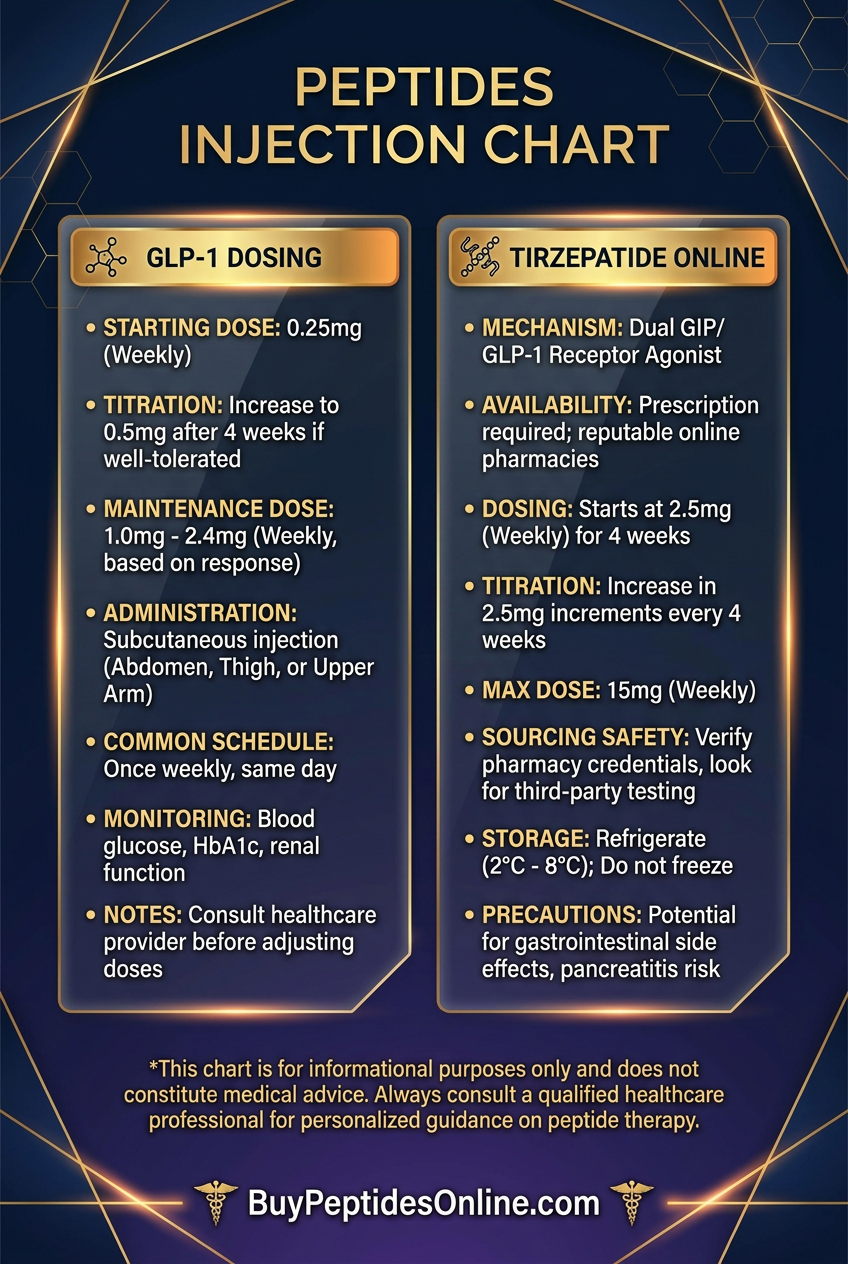
Dose: 2.5mg subcutaneous injection once weekly
Injection timing: Same day each week, preferably morning
Injection sites: Rotate between abdomen, thigh, upper arm
Expected effects: Minimal weight loss (1-3 lbs), possible mild nausea
Monitoring: Daily weight, appetite changes, GI symptoms
Week 5-8: First Escalation
Dose: 5mg subcutaneous injection once weekly
Transition: Direct increase from 2.5mg (no tapering needed)
Expected effects: 3-6 lbs weight loss, appetite reduction becomes noticeable
Side effect management: Nausea peaks days 2-3 post-injection, typically resolves
Dietary modifications: Smaller portions, avoid high-fat meals on injection days
Week 9-12: Therapeutic Range Entry
Dose: 7.5mg subcutaneous injection once weekly
Efficacy markers: 6-12 lbs cumulative weight loss expected
Metabolic changes: Improved glucose control if diabetic, reduced cravings
Injection technique: Ensure 45-90 degree angle, rotate sites consistently
Storage: Refrigerate unused pens, allow to reach room temperature before injection
Conservative Protocol Rationale:
This extended escalation schedule reduces discontinuation rates from GI intolerance while allowing metabolic adaptation. Clinical data shows that slower escalation improves long-term adherence without compromising final efficacy outcomes.
Standard Protocol: Evidence-Based Optimization
FDA-Approved Escalation Schedule:
The standard protocol follows regulatory-approved dosing validated across the SURPASS and SURMOUNT trial programs, balancing efficacy with tolerability across diverse populations.
Month 1: Foundation Phase
Weeks 1-4: 2.5mg weekly
Injection day: Choose consistent weekly day (e.g., every Sunday morning)
Pre-injection: Check injection site for irritation, rotate locations
Post-injection: Monitor for nausea, vomiting, diarrhea for 48-72 hours
Efficacy target: 2-5 lbs weight loss, improved satiety
Month 2: First Therapeutic Level
Weeks 5-8: 5mg weekly
Metabolic monitoring: Weekly weight, monthly HbA1c if diabetic
Side effect profile: Nausea in 15-25% of users, typically mild-moderate
Dietary adaptation: Natural portion size reduction, reduced snacking
Exercise integration: Maintain consistent activity, avoid intense exercise on injection day
Month 3: Optimization Phase
Weeks 9-12: 7.5mg weekly
Efficacy assessment: 8-15 lbs weight loss typical by week 12
Dose decision point: Continue 7.5mg if achieving goals, or escalate to 10mg
Laboratory monitoring: Comprehensive metabolic panel, lipid profile
Injection site care: Inspect for lipodystrophy, ensure proper rotation
Month 4+: Maintenance Optimization
Weeks 13+: 10mg or 15mg weekly based on response and tolerance
10mg dose: Suitable for most users achieving satisfactory weight loss
15mg dose: Reserved for maximum efficacy needs or insufficient 10mg response
Long-term monitoring: Monthly weight, quarterly labs, annual comprehensive assessment
Advanced Protocol: Maximum Efficacy Strategies
Accelerated Escalation (for experienced peptide users):
Advanced users with prior GLP-1 agonist experience may tolerate faster dose increases, reaching therapeutic levels more rapidly while maintaining safety.
Weeks 1-2: 2.5mg weekly
Weeks 3-4: 5mg weekly
Weeks 5-6: 7.5mg weekly
Weeks 7+: 10-15mg weekly based on response
Maximum Dose Protocol:
Target dose: 15mg weekly (maximum FDA-approved dose)
Indication: Inadequate response to 10mg after 12+ weeks
Prerequisites: Good tolerability at 10mg, no significant GI side effects
Monitoring intensity: Increased surveillance for side effects, monthly lab work
Efficacy expectations: 20-25% weight loss potential over 72 weeks
Combination Strategies (research/off-label):
Advanced protocols may incorporate complementary interventions to maximize tirzepatide's effects, though these approaches require careful medical supervision.
Rationale: Synergistic glucose control, potential weight loss enhancement
Dosing: Tirzepatide per standard protocol + metformin 1000-2000mg daily
Benefits: Enhanced insulin sensitivity, reduced GI side effects from metformin
Monitoring: Lactic acidosis risk assessment, renal function surveillance
Tirzepatide + Topiramate:
Rationale: Dual appetite suppression mechanisms
Dosing: Tirzepatide standard + topiramate 25-100mg daily
Benefits: Enhanced weight loss (potentially 5-10% additional)
Risks: Cognitive side effects, kidney stone risk, requires neurological monitoring
Complete Dosing Reference Table
| Week | Beginner Dose | Standard Dose | Advanced Dose | Expected Weight Loss | Common Side Effects |
|---|---|---|---|---|---|
| 1-4 | 2.5mg weekly | 2.5mg weekly | 2.5mg weekly | 1-3 lbs | Mild nausea (10-15%) |
| 5-8 | 5mg weekly | 5mg weekly | 5mg weekly | 4-8 lbs cumulative | Nausea (15-25%), decreased appetite |
| 9-12 | 7.5mg weekly | 7.5mg weekly | 7.5mg weekly | 8-15 lbs cumulative | Nausea (20-30%), occasional vomiting |
| 13-16 | 7.5mg weekly | 10mg weekly | 10mg weekly | 12-20 lbs cumulative | GI effects plateau, improved tolerance |
| 17+ | 10mg weekly | 10-15mg weekly | 15mg weekly | 15-25% total weight loss | Stable side effect profile |
Reconstitution and Storage Guidelines:
Pre-filled pens: No reconstitution required, store refrigerated (36-46°F)
Lyophilized powder: Reconstitute with provided diluent, use within 28 days
Room temperature stability: Up to 21 days for pen injectors
Freezing: Never freeze; discard if accidentally frozen
Light protection: Store in original carton to protect from light
Travel considerations: Use cooling packs, avoid extreme temperatures
Stacking Strategies: Synergistic Combination Protocols
Protocol 1: Tirzepatide + Metformin (Metabolic Optimization Stack)
Mechanistic Rationale:
Combining tirzepatide with metformin creates complementary metabolic effects that enhance both glucose control and weight loss beyond either agent alone. Metformin's primary mechanism through AMPK activation and mitochondrial complex I inhibition synergizes with tirzepatide's dual incretin approach.
Metformin's Complementary Effects:
Hepatic glucose production: 25-30% reduction via gluconeogenesis inhibition
Insulin sensitivity: Enhanced peripheral glucose uptake in muscle tissue
GI effects: Delayed glucose absorption, potential appetite suppression
Weight neutrality: Unlike many diabetes medications, metformin doesn't cause weight gain
Cardiovascular protection: Independent cardioprotective effects through multiple pathways
Combined Protocol Design:
Weeks 1-4: Foundation Phase
Tirzepatide: 2.5mg weekly (standard initiation)
Metformin: Start 500mg daily with largest meal
Timing: Take metformin with dinner to minimize GI effects
Monitoring: Glucose levels, GI tolerance, weight changes
Weeks 5-8: Escalation Phase
Tirzepatide: Increase to 5mg weekly
Metformin: Increase to 1000mg daily (500mg twice daily with meals)
Synergy markers: Enhanced satiety, improved glucose stability
Expected outcomes: 6-10 lbs weight loss, 0.8-1.2% HbA1c reduction
Weeks 9+: Optimization Phase
Tirzepatide: Continue escalation to 7.5-15mg weekly per response
Metformin: Maintain 1000-2000mg daily based on tolerance
Maximum dose: Metformin 2000mg daily + tirzepatide 15mg weekly
Efficacy expectations: 25-30% weight loss potential, near-normal glucose control
Safety Considerations:
Lactic acidosis risk: Monitor renal function, avoid in eGFR <30
GI intolerance: Metformin may worsen tirzepatide-related nausea initially
Hypoglycemia: Rare with this combination due to glucose-dependent mechanisms
Laboratory monitoring: Monthly creatinine, B12 levels quarterly
Protocol 2: Tirzepatide + Naltrexone (Appetite Control Stack)
Mechanistic Rationale:
Low-dose naltrexone (LDN) operates through opioid receptor modulation that complements tirzepatide's incretin-based appetite control. While tirzepatide primarily works through hypothalamic GLP-1 signaling, naltrexone blocks μ-opioid receptors involved in food reward pathways.
Naltrexone's Complementary Mechanisms:
Reward pathway modulation: Reduces dopamine release in nucleus accumbens
Food craving reduction: Particularly effective for high-palatability foods
Binge eating control: Interrupts compulsive eating behaviors
Endorphin system reset: May improve leptin sensitivity through β-endorphin modulation
Combined Protocol Design:
Weeks 1-2: Naltrexone Introduction
Naltrexone: 1.5mg daily (ultra-low dose to assess tolerance)
Tirzepatide: Begin standard 2.5mg weekly simultaneously
Timing: Naltrexone in morning, tirzepatide any consistent weekly time
Assessment: Monitor for mood changes, sleep effects, nausea interactions
Weeks 3-8: Dose Optimization
Naltrexone: Increase to 3-4.5mg daily if well-tolerated
Tirzepatide: Standard escalation to 5mg weekly
Synergy indicators: Reduced food cravings beyond tirzepatide alone
Expected outcomes: Enhanced appetite suppression, reduced "food noise"
Weeks 9+: Maintenance Protocol
Naltrexone: Maintain 3-4.5mg daily (well below standard 50mg addiction dose)
Tirzepatide: Continue escalation per standard protocol
Efficacy markers: Superior weight loss vs. tirzepatide monotherapy
Duration: Can be maintained long-term with appropriate monitoring
Safety and Monitoring:
Liver function: Monitor ALT/AST monthly initially, then quarterly
Mood effects: Assess for depression or anxiety changes
Drug interactions: Avoid opioid medications (blocks therapeutic effects)
Withdrawal considerations: Naltrexone doesn't cause physical dependence at these doses
Protocol 3: Tirzepatide + Topiramate (Neurometabolic Stack)
Mechanistic Rationale:
Topiramate provides neurological appetite suppression through multiple mechanisms that complement tirzepatide's peripheral and central effects. This combination targets both metabolic and neurological aspects of weight regulation.
Topiramate's Synergistic Mechanisms:
GABA enhancement: Increases γ-aminobutyric acid activity, reducing food-seeking behavior
Glutamate inhibition: Blocks AMPA/kainate receptors involved in appetite signaling
Carbonic anhydrase inhibition: May contribute to metabolic acidosis and appetite suppression
Sodium channel blockade: Affects neuronal excitability in appetite centers
Combined Protocol Design:
Weeks 1-2: Topiramate Initiation
Topiramate: 25mg daily (evening dosing to minimize cognitive effects)
Tirzepatide: Standard 2.5mg weekly initiation
Cognitive assessment: Monitor for "word-finding" difficulties or mental fogging
Hydration: Increase water intake due to carbonic anhydrase effects
Weeks 3-6: Careful Escalation
Topiramate: Increase by 25mg weekly to target 50-100mg daily
Tirzepatide: Escalate to 5mg weekly per standard protocol
Monitoring: Weekly cognitive assessment, kidney function evaluation
Efficacy signs: Enhanced appetite suppression, potential 5-10% additional weight loss
Weeks 7+: Optimized Maintenance
Topiramate: Maintain effective dose (typically 50-200mg daily)
Tirzepatide: Continue standard escalation to maximum effective dose
Safety surveillance: Monthly creatinine, bicarbonate, potassium levels
Cognitive monitoring: Ongoing assessment for memory or concentration changes
Critical Safety Considerations:
Kidney stones: Risk increases significantly; maintain excellent hydration
Metabolic acidosis: Monitor arterial blood gas or serum bicarbonate
Cognitive effects: May impair executive function, particularly at higher doses
Teratogenicity: Category D in pregnancy; requires reliable contraception
Drug interactions: Enhances CNS depressants, may affect oral contraceptives
Combination Protocol Summary Table
| Stack | Tirzepatide Dose | Adjunct Agent | Primary Synergy | Additional Weight Loss | Key Monitoring |
|---|---|---|---|---|---|
| Metformin | Standard escalation | 1000-2000mg daily | Glucose control + insulin sensitivity | 5-8% additional | Renal function, B12 |
| Naltrexone | Standard escalation | 3-4.5mg daily | Reward pathway + appetite control | 8-12% additional | Liver function, mood |
| Topiramate | Standard escalation | 50-200mg daily | Neurological appetite suppression | 10-15% additional | Kidney function, cognition |
Safety Deep Dive: Comprehensive Risk Assessment and Management
Common Side Effects: Frequency and Management Strategies
Gastrointestinal Effects (Most Common):
Nausea (30-50% of users, dose-dependent):
Onset pattern: Typically peaks 24-72 hours post-injection
Duration: Usually resolves within 3-5 days, improves with continued use
Severity distribution: Mild (60%), moderate (30%), severe (10%)
Management strategies
- Eat smaller, more frequent meals
- Avoid high-fat foods on injection days
- Ginger supplementation (1g daily) may provide relief
- Ondansetron 4-8mg as needed for severe episodes
- Consider slower dose escalation if persistent
Vomiting (15-25% of users):
Risk factors: Rapid dose escalation, concurrent illness, high-fat meals
Pattern: Often occurs 2-3 days post-injection, may be projectile
Dehydration risk: Monitor for orthostatic hypotension, decreased urination
Management approach
- Temporary dose reduction by one step (e.g., 10mg → 7.5mg)
- Electrolyte replacement if significant fluid loss
- Consider antiemetics: ondansetron, promethazine, or metoclopramide
- Resume escalation after 2-4 weeks of tolerance
Diarrhea (12-20% of users):
Mechanism: GLP-1-mediated gastric motility changes
Timing: Can occur throughout the week, not just post-injection
Severity: Usually mild-moderate, self-limiting
Treatment options
- Loperamide 2-4mg as needed (maximum 8mg daily)
- Probiotics may help restore gut microbiome balance
- Avoid artificial sweeteners which may worsen symptoms
- BRAT diet during acute episodes
Constipation (8-15% of users):
Mechanism: Delayed gastric emptying extending to colonic transit
Risk factors: Dehydration, reduced food intake, concurrent medications
Prevention strategies
- Maintain adequate hydration (2-3 liters daily)
- Increase dietary fiber gradually
- Polyethylene glycol 17g daily as needed
- Regular physical activity to promote motility
Abdominal Pain (10-18% of users):
Location: Usually epigastric or periumbilical
Character: Cramping, may be associated with meals
Differential diagnosis: Rule out pancreatitis, gallbladder disease
Red flags: Severe pain, lipase elevation, Murphy's sign
Management: Simethicone for gas-related discomfort, dietary modifications
Rare but Serious Risks: Recognition and Response
Acute Pancreatitis (0.1-0.2% incidence):
Tirzepatide carries a black box warning for potential pancreatitis risk, though causation remains debated in the literature.
Clinical presentation:
Severe epigastric pain: radiating to the back
Nausea and vomiting: that's persistent and severe
Lipase elevation: >3x upper limit of normal
CT imaging: may show pancreatic inflammation or fluid collections
Risk factors:
History of pancreatitis (relative contraindication)
Gallstone disease: or hypertriglyceridemia
Alcohol use disorder
Rapid weight loss leading to gallstone formation
Management protocol:
Immediate discontinuation: of tirzepatide
Hospital admission: for severe cases
Conservative management: NPO status, IV hydration, pain control
Never rechallenge: with tirzepatide after confirmed pancreatitis
Thyroid C-Cell Tumors (Theoretical risk from animal studies):
Rodent studies showed medullary thyroid carcinoma (MTC) at high doses, leading to FDA warnings despite no human cases definitively linked to GLP-1 agonists.
Screening recommendations:
Baseline calcitonin: measurement (controversial utility)
Family history: assessment for MEN2 syndrome
Physical examination: of thyroid annually
Ultrasound: if palpable nodules detected
Contraindications:
Personal history of MTC
Multiple Endocrine Neoplasia syndrome type 2 (MEN2)
Family history: of MTC in first-degree relatives
Severe Hypoglycemia (Rare with monotherapy, increased with insulin/sulfonylureas):
Tirzepatide's glucose-dependent mechanism makes hypoglycemia rare, but combination therapy increases risk.
High-risk combinations:
Insulin: (especially rapid-acting or mixed formulations)
Sulfonylureas: (glyburide, glipizide, glimepiride)
Meglitinides: (repaglinide, nateglinide)
Prevention strategies:
Reduce insulin doses: by 20-50% when initiating tirzepatide
Consider discontinuing: sulfonylureas before tirzepatide start
Continuous glucose monitoring: for high-risk patients
Patient education: on hypoglycemia recognition and treatment
Kidney Injury (Secondary to dehydration):
Severe GI side effects can lead to dehydration and acute kidney injury, particularly in vulnerable populations.
Risk factors:
Chronic kidney disease: (baseline eGFR <60)
Diuretic use: or ACE inhibitors
Advanced age: (>75 years)
Concurrent illness: causing additional fluid losses
Monitoring protocol:
Baseline creatinine: and eGFR calculation
Monthly monitoring: during dose escalation
Quarterly monitoring: at stable doses
Immediate evaluation: if oliguria or edema develops
Contraindications: Absolute and Relative
Absolute Contraindications:
1. Personal history of medullary thyroid carcinoma (MTC)
2. Multiple Endocrine Neoplasia syndrome type 2 (MEN2)
3. Known hypersensitivity to tirzepatide or excipients
4. Pregnancy and breastfeeding (insufficient safety data)
5. Type 1 diabetes (not indicated, insufficient β-cell function)
Relative Contraindications (Require careful risk-benefit assessment):
History of pancreatitis: (especially recurrent episodes)
Severe gastroparesis: (may worsen with delayed gastric emptying)
Active gallbladder disease: (rapid weight loss may precipitate complications)
Severe renal impairment: (eGFR <30 mL/min/1.73m²)
History of suicidal ideation: (weight loss medications may affect mood)
Eating disorders: (may exacerbate restrictive behaviors)
Special Populations:
Elderly Patients (>65 years):
Increased sensitivity: to GI side effects
Higher risk: of dehydration and electrolyte imbalances
Slower dose escalation: recommended
Enhanced monitoring: for orthostatic hypotension
Renal Impairment:
Mild-moderate: (eGFR 30-89): No dose adjustment needed
Severe: (eGFR <30): Use with caution, enhanced monitoring
Dialysis: Limited data, avoid unless benefits clearly outweigh risks
Hepatic Impairment:
Mild-moderate: No dose adjustment typically needed
Severe: (Child-Pugh C): Avoid use, insufficient safety data
Monitor: liver enzymes if concurrent hepatotoxic medications
Compared to Alternatives: Comprehensive Competitive Analysis
Tirzepatide represents the newest generation of incretin-based therapies, but understanding its position relative to existing options helps optimize treatment selection for individual patients.
| Feature | Tirzepatide | Semaglutide | Liraglutide | Dulaglutide | Exenatide ER |
|---|---|---|---|---|---|
| Mechanism | Dual GIP/GLP-1 agonist | GLP-1 agonist | GLP-1 agonist | GLP-1 agonist | GLP-1 agonist |
| Dosing frequency | Weekly | Weekly | Daily | Weekly | Weekly |
| Maximum dose | 15mg weekly | 2.4mg weekly | 3.0mg daily | 4.5mg weekly | 2mg weekly |
| Weight loss (vs placebo) | 15-22.5% | 10-15% | 5-8% | 3-5% | 2-4% |
| HbA1c reduction | 1.8-2.6% | 1.2-1.8% | 0.8-1.5% | 0.7-1.4% | 0.6-1.2% |
| Half-life | ~5 days | ~7 days | ~13 hours | ~5 days | ~2.4 weeks |
| Injection volume | 0.5mL | 0.25-1.0mL | 0.6-1.8mL | 0.5mL | Variable |
| Nausea incidence | 15-30% | 20-35% | 25-40% | 10-20% | 15-25% |
| Pancreatitis risk | Low | Low | Low | Low | Low |
| Cost tier | Highest | High | Moderate | Moderate | Moderate |
| Market availability | 2022+ | 2017+ | 2010+ | 2014+ | 2012+ |
Head-to-Head Efficacy Comparisons
Tirzepatide vs. Semaglutide (Direct comparison data):
The SURPASS-2 trial provided the only direct comparison between these two leading agents, demonstrating tirzepatide's superiority across multiple endpoints.
Weight loss comparison:
Tirzepatide 15mg: 11.2 kg (24.7 lbs) average loss
Semaglutide 1.0mg: 6.2 kg (13.7 lbs) average loss
Difference: 5.0 kg (11.0 lbs) greater loss with tirzepatide
Clinical significance: 81% more weight loss with tirzepatide
Glycemic control comparison:
Tirzepatide 15mg: 2.30% HbA1c reduction
Semaglutide 1.0mg: 1.86% HbA1c reduction
Difference: 0.44% superior HbA1c control
Target achievement: 51% vs 20% reached HbA1c <5.7% (non-diabetic range)
Side effect profile:
Nausea: Similar rates (22% vs 18%)
Vomiting: Slightly higher with tirzepatide (10% vs 8%)
Diarrhea: Comparable incidence (16% vs 12%)
Discontinuation: Similar rates due to GI effects (4.3% vs 3.6%)
Tirzepatide vs. Liraglutide:
While no direct comparison trials exist, network meta-analyses and real-world evidence suggest substantial advantages for tirzepatide.
Efficacy advantages:
Weight loss: 2-3x greater reduction with tirzepatide
Dosing convenience: Weekly vs daily injections
Injection volume: Smaller volume, less injection site reactions
Durability: Better sustained effects due to longer half-life
Cost considerations:
Liraglutide: Lower acquisition cost, established generic pipeline
Tirzepatide: Higher cost but superior efficacy may justify expense
Insurance coverage: Liraglutide more widely covered currently
Mechanism-Based Advantages
Dual Receptor Activation Benefits:
Tirzepatide's GIP/GLP-1 dual agonism provides advantages beyond simple GLP-1 stimulation:
Enhanced β-cell preservation:
GIP: receptors provide cytoprotective effects on pancreatic β-cells
Synergistic insulin secretion: with lower individual receptor occupancy
Reduced glucotoxicity: through complementary glucose-lowering mechanisms
Superior lipid metabolism:
GIP: activation enhances adipocyte insulin sensitivity
Improved lipid partitioning: toward subcutaneous vs visceral fat
Enhanced lipoprotein lipase: activity improving triglyceride clearance
Cardiovascular advantages:
Additive cardioprotective: effects from both receptor pathways
Enhanced endothelial function: through nitric oxide pathway synergy
Superior blood pressure: reduction vs single-pathway agonists
Cost-Effectiveness Analysis
Acquisition Costs (US market, 2024):
Tirzepatide: $950-1,200 per month
Semaglutide: $800-1,000 per month
Liraglutide: $600-800 per month
Dulaglutide: $500-700 per month
Cost per unit weight loss:
Tirzepatide: $42-53 per pound lost
Semaglutide: $67-83 per pound lost
Liraglutide: $100-133 per pound lost
Total cost of care considerations:
Diabetes complications avoided: Tirzepatide's superior HbA1c control may reduce long-term microvascular and macrovascular complications
Cardiovascular event reduction: Potential MACE reduction could offset higher acquisition costs
Quality of life improvements: Greater weight loss may provide superior functional and psychological benefits
What's Coming Next: Future Developments and Unanswered Questions
Ongoing Clinical Trials: Expanding the Evidence Base
SURPASS-CVOT Extended Analysis (Completion: 2024):
The primary cardiovascular outcomes analysis from this 13,000+ participant study will definitively establish tirzepatide's cardioprotective profile. Interim data suggests potential superiority to existing GLP-1 agonists, with hazard ratios favoring tirzepatide across multiple MACE components.
Expected outcomes:
Primary endpoint: Composite of cardiovascular death, myocardial infarction, and stroke
Secondary endpoints: Heart failure hospitalization, renal outcomes, all-cause mortality
Potential impact: FDA label expansion for cardiovascular risk reduction
Market implications: Could establish tirzepatide as preferred agent for high-risk diabetic patients
SURMOUNT-3 Extension (Completion: 2025):
Long-term follow-up of the lifestyle intervention study will provide crucial data on weight maintenance strategies and optimal combination approaches.
Key questions addressed:
Durability: Can tirzepatide maintain >20% weight loss for 3+ years?
Lifestyle synergy: Optimal integration with behavioral interventions
Dose optimization: Whether maintenance dosing can be reduced while preserving efficacy
Metabolic benefits: Long-term effects on insulin sensitivity, inflammatory markers
SURMOUNT-MMO (Multi-Morbidity Obesity) (Enrollment: 2024):
This innovative trial examines tirzepatide's effects in obese patients with multiple comorbidities including sleep apnea, osteoarthritis, and fatty liver disease.
Novel endpoints:
Sleep architecture: improvements via polysomnography
Joint function: and pain reduction in knee osteoarthritis
Hepatic steatosis: resolution via MRI-PDFF imaging
Quality of life: measures across multiple domains
Emerging Applications: Beyond Diabetes and Obesity
Non-Alcoholic Steatohepatitis (NASH):
Preclinical evidence suggests tirzepatide may provide superior hepatoprotective effects compared to GLP-1 agonists alone, potentially through GIP-mediated hepatic metabolism modulation.
Mechanism of action:
Hepatic lipid metabolism: improvement via dual incretin signaling
Inflammatory cascade: interruption through adipokine modulation
Fibrosis regression: potential through stellate cell pathway effects
Portal insulin delivery: optimization reducing hepatic glucose output
Clinical development timeline:
Phase II NASH trial: Initiated Q4 2023
Primary endpoint: Histologic improvement without fibrosis worsening
Secondary endpoints: Biomarker panels, imaging outcomes, safety profile
Regulatory pathway: Potential FDA breakthrough designation if efficacy demonstrated
Alzheimer's Disease and Cognitive Protection:
GLP-1 receptors in the central nervous system have emerged as targets for neuroprotection, and tirzepatide's dual mechanism may provide enhanced cognitive benefits.
Neuroprotective mechanisms:
Neuroinflammation: reduction through microglial modulation
Insulin signaling: enhancement in brain tissue
Amyloid clearance: potential via autophagy pathway activation
Synaptic plasticity: improvement through BDNF upregulation
Research developments:
Investigator-initiated trials: examining cognitive outcomes in diabetic patients
Biomarker studies: measuring tau protein, amyloid levels, neuroinflammatory markers
Imaging studies: PET scan analysis of brain metabolism changes
Timeline: Phase II cognitive protection trial expected 2025-2026
Polycystic Ovary Syndrome (PCOS):
Insulin resistance and obesity are central to PCOS pathophysiology, making tirzepatide an attractive therapeutic option for this underserved population.
Potential benefits:
Insulin sensitivity: improvement addressing root cause mechanisms
Weight loss: effects on hormonal balance and ovulation restoration
Inflammatory marker: reduction potentially improving androgen excess
Metabolic syndrome: prevention in young women with PCOS
Next-Generation Developments: Beyond Current Tirzepatide
Triple Agonist Approaches:
Researchers are exploring tri-agonist peptides targeting GIP, GLP-1, and glucagon receptors simultaneously, potentially providing even greater metabolic benefits.
**Retatrutide (LY3437943)**:
Eli Lilly's investigational triple agonist has shown remarkable Phase II results:
Weight loss: Up to 24.2% reduction at 48 weeks
Advantages: Enhanced energy expenditure through glucagon pathway
Timeline: Phase III trials beginning 2024
**Mazdutide (IBI362)**:
Innovent Biologics' GLP-1/glucagon dual agonist represents another approach:
Efficacy: 20.6% weight loss in Phase II studies
Differentiation: Glucagon effects on energy expenditure and hepatic metabolism
Development: Global Phase III program planned for 2024-2025
Oral Formulation Development:
Multiple companies are pursuing oral delivery systems for incretin peptides, potentially revolutionizing treatment convenience.
Technological approaches:
Absorption enhancers: SNAC technology (similar to oral semaglutide)
Nanoparticle delivery: Lipid-based carriers protecting peptide integrity
Enteric coating: pH-sensitive systems for intestinal delivery
Microneedle patches: Transdermal delivery avoiding GI side effects
Unanswered Questions: Critical Research Gaps
Long-Term Safety Profile:
While short-term safety (up to 2 years) appears favorable, several long-term questions remain:
Thyroid cancer risk:
Human epidemiologic: data needed beyond rodent studies
Calcitonin monitoring: protocols require standardization
Risk-benefit: calculations for high-risk populations
Cardiovascular outcomes:
Definitive MACE: data awaiting SURPASS-CVOT completion
Heart failure: effects need clarification
Optimal cardiovascular: risk patient selection
Renal effects:
Long-term: kidney function impacts
Diabetic nephropathy: progression effects
Optimal monitoring: strategies for CKD patients
Optimal Treatment Duration:
Critical questions about treatment continuation remain unresolved:
Maintenance strategies:
Minimum effective dose: for weight maintenance
Intermittent dosing: protocols to reduce costs and side effects
Combination: with lifestyle interventions for sustained benefits
Discontinuation effects:
Weight regain: patterns after treatment cessation
Metabolic parameter: changes post-discontinuation
Strategies: for transitioning to maintenance therapies
Patient Selection Optimization:
Identifying ideal candidates for tirzepatide therapy requires better predictive tools:
Biomarker development:
Genetic polymorphisms: affecting drug response
Baseline metabolic: markers predicting efficacy
Microbiome: patterns influencing GI tolerability
Personalized dosing:
Pharmacogenomic: approaches to dose optimization
Real-time monitoring: systems for dose adjustment
Precision medicine: algorithms incorporating multiple variables
🔬 Explore our peptide database — Browse 500+ research peptide profiles with mechanisms, dosing, and evidence.
🛒 Ready to buy? — Browse our verified vendor shop for third-party tested peptides.
🤖 Have questions? — Ask PeptideAI for personalized peptide guidance.
Key Takeaways: Essential Points for Tirzepatide Buyers
• Tirzepatide represents the most effective pharmaceutical weight loss intervention available, with clinical trials demonstrating 15-22.5% weight reduction over 72 weeks
• Dual GIP/GLP-1 receptor activation provides superior efficacy compared to single-pathway agonists like semaglutide, with head-to-head studies showing 81% greater weight loss
• Proper dosing escalation is critical for tolerability, starting at 2.5mg weekly and increasing every 4 weeks to minimize gastrointestinal side effects
• Sourcing authentic tirzepatide requires careful vendor verification, third-party testing, and understanding of regulatory compliance to avoid counterfeit products
• Combination strategies with metformin, naltrexone, or topiramate can enhance efficacy but require medical supervision and enhanced monitoring
• Side effect management focuses primarily on GI symptoms, with nausea affecting 30-50% of users but typically resolving with continued treatment and dietary modifications
• Cost considerations favor tirzepatide despite higher acquisition costs due to superior efficacy and cost per pound of weight loss achieved
• Long-term safety appears favorable through 2+ years of clinical data, though cardiovascular outcomes and extended safety profiles await ongoing trial completion
• Future developments including triple agonists and oral formulations may provide even greater efficacy and convenience within 2-3 years
• Patient selection should prioritize individuals with obesity (BMI ≥30) or overweight with comorbidities, particularly those who have failed with lifestyle interventions alone
Frequently Asked Questions
Q: How long does it take to see weight loss results with tirzepatide?
A: Most users see initial weight loss within 2-4 weeks, with significant results (5-10% body weight reduction) typically achieved by 12-16 weeks at therapeutic doses.
**Q: Can I buy tirzepatide online legally without a prescription?**
A: Prescription tirzepatide requires medical supervision, but research-grade peptides are available through verified vendors for research purposes only.
Q: What's the difference between tirzepatide and semaglutide for weight loss?
A: Tirzepatide provides 81% greater weight loss than semaglutide due to its dual GIP/GLP-1 receptor activation mechanism versus semaglutide's single GLP-1 pathway.
Q: How much does tirzepatide cost per month?
A: Prescription tirzepatide costs $950-1,200 monthly in the US, while research-grade versions vary significantly based on source and purity testing.
Q: What are the most serious side effects of tirzepatide?
A: Rare but serious risks include acute pancreatitis (0.1-0.2%), severe dehydration from GI effects, and theoretical thyroid cancer risk based on animal studies.
Q: Can I use tirzepatide if I'm not diabetic?
A: Tirzepatide is FDA-approved for obesity treatment (Zepbound) in non-diabetic patients with BMI ≥30 or BMI ≥27 with weight-related comorbidities.
Q: How do I properly store and inject tirzepatide?
A: Store refrigerated (36-46°F), allow to reach room temperature before injection, rotate injection sites weekly, and use proper subcutaneous technique at 45-90 degree angle.
Q: What should I do if I miss a tirzepatide dose?
A: Inject as soon as remembered if within 4 days of scheduled dose; if more than 4 days late, skip the missed dose and resume regular weekly schedule.
Related Articles on BuyPeptidesOnline.com
Semaglutide for Weight Loss | Where to Buy | Complete Protocol Guide
GLP-1 Receptor Agonists | Buy Online | Complete Comparison Guide
Best Weight Loss Peptides to Buy in 2026 | Complete Evidence Review
Peptide Sourcing Guide | How to Buy Authentic Research Peptides
Metformin and Peptide Combinations | Synergistic Weight Loss Protocols