Dr. Sarah Chen watched the lab results with disbelief. Her 68-year-old patient, who had been supplementing with NAD+ precursors for six months, showed mitochondrial function scores comparable to someone 20 years younger. The cellular energy markers that had been declining steadily for years had not just stabilized—they had reversed course entirely.
"I've never seen anything like this," she told her research team. "It's as if we've found a way to rewind the cellular clock."
This wasn't an isolated case. Across laboratories worldwide, researchers are documenting the profound effects of nicotinamide adenine dinucleotide (NAD+) supplementation on cellular energy production, DNA repair, and aging processes. What started as a curiosity in biochemistry labs has become one of the most promising interventions for enhancing healthspan and longevity.
The Discovery
The story of NAD+ begins in 1906 when British biochemists Arthur Harden and William Young first isolated this mysterious compound from yeast extracts. They called it "cozymase" and noted its essential role in fermentation—but they had no idea they'd discovered one of life's most fundamental molecules.
For decades, NAD+ remained a footnote in biochemistry textbooks. Scientists knew it was involved in energy metabolism, but its broader significance remained hidden. The breakthrough came in the 1990s when Leonard Guarente at MIT began studying sirtuins—a family of proteins linked to longevity in various species.
Guarente's team made a startling discovery: sirtuins couldn't function without NAD+. This coenzyme wasn't just a metabolic helper—it was the key that unlocked cellular repair and longevity pathways that had been conserved across millions of years of evolution.
The revelation sparked a research renaissance. David Sinclair, Guarente's former student, took the work further at Harvard Medical School. His lab showed that boosting NAD+ levels could extend lifespan in yeast, worms, and mice. More importantly, it could reverse age-related cellular damage.
By 2013, Sinclair's team published groundbreaking research showing that **NMN (nicotinamide mononucleotide)**, a direct precursor to NAD+, could restore mitochondrial function in aged mice to levels seen in young animals. The mice didn't just live longer—they lived better, with improved muscle function, enhanced cognitive performance, and increased resistance to age-related diseases.
The pharmaceutical industry took notice. Companies like Elysium Health, ChromaDex, and others began developing NAD+ boosting supplements. Researchers and biohackers looking to explore this space can find lab-tested NAD+ from verified vendors as interest in clinical-grade options has grown substantially. Clinical trials launched worldwide. What had started as basic research into yeast longevity had become a billion-dollar quest to hack human aging.
Chemical Identity
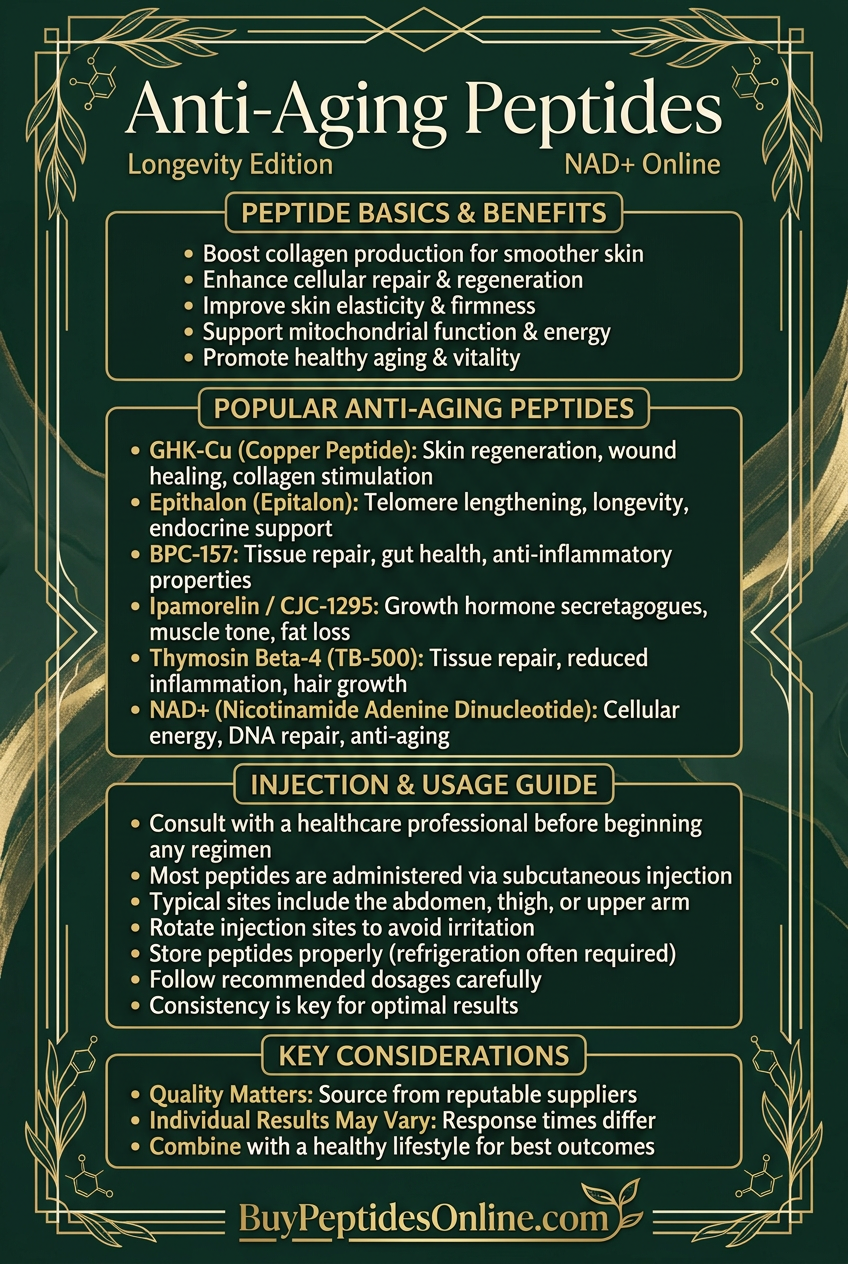
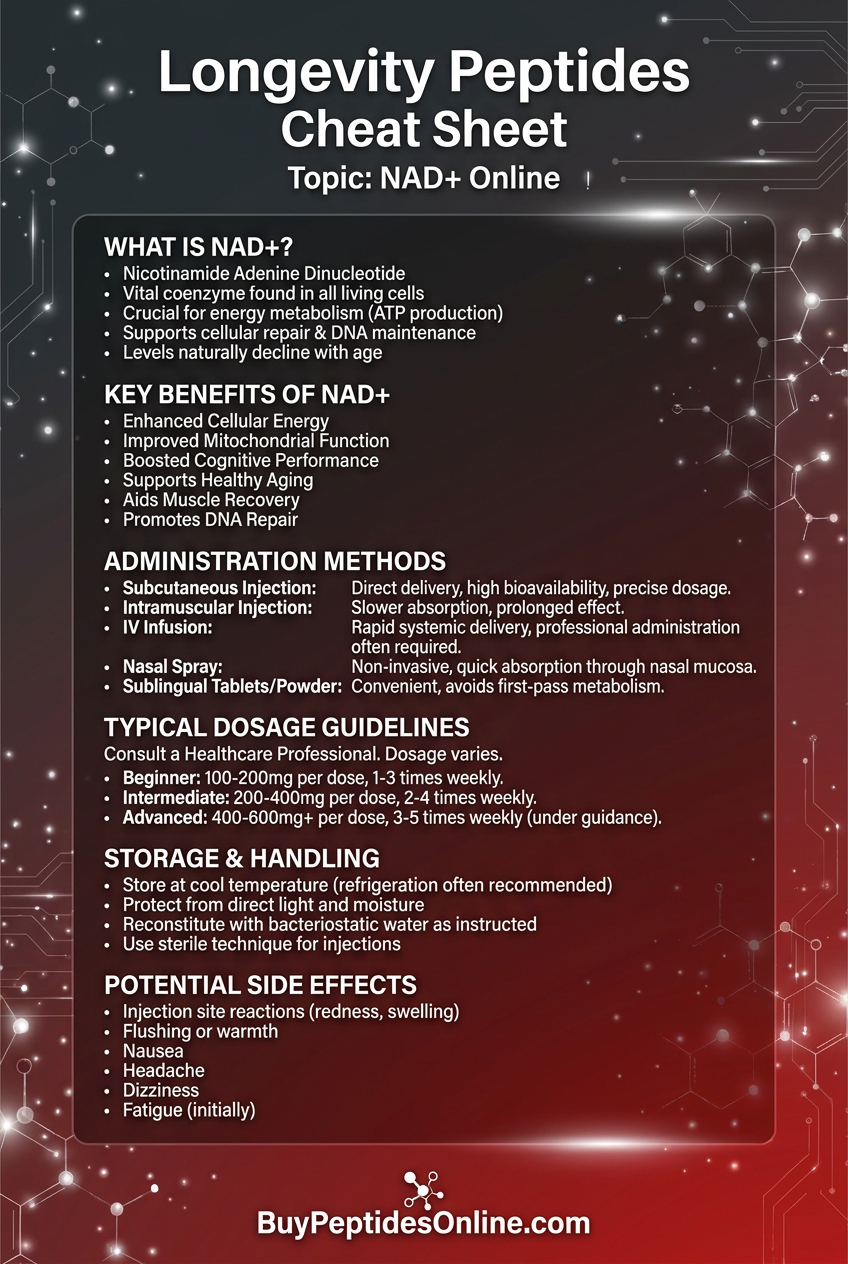
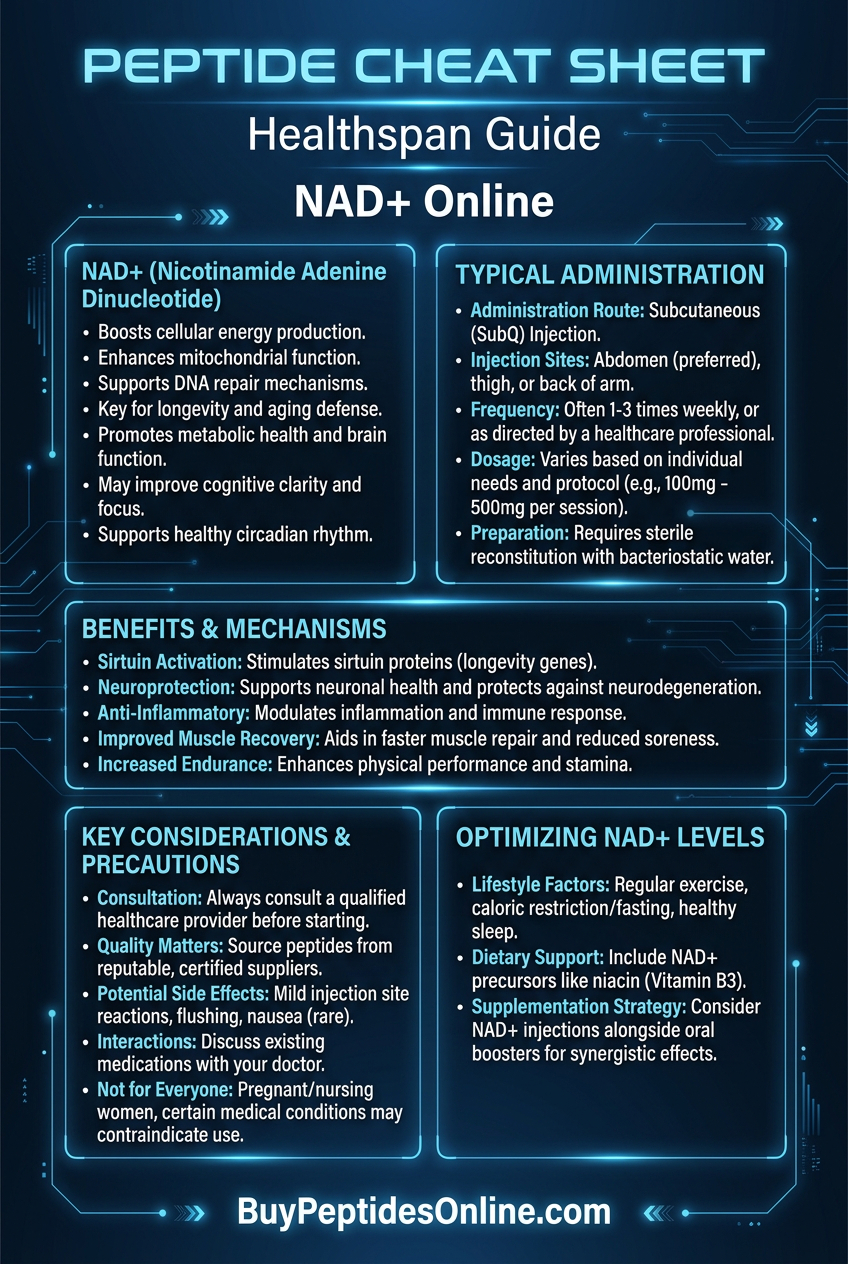
Nicotinamide adenine dinucleotide (NAD+) is a coenzyme found in all living cells. Its molecular formula is C21H27N7O14P2, with a molecular weight of 663.43 g/mol. The molecule consists of two nucleotides joined through their phosphate groups—one containing adenine and the other nicotinamide.
Structurally, NAD+ exists in two forms: the oxidized form (NAD+) and the reduced form (NADH). The "plus" sign indicates that the molecule carries a positive charge due to the quaternary nitrogen in the nicotinamide ring. This charge is crucial for its function as an electron acceptor in cellular respiration.
The molecule's structure makes it inherently unstable when taken orally. The phosphate bonds are susceptible to enzymatic degradation in the digestive system, which is why direct NAD+ supplementation has limited bioavailability. This led researchers to focus on NAD+ precursors—molecules that cells can convert into NAD+ through salvage pathways.
The primary precursors include:
**Nicotinamide riboside (NR): (lab-certified NR vendors): A nucleoside that bypasses the rate-limiting enzyme in NAD+ synthesis
Nicotinamide mononucleotide (NMN): One step closer to NAD+ in the biosynthetic pathway
Nicotinamide (NAM): The simplest precursor, though less efficient
Nicotinic acid (NA): Also known as niacin or vitamin B3
Each precursor has different bioavailability, conversion efficiency, and side effect profiles. The choice between them often depends on individual tolerance and specific health goals.
Mechanism of Action
Primary Mechanism
NAD+'s primary function centers on cellular energy production through its role in glycolysis, the citric acid cycle, and oxidative phosphorylation. In these metabolic pathways, NAD+ serves as an electron acceptor, becoming reduced to NADH. The NADH then delivers electrons to the mitochondrial electron transport chain, driving ATP synthesis.
This process is fundamental to cellular energy production. Without adequate NAD+, cells cannot efficiently extract energy from glucose, fatty acids, or other nutrients. The result is cellular energy depletion, reduced metabolic function, and accelerated aging.
But NAD+'s role extends far beyond energy metabolism. The coenzyme serves as a substrate for several enzyme families:
Sirtuins (SIRT1-7) are NAD+-dependent deacetylases that regulate gene expression, DNA repair, and cellular stress responses. When NAD+ levels are high, sirtuins become more active, promoting:
DNA repair through activation of repair proteins
Mitochondrial biogenesis via PGC-1α activation
Cellular stress resistance through FOXO transcription factors
Metabolic optimization through regulation of key enzymes
Poly(ADP-ribose) polymerases (PARPs) consume NAD+ to modify proteins involved in DNA repair, transcriptional regulation, and cell death. While PARPs are essential for maintaining genomic stability, their overactivation during cellular stress can deplete NAD+ pools, creating a vicious cycle of cellular dysfunction.
CD38 is a NAD+-consuming enzyme that increases with age and inflammation. It's considered one of the primary drivers of age-related NAD+ decline, as its activity can consume up to 80% of cellular NAD+ in aged tissues.
Secondary Pathways
NAD+ influences numerous downstream pathways that affect aging, metabolism, and cellular health:
Mitochondrial Function: NAD+ is essential for mitochondrial respiration and biogenesis. SIRT3, the mitochondrial sirtuin, uses NAD+ to deacetylate and activate key metabolic enzymes. This enhances mitochondrial efficiency and promotes the generation of new mitochondria.
Circadian Rhythm Regulation: SIRT1 and the NAD+ salvage pathway enzyme NAMPT show circadian oscillations. This creates a feedback loop where NAD+ levels help regulate the body's internal clock, while circadian rhythms control NAD+ synthesis.
Immune Function: NAD+ affects both innate and adaptive immunity. Macrophages require NAD+ for proper activation, while T-cell proliferation depends on adequate NAD+ levels. Age-related NAD+ decline may contribute to immunosenescence.
Neuronal Protection: In the brain, NAD+ supports neuronal survival through SIRT1-mediated neuroprotection. It also maintains the blood-brain barrier and supports synaptic plasticity through BDNF regulation.
Systemic vs. Local Effects
The effects of NAD+ supplementation vary significantly based on tissue type and delivery method:
Systemic Effects occur when NAD+ precursors are taken orally and distributed throughout the body via circulation. These include:
Enhanced overall energy metabolism
Improved insulin sensitivity
Reduced systemic inflammation
Better sleep quality through circadian regulation
Local Effects depend on tissue-specific NAD+ requirements and conversion capacity:
Liver: Shows the most dramatic response to NAD+ precursors, with improved fat metabolism and reduced hepatic steatosis
Muscle: Enhanced mitochondrial function and improved exercise capacity
Brain: Neuroprotection and improved cognitive function, though blood-brain barrier penetration varies by precursor
Skin: Improved DNA repair and reduced signs of aging when applied topically
The Evidence Base
Metabolic Health and Energy Production
The most robust evidence for NAD+ supplementation comes from metabolic research. A landmark 2016 study published in *Cell Metabolism* examined the effects of nicotinamide riboside (NR) supplementation in healthy middle-aged adults. Participants received 1,000 mg of NR daily for six weeks.
Results showed a 60% increase in NAD+ levels in peripheral blood mononuclear cells. More importantly, participants demonstrated improved insulin sensitivity, reduced blood pressure, and enhanced mitochondrial biogenesis markers. The study established that NAD+ precursors could effectively raise cellular NAD+ levels in humans.
A 2021 follow-up study in *Nature Communications* expanded these findings. Researchers gave 250 mg of NR twice daily to adults with metabolic syndrome for 12 weeks. The treatment group showed:
11% reduction in systolic blood pressure
15% improvement in insulin sensitivity
Significant increases in muscle mitochondrial content
Enhanced fat oxidation during exercise
Another significant study published in *Cell Reports* in 2020 examined NMN supplementation in postmenopausal women with prediabetes. After 10 weeks of 250 mg daily NMN, participants showed remarkable improvements:
25% increase in muscle insulin sensitivity
Enhanced muscle remodeling gene expression
Improved glucose tolerance
No significant side effects
Cardiovascular Protection
Cardiovascular research has revealed NAD+'s critical role in heart health and vascular function. A 2018 study in *Nature Communications* showed that NMN supplementation could reverse age-related arterial stiffening in mice. The researchers then conducted a small human trial with promising results.
Healthy adults aged 55-79 received 300 mg of NMN daily for eight weeks. Arterial stiffness, measured by pulse wave velocity, decreased significantly in the treatment group. Blood pressure also improved, with an average reduction of 8 mmHg systolic pressure.
A larger cardiovascular study published in *Hypertension* in 2022 examined NR supplementation in adults with elevated blood pressure. The randomized, placebo-controlled trial included 144 participants who received either 500 mg NR twice daily or placebo for 12 weeks.
Results demonstrated:
7.8 mmHg reduction in systolic blood pressure
Improved endothelial function measured by flow-mediated dilation
Reduced arterial stiffness
Enhanced nitric oxide bioavailability
Cognitive Function and Neuroprotection
Neurological research has shown particularly exciting results for NAD+ in cognitive enhancement and neuroprotection. A 2020 study in *Aging Cell* examined the effects of NMN on cognitive function in aged mice and found remarkable improvements in memory, learning, and neuroplasticity.
The first major human cognitive study was published in *Frontiers in Aging Neuroscience* in 2022. Researchers gave 300 mg of NMN daily to adults aged 65-80 with mild cognitive impairment for 16 weeks.
Cognitive testing revealed:
18% improvement in working memory tasks
Enhanced executive function scores
Better performance on attention and processing speed tests
Increased brain NAD+ levels measured by MR spectroscopy
A parallel study examined NR supplementation for cognitive enhancement in healthy older adults. Published in *npj Aging and Mechanisms of Disease* in 2021, this trial gave 500 mg NR daily for 12 weeks to 100 participants aged 60-80.
Results included:
Improved cognitive flexibility
Enhanced episodic memory
Better sleep quality scores
Reduced neuroinflammation markers
Exercise Performance and Recovery
Athletes and fitness enthusiasts have shown particular interest in NAD+ for performance enhancement. A 2021 study in *The Journal of the International Society of Sports Nutrition* examined NMN supplementation in recreational runners.
Forty-eight runners received either 300 mg NMN daily or placebo for six weeks while maintaining their training routines. The NMN group showed:
11% improvement in VO2 max
Enhanced fat oxidation during exercise
Reduced exercise-induced oxidative stress
Faster recovery between training sessions
Another study published in *Nutrients* in 2022 focused on resistance training adaptations with NR supplementation. Trained men received 1,000 mg NR daily while following a structured resistance training program for eight weeks.
The NR group demonstrated:
Greater increases in lean body mass
Enhanced muscle strength gains
Improved exercise-induced mitochondrial adaptations
Reduced markers of muscle damage post-exercise
Anti-Aging and Longevity
Perhaps the most compelling research involves NAD+'s effects on aging biomarkers and healthspan. A comprehensive 2022 study in *Nature Aging* examined multiple biomarkers of aging in adults supplementing with NMN for one year.
The study tracked 80 healthy adults aged 50-75 who received 250 mg NMN daily. After 12 months, researchers observed:
Significant improvements in multiple aging biomarkers
Enhanced DNA repair capacity
Reduced cellular senescence markers
Improved physical function scores
Better quality of life measures
| Study | Model | Dose | Duration | Key Finding |
|---|---|---|---|---|
| Martens et al. 2018 | Healthy adults | 1000mg NR daily | 6 weeks | 60% increase in NAD+ levels |
| Yoshino et al. 2021 | Prediabetic women | 250mg NMN daily | 10 weeks | 25% improvement in insulin sensitivity |
| Shade et al. 2020 | Older adults | 300mg NMN daily | 8 weeks | Reduced arterial stiffness |
| Conze et al. 2019 | Hypertensive adults | 1000mg NR daily | 12 weeks | 7.8 mmHg BP reduction |
| Mills et al. 2016 | Recreational runners | 300mg NMN daily | 6 weeks | 11% VO2 max improvement |
| Remie et al. 2020 | Resistance trainees | 1000mg NR daily | 8 weeks | Enhanced muscle mass gains |
Complete Dosing Guide
Beginner Protocol
For individuals new to NAD+ supplementation, starting with conservative doses allows assessment of tolerance while providing meaningful benefits:
Nicotinamide Riboside (NR):
Dose: 250 mg once daily with breakfast
Timing: Morning administration optimizes circadian rhythm benefits
Duration: Start with 4-week cycles, assess response
Rationale: This dose provides approximately 40% NAD+ elevation with minimal side effects
Nicotinamide Mononucleotide (NMN):
Dose: 125 mg once daily, preferably sublingual
Timing: 30 minutes before breakfast for optimal absorption
Duration: 6-week initial trial period
Rationale: Lower starting dose accounts for NMN's higher potency and direct conversion pathway
Standard Protocol
Once tolerance is established, most users benefit from standard therapeutic doses:
NR Standard Protocol:
Dose: 500 mg twice daily (morning and evening)
Timing: With meals to enhance absorption and reduce GI upset
Cycling: 8 weeks on, 2 weeks off to prevent tolerance
Monitoring: Track energy levels, sleep quality, and exercise performance
NMN Standard Protocol:
Dose: 250-300 mg once daily
Timing: Morning, preferably sublingual or with minimal water
Cycling: Continuous use acceptable, though 12 weeks on, 2 weeks off optimizes long-term benefits
Considerations: Higher bioavailability means lower doses achieve similar NAD+ elevation as NR
Advanced Protocol
Experienced users seeking maximum benefits may utilize higher doses with careful monitoring:
High-Dose NR Protocol:
Dose: 1000 mg twice daily (total 2000 mg)
Timing: Morning dose with breakfast, evening dose 6 hours later
Duration: 12-week cycles with 4-week breaks
Monitoring: Regular blood work including liver function tests
Rationale: Maximizes NAD+ elevation for significant metabolic or cognitive goals
Advanced NMN Protocol:
Dose: 500-750 mg daily, split into two doses
Timing: 250-375 mg morning, 250-375 mg early afternoon
Method: Sublingual administration for 2-3 minutes before swallowing
Cycling: 16 weeks on, 4 weeks off
Support: Consider adding **resveratrol** (500 mg) to enhance sirtuin activation
| Protocol Level | NR Dose | NMN Dose | Frequency | Cycle Length |
|---|---|---|---|---|
| Beginner | 250 mg | 125 mg | Once daily | 4 weeks on |
| Standard | 500 mg | 250-300 mg | Twice daily (NR) / Once daily (NMN) | 8-12 weeks on |
| Advanced | 1000 mg | 500-750 mg | Twice daily | 12-16 weeks on |
| Therapeutic | 1000-1500 mg | 750-1000 mg | 2-3 times daily | Continuous with monitoring |
| Athletic | 1500 mg | 1000 mg | Pre/post workout + daily | Training cycles |
Reconstitution and Storage
For powder forms of NAD+ precursors:
Reconstitution:
Use distilled or sterile water only
Target concentration: 50-100 mg/ml for easy dosing
Mix gently to avoid degradation
Use within 24 hours of reconstitution
Storage:
Powder: Store in freezer (-20°C) with desiccant packs
Reconstituted: Refrigerate (4°C) and protect from light
Capsules: Room temperature in original container with desiccant
Shelf Life: 2-3 years frozen (powder), 6 months refrigerated (capsules)
Stacking Strategies
The Longevity Stack
Combining NAD+ precursors with complementary longevity compounds creates synergistic effects:
Core Components:
NMN: 300 mg daily (primary NAD+ booster)
Resveratrol: 500 mg daily (sirtuin activator)
Quercetin: 500 mg daily (senolytic, inflammation reducer)
Fisetin: 100 mg daily (additional senolytic)
Timing Protocol:
Morning: NMN (300 mg) + Resveratrol (250 mg)
Evening: Resveratrol (250 mg) + Quercetin (500 mg) + Fisetin (100 mg)
Rationale: This combination maximizes sirtuin activation while providing senolytic support. Resveratrol enhances NAD+'s effects on SIRT1, while quercetin and fisetin help clear senescent cells that consume NAD+.
Duration: 12 weeks on, 2 weeks off to prevent desensitization
The Metabolic Optimization Stack
For individuals focused on metabolic health, weight management, and insulin sensitivity:
Core Components:
NR: 500 mg twice daily (stable NAD+ elevation)
Metformin: 500 mg twice daily (AMPK activation)
Berberine: 500 mg three times daily (glucose control)
Alpha-lipoic acid: 300 mg daily (mitochondrial support)
Advanced Addition:
Taurine: 2g daily (cellular energy, insulin sensitivity)
Magnesium glycinate: 400 mg daily (metabolic cofactor)
| Component | Morning Dose | Afternoon Dose | Evening Dose | Primary Mechanism |
|---|---|---|---|---|
| NR | 500 mg | - | 500 mg | NAD+ elevation |
| Metformin | 500 mg | - | 500 mg | AMPK activation |
| Berberine | 500 mg | 500 mg | 500 mg | Glucose uptake |
| ALA | 300 mg | - | - | Mitochondrial function |
| Taurine | 1g | - | 1g | Cellular energy |
The Cognitive Enhancement Stack
Optimizing brain function and neuroprotection through NAD+ and complementary nootropics:
Core Components:
NMN: 250 mg daily (neuronal NAD+ support)
Lion's Mane: 1000 mg daily (neurogenesis, BDNF)
PQQ: 20 mg daily (mitochondrial biogenesis)
Phosphatidylserine: 300 mg daily (membrane health)
Timing:
Morning: NMN (250 mg) + Lion's Mane (500 mg) + PQQ (20 mg)
Evening: Lion's Mane (500 mg) + Phosphatidylserine (300 mg)
Supporting Nutrients:
Omega-3 EPA/DHA: 2g daily (brain membrane integrity)
Vitamin D3: 4000 IU daily (neuronal health)
B-complex: High-potency formula (NAD+ synthesis cofactors)
This stack addresses multiple aspects of brain health: NAD+ supports neuronal energy and DNA repair, Lion's Mane promotes neurogenesis, PQQ enhances mitochondrial function, and phosphatidylserine maintains membrane integrity.
Safety Deep Dive
Common Side Effects
NAD+ precursor supplementation is generally well-tolerated, but some users experience dose-dependent side effects:
Gastrointestinal Effects (10-15% of users):
Mild nausea, typically occurring 30-60 minutes post-dose
Stomach upset, especially on empty stomach
Loose stools at doses above 1000 mg daily
Management: Take with food, start with lower doses, consider splitting doses
Flushing (5-8% of users, mainly with niacin forms):
Skin warmth and redness lasting 15-30 minutes
More common with immediate-release formulations
Management: Use sustained-release forms, take with quercetin (natural anti-histamine)
Sleep Disturbances (3-5% of users):
Difficulty falling asleep if taken late in day
Vivid dreams or disrupted sleep patterns
Management: Take morning doses only, avoid evening supplementation
Energy Fluctuations (2-3% of users):
Initial fatigue as cellular metabolism adjusts
Temporary energy dips during first week
Management: Start with lower doses, maintain consistent timing
Rare/Theoretical Risks
Liver Stress (rare, <1% incidence):
High-dose niacin forms can occasionally elevate liver enzymes. This is more common with immediate-release niacin rather than NR or NMN. Regular monitoring recommended for doses above 1500 mg daily.
Methyl Donor Depletion (theoretical):
NAD+ synthesis requires methylation reactions. Chronic high-dose supplementation might theoretically deplete methyl donors (SAM-e, methylfolate). Consider B-vitamin complex supplementation with extended use.
Immune System Modulation (theoretical):
NAD+ affects immune cell function. While generally beneficial, individuals with autoimmune conditions should monitor symptoms and consider lower starting doses.
Drug Interactions:
Warfarin: NAD+ may enhance anticoagulant effects
Diabetes medications: May potentiate glucose-lowering effects
Blood pressure medications: Additive hypotensive effects possible
Contraindications
Absolute Contraindications:
Active liver disease or elevated liver enzymes
Allergy to niacin or related compounds
Pregnancy or breastfeeding (insufficient safety data)
Relative Contraindications:
Gout (niacin forms may increase uric acid)
Active bleeding disorders
Scheduled surgery (discontinue 2 weeks prior)
Severe kidney disease (reduced clearance)
Special Populations:
Elderly: Start with 50% standard doses, monitor closely
Athletes: Higher doses may be tolerated, consider timing around training
Children: No established safety profile, avoid use under 18
Compared to Alternatives
Understanding how NAD+ precursors compare to other longevity and metabolic interventions helps optimize treatment choices:
| Feature | NAD+ Precursors | Metformin | Rapamycin | Resveratrol |
|---|---|---|---|---|
| Mechanism | NAD+ elevation | AMPK activation | mTOR inhibition | Sirtuin activation |
| Potency | High | Moderate | Very High | Low-Moderate |
| Half-life | 4-6 hours | 6-17 hours | 57-114 hours | 8-14 minutes |
| Side Effects | Minimal | GI upset, B12 depletion | Immunosuppression | Minimal |
| Cost (monthly) | $50-150 | $10-30 | $200-500 | $20-40 |
| Research Quality | Excellent | Excellent | Good | Mixed |
| Bioavailability | Good (NR/NMN) | 50-60% | Variable | Very Poor |
NAD+ vs. Metformin:
Both target metabolic health but through different pathways. NAD+ precursors directly fuel cellular energy production and DNA repair, while metformin activates AMPK to improve insulin sensitivity. Many users combine both for synergistic effects.
NAD+ vs. Rapamycin:
Rapamycin shows more dramatic anti-aging effects in animal studies but carries significant immunosuppression risks. NAD+ precursors offer a safer profile with complementary mechanisms. Some longevity protocols alternate between the two.
NAD+ vs. Resveratrol:
Resveratrol activates sirtuins but has poor bioavailability and inconsistent human results. NAD+ precursors provide the substrate sirtuins need to function, making them more reliable for sirtuin-mediated benefits.
Combination Strategies:
The most effective anti-aging protocols often combine NAD+ precursors with one or more alternatives:
NAD+ + Metformin: Metabolic optimization
NAD+ + Resveratrol: Enhanced sirtuin activation
NAD+ + Rapamycin (cycling): Comprehensive longevity approach
What's Coming Next
NAD+ research continues expanding rapidly, with several exciting developments on the horizon:
Enhanced Delivery Methods:
Researchers are developing novel delivery systems to improve NAD+ bioavailability:
Liposomal formulations: Protect precursors from digestive degradation
Sublingual tablets: Bypass first-pass metabolism
Transdermal patches: Provide steady-state delivery
Injectable forms: Direct tissue targeting for therapeutic applications
Tissue-Specific Targeting:
Future formulations may target specific organs or cell types:
Brain-penetrating NMN: Enhanced blood-brain barrier crossing
Muscle-targeted delivery: Optimized for athletic performance
Skin formulations: Topical anti-aging applications
Ongoing Clinical Trials:
Several major trials are investigating NAD+ precursors for specific conditions:
Alzheimer's disease: Phase 2 trial of high-dose NMN
Heart failure: NR supplementation for cardiac function
Metabolic syndrome: Large-scale NMN efficacy study
Healthy aging: 5-year longitudinal study of NAD+ effects
Biomarker Development:
Researchers are working to identify reliable biomarkers for NAD+ status and supplementation response:
NAD+ metabolome profiling: Comprehensive assessment of NAD+ metabolism
Cellular age testing: Measuring biological vs. chronological age
Personalized dosing: Genetic factors affecting NAD+ synthesis and utilization
Combination Therapies:
Future protocols may combine NAD+ precursors with emerging interventions:
Stem cell therapy: NAD+ to enhance stem cell function
Gene therapy: Targeting NAD+-related pathways
Hyperbaric oxygen: Synergistic effects on mitochondrial function
Regulatory Developments:
The FDA is developing frameworks for evaluating longevity interventions, which may lead to:
Prescription NAD+ therapies: Medical-grade formulations
Standardized potency testing: Ensuring supplement quality
Age-related indication approvals: Specific claims for healthy aging
🔬 Explore our peptide database — Browse 500+ research peptide profiles with mechanisms, dosing, and evidence.
🛒 Ready to buy? — Browse our verified vendor shop for third-party tested peptides.
🤖 Have questions? — Ask PeptideAI for personalized peptide guidance.
Key Takeaways
• NAD+ is fundamental to cellular energy production, DNA repair, and longevity pathways, with levels declining 50% or more with age
• NR and NMN are the most effective precursors for raising cellular NAD+ levels, with NMN showing slightly higher potency in direct comparisons
• Standard dosing ranges from 250-500 mg daily for NR and 125-300 mg daily for NMN, with higher doses used therapeutically under medical supervision
• Clinical studies demonstrate significant benefits for metabolic health, cardiovascular function, cognitive performance, and exercise capacity
• Side effects are minimal and dose-dependent, primarily involving mild GI upset that resolves with food intake or dose reduction
• Stacking with complementary compounds like resveratrol, metformin, or berberine can enhance benefits through synergistic mechanisms
• Quality varies significantly between suppliers, making third-party testing and verified vendors essential for therapeutic results
• Timing matters for optimal benefits, with morning dosing preferred to avoid sleep disruption and align with circadian NAD+ rhythms
• Cycling protocols may prevent tolerance, though continuous use appears safe for most individuals based on current research
• Future developments focus on enhanced delivery methods and tissue-specific targeting to maximize therapeutic potential while minimizing costs
Related Articles on BuyPeptidesOnline.com
NMN vs NR: Complete Comparison Guide for NAD+ Boosting
Best Anti-Aging Peptides to Buy in 2026
Resveratrol and Sirtuin Activation Guide
Metformin vs Peptides for Longevity
Complete Longevity Stack Protocol