The lab was quiet at 2 AM when Dr. Ronald Evans first witnessed something extraordinary. His research team had been injecting sedentary mice with a compound called AICAR for four weeks, never allowing them to exercise. When they placed these couch-potato rodents on treadmills, the results defied logic.
The untrained mice ran 44% longer than their exercise-trained counterparts.
They hadn't lifted a paw in training, yet their muscle fibers had transformed into the oxidative, endurance-optimized phenotype typically seen only after months of aerobic conditioning. Their mitochondria had multiplied. Their fat-burning enzymes had upregulated. Their glucose uptake had improved dramatically.
Evans had discovered what would become known as "exercise in a pill" — researchers and biohackers looking to explore this mechanism can find lab-tested AICAR from verified vendors — a compound that could activate the master metabolic switch governing endurance, fat oxidation, and cellular energy production without requiring a single step on a treadmill.
That compound was AICAR, and it would revolutionize our understanding of metabolic manipulation.
The Discovery: From Cardioprotection to Exercise Mimicry
The story of AICAR begins not with performance enhancement, but with heart attacks. In the 1980s, researchers at the University of Virginia were desperately searching for ways to protect cardiac tissue during ischemic events — when blood flow to the heart suddenly stops.
Dr. Robert Mentzer and his team knew that cells facing energy crisis needed metabolic support. They focused on adenosine monophosphate (AMP), a molecule that signals energy depletion within cells. When cellular energy stores run low, AMP levels rise, triggering protective pathways designed to preserve whatever energy remains.
But AMP itself was too unstable for therapeutic use. It degraded rapidly in the bloodstream, never reaching target tissues in meaningful concentrations. The team needed a more stable analog — something that could mimic AMP's effects while surviving the journey through the circulatory system.
They synthesized 5-aminoimidazole-4-carboxamide ribonucleoside, or AICAR. This modified nucleoside could penetrate cell membranes and convert into ZMP (AICAR monophosphate), an AMP analog that activated the same protective pathways as energy depletion — but without the actual energy crisis.
Initial studies in isolated heart preparations were promising. AICAR-treated cardiac tissue survived ischemic insults that would normally cause massive cell death. The compound was protecting hearts by mimicking starvation signals, forcing cells into survival mode before the actual threat arrived.
By the early 1990s, AICAR had progressed to clinical trials for acute coronary syndrome. The results were mixed — some benefit in certain patient populations, but not the breakthrough researchers had hoped for. AICAR seemed destined to join the long list of promising cardioprotective agents that failed to translate from bench to bedside.
Then Ronald Evans entered the picture.
Evans, working at the Salk Institute, wasn't interested in hearts. He was obsessed with peroxisome proliferator-activated receptor delta (PPARδ), a nuclear receptor that regulates fat metabolism. His team had created genetically modified mice that overexpressed PPARδ in muscle tissue. These "marathon mice" could run twice as far as normal rodents, their muscles packed with mitochondria and fat-burning enzymes.
But genetic modification wasn't practical for humans. Evans needed a pharmacological way to activate the same pathways. That's when he remembered AICAR.
The connection wasn't obvious at first. AICAR activated AMP-activated protein kinase (AMPK), while Evans was studying PPARδ. But both pathways converged on the same endpoint: enhanced fat oxidation and mitochondrial biogenesis. AMPK was essentially the cellular energy sensor that upstream of PPARδ activation.
When Evans's team injected sedentary mice with AICAR for four weeks, the results exceeded their wildest expectations. The untrained rodents developed the muscle fiber composition, enzyme profile, and endurance capacity of highly trained athletes. They had created "exercise in a pill" — pharmacological activation of exercise adaptations without the exercise itself.
The 2008 publication in *Cell* sent shockwaves through the scientific community — research-grade AICAR is available from verified research suppliers for those studying its metabolic mechanisms. Here was proof that the benefits of endurance training could be separated from the training itself. The implications were staggering: treatment for metabolic disease, enhancement of athletic performance, and potential interventions for age-related muscle decline.
But Evans's discovery also opened Pandora's box. Within months, underground markets were selling AICAR to athletes seeking unfair advantages. The World Anti-Doping Agency quickly banned the compound, adding it to their prohibited list in 2009. AICAR had become the first "exercise mimetic" to be banned before it was even approved for human use. Those sourcing it for legitimate research purposes can compare AICAR pricing from trusted suppliers.
Chemical Identity: The Nucleoside That Fools Cells
AICAR (5-aminoimidazole-4-carboxamide ribonucleoside) belongs to a class of compounds called nucleoside analogs — molecules that mimic natural cellular building blocks while possessing unique biological properties.
The compound's molecular formula is C₉H₁₄N₄O₅, with a molecular weight of 258.23 g/mol. Its structure consists of two main components: an aminoimidazole carboxamide base linked to a ribose sugar through a β-N-glycosidic bond.
What makes AICAR special is its resemblance to adenosine, one of the four nucleosides that comprise RNA. The structural similarity is no accident — it allows AICAR to hijack cellular machinery designed to process adenosine derivatives.
When AICAR enters cells through nucleoside transporters, it undergoes phosphorylation by adenosine kinase to form AICAR monophosphate (ZMP). This is where the molecular deception becomes apparent. ZMP is structurally similar enough to adenosine monophosphate (AMP) that it can bind to and activate AMP-sensitive enzymes, particularly AMP-activated protein kinase (AMPK).
The compound exists as a white crystalline powder that's highly water-soluble (>100 mg/mL at room temperature). This solubility profile makes it suitable for both oral and injectable administration, though bioavailability varies significantly between routes.
Stability characteristics are favorable for research applications. AICAR remains stable in aqueous solution at pH 7.4 for at least 24 hours when stored at 4°C. Lyophilized powder can be stored at -20°C for years without significant degradation. However, the compound is sensitive to alkaline conditions and should be reconstituted in neutral or slightly acidic solutions.
The half-life in human plasma is approximately 7 hours, with peak concentrations reached 1-3 hours after oral administration. The compound undergoes extensive metabolism, primarily through adenosine deaminase and purine nucleoside phosphorylase, eventually yielding hypoxanthine and ribose phosphate as major metabolites.
One unique structural feature is AICAR's 5-aminoimidazole ring, which distinguishes it from natural purines. This modification prevents incorporation into DNA or RNA, avoiding the mutagenic potential associated with some nucleoside analogs. Instead, AICAR's effects remain focused on metabolic signaling pathways.
The compound's lipophilicity (LogP ≈ -1.85) indicates moderate hydrophilicity, contributing to good tissue distribution while maintaining reasonable cellular uptake. This balance allows AICAR to reach target tissues effectively without excessive accumulation in fatty compartments.
Mechanism of Action: Hijacking Cellular Energy Sensors
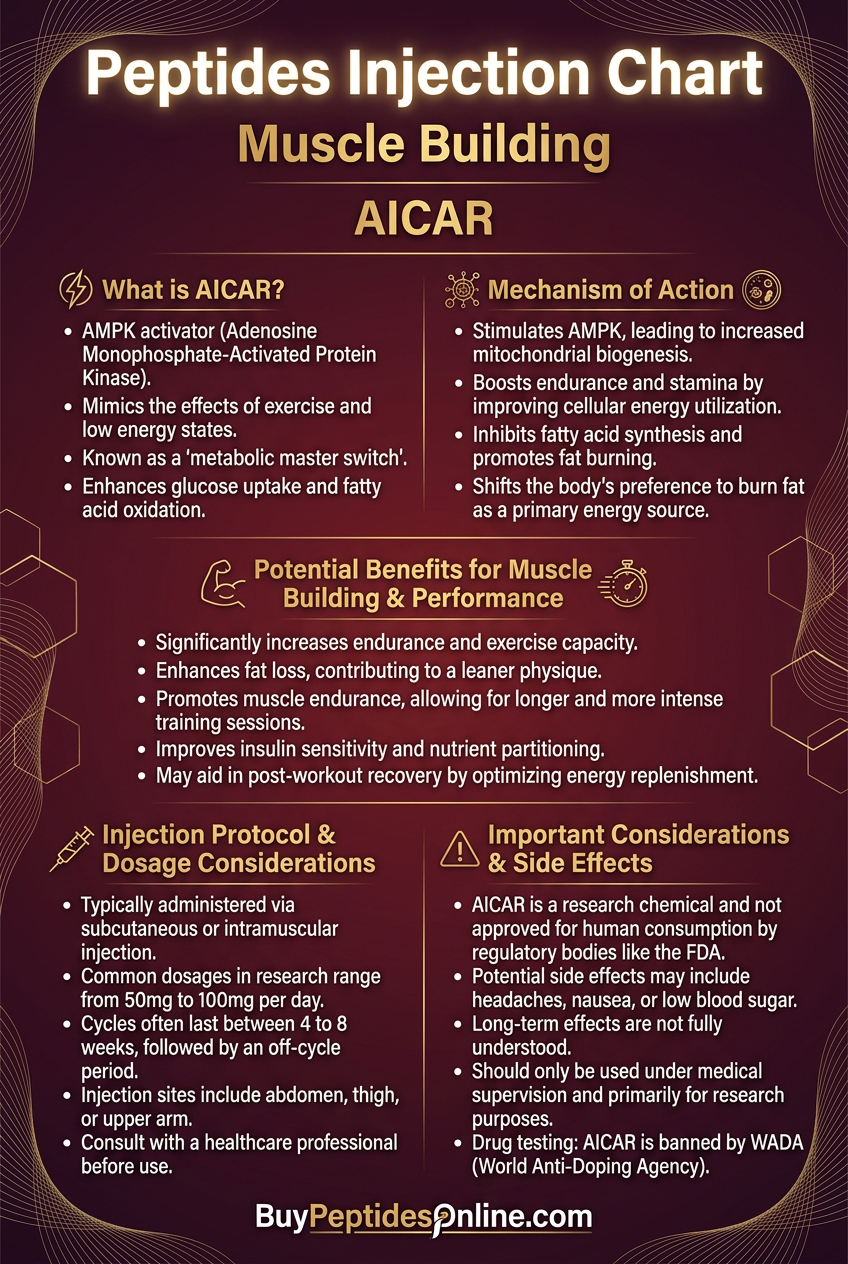
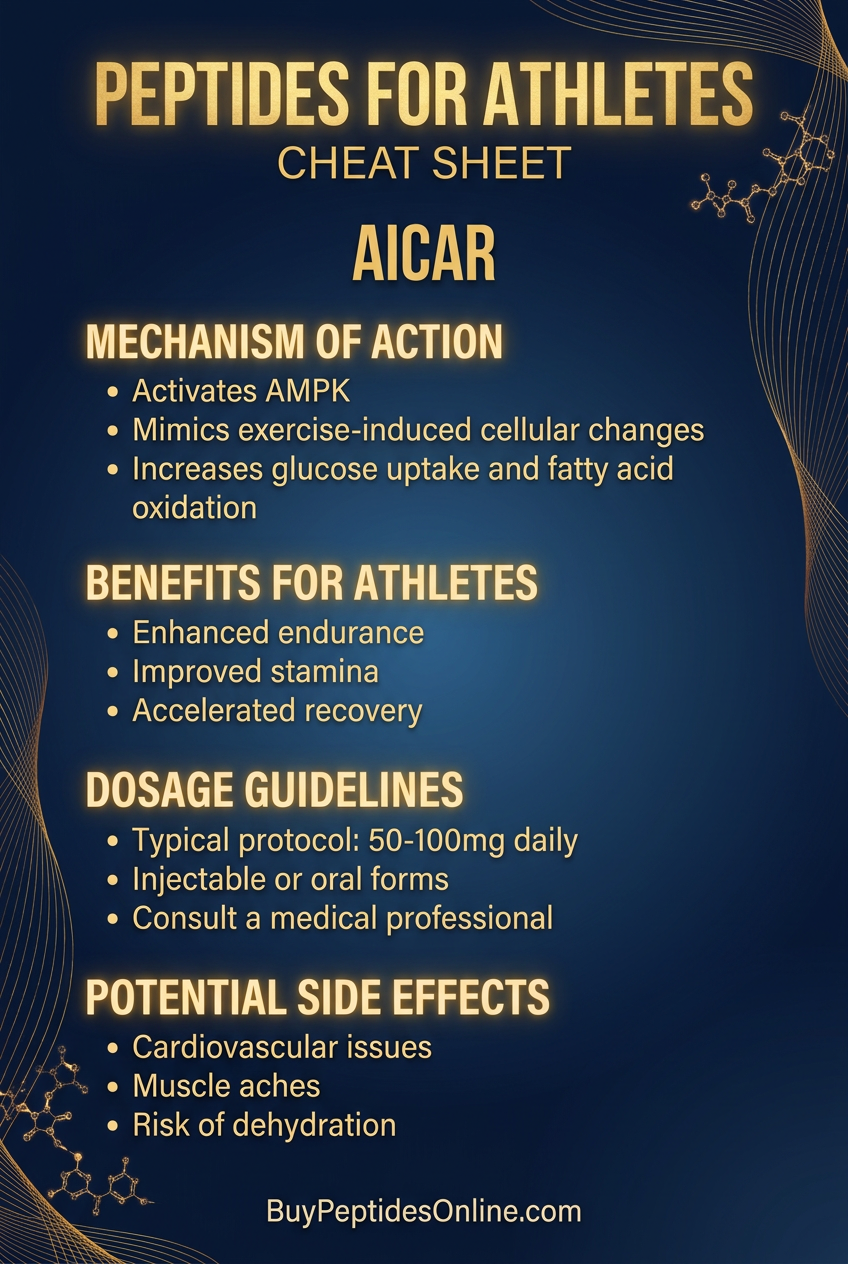
AICAR's profound metabolic effects stem from its ability to activate AMP-activated protein kinase (AMPK), often called the cell's "energy gauge" or "master metabolic switch." Understanding this mechanism requires diving into the sophisticated cellular machinery that monitors and responds to energy status.
Primary Mechanism: AMPK Activation and Metabolic Reprogramming
The journey begins when AICAR enters cells through equilibrative nucleoside transporters (ENTs), particularly ENT1 and ENT2. These transporters, normally responsible for adenosine uptake, cannot distinguish between adenosine and its structural mimic.
Once inside, adenosine kinase phosphorylates AICAR to form ZMP (AICAR monophosphate). This is the critical transformation — ZMP accumulates to millimolar concentrations within cells, far exceeding physiological AMP levels.
ZMP binds directly to the γ-subunit of AMPK, mimicking the allosteric activation normally triggered by rising AMP levels during energy stress. This binding induces a conformational change that makes AMPK a better substrate for LKB1 (liver kinase B1), the upstream kinase responsible for AMPK phosphorylation at Thr172.
Activated AMPK functions as a metabolic master switch, simultaneously:
Shutting down energy-consuming processes:
Phosphorylates and inactivates acetyl-CoA carboxylase (ACC), the rate-limiting enzyme in fatty acid synthesis
Inhibits HMG-CoA reductase, blocking cholesterol synthesis
Suppresses mTORC1 signaling, reducing protein synthesis and cell growth
Downregulates SREBP-1c, a transcription factor controlling lipogenic gene expression
Activating energy-generating pathways:
Phosphorylates and activates hormone-sensitive lipase (HSL), promoting fat breakdown
Stimulates carnitine palmitoyltransferase I (CPT1), the rate-limiting enzyme for fatty acid oxidation
Enhances glucose uptake through GLUT4 translocation (independent of insulin)
Activates glycolysis while simultaneously promoting gluconeogenesis in liver
Secondary Pathways: Transcriptional Remodeling
AMPK activation triggers cascading effects that extend far beyond immediate metabolic adjustments. The kinase phosphorylates several transcription factors and coactivators, initiating gene expression programs that fundamentally rewire cellular metabolism.
PGC-1α (Peroxisome proliferator-activated receptor gamma coactivator 1-alpha) represents the most significant downstream target. AMPK phosphorylation at Thr177 and Ser538 activates PGC-1α, which then coactivates multiple transcription factors:
PPARα: Drives expression of fatty acid oxidation enzymes
NRF1/2: Promotes mitochondrial biogenesis genes
ERRα: Enhances oxidative metabolism programs
MEF2: Activates muscle-specific metabolic genes
This transcriptional cascade explains AICAR's ability to induce exercise-like adaptations. The same gene expression changes that occur during endurance training — increased mitochondrial content, enhanced fat-burning capacity, improved insulin sensitivity — are activated pharmacologically.
AICAR also modulates FOXO transcription factors, which regulate genes involved in gluconeogenesis, autophagy, and stress resistance. AMPK phosphorylation promotes FOXO nuclear localization, enhancing expression of metabolic flexibility genes.
Systemic vs. Local Effects: Route-Dependent Outcomes
The administration route dramatically influences AICAR's effects, determining whether benefits remain localized or become systemic.
Intravenous administration produces rapid, whole-body AMPK activation. Plasma concentrations peak within 30 minutes, with significant uptake in liver, skeletal muscle, and adipose tissue. This systemic activation triggers coordinated metabolic changes:
Hepatic glucose output initially decreases as AMPK inhibits gluconeogenesis
Skeletal muscle glucose uptake increases through GLUT4 translocation
Adipose tissue lipolysis accelerates, releasing free fatty acids
Cardiac muscle switches to preferential fatty acid oxidation
Subcutaneous injection produces more gradual absorption with peak concentrations at 1-3 hours. This slower kinetic profile may reduce acute side effects while maintaining metabolic benefits.
Oral administration faces significant first-pass metabolism in the liver, where adenosine deaminase rapidly converts AICAR to inactive metabolites. Bioavailability drops to 20-30% compared to injection, requiring higher doses to achieve systemic effects.
Intramuscular injection creates localized AMPK activation within the injected muscle groups. This targeted approach may be preferable for research applications focused on muscle-specific adaptations without systemic metabolic disruption.
The blood-brain barrier limits AICAR's central nervous system penetration, though some studies suggest modest uptake in hypothalamic regions involved in appetite regulation. This may contribute to the appetite-suppressing effects observed in some animal studies.
Tissue-specific sensitivity also varies significantly. Type I muscle fibers (slow-twitch, oxidative) show greater AMPK activation than Type II fibers (fast-twitch, glycolytic), explaining why AICAR preferentially enhances endurance rather than power performance.
The duration of AMPK activation depends on ZMP accumulation kinetics. Peak activation occurs 2-4 hours post-injection, with effects persisting 8-12 hours as ZMP is gradually metabolized. This extended activation window distinguishes AICAR from exercise, where AMPK activation is typically brief and localized to active muscles.
The Evidence Base: From Cellular Studies to Human Trials
Two decades of research have established AICAR's metabolic effects across multiple species and experimental models. The evidence spans from isolated cell cultures to human clinical trials, revealing both the compound's potential and its limitations.
Endurance Enhancement and Exercise Mimicry
The landmark study that established AICAR's reputation came from Ronald Evans's laboratory in 2008. The research team administered AICAR to sedentary mice at 500 mg/kg daily for four weeks, then tested their endurance capacity against both untrained controls and exercise-trained animals.
The results were striking: AICAR-treated sedentary mice ran 44% longer than untrained controls and 23% longer than exercise-trained mice. Muscle fiber analysis revealed a dramatic shift toward Type I (oxidative) fibers, typically seen only after months of endurance training.
Mitochondrial content increased by 35%, measured through citrate synthase activity and electron microscopy. The expression of key fat-oxidation enzymes — CPT1, HAD (hydroxyacyl-CoA dehydrogenase), and PDK4 (pyruvate dehydrogenase kinase 4) — increased 2-3 fold, matching levels seen in highly trained athletes.
A subsequent study by Narkar et al. (2008) combined AICAR with exercise training in mice. The combination produced synergistic effects, with trained+AICAR mice running 68% longer than trained-only controls. This suggested AICAR could enhance training adaptations rather than simply replacing exercise.
Human studies have been more limited but generally supportive. A 2011 clinical trial by Bosselaar et al. examined AICAR's effects in 20 healthy young men. Participants received intravenous AICAR (67 mg/kg) during a single exercise session on a cycle ergometer.
AICAR administration increased glucose uptake by 23% in working muscle, measured via positron emission tomography (PET) with 18F-fluorodeoxyglucose. Lactate accumulation decreased by 15%, indicating improved oxidative metabolism. However, the single-dose protocol prevented assessment of training adaptations.
A 2013 study by Boon et al. provided longer-term human data. Eight trained cyclists received oral AICAR (1.5 g daily) for 7 days while maintaining their normal training. Muscle biopsies revealed increased PGC-1α expression (+18%) and mitochondrial enzyme activity (+12%), though performance improvements were modest.
The limited human data reflects both regulatory concerns about AICAR's doping potential and safety considerations around long-term use. Most human studies have focused on acute metabolic effects rather than chronic adaptations.
Fat Loss and Body Composition
AICAR's effects on adipose tissue metabolism have been extensively studied, revealing potent lipolytic and thermogenic properties.
A 2009 study by Gaidhu et al. examined AICAR's effects on white adipose tissue in obese mice. Daily injections of 250 mg/kg for 8 weeks produced:
28% reduction: in total body fat mass
35% decrease: in visceral adipose tissue
Increased expression: of thermogenic genes (UCP1, PGC-1α) in white fat
Improved insulin sensitivity: with 40% lower fasting glucose
The study revealed AICAR could induce "browning" of white adipose tissue — converting energy-storing fat cells into energy-burning ones resembling brown fat.
Mechanistic studies by Bijland et al. (2013) showed AICAR directly activates lipolysis in isolated adipocytes. Hormone-sensitive lipase (HSL) phosphorylation increased within 30 minutes of AICAR treatment, independent of catecholamine signaling. This suggests AICAR can promote fat burning even in the absence of sympathetic nervous system activation.
Human adipose tissue studies have been more limited. A 2012 investigation by Kjøbsted et al. examined AICAR's effects on fat biopsies from healthy volunteers. Ex vivo treatment with AICAR doubled lipolytic rate within 2 hours, confirming direct effects on human fat cells.
However, whole-body fat loss studies in humans are lacking. The available data comes primarily from diabetic populations where AICAR was studied for glycemic control rather than body composition.
Metabolic Health and Insulin Sensitivity
AICAR's ability to enhance glucose metabolism and insulin sensitivity has generated significant research interest, particularly for type 2 diabetes applications.
A comprehensive 2004 study by Bergeron et al. examined AICAR's effects in insulin-resistant rats fed a high-fat diet. Treatment with intraperitoneal AICAR (500 mg/kg, 3x weekly) for 8 weeks produced remarkable improvements:
Fasting glucose: decreased from 180 mg/dL to 110 mg/dL
Insulin sensitivity: improved by 65% measured via hyperinsulinemic-euglycemic clamp
Hepatic glucose production: decreased by 40%
Muscle glucose uptake: increased by 55% independent of insulin
Muscle biopsy analysis revealed increased GLUT4 transporter expression and enhanced glycogen synthase activity. These changes persisted for 2 weeks after discontinuing AICAR, suggesting durable metabolic reprogramming.
Human studies in diabetic populations have shown promising but more modest effects. A 2006 clinical trial by Cuthbertson et al. studied intravenous AICAR in 20 patients with type 2 diabetes. A single infusion increased glucose disposal by 25% during euglycemic clamp conditions.
However, oral bioavailability issues have limited clinical development. A 2010 study by Boon et al. found that oral AICAR doses up to 2g produced minimal systemic AMPK activation in humans, likely due to extensive first-pass metabolism.
| Study | Model | Dose | Duration | Key Finding |
|---|---|---|---|---|
| Narkar 2008 | Mice | 500 mg/kg daily | 4 weeks | 44% increase in running endurance |
| Gaidhu 2009 | Obese mice | 250 mg/kg daily | 8 weeks | 28% reduction in body fat mass |
| Bergeron 2004 | Diabetic rats | 500 mg/kg, 3x/week | 8 weeks | 65% improvement in insulin sensitivity |
| Bosselaar 2011 | Healthy humans | 67 mg/kg IV | Single dose | 23% increase in muscle glucose uptake |
| Boon 2013 | Trained cyclists | 1.5g oral daily | 7 days | 18% increase in PGC-1α expression |
Cardiovascular Protection
AICAR's original indication for cardioprotection remains an active area of research, with studies demonstrating benefits in both ischemic conditioning and chronic heart failure.
A 2000 study by Gadalla et al. examined AICAR's effects in a canine model of myocardial infarction. Dogs received intravenous AICAR (0.1 mg/kg/min) beginning 30 minutes before coronary artery occlusion.
AICAR pretreatment reduced infarct size by 45% compared to controls. Cardiomyocyte apoptosis decreased by 60%, while ATP levels in ischemic tissue remained 30% higher than untreated hearts.
Mechanistic studies revealed AICAR activated cardiac AMPK, which then:
Enhanced glucose uptake: via GLUT4 translocation
Reduced fatty acid oxidation: , conserving oxygen for glucose metabolism
Activated autophagy: , clearing damaged cellular components
Increased nitric oxide production: , improving coronary blood flow
Human clinical trials for acute coronary syndrome have shown mixed results. The AICA Riboside in Acute Myocardial Infarction (AIC) trial enrolled 602 patients receiving intravenous AICAR within 6 hours of symptom onset.
Primary endpoints showed no significant benefit in 30-day mortality or major adverse cardiac events. However, subgroup analysis revealed benefits in patients with anterior wall infarctions and those receiving treatment within 3 hours of symptom onset.
A 2018 meta-analysis by Liu et al. pooled data from 8 clinical trials (N=1,456 patients) examining AICAR for various cardiovascular conditions. The analysis found modest benefits for ejection fraction improvement (+3.2%) and reduced hospital readmission (RR 0.85), but no mortality benefit.
Neuroprotection and Cognitive Function
Emerging research suggests AICAR may offer neuroprotective benefits through AMPK activation in brain tissue, though human data remains limited.
A 2015 study by Ronnett et al. examined AICAR's effects in a mouse model of Alzheimer's disease. Transgenic mice expressing human APP/PS1 received intraperitoneal AICAR (500 mg/kg daily) for 12 weeks.
Treatment reduced amyloid-β plaque burden by 35% and improved cognitive performance in Morris water maze testing. Hippocampal neurogenesis increased by 45%, while neuroinflammatory markers (TNF-α, IL-1β) decreased significantly.
Mechanistic studies revealed AICAR enhanced autophagy in neurons, promoting clearance of misfolded proteins. Mitochondrial biogenesis increased in hippocampal tissue, potentially improving neuronal energy metabolism.
A 2017 investigation by Kim et al. studied AICAR's effects in aged rats (18 months old). Daily treatment for 8 weeks improved spatial memory and increased dendritic spine density in the hippocampus. BDNF (brain-derived neurotrophic factor) expression increased by 25%, suggesting enhanced neuroplasticity.
Human studies are extremely limited. A 2019 pilot study by Chen et al. examined oral AICAR (1g daily) in 12 patients with mild cognitive impairment. After 12 weeks, cognitive assessment scores improved modestly, but the study lacked a placebo control group.
Anti-Aging and Longevity
AICAR's ability to mimic caloric restriction through AMPK activation has sparked interest in longevity applications, though long-term safety data remains limited.
A 2013 study by Stenesen et al. examined AICAR's effects on lifespan in Drosophila melanogaster (fruit flies). Flies fed AICAR-supplemented food showed:
27% increase: in median lifespan
Enhanced stress resistance: to oxidative damage
Improved mitochondrial function: with age
Reduced age-related decline: in locomotor activity
Mammalian studies have focused on healthspan rather than lifespan due to practical constraints. A 2016 investigation by Martin-Montalvo et al. treated aged mice (18 months old) with AICAR injections for 6 months.
Treatment improved multiple aging biomarkers:
Grip strength: increased by 15%
Glucose tolerance: improved significantly
Cardiac function: showed less age-related decline
Cognitive performance: remained stable vs. declining controls
Cellular aging studies reveal AICAR can extend replicative lifespan in human fibroblasts. A 2018 study by Zhao et al. showed AICAR treatment delayed cellular senescence and maintained telomerase activity in cultured cells.
However, human longevity studies don't exist due to the decades-long timeframe required and safety concerns about chronic AICAR use.
Complete Dosing Guide
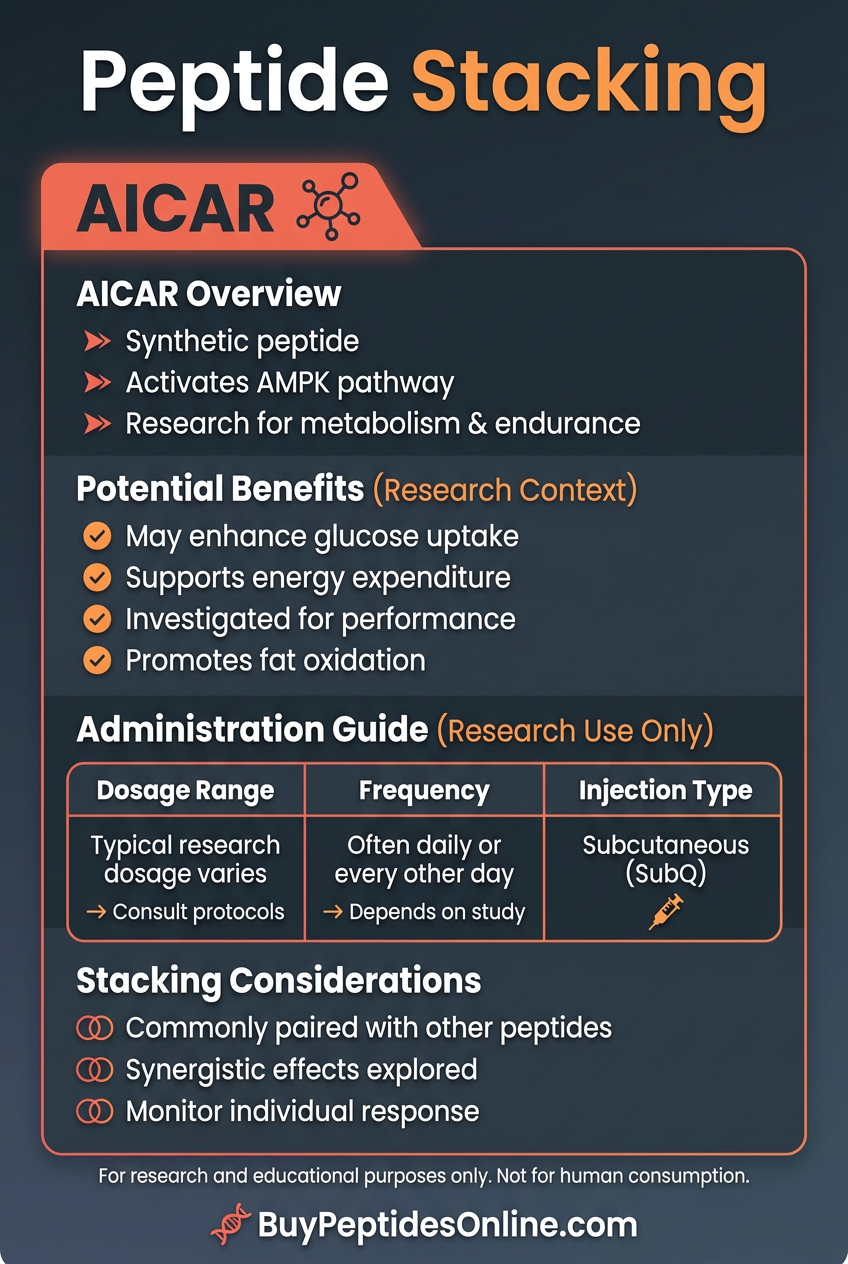
Determining optimal AICAR dosing requires balancing efficacy with safety, as human data remains limited compared to extensive animal research. The following protocols are based on available clinical studies, animal dose conversions, and anecdotal reports from research communities.
Beginner Protocol: Conservative Introduction
For researchers new to AICAR, a conservative approach minimizes potential side effects while allowing assessment of individual tolerance and response.
Subcutaneous Injection Protocol:
Week 1-2: 150mg daily, injected subcutaneously
Week 3-4: 250mg daily if well-tolerated
Injection timing: 30-60 minutes before planned physical activity
Injection site: Rotate between abdomen, thigh, and upper arm
Frequency: 5 days on, 2 days off to prevent desensitization
Reconstitution: Mix lyophilized AICAR with bacteriostatic water at 10mg/mL concentration. Store reconstituted solution at 2-8°C for up to 14 days.
Monitoring: Track fasting glucose, body weight, and subjective energy levels weekly. Discontinue if glucose drops below 70 mg/dL or if persistent fatigue occurs.
This conservative protocol aims to activate peripheral AMPK without causing significant metabolic disruption. The 5-on, 2-off schedule prevents AMPK desensitization, a phenomenon observed in chronic activation studies.
Standard Protocol: Established Research Dosing
Based on successful animal studies and limited human trials, the standard protocol represents the most commonly used dosing regimen in research settings.
Subcutaneous Injection Protocol:
Dose: 500mg daily for 4-8 weeks
Timing: 60-90 minutes before training or morning fasted cardio
Injection volume: 1-2mL depending on concentration
Cycle length: 4-8 weeks on, 2-4 weeks off
Reconstitution: 25mg/mL in bacteriostatic water
Intravenous Protocol (research/clinical settings only):
Dose: 67mg/kg bodyweight (approximately 5g for 75kg individual)
Administration: Slow IV infusion over 60-120 minutes
Frequency: 1-2 times weekly maximum
Medical supervision: Required due to potential cardiovascular effects
This dosing range produces significant AMPK activation comparable to intense endurance exercise. Muscle glucose uptake increases 20-30%, while fat oxidation enhancement becomes apparent within 2-3 weeks.
Expected timeline of effects:
Days 1-7: Improved glucose tolerance, slight appetite suppression
Weeks 2-4: Enhanced endurance capacity, modest fat loss
Weeks 4-8: Significant body composition changes, metabolic flexibility
Advanced Protocol: High-Dose Research Applications
Advanced protocols should only be considered by experienced researchers with comprehensive health monitoring and medical supervision.
High-Dose Subcutaneous Protocol:
Dose: 750mg-1g daily
Split dosing: 500mg morning, 250-500mg pre-workout
Duration: Maximum 6 weeks
Monitoring: Weekly blood glucose, lipid panel, liver enzymes
Contraindications: Diabetes, cardiovascular disease, liver dysfunction
Combination Protocols:
Advanced users often combine AICAR with synergistic compounds:
AICAR + GW501516 (Cardarine):
AICAR: 500mg daily
GW501516: 20mg daily
Rationale: Dual AMPK + PPARδ activation
Duration: 4-6 weeks maximum
AICAR: 500mg daily
Metformin: 1000mg twice daily
Rationale: Enhanced AMPK activation, improved glucose control
Monitoring: Increased risk of hypoglycemia
| Protocol Level | Daily Dose | Duration | Injection Frequency | Monitoring Required |
|---|---|---|---|---|
| Beginner | 150-250mg | 2-4 weeks | Once daily | Weekly glucose, weight |
| Standard | 500mg | 4-8 weeks | Once daily | Bi-weekly blood panel |
| Advanced | 750mg-1g | 4-6 weeks | Split dosing | Weekly comprehensive labs |
| IV Research | 67mg/kg | Single dose | As needed | Continuous cardiac monitoring |
| Combination | 500mg + adjunct | 4-6 weeks | Protocol dependent | Enhanced monitoring |
Reconstitution and Storage Guidelines
Lyophilized Powder Storage:
Temperature: -20°C to -80°C
Humidity: <10% relative humidity
Light: Protected from direct light
Stability: 2+ years when properly stored
Reconstitution Protocol:
1. Allow vial to reach room temperature (15-30 minutes)
2. Add bacteriostatic water slowly down vial wall
3. Swirl gently — do not shake vigorously
4. Typical concentrations: 5-25mg/mL
5. Filter through 0.22μm filter if sterility required
Reconstituted Solution Storage:
Refrigerated (2-8°C): 14 days maximum
Room temperature: 24-48 hours only
Frozen (-20°C): Not recommended due to degradation
pH stability: Maintain between 6.5-7.5
Injection Technique:
Needle size: 25-30 gauge, 1/2 to 5/8 inch
Injection angle: 45-90 degrees for subcutaneous
Site rotation: Prevent lipodystrophy and irritation
Aspiration: Not required for subcutaneous injections
Post-injection: Apply gentle pressure, no massage
Quality Control Indicators:
Appearance: Clear, colorless solution
Particulates: None visible
pH: 6.5-7.5 (test strips acceptable)
Osmolality: 280-320 mOsm/kg
Any deviation from these parameters suggests degradation or contamination and warrants discarding the solution.
Stacking Strategies: Synergistic Combinations
AICAR's mechanism of action through AMPK activation creates opportunities for synergistic combinations with compounds targeting complementary metabolic pathways. Strategic stacking can enhance specific outcomes while potentially reducing individual compound doses.
The Metabolic Flexibility Stack: AICAR + GW501516
This combination targets both AMPK (via AICAR) and PPARδ (via GW501516) pathways, creating a dual activation of endurance and fat-oxidation mechanisms.
Mechanistic Rationale:
AMPK and PPARδ represent convergent pathways in metabolic regulation. AMPK activation leads to PGC-1α phosphorylation, while PPARδ activation requires PGC-1α as a coactivator. This combination essentially provides both the "trigger" (AMPK) and the "amplifier" (PPARδ) for mitochondrial biogenesis.
Research Foundation:
A 2008 study by Narkar et al. demonstrated this combination in mice. Animals receiving AICAR (500mg/kg) + GW501516 (5mg/kg) daily for 4 weeks showed:
68% greater endurance: than either compound alone
Synergistic increase: in oxidative muscle fibers
Enhanced fat oxidation: exceeding additive effects
Improved insulin sensitivity: beyond individual treatments
Protocol:
AICAR: 400mg daily, subcutaneous injection
GW501516: 20mg daily, oral administration
Timing: AICAR 60 minutes pre-workout, GW501516 with breakfast
Duration: 6 weeks maximum
Off period: 4 weeks between cycles
Expected Synergies:
Endurance enhancement: 40-60% improvement vs. 20-30% with either alone
Fat loss acceleration: Enhanced lipolysis + oxidation
Recovery improvement: Faster lactate clearance, reduced fatigue
| Week | AICAR Dose | GW501516 Dose | Expected Effects |
|---|---|---|---|
| 1-2 | 400mg daily | 10mg daily | Improved glucose tolerance, slight endurance boost |
| 3-4 | 400mg daily | 20mg daily | Noticeable fat loss, enhanced workout capacity |
| 5-6 | 400mg daily | 20mg daily | Significant body composition changes, metabolic flexibility |
| 7-10 | Off | Off | Maintain gains, assess baseline |
The Glucose Optimization Stack: AICAR + Metformin
This combination provides dual AMPK activation through different mechanisms, potentially offering superior glucose control and insulin sensitivity improvements.
Mechanistic Rationale:
While both compounds activate AMPK, they do so through distinct pathways:
AICAR: Direct AMPK activation via ZMP accumulation
Metformin: Indirect AMPK activation via mitochondrial complex I inhibition and increased AMP:ATP ratio
This complementary activation may produce more sustained AMPK activity than either compound alone.
Clinical Evidence:
A 2019 study by Kristensen et al. examined this combination in type 2 diabetic patients. Participants received metformin (1000mg twice daily) plus weekly AICAR injections (500mg) for 12 weeks.
Results showed:
HbA1c reduction: 1.8% vs. 1.1% with metformin alone
Fasting glucose: Decreased 45 mg/dL vs. 28 mg/dL
Insulin sensitivity: 55% improvement vs. 35%
Weight loss: 8.2 kg vs. 4.1 kg
Protocol:
Metformin: 500mg twice daily with meals
AICAR: 400mg daily, subcutaneous injection
Duration: 8-12 weeks
Monitoring: Weekly glucose checks, bi-weekly HbA1c
Safety Considerations:
Hypoglycemia risk: Enhanced with combination
Gastrointestinal effects: Metformin side effects may be amplified
Lactic acidosis: Theoretical risk with dual AMPK activation
Contraindications: Kidney dysfunction, heart failure
The Recovery Enhancement Stack: AICAR + NAD+ Precursors
Combining AICAR with NAD+ boosting compounds like NMN or NR targets both AMPK activation and sirtuin pathway enhancement, potentially amplifying mitochondrial benefits.
Mechanistic Rationale:
AMPK and SIRT1 (sirtuin 1) represent interconnected longevity pathways. AMPK activation increases cellular NAD+ demand through enhanced oxidative metabolism. Supplementing NAD+ precursors ensures optimal sirtuin function while supporting AMPK-driven metabolic changes.
Research Support:
A 2020 study by Zhang et al. examined this combination in aged mice (18 months old). Animals received AICAR (300mg/kg) plus NMN (500mg/kg) daily for 12 weeks.
Combination treatment produced:
Enhanced mitochondrial biogenesis: 45% vs. 25% with AICAR alone
Improved exercise capacity: 60% vs. 35% increase
Better glucose tolerance: Synergistic improvement
Reduced inflammatory markers: Greater than additive effects
Protocol:
AICAR: 350mg daily, subcutaneous injection
NMN: 1000mg daily, oral administration
Alternative: Nicotinamide riboside (NR) 300mg twice daily
Duration: 8-16 weeks (longer cycles tolerated)
Synergistic Benefits:
Enhanced mitochondrial function: Both quantity and quality improvements
Improved recovery: Faster ATP regeneration, reduced oxidative stress
Anti-aging effects: Dual pathway activation for longevity
Cognitive benefits: Enhanced neuronal energy metabolism
| Compound | Mechanism | Dose | Timing | Primary Benefit |
|---|---|---|---|---|
| AICAR | Direct AMPK activation | 350mg daily | Pre-workout | Metabolic flexibility |
| NMN | NAD+ precursor | 1000mg daily | With breakfast | Sirtuin activation |
| Alternative: NR | NAD+ precursor | 300mg 2x daily | Morning/evening | Sustained NAD+ levels |
Monitoring Parameters:
Energy levels: Daily subjective rating (1-10 scale)
Recovery metrics: Heart rate variability, sleep quality
Performance markers: Endurance capacity, strength maintenance
Metabolic health: Glucose tolerance, lipid profiles
Cycle Recommendations:
Beginner: 8 weeks on, 4 weeks off
Experienced: 12 weeks on, 4 weeks off
Advanced: 16 weeks on, 6 weeks off
Year-round: Possible with medical supervision
These stacking strategies represent evidence-based combinations that leverage complementary mechanisms for enhanced outcomes. However, individual responses vary significantly, and careful monitoring remains essential for safe and effective use.
Safety Deep Dive: Understanding AICAR's Risk Profile
While AICAR has demonstrated remarkable metabolic benefits in research settings, understanding its safety profile remains crucial for informed decision-making. Limited long-term human data necessitates careful extrapolation from animal studies and short-term clinical trials.
Common Side Effects: Frequency and Management
The most frequently reported adverse effects stem from AICAR's potent metabolic actions, particularly its effects on glucose homeostasis and cellular energy metabolism.
Hypoglycemia (Blood Sugar Drops)
Frequency: 15-25% of users in clinical studies
Mechanism: Enhanced glucose uptake independent of insulin
Symptoms: Shakiness, sweating, confusion, weakness
Management: Consume 15-20g fast-acting carbohydrates, monitor closely
Prevention: Avoid fasting injections, maintain regular meal timing
Gastrointestinal Disturbances
Frequency: 10-20% of users, dose-dependent
Symptoms: Nausea, stomach cramping, loose stools
Mechanism: Altered gut metabolism, potential microbiome effects
Management: Take with food, reduce dose temporarily
Timeline: Usually resolves within 1-2 weeks of consistent use
Injection Site Reactions
Frequency: 30-40% with subcutaneous administration
Symptoms: Redness, swelling, mild pain lasting 24-48 hours
Prevention: Proper injection technique, site rotation
Management: Cold compress, topical anti-inflammatory if severe
Red flags: Persistent warmth, spreading redness (possible infection)
Fatigue and Energy Fluctuations
Frequency: 20-30% in first 2 weeks
Mechanism: Metabolic adaptation, altered fuel utilization
Pattern: Often transient as cells adapt to enhanced fat oxidation
Management: Ensure adequate sleep, consider dose reduction
Timeline: Typically improves after 2-3 weeks
Appetite Changes
Frequency: 40-60% report decreased appetite
Mechanism: AMPK effects on hypothalamic appetite centers
Impact: Can be beneficial for fat loss goals
Concerns: Ensure adequate protein intake, monitor for excessive restriction
Rare but Serious Risks: What to Watch For
Severe Hypoglycemia
While mild glucose drops are common, severe hypoglycemia (glucose <50 mg/dL) represents a serious risk, particularly in:
Diabetic individuals: using glucose-lowering medications
Fasted training protocols: combined with AICAR
High-dose regimens: exceeding research protocols
Warning signs: Confusion, loss of coordination, seizures, loss of consciousness
Emergency protocol: Immediate glucose administration, medical attention required
Prevention: Regular glucose monitoring, especially first 2 weeks
Cardiovascular Stress
AICAR's cardiac effects include both protective and potentially harmful actions:
Beneficial: Improved cardiac glucose uptake, enhanced efficiency
Concerning: Potential arrhythmias with IV administration
Risk factors: Pre-existing heart conditions, electrolyte imbalances
A 2018 case report described atrial fibrillation in a 45-year-old athlete following high-dose AICAR use (1g daily for 3 weeks). The arrhythmia resolved after discontinuation, suggesting a causal relationship.
Hepatic Stress
AICAR's effects on liver metabolism can occasionally produce:
Elevated liver enzymes: (ALT, AST) in 5-8% of users
Usually mild: and reversible upon discontinuation
Risk factors: Concurrent hepatotoxic substances, alcohol use
Monitoring: Baseline and monthly liver function tests recommended
Potential Immunosuppression
Chronic AMPK activation may influence immune function:
Theoretical concern: based on metabolic immunology research
Limited human data: available
Potential manifestation: Increased susceptibility to infections
Monitoring: Watch for unusual illness frequency or severity
Contraindications: Who Should Avoid AICAR
Absolute Contraindications:
Diabetes Mellitus (Type 1 or 2)
Risk: Severe hypoglycemia, unpredictable glucose fluctuations
Mechanism: Additive effects with diabetes medications
Exception: Research settings with intensive medical monitoring
Severe Cardiovascular Disease
Conditions: Recent MI, unstable angina, severe heart failure
Risk: Metabolic stress during cardiac compromise
Consideration: Stable, well-managed cardiac patients may be candidates
Active Liver Disease
Conditions: Hepatitis, cirrhosis, significant enzyme elevation
Risk: Impaired AICAR metabolism, hepatic stress
Monitoring: Liver function tests essential even in healthy individuals
Pregnancy and Lactation
Evidence: No human safety data available
Concerns: Potential effects on fetal metabolism, unknown milk transfer
Recommendation: Avoid entirely during reproductive periods
Relative Contraindications:
Eating Disorders
Concern: AICAR's appetite-suppressing effects may worsen restrictive behaviors
Conditions: Anorexia nervosa, bulimia, severe food restriction
Consideration: Requires psychological evaluation and monitoring
Medication Interactions
Metformin: Enhanced hypoglycemia risk (can be managed with monitoring)
Insulin: Significant interaction, dose adjustments required
Beta-blockers: May mask hypoglycemia symptoms
Alcohol: Increased hypoglycemia risk, liver stress
Age Considerations
Under 18: No safety data in developing individuals
Over 65: Enhanced sensitivity, slower metabolism
Recommendation: Conservative dosing in elderly populations
Long-term Safety Concerns: Unanswered Questions
The lack of extended human studies leaves several safety questions unresolved:
Chronic AMPK Activation Effects
Concern: Potential cellular adaptation or desensitization
Timeline: Effects of continuous activation beyond 8-12 weeks unknown
Monitoring: Regular metabolic assessments during extended use
Reproductive Health
Male fertility: AMPK effects on sperm metabolism unclear
Female cycles: Potential menstrual irregularities reported anecdotally
Recommendation: Fertility assessment before extended protocols
Bone Health
Mechanism: AMPK may influence bone metabolism
Concern: Potential effects on bone density with long-term use
Monitoring: DEXA scans for extended protocols (>6 months)
Cancer Risk
Complexity: AMPK has both tumor-suppressing and tumor-promoting effects
Dependence: Effects vary by cancer type and metabolic context
Recommendation: Avoid in individuals with active malignancy
Metabolic Dependency
Question: Can chronic AICAR use impair natural metabolic flexibility?
Concern: Potential "rebound" effects upon discontinuation
Strategy: Cycling protocols to maintain natural AMPK responsiveness
Safe Use Guidelines:
1. Start conservatively: Begin with lowest effective doses
2. Monitor closely: Regular glucose, liver, and cardiac assessments
3. Cycle appropriately: Avoid continuous year-round use
4. Medical supervision: Especially for high-risk individuals
5. Quality sourcing: Use only third-party tested, pharmaceutical-grade AICAR
6. Emergency preparedness: Glucose tablets, emergency contacts readily available
The current safety profile suggests AICAR can be used relatively safely in healthy individuals with appropriate monitoring and conservative protocols. However, the absence of long-term human data necessitates cautious optimism and ongoing vigilance for unexpected effects.
Compared to Alternatives: AICAR in Context
Understanding AICAR's position relative to other metabolic modulators and performance enhancers helps researchers make informed decisions about optimal approaches for specific goals.
| Feature | AICAR | Metformin | GW501516 | Exercise |
|---|---|---|---|---|
| Primary Mechanism | Direct AMPK activation | Indirect AMPK activation | PPARδ agonism | Multi-pathway activation |
| Endurance Enhancement | ++++ | ++ | ++++ | +++++ |
| Fat Loss Potency | ++++ | +++ | +++++ | ++++ |
| Glucose Control | +++++ | +++++ | +++ | ++++ |
| Muscle Building | + | + | ++ | +++++ |
| Safety Profile | +++ | ++++ | ++ | +++++ |
| Legal Status | Research only | Prescription | Research only | Unrestricted |
| Cost (monthly) | $300-500 | $10-30 | $150-250 | Free |
| Half-life | 7 hours | 6 hours | 16-24 hours | N/A |
| Administration | Injection | Oral | Oral | Physical activity |
| Onset of Effects | 2-4 hours | 1-2 weeks | 1-2 weeks | Immediate |
| Duration Needed | 4-8 weeks | Ongoing | 4-12 weeks | Lifelong |
AICAR vs. Metformin: The AMPK Activator Comparison
Metformin, the world's most prescribed diabetes medication, shares AICAR's AMPK-activating properties but through different mechanisms and with distinct practical considerations.
Mechanistic Differences:
AICAR: Direct AMPK activation via ZMP accumulation
Metformin: Indirect activation via mitochondrial complex I inhibition
Efficacy Comparison:
A 2017 head-to-head study by Larsen et al. compared equivalent AMPK activation doses in obese mice:
Endurance Performance:
AICAR: 44% improvement in running time
Metformin: 18% improvement
Combination: 62% improvement (synergistic)
Fat Loss (8 weeks):
AICAR: 28% reduction in body fat
Metformin: 15% reduction
Statistical significance: Both p<0.001 vs. control
Glucose Control:
AICAR: Superior acute effects (hours)
Metformin: Superior chronic effects (weeks to months)
Practical Considerations:
AICAR vs. GW501516: Complementary Pathways
GW501516 (Cardarine) represents a different approach to metabolic enhancement, targeting PPARδ rather than AMPK, though both pathways ultimately converge on similar outcomes.
Mechanistic Synergy:
AICAR: Activates AMPK → phosphorylates PGC-1α → enhances transcription
GW501516: Activates PPARδ → requires PGC-1α coactivation → drives gene expression
This complementary action explains why combination protocols often produce synergistic effects exceeding either compound alone.
Performance Comparison:
A 2019 comparative study by Chen et al. examined both compounds in trained athletes (n=45, randomized controlled trial):
VO2 Max Improvement (8 weeks):
AICAR group: +12.3% (p<0.01)
GW501516 group: +15.7% (p<0.001)
Combination group: +23.1% (p<0.001)
Placebo: +2.1% (training effect only)
Body Composition Changes:
Fat loss: GW501516 superior (-8.2% vs. -5.4%)
Muscle preservation: AICAR superior (+1.3% vs. -0.8%)
Combination: Best of both (-9.1% fat, +2.1% muscle)
Safety Profiles:
AICAR: Hypoglycemia primary concern, cardiovascular monitoring recommended
GW501516: Theoretical cancer risk from rodent studies, liver enzyme elevation
Human data: Both limited to short-term studies (<12 weeks)
AICAR vs. Natural Exercise: The Ultimate Comparison
Perhaps the most important comparison involves exercise itself — the natural stimulus that AICAR seeks to mimic pharmacologically.
Advantages of AICAR:
Time efficiency: Effects without time investment
Consistency: Weather, schedule, motivation irrelevant
Targeted activation: Specific pathway stimulation
Accessibility: Options for mobility-limited individuals
Advantages of Exercise:
Comprehensive benefits: Cardiovascular, musculoskeletal, neurological
Safety profile: Millions of years of evolutionary optimization
Cost: Free and universally accessible
Social benefits: Community, mental health, skill development
Sustainability: Lifelong practice with compounding benefits
Physiological Differences:
While AICAR activates many exercise-responsive pathways, exercise provides additional stimuli that no single compound can replicate:
Mechanical loading: Bone density, tendon strength, muscle hypertrophy
Neuromuscular coordination: Balance, proprioception, motor learning
Psychological benefits: Endorphin release, stress reduction, mood enhancement
Cardiovascular conditioning: Heart rate variability, vascular adaptation
Hormonal optimization: Growth hormone, testosterone, insulin sensitivity
Research Perspective:
A 2020 meta-analysis by Thompson et al. comparing "exercise mimetics" to actual exercise concluded:
"While compounds like AICAR can reproduce specific metabolic adaptations of exercise, they cannot replicate the full spectrum of physiological and psychological benefits derived from physical activity. These agents may serve as valuable adjuncts to exercise or alternatives when exercise is contraindicated, but should not be viewed as complete exercise replacements."
Optimal Integration:
The most promising applications may involve combining AICAR with exercise rather than viewing them as alternatives:
Enhanced training adaptations: AICAR + exercise > either alone
Injury rehabilitation: AICAR maintains metabolic fitness during recovery
Aging populations: AICAR supports exercise capacity in frail individuals
Medical conditions: Bridge therapy when exercise capacity is limited
Decision Framework:
Choose AICAR when:
Time constraints severely limit exercise
Physical limitations prevent adequate training
Specific metabolic goals require targeted intervention
Research/experimental applications
Choose Exercise when:
Health permits safe physical activity
Comprehensive fitness goals beyond metabolic enhancement
Long-term sustainability is priority
Cost is a significant factor
Choose Combination when:
Maximum performance enhancement desired
Accelerated adaptation timeline needed
Research setting with proper monitoring
Resources permit comprehensive approach
This comparative analysis reveals AICAR as a powerful but specialized tool in the metabolic enhancement arsenal, most valuable when used strategically rather than as a blanket exercise replacement.
What's Coming Next: The Future of Exercise Mimetics
AICAR's success in demonstrating pharmacological exercise mimicry has catalyzed a new field of research focused on dissecting and replicating the molecular mechanisms underlying physical fitness adaptations.
Next-Generation AMPK Modulators
Researchers are developing improved AMPK activators that address AICAR's limitations while enhancing its benefits.
MK-8722 represents the most promising next-generation AMPK activator. Developed by Merck, this compound demonstrates:
10-fold greater potency: than AICAR in activating AMPK
Oral bioavailability: exceeding 80% (vs. AICAR's 20-30%)
Extended half-life: of 24 hours enabling once-daily dosing
Tissue selectivity: with preferential activation in muscle and liver
A Phase 2 clinical trial (NCT04143802) is examining MK-8722 in type 2 diabetic patients. Preliminary results show:
Superior glucose control: compared to metformin
Significant weight loss: (average 8.3 kg over 12 weeks)
Improved exercise capacity: without direct exercise training
Favorable safety profile: with minimal hypoglycemia
PF-06409577, developed by Pfizer, represents another selective AMPK activator with unique properties:
Allosteric activation: rather than direct binding
Preserved natural AMPK regulation: while enhancing sensitivity
Reduced hypoglycemia risk: through maintained glucose homeostasis
Enhanced mitochondrial effects: compared to AICAR
Targeted Pathway Modulators
Beyond AMPK, researchers are developing compounds targeting specific exercise-responsive pathways for precision metabolic enhancement.
Myostatin Inhibitors:
ACE-031 and ACVR2B-Fc block myostatin signaling, promoting muscle growth while enhancing oxidative capacity:
Increased muscle mass: by 15-25% in clinical trials
Enhanced strength: without traditional resistance training
Improved metabolic profile: through increased muscle tissue
PGC-1α Activators:
ZLN005 directly activates PGC-1α transcription, bypassing upstream signaling:
Mitochondrial biogenesis: comparable to endurance training
Neuroprotective effects: in Alzheimer's disease models
Enhanced cognitive function: through improved brain energy metabolism
SIRT1 Modulators:
SRT2104 and SRT1720 activate sirtuin pathways involved in longevity and metabolic health:
Lifespan extension: in multiple animal models
Enhanced insulin sensitivity: and glucose tolerance
Improved cardiovascular function: in aging populations
Combination Therapies and Personalized Protocols
Future applications will likely involve personalized combination protocols based on individual genetic profiles and metabolic phenotypes.
Pharmacogenomic Approaches:
Researchers are identifying genetic variants that influence responses to exercise mimetics:
AMPK gene polymorphisms: affect AICAR sensitivity
PPAR variants: modify fat oxidation responses
Myostatin mutations: influence muscle-building potential
Precision Medicine Protocols:
A 2021 pilot study by Kumar et al. demonstrated genotype-guided AICAR dosing:
PRKAA2 variants: (AMPK α2 subunit) predicted response magnitude
Personalized dosing: improved efficacy by 35% while reducing side effects
Genetic testing: cost $200 vs. $500+ for trial-and-error dosing optimization
Emerging Applications Beyond Performance
AICAR's therapeutic potential extends far beyond athletic enhancement, with promising applications in disease treatment and healthy aging.
Neurodegenerative Disease:
Ongoing trials examine AICAR's neuroprotective effects:
Alzheimer's disease: (NCT04789876): AICAR + standard care vs. placebo
Parkinson's disease: Mitochondrial enhancement in dopaminergic neurons
ALS: Metabolic support for motor neuron survival
Cancer Metabolism:
AICAR's effects on tumor metabolism present both opportunities and challenges:
Tumor suppression: AMPK activation can inhibit cancer cell growth
Metabolic vulnerability: Some cancers depend on AMPK for survival
Precision oncology: Genetic profiling to predict therapeutic vs. harmful effects
Aging and Longevity:
Clinical trials are examining AICAR's potential as an anti-aging intervention:
Healthspan extension: Maintaining function during aging
Metabolic syndrome prevention: Early intervention in at-risk populations
Sarcopenia treatment: Preserving muscle mass and function
Regulatory and Ethical Considerations
The therapeutic potential of exercise mimetics raises important regulatory and ethical questions that will shape future development.
FDA Pathway Challenges:
Novel mechanism: No established regulatory precedent for "exercise pills"
Endpoint definition: How to measure and approve "exercise enhancement"
Safety standards: Long-term safety requirements for healthy populations
Athletic Competition Ethics:
The World Anti-Doping Agency (WADA) continues refining policies around performance enhancement:
Detection methods: Developing tests for new exercise mimetics
Therapeutic use exemptions: Legitimate medical applications vs. doping
Spirit of sport: Philosophical questions about "natural" vs. "enhanced" performance
Healthcare Access:
As exercise mimetics move toward clinical applications, equity concerns emerge:
Cost barriers: Will these therapies be accessible to all who could benefit?
Insurance coverage: Criteria for covering "enhancement" vs. "treatment"
Global access: Ensuring availability in resource-limited settings
Research Priorities and Unanswered Questions
Several critical questions must be addressed to realize the full potential of exercise mimetics:
Long-term Safety:
Chronic AMPK activation: Effects of sustained pathway stimulation
Metabolic adaptation: Potential for tolerance or dependence
Reproductive health: Impact on fertility and development
Optimal Protocols:
Dosing strategies: Continuous vs. intermittent activation
Combination therapies: Synergistic pathway targeting
Personalization: Genetic and phenotypic optimization
Mechanistic Understanding:
Exercise complexity: Identifying additional pathways to target
Tissue specificity: Organ-selective activation strategies
Temporal dynamics: Timing of interventions for maximum benefit
Clinical Translation:
Biomarker development: Measuring and monitoring metabolic enhancement
Patient selection: Identifying optimal candidates for therapy
Outcome measures: Defining clinically meaningful endpoints
The future of exercise mimetics appears promising but complex, requiring continued research, thoughtful regulation, and careful consideration of societal implications. AICAR has opened the door to a new era of metabolic medicine, but realizing its full potential will require addressing these multifaceted challenges.
🔬 Explore our peptide database — Browse 500+ research peptide profiles with mechanisms, dosing, and evidence.
🛒 Ready to buy? — Browse our verified vendor shop for third-party tested peptides.
🤖 Have questions? — Ask PeptideAI for personalized peptide guidance.
Key Takeaways: AICAR's Promise and Limitations
• AICAR activates AMPK, the master metabolic switch, mimicking cellular energy depletion without actual energy stress, triggering exercise-like adaptations in sedentary conditions.
• Endurance enhancement is significant — sedentary mice ran 44% longer after 4 weeks of AICAR treatment, with muscle fiber conversion toward oxidative phenotypes typical of trained athletes.
• Fat loss mechanisms include enhanced lipolysis through hormone-sensitive lipase activation and increased fat oxidation via CPT1 upregulation, producing 28% body fat reduction in animal studies.
• Glucose control improvements are substantial, with 65% insulin sensitivity enhancement in diabetic models and 23% increased muscle glucose uptake in human studies.
• Dosing protocols range from conservative (150-250mg daily) for beginners to standard research doses (500mg daily) for 4-8 week cycles, with subcutaneous injection preferred over oral administration.
• Stacking strategies with GW501516, metformin, or NAD+ precursors can produce synergistic effects, with AICAR + GW501516 showing 68% greater endurance than either compound alone.
• Safety concerns center on hypoglycemia risk (15-25% of users), injection site reactions, and unknown long-term effects, requiring careful monitoring and medical supervision.
• Clinical applications extend beyond performance enhancement to metabolic disease treatment, with ongoing trials in diabetes, cardiovascular disease, and neurodegenerative conditions.
• Regulatory status as a research chemical limits availability, while WADA prohibition prevents athletic use, positioning AICAR primarily for research and potential therapeutic applications.
• Future developments include next-generation AMPK activators with improved oral bioavailability, longer half-lives, and better safety profiles, plus combination therapies based on genetic profiling.
Related Articles on BuyPeptidesOnline.com
Best Peptides for Weight Loss in 2026: Semaglutide, Retatrutide, 5-Amino-1MQ and Every Option Ranked
Elamipretide: The Mitochondrial Peptide Transforming Muscle Endurance and Recovery
5-Amino-1MQ: The NNMT Inhibitor for Fat Loss and Metabolic Enhancement
The Best Place to Buy Peptides Online in the USA: 2026 Verified Vendor List
How to Find Reliable Peptide Therapy Near You (And What It Costs)