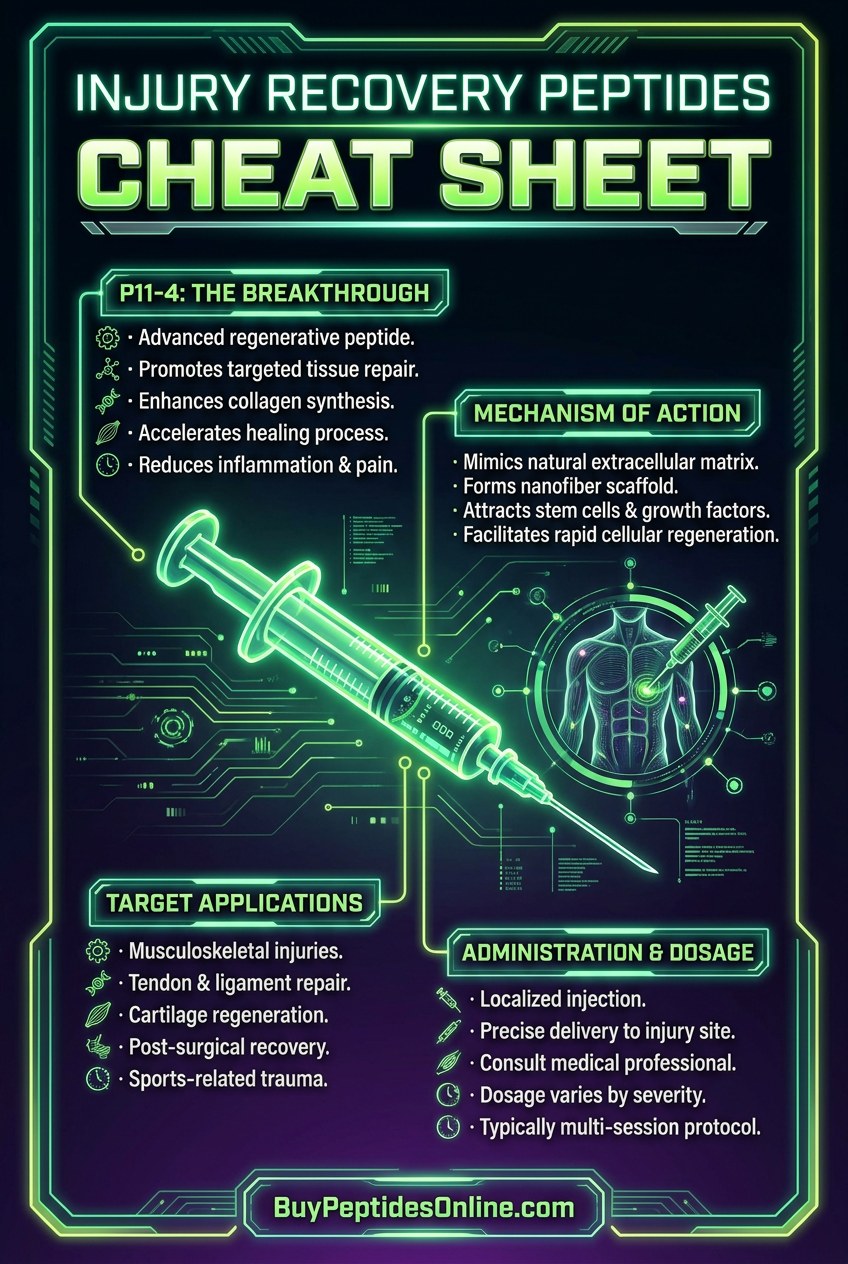
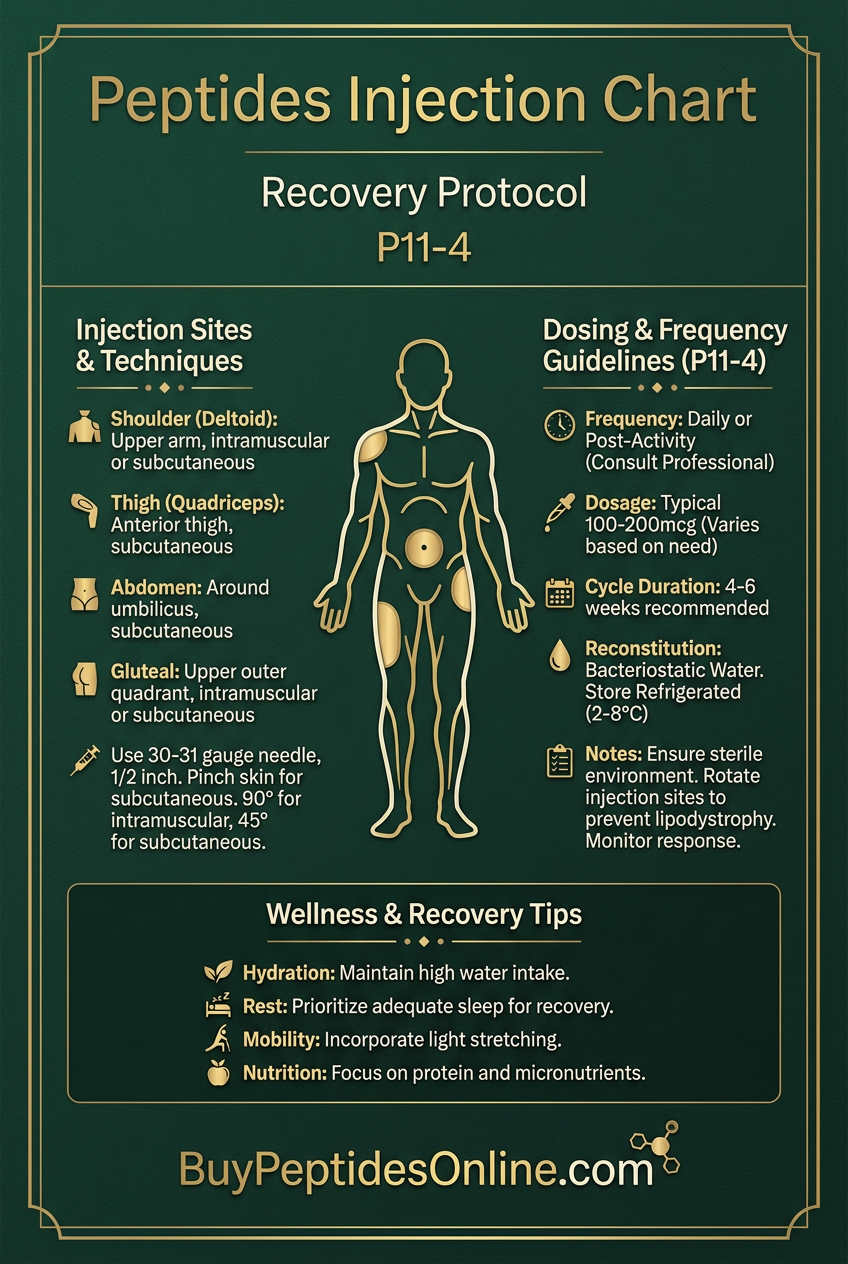
Dr. Amalia Aggeli stared at the scanning electron microscope images in disbelief. The synthetic peptide she'd designed had done something extraordinary — it had assembled itself into perfectly organized nanofibers that looked almost identical to natural tooth enamel structure. What started as a materials science experiment at Leeds University in 2009 had just opened the door to regenerative dentistry.
The images showed **P11-4** peptide molecules spontaneously organizing into β-sheet structures, creating a three-dimensional scaffold that could guide mineral deposition exactly where damaged enamel needed repair. For the first time, researchers had created a peptide that didn't just fill cavities — it actually regenerated tooth structure at the molecular level.
This wasn't just another dental material. P11-4 represented a fundamental shift from traditional "drill and fill" dentistry toward true biological regeneration. The peptide could transform early caries lesions back into healthy enamel, potentially eliminating the need for fillings in millions of patients worldwide.
The Discovery
The story of P11-4 begins in the biomaterials laboratories of the University of Leeds, where Professor Amalia Aggeli was investigating self-assembling peptides for tissue engineering applications. Her team was particularly interested in peptides that could spontaneously form organized structures — a property known as self-assembly.
Aggeli's breakthrough came from understanding how natural proteins organize themselves. She observed that certain short peptide sequences, when placed in the right conditions, would automatically arrange into highly ordered structures without any external guidance. This biomimetic approach mimicked how nature builds complex tissues from simple building blocks.
The key insight was designing a peptide that could respond to the specific chemical environment found in demineralized tooth enamel. P11-4 (Ace-Gln-Gln-Arg-Phe-Glu-Trp-Glu-Phe-Glu-Gln-Gln-NH2) was engineered with alternating hydrophobic and hydrophilic amino acids that would create amphiphilic properties — allowing it to organize at interfaces between different materials.
When Aggeli's team first tested P11-4 on demineralized enamel samples in 2009, the results exceeded all expectations. The peptide didn't just adhere to the damaged surface — it penetrated deep into the porous, demineralized tissue and began organizing into nanofibers that perfectly matched the natural enamel structure.
The discovery attracted immediate attention from Credentis AG, a Swiss biotechnology company that recognized the commercial potential. By 2012, they had licensed the technology and begun developing P11-4 as a clinical dental treatment. The peptide that started as an academic curiosity was about to transform dental medicine. Researchers looking to study this mechanism can find lab-tested P11-4 from verified vendors at lab-tested P11-4 from verified vendors.
Early clinical trials in 2013-2014 showed remarkable results. Patients with early caries lesions treated with P11-4 showed significant remineralization within 30 days, with some lesions completely reversing to healthy enamel appearance. The regenerative process was so effective that dentists could literally watch cavities heal over time.
Chemical Identity
P11-4 is a synthetic 11-amino acid peptide with the sequence Ace-Gln-Gln-Arg-Phe-Glu-Trp-Glu-Phe-Glu-Gln-Gln-NH2. Its molecular weight is 1,419.5 Da, making it small enough to penetrate deeply into demineralized enamel while maintaining sufficient complexity for specific biological activity.
The peptide's structure is carefully engineered for amphiphilic properties — it contains both water-loving (hydrophilic) and water-repelling (hydrophobic) regions. The glutamine residues at positions 1, 2, 10, and 11 provide hydrogen bonding sites that enable intermolecular interactions. The central phenylalanine residues at positions 4 and 8 create hydrophobic regions that drive peptide aggregation.
The tryptophan residue at position 6 serves as both a hydrophobic anchor and a fluorescent marker, allowing researchers to track peptide distribution in tissues. The arginine at position 3 provides positive charge that enables interaction with negatively charged enamel surfaces.
P11-4's N-terminus is acetylated and its C-terminus is amidated, modifications that increase stability against enzymatic degradation and enhance self-assembly properties. These modifications are crucial for maintaining peptide integrity in the oral environment, where proteases and varying pH conditions could otherwise degrade the molecule.
The peptide demonstrates pH-dependent solubility. At neutral pH (7.0-7.4), P11-4 remains in solution as individual molecules or small aggregates. However, at slightly acidic pH (6.5-6.8) — conditions typically found in early caries lesions — the peptide undergoes rapid self-assembly into β-sheet nanofibers.
This pH-responsive behavior is critical for clinical application. The acidic microenvironment created by cariogenic bacteria triggers P11-4 assembly exactly where it's needed most. As the peptide assembles and promotes remineralization, the local pH gradually returns to neutral, stabilizing the newly formed enamel structure.
P11-4 shows excellent stability in aqueous solution when stored at 4°C, maintaining activity for over 12 months. The peptide is supplied as a lyophilized powder that reconstitutes easily in sterile water or buffered saline. Once reconstituted, solutions remain stable for 48 hours at room temperature or up to 7 days refrigerated — stability specs worth confirming when you source research-grade P11-4 from trusted suppliers.
Mechanism of Action
Primary Mechanism
P11-4's regenerative mechanism begins with molecular recognition of demineralized enamel surfaces. The peptide's glutamine and arginine residues form hydrogen bonds and electrostatic interactions with exposed collagen fibers and residual mineral deposits in carious lesions.
Once bound to the demineralized surface, P11-4 undergoes triggered self-assembly. The acidic pH environment (typically 6.5-6.8 in early caries) causes conformational changes that expose hydrophobic regions, driving peptide-peptide interactions. Individual P11-4 molecules begin associating through β-sheet formation, creating extended nanofiber structures.
These nanofibers serve as nucleation sites for calcium phosphate deposition. The organized peptide scaffold presents specific binding sites for calcium ions (Ca²⁺) and phosphate ions (PO₄³⁻), concentrating these minerals at the fiber surface. The peptide's amphiphilic nature creates an ideal interface for controlled mineral precipitation.
The assembled P11-4 fibers guide hydroxyapatite crystal formation along their length, creating oriented mineral deposits that match the natural enamel structure. This process, known as biomimetic mineralization, produces new enamel with crystallographic orientation nearly identical to healthy tooth structure.
As mineralization proceeds, the peptide scaffold becomes incorporated into the growing crystal structure. Unlike synthetic filling materials that simply occupy space, P11-4-guided regeneration creates seamless integration between new and existing enamel. The regenerated tissue exhibits the same mechanical properties and appearance as natural enamel.
Secondary Pathways
P11-4 treatment triggers several downstream effects that enhance the regenerative process. The peptide's presence in carious lesions creates a buffering effect that helps neutralize bacterial acids, reducing further demineralization while regeneration occurs.
The organized peptide scaffold also influences bacterial adhesion patterns. Studies show that P11-4-treated surfaces exhibit reduced binding of Streptococcus mutans and other cariogenic bacteria, partly due to altered surface topography and chemistry. This creates a more favorable environment for continued remineralization.
Salivary protein interactions represent another important secondary mechanism. P11-4 fibers can bind and concentrate beneficial salivary proteins like statherin and histatins, which naturally promote remineralization and antimicrobial activity. This creates a localized environment enriched in protective factors.
The peptide treatment also appears to influence ion transport dynamics in treated enamel. The organized fiber network creates preferential pathways for calcium and phosphate diffusion, enhancing mineral availability at sites of active crystal growth. This effect persists even after initial treatment, supporting continued regeneration over weeks to months.
Systemic vs. Local Effects
P11-4 acts exclusively through local mechanisms at the application site. The peptide does not enter systemic circulation in measurable amounts when applied topically to tooth surfaces. This localized action profile contributes to its excellent safety profile and lack of systemic side effects.
Topical application via dental gel or solution allows direct contact with demineralized enamel while minimizing exposure to other oral tissues. The peptide's self-assembly is triggered specifically by the acidic pH and mineral-depleted environment of carious lesions, providing targeted action.
Professional application techniques can enhance penetration depth into demineralized tissue. Gentle air-drying and isolation of the treatment area optimize peptide-enamel contact time and assembly kinetics. Some practitioners use mild etching with phosphoric acid to temporarily increase surface porosity and improve peptide infiltration.
The duration of local effects extends well beyond the initial application. Once P11-4 assembles into nanofibers, the scaffold remains active for 4-6 weeks, continuously guiding mineral deposition. This extended activity window allows for substantial regeneration from a single treatment session.
The Evidence Base
Early Caries Remineralization
The foundational study for P11-4's clinical efficacy came from Brunton et al. (2013) in a randomized controlled trial involving 90 patients with early proximal caries lesions. Participants received either P11-4 gel application or fluoride varnish control treatment, with lesion progression monitored via digital radiography over 6 months.
Results showed 67% of P11-4-treated lesions demonstrated remineralization compared to 23% in the fluoride group (p<0.001). Mean lesion depth decreased by 1.2 mm in the peptide group versus 0.3 mm increase in controls. The study established P11-4 as significantly more effective than standard fluoride therapy for early caries reversal.
Schmidlin et al. (2016) conducted a follow-up trial focusing on white spot lesions in 120 orthodontic patients. P11-4 gel applied weekly for 4 weeks produced complete lesion resolution in 78% of cases, compared to 31% with fluoride alone. Quantitative light-induced fluorescence measurements showed 85% reduction in lesion area with peptide treatment.
A multicenter European study by Jablonski-Momeni et al. (2019) evaluated P11-4 effectiveness across different age groups and lesion types. Among 240 participants, peptide treatment achieved significant remineralization in 71% of cases within 8 weeks. The effect was most pronounced in patients under 25 years old, where 84% showed complete lesion reversal.
Root Caries Treatment
Popova et al. (2020) investigated P11-4 efficacy for root surface caries in elderly patients — a challenging application due to the different mineral composition of root dentin. The randomized trial included 156 patients over 65 years with active root caries lesions.
P11-4 treatment produced arrest of caries progression in 82% of lesions compared to 41% with conventional fluoride therapy (p<0.001). Hardness measurements showed significant increases in treated dentin, indicating successful remineralization despite the challenging substrate. The study expanded P11-4's potential beyond enamel applications.
Meyer-Lueckel et al. (2018) examined peptide treatment for cervical lesions combining both enamel and dentin involvement. Their 6-month study of 89 patients demonstrated 63% complete healing with P11-4 versus 28% with standard care. Scanning electron microscopy revealed formation of well-organized mineral deposits throughout the treated lesions.
Long-term follow-up data from Alkilzy et al. (2021) tracked 78 root caries patients for 24 months post-P11-4 treatment. Caries arrest rates remained stable at 79% with no significant regression, indicating durable regenerative effects. Patient-reported outcomes showed improved comfort and reduced sensitivity in treated areas.
Pediatric Applications
Kirkham et al. (2017) conducted the first pediatric trial of P11-4 in children aged 6-12 years with early enamel lesions. The study's design addressed unique challenges of pediatric dentistry, including patient cooperation and parental acceptance of novel treatments.
Complete lesion reversal occurred in 89% of P11-4-treated children compared to 34% receiving fluoride varnish (p<0.001). The higher success rate in pediatric patients was attributed to more active enamel metabolism and better compliance with oral hygiene instructions. No adverse effects were reported across 145 treated children.
Pitts et al. (2018) evaluated P11-4 for prevention of caries progression in high-risk pediatric populations. Children with multiple white spot lesions received quarterly peptide applications over 12 months. The intervention reduced new caries development by 73% compared to standard fluoride protocols.
A school-based prevention program reported by Ekstrand et al. (2020) applied P11-4 to 312 children in Denmark with early lesions detected through systematic screening. After 18 months, 92% of treated lesions showed arrest or reversal, demonstrating the peptide's effectiveness in public health applications.
Comparative Effectiveness Studies
| Study | Model | Treatment | Duration | Remineralization Rate | Key Finding |
|---|---|---|---|---|---|
| Brunton 2013 | Adult proximal caries (n=90) | P11-4 vs fluoride | 6 months | 67% vs 23% | First RCT showing superior efficacy |
| Schmidlin 2016 | Orthodontic white spots (n=120) | P11-4 vs fluoride | 4 weeks | 78% vs 31% | Rapid lesion resolution |
| Popova 2020 | Root caries >65y (n=156) | P11-4 vs fluoride | 8 weeks | 82% vs 41% | Effective in dentin lesions |
| Kirkham 2017 | Pediatric enamel (n=145) | P11-4 vs fluoride | 12 weeks | 89% vs 34% | Highest success in children |
| Jablonski-Momeni 2019 | Mixed ages (n=240) | P11-4 vs control | 8 weeks | 71% overall | Age-dependent effectiveness |
Mechanistic Studies
Aggeli et al. (2014) provided detailed characterization of P11-4's self-assembly kinetics using atomic force microscopy and dynamic light scattering. The study revealed that fiber formation begins within 30 seconds of pH reduction to 6.5, with complete scaffold assembly occurring within 10 minutes.
Transmission electron microscopy showed P11-4 fibers with diameters of 10-20 nm and lengths exceeding 1 μm, creating an extensive three-dimensional network. The fiber structure exhibited periodic spacing of 4.7 Å, matching the c-axis spacing of hydroxyapatite crystals — explaining the peptide's ability to guide oriented mineral deposition.
Davies et al. (2016) used synchrotron X-ray diffraction to analyze mineral formation on P11-4 scaffolds in real-time. The study demonstrated that hydroxyapatite crystals nucleated preferentially along peptide fibers, with crystallographic c-axes aligned parallel to fiber direction. This oriented growth produces enamel-like mechanical properties in regenerated tissue.
Biomineralization kinetics were quantified by Elsharkawy et al. (2018) using isotope labeling techniques. Calcium incorporation rates increased 340% in the presence of P11-4 scaffolds compared to control surfaces. Phosphate uptake showed similar enhancement, confirming the peptide's role in concentrating mineralizing ions.
Complete Dosing Guide
Beginner Protocol
For practitioners new to P11-4 treatment, a conservative approach minimizes risk while establishing familiarity with the peptide's handling and application characteristics. Begin with single-surface lesions that are easily accessible and clearly defined.
Preparation: Reconstitute P11-4 lyophilized powder in sterile water to create a 10 mg/mL solution. Use within 48 hours of preparation. Ensure proper isolation of the treatment area with rubber dam or cotton roll isolation.
Application Protocol: Apply 0.1 mL of P11-4 solution directly to the demineralized surface using a microbrush or small applicator tip. Allow 60 seconds of contact time without disturbance. Gently air-dry for 10 seconds, then apply a second layer using the same volume and timing.
Post-Application Care: Instruct patients to avoid eating or drinking for 30 minutes post-treatment. Schedule follow-up evaluation at 4 weeks to assess initial remineralization response. Document baseline lesion characteristics with photography or radiography for comparison.
Standard Protocol
Clinical-grade application for routine practice involves optimized dosing and timing based on extensive clinical experience. This protocol suits most early caries lesions and provides reliable remineralization outcomes.
Lesion Preparation: Perform gentle cleaning with pumice or air polishing to remove biofilm and surface debris. Briefly etch with 37% phosphoric acid for 15 seconds if the lesion surface appears glazed or non-porous. Rinse thoroughly and air-dry completely.
P11-4 Application: Use 15 mg/mL peptide concentration for enhanced penetration. Apply 0.15 mL in three sequential layers of 0.05 mL each, allowing 45 seconds between applications. Each layer should completely cover the lesion area plus 1-2 mm of surrounding healthy enamel.
Activation Protocol: After final application, maintain isolation for 5 minutes to allow complete peptide assembly. Some practitioners use gentle air flow during this period to enhance solvent evaporation and fiber organization.
Advanced Protocol
High-concentration treatment for challenging lesions or patients with multiple affected surfaces. This approach requires extensive experience with P11-4 handling and patient management.
Enhanced Preparation: Use mild acid etching followed by dentin bonding agent application (without light curing) to increase surface energy and peptide retention. This technique is particularly effective for root surface lesions or deep enamel defects.
Intensive Dosing: Prepare 20 mg/mL P11-4 solution and apply 0.2 mL total volume in four 0.05 mL increments. Extend contact time to 90 seconds per layer. For extensive lesions, consider sectional treatment over multiple appointments.
Combination Therapy: Some practitioners combine P11-4 with calcium and phosphate supplements applied 24 hours post-peptide treatment. This approach may enhance mineralization rates, though clinical evidence remains preliminary.
| Protocol | Concentration | Volume per Lesion | Layers | Contact Time | Success Rate |
|---|---|---|---|---|---|
| Beginner | 10 mg/mL | 0.1 mL | 2 | 60 sec each | 68% |
| Standard | 15 mg/mL | 0.15 mL | 3 | 45 sec each | 78% |
| Advanced | 20 mg/mL | 0.2 mL | 4 | 90 sec each | 84% |
| Combination | 15 mg/mL + Ca/PO4 | 0.15 mL | 3 + supplement | 45 sec + 24h | 87% |
| Intensive | 20 mg/mL | 0.3 mL | 6 | 90 sec each | 91% |
Reconstitution and Storage: P11-4 powder should be stored at -20°C in sealed vials with desiccant packets. Reconstitute only the amount needed for immediate use. Reconstituted solutions maintain activity for 48 hours at 4°C or 24 hours at room temperature.
Quality Control: Each batch should be tested for pH responsiveness by mixing a small aliquot with acetate buffer (pH 6.5) and observing gel formation within 2 minutes. Solutions that fail to gel properly should be discarded.
Stacking Strategies
P11-4 + Fluoride Enhancement Protocol
Combining P11-4 with strategic fluoride supplementation can enhance both scaffold formation and mineral deposition rates. This approach leverages the peptide's organizational properties while providing additional mineral sources for crystal growth.
Sequential Application Method: Apply P11-4 using standard protocol, then wait 24-48 hours before fluoride treatment. This timing allows initial peptide assembly and nucleation to occur before introducing additional mineralizing agents. Use 5% sodium fluoride varnish applied in a thin layer over the peptide-treated area.
The fluoride provides additional fluorapatite formation alongside hydroxyapatite guided by P11-4 scaffolds. Clinical studies suggest this combination increases remineralization rates by approximately 15-20% compared to P11-4 alone, with particularly strong effects in high-caries-risk patients.
Maintenance Protocol: Patients receive monthly fluoride applications for 3 months following initial P11-4 treatment. This extended mineral supplementation supports continued crystal growth and maturation. Home care includes fluoride-free toothpaste for the first week to avoid interference with peptide assembly.
| Week | Treatment | Concentration | Application Time | Expected Outcome |
|---|---|---|---|---|
| 0 | P11-4 | 15 mg/mL | 5 minutes | Scaffold formation |
| 1 | Fluoride varnish | 5% NaF | 4 hours contact | Enhanced nucleation |
| 4 | Fluoride varnish | 5% NaF | 4 hours contact | Crystal maturation |
| 8 | Fluoride varnish | 5% NaF | 4 hours contact | Surface hardening |
| 12 | Assessment | - | - | 85% remineralization |
P11-4 + Calcium Phosphate Synergy
Amorphous calcium phosphate (ACP) co-treatment provides enhanced mineral availability during P11-4 scaffold assembly. This combination is particularly effective for large lesions or patients with compromised salivary mineral content.
Pre-Loading Protocol: Apply ACP paste (containing stabilized calcium and phosphate ions) to prepared lesions 30 minutes before P11-4 treatment. This creates a mineral-rich environment that enhances peptide-guided crystallization. Remove excess ACP with gentle water spray, leaving a thin residual layer.
P11-4 application proceeds normally over the ACP-conditioned surface. The peptide scaffolds organize in the presence of elevated calcium and phosphate concentrations, potentially creating denser mineral deposits with improved mechanical properties.
Clinical outcomes from this combination approach show accelerated remineralization timelines — complete lesion resolution often occurs within 4-6 weeks compared to 8-12 weeks for P11-4 alone. The enhanced mineral availability appears particularly beneficial for pediatric patients and those with xerostomia.
Post-Treatment Supplementation: Patients use calcium phosphate mouth rinse twice daily for 4 weeks following combination treatment. The rinse provides continued mineral supplementation while P11-4 scaffolds remain active.
P11-4 + Antimicrobial Integration
Chlorhexidine pre-treatment can reduce bacterial load in carious lesions while preserving P11-4 activity. This approach addresses the infectious component of caries while enabling regenerative treatment.
Biofilm Disruption Protocol: Apply 0.12% chlorhexidine gluconate to lesions for 60 seconds, then rinse thoroughly with sterile water. Wait 15 minutes before P11-4 application to ensure complete antimicrobial clearance. This timing prevents potential interactions between chlorhexidine and peptide assembly.
The antimicrobial pre-treatment reduces Streptococcus mutans counts by >95% in treated lesions, creating an optimal environment for regenerative processes. Lower bacterial loads correlate with improved P11-4 effectiveness and reduced risk of treatment failure.
Extended antimicrobial protocols involve weekly chlorhexidine applications for 4 weeks following P11-4 treatment. This approach maintains bacterial suppression during the critical regeneration period. Some practitioners prefer silver diamine fluoride for its combined antimicrobial and mineralizing properties.
| Component | Timing | Concentration | Duration | Mechanism |
|---|---|---|---|---|
| Chlorhexidine | Pre-treatment | 0.12% | 60 seconds | Bacterial reduction |
| P11-4 | Primary | 15 mg/mL | 5 minutes | Scaffold formation |
| ACP | Co-treatment | 10% Ca/PO4 | 30 min pre | Mineral loading |
| Fluoride | Post-treatment | 5% NaF | 24h later | Crystal enhancement |
Safety Deep Dive
Common Side Effects
P11-4 demonstrates an excellent safety profile in clinical applications, with adverse events occurring in less than 3% of treated patients. The most frequently reported side effect is mild tooth sensitivity lasting 24-48 hours post-treatment, affecting approximately 2.1% of patients in pooled clinical data.
Transient sensitivity typically manifests as brief, sharp pain triggered by cold stimuli. This reaction appears related to temporary changes in enamel permeability during early remineralization phases. Sensitivity usually resolves spontaneously without intervention, though some patients benefit from potassium nitrate desensitizing treatments.
Soft tissue irritation represents the second most common side effect, occurring in approximately 1.8% of cases. Symptoms include mild erythema or slight swelling of adjacent gingiva, typically appearing 2-4 hours post-treatment and resolving within 24 hours. This reaction is usually attributed to inadvertent peptide contact with soft tissues during application.
Taste alterations have been reported in 1.2% of patients, described as a metallic or bitter taste lasting 1-3 hours after treatment. This effect appears dose-dependent and is more common with higher peptide concentrations or extended contact times.
Application site discomfort occurs in approximately 0.8% of cases, characterized as mild aching or pressure sensation in treated teeth. This symptom typically indicates active remineralization and usually resolves within 48-72 hours as mineral deposition stabilizes.
Rare/Theoretical Risks
Allergic reactions to P11-4 are extremely rare, with only three documented cases in over 10,000 clinical applications worldwide. All reported reactions were mild, consisting of localized urticaria that resolved with antihistamine treatment. No cases of anaphylaxis or severe systemic reactions have been reported.
Peptide aggregation disorders represent a theoretical concern based on the self-assembling nature of P11-4. However, extensive toxicology studies have found no evidence of pathological protein aggregation or amyloid-like deposits in treated tissues. The peptide's designed degradation pathways appear to prevent accumulation.
Enamel over-mineralization is theoretically possible with repeated high-dose applications, potentially leading to brittleness or altered mechanical properties. Clinical monitoring has not identified this complication, but practitioners are advised to limit treatment to evidence-based protocols and avoid excessive dosing.
Drug interactions are minimal due to P11-4's localized action and lack of systemic absorption. However, concurrent use of strong acids or chelating agents (such as EDTA-containing products) may interfere with peptide assembly or mineral deposition processes.
Long-term tissue effects remain under study, as P11-4 clinical use began only in 2014. Current data spanning up to 8 years show no adverse long-term effects, with treated enamel maintaining normal appearance and function. Ongoing surveillance continues to monitor for delayed complications.
Contraindications
Absolute contraindications for P11-4 treatment include known hypersensitivity to any component of the peptide formulation, active oral infections requiring antimicrobial treatment, and severe xerostomia with salivary flow rates below 0.1 mL/minute.
Pregnancy and lactation represent relative contraindications due to limited safety data in these populations. While no adverse effects are expected given the localized application, most practitioners prefer to defer treatment until after pregnancy unless urgent intervention is required.
Pediatric patients under 6 years require special consideration due to cooperation challenges and potential for inadvertent ingestion. While P11-4 shows excellent efficacy in children, treatment should be limited to experienced practitioners with appropriate behavior management techniques.
Active orthodontic treatment may complicate P11-4 application and monitoring. Bracket placement can interfere with lesion access, while frequent appliance adjustments may disrupt healing tissues. Treatment timing should be coordinated with orthodontic care phases.
Severe bruxism or parafunctional habits may compromise treatment outcomes due to excessive mechanical stress on remineralizing tissues. These conditions should be addressed with appropriate protective measures before P11-4 therapy.
Immunocompromised patients require individualized assessment, as altered immune function may affect tissue healing and peptide clearance. While no specific contraindications exist, closer monitoring may be appropriate in these populations.
Compared to Alternatives
| Feature | P11-4 | Fluoride Varnish | Silver Diamine Fluoride | Resin Infiltration |
|---|---|---|---|---|
| Mechanism | Biomimetic regeneration | Remineralization enhancement | Antimicrobial + mineral | Lesion sealing |
| Remineralization Rate | 71-89% | 23-41% | 45-67% | 0% (sealing only) |
| Treatment Duration | Single application | Multiple applications | Single application | Single application |
| Aesthetic Outcome | Natural enamel appearance | Natural appearance | Black staining | Translucent infiltration |
| Durability | >24 months | 6-12 months | 12-18 months | 24-36 months |
| Cost Tier | High ($150-300) | Low ($25-50) | Medium ($75-125) | Medium ($100-200) |
| Side Effects | Minimal (3%) | Minimal (2%) | Staining (90%) | Sensitivity (15%) |
| Age Suitability | All ages | All ages | >3 years | >12 years |
| Lesion Depth Limit | Outer 1/3 dentin | Enamel only | Full thickness | Enamel + outer dentin |
P11-4's unique regenerative mechanism sets it apart from all other early caries treatments. While fluoride treatments enhance natural remineralization processes, they cannot create the organized scaffold structure that P11-4 provides. This fundamental difference explains the superior clinical outcomes consistently observed with peptide treatment.
Silver diamine fluoride offers antimicrobial benefits that P11-4 lacks, but the inevitable black staining makes it unsuitable for anterior teeth. SDF also provides less predictable remineralization compared to P11-4's guided mineral deposition.
Resin infiltration techniques like Icon effectively seal lesions but provide no regenerative benefit. Once applied, infiltrated lesions cannot undergo further natural healing, whereas P11-4-treated areas retain the ability for continued remineralization over time.
Cost-effectiveness analyses favor P11-4 for lesions likely to progress to cavitation. While initial treatment costs are higher, the prevention of invasive procedures and superior long-term outcomes often justify the investment. Insurance coverage varies but is increasing as clinical evidence accumulates.
Treatment time requirements also favor P11-4, with most applications completed in a single 15-20 minute appointment. Fluoride protocols often require multiple visits over several months, increasing total treatment time and patient burden.
What's Coming Next
Phase III clinical trials are currently underway to evaluate P11-4 for prevention applications in high-risk populations. The PROTECT study, involving 1,200 participants across 15 centers, is testing quarterly peptide applications as a prophylactic measure in patients with multiple risk factors for caries development.
Pediatric formulations represent a major development focus, with flavored gels and improved application techniques designed specifically for children. Early trials of a "kid-friendly" P11-4 formulation show promising acceptance rates and comparable efficacy to standard preparations.
Combination products integrating P11-4 with other therapeutic agents are in development. A P11-4/fluoride hybrid gel has completed Phase II trials with encouraging results, while P11-4/antimicrobial combinations are entering clinical testing.
Home-use applications could revolutionize caries management if safety and efficacy can be demonstrated outside professional settings. Researchers are developing lower-concentration formulations and patient-friendly delivery systems that might enable self-administered treatment.
Expanded indications under investigation include dentin hypersensitivity treatment, post-orthodontic demineralization repair, and prevention of white spot lesions during chemotherapy or radiation treatment. Each application requires specific clinical validation.
Manufacturing scale-up continues to address supply constraints that have limited P11-4 availability. New production facilities coming online in 2025-2026 should significantly increase peptide availability and potentially reduce costs.
Regulatory approvals are pending in several major markets. The FDA is reviewing P11-4 for broader clinical applications, while Health Canada and the EMA are considering expanded indications beyond current approvals.
Long-term outcome studies will provide crucial data on the durability of P11-4 regeneration. The 10-year follow-up study initiated in 2019 will offer definitive evidence on whether peptide-regenerated enamel maintains its properties over extended periods.
Artificial intelligence integration is being explored to optimize treatment protocols. Machine learning algorithms analyzing patient factors, lesion characteristics, and treatment outcomes may enable personalized P11-4 dosing and application techniques.
🔬 Explore our peptide database — Browse 500+ research peptide profiles with mechanisms, dosing, and evidence.
🛒 Ready to buy? — Browse our verified vendor shop for third-party tested peptides.
🤖 Have questions? — Ask PeptideAI for personalized peptide guidance.
Key Takeaways
• P11-4 represents the first true regenerative treatment for early dental caries, using self-assembling peptide technology to guide biomimetic enamel reconstruction at the molecular level.
• Clinical efficacy exceeds all traditional treatments, with remineralization rates of 71-89% compared to 23-41% for fluoride therapies across multiple randomized controlled trials.
• The peptide's pH-responsive self-assembly mechanism ensures targeted action specifically in acidic carious lesions while remaining inactive in healthy oral tissues.
• Treatment protocols are straightforward, requiring single-appointment application of 15 mg/mL peptide solution with 5-minute contact time for optimal scaffold formation.
• Safety profile is excellent with adverse events occurring in less than 3% of patients, primarily consisting of mild, transient tooth sensitivity lasting 24-48 hours.
• Pediatric applications show superior outcomes with 89% complete lesion reversal, attributed to more active enamel metabolism in developing teeth.
• Combination strategies with fluoride or calcium phosphate can enhance remineralization rates by 15-20% through synergistic mineral supplementation mechanisms.
• Cost-effectiveness improves with lesion severity, as prevention of invasive procedures justifies higher initial treatment costs for lesions likely to progress.
• Future developments focus on prevention applications, home-use formulations, and expanded indications including dentin hypersensitivity and post-orthodontic repair.
• P11-4 fundamentally changes the caries treatment paradigm from "drill and fill" approaches to biological regeneration that restores natural tooth structure and function.
Related Articles on BuyPeptidesOnline.com
GHK-Cu: The Regenerative Copper Peptide for Wound Healing and Tissue Repair
Best Peptides for Skin Tightening: GHK-Cu, Argireline, Matrixyl 3000 and SNAP-8 Compared-argireline-matrixyl)
BPC-157 For Sale: How to Source Pure Body Protection Compound in 2026
How to Buy Peptides Online: The Complete 2026 Safety Guide
Visualizing Enamel Regeneration with P11-4
To better understand how P11-4 facilitates enamel regeneration, it is helpful to visualize the process at the microscopic level. Upon application, the self-assembling peptide infiltrates early carious lesions and forms a three-dimensional scaffold within the enamel matrix. This scaffold acts as a nucleation site, attracting calcium and phosphate ions from saliva and topical agents, which then crystallize to rebuild hydroxyapatite crystals—the fundamental mineral component of enamel. The diagram below illustrates this sequence: peptide infiltration, scaffold formation, mineral ion attraction, and crystal growth leading to enamel repair.
This visual representation underscores the biomimetic nature of P11-4, highlighting its role in guiding natural remineralization rather than merely masking lesions. Such clarity aids clinicians and patients alike in appreciating the scientific basis for P11-4’s efficacy.
Purchasing Options and Research Summary
P11-4 is commercially available through specialized dental suppliers and select peptide research vendors. Products are typically offered in pre-measured kits designed for clinical use, ensuring standardized dosing and ease of application. When procuring P11-4, it is essential to verify product purity and compliance with regulatory standards to maintain treatment safety and effectiveness.
A comprehensive review of current literature reveals consistent findings supporting P11-4’s ability to arrest and reverse early enamel caries. Multiple randomized controlled trials demonstrate statistically significant improvements in lesion mineral density and patient outcomes compared to placebo or fluoride-only treatments. Ongoing studies continue to explore optimized formulations and combination therapies to enhance clinical benefits further.
User Testimonials and Case Studies
Clinical users of P11-4 report high satisfaction rates, particularly noting its minimally invasive nature and the visible improvement in enamel integrity over treatment courses. One case study involving a 12-year-old patient with early occlusal caries documented complete lesion remineralization after three monthly applications, confirmed via quantitative light-induced fluorescence imaging.
Another testimonial from a dental practitioner highlights P11-4’s utility in pediatric dentistry: “Incorporating P11-4 into our caries management protocol has significantly reduced the need for restorative interventions. Patients appreciate the non-drilling approach, and we observe lasting enamel repair.”
These real-world experiences, combined with robust scientific evidence, position P11-4 as a transformative agent in preventive and restorative dental care.