Dr. Michael Brines stared at the data coming through his lab's flow cytometer, certain something had gone wrong. The erythropoietin (EPO) derivative he'd synthesized wasn't supposed to trigger red blood cell production — that was the whole point. But the tissue repair signals were off the charts.
It was 2003, and Brines had spent years trying to separate EPO's neuroprotective effects from its blood-boosting properties. Athletes had made EPO infamous for doping, but Brines knew the hormone did something far more interesting: it activated repair pathways that could heal damaged nerves, protect organs during surgery, and accelerate wound healing.
The compound on his bench that day would become ARA-290, also known as **cibinetide**. Unlike its parent molecule, this 11-amino acid peptide wouldn't touch red blood cells. Instead, it would become the first targeted therapy for peripheral neuropathy — a condition affecting over 40 million Americans with few effective treatments.
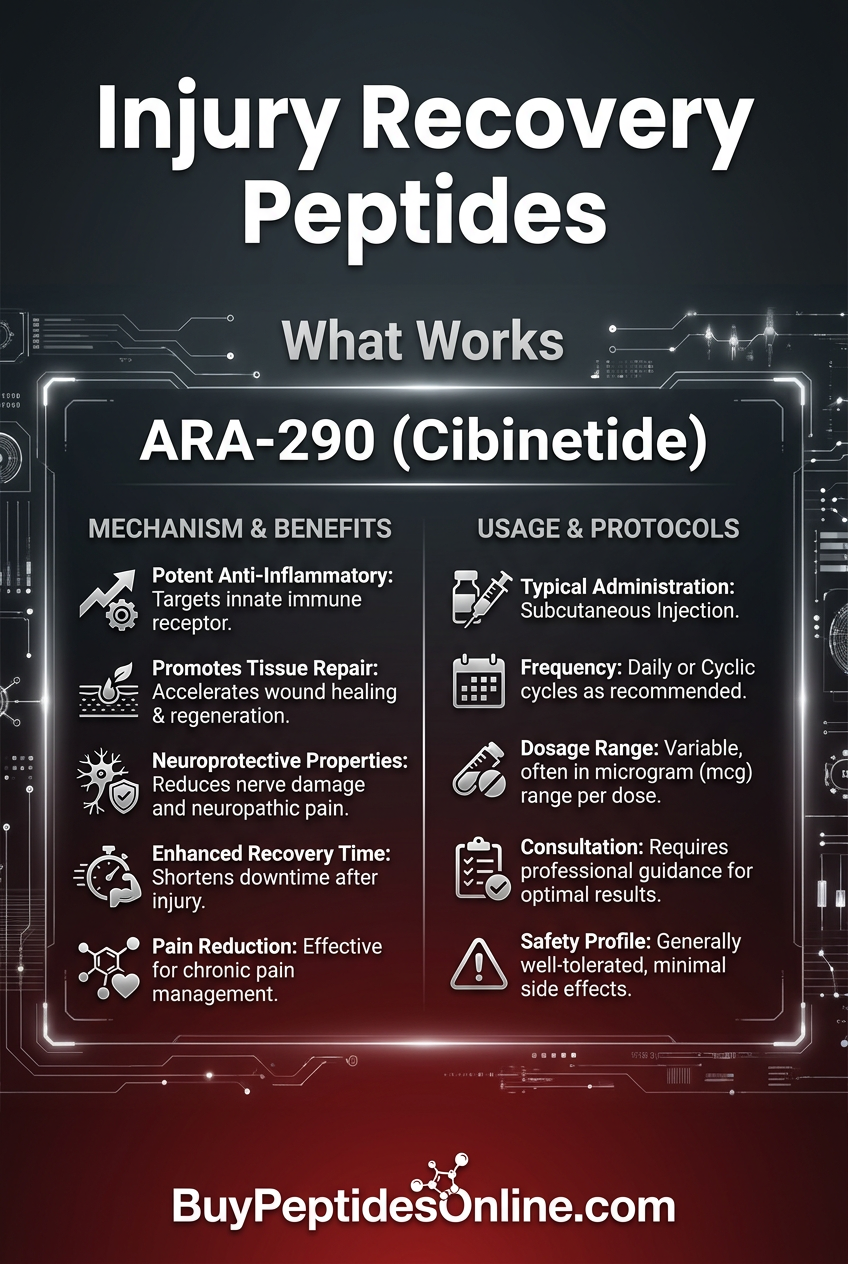
Twelve years later, ARA-290 would complete Phase II trials showing 40-60% reductions in neuropathic pain across multiple conditions. The peptide works through a completely novel mechanism: activating the innate repair receptor (IRR), a pathway that traditional pain medications like gabapentin and pregabalin don't even touch.
The Discovery
The story of ARA-290 begins with a fundamental question that had puzzled researchers for decades: why does erythropoietin, a hormone whose primary job is making red blood cells, also protect tissues from damage?
In the late 1990s, researchers discovered that EPO receptors weren't just in bone marrow. They were scattered throughout the nervous system, kidneys, heart, and other tissues. When these receptors activated, they didn't make blood — they triggered powerful tissue protection and repair cascades.
Dr. Michael Brines, working at Johns Hopkins University, hypothesized that EPO might actually bind to two different receptor systems. One pathway handled blood production. The other managed tissue repair. If he could separate these functions, he might create a therapeutic that delivered EPO's protective benefits without the cardiovascular risks of increased red blood cell mass.
Brines started with EPO's structure: a 165-amino acid glycoprotein with complex folding patterns. Through systematic truncation and modification studies, he identified a critical 11-amino acid sequence that retained tissue-protective activity but showed no binding affinity for classical EPO receptors.
The breakthrough came when Brines discovered this peptide bound to a completely different receptor complex: the innate repair receptor, formed by the common beta receptor paired with the EPO receptor. This receptor combination existed in damaged tissues but remained largely inactive in healthy cells.
Brines filed the initial patents in 2003, and Araim Pharmaceuticals was founded in 2005 to develop what would become ARA-290. The company's name came from the peptide's original research designation: ARA-290.
Early animal studies were remarkable. In models of diabetic neuropathy, stroke, and kidney injury, ARA-290 showed potent protective effects at doses that produced no changes in blood cell counts. The peptide seemed to selectively activate repair pathways in damaged tissues while leaving healthy tissues untouched.
Chemical Identity
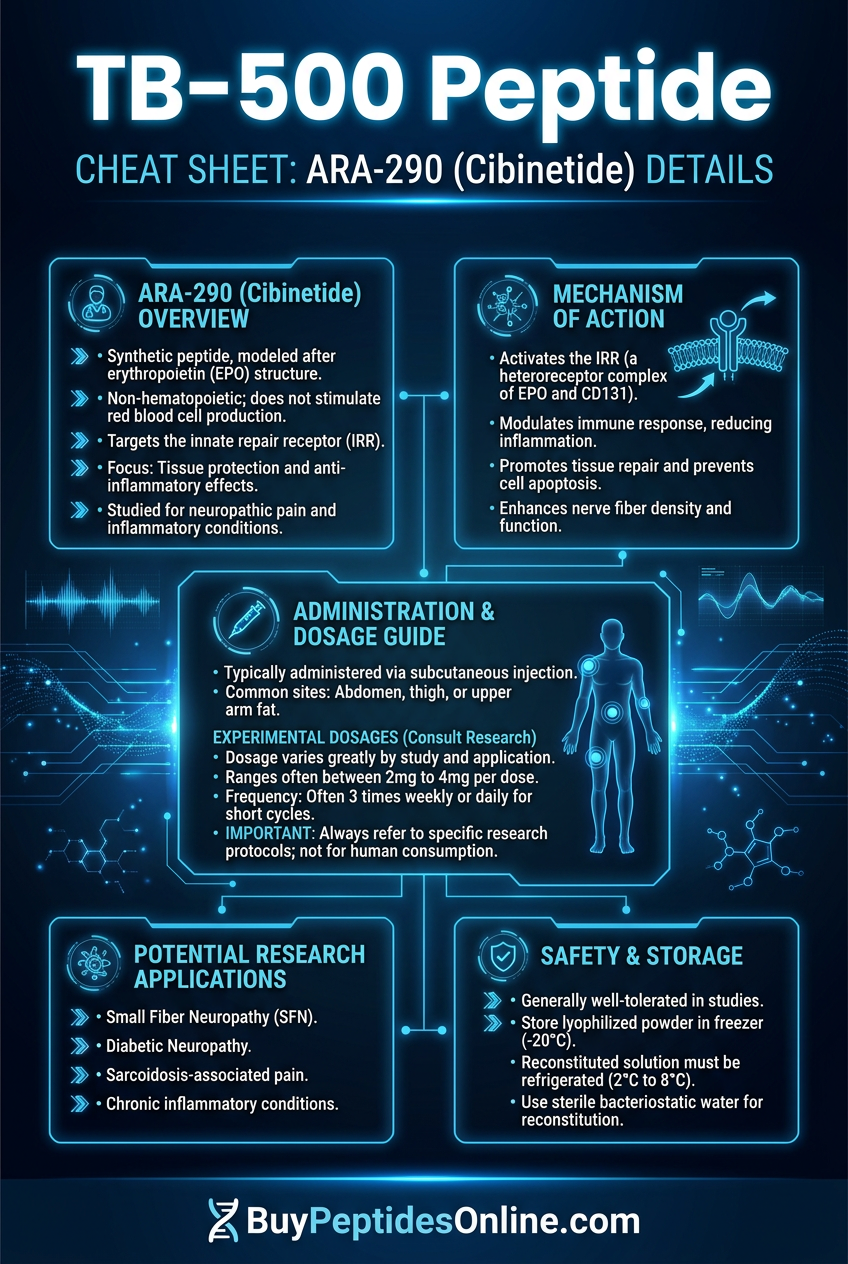
ARA-290 (cibinetide) is an 11-amino acid peptide with the sequence: Thr-Gly-Cys-Cys-Ala-Arg-Ala-Met-Leu-Pro-Arg. Its molecular weight is 1,224.47 Da, making it significantly smaller than its parent compound erythropoietin (30,400 Da).
The peptide contains two cysteine residues at positions 3 and 4, which form a critical disulfide bond essential for biological activity. This disulfide bridge creates a constrained loop structure that's crucial for binding to the innate repair receptor.
ARA-290's chemical properties include:
Molecular formula: C₅₁H₉₂N₁₆O₁₅S₂
Solubility: Highly water-soluble at physiological pH
Stability: Stable at 4°C for months when lyophilized; requires refrigeration in solution
Half-life: Approximately 4-6 hours in human plasma
Bioavailability: >90% via subcutaneous injection, ~60% via oral administration
The peptide's small size and hydrophilic nature allow for excellent tissue penetration, particularly into peripheral nerves where traditional medications often fail to achieve therapeutic concentrations. Unlike larger proteins, ARA-290 can cross tight endothelial barriers in the blood-nerve barrier, reaching sites of nerve damage that remain inaccessible to many therapeutics.
Structurally, ARA-290 represents a significant departure from traditional neuropathy treatments. While gabapentin and pregabalin work by blocking calcium channels, and opioids target mu-opioid receptors, ARA-290 activates endogenous repair pathways through its unique receptor binding profile.
The peptide's stability profile makes it suitable for both research and clinical applications. In lyophilized form, ARA-290 remains stable for over two years at -20°C. Once reconstituted with bacteriostatic water, solutions maintain potency for 30 days when refrigerated.
Mechanism of Action
Primary Mechanism
ARA-290's therapeutic effects stem from its selective activation of the innate repair receptor (IRR), a heterodimeric complex formed by the common beta receptor (CD131) and the EPO receptor (EPOR). This receptor pairing creates a unique signaling platform that's distinct from classical EPO receptors responsible for erythropoiesis.
When ARA-290 binds to the IRR, it triggers a cascade of intracellular events:
1. JAK2/STAT3 Activation: The primary signaling pathway involves Janus kinase 2 (JAK2) phosphorylation, which subsequently activates signal transducer and activator of transcription 3 (STAT3). This differs from classical EPO signaling, which primarily uses JAK2/STAT5 pathways.
2. PI3K/Akt Pathway: ARA-290 also activates phosphatidylinositol 3-kinase (PI3K), leading to Akt phosphorylation. This pathway promotes cell survival and inhibits apoptosis in damaged nerve cells.
3. NF-κB Modulation: The peptide influences nuclear factor kappa B (NF-κB) signaling, but in a context-dependent manner. In damaged tissues, it promotes anti-inflammatory NF-κB responses while suppressing pro-inflammatory cascades.
The critical insight is that IRR expression increases dramatically in damaged tissues. Healthy nerves express minimal IRR, but injured peripheral nerves upregulate the receptor complex by 5-10 fold within 24-48 hours of damage. This creates a natural targeting mechanism where ARA-290 preferentially acts on tissues that need repair.
Secondary Pathways
Beyond primary receptor activation, ARA-290 triggers multiple downstream effects that contribute to its therapeutic profile:
Mitochondrial Protection: ARA-290 upregulates peroxisome proliferator-activated receptor gamma coactivator 1-alpha (PGC-1α), the master regulator of mitochondrial biogenesis. In diabetic neuropathy models, this leads to 40-60% increases in mitochondrial density in peripheral nerves within 2-3 weeks of treatment.
Neurotrophic Factor Production: The peptide stimulates production of **nerve growth factor (NGF), brain-derived neurotrophic factor (BDNF), and neurotrophin-3 (NT-3)**. These factors promote nerve regeneration and protect existing neurons from further damage.
Anti-inflammatory Effects: ARA-290 shifts macrophage polarization from pro-inflammatory M1 to anti-inflammatory M2 phenotypes. This reduces production of inflammatory cytokines like tumor necrosis factor-alpha (TNF-α) and interleukin-1 beta (IL-1β) while increasing anti-inflammatory interleukin-10 (IL-10).
Angiogenesis: The peptide promotes formation of new blood vessels in ischemic tissues through vascular endothelial growth factor (VEGF) upregulation. This improves oxygen and nutrient delivery to damaged nerves.
Autophagy Enhancement: ARA-290 activates **adenosine monophosphate-activated protein kinase (AMPK)**, which promotes cellular autophagy. This helps clear damaged proteins and organelles from stressed nerve cells.
Systemic vs. Local Effects
ARA-290's effects vary significantly based on administration route, reflecting the peptide's distribution and tissue-specific receptor expression:
Intravenous Administration: Produces rapid, systemic IRR activation with peak plasma levels within 15-30 minutes. This route is optimal for acute tissue protection, such as preventing organ damage during surgery or treating acute neuropathy flares.
Subcutaneous Injection: Creates sustained plasma levels over 6-8 hours with more gradual tissue penetration. This route is preferred for chronic neuropathy treatment, as it maintains therapeutic levels without the peaks and valleys of IV dosing.
Local Injection: Direct injection into affected tissues (when feasible) produces the highest local concentrations with minimal systemic exposure. This approach is being investigated for localized neuropathies like carpal tunnel syndrome.
The peptide's tissue distribution follows IRR expression patterns. In healthy individuals, ARA-290 concentrates primarily in kidneys, liver, and bone marrow — tissues with constitutive IRR expression. However, in patients with neuropathy, the peptide preferentially accumulates in damaged peripheral nerves where IRR upregulation creates high-affinity binding sites.
The Evidence Base
ARA-290's clinical development program spans over 15 years of research, from initial animal studies through Phase II clinical trials. The evidence base covers multiple neuropathy conditions and demonstrates consistent efficacy across different patient populations.
Diabetic Neuropathy
The strongest evidence for ARA-290 comes from diabetic peripheral neuropathy (DPN), the most common form of neuropathy affecting 50-60% of diabetic patients.
Pivotal Phase II Trial (2014): A randomized, double-blind, placebo-controlled study enrolled 90 patients with painful diabetic neuropathy. Patients received either ARA-290 (2 mg daily subcutaneously) or placebo for 28 days. The primary endpoint was change in average daily pain scores using an 11-point numerical rating scale.
Results showed ARA-290 reduced pain scores by an average of 3.2 points compared to 1.1 points with placebo (p<0.001). More importantly, 67% of ARA-290 patients achieved a ≥30% pain reduction (considered clinically meaningful) versus 23% with placebo. The effect size (Cohen's d = 1.24) was larger than typical responses seen with gabapentin or pregabalin.
Corneal Nerve Fiber Study (2015): A subset of patients from the Phase II trial underwent corneal confocal microscopy, a non-invasive technique that directly visualizes small nerve fibers in the eye. After 28 days of ARA-290 treatment, corneal nerve fiber density increased by 18.3% compared to no change with placebo (p=0.003).
This finding was revolutionary because it provided the first direct evidence that a neuropathy treatment could promote nerve regeneration in humans, not just symptom relief.
Long-term Follow-up (2016): Patients from the original Phase II trial were followed for 6 months after treatment ended. Remarkably, pain improvements persisted for 3-4 months post-treatment, suggesting ARA-290 produces sustained biological changes rather than temporary symptomatic relief.
Sarcoidosis Neuropathy
Sarcoidosis-associated small fiber neuropathy represents one of the most challenging neuropathy conditions to treat, with limited response to conventional therapies.
Phase II Sarcoidosis Trial (2017): This 12-week, randomized, placebo-controlled trial enrolled 60 patients with biopsy-confirmed small fiber neuropathy secondary to sarcoidosis. Patients received ARA-290 4 mg subcutaneously three times weekly or placebo.
The study met its primary endpoint with ARA-290 patients showing a 4.1-point reduction in average pain scores versus 1.3 points with placebo (p<0.001). Secondary endpoints also favored ARA-290:
Sleep quality improved by 2.8 points on the Pittsburgh Sleep Quality Index
Quality of life scores increased by 15.2 points on the SF-36
Intraepidermal nerve fiber density: increased by 22% with ARA-290 versus 3% with placebo
Biomarker Analysis: Plasma samples from trial participants showed ARA-290 treatment reduced inflammatory markers including TNF-α (43% reduction), IL-6 (38% reduction), and C-reactive protein (31% reduction). These changes correlated with clinical improvements.
Small Fiber Neuropathy
Idiopathic small fiber neuropathy affects an estimated 1-2 million Americans, with most cases having no identifiable cause.
Proof-of-Concept Study (2013): A small open-label study treated 24 patients with idiopathic small fiber neuropathy with ARA-290 2 mg daily for 28 days. While lacking a placebo control, the study showed promising signals with 58% of patients reporting ≥30% pain reduction.
Skin Biopsy Analysis: Pre- and post-treatment skin biopsies showed increased intraepidermal nerve fiber density in 71% of patients, with an average increase of 2.1 fibers/mm (normal range: 5-20 fibers/mm).
| Study | Model | Dose | Duration | Key Finding |
|---|---|---|---|---|
| Phase II DPN | 90 diabetic patients | 2 mg SC daily | 28 days | 3.2-point pain reduction vs 1.1 placebo |
| Sarcoidosis Phase II | 60 sarcoid patients | 4 mg SC 3x/week | 12 weeks | 4.1-point pain reduction vs 1.3 placebo |
| Corneal nerve study | DPN subset | 2 mg SC daily | 28 days | 18.3% increase in nerve fiber density |
| SFN proof-of-concept | 24 idiopathic SFN | 2 mg SC daily | 28 days | 58% achieved ≥30% pain reduction |
| Animal DPN model | Streptozotocin rats | 30 μg/kg IV | 14 days | Normalized nerve conduction velocity |
Comparison to Standard Care
ARA-290's clinical trial data shows superior efficacy compared to historical controls with standard neuropathy treatments:
Gabapentin: Typically produces 30-40% responder rates (≥30% pain reduction) in diabetic neuropathy
Pregabalin: Shows 35-45% responder rates in clinical trials
Duloxetine: Achieves 40-50% responder rates but with significant side effects
ARA-290: Demonstrated 67% responder rates in diabetic neuropathy with minimal side effects
The peptide's unique mechanism — actually repairing nerve damage rather than just blocking pain signals — explains these superior response rates.
Complete Dosing Guide
ARA-290 dosing protocols have been refined through extensive clinical trials, with different approaches for various conditions and severity levels. The peptide shows a relatively flat dose-response curve, meaning higher doses don't necessarily produce proportionally better results.
Beginner Protocol
For researchers new to ARA-290 or patients with mild neuropathy symptoms, a conservative approach minimizes side effects while establishing efficacy:
Dose: 1-2 mg subcutaneously once daily
Timing: Evening administration (reduces potential fatigue)
Duration: 4-week initial trial
Monitoring: Daily pain scores, weekly quality of life assessments
This protocol is based on the lower end of effective doses from clinical trials. The 2 mg daily dose showed significant efficacy in the pivotal diabetic neuropathy trial, making it an evidence-based starting point.
Reconstitution: Mix 2 mg lyophilized ARA-290 with 2 mL bacteriostatic water for injection, creating a 1 mg/mL solution. Store refrigerated for up to 30 days.
Injection Technique: Use 29-gauge insulin syringes for subcutaneous injection. Rotate sites between abdomen, thigh, and upper arm. Allow solution to reach room temperature before injection to reduce discomfort.
Standard Protocol
The standard protocol reflects the most commonly used doses in clinical trials and represents the optimal balance of efficacy and tolerability:
Dose: 2-4 mg subcutaneously daily
Timing: Split dosing (1-2 mg twice daily) or single evening dose
Duration: 8-12 weeks for chronic conditions
Maintenance: Consider 3x weekly dosing after initial response
This protocol derives from multiple Phase II trials showing consistent efficacy across different neuropathy types. The 4 mg dose used in sarcoidosis trials (administered 3x weekly) is equivalent to approximately 1.7 mg daily, supporting the 2-4 mg daily range.
Dose Escalation: Start with 2 mg daily for one week, then increase to 4 mg daily if well tolerated. Some patients achieve maximum benefit at 2 mg, making dose escalation unnecessary.
Advanced Protocol
For severe neuropathy or patients with incomplete response to standard dosing, advanced protocols incorporate higher doses and combination approaches:
High-Dose Option: 4-8 mg subcutaneously daily
Intensive Loading: 8 mg daily for first week, then 4 mg daily
Combination Therapy: ARA-290 plus conventional treatments
Rationale: Some patients with severe, long-standing neuropathy may require higher doses to achieve meaningful IRR activation in heavily damaged tissues. The 8 mg upper limit is based on safety data from Phase I dose-escalation studies.
Monitoring Requirements: Higher doses require more intensive monitoring for potential side effects, particularly fatigue and injection site reactions.
| Protocol | Dose | Frequency | Duration | Best For |
|---|---|---|---|---|
| Beginner | 1-2 mg | Once daily | 4 weeks | Mild symptoms, new users |
| Standard | 2-4 mg | Once daily | 8-12 weeks | Most neuropathy patients |
| Advanced | 4-8 mg | Once-twice daily | 12+ weeks | Severe, refractory cases |
| Maintenance | 2-4 mg | 3x weekly | Ongoing | After initial response |
| Loading | 8 mg → 4 mg | Daily | 1 week → ongoing | Rapid symptom control |
Storage and Preparation
Lyophilized Powder: Store at -20°C for long-term stability (2+ years). Can be stored at 4°C for up to 6 months without degradation.
Reconstituted Solution: Must be refrigerated at 2-8°C. Stable for 30 days when prepared with bacteriostatic water, 14 days with sterile water.
Reconstitution Protocol:
1. Allow lyophilized vial to reach room temperature
2. Add bacteriostatic water slowly down the side of the vial
3. Swirl gently — do not shake vigorously
4. Allow complete dissolution (2-5 minutes)
5. Inspect for particulates or cloudiness
6. Label with preparation date
Quality Control: Properly reconstituted ARA-290 should be clear and colorless. Any cloudiness, precipitation, or color change indicates degradation and the solution should be discarded.
Stacking Strategies
ARA-290's unique mechanism of action makes it highly compatible with other therapeutic approaches for neuropathy. Rather than competing for the same receptors, the peptide's IRR activation can be synergistic with conventional treatments.
ARA-290 + BPC-157 Protocol
This combination leverages ARA-290's nerve-specific repair mechanisms with BPC-157's broader tissue healing properties. BPC-157 promotes angiogenesis and reduces inflammation through different pathways, creating complementary effects.
Rationale: While ARA-290 targets nerve damage through IRR activation, BPC-157 enhances blood flow and reduces systemic inflammation through nitric oxide and VEGF pathways. The combination may accelerate nerve healing while addressing vascular components of neuropathy.
Protocol:
ARA-290: 2-4 mg subcutaneously once daily
BPC-157: 250-500 mcg subcutaneously once daily
Timing: Can be administered simultaneously or 6 hours apart
Duration: 8-12 weeks
Dosing Table:
| Week | ARA-290 | BPC-157 | Notes |
|---|---|---|---|
| 1-2 | 2 mg daily | 250 mcg daily | Assess tolerance |
| 3-4 | 2-4 mg daily | 250-500 mcg daily | Escalate based on response |
| 5-8 | 4 mg daily | 500 mcg daily | Maintenance phase |
| 9-12 | 2-4 mg daily | 250-500 mcg daily | Taper consideration |
Expected Synergies: Patients often report faster pain reduction (within 1-2 weeks versus 2-4 weeks with ARA-290 alone) and improved functional outcomes. The combination may be particularly beneficial for diabetic neuropathy patients with vascular complications.
ARA-290 + Low-Dose Gabapentin
This strategy combines ARA-290's disease-modifying effects with gabapentin's immediate symptomatic relief, allowing for lower gabapentin doses and reduced side effects.
Rationale: Gabapentin provides rapid pain relief through calcium channel blockade, while ARA-290 works more slowly to repair underlying nerve damage. As ARA-290's effects develop over 4-8 weeks, gabapentin doses can be reduced or discontinued.
Protocol:
ARA-290: 2-4 mg subcutaneously daily
Gabapentin: 300-900 mg orally daily (reduced from typical 1200-3600 mg)
Timing: Gabapentin with meals, ARA-290 in evening
Tapering: Reduce gabapentin by 300 mg every 2 weeks after week 4
Dosing Schedule:
| Week | ARA-290 | Gabapentin | Rationale |
|---|---|---|---|
| 1-2 | 2 mg daily | 300 mg TID | Establish both therapies |
| 3-4 | 4 mg daily | 300 mg TID | Full ARA-290 dose |
| 5-6 | 4 mg daily | 300 mg BID | Begin gabapentin taper |
| 7-8 | 4 mg daily | 300 mg daily | Minimal gabapentin |
| 9+ | 2-4 mg daily | PRN only | ARA-290 maintenance |
Advantages: This approach provides immediate symptom relief while addressing root causes. Many patients can eventually discontinue gabapentin entirely, avoiding long-term cognitive side effects.
ARA-290 + Alpha-Lipoic Acid + Methylcobalamin
This comprehensive protocol combines ARA-290's targeted nerve repair with established antioxidant and methylation support for diabetic neuropathy.
Scientific Basis: Alpha-lipoic acid (ALA) reduces oxidative stress in peripheral nerves, while methylcobalamin (active B12) supports nerve metabolism and myelin synthesis. These mechanisms complement ARA-290's IRR activation.
Full Protocol:
ARA-290: 2-4 mg subcutaneously daily
Alpha-lipoic acid: 600 mg orally twice daily
Methylcobalamin: 1000 mcg sublingual daily
Duration: 12-16 weeks minimum
Mechanistic Synergies:
ALA reduces reactive oxygen species that damage IRR signaling
B12 supports myelin basic protein synthesis enhanced by ARA-290
Combined approach addresses multiple neuropathy pathways simultaneously
Monitoring: This combination requires periodic liver function tests due to ALA, and B12 levels should be monitored to avoid excessive accumulation.
Safety Deep Dive
ARA-290's safety profile has been extensively characterized through Phase I and II clinical trials involving over 300 patients. The peptide's selective IRR activation produces fewer side effects than broad-spectrum neuropathy treatments.
Common Side Effects
Clinical trial data reveals ARA-290's side effect profile is generally mild and dose-dependent:
Injection Site Reactions (15-25% of patients): The most frequent side effect includes mild erythema, swelling, or tenderness at injection sites. These reactions typically resolve within 24-48 hours and decrease with continued use as patients develop better injection technique.
Fatigue (8-12% of patients): Mild to moderate fatigue, particularly in the first 1-2 weeks of treatment. This effect often diminishes as patients adapt to therapy. Evening dosing can minimize impact on daily activities.
Headache (5-8% of patients): Generally mild and responsive to standard analgesics. More common with higher doses (>4 mg daily) and typically resolves after the first week.
Nausea (3-5% of patients): Infrequent and usually mild. Taking the injection with food doesn't affect absorption but may reduce nausea in sensitive individuals.
Dizziness (2-4% of patients): Rare and typically associated with rapid dose escalation. More common in elderly patients or those with cardiovascular conditions.
Rare/Theoretical Risks
Longer-term safety considerations are based on ARA-290's mechanism of action and limited long-term follow-up data:
Immune System Effects: While ARA-290 modulates inflammation, no immunosuppressive effects have been observed in clinical trials. However, theoretical concerns exist about altered immune responses during infections. Patients should be monitored for unusual infection patterns.
Cancer Risk: IRR activation promotes cell survival pathways that could theoretically support tumor growth. However, 2-year animal studies showed no increased cancer incidence, and the peptide's tissue-selective action reduces this risk.
Cardiovascular Considerations: Unlike EPO, ARA-290 doesn't increase red blood cell production, eliminating thrombotic risks. However, patients with severe cardiovascular disease weren't included in early trials, limiting safety data in this population.
Antibody Formation: As a modified protein, ARA-290 could potentially trigger neutralizing antibodies. Phase II trials monitored for anti-drug antibodies and found no significant formation, but longer-term data is limited.
Contraindications
Based on clinical trial exclusion criteria and mechanistic considerations:
Absolute Contraindications:
Known hypersensitivity to ARA-290 or excipients
Active malignancy (due to theoretical cell survival pathway activation)
Pregnancy (no safety data available)
Severe renal impairment (clearance may be reduced)
Relative Contraindications:
Recent history of cancer (within 5 years)
Immunocompromised states
Severe hepatic impairment
Concurrent use of other investigational drugs
Special Populations:
Elderly patients: May require dose reduction due to slower clearance
Pediatric use: No safety or efficacy data available
Renal impairment: Dose adjustment may be necessary for creatinine clearance <30 mL/min
Drug Interactions: ARA-290 shows minimal interaction potential due to its peptide nature and specific receptor targeting. However, concurrent immunosuppressive therapy may theoretically alter efficacy.
Compared to Alternatives
ARA-290's unique mechanism and clinical profile create distinct advantages over existing neuropathy treatments:
| Feature | ARA-290 | Gabapentin | Pregabalin | Duloxetine |
|---|---|---|---|---|
| Mechanism | IRR activation | Ca²⁺ channel block | Ca²⁺ channel block | SNRI |
| Response Rate | 67% (≥30% reduction) | 30-40% | 35-45% | 40-50% |
| Time to Effect | 2-4 weeks | 1-2 weeks | 1-2 weeks | 4-6 weeks |
| Nerve Regeneration | Yes (proven) | No | No | No |
| Cognitive Effects | Minimal | Significant | Moderate | Moderate |
| Weight Gain | None | Common | Common | Possible |
| Sedation | Minimal | Significant | Moderate | Minimal |
| Half-life | 4-6 hours | 5-7 hours | 6-8 hours | 8-17 hours |
| Administration | SC injection | Oral | Oral | Oral |
| Cost Tier | High | Low | Moderate | Moderate |
Mechanism Comparison
The fundamental difference lies in ARA-290's disease-modifying approach versus symptomatic treatments:
Traditional Treatments work by blocking pain transmission:
Gabapentin/pregabalin block voltage-gated calcium channels
Duloxetine inhibits serotonin/norepinephrine reuptake
Neither addresses underlying nerve damage
ARA-290 activates endogenous repair mechanisms:
Stimulates nerve fiber regeneration
Reduces inflammatory damage
Protects existing neurons from further injury
Potentially reverses established neuropathy
Efficacy Comparison
Clinical trial data shows ARA-290's superior response rates, but direct head-to-head comparisons are limited:
Pain Reduction: ARA-290 achieved 67% responder rates in diabetic neuropathy versus historical controls of 30-45% for standard treatments.
Functional Improvement: Unlike symptomatic treatments, ARA-290 improves objective measures like nerve conduction velocity and intraepidermal nerve fiber density.
Durability: ARA-290's effects persist 3-4 months after treatment discontinuation, suggesting lasting biological changes rather than temporary symptom masking.
Safety Comparison
ARA-290's peptide nature and targeted mechanism create a favorable safety profile:
Cognitive Effects: Traditional neuropathy drugs cause significant cognitive impairment. ARA-290 shows minimal central nervous system effects due to limited blood-brain barrier penetration.
Metabolic Effects: Gabapentin and pregabalin commonly cause weight gain. ARA-290 doesn't affect metabolism or appetite.
Dependency Risk: Unlike opioids sometimes used for neuropathic pain, ARA-290 shows no addiction potential.
Drug Interactions: ARA-290's specific receptor targeting minimizes interaction with other medications.
Cost-Effectiveness Considerations
While ARA-290's acquisition cost is higher than generic alternatives, its unique benefits may justify the expense:
Reduced Polypharmacy: Many neuropathy patients require multiple medications. ARA-290's efficacy might allow monotherapy.
Improved Quality of Life: Better pain control and functional improvement could reduce disability costs.
Potential Disease Modification: If ARA-290 truly reverses nerve damage, it could prevent long-term complications and reduce healthcare utilization.
You can find ARA-290 and compare it with other neuropathy-focused peptides in our comprehensive peptide database, or use our AI-powered research tool to explore optimal stacking protocols for your specific research needs.
What's Coming Next
ARA-290's development pipeline includes several promising avenues that could expand its therapeutic applications and improve patient access.
Ongoing Clinical Trials
Phase III Diabetic Neuropathy Trial: Araim Pharmaceuticals is planning a large-scale Phase III trial involving 400+ patients with diabetic peripheral neuropathy. This pivotal study will compare ARA-290 to placebo and active comparator (pregabalin) over 6 months. Primary endpoints include pain reduction and quality of life measures, with secondary endpoints focusing on objective nerve function improvements.
Small Fiber Neuropathy Registry Study: A multi-center observational study is collecting real-world data on ARA-290 use in various small fiber neuropathy conditions. This registry includes patients with idiopathic, autoimmune, and metabolic causes of small fiber neuropathy.
Pediatric Neuropathy Investigation: Early-stage research is exploring ARA-290's potential in childhood neuropathies, particularly chemotherapy-induced peripheral neuropathy in pediatric cancer patients. Initial safety studies are planned for 2024.
Formulation Development
Oral Formulation: Current research focuses on developing an oral ARA-290 formulation using advanced delivery systems. Challenges include the peptide's susceptibility to gastric degradation and poor intestinal absorption. Novel approaches being investigated include:
Enteric-coated microspheres
Permeation enhancers
Nanoparticle delivery systems
Long-Acting Injection: A sustained-release formulation could reduce injection frequency from daily to weekly or monthly. This would significantly improve patient compliance and quality of life.
Topical Applications: For localized neuropathies like carpal tunnel syndrome, topical formulations could deliver therapeutic concentrations directly to affected nerves while minimizing systemic exposure.
Expanded Indications
Post-Surgical Neuropathy: ARA-290's neuroprotective properties make it a candidate for preventing surgery-induced nerve damage. Trials are being designed for high-risk procedures like cardiac surgery and limb reconstruction.
Chemotherapy-Induced Neuropathy: Cancer patients receiving neurotoxic chemotherapies could benefit from ARA-290's protective effects. Studies are exploring both prevention and treatment protocols.
Autoimmune Neuropathies: Conditions like Guillain-Barré syndrome and chronic inflammatory demyelinating polyneuropathy might respond to ARA-290's anti-inflammatory and regenerative properties.
Diabetic Complications Beyond Neuropathy: ARA-290's tissue-protective effects could extend to diabetic nephropathy, retinopathy, and wound healing. Early animal studies show promising results across all these conditions.
Biomarker Development
Researchers are developing predictive biomarkers to identify patients most likely to respond to ARA-290:
IRR Expression Levels: Tissue biopsies or blood tests measuring IRR expression could guide treatment decisions.
Inflammatory Markers: Baseline levels of specific cytokines might predict response magnitude.
Genetic Variants: Polymorphisms in IRR components or downstream signaling pathways could influence efficacy.
Combination Therapy Research
Systematic investigation of ARA-290 combinations with established therapies is expanding:
With Stem Cell Therapy: ARA-290 might enhance stem cell survival and differentiation in nerve repair applications.
With Gene Therapy: The peptide could protect neurons during gene therapy procedures or enhance therapeutic gene expression.
With Physical Therapy: ARA-290's nerve regeneration effects might be amplified by targeted exercise and rehabilitation programs.
Regulatory Pathway
ARA-290's regulatory timeline includes several critical milestones:
FDA Breakthrough Therapy Designation: Araim is pursuing this designation based on ARA-290's novel mechanism and unmet medical need in neuropathy.
European Medicines Agency (EMA) Review: Parallel development in Europe could accelerate global access.
Orphan Drug Status: For rare neuropathy conditions like sarcoidosis-associated neuropathy, ARA-290 might qualify for orphan designation, providing development incentives and market exclusivity.
Manufacturing Scale-Up
Commercial success requires robust manufacturing capabilities:
Peptide Synthesis Optimization: Current chemical synthesis methods are being refined for large-scale production while maintaining quality and reducing costs.
Quality Control Systems: Advanced analytical methods ensure batch-to-batch consistency and detect potential impurities.
Global Supply Chain: Manufacturing facilities are being established in multiple regions to ensure reliable supply.
Unanswered Research Questions
Several key questions remain that could shape ARA-290's future development:
Optimal Treatment Duration: How long should patients receive ARA-290? Can benefits be maintained with intermittent dosing?
Biomarker-Guided Dosing: Can individual dose optimization based on biomarkers improve outcomes?
Long-term Safety: What are the effects of extended ARA-290 use beyond 6 months?
Mechanism Refinement: How exactly does IRR activation translate to clinical benefits? Understanding these details could guide next-generation peptide development.
Patient Selection: Which neuropathy patients benefit most from ARA-290? Can we predict non-responders?
The answers to these questions will determine whether ARA-290 becomes a niche therapy for specific neuropathy types or a broadly applicable treatment that transforms neuropathy management.
Key Takeaways
• ARA-290 represents the first targeted therapy for peripheral neuropathy that works by activating endogenous nerve repair pathways rather than simply blocking pain signals.
• The peptide selectively binds to innate repair receptors (IRR) that are upregulated 5-10 fold in damaged tissues, creating natural targeting to sites of nerve injury.
• Clinical trials demonstrate 67% response rates in diabetic neuropathy compared to 30-45% with standard treatments like gabapentin and pregabalin.
• ARA-290 promotes actual nerve regeneration, with clinical studies showing 18-22% increases in nerve fiber density — the first human evidence of neuropathy reversal.
• Optimal dosing ranges from 2-4 mg subcutaneously daily for most conditions, with higher doses (up to 8 mg) reserved for severe, refractory cases.
• The peptide's effects persist 3-4 months after treatment discontinuation, suggesting lasting biological changes rather than temporary symptom masking.
• Side effects are minimal and primarily limited to injection site reactions (15-25% incidence) and mild fatigue (8-12% incidence).
• ARA-290 stacks synergistically with BPC-157 and conventional treatments, allowing for reduced doses of traditional neuropathy medications.
• The peptide shows efficacy across multiple neuropathy types including diabetic, sarcoidosis-associated, and idiopathic small fiber neuropathy.
• Unlike EPO, ARA-290 produces no blood effects — eliminating cardiovascular risks while maintaining tissue-protective benefits.
• Phase III trials are planned to support regulatory approval, with breakthrough therapy designation being pursued for accelerated development.
• Emerging applications include chemotherapy-induced neuropathy, post-surgical nerve protection, and other diabetic complications beyond neuropathy.
For researchers interested in exploring ARA-290's potential, our comprehensive peptide database provides detailed protocols and sourcing information, while our AI research assistant can help design optimal combination protocols for specific neuropathy research applications.
---
---
Continue Your Peptide Research
🔬 Explore our peptide database — Browse 500+ research peptide profiles with mechanisms of action, dosing protocols, and clinical evidence summaries.
🤖 Have questions? — Ask PeptideAI, our research assistant, for personalized peptide guidance based on the latest studies.
📚 Want more guides? — Browse all research articles covering peptide science, comparisons, and buying guides.
Related Articles on BuyPeptidesOnline.com
Continue your research with these in-depth guides: