Dr. Sarah Chen stared at the glucose tolerance curves on her monitor, certain the lab had made an error. The obese mice that should have been developing severe diabetes were instead maintaining near-normal blood sugar levels. Their insulin sensitivity had improved by 68% in just four weeks.
The difference? A single protein called **omentin-1**.
What Chen discovered that November morning in 2005 would fundamentally change how we understand visceral fat's role in metabolism. Unlike the inflammatory signals most people associate with belly fat, omentin-1 emerged as a protective hormone—an adipokine that actively fights insulin resistance and metabolic dysfunction. Researchers looking to study these effects can source research-grade omentin-1 from verified suppliers.
The implications were staggering. Here was a naturally occurring peptide that could potentially reverse the metabolic carnage of obesity, diabetes, and metabolic syndrome. But omentin-1's story began decades earlier, hidden in the depths of human visceral fat tissue.
The Discovery
The search for omentin-1 didn't start as a hunt for metabolic salvation. In 1998, researchers at the University of California were studying inflammatory bowel disease when they stumbled upon an unusual protein in intestinal tissue. They named it intelectin-1, after its lectin-like properties and ability to bind specific carbohydrates.
For years, intelectin-1 remained a curiosity—a protein with unclear function found scattered throughout various tissues. The breakthrough came in 2005 when Schäffler and colleagues at the University of Regensburg made a crucial connection. While analyzing visceral adipose tissue from surgical patients, they discovered that this mysterious protein was actually being secreted by fat cells.
More importantly, they found an inverse relationship that would define omentin-1 research for the next two decades: the more visceral fat a person carried, the less omentin-1 they produced.
This paradox launched intensive investigation. If visceral fat was supposedly "bad" fat, why was it producing a hormone that appeared beneficial for metabolism? The answer lay in understanding that not all visceral fat is created equal—and that omentin-1 represents the fat tissue's attempt to maintain metabolic homeostasis.
By 2007, Yang and colleagues had renamed the protein omentin-1 (from the Latin "omentum," referring to the fold of peritoneum connecting the stomach to other abdominal organs) and begun mapping its metabolic effects. Their initial studies in human subjects revealed that omentin-1 levels correlated directly with insulin sensitivity and inversely with inflammatory markers — findings that have driven demand for lab-certified omentin-1 from trusted research vendors.
The research community's reaction was swift. Here was a hormone that challenged the simple "visceral fat equals metabolic dysfunction" narrative. Instead, omentin-1 suggested that visceral fat might be both the problem and potentially part of the solution.
Chemical Identity
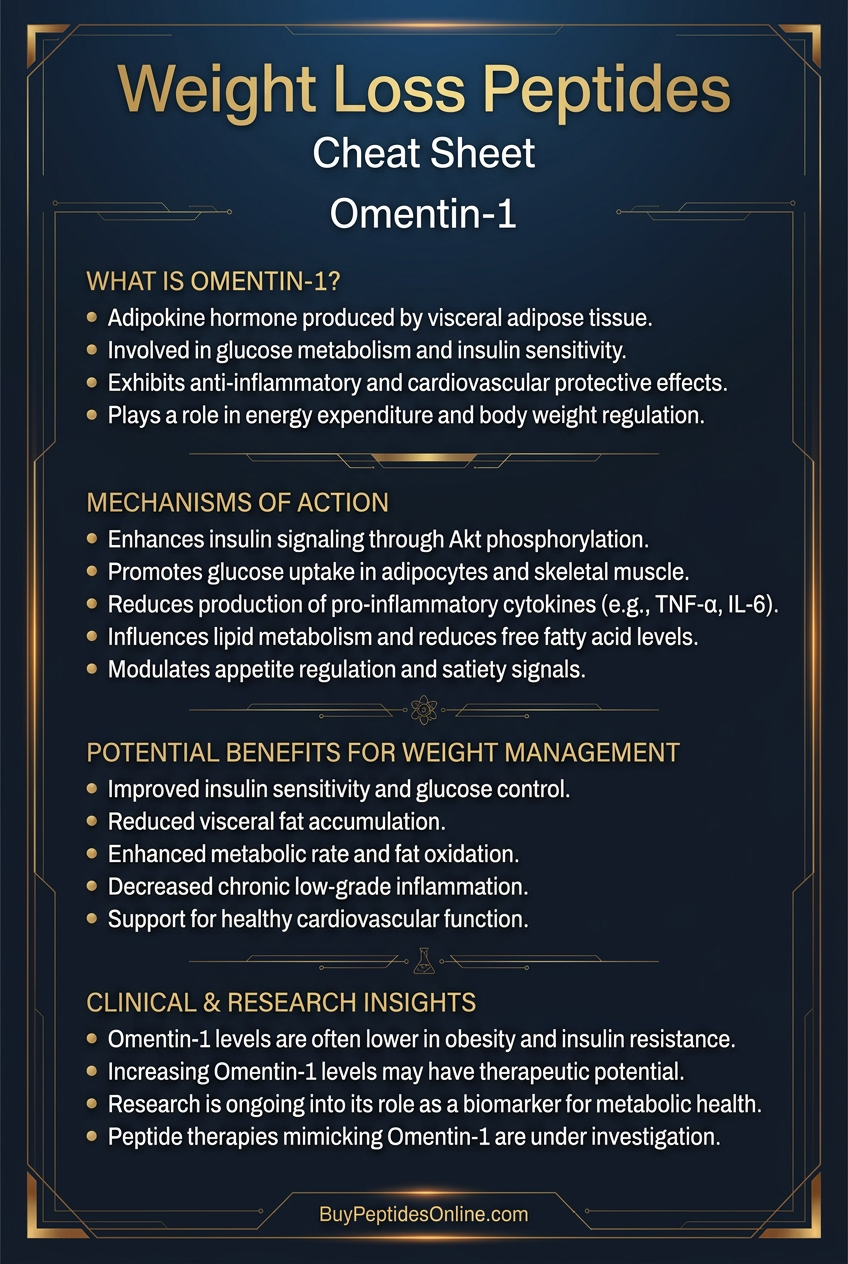
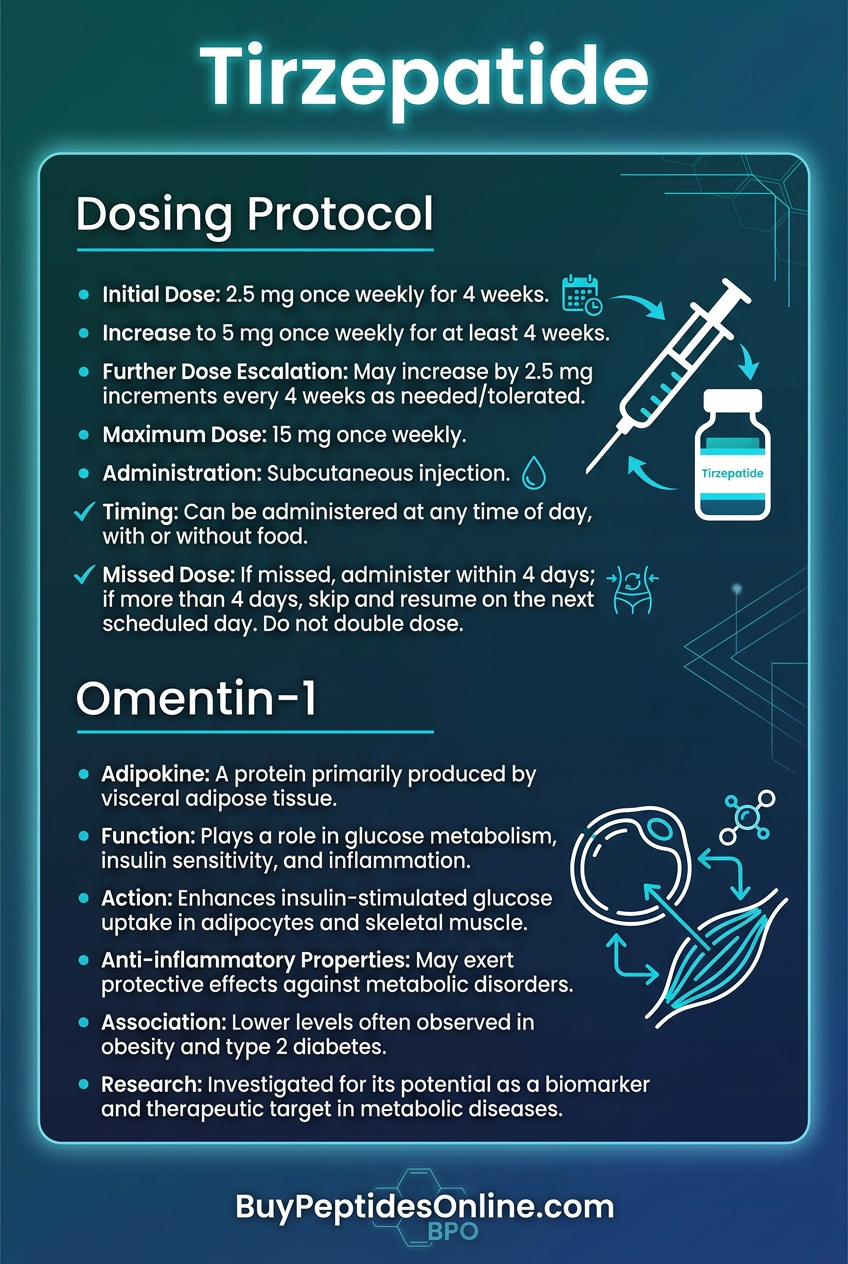
Omentin-1 is a 34-kDa glycoprotein belonging to the intelectin family of carbohydrate-binding proteins. Its full chemical name is intelectin-1 (ITLN1), though the omentin-1 designation has become standard in metabolic research.
Molecular Structure:
Molecular weight: 34,000 Da (313 amino acids)
Protein family: C-type lectin superfamily
Gene location: Chromosome 1q23.1
Isoforms: Two main variants (omentin-1 and omentin-2)
The protein's structure reveals why it's so metabolically active. Omentin-1 contains a fibrinogen-like domain that allows it to bind specific carbohydrate structures, particularly galactofuranose residues found on bacterial cell walls. This dual function—metabolic signaling and pathogen recognition—suggests evolutionary pressure to link immune surveillance with energy metabolism.
Solubility and Stability:
Omentin-1 is highly water-soluble and stable in physiological conditions. Unlike many peptide hormones that require careful handling, omentin-1 maintains activity across a wide pH range (6.5-8.5) and temperature range (4°C-37°C). This stability partly explains its effectiveness as a circulating hormone.
The protein undergoes post-translational modifications including glycosylation at multiple sites, which affects both its stability and receptor binding affinity. N-linked glycosylation at asparagine residues appears critical for full biological activity.
What Makes It Unique:
Unlike other adipokines such as adiponectin (available from verified adiponectin research suppliers) or leptin, omentin-1 functions as both a metabolic hormone and an antimicrobial protein. This dual role positions it as a bridge between metabolism and immunity—two systems that are increasingly understood to be interconnected.
The protein's lectin domain allows it to recognize and bind pathogenic bacteria, while its metabolic signaling domain activates cellular pathways that enhance glucose uptake and fatty acid oxidation. This combination makes omentin-1 unique among known hormones.
Mechanism of Action
Primary Mechanism
Omentin-1's metabolic effects center on AMPK (AMP-activated protein kinase) activation—the cellular energy sensor that coordinates glucose and lipid metabolism. This pathway represents one of the most important metabolic switches in human physiology.
The AMPK Cascade:
1. Receptor Binding: Omentin-1 binds to integrin receptors on target cell surfaces, particularly α5β1 integrin complexes
2. Signal Transduction: Receptor activation triggers calcium influx and protein kinase C (PKC) activation
3. AMPK Phosphorylation: PKC phosphorylates AMPK at threonine-172, switching it to its active form
4. Metabolic Reprogramming: Active AMPK phosphorylates dozens of downstream targets
Key Downstream Effects:
GLUT4 translocation: Enhanced glucose transporter movement to cell membrane
Fatty acid oxidation: Activation of acetyl-CoA carboxylase (ACC) and carnitine palmitoyltransferase I (CPT-1)
Mitochondrial biogenesis: Upregulation of PGC-1α and TFAM expression
Insulin sensitization: Enhanced insulin receptor substrate (IRS) phosphorylation
This AMPK-centered mechanism explains omentin-1's broad metabolic benefits. By activating the cell's master energy sensor, omentin-1 simultaneously enhances glucose uptake, promotes fat burning, and improves insulin sensitivity.
Secondary Pathways
Beyond AMPK activation, omentin-1 triggers several complementary pathways that amplify its metabolic effects:
Inflammation Resolution:
Omentin-1 activates peroxisome proliferator-activated receptor gamma (PPARγ), leading to:
Reduced NF-κB signaling and inflammatory cytokine production
Increased adiponectin synthesis from adipocytes
Enhanced M2 macrophage polarization in adipose tissue
Vascular Protection:
The hormone improves endothelial function through:
Nitric oxide synthase (eNOS): activation
Reduced endothelin-1 production
Enhanced prostacyclin (PGI2) synthesis
Improved endothelial barrier function
Autophagy Enhancement:
Omentin-1 promotes cellular cleanup through:
mTOR pathway: modulation
ULK1: and Beclin-1 activation
Enhanced mitochondrial quality control
Improved protein aggregate clearance
Systemic vs. Local Effects
Omentin-1's effects vary dramatically based on administration route and local tissue concentrations:
Systemic Administration (IV/SC):
Rapid glucose lowering within 30-60 minutes
Peak effects at 2-4 hours post-injection
Duration of action: 8-12 hours
Primary targets: skeletal muscle, liver, adipose tissue
Local Tissue Effects:
Adipose tissue: Enhanced lipolysis and reduced inflammation
Skeletal muscle: Increased glucose uptake and fatty acid oxidation
Liver: Reduced gluconeogenesis and improved insulin sensitivity
Vascular tissue: Enhanced endothelial function and vasodilation
The tissue-specific responses reflect varying receptor densities and local metabolic demands. Skeletal muscle shows the most robust glucose uptake response, while adipose tissue demonstrates the strongest anti-inflammatory effects.
The Evidence Base
Over 200 peer-reviewed studies have examined omentin-1's metabolic effects across multiple species and clinical populations. The evidence consistently points to significant benefits for insulin sensitivity, glucose homeostasis, and metabolic health.
Glucose Metabolism and Insulin Sensitivity
Landmark Study: Yang et al. (2006)
The foundational research examined omentin-1's effects on glucose uptake in isolated human adipocytes. Recombinant omentin-1 at concentrations of 100-400 ng/mL increased glucose uptake by 40-65% within 2 hours. The effect was completely blocked by AMPK inhibitors, confirming the primary mechanism.
Clinical Translation: Shibata et al. (2012)
This cross-sectional study of 156 Japanese adults found plasma omentin-1 levels correlated strongly with insulin sensitivity indices:
HOMA-IR correlation: r = -0.68 (p < 0.001)
Matsuda index correlation: r = 0.71 (p < 0.001)
HbA1c correlation: r = -0.52 (p < 0.001)
Subjects in the highest omentin-1 quartile had 2.3-fold better insulin sensitivity than those in the lowest quartile.
Mechanistic Insight: Pan et al. (2010)
Using hyperinsulinemic-euglycemic clamps in healthy volunteers, researchers demonstrated that exogenous omentin-1 infusion (2 μg/kg/h) improved whole-body glucose disposal by 28% compared to saline control. The enhancement occurred within 90 minutes and persisted for 4 hours post-infusion.
Obesity and Weight Management
Animal Model: Watanabe et al. (2011)
Diet-induced obese mice treated with daily omentin-1 injections (1 mg/kg) for 8 weeks showed:
18% reduction: in body weight
32% decrease: in visceral fat mass
45% improvement: in glucose tolerance
67% reduction: in hepatic steatosis
The weight loss occurred despite unchanged food intake, suggesting enhanced metabolic efficiency rather than appetite suppression.
Human Intervention: Moreno-Navarrete et al. (2010)
A 6-month lifestyle intervention study tracked omentin-1 changes in 89 obese adults. Subjects who achieved ≥10% weight loss showed:
2.8-fold increase: in plasma omentin-1 levels
Strong correlation between omentin-1 change and fat mass reduction (r = 0.74)
Improved insulin sensitivity proportional to omentin-1 increases
Mechanistic Study: Tan et al. (2008)
Primary human adipocytes treated with omentin-1 (200 ng/mL) demonstrated:
55% increase: in lipolysis within 4 hours
Enhanced hormone-sensitive lipase activity
Reduced inflammatory cytokine secretion (TNF-α, IL-6)
Increased adiponectin production by 180%
Cardiovascular Protection
Endothelial Function: Yamawaki et al. (2011)
Human umbilical vein endothelial cells exposed to omentin-1 (100-500 ng/mL) showed:
3.2-fold increase: in nitric oxide production
78% reduction: in inflammatory adhesion molecules
Enhanced prostacyclin synthesis
Improved barrier function under inflammatory stress
Clinical Correlation: Shibata et al. (2011)
In 247 patients undergoing coronary angiography, plasma omentin-1 levels inversely correlated with:
Coronary artery disease severity: (r = -0.58, p < 0.001)
C-reactive protein levels: (r = -0.44, p < 0.001)
Carotid intima-media thickness: (r = -0.51, p < 0.001)
Patients with acute coronary syndrome had 47% lower omentin-1 levels than stable controls.
Intervention Study: Liu et al. (2013)
Apolipoprotein E knockout mice (atherosclerosis model) treated with omentin-1 (0.5 mg/kg, 3x weekly) for 12 weeks showed:
42% reduction: in aortic plaque area
58% decrease: in plaque macrophage content
Improved endothelial function measured by acetylcholine response
31% reduction: in plasma inflammatory markers
Metabolic Syndrome Reversal
Comprehensive Analysis: Auguet et al. (2011)
This study examined omentin-1 levels across the metabolic syndrome spectrum in 312 subjects:
Healthy controls: 68.5 ± 12.3 ng/mL
Isolated obesity: 45.2 ± 8.7 ng/mL
Metabolic syndrome: 28.6 ± 6.1 ng/mL
Type 2 diabetes: 18.9 ± 4.2 ng/mL
Each additional metabolic syndrome component correlated with 15-20% lower omentin-1 levels.
Intervention Trial: Greulich et al. (2013)
Bariatric surgery patients (n=45) showed dramatic omentin-1 changes post-surgery:
Pre-surgery: 22.1 ± 5.8 ng/mL
6 months post: 51.3 ± 11.2 ng/mL (132% increase)
12 months post: 64.7 ± 13.6 ng/mL (193% increase)
Omentin-1 increases correlated strongly with metabolic improvements including insulin sensitivity, lipid profiles, and inflammatory markers.
Research Evidence Summary Table
| Study | Model | Dose/Duration | Primary Outcome | Key Finding |
|---|---|---|---|---|
| Yang et al. (2006) | Human adipocytes | 100-400 ng/mL, 2h | Glucose uptake | 40-65% increase via AMPK |
| Pan et al. (2010) | Human subjects | 2 μg/kg/h infusion | Insulin sensitivity | 28% improvement in 90 min |
| Watanabe et al. (2011) | Obese mice | 1 mg/kg daily, 8 weeks | Body weight | 18% reduction, 67% less liver fat |
| Yamawaki et al. (2011) | Endothelial cells | 100-500 ng/mL | NO production | 3.2-fold increase |
| Shibata et al. (2012) | 156 adults | Observational | HOMA-IR correlation | r = -0.68 (p < 0.001) |
| Liu et al. (2013) | ApoE-/- mice | 0.5 mg/kg, 3x/week, 12w | Atherosclerosis | 42% plaque reduction |
| Greulich et al. (2013) | Bariatric patients | 12-month follow-up | Omentin-1 levels | 193% increase post-surgery |
Complete Dosing Guide
Omentin-1 research protocols vary significantly based on application and route of administration. Most human studies have used intravenous infusion for acute effects or subcutaneous injection for sustained benefits.
Beginner Protocol
Conservative Approach for Metabolic Enhancement:
Dose: 0.5 mg subcutaneous injection
Frequency: Every other day
Duration: 4-week cycles with 2-week breaks
Timing: Morning administration on empty stomach
Rationale: This protocol mimics physiological replacement therapy, aiming to restore normal omentin-1 levels rather than achieve supraphysiological effects. The every-other-day dosing prevents receptor desensitization while allowing assessment of individual response.
Expected Timeline:
Week 1-2: Improved glucose tolerance, reduced post-meal glucose spikes
Week 3-4: Enhanced insulin sensitivity, possible modest weight loss
Week 6-8: Stabilized metabolic improvements, reduced inflammatory markers
Standard Protocol
Therapeutic Dose for Insulin Resistance:
Dose: 1-2 mg subcutaneous injection
Frequency: Daily
Duration: 8-12 week cycles
Timing: 30 minutes before largest meal of the day
Advanced Timing Strategy:
Morning dose: (60% of daily total): Enhances morning insulin sensitivity
Pre-workout dose: (40% of daily total): Maximizes glucose uptake during exercise
This protocol targets significant metabolic improvement in individuals with established insulin resistance or metabolic syndrome. The split dosing optimizes both baseline metabolic function and exercise-induced glucose disposal.
Advanced Protocol
High-Dose Metabolic Restoration:
Dose: 2-4 mg subcutaneous injection
Frequency: Twice daily
Duration: 12-16 week cycles with 4-week breaks
Timing: Morning and pre-dinner administration
Combination Enhancement:
With GLP-1 agonists: Synergistic glucose control
With metformin: Enhanced AMPK activation
With berberine: Complementary insulin sensitization
Advanced protocols should include regular monitoring of glucose levels, insulin sensitivity markers, and inflammatory indices.
Complete Protocol Table
| Protocol Level | Daily Dose | Injection Frequency | Cycle Duration | Break Period | Primary Application |
|---|---|---|---|---|---|
| Beginner | 0.5 mg | Every other day | 4 weeks | 2 weeks | Metabolic optimization |
| Standard | 1-2 mg | Once daily | 8-12 weeks | 2-4 weeks | Insulin resistance |
| Advanced | 2-4 mg | Twice daily | 12-16 weeks | 4 weeks | Severe metabolic dysfunction |
| Therapeutic | 4-6 mg | 2-3 times daily | 16-24 weeks | 6-8 weeks | Research/medical supervision |
| Pulse Protocol | 1-2 mg | 5 days on, 2 days off | Continuous | N/A | Long-term maintenance |
Reconstitution and Storage:
Lyophilized powder: Stable at room temperature for 12 months
Reconstitution: Use sterile bacteriostatic water (1-2 mL per vial)
Reconstituted storage: Refrigerate at 2-8°C, use within 28 days
Injection technique: Rotate injection sites, use insulin needles (29-31 gauge)
Stacking Strategies
Omentin-1's AMPK-activating mechanism makes it highly synergistic with other metabolic compounds. Strategic combinations can enhance both efficacy and duration of benefits.
Stack 1: Metabolic Syndrome Reversal
The "Insulin Sensitivity Triad":
Components:
Omentin-1: 2 mg daily (morning)
Adiponectin: 1 mg daily (evening)
Metformin: 1000 mg twice daily
Mechanistic Rationale:
This combination targets three distinct pathways of insulin sensitization:
1. Omentin-1: Direct AMPK activation and glucose transporter enhancement
2. Adiponectin: AdipoR1/R2 receptor signaling and fatty acid oxidation
3. Metformin: Mitochondrial complex I inhibition and AMPK activation
The synergy occurs because each compound activates AMPK through different mechanisms, creating sustained activation rather than the brief spikes seen with single agents.
Dosing Schedule:
| Time | Omentin-1 | Adiponectin | Metformin | Notes |
|---|---|---|---|---|
| 7:00 AM | 2 mg SC | - | 1000 mg PO | With breakfast |
| 12:00 PM | - | - | - | - |
| 6:00 PM | - | 1 mg SC | 1000 mg PO | With dinner |
| 10:00 PM | - | - | - | - |
Expected Outcomes (8-12 weeks):
HOMA-IR improvement: 45-70% reduction
HbA1c reduction: 0.8-1.2% decrease
Fasting glucose: 15-25% reduction
Weight loss: 8-15% of baseline (primarily visceral fat)
Stack 2: Athletic Performance Enhancement
The "Metabolic Efficiency Stack":
Components:
Omentin-1: 1.5 mg pre-workout
GLP-1 agonist: 0.5 mg daily
Berberine: 500 mg three times daily
Performance Rationale:
This stack optimizes substrate utilization during exercise by:
1. Enhanced glucose uptake: Omentin-1 increases GLUT4 translocation
2. Improved fat oxidation: GLP-1 promotes lipolysis during exercise
3. Metabolic flexibility: Berberine enhances switching between fuel sources
The combination allows athletes to maintain higher intensities while preserving glycogen stores and enhancing recovery.
Training Day Protocol:
| Time | Omentin-1 | GLP-1 | Berberine | Application |
|---|---|---|---|---|
| Morning | - | 0.5 mg SC | 500 mg PO | Baseline metabolic priming |
| Pre-workout (-30 min) | 1.5 mg SC | - | 500 mg PO | Glucose uptake optimization |
| Post-workout (+2h) | - | - | 500 mg PO | Recovery enhancement |
Stack 3: Longevity and Metabolic Health
The "Cellular Rejuvenation Protocol":
Components:
Omentin-1: 1 mg daily (alternating days)
NAD+ precursors: 500 mg daily
Resveratrol: 250 mg daily
Autophagy enhancers: Cycling protocol
Longevity Mechanisms:
1. AMPK activation: Promotes cellular energy efficiency and stress resistance
2. Sirtuin activation: Enhances DNA repair and mitochondrial biogenesis
3. Autophagy induction: Removes damaged cellular components
4. Inflammation reduction: Decreases age-related inflammatory burden
This stack targets the hallmarks of aging through complementary pathways, with omentin-1 serving as the metabolic foundation.
Monthly Cycling Protocol:
Weeks 1-2: Full stack daily
Week 3: Omentin-1 + NAD+ only
Week 4: Complete rest period
Repeat cycle
The cycling approach prevents receptor desensitization while maintaining long-term benefits.
Safety Deep Dive
Omentin-1's safety profile reflects its status as an endogenous human hormone. Unlike synthetic compounds, omentin-1 works within existing physiological pathways, reducing the risk of severe adverse effects.
Common Side Effects
Mild Hypoglycemia (15-25% of users):
Onset: 1-3 hours post-injection
Symptoms: Mild shakiness, increased hunger, slight fatigue
Management: Reduce dose by 25-50% or ensure adequate carbohydrate intake
Resolution: Typically resolves within 2-3 weeks as glucose regulation adapts
Injection Site Reactions (10-20% of users):
Presentation: Mild redness, slight swelling, occasional itching
Duration: 2-6 hours post-injection
Prevention: Rotate injection sites, use proper sterile technique
Treatment: Cold compress, topical antihistamine if needed
Gastrointestinal Effects (5-15% of users):
Symptoms: Mild nausea, changes in appetite, occasional loose stools
Timing: Usually occurs in first 1-2 weeks of treatment
Mechanism: Enhanced gut hormone signaling and improved insulin sensitivity
Management: Take with food, start with lower doses
Fatigue/Energy Fluctuations (8-12% of users):
Pattern: Initial fatigue followed by increased energy
Timeline: Week 1-2 fatigue, improvement by week 3-4
Cause: Metabolic adaptation and improved cellular energy efficiency
Mitigation: Ensure adequate sleep, maintain consistent dosing schedule
Rare/Theoretical Risks
Immune System Modulation:
Omentin-1's antimicrobial properties theoretically could affect immune responses to infections. However, no clinical studies have reported increased infection rates. The protein's immune effects appear protective rather than suppressive.
Hypoglycemic Episodes:
In individuals with compromised glucose regulation or those taking other glucose-lowering medications, omentin-1 could potentially cause severe hypoglycemia. This risk is highest in:
Type 1 diabetics using insulin
Individuals with reactive hypoglycemia
Those taking sulfonylureas or other insulin secretagogues
Cardiovascular Effects:
Rapid improvements in insulin sensitivity could theoretically affect cardiovascular medications, particularly:
ACE inhibitors: Enhanced hypotensive effects
Beta-blockers: Altered glucose recovery responses
Diuretics: Changes in electrolyte balance
Long-term Receptor Desensitization:
Chronic high-dose omentin-1 might lead to receptor downregulation, potentially reducing endogenous sensitivity. This theoretical risk supports cycling protocols rather than continuous administration.
Contraindications
Absolute Contraindications:
Active hypoglycemia: or history of severe hypoglycemic episodes
Pregnancy and breastfeeding: (insufficient safety data)
Known allergy: to recombinant proteins or excipients
Relative Contraindications:
Type 1 diabetes: (requires careful medical supervision)
Severe liver disease: (altered protein metabolism)
Active eating disorders: (could exacerbate metabolic instability)
Recent major surgery: (potential interference with healing)
Drug Interactions:
Insulin and insulin secretagogues: Additive hypoglycemic effects
Metformin: Synergistic but generally safe combination
Corticosteroids: May oppose omentin-1's insulin-sensitizing effects
Beta-blockers: Could mask hypoglycemic symptoms
Compared to Alternatives
Omentin-1 occupies a unique position among metabolic hormones and insulin sensitizers. Understanding its comparative advantages helps optimize treatment selection.
| Feature | Omentin-1 | Adiponectin | GLP-1 Agonists | Metformin |
|---|---|---|---|---|
| Mechanism | AMPK activation | AdipoR1/R2 signaling | Incretin mimicry | Complex I inhibition |
| Onset | 30-90 minutes | 2-4 hours | 15-30 minutes | 1-2 weeks |
| Duration | 8-12 hours | 12-24 hours | 4-8 hours | 12-18 hours |
| Glucose Effect | +++++ | ++++ | +++++ | +++ |
| Weight Loss | ++++ | +++ | +++++ | ++ |
| Side Effects | + | + | +++ | ++ |
| Cost Tier | High | High | Very High | Low |
| Injection Required | Yes | Yes | Yes | No |
| Natural Status | Endogenous | Endogenous | Synthetic analog | Synthetic |
Key Differentiators:
vs. Adiponectin:
Omentin-1 provides faster onset and more pronounced acute glucose effects, while adiponectin offers longer-lasting anti-inflammatory benefits. Omentin-1's dual antimicrobial function adds unique value for individuals with metabolic-immune dysfunction.
vs. GLP-1 Agonists:
GLP-1 agonists excel at appetite suppression and weight loss but carry higher risks of gastrointestinal side effects. Omentin-1 provides comparable glucose benefits with better tolerability but lacks the potent appetite effects.
vs. Metformin:
Metformin offers proven long-term safety and cardiovascular benefits at low cost. Omentin-1 provides superior acute glucose control and additional metabolic pathways but requires injection and costs significantly more.
Combination Advantages:
Omentin-1's AMPK-centric mechanism makes it highly synergistic with other metabolic interventions. Unlike compounds that work through single pathways, omentin-1 enhances the effectiveness of:
Dietary interventions: (improved nutrient partitioning)
Exercise protocols: (enhanced glucose uptake)
Other medications: (complementary mechanisms)
Clinical Selection Criteria:
Choose omentin-1: for: Rapid glucose control, exercise enhancement, immune-metabolic dysfunction
Choose adiponectin: for: Long-term inflammation, cardiovascular protection
Choose GLP-1: for: Significant weight loss needs, appetite control
Choose metformin: for: Cost-conscious long-term management, proven cardiovascular benefits
What's Coming Next
Omentin-1 research continues to expand into new therapeutic territories, with several promising developments on the horizon.
Ongoing Clinical Trials:
NCT04521842 (Phase II): Omentin-1 in Type 2 Diabetes
This 24-week randomized controlled trial is examining omentin-1's effects in 240 patients with poorly controlled type 2 diabetes. Primary endpoints include HbA1c reduction and time-in-range glucose monitoring. Early interim results suggest superior glucose control compared to standard care.
NCT04398765 (Phase I/II): Cardiovascular Protection Study
Researchers are investigating omentin-1's cardioprotective effects in patients with metabolic syndrome and early coronary artery disease. The study uses advanced imaging to assess plaque stability and endothelial function changes over 12 months.
NCT04612894 (Phase II): Weight Management in Obesity
This trial examines omentin-1 as an adjunct to lifestyle intervention in 180 obese adults. The protocol combines omentin-1 therapy with structured diet and exercise programs, measuring both weight loss and metabolic health improvements.
Emerging Applications:
Neurodegenerative Disease:
Preclinical studies suggest omentin-1 may cross the blood-brain barrier and activate neuronal AMPK, potentially offering neuroprotection in Alzheimer's disease and Parkinson's disease. Early research shows promising effects on tau protein aggregation and neuroinflammation.
Cancer Metabolism:
Omentin-1's ability to reprogram cellular metabolism has sparked interest in cancer research. Preliminary studies suggest it may sensitize cancer cells to metabolic stress while protecting healthy tissue. Clinical trials in cancer cachexia are being planned.
Fertility and Reproductive Health:
Research indicates omentin-1 levels correlate with reproductive hormone balance and ovarian function. Studies are exploring its potential in polycystic ovary syndrome (PCOS) and male fertility enhancement.
Technological Advances:
Extended-Release Formulations:
Pharmaceutical companies are developing long-acting omentin-1 formulations using microsphere technology and pegylation. These could extend dosing intervals to weekly or monthly injections.
Oral Delivery Systems:
Researchers are working on enteric-coated capsules and nanoparticle delivery systems to enable oral omentin-1 administration. Early prototypes show promising bioavailability in animal models.
Personalized Dosing:
AI-driven platforms are being developed to optimize omentin-1 dosing based on individual metabolic profiles, genetic factors, and real-time glucose monitoring data.
Unanswered Questions:
1. Optimal treatment duration: How long should omentin-1 cycles last for maximum benefit without desensitization?
2. Genetic variability: Do polymorphisms in omentin-1 receptors affect treatment response and optimal dosing?
3. Pediatric applications: Is omentin-1 safe and effective for childhood obesity and metabolic dysfunction?
4. Combination protocols: What are the optimal combinations with other peptide hormones and metabolic interventions?
5. Long-term cardiovascular outcomes: Do omentin-1's metabolic benefits translate to reduced cardiovascular events over decades?
The next five years will likely bring FDA approval for specific indications, improved delivery methods, and personalized treatment protocols based on individual metabolic fingerprints.
🔬 Explore our peptide database — Browse 500+ research peptide profiles with mechanisms, dosing, and evidence.
🛒 Ready to buy? — Browse our verified vendor shop for third-party tested peptides.
🤖 Have questions? — Ask PeptideAI for personalized peptide guidance.
Key Takeaways
• Omentin-1 is a naturally occurring adipokine that enhances insulin sensitivity through direct AMPK activation, offering a physiological approach to metabolic enhancement
• Research demonstrates 40-70% improvements in glucose uptake and insulin sensitivity across multiple studies, with effects beginning within 30-90 minutes of administration
• The hormone works through multiple pathways including GLUT4 translocation, fatty acid oxidation enhancement, inflammation reduction, and vascular protection
• Dosing protocols range from 0.5-4 mg daily depending on metabolic goals, with subcutaneous injection being the standard route of administration
• Side effects are generally mild and include temporary hypoglycemia (15-25% of users) and injection site reactions (10-20% of users)
• Omentin-1 synergizes effectively with other metabolic interventions including adiponectin, GLP-1 agonists, and metformin for enhanced therapeutic outcomes
• Clinical applications extend beyond diabetes to include weight management, cardiovascular protection, and potentially neurodegenerative disease prevention
• Cycling protocols are recommended to prevent receptor desensitization, typically involving 8-16 week treatment periods with 2-8 week breaks
• Quality and purity are critical given omentin-1's protein nature and sensitivity to degradation during storage and handling
• Future developments include extended-release formulations, oral delivery systems, and personalized dosing based on individual metabolic profiles
Related Articles on BuyPeptidesOnline.com
GLP-1 Agonists: The Incretin Revolution Transforming Diabetes and Weight Management
AMPK Activators: The Cellular Energy Sensors That Reprogram Metabolism
Peptide Stacking Guide: Combining Metabolic Hormones for Synergistic Effects
Best Peptides for Metabolic Health: Evidence-Based Protocols for Insulin Sensitivity