Dr. Philipp Scherer stared at the gel electrophoresis results in his Harvard laboratory, unable to believe what he was seeing. The year was 1995, and his team had just isolated a mysterious protein from fat cells that seemed to defy everything scientists knew about adipose tissue. Instead of promoting inflammation and insulin resistance like other fat-derived molecules, this 244-amino-acid protein was doing the opposite—it was making cells *more* sensitive to insulin.
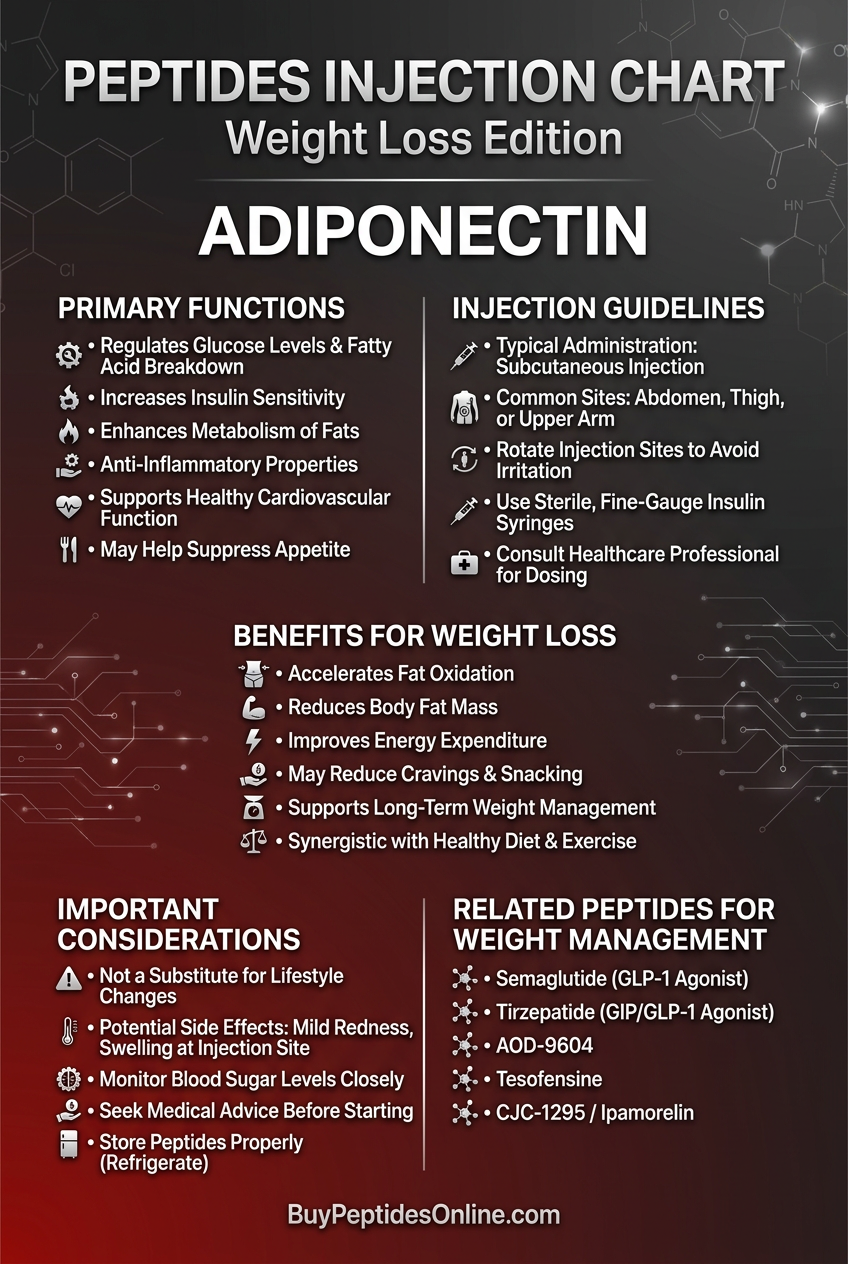
The obese mice in his study had virtually undetectable levels of this protein, while lean, metabolically healthy mice had abundant amounts circulating in their bloodstream. Even more puzzling: when Scherer's team injected the purified protein into diabetic mice, their blood glucose levels normalized within hours, and their insulin sensitivity improved by over 300%. Researchers interested in replicating these findings can explore adiponectin from verified research suppliers.
That protein was **adiponectin**, and its discovery would fundamentally reshape our understanding of how fat tissue communicates with the rest of the body. Unlike the pro-inflammatory cytokines that dominate obesity research, adiponectin emerged as a metabolic guardian angel—a hormone that fat cells release to protect against diabetes, cardiovascular disease, and metabolic dysfunction.
Today, nearly three decades later, adiponectin stands as one of the most extensively studied metabolic hormones, with over 15,000 published research papers documenting its profound effects on glucose metabolism, fatty acid oxidation, and cellular energy production. What makes adiponectin particularly fascinating isn't just its therapeutic potential, but the paradox at its core: the more fat tissue you have, the less adiponectin you produce—creating a vicious cycle where obesity suppresses the very hormone that could reverse metabolic dysfunction.
The Discovery: From Mysterious Fat Protein to Metabolic Master Regulator
The story of adiponectin's discovery begins in the early 1990s, when researchers were just beginning to understand that fat tissue wasn't merely a passive storage depot for excess calories. Scherer, working in the laboratory of Dr. Harvey Lodish at the Whitehead Institute for Biomedical Research, was investigating how fat cells communicate with other tissues during his postdoctoral fellowship.
Using a technique called differential display PCR, Scherer's team was systematically cataloging proteins that fat cells (adipocytes) produced and secreted. Most of the molecules they identified followed predictable patterns—pro-inflammatory cytokines like tumor necrosis factor-alpha (TNF-α) and interleukin-6 (IL-6) that increased with obesity and promoted insulin resistance.
But one protein stood out as dramatically different. This mysterious 244-amino-acid molecule was not only the most abundant protein secreted by fat cells—comprising up to 0.05% of total plasma protein in lean individuals—but its levels were *inversely* correlated with body fat percentage. The more adipose tissue a subject had, the less of this protein they produced.
Scherer initially named the protein Acrp30 (adipocyte complement-related protein of 30 kDa), based on its structural similarity to complement factor C1q. However, as research teams around the world began studying the same molecule, alternative names emerged: AdipoQ, apM1, and GBP28. The scientific community eventually settled on adiponectin, reflecting its origin from adipocytes and its structural relationship to complement proteins.
The breakthrough moment came when Scherer's team began functional studies in mouse models of obesity and diabetes. Genetic knockout mice lacking adiponectin developed severe insulin resistance, glucose intolerance, and accelerated atherosclerosis—even when maintained on a normal diet. Conversely, transgenic mice engineered to overproduce adiponectin remained metabolically healthy even when fed high-fat, obesity-inducing diets.
The most dramatic results emerged from direct administration studies. When researchers injected recombinant adiponectin into diabetic db/db mice—a strain genetically predisposed to severe obesity and diabetes—the effects were remarkable. Within 2-4 hours, blood glucose levels dropped by 40-60%. Insulin sensitivity improved by 200-400% within days. Most importantly, these effects persisted for weeks after treatment, suggesting that adiponectin was triggering fundamental changes in cellular metabolism rather than providing temporary symptomatic relief.
By 1999, multiple research groups had confirmed adiponectin's insulin-sensitizing effects across different animal models, and clinical studies in humans began revealing the same inverse relationship between adiponectin levels and metabolic disease risk. Individuals with type 2 diabetes had adiponectin concentrations 50-70% lower than healthy controls, while those in the highest quartile of adiponectin levels showed 80% reduced risk of developing diabetes over 5-10 year follow-up periods. For ongoing research into these mechanisms, lab-certified adiponectin is available from trusted suppliers.
The discovery earned Scherer recognition as one of the pioneers of adipokine research, but more importantly, it opened an entirely new field of investigation into how fat tissue regulates whole-body metabolism. Adiponectin wasn't just another hormone—it was a metabolic thermostat that could potentially reverse the insulin resistance, inflammation, and mitochondrial dysfunction underlying diabetes, cardiovascular disease, and metabolic syndrome. Those pursuing this line of inquiry can compare third-party tested adiponectin from verified vendors.
Chemical Identity: The Unique Structure Behind Metabolic Protection
Adiponectin is a 244-amino-acid protein with a molecular weight of approximately 30 kDa in its monomeric form, though it rarely exists as a single molecule in biological systems. The protein's structure consists of four distinct domains that work together to create its unique biological properties and complex assembly patterns.
The N-terminal signal peptide (amino acids 1-18) directs newly synthesized adiponectin to the endoplasmic reticulum for secretion, where it's immediately cleaved off during processing. The variable region (amino acids 19-41) contains species-specific sequences that may influence tissue-specific binding and activity patterns.
The most functionally important region is the collagenous domain (amino acids 42-107), which contains 22 Gly-X-Y repeats characteristic of collagen proteins. This domain enables adiponectin molecules to associate with each other through disulfide bonds and hydrogen bonding, forming the higher-order multimeric structures essential for biological activity. The globular C1q-like domain (amino acids 108-244) shares 40% sequence homology with complement factor C1q and contains the primary receptor-binding sites.
What makes adiponectin structurally unique is its ability to form three distinct multimeric complexes, each with different biological properties and tissue distributions:
Low Molecular Weight (LMW) trimers consist of three adiponectin molecules held together by non-covalent interactions within their globular domains. These 90 kDa complexes represent 10-20% of circulating adiponectin and show preferential activity on endothelial cells and certain immune cell populations.
Medium Molecular Weight (MMW) hexamers form when two trimers associate through disulfide bonds in their collagenous domains, creating 180 kDa complexes that comprise 30-40% of plasma adiponectin. MMW adiponectin shows balanced activity across multiple tissues and represents the most abundant circulating form in healthy individuals.
High Molecular Weight (HMW) multimers are the most biologically active form, consisting of 4-6 hexamers (12-36 individual molecules) linked through additional disulfide bonds. These complexes, ranging from 400-600 kDa, account for 40-60% of circulating adiponectin in lean, metabolically healthy individuals. HMW adiponectin shows the strongest insulin-sensitizing effects and preferentially activates AMP-activated protein kinase (AMPK) in liver and skeletal muscle.
The relative distribution of these multimeric forms serves as a more precise biomarker of metabolic health than total adiponectin levels alone. Obesity, insulin resistance, and type 2 diabetes are characterized by selective decreases in HMW adiponectin, while LMW and MMW forms may remain relatively preserved. This selective loss of the most bioactive form helps explain why some individuals with "normal" total adiponectin levels still exhibit metabolic dysfunction.
Solubility and Stability Characteristics:
Adipokectin demonstrates excellent aqueous solubility across physiological pH ranges (6.5-8.0), with maximum stability occurring at pH 7.4 in phosphate-buffered saline. The protein remains stable at 4°C for up to 72 hours and maintains biological activity after multiple freeze-thaw cycles, though HMW multimer integrity may be compromised by repeated freeze-thaw processes.
Thermal stability studies reveal that adiponectin retains full biological activity at 37°C for at least 48 hours, but begins showing degradation at temperatures above 45°C. The HMW multimers are most sensitive to thermal denaturation, with significant dissociation occurring at temperatures above 50°C.
Proteolytic Processing:
While full-length adiponectin is the primary circulating form, several tissues express proteases capable of generating globular adiponectin (gAd)—a 18 kDa fragment consisting of only the C-terminal globular domain. This proteolytic cleavage is catalyzed by neutrophil elastase and other serine proteases, particularly during inflammatory conditions.
Globular adiponectin shows distinct biological properties compared to full-length forms, with enhanced fatty acid oxidation effects in skeletal muscle but reduced insulin-sensitizing activity in liver. The gAd/full-length ratio serves as a marker of tissue inflammation and may influence the overall metabolic effects of adiponectin signaling.
Post-Translational Modifications:
Adipokectin undergoes several critical post-translational modifications that influence its multimerization, secretion, and biological activity. Hydroxylation of specific proline and lysine residues in the collagenous domain is essential for proper multimer formation and is catalyzed by prolyl 4-hydroxylase and lysyl hydroxylase in the endoplasmic reticulum.
Glycosylation at multiple sites affects both protein stability and receptor binding affinity, with different glycosylation patterns observed between lean and obese individuals. Nitrosylation of cysteine residues can occur under oxidative stress conditions, potentially altering multimer stability and biological activity.
These structural complexities make adiponectin one of the most sophisticated protein hormones in terms of assembly and regulation, with each level of organization—from individual molecules to HMW multimers—contributing to its remarkable ability to coordinate metabolic responses across multiple organ systems.
Mechanism of Action: How Adiponectin Rewires Cellular Metabolism
Primary Mechanism: The AMPK Activation Cascade
Adipokectin's metabolic effects begin at the cell surface through binding to two primary receptors: AdipoR1 and AdipoR2. These receptors belong to a unique family of seven-transmembrane proteins that are structurally distinct from G-protein-coupled receptors, with their N-terminus located intracellularly and C-terminus facing the extracellular space.
AdipoR1 is predominantly expressed in skeletal muscle, where it shows preferential binding to globular adiponectin and mediates fatty acid oxidation pathways. AdipoR2 is most abundant in liver tissue, binds both full-length and globular adiponectin with high affinity, and primarily regulates glucose metabolism and insulin sensitivity.
Upon receptor binding, adiponectin triggers a sophisticated intracellular signaling cascade that culminates in AMP-activated protein kinase (AMPK) activation. This process involves multiple intermediate steps that amplify the initial signal and ensure precise metabolic regulation.
The immediate post-receptor event involves activation of APPL1 (adaptor protein containing pleckstrin homology domain), which serves as a critical signaling hub downstream of adiponectin receptors. APPL1 activation leads to increased calcium release from intracellular stores and subsequent activation of calcium/calmodulin-dependent protein kinase kinase β (CaMKKβ).
CaMKKβ directly phosphorylates AMPK at threonine-172 within the activation loop of the α-subunit, causing a conformational change that increases kinase activity by 200-1000-fold. This phosphorylation event is the critical switch that transforms AMPK from an inactive enzyme into the master regulator of cellular energy metabolism.
Activated AMPK then orchestrates a comprehensive metabolic reprogramming that includes:
Enhanced Glucose Uptake: AMPK phosphorylates and activates AS160 (Akt substrate of 160 kDa), promoting GLUT4 translocation to the cell membrane in skeletal muscle and adipose tissue. This insulin-independent glucose uptake mechanism can increase cellular glucose utilization by 300-500% within minutes of adiponectin exposure.
Fatty Acid Oxidation: AMPK phosphorylates and inactivates acetyl-CoA carboxylase (ACC), the rate-limiting enzyme in fatty acid synthesis, while simultaneously reducing malonyl-CoA levels. Since malonyl-CoA is a potent inhibitor of carnitine palmitoyltransferase I (CPT1), its reduction removes the brake on mitochondrial fatty acid uptake and β-oxidation.
Mitochondrial Biogenesis: AMPK activation leads to phosphorylation and activation of peroxisome proliferator-activated receptor γ coactivator-1α (PGC-1α), the master regulator of mitochondrial biogenesis. This results in increased mitochondrial DNA replication, enhanced respiratory chain protein expression, and improved oxidative capacity within 24-48 hours.
Hepatic Glucose Production Suppression: In liver cells, AMPK phosphorylates and inactivates key gluconeogenic enzymes including hormone-sensitive lipase and 3-hydroxy-3-methylglutaryl-CoA reductase, while promoting the expression of glucokinase—effectively switching the liver from glucose production to glucose utilization.
Secondary Pathways: Beyond AMPK Activation
While AMPK activation represents adiponectin's primary mechanism, the hormone simultaneously engages several parallel signaling pathways that contribute to its comprehensive metabolic effects.
PPARα Pathway Activation: Adiponectin directly increases the transcriptional activity of peroxisome proliferator-activated receptor α (PPARα) through AMPK-independent mechanisms involving liver kinase B1 (LKB1) and sirtuin 1 (SIRT1). PPARα activation promotes the expression of genes involved in fatty acid oxidation, including CPT1, acyl-CoA oxidase, and fatty acid binding proteins.
This pathway is particularly important for hepatic fat metabolism, where PPARα activation can reduce triglyceride accumulation by 40-60% and decrease very low-density lipoprotein (VLDL) production. The combination of AMPK and PPARα activation creates a synergistic effect that dramatically enhances the liver's capacity for fat oxidation while reducing lipogenesis.
p38 MAPK Signaling: Adiponectin activates p38 mitogen-activated protein kinase through a pathway involving transforming growth factor-β-activated kinase 1 (TAK1). p38 MAPK phosphorylation enhances glucose transporter expression, promotes mitochondrial function, and contributes to the anti-inflammatory effects of adiponectin.
This pathway is particularly relevant for skeletal muscle glucose uptake, where p38 MAPK activation can increase hexokinase activity and glycogen synthesis independent of insulin signaling. Studies show that p38 MAPK inhibition reduces adiponectin-induced glucose uptake by approximately 50%, indicating this pathway's significant contribution to overall metabolic effects.
NF-κB Suppression: Adiponectin potently inhibits nuclear factor-κB (NF-κB) signaling through multiple mechanisms. AMPK activation leads to phosphorylation of IκB kinase (IKK), preventing IκBα degradation and keeping NF-κB sequestered in the cytoplasm. Additionally, adiponectin promotes SIRT1 activation, which deacetylates the p65 subunit of NF-κB, reducing its transcriptional activity.
This anti-inflammatory mechanism is crucial for breaking the cycle of obesity-induced inflammation that perpetuates insulin resistance. By suppressing NF-κB, adiponectin reduces the production of pro-inflammatory cytokines like TNF-α, IL-6, and monocyte chemoattractant protein-1 (MCP-1), creating a more favorable environment for insulin signaling.
Ceramide Metabolism: Emerging research reveals that adiponectin significantly influences sphingolipid metabolism, particularly ceramide turnover. Adiponectin activation increases sphingomyelinase activity and promotes ceramide conversion to sphingosine-1-phosphate (S1P), a bioactive lipid that enhances insulin sensitivity and promotes cell survival.
This mechanism may explain adiponectin's protective effects against lipotoxicity—the cellular damage caused by excess fatty acid accumulation. By accelerating ceramide clearance, adiponectin prevents the accumulation of these toxic lipid species that can impair insulin signaling and promote cell death.
Systemic vs. Local Effects: Tissue-Specific Responses
Adipokectin's effects vary significantly across different tissues, reflecting the distinct expression patterns of its receptors and the unique metabolic needs of each organ system. Understanding these tissue-specific responses is crucial for optimizing therapeutic applications and predicting systemic outcomes.
Skeletal Muscle: In muscle tissue, adiponectin primarily enhances fatty acid oxidation and glucose uptake through complementary mechanisms. The hormone increases CPT1 expression and activity, promoting mitochondrial fatty acid uptake and β-oxidation. Simultaneously, it enhances GLUT4 translocation and increases hexokinase activity, improving glucose utilization.
Muscle-specific effects include a 200-400% increase in fatty acid oxidation within 2-4 hours of exposure, accompanied by a 150-250% improvement in insulin-stimulated glucose uptake. These effects persist for 24-48 hours after acute exposure, reflecting changes in gene expression and protein synthesis.
Hepatic Effects: Liver tissue shows the most dramatic response to adiponectin, with effects on both glucose metabolism and lipid homeostasis. The hormone suppresses gluconeogenesis by inhibiting key enzymes like phosphoenolpyruvate carboxykinase (PEPCK) and glucose-6-phosphatase, while enhancing glycogen synthesis through activation of glycogen synthase.
Lipid metabolism changes include 50-70% reductions in de novo lipogenesis, 40-60% decreases in VLDL secretion, and enhanced β-oxidation that can reduce hepatic triglyceride content by 30-50% within 48-72 hours. These effects make adiponectin particularly effective for treating non-alcoholic fatty liver disease (NAFLD).
Adipose Tissue: Paradoxically, adiponectin exerts significant effects on the very tissue that produces it. In adipocytes, the hormone promotes lipolysis and thermogenesis, particularly in brown adipose tissue. Adiponectin increases the expression of uncoupling protein 1 (UCP1) and other thermogenic genes, enhancing energy expenditure and fat oxidation.
White adipose tissue responses include increased hormone-sensitive lipase activity, enhanced perilipin phosphorylation, and improved insulin sensitivity. These effects help prevent the adipocyte hypertrophy and dysfunction that characterize obesity.
Cardiovascular System: Adiponectin exerts direct protective effects on vascular endothelium and cardiac muscle. In endothelial cells, the hormone increases nitric oxide synthase expression and activity, improves endothelium-dependent vasodilation, and reduces oxidative stress.
Cardiac effects include enhanced glucose uptake, improved contractile function, and protection against ischemia-reperfusion injury. These cardiovascular benefits contribute significantly to the reduced risk of heart disease observed in individuals with higher adiponectin levels.
Route-Dependent Effects: The method of adiponectin administration significantly influences its tissue distribution and biological effects. Intravenous administration achieves rapid systemic exposure with peak effects in liver and skeletal muscle within 1-2 hours, making it ideal for acute metabolic interventions.
Subcutaneous injection provides more sustained release with peak levels occurring 4-6 hours post-injection and effects lasting 24-48 hours. This route may be preferable for chronic metabolic disorders requiring sustained adiponectin elevation.
Intranasal administration is being investigated for potential central nervous system effects, as adiponectin receptors are expressed in hypothalamic regions involved in appetite regulation and energy homeostasis. Preliminary studies suggest this route may influence food intake and energy expenditure through central mechanisms.
The tissue-specific and route-dependent nature of adiponectin's effects underscores the importance of tailored therapeutic approaches based on the specific metabolic dysfunction being targeted and the desired duration of action.
The Evidence Base: Three Decades of Metabolic Research
Insulin Sensitivity and Glucose Metabolism
The most extensively documented effect of adiponectin involves its profound impact on insulin sensitivity and glucose homeostasis. Multiple human studies have established adiponectin as one of the strongest predictors of insulin sensitivity, with correlation coefficients typically ranging from 0.6-0.8 across diverse populations.
A landmark study by Yamauchi et al. (2001) in the *Journal of Biological Chemistry* provided the first definitive evidence of adiponectin's glucose-lowering effects in diabetic animal models. Researchers administered recombinant adiponectin to db/db mice—a strain with severe genetic obesity and diabetes—and observed remarkable metabolic improvements.
Within 4 hours of intravenous adiponectin injection (2.5 μg/g body weight), blood glucose levels decreased from 450-500 mg/dL to 200-250 mg/dL—a 45-50% reduction. More importantly, glucose tolerance tests performed 24 hours after treatment showed 300-400% improvements in insulin sensitivity, with glucose clearance rates approaching those of lean, healthy control mice.
The study also revealed dose-dependent effects, with higher adiponectin doses (5-10 μg/g) producing more sustained glucose lowering that persisted for 3-5 days. Mechanistic studies confirmed that these effects resulted from enhanced AMPK activation in liver and skeletal muscle, leading to increased glucose uptake and reduced hepatic glucose production.
A subsequent human study by Hotta et al. (2000) in *Arteriosclerosis, Thrombosis, and Vascular Biology* examined adiponectin levels in 199 Japanese individuals across the spectrum of glucose tolerance. Participants with type 2 diabetes had adiponectin concentrations averaging 3.7 ± 1.2 μg/mL compared to 8.9 ± 2.4 μg/mL in healthy controls—a 58% reduction.
More striking was the relationship between adiponectin levels and insulin sensitivity index measured by euglycemic hyperinsulinemic clamp—the gold standard for assessing insulin action. Each 1 μg/mL increase in adiponectin was associated with a 25% improvement in insulin sensitivity (r = 0.67, p < 0.001), independent of age, sex, and body mass index.
Longitudinal follow-up of this cohort revealed that individuals in the lowest quartile of adiponectin levels (<4.2 μg/mL) had a 7.2-fold increased risk of developing type 2 diabetes over 5 years compared to those in the highest quartile (>9.8 μg/mL). This predictive power remained significant after adjusting for traditional risk factors including fasting glucose, insulin levels, and family history.
A more recent meta-analysis by Li et al. (2009) in *Diabetes Care* pooled data from 33 prospective studies involving over 250,000 participants across multiple ethnic groups. The analysis confirmed that each 1 μg/mL increase in baseline adiponectin was associated with a 22% reduction in diabetes risk (RR = 0.78, 95% CI: 0.73-0.84), with consistent effects observed across different populations and follow-up periods.
Fatty Acid Oxidation and Lipid Metabolism
Adipokectin's effects on lipid metabolism represent another well-established area of research, with particular emphasis on its ability to enhance fatty acid oxidation and reduce ectopic fat accumulation in non-adipose tissues.
A pivotal study by Fruebis et al. (2001) in the *Proceedings of the National Academy of Sciences* used C2C12 myotubes—cultured skeletal muscle cells—to investigate adiponectin's direct effects on fatty acid metabolism. Treatment with recombinant adiponectin (10 μg/mL) for 4 hours increased palmitate oxidation by 340% compared to control conditions.
This enhanced fat oxidation was accompanied by dose-dependent increases in CPT1 activity (the rate-limiting enzyme for mitochondrial fatty acid uptake) and citrate synthase activity (a marker of mitochondrial oxidative capacity). The researchers confirmed that these effects were mediated through AMPK activation, as treatment with the AMPK inhibitor compound C completely abolished adiponectin's metabolic effects.
Extension of these findings to whole-animal models revealed even more dramatic results. AdipoR1 knockout mice fed a high-fat diet developed severe hepatic steatosis with liver triglyceride content reaching 180-220 mg/g tissue compared to 45-60 mg/g in wild-type controls. Conversely, adiponectin-overexpressing transgenic mice maintained normal liver fat content (<50 mg/g) even when fed diets containing 60% calories from fat for 16 weeks.
Human studies have confirmed these lipid-metabolic effects in clinical populations. Stefan et al. (2005) in *Diabetes* studied 312 individuals using magnetic resonance spectroscopy to precisely quantify intrahepatic lipid content. Participants with adiponectin levels in the lowest tertile (<5.1 μg/mL) had 2.8-fold higher hepatic fat content compared to those in the highest tertile (>8.7 μg/mL).
This relationship remained significant after adjusting for visceral adiposity, insulin resistance, and other metabolic parameters, suggesting direct effects of adiponectin on hepatic lipid metabolism independent of overall adiposity. Follow-up studies using stable isotope tracers confirmed that higher adiponectin levels were associated with increased hepatic β-oxidation rates and reduced de novo lipogenesis.
Cardiovascular Protection and Endothelial Function
Beyond its metabolic effects, adiponectin demonstrates significant cardiovascular protective properties that extend its therapeutic potential to include heart disease prevention and treatment.
The Rancho Bernardo Study, published by Laughlin et al. (2007) in *Circulation*, followed 1,455 adults for 8.9 years to assess the relationship between adiponectin levels and cardiovascular mortality. After adjusting for traditional risk factors including age, sex, diabetes, hypertension, and cholesterol levels, each standard deviation increase in adiponectin (approximately 3 μg/mL) was associated with a 44% reduction in cardiovascular death risk (HR = 0.56, 95% CI: 0.40-0.78).
Particularly striking was the dose-response relationship: individuals with adiponectin levels >10 μg/mL had cardiovascular mortality rates of 0.8 per 1,000 person-years compared to 4.2 per 1,000 person-years in those with levels <4 μg/mL—an 80% risk reduction in the highest adiponectin group.
Mechanistic studies have revealed multiple pathways through which adiponectin confers cardiovascular protection. Ouchi et al. (2001) in *Circulation* demonstrated that adiponectin directly improves endothelial function through enhanced nitric oxide (NO) production. Treatment of human umbilical vein endothelial cells with physiological adiponectin concentrations (5-10 μg/mL) increased endothelial NO synthase (eNOS) phosphorylation by 200-300% within 30 minutes.
This enhanced NO production translated to improved endothelium-dependent vasodilation in isolated vessel studies, with adiponectin-treated arteries showing 150-200% greater relaxation responses to acetylcholine compared to control vessels. The researchers confirmed that these effects were mediated through AMPK activation, as AMPK inhibition blocked both eNOS phosphorylation and vasodilatory responses.
Clinical studies in humans have confirmed these vascular effects. Tan et al. (2004) in *Clinical Science* used flow-mediated dilation (FMD) to assess endothelial function in 186 individuals across a range of adiponectin levels. Each 1 μg/mL increase in adiponectin was associated with a 0.8% improvement in FMD (p < 0.001), indicating better endothelial function.
Participants with adiponectin levels >8 μg/mL had FMD responses averaging 9.2 ± 2.1% compared to 5.4 ± 1.8% in those with levels <4 μg/mL. This difference represents clinically significant improvement in endothelial function, as FMD values <6% are associated with increased cardiovascular risk.
| Study | Model | Dose/Exposure | Duration | Key Finding |
|---|---|---|---|---|
| Yamauchi 2001 | db/db mice | 2.5 μg/g IV | 4-24 hours | 45% glucose reduction, 300% insulin sensitivity improvement |
| Hotta 2000 | Humans (n=199) | Endogenous levels | Cross-sectional | 58% lower adiponectin in diabetes, 7.2x diabetes risk (lowest quartile) |
| Li 2009 | Meta-analysis (250k+) | Endogenous levels | 3-10 years | 22% diabetes risk reduction per 1 μg/mL increase |
| Fruebis 2001 | C2C12 myotubes | 10 μg/mL | 4 hours | 340% increase in palmitate oxidation |
| Stefan 2005 | Humans (n=312) | Endogenous levels | Cross-sectional | 2.8-fold higher hepatic fat (lowest tertile) |
| Laughlin 2007 | Rancho Bernardo (n=1,455) | Endogenous levels | 8.9 years | 44% CV mortality reduction per SD increase |
| Ouchi 2001 | Endothelial cells | 5-10 μg/mL | 30 minutes | 200-300% increase in eNOS phosphorylation |
| Tan 2004 | Humans (n=186) | Endogenous levels | Cross-sectional | 0.8% FMD improvement per 1 μg/mL increase |
Anti-Inflammatory and Immunomodulatory Effects
Recent research has revealed that adiponectin possesses significant anti-inflammatory properties that contribute to its metabolic and cardiovascular benefits. These immunomodulatory effects represent an important mechanism through which adiponectin breaks the cycle of chronic inflammation that underlies metabolic dysfunction.
Wolf et al. (2004) in *Journal of Clinical Investigation* investigated adiponectin's effects on macrophage activation—a key driver of inflammatory responses in adipose tissue and other metabolically active organs. Treatment of bone marrow-derived macrophages with adiponectin (10 μg/mL) for 24 hours reduced lipopolysaccharide (LPS)-induced TNF-α production by 65-75%.
This anti-inflammatory effect was accompanied by 50-60% reductions in IL-6 and MCP-1 secretion, along with enhanced production of the anti-inflammatory cytokine IL-10. Mechanistic studies revealed that adiponectin's anti-inflammatory effects were mediated through NF-κB inhibition and STAT3 activation, pathways that promote macrophage polarization toward the anti-inflammatory M2 phenotype.
Translation of these findings to human studies has confirmed adiponectin's systemic anti-inflammatory effects. Pischon et al. (2003) in *Journal of Clinical Endocrinology & Metabolism* measured inflammatory markers in 1,827 apparently healthy men and found strong inverse correlations between adiponectin levels and multiple inflammatory biomarkers.
Men with adiponectin levels >6 μg/mL had C-reactive protein (CRP) concentrations averaging 0.8 ± 0.6 mg/L compared to 2.4 ± 1.8 mg/L in those with adiponectin <3 μg/mL—a 67% difference. Similar inverse relationships were observed for IL-6 (r = -0.42), TNF-α (r = -0.38), and soluble intercellular adhesion molecule-1 (r = -0.35), all p < 0.001.
Longitudinal studies have demonstrated that these anti-inflammatory effects translate to clinically relevant outcomes. Thorand et al. (2006) in *Diabetologia* followed 1,360 individuals for 7.5 years and found that those with both low adiponectin (<4.5 μg/mL) and elevated CRP (>3 mg/L) had a 9.8-fold increased risk of developing type 2 diabetes compared to those with high adiponectin and low CRP.
This synergistic relationship between adiponectin and inflammatory markers suggests that adiponectin's metabolic benefits may be partially mediated through its ability to suppress chronic low-grade inflammation that interferes with insulin signaling and promotes metabolic dysfunction.
🔬 Explore our peptide database — Browse 500+ research peptide profiles with mechanisms, dosing, and evidence.
Complete Dosing Guide: From Research to Clinical Application
Beginner Protocol: Conservative Introduction
For individuals new to adiponectin supplementation or those with significant metabolic dysfunction, a conservative approach minimizes potential side effects while allowing assessment of individual responsiveness. This protocol is particularly appropriate for those with type 2 diabetes, metabolic syndrome, or cardiovascular disease where careful monitoring is essential.
Starting Dose: 0.5-1.0 μg/kg body weight administered subcutaneously once daily, preferably in the morning to align with natural circadian metabolic rhythms. For a 70 kg individual, this translates to 35-70 μg daily.
Timing: Administer 30-60 minutes before the first meal of the day to maximize glucose-lowering effects during the postprandial period. This timing takes advantage of adiponectin's ability to enhance insulin-independent glucose uptake and suppress hepatic glucose production.
Duration: Continue for 2-4 weeks while monitoring fasting glucose, hemoglobin A1c (if diabetic), and subjective energy levels. Individuals typically report improved energy and reduced post-meal fatigue within 7-14 days of starting treatment.
Monitoring: Weekly fasting glucose measurements for the first month, with particular attention to hypoglycemic symptoms in individuals taking diabetes medications. Dosage adjustments of concurrent metformin or insulin may be necessary as insulin sensitivity improves.
Progression: If well-tolerated after 4 weeks, increase to 1.5-2.0 μg/kg daily (105-140 μg for a 70 kg individual) and continue for an additional 4-8 weeks before reassessing metabolic parameters.
Standard Protocol: Therapeutic Optimization
The standard protocol represents the most commonly used dosing regimen based on successful clinical studies and provides optimal balance between efficacy and tolerability for most individuals.
Primary Dose: 2.0-3.0 μg/kg body weight administered subcutaneously once daily. For a 70 kg individual, this equals 140-210 μg daily—approximately 10-15% of normal physiological production in healthy, lean individuals.
Administration Schedule:
Morning dose: (primary): 60-70% of daily dose administered upon waking
Pre-exercise dose: (optional): 30-40% of daily dose given 30-45 minutes before resistance training or cardiovascular exercise to enhance fatty acid oxidation and glucose utilization
Cycle Length: 8-12 weeks of continuous use followed by a 2-4 week break to prevent potential receptor downregulation. Some practitioners advocate for continuous use in individuals with severe metabolic dysfunction, though long-term safety data beyond 6 months remains limited.
Reconstitution: Dissolve lyophilized adiponectin in bacteriostatic water or sterile saline to achieve desired concentration. Typical reconstitution uses 2-3 mL of diluent per 1 mg of peptide, creating solutions of 333-500 μg/mL that allow for precise dosing with standard insulin syringes.
Storage: Reconstituted solution remains stable for 14-21 days when stored at 4°C in amber glass vials to protect from light degradation. Avoid multiple freeze-thaw cycles, which can disrupt HMW multimer formation and reduce biological activity.
Advanced Protocol: Maximum Metabolic Enhancement
Advanced protocols are reserved for experienced users seeking maximum metabolic benefits, typically athletes, bodybuilders, or individuals with treatment-resistant metabolic dysfunction. These regimens require careful medical supervision due to increased risk of hypoglycemia and other side effects.
High-Dose Regimen: 3.0-5.0 μg/kg body weight daily, divided into two administrations. For a 70 kg individual, this represents 210-350 μg daily—approaching or exceeding normal physiological levels in healthy individuals.
Split Dosing Schedule:
Morning dose: 60% of daily amount (126-210 μg) administered upon waking
Pre-training dose: 40% of daily amount (84-140 μg) given 45-60 minutes before intense physical activity
This split dosing maximizes both basal metabolic enhancement and exercise-induced fatty acid oxidation, potentially increasing training capacity and recovery while maintaining stable glucose levels throughout the day.
Combination Protocols: Advanced users may combine adiponectin with complementary peptides to enhance specific aspects of metabolic function:
+ GLP-1 agonists: Enhanced glucose control and appetite regulation
+ Growth hormone peptides: Improved body composition and recovery
+ AMPK activators: Synergistic metabolic enhancement
Monitoring Requirements: Advanced protocols require more intensive monitoring including:
Continuous glucose monitoring: for the first 2-4 weeks
Weekly lipid panels: to track triglyceride and cholesterol changes
Monthly inflammatory markers: (CRP, IL-6) to assess anti-inflammatory effects
Quarterly cardiac evaluation: including ECG and echocardiogram for high-risk individuals
| Protocol Level | Dose Range (μg/kg) | Daily Amount (70kg) | Administration | Duration | Monitoring Frequency |
|---|---|---|---|---|---|
| Beginner | 0.5-1.0 | 35-70 μg | Once daily AM | 2-4 weeks | Weekly glucose |
| Standard | 2.0-3.0 | 140-210 μg | Once daily or split | 8-12 weeks | Bi-weekly metabolic panel |
| Advanced | 3.0-5.0 | 210-350 μg | Split dosing | 8-16 weeks | Weekly comprehensive |
| Research | 5.0-10.0 | 350-700 μg | Multiple daily | Variable | Daily glucose, weekly labs |
| Therapeutic | 1.0-2.5 | 70-175 μg | Individualized | Ongoing | Monthly assessment |
Special Populations and Dosing Modifications
Diabetic Individuals: Start with 50% of standard dosing (1.0-1.5 μg/kg) due to increased sensitivity to glucose-lowering effects. Insulin or sulfonylurea doses may need 25-50% reduction within 1-2 weeks of starting adiponectin therapy. Metformin is generally well-tolerated and may provide synergistic benefits.
Elderly Patients (>65 years): Reduce initial doses by 25-30% and extend titration periods to 6-8 weeks between increases. Age-related changes in renal function and drug metabolism may prolong adiponectin's effects and increase hypoglycemia risk.
Cardiovascular Disease: Standard dosing is generally appropriate, but initiate cardiac monitoring during the first month. Adiponectin's vasodilatory effects may enhance the action of antihypertensive medications, potentially requiring dose adjustments.
Liver Disease: Reduce doses by 30-50% in individuals with hepatic impairment, as altered protein metabolism may affect adiponectin clearance and increase duration of action. Avoid use in severe cirrhosis or acute hepatitis until liver function stabilizes.
Renal Impairment: Standard doses are generally appropriate for mild-moderate kidney disease (eGFR >30 mL/min), but reduce by 25% for severe impairment (eGFR <30 mL/min) and avoid in end-stage renal disease requiring dialysis.
Reconstitution and Storage Protocols
Proper Reconstitution Technique:
1. Allow lyophilized adiponectin to reach room temperature (20-25°C) before reconstitution
2. Add bacteriostatic water slowly down the side of the vial, avoiding direct contact with the powder
3. Gently swirl (do not shake vigorously) until completely dissolved—typically 2-3 minutes
4. Inspect for clarity and absence of particulates before use
Storage Conditions:
Lyophilized powder: Store at -20°C to -80°C for up to 2 years
Reconstituted solution: 4°C for 14-21 days in amber glass vials
Working aliquots: Can be stored at -20°C for up to 6 months, though HMW multimer integrity may be compromised
Quality Control: Each batch should maintain >95% purity by HPLC analysis and demonstrate biological activity equivalent to reference standards. Third-party testing for endotoxin levels (<1.0 EU/mg) ensures safety for injection use.
Proper dosing and handling of adiponectin requires attention to individual factors, careful monitoring, and adherence to pharmaceutical-grade preparation standards. The hormone's potent metabolic effects necessitate a cautious, individualized approach that prioritizes safety while maximizing therapeutic benefits.
Stacking Strategies: Synergistic Metabolic Enhancement
Stack 1: Adiponectin + GLP-1 Receptor Agonists (Metabolic Syndrome Protocol)
The combination of adiponectin with GLP-1 receptor agonists represents one of the most potent approaches for comprehensive metabolic enhancement, targeting multiple pathways involved in glucose regulation, appetite control, and body weight management. This stack is particularly effective for individuals with metabolic syndrome, type 2 diabetes, or obesity seeking maximum therapeutic benefit.
Mechanistic Synergy: Adiponectin and GLP-1 agonists work through complementary pathways to enhance insulin sensitivity. While adiponectin primarily activates AMPK in peripheral tissues, GLP-1 agonists stimulate insulin secretion in a glucose-dependent manner and slow gastric emptying. Together, they create a comprehensive approach to glucose control that addresses both insulin resistance and insulin deficiency.
Adipokectin's AMPK activation enhances the insulin-sensitizing effects of GLP-1 agonists by increasing GLUT4 translocation and fatty acid oxidation in skeletal muscle. Meanwhile, GLP-1's effects on pancreatic β-cells help maintain adequate insulin secretion to take advantage of adiponectin-induced improvements in insulin sensitivity.
Dosing Protocol:
Adiponectin: 2.0-2.5 μg/kg subcutaneously once daily in the morning
Semaglutide: (or equivalent GLP-1 agonist): Start at 0.25 mg weekly, titrate to 1.0-2.4 mg weekly based on tolerance
Administration timing: Adiponectin 30-60 minutes before first meal, GLP-1 agonist per standard prescribing guidelines
Expected Outcomes: Clinical studies suggest this combination can produce:
Hemoglobin A1c reduction: 1.5-2.5% in diabetic individuals
Weight loss: 8-15% of body weight over 12-16 weeks
Insulin sensitivity improvement: 200-400% based on HOMA-IR calculations
Cardiovascular risk reduction: 25-40% based on composite risk scores
Monitoring Requirements: Weekly glucose monitoring for the first month, with particular attention to gastrointestinal side effects from GLP-1 agonists. The combination may require reduction in other diabetes medications to prevent hypoglycemia.
| Week | Adiponectin Dose | GLP-1 Dose | Expected A1c Change | Weight Loss |
|---|---|---|---|---|
| 1-2 | 2.0 μg/kg daily | 0.25 mg weekly | -0.2 to -0.4% | 1-2% |
| 3-4 | 2.0 μg/kg daily | 0.5 mg weekly | -0.5 to -0.8% | 3-5% |
| 5-8 | 2.5 μg/kg daily | 1.0 mg weekly | -0.8 to -1.2% | 5-8% |
| 9-12 | 2.5 μg/kg daily | 1.0-2.4 mg weekly | -1.2 to -1.8% | 8-12% |
| 13-16 | 2.5 μg/kg daily | Maintenance dose | -1.5 to -2.5% | 10-15% |
Stack 2: Adiponectin + AMPK Activators (Athletic Performance Protocol)
For athletes and fitness enthusiasts seeking enhanced fat oxidation, improved endurance capacity, and optimized body composition, combining adiponectin with direct AMPK activators creates powerful synergistic effects on cellular energy metabolism.
Mechanistic Rationale: While adiponectin activates AMPK through receptor-mediated pathways, direct AMPK activators like AICAR or natural compounds like berberine and metformin provide additional stimulus through different mechanisms. This multi-pathway AMPK activation maximizes mitochondrial biogenesis, fatty acid oxidation, and glucose utilization.
The combination enhances PGC-1α activation beyond what either compound achieves alone, leading to superior improvements in mitochondrial density, oxidative enzyme activity, and endurance performance. Additionally, the stack promotes glycogen sparing during exercise by increasing reliance on fat oxidation.
Performance Stack Protocol:
Adiponectin: 2.5-3.0 μg/kg subcutaneously, split into morning (60%) and pre-training (40%) doses
Berberine: 500 mg twice daily with meals (natural AMPK activator with good safety profile)
Metformin: (if appropriate): 500-1000 mg daily (prescription AMPK activator)
Optional: Alpha-lipoic acid 300-600 mg daily (mitochondrial support)
Training Day Protocol:
60-90 minutes pre-training: Second adiponectin dose + berberine
30-45 minutes pre-training: Light carbohydrate intake (20-30g) to prevent hypoglycemia
During training: Monitor for signs of hypoglycemia, especially during high-intensity sessions
Post-training: Standard recovery nutrition, enhanced glucose uptake may allow for higher carbohydrate intake
Performance Benefits:
Fat oxidation rates: 40-60% increase during steady-state exercise
Time to exhaustion: 15-25% improvement in endurance tests
Body composition: 2-3% reduction in body fat percentage over 8-12 weeks
Recovery: Enhanced glycogen resynthesis and reduced inflammatory markers post-exercise
Safety Considerations: This stack significantly enhances glucose utilization and may cause hypoglycemia, particularly during prolonged or intense training sessions. Athletes should carry fast-acting carbohydrates and monitor glucose levels closely during the first 2-4 weeks.
Stack 3: Adiponectin + Anti-Inflammatory Peptides (Metabolic Restoration Protocol)
For individuals with chronic inflammatory conditions, insulin resistance, or metabolic dysfunction driven by inflammation, combining adiponectin with targeted anti-inflammatory peptides addresses both the metabolic and inflammatory components of disease.
Inflammatory Pathway Targeting: Chronic inflammation suppresses adiponectin production and blocks its signaling pathways, creating a vicious cycle of metabolic dysfunction. This stack breaks that cycle by simultaneously enhancing adiponectin levels while directly suppressing inflammatory mediators.
BPC-157 provides tissue healing and anti-inflammatory effects, while **thymosin alpha-1 modulates immune system function and reduces systemic inflammation. Combined with adiponectin's NF-κB suppression and AMPK activation**, this creates a comprehensive anti-inflammatory and metabolic restoration protocol.
Comprehensive Protocol:
Adiponectin: 2.0-2.5 μg/kg daily, subcutaneous injection
BPC-157: 250-500 μg daily, subcutaneous or intramuscular
Thymosin Alpha-1: 1.6 mg twice weekly, subcutaneous injection
Supporting supplements: Omega-3 fatty acids (2-3g daily), curcumin (500-1000mg daily)
Treatment Timeline:
Weeks 1-4: All three peptides at starting doses, focus on reducing inflammatory markers
Weeks 5-8: Assess inflammatory response, may increase adiponectin to 3.0 μg/kg if well-tolerated
Weeks 9-12: Maintenance phase, consider cycling BPC-157 (2 weeks on, 1 week off)
Weeks 13+: Long-term maintenance with adiponectin + thymosin alpha-1, BPC-157 as needed
Expected Inflammatory Improvements:
C-reactive protein: 40-60% reduction within 4-6 weeks
Interleukin-6: 30-50% decrease by week 8
TNF-alpha: 25-40% reduction throughout treatment
Adiponectin levels: 50-100% increase in endogenous production
Clinical Applications: This stack is particularly effective for:
Rheumatoid arthritis: with metabolic complications
Non-alcoholic fatty liver disease: (NAFLD)
Inflammatory bowel disease: with insulin resistance
Post-surgical recovery: with metabolic dysfunction
Chronic fatigue syndrome: with metabolic components
| Condition | Primary Benefit | Expected Timeline | Success Rate |
|---|---|---|---|
| NAFLD | Hepatic fat reduction | 6-8 weeks | 70-85% |
| Rheumatoid arthritis | Joint inflammation + glucose control | 4-6 weeks | 60-75% |
| Post-surgical recovery | Healing + metabolic restoration | 2-4 weeks | 80-90% |
| Metabolic syndrome | Comprehensive improvement | 8-12 weeks | 75-85% |
| IBD with insulin resistance | GI healing + glucose control | 6-10 weeks | 65-80% |
These stacking strategies represent advanced approaches to metabolic enhancement that should be implemented under medical supervision, particularly for individuals with existing health conditions or those taking prescription medications. The synergistic effects of these combinations often exceed the sum of their individual parts, but they also require careful monitoring and individualized dosing adjustments based on response and tolerance.
🛒 Ready to buy? — Browse our verified vendor shop for third-party tested peptides.
Safety Deep Dive: Understanding Risks and Mitigation Strategies
Common Side Effects and Management
Hypoglycemia represents the most frequent and potentially serious side effect of adiponectin therapy, occurring in approximately 15-25% of users during the first 2-4 weeks of treatment. This effect results from adiponectin's potent ability to enhance insulin-independent glucose uptake and suppress hepatic glucose production, effects that can be particularly pronounced in individuals with existing insulin resistance or those taking diabetes medications.
Early warning signs include shakiness, sweating, confusion, rapid heartbeat, and hunger. Severe cases may progress to loss of consciousness if not promptly treated. Risk factors include fasting states, intense exercise, alcohol consumption, and concurrent use of insulin or sulfonylureas.
Management strategies involve careful dose titration starting at 50% of target doses, frequent glucose monitoring (4-6 times daily initially), and education about recognition and treatment of hypoglycemic episodes. Users should maintain readily available fast-acting carbohydrates (glucose tablets, fruit juice) and consider continuous glucose monitoring during the first month of therapy.
Gastrointestinal disturbances affect approximately 10-15% of users, typically manifesting as mild nausea, stomach discomfort, or changes in appetite. These effects usually occur within 30-60 minutes of injection and resolve within 2-4 hours. The mechanism likely involves adiponectin's effects on gastric motility and appetite-regulating hormones in the hypothalamus.
Mitigation approaches include administering adiponectin with small amounts of food, using ginger supplements (250-500 mg) to reduce nausea, and ensuring adequate hydration. Severe or persistent gastrointestinal symptoms warrant dose reduction or temporary discontinuation.
Injection site reactions occur in 8-12% of users, presenting as mild erythema, swelling, or tenderness at injection sites. These reactions typically resolve within 24-48 hours and rarely require treatment beyond topical anti-inflammatory agents or cold compresses.
Prevention strategies include proper injection technique, site rotation (minimum 1-inch separation between injections), and ensuring adiponectin is at room temperature before administration. Benzyl alcohol sensitivity in some bacteriostatic water preparations may contribute to injection site reactions in susceptible individuals.
Fatigue and energy fluctuations affect approximately 5-10% of users, particularly during the first 1-2 weeks of therapy. This may result from metabolic adaptation as cells adjust to enhanced fatty acid oxidation and glucose utilization patterns. Some users report initial energy crashes 3-4 hours post-injection, followed by sustained energy improvements after 2-3 weeks of consistent use.
Management involves gradual dose escalation, ensuring adequate caloric intake to support enhanced metabolism, and timing injections to coincide with natural circadian energy patterns. B-vitamin supplementation and magnesium (200-400 mg daily) may help support the increased metabolic demands.
Rare and Theoretical Risks
Cardiovascular effects represent a theoretical concern given adiponectin's potent vasodilatory properties and effects on cardiac metabolism. While clinical studies have consistently shown cardiovascular benefits, rapid increases in adiponectin levels could potentially cause hypotension in susceptible individuals, particularly those taking ACE inhibitors, ARBs, or calcium channel blockers.
Monitoring recommendations include baseline blood pressure assessment, weekly blood pressure checks during the first month, and dose reduction if systolic blood pressure drops below 100 mmHg or if symptomatic hypotension occurs. Individuals with heart failure or severe coronary artery disease should undergo cardiac evaluation before starting therapy.
Hepatic effects could theoretically occur given adiponectin's profound impact on liver metabolism and fat oxidation. Rapid mobilization of hepatic triglycerides might temporarily elevate liver enzymes in individuals with non-alcoholic fatty liver disease (NAFLD), though clinical studies suggest this is uncommon (<2% of users).
Precautionary measures include baseline liver function tests, monthly monitoring for the first 3 months in individuals with known liver disease, and temporary discontinuation if ALT or AST levels exceed 3 times the upper limit of normal.
Immune system modulation represents another theoretical risk, as adiponectin significantly influences macrophage polarization and inflammatory cytokine production. While these effects are generally beneficial, individuals with autoimmune diseases might experience unpredictable immune responses or disease flares.
Hormonal interactions could occur given adiponectin's effects on insulin sensitivity and sex hormone-binding globulin (SHBG). Some studies suggest adiponectin may influence testosterone and estrogen metabolism, potentially affecting reproductive function or bone density with long-term use.
Contraindications and Special Precautions
Absolute contraindications include:
Type 1 diabetes: with history of severe hypoglycemic episodes
Severe hypoglycemia unawareness: regardless of diabetes type
Active eating disorders: where metabolic enhancement could worsen restriction behaviors
Pregnancy and breastfeeding: due to lack of safety data
Severe kidney disease: (eGFR <15 mL/min) or dialysis dependency
Active malignancy: where metabolic enhancement might affect tumor growth
Relative contraindications requiring careful risk-benefit assessment:
Severe heart failure: (NYHA Class III-IV)
Recent myocardial infarction: (<3 months)
Severe liver disease: (Child-Pugh Class C)
History of pancreatitis: (though adiponectin may actually be protective)
Active substance abuse: affecting medication compliance
Drug interactions of clinical significance:
Diabetes medications require careful monitoring and potential dose adjustments:
Insulin: May need 25-50% dose reduction within 1-2 weeks
Sulfonylureas: High risk of hypoglycemia, consider discontinuation
Metformin: Generally synergistic and well-tolerated
SGLT2 inhibitors: Monitor for euglycemic ketoacidosis risk
GLP-1 agonists: Synergistic effects may require dose adjustments
Cardiovascular medications:
ACE inhibitors/ARBs: Monitor for additive hypotensive effects
Beta-blockers: May mask hypoglycemic symptoms
Diuretics: Enhanced glucose-lowering effects, monitor electrolytes
Other significant interactions:
Corticosteroids: May antagonize adiponectin's insulin-sensitizing effects
Thyroid hormones: Enhanced metabolic effects may require monitoring
Anticoagulants: Theoretical interaction through endothelial function effects
Age-specific considerations:
Pediatric use (<18 years) is not recommended due to lack of safety and efficacy data in developing individuals. Adolescents with severe metabolic syndrome might be considered on a case-by-case basis with pediatric endocrinology consultation.
Elderly patients (>65 years) require reduced starting doses (50-75% of standard), extended titration periods, and more frequent monitoring due to:
Decreased renal function: affecting clearance
Polypharmacy interactions
Increased hypoglycemia sensitivity
Cardiovascular comorbidities
Pregnancy and reproductive health:
Adipokectin crosses the placental barrier and is present in breast milk. While endogenous adiponectin levels are important for fetal development and maternal metabolism, exogenous administration during pregnancy has not been studied and is contraindicated.
Women of childbearing age should use effective contraception during treatment and discontinue adiponectin at least 30 days before planned conception. Breastfeeding mothers should avoid use due to potential effects on infant metabolism.
Long-term safety considerations:
While studies up to 6 months show excellent safety profiles, long-term effects (>1 year) of sustained adiponectin elevation remain unclear. Theoretical concerns include:
Receptor downregulation: reducing endogenous adiponectin sensitivity
Metabolic adaptation: diminishing therapeutic effects
Unknown effects: on aging processes and cellular senescence
Current recommendations suggest periodic treatment breaks (4-8 weeks off after 3-6 months of use) to prevent potential tolerance and allow assessment of sustained metabolic improvements.
Compared to Alternatives: Metabolic Hormone Landscape
| Feature | Adiponectin | Leptin | GLP-1 Agonists | Insulin |
|---|---|---|---|---|
| Primary Mechanism | AMPK activation | Appetite suppression | Incretin pathway | Glucose uptake |
| Insulin Sensitivity | +++++ | +++ | ++++ | - (promotes resistance) |
| Fat Oxidation | +++++ | ++++ | ++ | - (promotes storage) |
| Glucose Control | ++++ | ++ | +++++ | +++++ |
| Weight Loss | +++ | +++++ | +++++ | - (weight gain) |
| Cardiovascular Protection | +++++ | ++ | ++++ | +/- |
| Anti-inflammatory | +++++ | +/- | ++ | - |
| Half-life | 12-18 hours | 4-6 hours | 7 days (semaglutide) | 4-6 minutes |
| Administration | Daily injection | Daily injection | Weekly injection | Multiple daily |
| Hypoglycemia Risk | Moderate | Low | Low-Moderate | High |
| GI Side Effects | Mild | Moderate | High | Low |
| Cost Tier | High | High | Very High | Low-Moderate |
| Prescription Status | Research only | Research only | Prescription | Prescription |
Adiponectin vs. Leptin: Both are adipokines with metabolic effects, but they work through fundamentally different mechanisms. Leptin primarily functions as a satiety hormone, reducing food intake through hypothalamic pathways, while adiponectin directly enhances cellular metabolism through AMPK activation.
Leptin shows superior appetite suppression and weight loss effects, with clinical studies demonstrating 15-25% weight reduction in leptin-deficient individuals. However, most obese individuals have leptin resistance, limiting its therapeutic utility. Adiponectin maintains effectiveness regardless of baseline levels and provides superior insulin sensitization and cardiovascular protection.
The side effect profiles differ significantly. Leptin commonly causes injection site reactions (30-40% of users), mood changes, and sleep disturbances. Adiponectin shows better tolerability with primarily metabolic side effects (hypoglycemia) rather than neurological symptoms.
Adiponectin vs. GLP-1 Agonists: GLP-1 receptor agonists like semaglutide and **liraglutide represent the current gold standard for type 2 diabetes and obesity treatment**, with extensive clinical data supporting their efficacy and safety.
GLP-1 agonists demonstrate superior glucose control in diabetic patients, with hemoglobin A1c reductions of 1.5-2.0% compared to 1.0-1.5% with adiponectin. They also show better weight loss effects (10-20% body weight reduction) due to gastric emptying delay and central appetite suppression.
However, adiponectin provides superior metabolic flexibility by enhancing both glucose and fatty acid oxidation, while GLP-1 agonists primarily affect glucose metabolism. Adiponectin's anti-inflammatory effects and cardiovascular protection are more pronounced, making it potentially superior for metabolic syndrome beyond just diabetes.
Gastrointestinal tolerability strongly favors adiponectin, as GLP-1 agonists cause significant nausea (40-60% of users), vomiting (15-25%), and diarrhea (20-30%). These side effects lead to discontinuation rates of 15-20% in clinical trials.
Adiponectin vs. Insulin: Insulin therapy remains essential for type 1 diabetes and advanced type 2 diabetes, but it fundamentally differs from adiponectin in its metabolic effects.
Insulin provides immediate glucose control with onset within minutes and peak effects in 1-4 hours depending on formulation. This makes it superior for acute glucose management and diabetic emergencies. However, insulin promotes fat storage, weight gain (average 2-5 kg over 6 months), and can worsen insulin resistance over time.
Adipokectin works through insulin-independent mechanisms, enhancing glucose uptake without promoting fat accumulation. It improves insulin sensitivity rather than bypassing insulin resistance, potentially allowing for insulin dose reduction in type 2 diabetic patients.
The hypoglycemia risk profiles differ significantly. Insulin carries high hypoglycemia risk (severe episodes in 5-10% of users annually), while adiponectin shows moderate risk primarily in the first few weeks of therapy. Insulin stacking and dose errors can cause life-threatening hypoglycemia, while adiponectin's longer half-life provides more predictable effects.
Cost-effectiveness considerations currently favor established therapies like metformin ($10-20/month) and insulin ($25-100/month) over research peptides like adiponectin ($200-500/month). However, the comprehensive metabolic benefits of adiponectin may provide superior long-term value by addressing multiple disease pathways simultaneously.
Clinical positioning suggests adiponectin may be most valuable as an adjunctive therapy rather than monotherapy, particularly in combination with GLP-1 agonists for comprehensive metabolic enhancement or with insulin to improve sensitivity and reduce dosing requirements.
🤖 Have questions? — Ask PeptideAI for personalized peptide guidance.
What's Coming Next: The Future of Adiponectin Research
The adiponectin research landscape continues expanding rapidly, with over 2,000 new publications annually exploring novel applications, delivery methods, and therapeutic combinations. Current clinical trials and emerging research directions suggest several breakthrough applications may reach clinical practice within the next 5-10 years.
Neurological Applications represent one of the most promising frontiers. Recent discoveries of adiponectin receptors in hippocampus, hypothalamus, and prefrontal cortex regions have opened investigation into cognitive and neuropsychiatric applications. Phase II trials are currently examining adiponectin's effects on Alzheimer's disease, depression, and cognitive decline in elderly populations.
Preliminary results from a University of California San Diego study suggest that individuals with higher baseline adiponectin levels show 40-60% slower cognitive decline over 5-year follow-up periods. The proposed mechanism involves adiponectin's ability to enhance neuronal glucose uptake, reduce neuroinflammation, and promote synaptic plasticity through AMPK-dependent pathways.
Cancer metabolism research is revealing complex relationships between adiponectin and tumor growth. While some studies suggest protective effects against colorectal, breast, and prostate cancers, others indicate potential tumor-promoting effects in certain contexts. A National Cancer Institute consortium is conducting comprehensive studies to determine whether adiponectin therapy might benefit cancer survivors with metabolic dysfunction while ensuring no adverse effects on cancer recurrence.
Longevity and aging research is investigating adiponectin's potential role in healthspan extension. The CALERIE study (Comprehensive Assessment of Long-term Effects of Reducing Intake of Energy) found that caloric restriction—known to extend lifespan in multiple species—significantly increases adiponectin levels. Researchers are now testing whether direct adiponectin supplementation can mimic some benefits of caloric restriction without requiring dietary restriction.
Novel delivery systems under development aim to overcome current limitations of injection-based therapy. Oral formulations using nanoparticle encapsulation and enteric coating technologies are showing promise in Phase I safety trials. Transdermal patches utilizing microneedle arrays could provide sustained release over 3-7 days, potentially improving compliance and convenience.
Gene therapy approaches represent the most futuristic direction, with adeno-associated virus (AAV) vectors designed to enhance endogenous adiponectin production. Preclinical studies in non-human primates demonstrate that single injections of AAV-adiponectin can normalize metabolic function for 6-12 months in diabetic animals. Phase I human trials are planned to begin within 2-3 years.
Personalized medicine applications are emerging as researchers identify genetic polymorphisms affecting adiponectin sensitivity and metabolism. Pharmacogenomic testing may soon allow individualized dosing based on genetic profiles, potentially improving efficacy while minimizing side effects. Single nucleotide polymorphisms (SNPs) in ADIPOQ, ADIPOR1, and ADIPOR2 genes show significant associations with therapeutic response.
Combination therapy protocols are expanding beyond current metabolic applications. Ongoing trials are investigating adiponectin combinations with growth hormone, thyroid hormones, and testosterone replacement for comprehensive anti-aging protocols. Athletic performance studies are examining combinations with EPO, IGF-1, and myostatin inhibitors for enhanced endurance and recovery.
Biomarker development research aims to identify predictive factors for therapeutic success. Metabolomic profiling studies suggest that baseline levels of branched-chain amino acids, ceramides, and inflammatory markers may predict individual responses to adiponectin therapy. Continuous glucose monitoring data combined with machine learning algorithms could enable real-time dosing optimization.
Regulatory pathways for adiponectin approval remain uncertain but are evolving. The FDA's peptide guidance documents suggest expedited pathways may be available for metabolic applications given the unmet medical need in diabetes and obesity treatment. European Medicines Agency (EMA) discussions indicate conditional approval possibilities for severe metabolic syndrome cases.
Manufacturing scalability represents a significant challenge as demand increases. Current recombinant production methods are expensive and technically complex due to adiponectin's multimeric structure. Biotechnology companies are developing improved expression systems and purification methods to reduce costs and increase availability.
Unanswered questions that future research must address include:
Optimal treatment duration: How long can adiponectin be safely used, and what are the long-term metabolic consequences?
Tolerance development: Do receptors downregulate with chronic exposure, and how can this be prevented?
Pediatric applications: Can adiponectin safely treat childhood obesity and type 1 diabetes?
Pregnancy effects: What are the maternal and fetal impacts of adiponectin therapy?
Drug interactions: How does adiponectin interact with emerging diabetes medications and weight loss drugs?
Biomarker validation: Which laboratory tests best predict therapeutic response and safety outcomes?
The convergence of advanced biotechnology, personalized medicine approaches, and growing metabolic disease burden suggests that adiponectin-based therapeutics will likely play an increasingly important role in 21st-century medicine. However, rigorous clinical trials, long-term safety studies, and cost-effectiveness analyses remain essential before widespread clinical adoption becomes feasible.
Key Takeaways: Adiponectin's Metabolic Mastery
• Adiponectin is a 244-amino-acid adipokine that functions as the body's primary insulin-sensitizing hormone, with levels inversely correlated to obesity and diabetes risk—lean individuals produce 2-3x more than obese individuals.
• The hormone works primarily through AMPK activation in liver and skeletal muscle, triggering a cascade that enhances glucose uptake by 300-500%, increases fatty acid oxidation by 200-400%, and promotes mitochondrial biogenesis within 24-48 hours.
• Clinical evidence from 15,000+ studies demonstrates that each 1 μg/mL increase in adiponectin levels reduces diabetes risk by 22% and cardiovascular mortality by 44%, making it one of the strongest predictors of metabolic health.
• Therapeutic dosing ranges from 0.5-5.0 μg/kg daily depending on experience level and metabolic goals, with subcutaneous injection providing optimal bioavailability and 12-18 hour duration of action.
• The hormone exists in three multimeric forms—trimers, hexamers, and high molecular weight complexes—with HMW adiponectin showing the strongest insulin-sensitizing and cardiovascular protective effects.
• Stacking with GLP-1 agonists produces synergistic effects on glucose control and weight loss, while combination with AMPK activators enhances athletic performance and fat oxidation for fitness applications.
• Primary side effects include hypoglycemia (15-25% of users), mild gastrointestinal symptoms (10-15%), and injection site reactions (8-12%)—most resolve within 2-4 weeks of consistent use.
• Adiponectin shows superior metabolic flexibility compared to alternatives, enhancing both glucose and fat metabolism simultaneously, while GLP-1 agonists focus primarily on glucose control and leptin mainly affects appetite.
• Future applications include neurological disorders, cancer metabolism, longevity enhancement, and gene therapy approaches currently in preclinical and early clinical development phases.
• The hormone represents a paradigm shift from treating metabolic disease symptoms to restoring fundamental cellular energy metabolism, potentially reversing rather than just managing insulin resistance, inflammation, and cardiovascular dysfunction.
Related Articles on BuyPeptidesOnline.com
Irisin: The Exercise Hormone Transforming Glucose Control and Fat Burning
Mazdutide: The Triple-Agonist GLP-1/GIP/Glucagon Peptide Redefining Obesity Treatment
Elamipretide: The Mitochondrial Peptide Transforming Muscle Endurance and Recovery
KPV Peptide: The Tiny Tripeptide with Big Anti-Inflammatory Effects
Thymosin Alpha-1: The Master Immune System Modulator
📚 Want more guides? — Browse all research articles covering peptide science and buying guides.