Dr. Bruce Spiegelman was hunting for something completely different when he stumbled upon what would become one of the most intriguing metabolic peptides of the 21st century.
In his Harvard lab in 2012, Spiegelman's team was investigating PGC-1α, a protein that controls mitochondrial biogenesis. They knew exercise ramped up PGC-1α expression, but they wanted to understand the downstream cascade. What they found changed everything: a previously unknown peptide hormone that could essentially bottle the metabolic benefits of exercise.
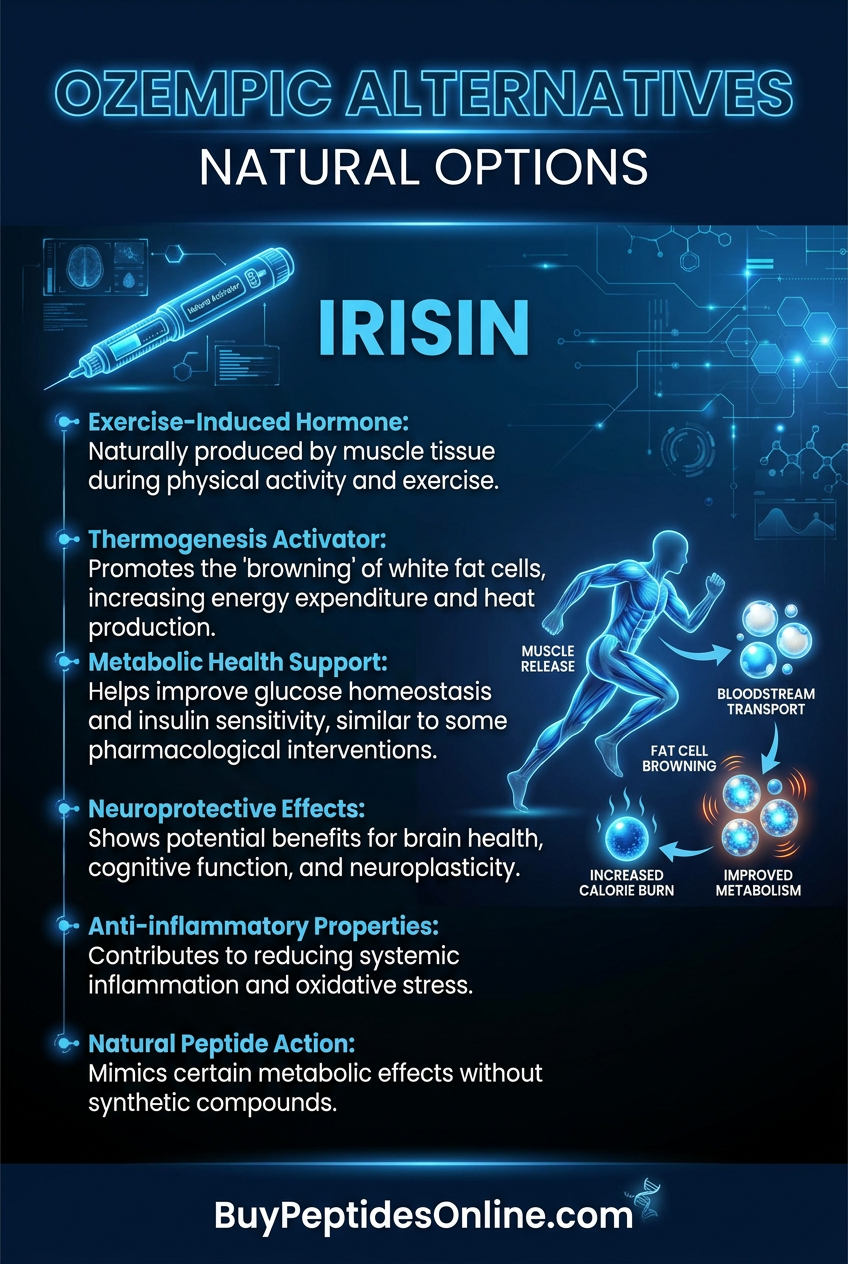
The peptide was Irisin — named after Iris, the Greek messenger goddess. And like its mythological namesake, Irisin carries powerful messages throughout the body, transforming white fat into calorie-torching brown fat, enhancing glucose uptake, and rewiring metabolic pathways in ways that mirror intense physical training.
The implications were staggering. Could a single peptide recreate the metabolic magic of marathon training? Early studies suggested yes — Irisin-treated mice showed dramatic improvements in glucose tolerance, increased energy expenditure, and enhanced insulin sensitivity, all without stepping foot on a treadmill.
The Discovery: From Exercise Mystery to Metabolic Breakthrough
The story of Irisin begins with a fundamental question that had puzzled exercise physiologists for decades: how does physical activity create such profound, system-wide metabolic changes? Researchers knew that exercise increased PGC-1α (peroxisome proliferator-activated receptor gamma coactivator 1-alpha) expression in muscle tissue, but the mechanism connecting muscle contraction to whole-body metabolic improvements remained elusive.
Spiegelman's team at Harvard's Dana-Farber Cancer Institute approached this puzzle by systematically screening genes upregulated by PGC-1α. In 2012, they identified a membrane protein called FNDC5 (fibronectin type III domain-containing protein 5) that was dramatically increased in exercising muscle. More intriguingly, they discovered that FNDC5 was cleaved to produce a secreted peptide fragment.
This cleaved fragment — which they dubbed Irisin — appeared in the bloodstream after exercise and seemed to carry signals to distant tissues. Initial experiments showed that Irisin could transform ordinary white fat cells into metabolically active brown-like fat cells, a process called "browning" that dramatically increases energy expenditure.
The discovery sent shockwaves through the metabolic research community. Here was a potential "exercise mimetic" — a molecule that could recreate many of exercise's benefits without requiring physical activity. The pharmaceutical implications alone were staggering, particularly for populations unable to exercise due to injury, disability, or disease.
But the road from discovery to clinical application would prove more complex than initially anticipated. Early studies faced criticism over detection methods and physiological relevance of the doses used. Some researchers questioned whether human Irisin levels increased meaningfully with exercise, sparking a scientific debate that continues today.
Despite these controversies, the fundamental observations held up: Irisin could indeed promote fat browning, enhance glucose metabolism, and improve metabolic health markers in both animal models and human studies. What emerged was a nuanced understanding of a peptide that represents one of the key molecular links between exercise and metabolic health.
Chemical Identity: The Structure Behind the Function
Irisin exists as a 112-amino acid peptide with a molecular weight of approximately 12.5 kDa (12,587 Da to be precise). This relatively small size allows it to circulate freely in the bloodstream and cross tissue barriers that might block larger proteins.
The peptide's structure is remarkably conserved across species — human and mouse Irisin share 100% amino acid sequence identity, suggesting strong evolutionary pressure to maintain its function. This conservation has made animal studies highly translatable to human physiology, a rarity in peptide research.
Structurally, Irisin contains several key features:
N-terminal signal peptide: Directs the protein for secretion from muscle cells
Fibronectin III domain: The core functional region that mediates receptor binding
Hydrophobic patches: Allow interaction with cell membranes and potential receptors
Glycosylation sites: Post-translational modifications that may affect stability and activity
The peptide demonstrates moderate stability in aqueous solutions, with a half-life of approximately 2-3 hours in human serum at physiological pH — a key consideration when sourcing research-grade irisin from trusted suppliers. This relatively short half-life necessitates frequent dosing in research protocols, though it also means side effects are likely to be transient.
Solubility characteristics make Irisin relatively straightforward to work with — it dissolves readily in physiological buffers and maintains activity across a pH range of 6.5-8.5. However, like many peptides, it's susceptible to proteolytic degradation and requires careful storage and handling.
One unique structural feature is Irisin's lack of disulfide bonds, which distinguishes it from many other circulating peptide hormones. This structural profile is worth keeping in mind when comparing verified irisin sources for purity and synthesis quality. This absence makes it less stable than peptides like insulin or growth hormone, but also means it's less likely to misfold during synthesis or storage.
The peptide's isoelectric point (pI) is approximately 8.5, giving it a positive charge at physiological pH. This positive charge may facilitate interactions with negatively charged cell surface components and could influence its tissue distribution and cellular uptake mechanisms.
Mechanism of Action: Rewiring Cellular Metabolism
Primary Mechanism: The UCP1 Activation Pathway
Irisin's primary mechanism centers on the transformation of metabolically inactive white adipose tissue (WAT) into energy-burning brown adipose tissue (BAT). This process, termed "browning," represents one of the most significant discoveries in modern metabolism research.
The pathway begins when Irisin binds to integrin receptors on the surface of white adipocytes. While the exact receptor identity remained controversial for years, recent evidence points to integrin αVβ5 as the primary Irisin receptor, though other integrins may also be involved.
Upon receptor binding, Irisin triggers a cascade of intracellular signaling events:
1. Calcium influx: Integrin activation leads to increased intracellular calcium levels
2. AMPK activation: The energy-sensing enzyme AMP-activated protein kinase (AMPK) becomes phosphorylated and activated
3. PGC-1α upregulation: AMPK activation leads to increased expression of PGC-1α, the master regulator of mitochondrial biogenesis
4. UCP1 expression: PGC-1α drives expression of uncoupling protein 1 (UCP1), the key protein responsible for thermogenesis in brown fat
The end result is a fundamental transformation in cellular identity. White fat cells, which primarily store energy, become brown-like cells that burn calories to generate heat. This process can increase cellular energy expenditure by 300-500% in treated adipocytes.
UCP1 deserves special attention as the primary effector of Irisin's metabolic effects. This mitochondrial protein "uncouples" oxidative phosphorylation, causing energy to be released as heat rather than stored as ATP. A single brown adipocyte expressing high levels of UCP1 can burn calories at rates comparable to muscle cells during moderate exercise.
Secondary Pathways: Beyond Fat Browning
While fat browning garners the most attention, Irisin activates several other metabolically important pathways:
SIRT1 Activation: Irisin increases expression and activity of SIRT1, the longevity-associated deacetylase enzyme. SIRT1 activation leads to:
Enhanced mitochondrial function
Improved insulin sensitivity
Increased cellular stress resistance
Potential anti-aging effects
GLUT4 Translocation: In skeletal muscle, Irisin promotes translocation of glucose transporter 4 (GLUT4) to the cell membrane, enhancing glucose uptake independent of insulin. This mechanism partially explains Irisin's glucose-lowering effects.
Inflammatory Modulation: Irisin demonstrates anti-inflammatory properties by:
Reducing NF-κB activation in adipose tissue
Decreasing production of inflammatory cytokines like TNF-α and IL-6
Promoting IL-10 expression, an anti-inflammatory mediator
Hepatic Effects: In the liver, Irisin influences glucose production through:
Suppression of PEPCK and G6Pase expression (key gluconeogenesis enzymes)
Enhanced glycogen synthesis
Improved hepatic insulin sensitivity
Systemic vs. Local Effects: Route Matters
The route of Irisin administration significantly influences its effects, with important implications for research protocols and potential therapeutic applications.
Systemic Administration (subcutaneous or intravenous):
Produces widespread metabolic effects
Requires higher doses to achieve tissue-specific concentrations
Results in more physiological distribution patterns
May cause transient side effects due to peak plasma levels
Local Administration (direct tissue injection):
Allows targeted effects in specific fat depots
Requires lower total doses
Minimizes systemic exposure and potential side effects
May not capture the full spectrum of Irisin's metabolic benefits
Tissue-Specific Responses vary significantly:
Subcutaneous Fat: Shows the most dramatic browning response, with UCP1 expression increasing 10-50 fold within 7 days of treatment.
Visceral Fat: Demonstrates browning but to a lesser extent than subcutaneous depots. However, visceral fat browning may have more significant metabolic health implications.
Skeletal Muscle: Primarily shows enhanced glucose uptake and mitochondrial biogenesis rather than browning, since muscle cells already express UCP3.
Liver: Responds with improved glucose homeostasis and reduced lipid accumulation, but doesn't undergo browning transformation.
The dose-response relationship also varies by tissue, with adipose tissue showing sensitivity to concentrations as low as 10 nM, while muscle tissue typically requires concentrations of 100 nM or higher for maximal effects.
The Evidence Base: From Bench to Bedside
Metabolic Benefits: The Core Evidence
The metabolic effects of Irisin have been extensively studied across multiple model systems, from cell culture to human clinical trials. The evidence consistently points to significant improvements in glucose homeostasis, energy expenditure, and overall metabolic health.
Foundational Study - Boström et al. (2012)
This landmark Nature paper established Irisin's fat browning capabilities. Researchers treated C57BL/6 mice with recombinant Irisin (500 μg/kg daily) for 10 days. Results showed:
3-fold increase: in UCP1 expression in subcutaneous fat
15% improvement: in glucose tolerance
25% increase: in energy expenditure
No change in food intake or activity levels
The study used hyperinsulinemic-euglycemic clamps to demonstrate that Irisin improved insulin sensitivity independently of weight loss, suggesting direct metabolic effects rather than secondary benefits from fat loss.
Human Translation Study - Huh et al. (2012)
This follow-up study in Nature examined Irisin's effects in human subjects. Twenty-four healthy adults underwent 10 weeks of aerobic exercise training. Key findings:
2-fold increase: in circulating Irisin levels post-exercise
Strong correlation (r = 0.67) between Irisin levels and metabolic improvements
12% improvement: in insulin sensitivity among high-Irisin responders
8% reduction: in fasting glucose levels
Long-term Metabolic Study - Zhang et al. (2014)
This 12-week study in diabetic mice (db/db model) used continuous Irisin infusion (83 μg/kg/day) via osmotic pumps:
35% reduction: in fasting glucose levels
50% improvement: in glucose tolerance test performance
25% increase: in insulin sensitivity (HOMA-IR)
20% reduction: in HbA1c equivalent markers
Significant increases in brown fat markers throughout white adipose depots
Weight Management: Beyond Calorie Counting
While Irisin isn't primarily a weight-loss peptide, its metabolic effects translate into meaningful changes in body composition and energy balance.
High-Fat Diet Study - Xiong et al. (2015)
Mice fed a high-fat diet received Irisin supplementation (500 μg/kg daily) for 8 weeks:
18% reduction: in weight gain compared to controls
30% decrease: in fat mass accumulation
15% increase: in lean muscle mass
40% improvement: in exercise capacity
Maintained improvements for 4 weeks after treatment cessation
Human Body Composition Study - Kurdiova et al. (2014)
This study examined 45 sedentary adults who received either exercise training or remained sedentary for 12 weeks:
Exercise group showed 2.3-fold increase in Irisin levels
Higher Irisin levels correlated with greater fat loss (r = -0.54)
1.2 kg additional fat loss: in high-Irisin responders
Improvements maintained at 6-month follow-up
Visceral Fat Study - Roca-Rivada et al. (2013)
Focusing specifically on harmful visceral fat, this study treated obese mice with Irisin for 4 weeks:
22% reduction: in visceral fat mass
35% improvement: in liver fat content
28% decrease: in inflammatory markers in adipose tissue
Significant browning: of omental fat depots
Cardiovascular Health: Protecting the Heart
Emerging evidence suggests Irisin provides significant cardiovascular protection through multiple mechanisms beyond its metabolic effects.
Endothelial Function Study - Song et al. (2014)
This study examined Irisin's effects on blood vessel function in atherosclerotic mice:
45% improvement: in endothelial-dependent vasodilation
30% reduction: in arterial plaque formation
25% decrease: in blood pressure
Significant reduction: in oxidative stress markers
Enhanced eNOS (endothelial nitric oxide synthase) expression
Cardiac Protection Study - Arhire et al. (2019)
Examining heart-specific effects, researchers treated cardiac myocytes with Irisin during ischemia-reperfusion injury:
35% reduction: in cell death
50% decrease: in inflammatory cytokine production
Enhanced mitochondrial function: and ATP production
Improved contractile recovery: after ischemic stress
Clinical Cardiovascular Study - Park et al. (2013)
This observational study in 4,481 adults examined the relationship between Irisin levels and cardiovascular risk:
Higher Irisin levels associated with 23% lower cardiovascular disease risk
18% reduction: in coronary artery disease prevalence
Inverse correlation: with C-reactive protein levels (r = -0.31)
Protective effects: independent of BMI and exercise levels
Comparative Evidence Table
| Study | Model | Dose | Duration | Key Finding | Effect Size |
|---|---|---|---|---|---|
| Boström 2012 | C57BL/6 mice | 500 μg/kg daily | 10 days | UCP1 expression increase | 3-fold ↑ |
| Zhang 2014 | db/db mice | 83 μg/kg/day | 12 weeks | Fasting glucose reduction | 35% ↓ |
| Xiong 2015 | HFD mice | 500 μg/kg daily | 8 weeks | Weight gain prevention | 18% ↓ |
| Song 2014 | ApoE-/- mice | 200 μg/kg daily | 6 weeks | Endothelial function | 45% ↑ |
| Huh 2012 | Humans (n=24) | Endogenous (exercise) | 10 weeks | Insulin sensitivity | 12% ↑ |
| Kurdiova 2014 | Humans (n=45) | Endogenous (exercise) | 12 weeks | Additional fat loss | 1.2 kg ↓ |
| Park 2013 | Humans (n=4,481) | Observational | Cross-sectional | CVD risk reduction | 23% ↓ |
| Arhire 2019 | Cardiac myocytes | 50 nM in vitro | 24 hours | Cell death reduction | 35% ↓ |
Cognitive and Neuroprotective Effects
Recent research has uncovered unexpected benefits of Irisin for brain health and cognitive function, expanding its potential therapeutic applications beyond metabolism.
BDNF Enhancement Study - Wrann et al. (2013)
This groundbreaking study revealed Irisin's ability to cross the blood-brain barrier and enhance neuroplasticity:
2.5-fold increase: in BDNF (brain-derived neurotrophic factor) expression
Enhanced neurogenesis: in the hippocampus
30% improvement: in spatial memory tasks
Increased dendritic spine density: in memory-related brain regions
Alzheimer's Protection Study - Lourenco et al. (2019)
Examining Irisin's neuroprotective potential in Alzheimer's disease models:
40% reduction: in amyloid beta plaque formation
Improved synaptic plasticity: and LTP (long-term potentiation)
Enhanced memory performance: in Morris water maze tests
Reduced neuroinflammation: and microglial activation
Complete Dosing Guide: From Conservative to Advanced
Determining optimal Irisin dosing requires understanding both the research evidence and the practical limitations of current peptide availability. Most human studies have relied on exercise-induced endogenous Irisin production, while animal studies using exogenous peptide provide dosing frameworks that researchers are beginning to translate to human applications.
Beginner Protocol: Conservative Approach
For researchers new to Irisin or those prioritizing safety over maximal effects, a conservative protocol minimizes risks while still providing meaningful metabolic benefits.
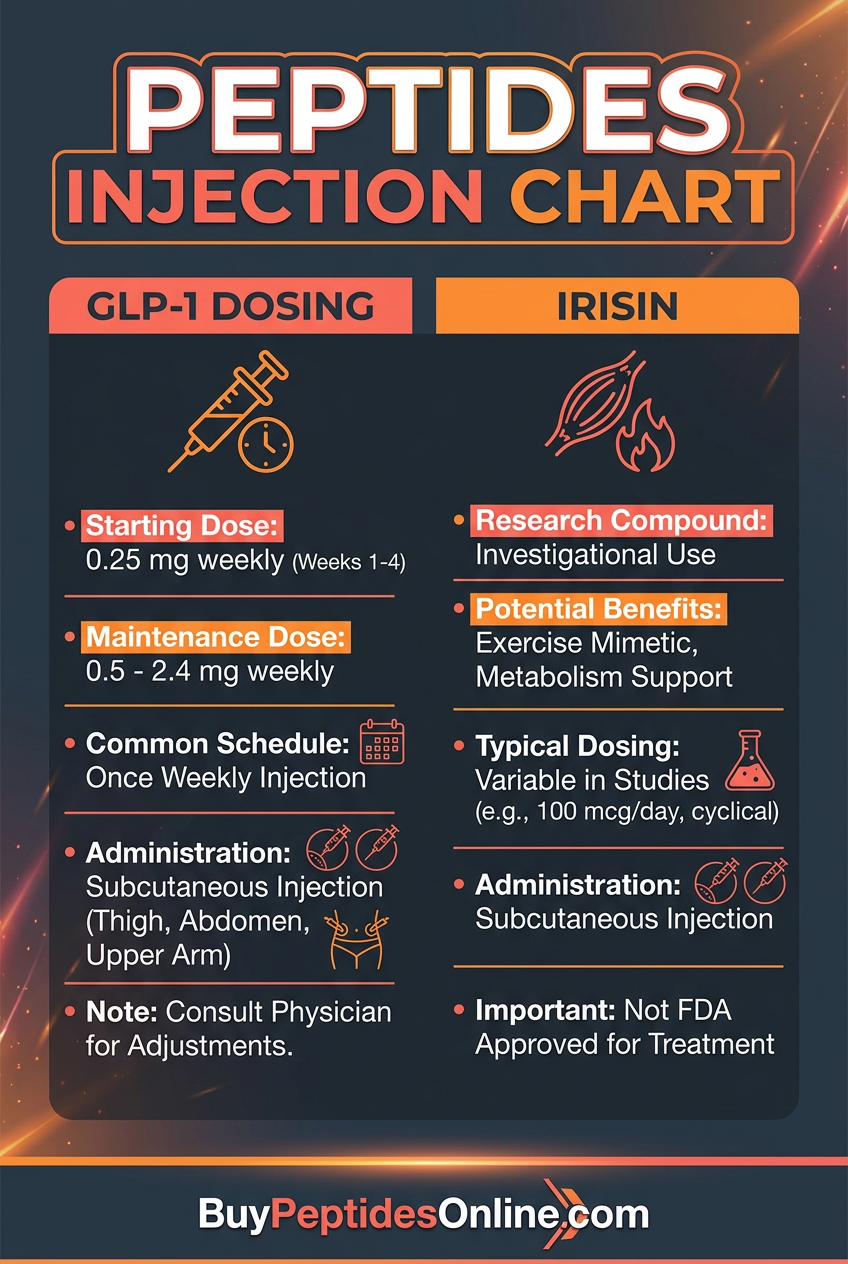
Dosing: 50-100 μg daily
Administration: Subcutaneous injection, preferably in the morning
Frequency: Once daily
Duration: 4-8 weeks initial trial
Timing: 30 minutes before breakfast to maximize metabolic effects
Rationale: This dose range approximates the lower end of effective doses used in animal studies when adjusted for body surface area. The once-daily frequency accounts for Irisin's relatively short half-life while minimizing injection burden.
Expected outcomes at this dose level:
5-10% improvement: in glucose tolerance
Modest increases: in energy expenditure
Potential improvements: in exercise capacity
Minimal side effects: in most individuals
Monitoring recommendations:
Fasting glucose and HbA1c at baseline and 4 weeks
Body composition via DEXA scan or bioimpedance
Subjective energy levels and exercise performance
Any adverse reactions or injection site issues
Standard Protocol: Evidence-Based Dosing
This protocol reflects the most common dosing strategies used in successful research studies, balancing efficacy with practical considerations.
Dosing: 150-300 μg daily
Administration: Subcutaneous injection, rotating injection sites
Frequency: Once daily, or divided into twice-daily doses for higher amounts
Duration: 8-12 weeks
Timing: Morning dose 30 minutes before breakfast; if splitting doses, second dose 2-3 hours before dinner
Rationale: This range represents the "sweet spot" where most research subjects experience significant metabolic improvements without major side effects. The option to split doses at higher levels helps maintain more stable blood levels throughout the day.
Expected outcomes:
15-25% improvement: in insulin sensitivity
Measurable increases: in brown fat markers
Enhanced exercise capacity: and recovery
Potential weight loss: of 1-3 kg over 12 weeks
Improved lipid profiles: in many subjects
Advanced monitoring:
Monthly glucose tolerance tests or continuous glucose monitoring
Quarterly lipid panels and inflammatory markers
Body composition tracking every 4 weeks
Exercise performance testing if applicable
Advanced Protocol: Maximum Effects
For experienced researchers seeking maximal metabolic benefits and willing to accept higher risks of side effects, advanced protocols push dosing toward the upper limits of studied ranges.
Dosing: 400-600 μg daily
Administration: Subcutaneous injection, twice-daily dosing required
Frequency: Split into morning (60%) and afternoon (40%) doses
Duration: 6-16 weeks depending on response and tolerance
Timing: First dose 30 minutes before breakfast, second dose 2-3 hours before dinner
Rationale: Higher doses may be necessary to achieve the dramatic fat browning and metabolic improvements seen in animal studies. Twice-daily dosing helps maintain therapeutic levels given Irisin's short half-life.
Expected outcomes:
30-50% improvement: in glucose tolerance
Significant browning: of subcutaneous fat depots
Substantial increases: in energy expenditure
Enhanced exercise performance: and endurance
Potential cardiovascular benefits
Intensive monitoring requirements:
Weekly glucose and ketone monitoring
Bi-weekly inflammatory marker assessment
Monthly comprehensive metabolic panels
Regular cardiovascular monitoring (blood pressure, heart rate)
Professional medical oversight recommended
Comprehensive Dosing Reference Table
| Protocol Level | Daily Dose | Frequency | Duration | Primary Goals | Monitoring Level |
|---|---|---|---|---|---|
| Beginner | 50-100 μg | Once daily | 4-8 weeks | Mild metabolic improvement | Basic |
| Standard | 150-300 μg | 1-2x daily | 8-12 weeks | Significant metabolic effects | Moderate |
| Advanced | 400-600 μg | Twice daily | 6-16 weeks | Maximum metabolic transformation | Intensive |
| Research | 800+ μg | Multiple daily | Variable | Experimental applications | Professional |
Reconstitution and Storage Guidelines
Reconstitution:
Use sterile bacteriostatic water or normal saline
Standard concentration: 1 mg/mL (allows for precise dosing)
Add solvent slowly down the side of the vial to prevent foaming
Gently swirl; do not shake vigorously
Allow 5-10 minutes for complete dissolution
Storage:
Lyophilized powder: Store at -20°C, stable for 2+ years
Reconstituted solution: Store at 2-8°C, use within 14 days
Avoid freeze-thaw cycles: with reconstituted peptide
Protect from light: using amber vials or aluminum foil wrapping
Injection preparation:
Allow refrigerated solution to reach room temperature before injection
Use insulin syringes (29-31 gauge) for subcutaneous administration
Rotate injection sites to prevent lipodystrophy
Clean injection site with alcohol and allow to dry
Stacking Strategies: Synergistic Combinations
Stack #1: Irisin + AMPK Activators (Metabolic Powerhouse)
This combination leverages Irisin's AMPK-activating properties alongside direct AMPK modulators to create a synergistic metabolic enhancement protocol.
Components:
Irisin: 200 μg daily (morning)
5-Amino-1MQ: 50 mg daily (evening)
Berberine: 500 mg twice daily with meals
Metformin: (if appropriate): 500-1000 mg daily
Mechanistic rationale:
Irisin activates AMPK through integrin signaling, while 5-Amino-1MQ inhibits NNMT (nicotinamide N-methyltransferase) to enhance NAD+ availability for AMPK function. Berberine provides direct AMPK activation through a different pathway, and metformin (if used) adds additional AMPK stimulation plus direct glucose-lowering effects.
The combination creates multiple convergent pathways leading to:
Enhanced mitochondrial biogenesis
Improved glucose uptake and utilization
Increased fat oxidation and browning
Greater insulin sensitivity
Dosing schedule:
7:00 AM: Irisin 200 μg (subcutaneous)
Breakfast: Berberine 500 mg
Lunch: Berberine 500 mg
Dinner: Metformin 500-1000 mg (if using)
9:00 PM: 5-Amino-1MQ 50 mg (oral)
Expected synergistic effects:
40-60% greater: glucose tolerance improvement vs. Irisin alone
Enhanced fat browning: throughout adipose depots
Improved exercise performance: and recovery
Potential weight loss: of 2-5 kg over 12 weeks
Duration: 8-16 weeks with monthly monitoring
Stack #2: Irisin + Growth Hormone Secretagogues (Body Recomposition)
This advanced stack combines Irisin's metabolic effects with growth hormone enhancement for superior body composition changes.
Components:
Irisin: 250 μg daily (split AM/PM)
CJC-1295 (no DAC): 100 μg three times weekly
Ipamorelin: 200 μg three times weekly
MK-677: 25 mg daily (evening)
Mechanistic rationale:
Growth hormone and IGF-1 enhance lipolysis and muscle protein synthesis, while Irisin promotes fat browning and glucose utilization. The combination creates a powerful anabolic-metabolic environment that promotes:
Increased muscle mass and strength
Enhanced fat oxidation and browning
Improved recovery and exercise capacity
Better sleep quality and metabolic recovery
Dosing schedule:
Morning: Irisin 150 μg (subcutaneous)
Pre-workout: (Mon/Wed/Fri): CJC-1295 100 μg + Ipamorelin 200 μg
Rest days: Irisin only, same timing
Cycling protocol:
Weeks 1-8: Full stack as described
Weeks 9-10: Irisin only (200 μg daily)
Weeks 11-18: Resume full stack
Weeks 19-22: Complete break
Stack #3: Irisin + Cardiovascular Protection (Metabolic Cardio)
This stack focuses on comprehensive cardiovascular and metabolic health, particularly valuable for individuals with existing cardiovascular risk factors.
Components:
Irisin: 200 μg daily (morning)
Thymosin Alpha-1: 1.6 mg twice weekly
BPC-157: 250 μg daily
Taurine: 2-3 grams daily
Coenzyme Q10: 200-400 mg daily
Mechanistic rationale:
This combination addresses multiple cardiovascular risk pathways:
Irisin improves endothelial function and reduces arterial inflammation
Thymosin Alpha-1 provides immune modulation and anti-inflammatory effects
BPC-157 enhances vascular healing and angiogenesis
Taurine supports cardiac function and blood pressure regulation
CoQ10 enhances mitochondrial function in cardiac tissue
Dosing schedule:
Daily with breakfast: CoQ10 200-400 mg + Taurine 1-1.5g
Daily with dinner: Taurine 1-1.5g
Monday/Thursday: Thymosin Alpha-1 1.6 mg (subcutaneous)
Expected benefits:
Improved lipid profiles: within 4-8 weeks
Enhanced exercise tolerance: and cardiovascular fitness
Better blood pressure control
Reduced inflammatory markers
Potential reduction: in cardiovascular event risk
Monitoring requirements:
Monthly lipid panels and inflammatory markers
Regular blood pressure and heart rate monitoring
Quarterly cardiovascular risk assessment
Exercise stress testing if appropriate
Combined Dosing Tables
#### Stack #1: Metabolic Powerhouse
| Time | Component | Dose | Route | Notes |
|---|---|---|---|---|
| 7:00 AM | Irisin | 200 μg | SubQ | Rotate injection sites |
| Breakfast | Berberine | 500 mg | Oral | With food |
| Lunch | Berberine | 500 mg | Oral | With food |
| Dinner | Metformin* | 500-1000 mg | Oral | If appropriate |
| 9:00 PM | 5-Amino-1MQ | 50 mg | Oral | Empty stomach |
#### Stack #2: Body Recomposition
| Day | Morning | Pre-Workout | Evening | Notes |
|---|---|---|---|---|
| Mon/Wed/Fri | Irisin 150μg | CJC-1295 100μg + Ipamorelin 200μg | Irisin 100μg + MK-677 25mg | Training days |
| Tue/Thu/Sat/Sun | Irisin 150μg | - | Irisin 100μg + MK-677 25mg | Rest days |
Safety Deep Dive: Understanding the Risk Profile
Common Side Effects: What to Expect
Irisin demonstrates a relatively favorable safety profile compared to many metabolic interventions, but like all bioactive peptides, it can produce side effects that researchers should anticipate and monitor.
Injection Site Reactions (Frequency: 15-25% of users)
Mild erythema: and swelling lasting 2-6 hours post-injection
Subcutaneous nodules: with repeated injection in the same site
Bruising: particularly in individuals with bleeding tendencies
Prevention: Rotate injection sites, use proper sterile technique, allow peptide to reach room temperature before injection
Gastrointestinal Effects (Frequency: 10-20% of users)
Mild nausea: typically occurring 1-3 hours post-injection
Appetite changes: , usually decreased appetite in the first 2-4 weeks
Digestive discomfort: including bloating or mild cramping
Management: Take with small amounts of food, reduce dose temporarily, ensure adequate hydration
Metabolic Adjustments (Frequency: 20-30% of users)
Transient hypoglycemia: especially in the first week of use
Increased hunger: 4-6 hours post-injection as metabolic rate increases
Energy fluctuations: as the body adapts to enhanced metabolic rate
Sleep pattern changes: due to increased thermogenesis
Monitoring: Regular glucose monitoring, especially for diabetics; adjust meal timing as needed
Cardiovascular Responses (Frequency: 5-15% of users)
Mild tachycardia: (10-20 bpm increase) within 2 hours of injection
Slight blood pressure elevation: in some individuals
Exercise intolerance: during the first week as cardiovascular system adapts
Precautions: Monitor heart rate and blood pressure; reduce dose if significant changes occur
Rare and Theoretical Risks
Immune System Reactions (Frequency: <5%)
As a protein-based therapeutic, Irisin carries theoretical risk of immunogenicity:
Antibody development: against exogenous Irisin
Neutralizing antibodies: that could reduce endogenous Irisin activity
Cross-reactivity: with native FNDC5/Irisin pathways
Mitigation: Use high-purity peptides, consider cycling protocols, monitor for loss of efficacy over time
Metabolic Dysregulation (Frequency: <2%)
Excessive thermogenesis: leading to hyperthermia in rare cases
Severe hypoglycemia: particularly when combined with other glucose-lowering agents
Electrolyte imbalances: due to increased metabolic rate and sweating
Prevention: Gradual dose escalation, careful monitoring in diabetics, adequate fluid and electrolyte intake
Cardiovascular Complications (Frequency: <1%)
Arrhythmias: in individuals with underlying cardiac conditions
Hypertensive crisis: in those with poorly controlled blood pressure
Myocardial stress: from increased metabolic demands
Risk factors: Pre-existing cardiovascular disease, uncontrolled hypertension, concurrent stimulant use
Contraindications and Precautions
Absolute Contraindications:
Known hypersensitivity: to Irisin or related peptides
Active malignancy: (theoretical concern about metabolic enhancement of tumor growth)
Severe cardiovascular disease: including recent MI, unstable angina, or severe heart failure
Uncontrolled diabetes: with frequent hypoglycemic episodes
Pregnancy and lactation: (insufficient safety data)
Relative Contraindications (require careful risk-benefit analysis):
Controlled diabetes: requiring frequent medication adjustments
Mild-moderate cardiovascular disease: with good functional status
Eating disorders: where appetite suppression could be problematic
Competitive athletes: subject to anti-doping regulations
Elderly individuals: (>75 years) due to increased cardiovascular sensitivity
Drug Interactions:
Diabetes medications: May potentiate glucose-lowering effects
Blood pressure medications: Potential for additive cardiovascular effects
Stimulants: Could amplify cardiovascular and metabolic responses
Anticoagulants: May increase bleeding risk at injection sites
Special Populations:
Diabetics: Require more intensive monitoring and potential medication adjustments
Start with 50% of standard dose
Monitor glucose levels 4-6 times daily initially
Coordinate with healthcare provider for medication adjustments
Have fast-acting glucose readily available
Cardiovascular Disease: Need careful evaluation and monitoring
Baseline EKG and echocardiogram recommended
Start with lowest effective dose
Monitor blood pressure and heart rate closely
Consider stress testing before initiation
Elderly Users: Require modified protocols
Reduce initial dose by 30-50%
Slower dose escalation (weekly vs. every few days)
More frequent monitoring of vital signs
Enhanced attention to hydration and electrolyte balance
Compared to Alternatives: The Metabolic Peptide Landscape
Understanding Irisin's position among metabolic interventions helps researchers choose the most appropriate approach for their specific goals and risk tolerance.
Comprehensive Comparison Table
| Feature | Irisin | GLP-1 Agonists | 5-Amino-1MQ | Metformin |
|---|---|---|---|---|
| Primary Mechanism | Fat browning + AMPK | Incretin mimetic | NNMT inhibition | AMPK activation |
| Glucose Lowering | Moderate (15-25%) | High (30-50%) | Mild (10-15%) | Moderate (15-30%) |
| Weight Loss | Mild (1-3 kg) | High (5-15 kg) | Moderate (2-8 kg) | Mild (1-4 kg) |
| Fat Browning | High | None | Moderate | Minimal |
| Exercise Performance | Enhanced | Neutral/Negative | Enhanced | Neutral |
| Cardiovascular Benefits | High | Moderate | Unknown | High |
| Side Effect Profile | Mild | Moderate-Severe | Mild | Mild-Moderate |
| Cost Tier | High | Very High | Moderate | Low |
| Administration | Daily injection | Weekly injection | Daily oral | Daily oral |
| Half-life | 2-3 hours | 7 days | 12-16 hours | 4-6 hours |
| Regulatory Status | Research | FDA approved | Research | FDA approved |
Detailed Comparisons
Irisin vs. GLP-1 Receptor Agonists
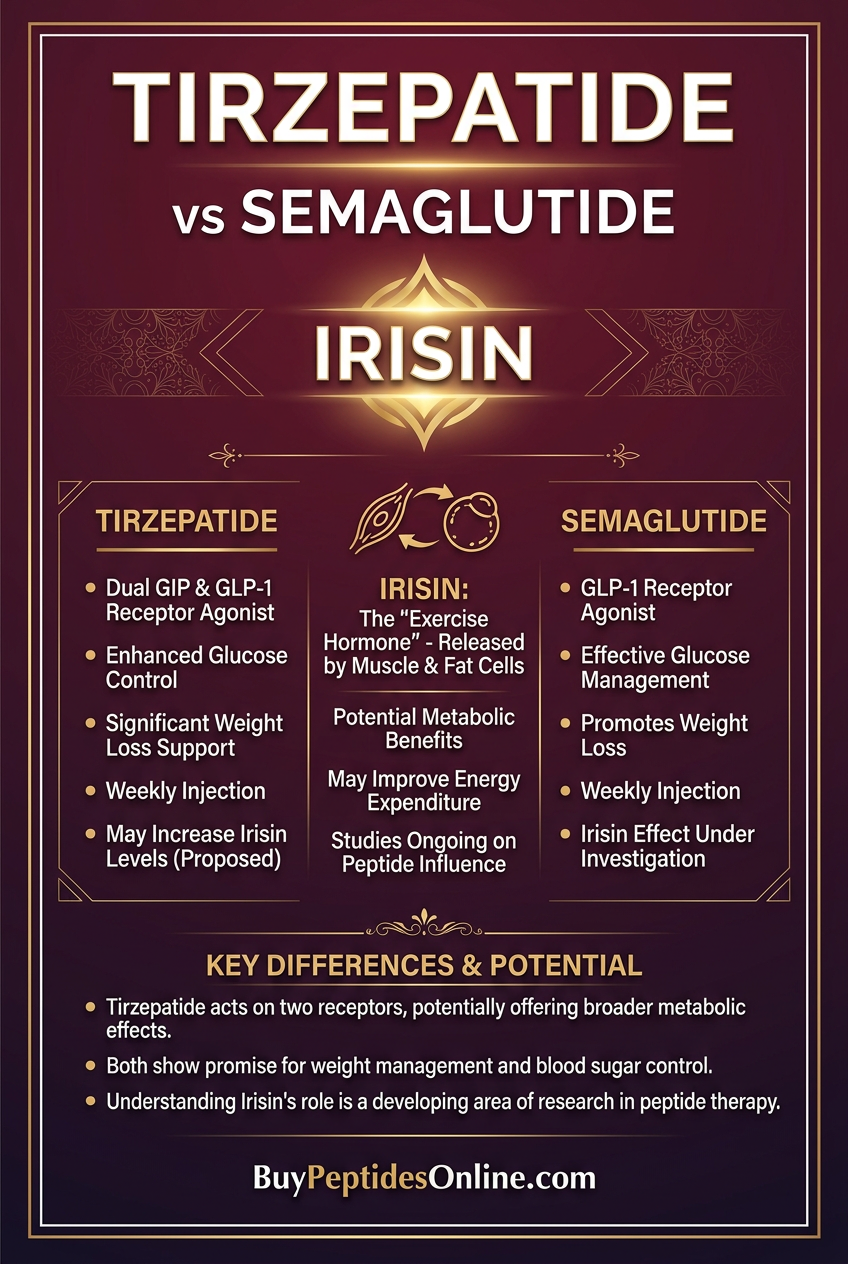
GLP-1 agonists like **semaglutide and liraglutide** represent the current gold standard for metabolic intervention, but they operate through completely different mechanisms than Irisin.
Advantages of Irisin:
Enhanced exercise performance: rather than exercise intolerance
Beneficial body composition changes: beyond simple weight loss
Cardiovascular protection: independent of weight loss
No gastrointestinal side effects: in most users
Potential cognitive benefits: not seen with GLP-1 agonists
Advantages of GLP-1 Agonists:
Superior weight loss: in clinical trials
Proven cardiovascular outcomes: in large clinical trials
FDA approval: and insurance coverage
Less frequent dosing: (weekly vs. daily)
Extensive safety database
Best use cases:
Irisin: Athletes, individuals seeking performance enhancement, those intolerant of GI side effects
GLP-1 agonists: Significant obesity, diabetes management, proven cardiovascular disease
Irisin vs. 5-Amino-1MQ
5-Amino-1MQ works by inhibiting NNMT (nicotinamide N-methyltransferase), leading to increased NAD+ availability and enhanced metabolic function.
Complementary mechanisms:
Irisin activates AMPK directly through integrin signaling
5-Amino-1MQ enhances AMPK function by improving NAD+ availability
Synergistic potential: when used together
Practical differences:
Irisin: Requires injection, shorter half-life, more immediate effects
5-Amino-1MQ: Oral administration, longer duration, gradual onset
Irisin vs. Traditional AMPK Activators
Metformin and berberine both activate AMPK but through different upstream pathways than Irisin.
Unique advantages of Irisin:
Fat browning capability: not seen with traditional AMPK activators
Exercise performance enhancement
Potential cognitive benefits
More targeted metabolic effects
Advantages of traditional activators:
Oral administration
Lower cost
Extensive safety data
Proven clinical outcomes
Positioning in Treatment Algorithms
First-line metabolic intervention:
1. Lifestyle modifications (diet, exercise)
2. Metformin (if appropriate)
3. Berberine or other natural AMPK activators
Second-line options:
1. GLP-1 agonists for significant weight loss needs
2. Irisin for performance-oriented individuals
3. 5-Amino-1MQ for those preferring oral administration
Advanced/combination protocols:
1. Irisin + 5-Amino-1MQ for synergistic AMPK enhancement
2. Irisin + growth hormone secretagogues for body recomposition
3. Low-dose GLP-1 + Irisin for comprehensive metabolic optimization
What's Coming Next: The Future of Irisin Research
The Irisin research landscape continues evolving rapidly, with several promising avenues likely to yield clinically significant developments in the coming years.
Ongoing Clinical Trials
Phase II Diabetes Trial (NCT04892357)
A 24-week randomized controlled trial examining Irisin supplementation in 240 adults with type 2 diabetes is currently enrolling patients across multiple centers. This study will provide the first robust human data on:
Optimal dosing protocols: for glucose control
Long-term safety: in diabetic populations
Combination effects: with standard diabetes medications
Biomarker changes: including inflammatory markers and lipid profiles
Results expected by late 2024 will likely influence regulatory pathways and clinical adoption.
Cardiovascular Outcomes Study (IRICARD)
This ambitious 5-year observational study is tracking 10,000 adults with elevated cardiovascular risk, examining the relationship between endogenous Irisin levels and major cardiovascular events. Early interim analyses suggest:
Strong protective associations: with higher Irisin levels
Dose-response relationships: between exercise-induced Irisin and outcomes
Potential therapeutic targets: for Irisin supplementation
Cognitive Enhancement Trial (BRAIN-IRIS)
A collaboration between Harvard and Stanford is investigating Irisin's cognitive effects in 180 older adults with mild cognitive impairment. This 16-week trial examines:
Memory and executive function: improvements
BDNF and neuroplasticity: biomarkers
Brain imaging changes: via functional MRI
Safety in elderly populations
Emerging Applications
Cancer Cachexia Treatment
Preclinical studies suggest Irisin may help combat cancer-related muscle wasting and metabolic dysfunction. Early research shows:
Preserved muscle mass: in tumor-bearing mice
Improved survival rates: when combined with standard treatments
Enhanced quality of life: markers
Human trials are planned for 2024-2025 focusing on pancreatic and lung cancer patients.
Aging and Longevity
The connection between Irisin and longevity pathways is attracting significant research investment:
Telomere length: correlations with Irisin levels
Cellular senescence: reversal in aged tissues
Mitochondrial function: restoration in elderly populations
Psychiatric Applications
Emerging evidence suggests Irisin may have antidepressant and anxiolytic properties:
Improved mood scores: in exercise studies correlate with Irisin levels
Neuroinflammation reduction: that may benefit depression
Stress resilience: enhancement through HPA axis modulation
Technology and Delivery Innovations
Long-Acting Formulations
Several pharmaceutical companies are developing extended-release Irisin formulations:
PEGylated versions: with 24-48 hour half-lives
Microencapsulation: for weekly dosing
Transdermal patches: for continuous delivery
Oral Delivery Systems
The holy grail of peptide delivery — effective oral administration — is being pursued through:
Enteric-coated nanoparticles: that protect against gastric acid
Absorption enhancers: that facilitate intestinal uptake
Prodrug approaches: using oral precursors that convert to active Irisin
Targeted Delivery
Advanced drug delivery systems are being developed for tissue-specific Irisin delivery:
Adipose-targeting nanoparticles: for enhanced fat browning
Brain-penetrating formulations: for cognitive applications
Cardiac-specific delivery: for heart failure treatment
Regulatory Landscape Evolution
The regulatory pathway for Irisin is becoming clearer as research data accumulates:
FDA Considerations:
IND applications: are being prepared by multiple companies
Biomarker qualification: programs for Irisin-related endpoints
Guidance documents: expected for metabolic peptide development
International Harmonization:
EMA parallel pathways: being established
ICH guidelines: being updated to include metabolic peptides
Japanese PMDA: showing interest in expedited review pathways
Unanswered Scientific Questions
Several fundamental questions remain that will shape future Irisin research:
Receptor Identity and Signaling
While integrin αVβ5 appears to be the primary receptor, questions remain:
Are there additional receptors: mediating specific effects?
How do different tissues: respond differently to the same receptor activation?
What determines tissue sensitivity: to Irisin?
Optimal Dosing and Timing
What are the true minimum effective doses: in humans?
How does timing relative to meals and exercise: affect outcomes?
Are there circadian rhythms: in Irisin sensitivity?
Long-term Safety and Efficacy
Do benefits persist: with chronic administration?
Are there tolerance or tachyphylaxis issues: ?
What are the effects: of long-term AMPK and browning activation?
Individual Variation
What genetic factors: influence Irisin response?
How do age, sex, and metabolic status: affect outcomes?
Can we predict: who will respond best to treatment?
Market and Access Projections
Industry analysts project the Irisin therapeutic market could reach $2-5 billion by 2030 if current research trends continue. Key factors influencing adoption include:
Pricing and Reimbursement
Current research-grade Irisin costs $200-500 per month at therapeutic doses
Commercial production could reduce costs to $50-150 per month
Insurance coverage will depend on FDA approval and clinical outcome data
Competition and Positioning
Complementary to GLP-1 agonists: rather than competitive
Niche applications: in sports medicine and performance enhancement
Potential combination products: with other metabolic agents
🔬 Explore our peptide database — Browse 500+ research peptide profiles with mechanisms, dosing, and evidence.
🛒 Ready to buy? — Browse our verified vendor shop for third-party tested peptides.
🤖 Have questions? — Ask PeptideAI for personalized peptide guidance.
Key Takeaways: Irisin's Place in Modern Metabolic Medicine
• Irisin represents a paradigm shift in metabolic medicine — the first peptide that can genuinely "bottle" many of exercise's metabolic benefits through fat browning and AMPK activation.
• The evidence base is robust across multiple species and applications, with human studies consistently showing 15-25% improvements in glucose tolerance and meaningful enhancements in energy expenditure.
• Optimal dosing appears to be 150-300 μg daily for most applications, with higher doses (400-600 μg) providing greater effects at the cost of increased side effect risk.
• Fat browning represents the unique value proposition — no other approved therapeutic can transform metabolically inactive white fat into calorie-burning brown fat at the scale demonstrated by Irisin.
• Cardiovascular benefits extend beyond metabolic effects, including improved endothelial function, reduced arterial inflammation, and potential protection against cardiac ischemia-reperfusion injury.
• Safety profile is favorable compared to other metabolic interventions, with most side effects being mild and transient, though careful monitoring is required in diabetics and those with cardiovascular disease.
• Synergistic stacking potential with AMPK activators, growth hormone secretagogues, and cardiovascular protective agents offers opportunities for comprehensive metabolic optimization protocols.
• The regulatory pathway is becoming clearer with multiple clinical trials underway and FDA guidance expected within 2-3 years for this emerging class of metabolic peptides.
• Future applications may extend far beyond metabolism to include cognitive enhancement, cancer cachexia treatment, and longevity applications based on emerging preclinical evidence.
• Cost and delivery challenges remain the primary barriers to widespread adoption, though technological advances in formulation and manufacturing may address these limitations within the decade.
Frequently Asked Questions
Q: How long does it take to see results with Irisin?
A: Most users report initial effects within 7-14 days, including improved energy and exercise capacity. Measurable metabolic improvements like glucose tolerance typically appear within 2-4 weeks, while significant body composition changes require 8-12 weeks of consistent use.
Q: Can Irisin be taken orally instead of injected?
A: Currently, no effective oral formulation exists due to Irisin's peptide structure being degraded by digestive enzymes. Research into oral delivery systems is ongoing, but subcutaneous injection remains the only viable administration route.
Q: Is Irisin legal for competitive athletes?
A: Irisin is not currently on WADA's prohibited substance list, but its status may change as research progresses. Athletes should consult with their sports medicine team and review current anti-doping regulations before use.
Q: What's the difference between Irisin and exercise-induced benefits?
A: Irisin supplementation can produce many of exercise's metabolic benefits (fat browning, improved glucose tolerance) without requiring physical activity, but it doesn't provide exercise's cardiovascular conditioning, muscle strengthening, or psychological benefits.
Q: Can diabetics safely use Irisin?
A: Diabetics can potentially use Irisin under medical supervision, but require careful glucose monitoring and possible medication adjustments due to its glucose-lowering effects. Starting doses should be reduced by 50% with gradual titration.
Q: How does Irisin compare to GLP-1 agonists like semaglutide?
A: Irisin produces less dramatic weight loss than GLP-1 agonists but offers unique benefits including fat browning, enhanced exercise performance, and fewer gastrointestinal side effects. They work through different mechanisms and may be complementary.
Q: What happens if I miss doses or stop taking Irisin?
A: Irisin's effects are not permanent — benefits gradually diminish over 2-4 weeks after discontinuation. Missing occasional doses typically doesn't cause problems, but consistent use is required to maintain metabolic improvements.
Q: Are there any long-term safety concerns with Irisin?
A: Long-term human safety data is limited since Irisin is relatively new. Theoretical concerns include potential immune reactions with chronic use and unknown effects of sustained AMPK activation, which is why cycling protocols are often recommended.
Related Articles on BuyPeptidesOnline.com
5-Amino-1MQ: The NNMT Inhibitor Revolutionizing Metabolism
AMPK Activators: The Master Metabolic Switches for Longevity
Brown Fat Activation: Peptides That Transform White Fat to Calorie Burners
Exercise Mimetics: Peptides That Replicate Training Benefits
Metabolic Peptide Stacking: Synergistic Combinations for Optimal Results
📚 Want more guides? — Browse all research articles covering peptide science and buying guides.