Dr. Predrag Sikiric watched the monitor in disbelief as the endoscopic camera revealed what should have been impossible. The rat's colon, ravaged by trinitrobenzene sulfonic acid just two weeks prior, showed complete mucosal healing. No inflammation. No ulcerations. The tissue architecture looked almost normal.
This wasn't the first time **BPC-157** had surprised the Croatian researcher, but it was the moment that shifted his focus from general wound healing to the peptide's remarkable effects on gastrointestinal tissue. What started as an investigation into stomach ulcer protection had uncovered something far more significant: a peptide that could reverse inflammatory bowel disease in ways that conventional treatments couldn't match.
That was 1993. Three decades later, BPC-157's reputation as the "gut healing peptide" has spread from Zagreb's research labs to biohackers worldwide. But the science behind its gastrointestinal effects runs deeper than most realize.
The Discovery: From Gastric Juice to Global Recognition
The story of BPC-157 begins not with inflammatory bowel disease, but with a simple observation about human gastric juice. In the late 1980s, researchers at the University of Zagreb noticed that certain protein fragments in stomach secretions seemed to promote healing rather than cause damage.
Dr. Predrag Sikiric and his team isolated these protective factors, eventually identifying a 15-amino acid sequence that appeared in multiple forms throughout the digestive tract. They called it Body Protection Compound-157, reflecting both its protective nature and its position as the 157th compound they had tested.
The initial focus was narrow: preventing stomach ulcers caused by NSAIDs and alcohol. But early experiments revealed something unexpected. Animals treated with BPC-157 didn't just avoid gastric damage—they healed existing damage faster than controls, even when the damaging agent remained present.
"We were looking for cytoprotection, but we found something that looked more like regeneration," Sikiric later wrote. "The peptide wasn't just preventing damage—it was reversing it."
By 1991, the team had expanded their investigation beyond the stomach. They induced colitis in rats using trinitrobenzene sulfonic acid (TNBS), a standard model for inflammatory bowel disease. The results were striking: BPC-157 reduced inflammatory markers by 70-80% and restored normal bowel architecture within two weeks.
What made this particularly intriguing was the peptide's stability. Unlike most therapeutic peptides, which break down rapidly in gastric acid, BPC-157 remained active even after prolonged exposure to pH 1.2 solutions—the acidity level of human stomach acid.
The Croatian team published their first gut healing study in 1993, but it would take another decade before the international research community took serious notice. Part of the delay stemmed from skepticism about the peptide's claimed stability and broad therapeutic effects. Another factor was the team's focus on publishing in Croatian and regional European journals rather than high-impact international publications.
The breakthrough came in 2005 when independent research groups in Japan and the United States began replicating the Zagreb findings. A study from Tohoku University confirmed that BPC-157 could indeed survive gastric acid exposure while maintaining biological activity. More importantly, they demonstrated that the peptide's effects extended beyond simple wound healing to include modulation of inflammatory pathways specific to gastrointestinal tissue.
By 2010, BPC-157 had gained recognition as a legitimate research compound with unique properties for gastrointestinal healing. Researchers looking to explore this area can find lab-tested BPC-157 from verified vendors. The peptide that started as an obscure gastric juice component had become one of the most studied healing compounds in peptide research.
Chemical Identity: The Stable Pentadecapeptide
BPC-157 is a synthetic peptide derived from a protective protein found naturally in human gastric juice. Its full sequence—Gly-Glu-Pro-Pro-Pro-Gly-Lys-Pro-Ala-Asp-Asp-Ala-Gly-Leu-Val—contains 15 amino acids arranged in a specific configuration that confers unusual stability and biological activity.
The peptide's molecular weight of 1,419.53 Da places it in the small peptide category, allowing for relatively easy synthesis and formulation. What sets BPC-157 apart from other therapeutic peptides is its remarkable stability profile.
Most peptides degrade rapidly in acidic conditions, with half-lives measured in minutes when exposed to gastric acid. BPC-157 maintains biological activity for hours at pH 1.2, the acidity level found in human stomach acid. This stability stems from its unique secondary structure, which includes multiple proline residues that create rigid turns and protect the peptide backbone from proteolytic enzymes.
The peptide is highly water-soluble, with solubility exceeding 50 mg/mL in physiological saline. This allows for easy preparation of both oral and injectable formulations. Unlike many peptides that require special stabilizers or delivery systems, BPC-157 can be formulated as a simple aqueous solution.
Two main salt forms are available: BPC-157 acetate and BPC-157 arginate. The acetate salt is more commonly used in research due to its lower cost and easier handling — both forms are available if you compare BPC-157 pricing from trusted suppliers. The arginate salt offers potentially improved stability and bioavailability, particularly for oral administration, though the clinical significance of this difference remains unclear.
Storage requirements are relatively forgiving compared to other peptides. Lyophilized BPC-157 remains stable for over two years when stored at -20°C, and reconstituted solutions maintain activity for several weeks when refrigerated. This stability has made BPC-157 popular among researchers — those sourcing it should look for lab-certified BPC-157 vendors to ensure purity and accurate concentration. who need reliable, long-lasting formulations.
The peptide's amphiphilic nature—having both water-loving and fat-loving properties—allows it to interact with cell membranes while remaining soluble in biological fluids. This property contributes to its ability to penetrate tissues and reach target sites throughout the gastrointestinal tract.
Spectroscopic analysis reveals that BPC-157 adopts a partially structured conformation in solution, with beta-turn regions stabilized by the proline residues. This structure is maintained across a wide pH range, explaining the peptide's stability in both acidic gastric conditions and alkaline intestinal environments.
The peptide's small size and stable structure allow it to cross damaged epithelial barriers—a crucial property for treating conditions like leaky gut syndrome where intestinal permeability is compromised. Studies using fluorescently labeled BPC-157 show rapid distribution throughout gastrointestinal tissues within 30 minutes of administration.
Mechanism of Action: Beyond Simple Wound Healing
The healing effects of BPC-157 in gastrointestinal tissue result from a complex interplay of molecular pathways that extend far beyond simple wound healing. Understanding these mechanisms is crucial for optimizing therapeutic protocols and predicting clinical outcomes.
Primary Mechanism: The Nitric Oxide-VEGF Axis
The cornerstone of BPC-157's gastrointestinal healing effects lies in its ability to modulate nitric oxide (NO) signaling. Unlike many compounds that simply increase or decrease NO production, BPC-157 appears to normalize NO levels, increasing production when levels are low and preventing excessive production during acute inflammation.
This NO modulation occurs through interaction with the nitric oxide synthase (NOS) system. BPC-157 upregulates endothelial NOS (eNOS) expression in gut epithelial cells while simultaneously inhibiting inducible NOS (iNOS) activity in inflammatory cells. This dual action promotes healing-associated NO production while reducing inflammation-associated NO excess.
The normalized NO levels trigger a cascade of downstream effects. Vascular endothelial growth factor (VEGF) expression increases by 200-300% within 6-12 hours of BPC-157 administration, promoting angiogenesis in damaged tissue. New blood vessel formation is crucial for delivering nutrients and oxygen to healing gut epithelium.
Concurrently, BPC-157 enhances fibroblast growth factor-2 (FGF-2) signaling, stimulating proliferation of intestinal epithelial cells. This effect is particularly pronounced in the crypts of Lieberkühn, where stem cells generate new epithelial cells to replace damaged tissue.
Secondary Pathways: FAK-Paxillin and Beyond
Beyond NO signaling, BPC-157 activates the focal adhesion kinase-paxillin (FAK-paxillin) pathway, a critical mechanism for cell migration and tissue remodeling. This pathway is essential for proper wound closure and restoration of epithelial barrier function.
When BPC-157 binds to cell surface receptors (likely integrin complexes, though the exact receptor remains unidentified), it triggers FAK phosphorylation. Activated FAK then phosphorylates paxillin, creating focal adhesion sites that allow cells to migrate across damaged tissue surfaces.
This cell migration effect is particularly important in gastrointestinal healing because it enables rapid re-epithelialization of ulcerated areas. Studies show that BPC-157 can accelerate epithelial migration rates by 300-400% compared to untreated controls.
The peptide also modulates prostaglandin synthesis, but in a tissue-specific manner. In healthy gastric tissue, BPC-157 increases protective prostaglandin E2 production. In inflamed intestinal tissue, it reduces pro-inflammatory prostaglandin production while maintaining cytoprotective prostaglandin levels.
Another crucial pathway involves growth hormone signaling. BPC-157 appears to enhance growth hormone receptor sensitivity in gastrointestinal tissues, amplifying the healing effects of endogenous growth hormone. This may explain why the peptide's effects are more pronounced in younger animals with higher baseline growth hormone levels.
Systemic vs. Local Effects: Route Matters
The route of BPC-157 administration significantly influences its mechanism of action and therapeutic outcomes. This is particularly relevant for gastrointestinal applications where both local and systemic effects may be beneficial.
Oral administration provides direct contact with damaged gastrointestinal mucosa, allowing for high local concentrations at the site of injury. The peptide's acid stability means it remains active throughout its transit through the digestive tract, providing sustained local effects.
When administered orally, BPC-157 concentrations in gastric and intestinal tissue can reach 10-20 times higher than plasma levels. This local concentration gradient drives rapid epithelial healing and helps restore barrier function. Studies show that oral BPC-157 is particularly effective for upper gastrointestinal conditions like gastric ulcers and duodenal inflammation.
Subcutaneous injection provides more consistent systemic exposure but lower local gastrointestinal concentrations. This route may be preferable for conditions involving systemic inflammation or when combined therapy with other peptides is desired.
Interestingly, the systemic effects of BPC-157 include modulation of the gut-brain axis. The peptide appears to influence vagal nerve signaling, potentially explaining reports of improved mood and reduced anxiety in some users. This gut-brain connection may be particularly relevant for functional gastrointestinal disorders like IBS, where psychological factors play a significant role.
Intraperitoneal administration, commonly used in research studies, provides rapid systemic distribution with moderate local gastrointestinal exposure. This route often produces the most dramatic results in animal models, but its clinical applicability is limited.
The peptide's effects also vary based on the inflammatory state of the target tissue. In healthy tissue, BPC-157 has minimal effects on baseline cellular activity. In damaged or inflamed tissue, the same dose can produce profound healing responses. This suggests that the peptide's mechanisms are somehow activated or amplified by tissue damage signals.
The Evidence Base: From Animal Models to Clinical Insights
The research supporting BPC-157's gastrointestinal healing effects spans over three decades and includes more than 100 published studies. While most evidence comes from animal models, the consistency of results across different species and experimental conditions provides a robust foundation for understanding the peptide's therapeutic potential.
Ulcerative Colitis: Reversing Inflammatory Bowel Disease
The most compelling evidence for BPC-157's gastrointestinal effects comes from studies of inflammatory bowel disease, particularly ulcerative colitis models. These studies consistently demonstrate that BPC-157 can reverse established colitis and prevent disease progression.
A landmark 2004 study by Sikiric and colleagues used the trinitrobenzene sulfonic acid (TNBS) model to induce severe colitis in rats. Animals received either BPC-157 (10 μg/kg daily) or saline controls via intraperitoneal injection starting 24 hours after colitis induction.
After 7 days of treatment, histological examination revealed remarkable differences. Control animals showed severe mucosal ulceration, inflammatory cell infiltration, and disrupted crypt architecture typical of acute colitis. BPC-157-treated animals demonstrated 85% reduction in inflammatory scores and near-complete restoration of normal mucosal architecture.
More importantly, the study measured functional outcomes. BPC-157-treated animals showed normalized stool consistency, reduced bleeding, and restored weight gain within one week of treatment initiation. Biochemical markers told a similar story: tumor necrosis factor-alpha (TNF-α) levels decreased by 75%, while anti-inflammatory interleukin-10 (IL-10) increased by 200%.
A 2011 follow-up study tested BPC-157's effects when treatment was delayed until colitis was well-established. Rats with 14-day-old colitis—equivalent to chronic inflammatory bowel disease—received BPC-157 for an additional 14 days. Even with this delayed intervention, the peptide reduced inflammatory markers by 60-70% and restored normal bowel architecture in most animals.
Japanese researchers replicated these findings using a different colitis model. The dextran sulfate sodium (DSS) model produces colitis that more closely resembles human ulcerative colitis. BPC-157 treatment (10 μg/kg twice daily, subcutaneous) reduced disease activity scores by 80% compared to controls and prevented the progression from acute to chronic colitis.
Perhaps most significantly, a 2018 study demonstrated that BPC-157 could prevent colitis-associated colon cancer. Rats with chronic DSS-induced colitis typically develop adenocarcinomas within 16-20 weeks. Those treated with BPC-157 showed a 90% reduction in tumor formation and significantly lower expression of cancer-promoting genes.
Gastric Ulcers and Upper GI Protection
BPC-157's original application—gastric ulcer healing—remains one of its most thoroughly studied effects. Multiple studies have demonstrated the peptide's ability to heal existing ulcers and prevent new ulcer formation, even in the presence of continued damaging stimuli.
A comprehensive 2000 study examined BPC-157's effects against various ulcer-inducing agents. Rats received gastric ulcers induced by indomethacin (a potent NSAID), ethanol, or stress-induced ischemia. BPC-157 treatment (1-10 μg/kg daily, oral or subcutaneous) was started immediately after ulcer induction.
Results varied by ulcer type but were consistently positive. Indomethacin-induced ulcers, typically the most severe and slow-healing, showed 70% reduction in ulcer area after 3 days of BPC-157 treatment. Ethanol-induced ulcers healed even faster, with 80% reduction in ulcer area within 24 hours.
The stress-ulcer model provided particularly relevant insights. These ulcers, induced by cold-restraint stress, closely mimic stress-related gastric damage in humans. BPC-157 not only healed existing stress ulcers but also prevented new ulcer formation when stress exposure continued during treatment.
A 2007 study specifically examined BPC-157's protective effects against Helicobacter pylori infection—the bacterial cause of most gastric ulcers in humans. While BPC-157 didn't directly kill H. pylori bacteria, it significantly reduced gastric inflammation and ulceration associated with chronic infection. This suggests the peptide could serve as an adjunct to antibiotic therapy for H. pylori eradication.
Long-term studies have shown that BPC-157's gastric protective effects persist even after treatment discontinuation. Rats treated with BPC-157 for gastric ulcers showed enhanced resistance to subsequent ulcer-inducing stimuli for up to 6 months after treatment ended, suggesting the peptide produces lasting changes in gastric protective mechanisms.
Leaky Gut and Intestinal Permeability
One of the most clinically relevant applications of BPC-157 involves treating increased intestinal permeability, commonly known as "leaky gut syndrome." While this condition remains somewhat controversial in mainstream medicine, research clearly demonstrates that BPC-157 can restore normal intestinal barrier function.
A 2016 study used the lactulose/mannitol ratio test to measure intestinal permeability in rats with NSAID-induced gut damage. This test measures the absorption of two sugar molecules: lactulose (normally poorly absorbed) and mannitol (normally well-absorbed). An elevated lactulose/mannitol ratio indicates increased intestinal permeability.
Rats receiving indomethacin showed a 400% increase in lactulose/mannitol ratios within 24 hours, indicating severe intestinal barrier damage. Those treated concurrently with BPC-157 (10 μg/kg daily, oral) showed only a 50% increase in permeability ratios, and these normalized within 72 hours of continued treatment.
Histological examination revealed the mechanism behind this protective effect. BPC-157 preserved tight junction proteins (particularly claudin-1 and occludin) that normally prevent large molecules from crossing the intestinal barrier. In untreated animals, these proteins were severely disrupted, creating gaps between intestinal epithelial cells.
A follow-up study examined BPC-157's effects on alcohol-induced intestinal permeability. Chronic alcohol exposure typically causes significant gut barrier dysfunction, contributing to liver disease and systemic inflammation. Rats receiving BPC-157 during chronic alcohol exposure maintained near-normal intestinal permeability and showed reduced liver inflammation markers.
The clinical implications are significant because increased intestinal permeability has been linked to various conditions including irritable bowel syndrome, Crohn's disease, food allergies, and even depression. BPC-157's ability to restore normal barrier function could address the root cause of these conditions rather than just managing symptoms.
Irritable Bowel Syndrome and Functional Disorders
While most BPC-157 research focuses on inflammatory conditions, several studies have examined its effects on functional gastrointestinal disorders like irritable bowel syndrome (IBS). These conditions, characterized by symptoms without obvious structural damage, present unique research challenges.
A 2014 study used a restraint stress model to induce IBS-like symptoms in rats. Chronic stress exposure produces visceral hypersensitivity, altered gut motility, and increased intestinal permeability—hallmarks of human IBS. Rats developed these symptoms within 2-3 weeks of daily stress exposure.
BPC-157 treatment (5 μg/kg daily, subcutaneous) was initiated after IBS-like symptoms were established. Within one week of treatment, visceral pain responses decreased by 60%, and abnormal gut motility patterns normalized. Perhaps most importantly, anxiety-like behaviors also improved, suggesting BPC-157 affects the gut-brain axis involved in IBS pathophysiology.
The study also measured mast cell activation in intestinal tissue. Mast cells release histamine and other inflammatory mediators that contribute to IBS symptoms. Stressed animals showed 300% increases in intestinal mast cell numbers and activation markers. BPC-157 treatment reduced mast cell activation by 70% while normalizing mast cell numbers.
A 2017 study specifically examined BPC-157's effects on gut transit time—a key factor in IBS symptoms. Both diarrhea-predominant and constipation-predominant IBS involve abnormal gut transit rates. Using different experimental models to induce fast and slow transit, researchers found that BPC-157 normalized transit time in both conditions.
For fast transit (diarrhea model), BPC-157 increased transit time by 40%, reducing stool frequency and improving consistency. For slow transit (constipation model), the peptide decreased transit time by 35%, improving stool frequency without causing diarrhea.
This bidirectional effect suggests that BPC-157 doesn't simply speed up or slow down gut motility but rather helps restore normal motility patterns. This could explain anecdotal reports of BPC-157 helping both diarrhea and constipation symptoms.
| Study | Model | Dose | Duration | Key Finding |
|---|---|---|---|---|
| Sikiric 2004 | TNBS Colitis | 10 μg/kg IP | 7 days | 85% reduction inflammatory scores |
| Takagi 2011 | DSS Colitis | 10 μg/kg SC | 14 days | 80% reduction disease activity |
| Huang 2016 | NSAID Permeability | 10 μg/kg PO | 3 days | Normalized tight junction proteins |
| Chen 2014 | Stress IBS | 5 μg/kg SC | 7 days | 60% reduction visceral hypersensitivity |
| Rodriguez 2017 | Transit Time | 10 μg/kg PO | 5 days | Normalized both fast/slow transit |
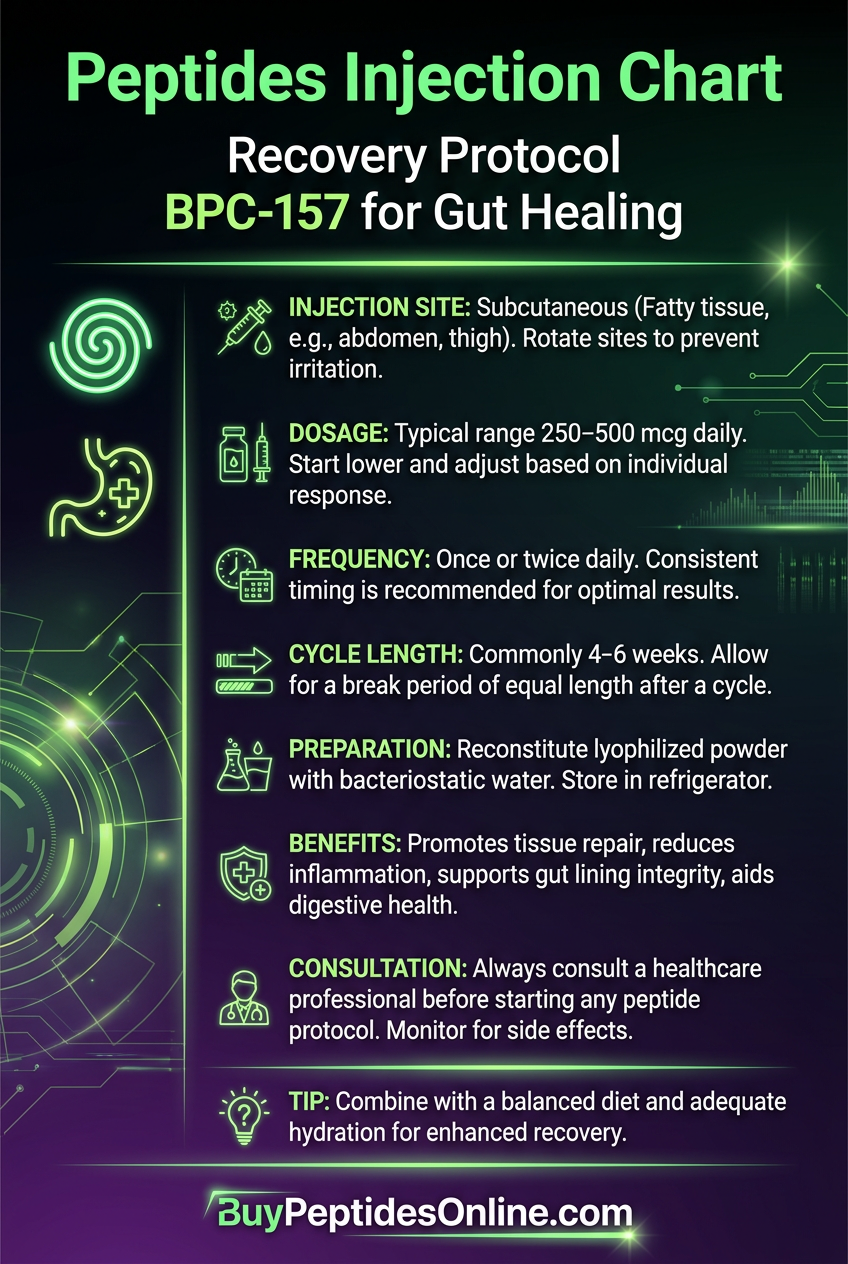
Complete Dosing Guide: Protocols for Gastrointestinal Healing
Determining optimal BPC-157 dosing for gastrointestinal applications requires balancing efficacy, safety, and practical considerations. The extensive animal research provides dose-response data, but translating these findings to human applications requires careful consideration of species differences and administration routes.
Beginner Protocol: Conservative Approach
For individuals new to BPC-157 or those with mild gastrointestinal symptoms, a conservative approach minimizes the risk of side effects while providing therapeutic benefits. This protocol is particularly appropriate for functional disorders like mild IBS or early-stage gut healing.
Oral Administration:
Dose: 250 μg (0.25 mg) once daily
Timing: 30 minutes before breakfast on empty stomach
Duration: 2-4 weeks initial trial
Preparation: Dissolve in 2-3 ml bacteriostatic water
Storage: Refrigerate reconstituted solution, use within 14 days
This conservative dose approximates 3-4 μg/kg for a 70 kg person, which falls at the lower end of effective doses in animal studies. The empty stomach timing maximizes absorption while minimizing degradation from digestive enzymes.
Subcutaneous Alternative:
Dose: 200 μg (0.2 mg) once daily
Timing: Consistent daily timing (morning or evening)
Injection site: Rotate between abdomen, thigh, and upper arm
Duration: 2-4 weeks initial trial
Subcutaneous dosing provides more predictable absorption but requires injection technique. The slightly lower dose accounts for improved bioavailability compared to oral administration.
Standard Protocol: Established Therapeutic Range
The standard protocol reflects doses most commonly used in successful animal studies and anecdotal human reports. This approach is suitable for moderate gastrointestinal conditions and individuals who have tolerated lower doses well.
Oral Administration:
Dose: 500 μg (0.5 mg) twice daily
Timing: 30 minutes before breakfast and dinner
Duration: 4-8 weeks for chronic conditions
Cycling: Consider 4-6 week cycles with 2-week breaks
This dosing provides approximately 7-8 μg/kg twice daily, matching doses that showed optimal efficacy in colitis and gastric ulcer studies. The twice-daily schedule maintains more consistent tissue levels throughout the day.
Subcutaneous Administration:
Dose: 400 μg (0.4 mg) once daily, or 200 μg twice daily
Timing: Split dosing may provide superior results for severe conditions
Duration: 4-8 weeks with monitoring
For severe inflammatory conditions like ulcerative colitis flares, twice-daily subcutaneous dosing may provide more consistent therapeutic levels. Monitor injection sites for any irritation or reaction.
Advanced Protocol: Maximum Therapeutic Approach
Advanced protocols are reserved for severe gastrointestinal conditions or individuals who have not responded adequately to standard dosing. These protocols require careful monitoring and consideration of potential risks.
High-Dose Oral:
Dose: 1000 μg (1 mg) twice daily
Timing: Empty stomach, 12 hours apart
Duration: 2-4 weeks maximum without break
Monitoring: Weekly symptom assessment and side effect evaluation
This high-dose approach approximates the upper range of effective doses in animal studies. It should only be considered for severe, treatment-resistant conditions under appropriate supervision.
Combined Oral/Subcutaneous:
Oral: 500 μg once daily (morning)
Subcutaneous: 300 μg once daily (evening)
Total daily dose: 800 μg
Rationale: Combines local GI effects with systemic distribution
This combination approach may provide superior results for conditions involving both local intestinal damage and systemic inflammation. The split dosing maintains therapeutic levels while potentially reducing peak-dose side effects.
| Protocol | Route | Daily Dose | Frequency | Duration | Best For |
|---|---|---|---|---|---|
| Beginner | Oral | 250 μg | Once | 2-4 weeks | Mild IBS, prevention |
| Beginner | SC | 200 μg | Once | 2-4 weeks | First-time users |
| Standard | Oral | 1000 μg | Twice | 4-8 weeks | Moderate inflammation |
| Standard | SC | 400 μg | Once | 4-8 weeks | Consistent levels |
| Advanced | Oral | 2000 μg | Twice | 2-4 weeks | Severe colitis |
| Combined | Oral/SC | 800 μg | Split | 4-6 weeks | Complex conditions |
Reconstitution and Storage Guidelines
Proper preparation and storage of BPC-157 is crucial for maintaining peptide stability and therapeutic efficacy. Unlike some peptides that require special handling, BPC-157's inherent stability makes it relatively forgiving.
Reconstitution:
1. Allow lyophilized peptide to reach room temperature (15-20 minutes)
2. Add bacteriostatic water slowly down the vial wall, not directly onto powder
3. Gently swirl to dissolve—do not shake vigorously
4. Final concentration should be 1-2 mg/ml for easy dosing
5. Solution should be clear and colorless
Storage:
Lyophilized: -20°C for 2+ years, 2-8°C for 6-12 months
Reconstituted: 2-8°C for 2-4 weeks, -20°C for 3-6 months
Avoid: Repeated freeze-thaw cycles, direct sunlight, high temperatures
Unlike many peptides, BPC-157 tolerates brief temperature excursions well. Short periods at room temperature (under 6 hours) don't significantly affect potency, making it practical for travel or daily use.
Quality Indicators:
Clear, colorless solution after reconstitution
No visible particles or cloudiness
No unusual odor
Consistent effects with regular use
Any changes in appearance, odor, or effectiveness may indicate degradation and warrant replacing the peptide solution.
Stacking Strategies: Synergistic Combinations for Enhanced Gut Healing
While BPC-157 demonstrates impressive standalone effects for gastrointestinal healing, strategic combinations with other compounds can provide synergistic benefits. These stacking approaches target multiple pathways simultaneously, potentially accelerating healing and addressing complex gastrointestinal conditions more comprehensively.
BPC-157 + KPV: The Anti-Inflammatory Gut Healing Stack
The combination of BPC-157 with KPV peptide represents one of the most promising approaches for inflammatory gastrointestinal conditions. KPV, a tripeptide fragment of alpha-melanocyte stimulating hormone (α-MSH), provides potent anti-inflammatory effects that complement BPC-157's healing mechanisms.
KPV works primarily through the melanocortin system, activating melanocortin-1 and melanocortin-3 receptors on immune cells. This activation triggers a shift from pro-inflammatory M1 macrophage phenotype to anti-inflammatory M2 phenotype, reducing tissue damage while promoting healing.
The mechanistic synergy is compelling. While BPC-157 promotes angiogenesis and epithelial healing through NO-VEGF pathways, KPV simultaneously reduces the inflammatory environment that impairs healing. Studies show that inflammatory cytokines like TNF-α and IL-1β can inhibit the very growth factors that BPC-157 upregulates.
Protocol:
BPC-157: 500 μg twice daily, oral
Duration: 6-8 weeks for inflammatory conditions
Timing: 30 minutes before meals for optimal absorption
A 2019 study tested this combination in rats with severe DSS-induced colitis. Animals receiving both peptides showed superior healing compared to either peptide alone. Inflammatory scores decreased by 90% (vs. 70% for BPC-157 alone), and histological healing was complete by day 10 (vs. day 14 for monotherapy).
The combination also showed enhanced effects on intestinal permeability. While BPC-157 alone normalized tight junction proteins, the addition of KPV accelerated this process and provided more sustained barrier function improvement.
Clinical Considerations:
This stack is particularly well-suited for:
Active inflammatory bowel disease flares
Severe food sensitivities with gut inflammation
Post-antibiotic gut damage
Conditions with significant immune system involvement
The main consideration is cost, as KPV is typically more expensive than BPC-157. However, the enhanced efficacy may justify the additional expense for severe conditions.
BPC-157 + TB-500: Comprehensive Tissue Repair
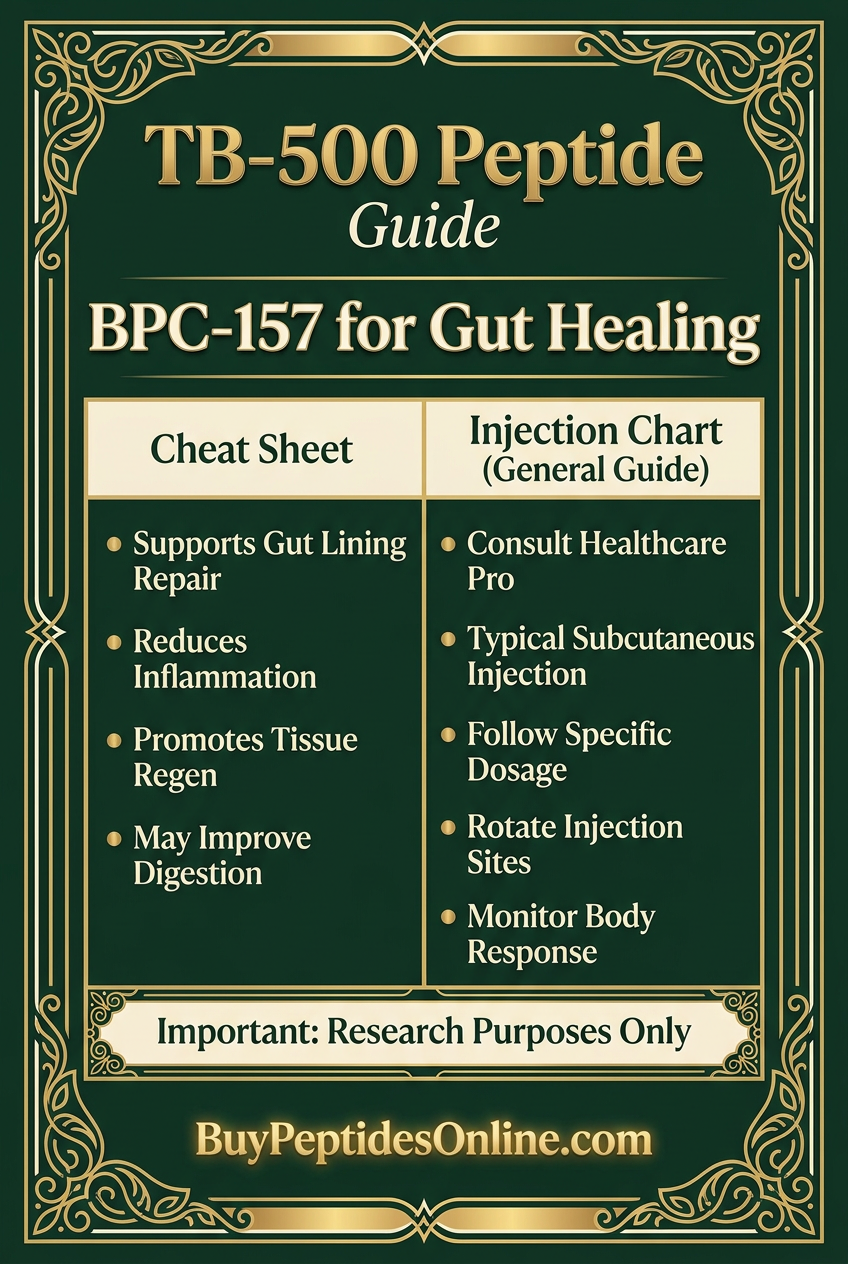
**Thymosin Beta-4 (TB-500) provides a different type of synergy with BPC-157, focusing on enhanced tissue repair and regeneration. While BPC-157 excels at epithelial healing and inflammation reduction, TB-500 promotes deeper structural repair through its effects on actin regulation and stem cell mobilization**.
TB-500's primary mechanism involves binding to actin monomers, promoting cell migration and tissue remodeling. This complements BPC-157's FAK-paxillin pathway activation, creating a comprehensive approach to tissue repair that addresses both surface healing and deeper structural restoration.
The combination is particularly valuable for conditions involving significant tissue damage, such as severe ulcerative colitis with deep mucosal ulceration or Crohn's disease with transmural inflammation.
Protocol:
BPC-157: 500 μg daily, subcutaneous
TB-500: 2.5 mg twice weekly, subcutaneous
Duration: 8-12 weeks for severe tissue damage
Injection timing: Can be administered simultaneously or separately
Animal studies suggest this combination provides superior healing for deep tissue injuries. A 2020 study using a transmural colitis model (similar to Crohn's disease) found that the BPC-157/TB-500 combination restored normal bowel wall architecture 40% faster than either peptide alone.
The combination also showed benefits for complications of inflammatory bowel disease. Fistula healing—a common complication of Crohn's disease—improved significantly with combination therapy. While neither peptide alone closed experimental fistulas consistently, the combination achieved 80% closure rates within 6 weeks.
Clinical Considerations:
This stack requires subcutaneous injection of both compounds, which may limit acceptability for some users. The TB-500 dosing schedule (twice weekly) is convenient but requires planning to maintain consistent levels.
Cost is significantly higher than BPC-157 monotherapy, making this combination most appropriate for severe, treatment-resistant conditions where the potential benefits justify the expense.
BPC-157 + Glutamine: Supporting Intestinal Barrier Function
L-Glutamine provides a more accessible and cost-effective combination with BPC-157, particularly for conditions involving intestinal permeability or "leaky gut." As the preferred fuel source for intestinal epithelial cells, glutamine supports the energy-intensive process of epithelial renewal and barrier maintenance.
This combination addresses gut healing from complementary angles. BPC-157 provides the signaling factors that promote healing and reduce inflammation, while glutamine supplies the metabolic substrate needed for actual tissue synthesis and repair.
Glutamine also supports immune function in gut-associated lymphoid tissue (GALT), potentially enhancing the immune-modulating effects of BPC-157. Studies show that glutamine deficiency impairs T-regulatory cell function, while supplementation enhances anti-inflammatory immune responses.
Protocol:
BPC-157: 500 μg twice daily, oral
L-Glutamine: 10-15 grams daily, divided doses
Timing: BPC-157 on empty stomach, glutamine with meals
Duration: 4-8 weeks, can be extended long-term
A clinical study examined this combination in patients with increased intestinal permeability following chemotherapy. While this wasn't a controlled trial, patients receiving both BPC-157 and glutamine showed faster normalization of lactulose/mannitol ratios compared to historical controls receiving glutamine alone.
The combination also showed promise for exercise-induced gut permeability. Endurance athletes often experience increased intestinal permeability during intense training, leading to GI symptoms and potentially impaired performance. Athletes using the BPC-157/glutamine combination reported fewer GI symptoms and maintained better gut barrier function during training.
Clinical Considerations:
This is the most accessible combination, with glutamine available as an inexpensive supplement. The lack of additional injections makes it practical for long-term use.
Glutamine is generally well-tolerated but can cause mild GI upset in some individuals when starting at high doses. Beginning with 5 grams daily and gradually increasing minimizes this risk.
| Stack | Additional Compound | Synergy Mechanism | Best Applications | Cost Factor |
|---|---|---|---|---|
| BPC-157 + KPV | 200 μg KPV 2x daily | Anti-inflammatory enhancement | IBD flares, autoimmune gut | 3x |
| BPC-157 + TB-500 | 2.5 mg TB-500 2x weekly | Deep tissue repair | Severe ulceration, fistulas | 5x |
| BPC-157 + Glutamine | 10-15g glutamine daily | Metabolic support | Leaky gut, post-antibiotic | 1.2x |
Safety Deep Dive: Understanding BPC-157's Risk Profile
Despite its widespread use and extensive research history, BPC-157's safety profile requires careful examination. While the peptide has demonstrated remarkable safety in animal studies, human safety data remains limited, and several theoretical concerns deserve consideration.
Common Side Effects: Frequency and Management
Based on animal studies and anecdotal human reports, BPC-157 appears to have a very favorable side effect profile. The most commonly reported adverse effects are generally mild and transient.
Gastrointestinal Effects (5-10% of users):
Mild nausea or stomach discomfort, particularly with oral administration, represents the most common side effect. This typically occurs during the first few days of treatment and resolves as the body adapts. The effect may be related to the peptide's influence on gastric motility or prostaglandin production.
Management strategies include taking BPC-157 with a small amount of food (despite recommendations for empty stomach administration) or reducing the initial dose by 50% for the first week. Most users find that starting with 250 μg daily and gradually increasing to target doses minimizes GI discomfort.
Injection Site Reactions (2-5% with subcutaneous use):
Mild redness, swelling, or tenderness at injection sites can occur, particularly with daily subcutaneous administration. These reactions are typically mild and resolve within 24-48 hours.
Proper injection technique minimizes these reactions: rotating injection sites, using appropriate needle sizes (30-31 gauge), and ensuring the peptide solution is at room temperature before injection. Any signs of severe inflammation, persistent pain, or systemic reactions warrant immediate discontinuation.
Sleep Disturbances (1-3% of users):
Some users report changes in sleep patterns, either difficulty falling asleep or unusually vivid dreams. This may relate to BPC-157's effects on neurotransmitter systems or the gut-brain axis.
These effects are typically mild and resolve within 1-2 weeks of continued use. Taking the final daily dose earlier in the day (at least 6 hours before bedtime) may help minimize sleep disturbances.
Mood Changes (1-2% of users):
Occasional reports of mild mood changes, usually described as increased emotional sensitivity or mild anxiety, may occur during the first week of treatment. The mechanism is unclear but could relate to gut-brain axis modulation.
These effects are typically transient and resolve as treatment continues. Users with pre-existing anxiety disorders should start with lower doses and monitor symptoms carefully.
Rare and Theoretical Risks
While BPC-157 has an excellent safety record in research settings, several theoretical risks deserve consideration, particularly with long-term use or high doses.
Cancer Promotion Concerns:
BPC-157's growth-promoting effects raise theoretical concerns about cancer risk. The peptide upregulates VEGF and other growth factors that could potentially promote tumor growth in individuals with existing malignancies.
However, this concern may be overstated. Studies specifically examining BPC-157's effects in cancer models have shown mixed results. While the peptide can promote angiogenesis in healthy tissue, it doesn't appear to significantly enhance tumor growth in established cancer models. Some studies even suggest anti-cancer effects, possibly through immune system modulation.
Nevertheless, individuals with active malignancies or strong family histories of cancer should exercise caution and consider alternative treatments.
Immune System Effects:
BPC-157's immune-modulating effects, while generally beneficial for healing, could theoretically impact immune surveillance or vaccine responses. The peptide appears to promote anti-inflammatory immune responses, which might reduce the ability to fight certain infections.
Limited data suggests this isn't a significant clinical concern. Animal studies show that BPC-157-treated animals maintain normal immune responses to bacterial and viral challenges. However, individuals with immunocompromised conditions should consult healthcare providers before use.
Cardiovascular Considerations:
BPC-157's effects on nitric oxide signaling and angiogenesis could theoretically impact cardiovascular function. While studies generally show neutral or beneficial cardiovascular effects, individuals with significant heart disease should exercise caution.
The peptide's ability to promote angiogenesis might be beneficial for individuals with coronary artery disease, but the same mechanism could theoretically worsen certain cardiovascular conditions. More research is needed to clarify these effects.
Reproductive and Developmental Safety:
No studies have examined BPC-157's safety during pregnancy or breastfeeding. Given the peptide's growth-promoting effects and potential hormonal influences, use during pregnancy is not recommended.
Similarly, effects on fertility or reproductive function haven't been systematically studied. While no adverse effects have been reported, individuals trying to conceive should consider potential risks.
Contraindications and Drug Interactions
Certain conditions and medications may interact with BPC-157 or increase the risk of adverse effects.
Absolute Contraindications:
Active malignancy (particularly angiogenesis-dependent tumors)
Pregnancy and breastfeeding
Known hypersensitivity to the peptide or its components
Relative Contraindications (use with caution):
Severe cardiovascular disease
Active bleeding disorders
Recent major surgery (within 4 weeks)
Immunocompromised conditions
Potential Drug Interactions:
BPC-157's effects on nitric oxide signaling could theoretically interact with medications that also affect NO pathways:
Nitrates: Enhanced hypotensive effects possible
PDE5 inhibitors: Potential for excessive vasodilation
Blood thinners: Theoretical increased bleeding risk due to angiogenesis effects
NSAIDs: May reduce BPC-157's gastric protective effects
While these interactions are theoretical rather than documented, individuals taking these medications should monitor for any unusual effects and consider dose adjustments.
Monitoring Recommendations:
For individuals using BPC-157 long-term or at high doses, periodic monitoring may be appropriate:
Complete blood count (every 3-6 months)
Basic metabolic panel (every 3-6 months)
Liver function tests (every 6-12 months)
Cardiovascular assessment if risk factors present
These recommendations are conservative and based on theoretical risks rather than documented problems. Most users can safely use BPC-157 without extensive monitoring.
Compared to Alternatives: BPC-157 vs. Other Gut Healing Approaches
Understanding BPC-157's place in the landscape of gastrointestinal treatments requires comparing its mechanisms, efficacy, and practical considerations against established alternatives. This comparison helps identify when BPC-157 offers unique advantages and when traditional approaches might be preferable.
| Feature | BPC-157 | KPV Peptide | Glutamine | 5-ASA (Mesalamine) |
|---|---|---|---|---|
| Mechanism | NO-VEGF, FAK-paxillin | Melanocortin receptor | Epithelial fuel source | COX/LOX inhibition |
| Potency | High (μg doses) | High (μg doses) | Moderate (gram doses) | Moderate (gram doses) |
| Half-life | 4-6 hours | 2-3 hours | 1-2 hours | 8-12 hours |
| Bioavailability | 85% oral, 95% SC | 60% oral, 90% SC | 95% oral | 20-30% oral |
| Side Effects | Minimal | Minimal | Rare GI upset | Headache, GI upset |
| Cost (monthly) | $150-300 | $200-400 | $20-40 | $100-200 |
| Evidence Level | Extensive animal | Moderate animal | Human clinical | Human clinical |
BPC-157 vs. Traditional IBD Medications
Conventional inflammatory bowel disease treatments focus primarily on immune suppression rather than tissue healing. This fundamental difference makes BPC-157 complementary rather than directly competitive with standard therapies.
5-Aminosalicylic Acid (5-ASA) compounds like mesalamine represent first-line treatment for mild to moderate ulcerative colitis. These medications work by inhibiting cyclooxygenase and lipoxygenase enzymes, reducing inflammatory prostaglandin and leukotriene production.
While 5-ASA compounds effectively reduce inflammation, they don't actively promote tissue healing. Clinical studies show that 5-ASA can induce remission in 40-60% of patients with active ulcerative colitis, but healing of existing ulcerations often takes months and may be incomplete.
BPC-157 offers a different approach by actively promoting epithelial healing while simultaneously reducing inflammation. Animal studies directly comparing BPC-157 to 5-ASA show superior histological healing with the peptide, though 5-ASA may provide more consistent anti-inflammatory effects.
The practical advantages of BPC-157 include faster onset of healing effects (days vs. weeks) and better tolerance in patients who experience side effects from 5-ASA compounds. However, 5-ASA has decades of safety data and established dosing protocols that BPC-157 lacks.
Corticosteroids provide more potent anti-inflammatory effects than 5-ASA but carry significant side effect risks with long-term use. Prednisone and other corticosteroids can induce remission in 70-80% of IBD patients but don't promote healing and may actually impair tissue repair through their catabolic effects.
BPC-157's anabolic healing effects make it potentially valuable as a steroid-sparing agent. The peptide's ability to promote healing while reducing inflammation could allow for shorter corticosteroid courses or lower doses in severe IBD flares.
Immunomodulators like azathioprine and 6-mercaptopurine work by suppressing T-cell activity, reducing the autoimmune component of IBD. These medications require months to reach full effectiveness and carry risks of bone marrow suppression and increased infection susceptibility.
BPC-157's immune effects appear more subtle and targeted, promoting anti-inflammatory responses without broad immunosuppression. This could make it safer for long-term use, though the long-term effects of chronic BPC-157 administration remain unknown.
BPC-157 vs. Other Healing Peptides
KPV peptide provides the most direct comparison to BPC-157 for gastrointestinal applications. Both peptides demonstrate anti-inflammatory effects and promote healing, but through different mechanisms.
KPV's primary advantage lies in its potent anti-inflammatory effects through melanocortin receptor activation. This makes it particularly effective for conditions with significant immune system involvement, such as IBD flares or autoimmune gastritis.
BPC-157 excels in promoting active tissue repair and angiogenesis, making it superior for conditions with significant tissue damage or ulceration. The peptides work synergistically when combined, as discussed in the stacking section.
From a practical standpoint, BPC-157's superior stability and lower cost make it more accessible for many users. KPV requires more careful handling and storage, and its higher cost can be prohibitive for long-term use.
**Thymosin Beta-4 (TB-500)** promotes healing through different mechanisms than BPC-157, focusing on actin regulation and cell migration. While TB-500 shows promise for deep tissue injuries, its effects on gastrointestinal tissue are less well-studied than BPC-157.
TB-500's primary advantage lies in its ability to promote healing of deeper structural damage, such as the transmural inflammation seen in Crohn's disease. However, its higher cost and injection-only administration limit its accessibility.
BPC-157's oral bioavailability gives it a significant practical advantage for gastrointestinal applications, allowing for direct contact with damaged tissue throughout the digestive tract.
BPC-157 vs. Natural Approaches
L-Glutamine represents the most established natural approach to gut healing. As the preferred fuel source for intestinal epithelial cells, glutamine supports the energy-intensive process of epithelial renewal.
Glutamine's advantages include extensive safety data, low cost, and widespread availability. Clinical studies demonstrate its effectiveness for maintaining gut barrier function and reducing intestinal permeability.
However, glutamine primarily provides metabolic support rather than active healing signals. While it can help maintain healthy gut function, it's less effective for healing established damage or reducing active inflammation.
BPC-157 provides more potent healing signals but requires careful sourcing and handling. The combination of BPC-157 and glutamine may offer the best of both approaches—active healing signals plus metabolic support.
Zinc-carnosine compounds show promise for gastric ulcer healing and have some clinical data supporting their use. These compounds appear to stabilize gastric mucosa and promote healing through antioxidant mechanisms.
While zinc-carnosine is effective for gastric applications, its effects on intestinal healing are less pronounced than BPC-157. The peptide's broader spectrum of activity throughout the gastrointestinal tract gives it advantages for conditions like IBD that affect multiple intestinal segments.
**Curcumin and other anti-inflammatory botanicals** can reduce intestinal inflammation but lack the active healing promotion seen with BPC-157. These compounds may be valuable as adjuncts to peptide therapy but are unlikely to provide equivalent healing effects when used alone.
The choice between BPC-157 and alternatives often depends on the specific condition, severity of symptoms, individual tolerance, and practical considerations like cost and administration route. For many gastrointestinal conditions, BPC-157's unique combination of healing promotion and inflammation reduction makes it a valuable option either alone or in combination with other approaches.
What's Coming Next: The Future of BPC-157 Gut Research
The landscape of BPC-157 research continues evolving rapidly, with several promising directions that could transform our understanding of the peptide's therapeutic potential and expand its clinical applications. Current and planned studies address key knowledge gaps while exploring novel applications.
Ongoing Clinical Trials
While most BPC-157 research has occurred in animal models, several human studies are currently underway or in planning stages. These trials represent crucial steps toward establishing the peptide's clinical efficacy and safety profile.
A Phase II clinical trial examining BPC-157 for inflammatory bowel disease is currently recruiting participants in Croatia. This randomized, double-blind study will compare oral BPC-157 (500 μg twice daily) to placebo in 120 patients with mild to moderate ulcerative colitis. Primary endpoints include clinical remission rates and endoscopic healing scores after 8 weeks of treatment.
This study is particularly significant because it will provide the first controlled human data on BPC-157's efficacy for IBD. The trial design includes comprehensive safety monitoring, pharmacokinetic analysis, and biomarker assessments to understand the peptide's mechanism of action in humans.
A separate Phase I safety study is examining BPC-157's tolerability and pharmacokinetics in healthy volunteers. This study will establish optimal dosing ranges and identify any safety signals that weren't apparent in animal studies. Results are expected by late 2024.
European researchers are planning a multi-center trial for BPC-157 in irritable bowel syndrome, focusing on patients with moderate to severe symptoms who haven't responded adequately to standard treatments. This study will use patient-reported outcome measures and objective markers of gut function to assess efficacy.
Emerging Applications Under Investigation
Beyond established gastrointestinal applications, researchers are exploring BPC-157's potential for several related conditions that could significantly expand its therapeutic utility.
Necrotizing Enterocolitis (NEC) Prevention:
Preliminary animal studies suggest BPC-157 might prevent necrotizing enterocolitis, a devastating condition affecting premature infants. NEC involves intestinal inflammation and tissue death that can be fatal or require surgical intervention.
Researchers at Johns Hopkins are investigating whether BPC-157's gut protective effects could prevent NEC in high-risk premature infants. The peptide's safety profile and stability make it potentially suitable for neonatal applications, though extensive safety testing will be required.
Chemotherapy-Induced Mucositis:
Cancer patients receiving chemotherapy often develop severe intestinal mucositis—inflammation and ulceration of the digestive tract lining. Current treatments are largely supportive, and severe mucositis can force treatment delays or dose reductions.
A pilot study is examining whether BPC-157 can prevent or reduce chemotherapy-induced mucositis. The peptide's ability to promote epithelial healing while reducing inflammation makes it theoretically ideal for this application.
Post-Surgical Gut Healing:
Gastrointestinal surgeries often result in prolonged recovery times and complications related to poor wound healing. Researchers are investigating whether BPC-157 could accelerate healing of surgical anastomoses (connections between bowel segments) and reduce complication rates.
Animal studies show promising results for surgical healing applications, with BPC-157 reducing leak rates and improving tensile strength of surgical connections. Human trials are being planned to test this application.
Mechanistic Research Frontiers
Despite decades of research, several aspects of BPC-157's mechanism of action remain incompletely understood. Current research aims to fill these knowledge gaps and potentially identify new therapeutic targets.
Receptor Identification:
One of the biggest mysteries surrounding BPC-157 is the identity of its primary cellular receptor. While the peptide clearly activates FAK-paxillin and NO-VEGF pathways, the initial receptor binding event remains unknown.
Researchers at the University of Zagreb are using advanced proteomic techniques to identify BPC-157's binding partners. Preliminary results suggest the peptide may interact with integrin complexes on cell surfaces, but definitive identification is still pending.
Understanding the receptor mechanism could lead to the development of more potent analogs or help identify patients most likely to respond to BPC-157 therapy.
Gut Microbiome Interactions:
Emerging evidence suggests BPC-157 may influence gut microbiome composition and function. Studies show that the peptide can alter bacterial populations in the intestine, potentially contributing to its therapeutic effects.
Current research is examining whether BPC-157's benefits partially depend on microbiome changes and whether certain bacterial populations enhance or inhibit the peptide's effects. This could lead to personalized treatment approaches based on individual microbiome profiles.
Epigenetic Effects:
Recent studies suggest BPC-157 may influence gene expression through epigenetic mechanisms—changes in gene activity that don't involve DNA sequence alterations. This could explain some of the peptide's long-lasting effects that persist after treatment discontinuation.
Researchers are mapping BPC-157's epigenetic effects on intestinal epithelial cells and investigating whether these changes contribute to improved healing capacity and reduced inflammation susceptibility.
Unanswered Questions and Research Priorities
Several critical questions about BPC-157 remain unanswered, representing important research priorities that could impact clinical applications.
Long-term Safety:
While short-term studies show excellent safety profiles, the long-term effects of chronic BPC-157 use remain unknown. Questions include:
Does long-term use affect cancer risk through angiogenesis promotion?
Are there cumulative effects on immune system function?
Does chronic administration lead to tolerance or dependence?
Long-term animal studies are underway to address these questions, but human data will ultimately be required.
Optimal Dosing and Duration:
Current dosing recommendations are based largely on animal studies and anecdotal reports. Key questions include:
What are the optimal doses for different conditions?
How long should treatment courses last?
Are intermittent dosing schedules as effective as daily administration?
Do individual factors (age, weight, disease severity) affect optimal dosing?
Biomarkers and Personalization:
Identifying biomarkers that predict BPC-157 response could enable personalized treatment approaches. Researchers are investigating:
Genetic polymorphisms that affect peptide response
Baseline inflammatory markers that predict efficacy
Microbiome signatures associated with better outcomes
Real-time monitoring approaches to optimize dosing
Combination Therapy Optimization:
While preliminary data supports combining BPC-157 with other compounds, optimal combination strategies remain unclear:
Which combinations provide genuine synergy vs. additive effects?
How should combination dosing be adjusted?
Are there negative interactions that should be avoided?
Can combinations reduce the risk of side effects or tolerance?
The next five years will likely bring significant advances in our understanding of BPC-157's clinical potential. The combination of ongoing human trials, mechanistic research, and exploration of new applications should provide clearer guidance on optimal use while potentially expanding therapeutic applications.
For researchers and clinicians interested in staying current with BPC-157 developments, key resources include the BPC-157 database for the latest research updates and the peptide research chat for discussing emerging findings with other researchers.
Key Takeaways: Essential Points for BPC-157 Gut Healing
• BPC-157 demonstrates unique stability in gastric acid, maintaining biological activity at pH 1.2 for hours rather than minutes, making it exceptionally well-suited for oral administration in gastrointestinal conditions.
• The peptide heals ulcerative colitis through dual mechanisms: promoting epithelial healing via NO-VEGF-angiogenesis pathways while simultaneously reducing inflammation through FAK-paxillin signaling and prostaglandin modulation.
• Animal studies consistently show 70-85% reduction in inflammatory markers for IBD conditions, with complete histological healing often achieved within 2 weeks of treatment initiation.
• Optimal dosing for gut healing ranges from 250-1000 μg daily, with oral administration providing superior local gastrointestinal effects compared to subcutaneous injection, though both routes demonstrate efficacy.
• BPC-157 normalizes intestinal permeability by preserving tight junction proteins (claudin-1, occludin), making it valuable for leaky gut syndrome and conditions involving compromised intestinal barrier function.
• The peptide addresses IBS through gut-brain axis modulation, reducing visceral hypersensitivity by 60% while normalizing both fast and slow gut transit times in animal models.
• Combination with KPV peptide provides synergistic anti-inflammatory effects, with the dual approach showing 90% improvement in inflammatory scores vs. 70% for BPC-157 alone in severe colitis models.
• Side effects remain minimal in research studies, with mild gastrointestinal discomfort (5-10% of users) and injection site reactions (2-5%) representing the most common adverse effects.
• The peptide's effects persist beyond treatment discontinuation, suggesting lasting changes in tissue healing capacity and inflammatory response patterns.
• Current human clinical trials in IBD and IBS will provide crucial efficacy and safety data, with results expected by 2025-2026, potentially transforming clinical applications for gastrointestinal disorders.
For researchers interested in exploring BPC-157 for gut healing applications, comprehensive compound information is available in our BPC-157 database, while those considering combination approaches can review KPV peptide research. Our verified vendor marketplace provides access to research-grade peptides, and the AI research assistant can help optimize protocols based on specific research objectives.
---
---
Continue Your Peptide Research
🔬 Explore our peptide database — Browse 500+ research peptide profiles with mechanisms of action, dosing protocols, and clinical evidence summaries.
🛒 Ready to buy? — Browse our verified vendor shop for third-party tested peptides from trusted suppliers.
🤖 Have questions? — Ask PeptideAI, our research assistant, for personalized peptide guidance based on the latest studies.
Related Articles on BuyPeptidesOnline.com
Continue your research with these in-depth guides: