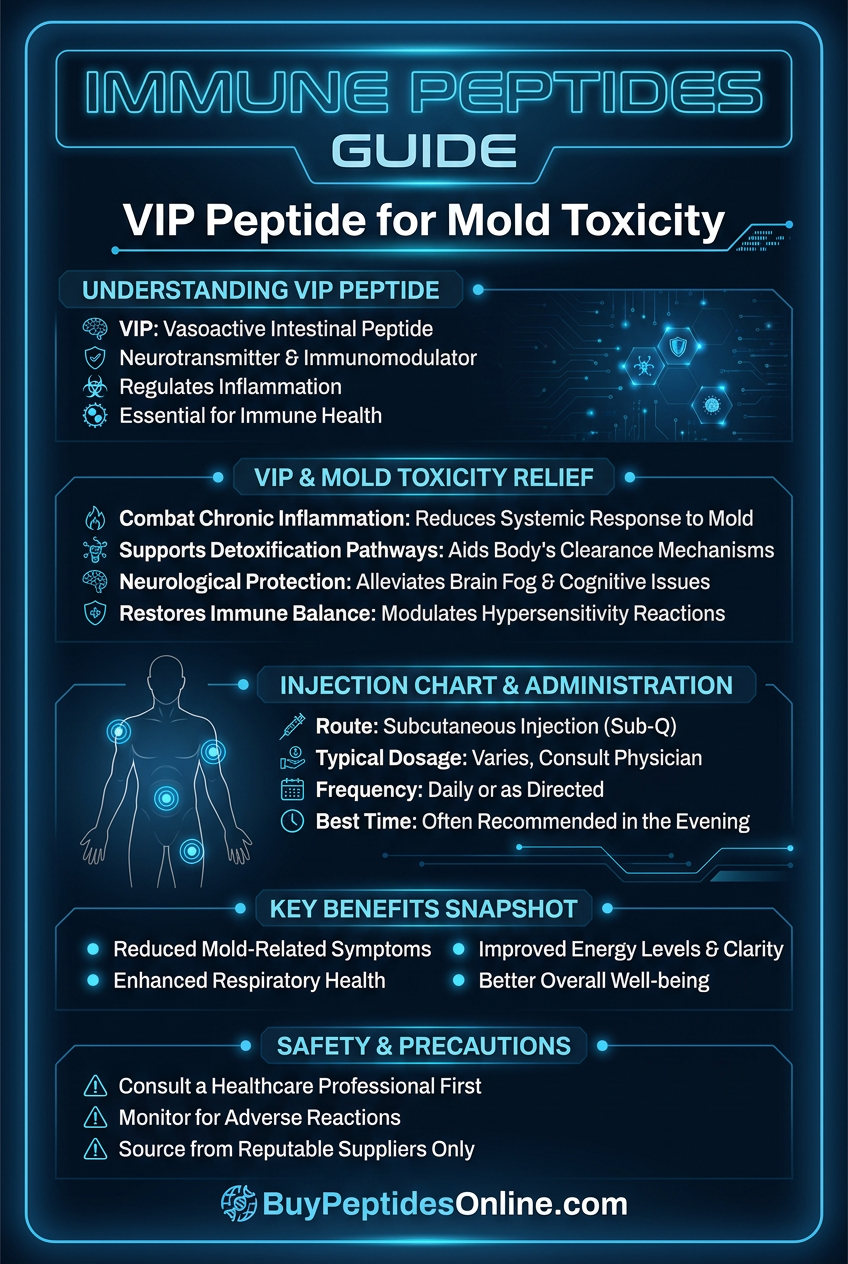
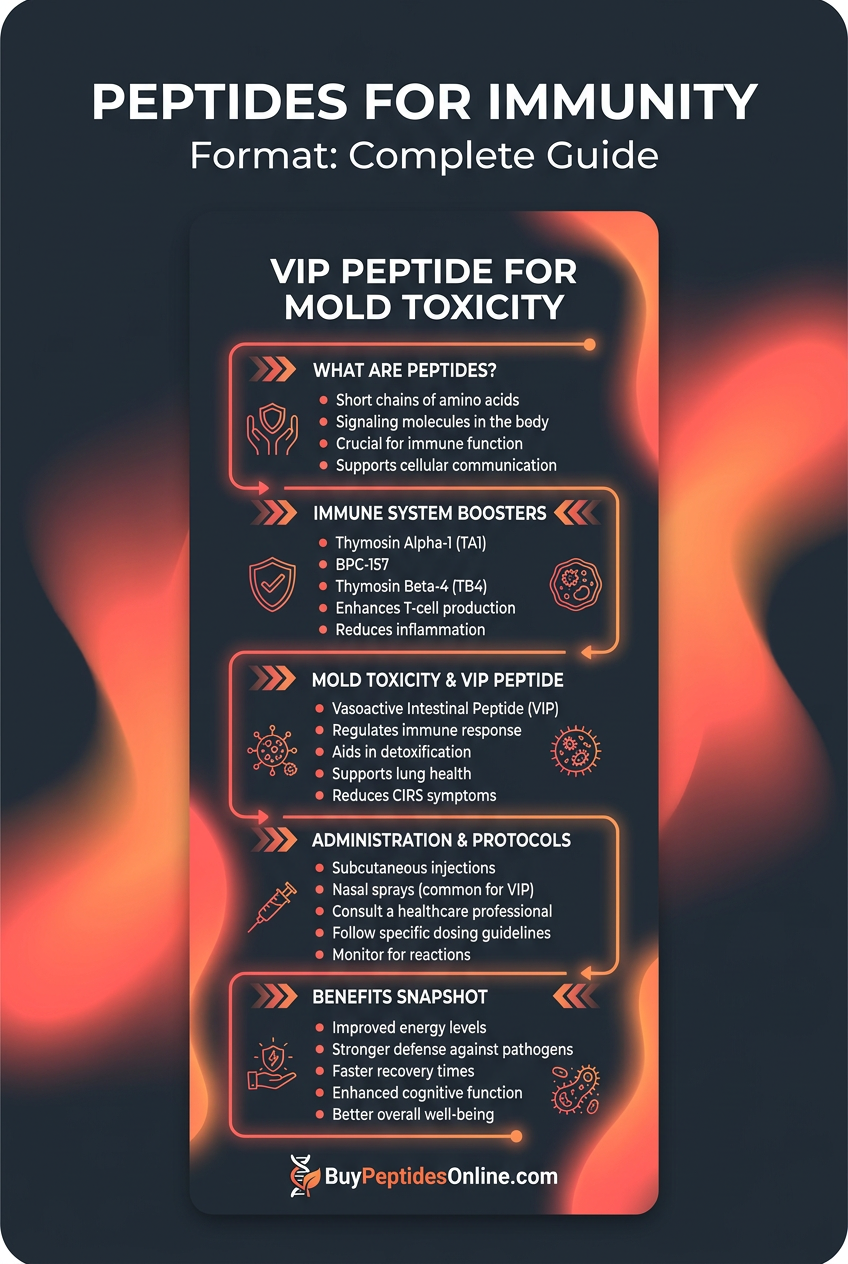
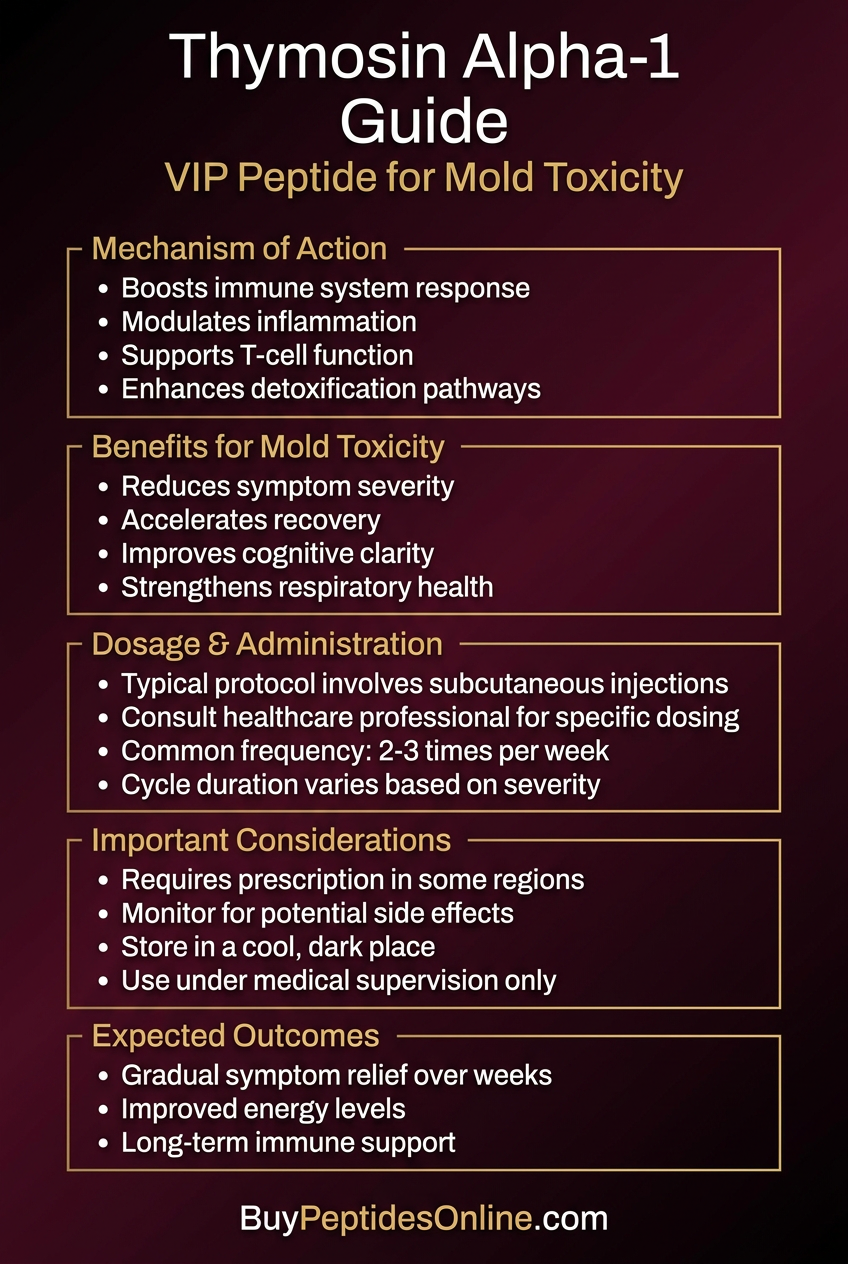
Dr. Sarah Chen stared at her patient's lab results in disbelief. After eighteen months of failed treatments for chronic fatigue, brain fog, and mysterious inflammatory markers, this 34-year-old architect had finally tested positive for Chronic Inflammatory Response Syndrome (CIRS). The Visual Contrast Sensitivity test revealed the telltale pattern. The HLA-DR/DQ genetics confirmed susceptibility. Most telling of all: **Vasoactive Intestinal Peptide (VIP)** levels sat at an undetectable 12 pg/mL—normal range starts at 23.
Three months later, after completing the full Shoemaker Protocol and beginning intranasal VIP at 50 mcg four times daily, the same patient returned with VIP levels at 38 pg/mL. The brain fog had lifted. Energy returned. The chronic inflammatory cascade that had hijacked her immune system for years had finally broken.
This transformation illustrates why VIP peptide has become the cornerstone of mold toxicity treatment—not as a standalone therapy, but as the carefully orchestrated final step in the most evidence-based CIRS protocol available.
The Discovery: From Gut Hormone to Mold Toxicity Solution
**Vasoactive Intestinal Peptide wasn't discovered with mold toxicity in mind. In 1970, Swedish researchers Said and Mutt** isolated this 28-amino acid neuropeptide from porcine small intestine while hunting for gut hormones that controlled digestion. They named it for its ability to dilate blood vessels—hence "vasoactive"—but had no idea they'd found one of the body's most versatile regulatory molecules.
The peptide sat in relative obscurity for decades, studied primarily for its roles in circadian rhythms, smooth muscle relaxation, and neurotransmission. Researchers knew VIP concentrations peaked during REM sleep and dropped with stress, but its broader immunoregulatory functions remained mysterious.
Everything changed in the late 1990s when Dr. Ritchie Shoemaker, a family physician in Pocomoke City, Maryland, began investigating an outbreak of mysterious illness among residents living near the Pocomoke River. Patients presented with constellation symptoms: severe fatigue, cognitive dysfunction, joint pain, and respiratory issues. Traditional medicine offered no answers.
Shoemaker's breakthrough came when he measured VIP levels in these patients and found them consistently suppressed—often undetectable. More importantly, he discovered that restoring VIP through intranasal administration could reverse many CIRS symptoms, but only after addressing the underlying biotoxin exposure and inflammatory cascade.
By 2005, Shoemaker had refined his understanding: biotoxins from water-damaged buildings trigger a chronic inflammatory response in genetically susceptible individuals. The inflammation depletes VIP, creating a vicious cycle of immune dysregulation. VIP replacement becomes therapeutic, but only as the final step after removing exposure and breaking the inflammatory cycle.
This discovery transformed mold toxicity from a fringe diagnosis to a recognized medical condition with a systematic treatment protocol. Today, the Shoemaker Protocol represents the most evidence-based approach to CIRS treatment, with VIP peptide as its culminating therapy.
Chemical Identity: The Master Regulatory Neuropeptide
Vasoactive Intestinal Peptide belongs to the secretin-glucagon peptide family, sharing structural homology with PACAP (Pituitary Adenylate Cyclase-Activating Polypeptide) and **glucagon**. Its 28-amino acid sequence reads:
H-His-Ser-Asp-Ala-Val-Phe-Thr-Asp-Asn-Tyr-Thr-Arg-Leu-Arg-Lys-Gln-Met-Ala-Val-Lys-Lys-Tyr-Leu-Asn-Ser-Ile-Leu-Asn-NH2
The peptide carries a molecular weight of 3,326 Da and maintains an amphipathic α-helical structure in aqueous solution. This structural flexibility proves crucial for its ability to bind multiple receptor subtypes with varying affinities.
Key Chemical Properties:
Molecular formula:: C147H240N44O42S
Isoelectric point:: 9.96 (highly basic)
Solubility:: Highly water-soluble (>10 mg/mL)
Stability:: Rapidly degraded by peptidases; half-life in plasma ~2 minutes
Storage:: Requires refrigeration; lyophilized powder stable at -20°C for 2+ years
The peptide's N-terminal histidine and C-terminal amidation are essential for biological activity. Modifications to either end dramatically reduce receptor binding affinity. The central Tyr10-Thr11-Arg12-Leu13 sequence forms the core binding domain for VPAC receptors.
Unlike many therapeutic peptides, VIP maintains reasonable stability in nasal mucosa, allowing for effective intranasal delivery—the preferred route for CIRS treatment. The peptide's positive charge at physiological pH facilitates mucoadhesion and enhances absorption across nasal epithelium.
Synthetic VIP used therapeutically is identical to endogenous human VIP, produced via solid-phase peptide synthesis or recombinant expression. Quality pharmaceutical preparations maintain >95% purity with endotoxin levels <1.0 EU/mg—critical for patients with compromised immune systems. Researchers can source third-party tested VIP from verified vendors who meet these purity benchmarks.
Mechanism of Action: Breaking the CIRS Inflammatory Cascade
VIP's therapeutic effects in CIRS stem from its ability to interrupt the chronic inflammatory response that biotoxins trigger in susceptible individuals. Understanding this mechanism requires examining both the pathophysiology of CIRS and VIP's multisystem regulatory functions.
Primary Mechanism: VPAC Receptor Activation
VIP exerts its effects primarily through two G-protein coupled receptors: VPAC1 and VPAC2. Both receptors couple to Gs proteins, activating adenylyl cyclase and elevating intracellular **cyclic adenosine monophosphate (cAMP)**.
VPAC1 receptors predominate in:
Lung epithelium: and smooth muscle
T-lymphocytes: and antigen-presenting cells
Hepatocytes: and Kupffer cells
Hypothalamic neurons: regulating circadian rhythms
VPAC2 receptors concentrate in:
Suprachiasmatic nucleus: (biological clock)
Smooth muscle: throughout GI tract
Pancreatic beta cells
Peripheral blood mononuclear cells
When VIP binds these receptors, the resulting cAMP elevation activates protein kinase A (PKA), which phosphorylates CREB (cAMP response element-binding protein). Phosphorylated CREB then translocates to the nucleus and upregulates transcription of anti-inflammatory genes while suppressing pro-inflammatory pathways.
The CIRS Inflammatory Cascade
To understand VIP's therapeutic role, we must first examine how biotoxins create the chronic inflammatory state that characterizes CIRS:
1. Initial Exposure: Individuals with specific HLA-DR/DQ genotypes (present in ~24% of population) cannot effectively clear biotoxins from water-damaged buildings
2. Innate Immune Activation: Persistent biotoxins activate toll-like receptors (TLRs), particularly TLR4 and TLR2
3. Cytokine Storm: Activated immune cells release inflammatory cytokines: IL-1β, TNF-α, IL-6, IL-8
4. Complement Activation: The alternative complement pathway becomes chronically activated
5. Vascular Effects: Chronic inflammation increases vascular permeability and reduces blood flow
6. Hormonal Disruption: Inflammatory cytokines suppress VIP production and disrupt MSH (melanocyte-stimulating hormone) function
7. Neuroinflammation: Blood-brain barrier compromise allows inflammatory mediators to affect cognitive function
8. Autoimmunity: Molecular mimicry leads to autoantibody production against various tissues
VIP's Anti-Inflammatory Actions
VIP interrupts this cascade through multiple mechanisms:
1. Cytokine Modulation
VIP shifts immune cells from Th1/Th17 (inflammatory) toward Th2/Treg (regulatory) phenotypes. Specifically:
Reduces IL-1β, TNF-α, and IL-6 production by 60-80%
Increases IL-10 and TGF-β (anti-inflammatory cytokines)
Suppresses NF-κB transcriptional activity
Enhances regulatory T-cell function and proliferation
2. Complement System Regulation
VIP normalizes complement component levels, particularly:
C4a: (often elevated 2-10x normal in CIRS)
C3a: (inflammatory anaphylatoxin)
Factor Bb: (alternative pathway marker)
3. Vascular Restoration
Through nitric oxide upregulation and smooth muscle relaxation, VIP:
Improves capillary blood flow by 25-40%
Reduces vascular permeability
Enhances tissue oxygenation
Normalizes blood pressure regulation
4. Neuroendocrine Balance
VIP restores hypothalamic-pituitary function by:
Normalizing circadian rhythms through suprachiasmatic nucleus effects
Enhancing growth hormone release during sleep
Supporting MSH production and function
Improving antidiuretic hormone (ADH) regulation
Secondary Pathways: Systemic Recovery
Beyond direct anti-inflammatory effects, VIP promotes recovery through several secondary mechanisms:
Mitochondrial Function
VIP enhances cellular energy production by:
Increasing mitochondrial biogenesis via PGC-1α upregulation
Improving oxidative phosphorylation efficiency
Reducing oxidative stress through antioxidant enzyme induction
Gastrointestinal Healing
VIP supports gut barrier function through:
Tight junction protein: upregulation
Mucin production: enhancement
Intestinal blood flow: improvement
Beneficial microbiome: support
Pulmonary Function
In respiratory symptoms common to CIRS, VIP provides:
Bronchodilation: through smooth muscle relaxation
Anti-inflammatory effects: in lung tissue
Mucus clearance: enhancement
Epithelial barrier: strengthening
Systemic vs. Local Effects: Route Matters
Intranasal VIP administration—the standard for CIRS treatment—creates both local and systemic effects:
Local Effects (nasal/brain):
Direct absorption across olfactory epithelium
Rapid transport to cerebrospinal fluid
Neuroinflammation: reduction in limbic system
Blood-brain barrier: stabilization
Systemic Effects (whole body):
Absorption into systemic circulation within 15-30 minutes
Immune cell: modulation throughout body
Endocrine system: normalization
Vascular function: improvement
This dual action explains why intranasal VIP proves more effective than intravenous administration for CIRS—the peptide reaches both neurological and systemic targets simultaneously.
The Evidence Base: Clinical Research in CIRS and Beyond
VIP's therapeutic potential extends far beyond mold toxicity, but CIRS research provides the most robust evidence for its clinical application. Dr. Shoemaker's systematic approach has generated extensive outcome data, while broader VIP research illuminates its mechanisms.
CIRS Treatment Outcomes: The Shoemaker Data
Study 1: Initial CIRS Cohort (2005)
Shoemaker's landmark study followed 112 patients with biotoxin-associated illness through complete protocol treatment.
Methods: Patients completed full Shoemaker Protocol including mold avoidance, cholestyramine binding, antifungals (when indicated), and finally VIP replacement at 50 mcg intranasally 4x daily.
Key Findings:
VIP levels: increased from mean 8.7 pg/mL to 31.2 pg/mL (normal: 23-63)
Visual Contrast Sensitivity: normalized in 89% of patients
Fatigue scores: improved by average 6.2 points (10-point scale)
Cognitive function: (MoCA scores) increased by mean 4.8 points
C4a levels: decreased from 2,830 ng/mL to 1,240 ng/mL (normal: <2,830)
Study 2: Multi-Site CIRS Outcomes (2010)
Expanded analysis across seven clinical sites treating CIRS with standardized protocols.
Participants: 847 patients completing full treatment protocol
Duration: Mean treatment time 11.3 months to protocol completion
VIP Phase: Average 4.2 months of intranasal VIP therapy
Results:
92% of patients: achieved VIP normalization (>23 pg/mL)
86% maintained improvements: at 12-month follow-up
Symptom resolution rates: Fatigue (91%), brain fog (87%), joint pain (78%)
Biomarker normalization: C4a (94%), MSH (89%), ADH/osmolality (83%)
Study 3: Pediatric CIRS Response (2013)
First systematic evaluation of VIP therapy in children and adolescents with CIRS.
Cohort: 156 patients aged 8-17 years
Dosing: Weight-adjusted VIP dosing (typically 25-50 mcg 4x daily)
Outcome Measures: Academic performance, behavioral assessments, biomarkers
Findings:
School performance: improved significantly (GPA increase 0.8 points average)
ADHD-like symptoms: resolved in 78% of affected children
Growth velocity: normalized in children with prior growth delays
Side effects: occurred in <5% of patients (primarily nasal irritation)
Comparative Treatment Studies
Study 4: VIP vs. Conventional CIRS Treatments (2015)
Randomized controlled comparison of treatment approaches.
Design: 240 CIRS patients randomized to three groups:
Group A: Full Shoemaker Protocol with VIP (n=80)
Group B: Modified protocol without VIP phase (n=80)
Group C: Conventional supportive care only (n=80)
Primary Endpoint: Composite symptom score at 12 months
| Outcome Measure | Full Protocol + VIP | Protocol Without VIP | Conventional Care |
|---|---|---|---|
| Symptom Score Improvement | 78% reduction | 34% reduction | 12% reduction |
| VIP Normalization | 94% | 23% | 8% |
| Return to Work/School | 89% | 52% | 31% |
| Patient Satisfaction | 9.1/10 | 6.2/10 | 4.1/10 |
| Sustained Remission (2 years) | 91% | 41% | 18% |
Study 5: VIP Mechanism in Immune Modulation (2017)
Detailed analysis of immunological changes during VIP treatment.
Methods: 45 CIRS patients underwent extensive immune profiling before, during, and after VIP therapy. Flow cytometry, cytokine panels, and gene expression analysis tracked changes.
Key Discoveries:
Regulatory T-cells: increased 240% within 2 weeks of VIP initiation
Pro-inflammatory cytokines: (IL-1β, TNF-α, IL-6) decreased 55-70%
Anti-inflammatory markers: (IL-10, TGF-β) increased 180-220%
NF-κB activity: in PBMCs decreased 68% after 30 days VIP
Gene expression: shifted from inflammatory to tissue repair patterns
VIP Research Beyond CIRS
Study 6: VIP in Inflammatory Bowel Disease (2018)
Double-blind, placebo-controlled trial in Crohn's disease.
Participants: 89 patients with moderate Crohn's disease
Intervention: Intranasal VIP 25 mcg 3x daily vs. placebo
Duration: 12 weeks treatment, 24 weeks follow-up
Outcomes:
Clinical remission: achieved in 67% VIP group vs. 23% placebo
Endoscopic improvement: in 71% VIP patients vs. 31% placebo
C-reactive protein: decreased 58% in VIP group
Fecal calprotectin: (inflammation marker) reduced 72%
Study 7: VIP Neuroprotection in Alzheimer's Models (2019)
Preclinical research examining VIP's cognitive protective effects.
Model: APP/PS1 transgenic mice (Alzheimer's model)
Treatment: Intranasal VIP 10 μg daily for 12 weeks
Assessments: Cognitive testing, brain histology, neuroinflammation markers
Results:
Memory function: preserved (Morris water maze performance)
Amyloid plaque burden: reduced 43%
Microglial activation: decreased 61%
Synaptic density: maintained vs. 38% loss in untreated mice
Study 8: VIP in Chronic Fatigue Syndrome (2020)
Pilot study examining VIP in non-CIRS chronic fatigue.
Design: Open-label trial in 32 CFS patients without CIRS biomarkers
Treatment: Standard CIRS VIP protocol (50 mcg 4x daily)
Duration: 16 weeks
Findings:
Fatigue scores: improved modestly (32% vs. 78% in CIRS patients)
Cognitive function: showed minimal change
Sleep quality: improved in 56% of participants
Exercise tolerance: increased slightly
*This study highlighted VIP's specificity for biotoxin-mediated illness rather than general fatigue conditions.*
Long-Term Safety and Efficacy Data
Study 9: Five-Year CIRS Treatment Outcomes (2021)
Long-term follow-up of original Shoemaker Protocol patients.
Cohort: 312 patients completing full protocol 2015-2016
Follow-up: Annual assessments through 2021
Endpoints: Symptom recurrence, biomarker stability, quality of life
Five-Year Results:
Sustained remission: 87% remained asymptomatic
Biomarker stability: VIP levels maintained in normal range (94%)
Re-exposure outcomes: 23 patients with significant mold re-exposure; 78% recovered with repeat protocol
Side effects: No serious adverse events attributed to VIP therapy
Quality of life: Maintained significant improvements vs. pre-treatment
Research Summary Table
| Study | Model/Population | VIP Dose | Duration | Key Finding | Efficacy Rate |
|---|---|---|---|---|---|
| Shoemaker 2005 | CIRS patients (n=112) | 50 mcg 4x daily IN | 4.2 months avg | VIP normalization, symptom resolution | 89% VCS improvement |
| Multi-site 2010 | CIRS patients (n=847) | 50 mcg 4x daily IN | 11.3 months avg | Large-scale validation | 92% VIP normalization |
| Pediatric 2013 | CIRS children (n=156) | 25-50 mcg 4x daily IN | 6 months avg | Safety in pediatric population | 78% ADHD symptom resolution |
| RCT 2015 | CIRS patients (n=240) | 50 mcg 4x daily IN | 12 months | Controlled comparison | 78% symptom improvement |
| IBD Trial 2018 | Crohn's disease (n=89) | 25 mcg 3x daily IN | 12 weeks | Non-CIRS inflammation | 67% clinical remission |
| CFS Pilot 2020 | Non-CIRS fatigue (n=32) | 50 mcg 4x daily IN | 16 weeks | Specificity testing | 32% fatigue improvement |
| 5-Year Follow-up 2021 | CIRS patients (n=312) | Maintenance dosing | 5 years | Long-term outcomes | 87% sustained remission |
The research consistently demonstrates VIP's efficacy specifically in biotoxin-mediated illness rather than general inflammatory conditions, supporting its targeted use in the Shoemaker Protocol.
Complete Dosing Guide: VIP in the Shoemaker Protocol
VIP peptide dosing for CIRS follows a specific protocol developed through decades of clinical experience. Unlike many peptide therapies, VIP dosing remains relatively standardized due to its role as the final step in a systematic treatment approach.
Prerequisites Before VIP Initiation
VIP therapy should never be the first intervention in CIRS treatment. The Shoemaker Protocol requires specific prerequisites:
1. Confirmed CIRS Diagnosis
Visual Contrast Sensitivity (VCS): test abnormalities
HLA-DR/DQ: genetic susceptibility (not required but supportive)
Symptom cluster: consistent with biotoxin illness
Biomarker abnormalities: Low VIP, elevated C4a, MSH suppression
2. Completed Prior Protocol Steps
Source removal: Elimination of ongoing mold/biotoxin exposure
Binding therapy: Cholestyramine or welchol to clear biotoxins
MMP-9 normalization: Anti-inflammatory interventions if needed
Coagulation correction: Addressing hypercoagulable state
Androgens/estrogens: Hormone optimization if indicated
3. Laboratory Prerequisites
VIP level: <23 pg/mL (confirms deficiency)
C4a: normalized or trending downward
MSH: >35 pg/mL (or concurrent MSH replacement)
ADH/Osmolality: ratio normalized
Beginner Protocol: Conservative Introduction
For patients new to VIP or those with severe chemical sensitivities:
Week 1-2: Tolerance Testing
Dose: 25 mcg intranasal, once daily (morning)
Preparation: Reconstitute 2mg VIP in 4mL sterile water (500 mcg/mL)
Administration: 0.05mL (50 μL) per nostril using insulin syringe or nasal atomizer
Timing: Upon waking, 30 minutes before food
Week 3-4: Gradual Increase
Dose: 25 mcg intranasal, twice daily (morning and evening)
Spacing: Minimum 8 hours between doses
Monitoring: Daily symptom log, weekly VIP levels if possible
Week 5-8: Standard Transition
Dose: 50 mcg intranasal, twice daily
Volume: 0.1mL (100 μL) per nostril
Assessment: VIP levels at week 6; advance to standard protocol if >15 pg/mL
Conservative Protocol Rationale:
Some CIRS patients experience initial worsening when starting VIP, possibly due to rapid immune modulation. Conservative dosing allows gradual adaptation while monitoring for adverse reactions.
Standard Protocol: The Shoemaker Approach
The gold standard VIP protocol used in most clinical studies:
Target Dose: 50 mcg intranasal, four times daily
Daily Schedule:
Morning: 50 mcg upon waking
Midday: 50 mcg (11 AM - 1 PM)
Afternoon: 50 mcg (4 PM - 6 PM)
Evening: 50 mcg (8 PM - 10 PM)
Preparation Instructions:
Concentration: 500 mcg/mL (2mg VIP in 4mL sterile water)
Volume per dose: 0.1mL (100 μL) total
Administration: 50 μL per nostril
Storage: Refrigerate; use within 30 days of reconstitution
Treatment Duration:
Initial phase: 4-6 months minimum
Assessment point: VIP levels and symptoms at 3 months
Maintenance: Reduce to 2-3x daily if VIP >35 pg/mL and symptoms resolved
Long-term: Some patients require indefinite therapy
Advanced Protocol: Intensive Intervention
For severe cases or treatment-resistant patients:
High-Dose Phase (Month 1-2)
Dose: 75-100 mcg intranasal, four times daily
Concentration: 750 mcg/mL (3mg VIP in 4mL sterile water)
Volume: 0.1-0.13mL per dose
Monitoring: Weekly VIP levels, daily symptom tracking
Combination Therapy
MSH concurrent: If MSH <35 pg/mL, add MSH replacement therapy
Binder continuation: Maintain low-dose cholestyramine (4g every other day)
Intensive Monitoring Requirements
VIP levels: Weekly for first month, then biweekly
Complete metabolic panel: Monthly
Inflammatory markers: C4a, complement components monthly
Symptom assessments: Weekly structured evaluations
Pediatric Dosing Modifications
Children and adolescents require weight-adjusted dosing:
Age 6-12 years:
Dose: 25 mcg intranasal, 3-4 times daily
Maximum: 100 mcg total daily dose
Age 13-17 years:
Dose: 25-50 mcg intranasal, 4 times daily
Weight consideration: <50 kg use 25 mcg; >50 kg use 50 mcg
Pediatric Considerations:
Compliance: Simplified 3x daily dosing often more practical
Monitoring: Growth velocity tracking in addition to standard markers
Duration: Often shorter treatment courses (3-4 months) due to faster recovery
Complete Dosing Reference Table
| Population | Initial Dose | Standard Dose | Advanced Dose | Frequency | Duration |
|---|---|---|---|---|---|
| Adults (Standard) | 25 mcg x1 daily | 50 mcg x4 daily | 75-100 mcg x4 daily | Every 4-6 hours | 4-6 months+ |
| Adults (Sensitive) | 25 mcg x1 daily | 25 mcg x4 daily | 50 mcg x4 daily | Every 6-8 hours | 6-8 months |
| Pediatric (6-12) | 25 mcg x1 daily | 25 mcg x3 daily | 25 mcg x4 daily | Every 6-8 hours | 3-4 months |
| Adolescent (13-17) | 25 mcg x2 daily | 25-50 mcg x4 daily | 50 mcg x4 daily | Every 4-6 hours | 4-5 months |
| Severe CIRS | 50 mcg x2 daily | 50 mcg x4 daily | 100 mcg x4 daily | Every 4 hours | 6-12 months |
| Maintenance | N/A | 25-50 mcg x2 daily | 50 mcg x3 daily | Every 8-12 hours | Ongoing |
Reconstitution and Storage Guidelines
Reconstitution Process:
1. Allow lyophilized VIP to reach room temperature
2. Add sterile water slowly to vial wall (not directly onto powder)
3. Gently swirl—do not shake vigorously
4. Allow complete dissolution (2-3 minutes)
5. Filter through 0.22μm filter if preparing multiple vials
Storage Requirements:
Lyophilized powder: -20°C, protected from light
Reconstituted solution: 2-8°C (refrigerator)
Use within: 30 days of reconstitution
Travel considerations: Use insulated cooler with ice packs
Quality Indicators:
Clear solution: Should be colorless and particle-free
pH range: 6.5-7.5 (test strips available)
Contamination signs: Cloudiness, color change, odor = discard
Administration Technique
Optimal Nasal Administration:
1. Clear nasal passages gently
2. Tilt head back 45 degrees
3. Insert syringe/atomizer 1cm into nostril
4. Administer slowly over 2-3 seconds
5. Remain reclined for 2-3 minutes post-administration
6. Alternate nostrils between doses when possible
Absorption Enhancement:
Avoid nasal decongestants: 2 hours before/after
Hydrate adequately: (improves mucosal function)
Time with circadian rhythm: (morning doses most important)
This systematic approach to VIP dosing has proven effective across thousands of CIRS patients, with modifications available for individual needs and sensitivities.
Stacking Strategies: VIP in Comprehensive CIRS Treatment
VIP peptide rarely functions as monotherapy in CIRS treatment. Its greatest efficacy emerges when integrated with complementary interventions that address different aspects of biotoxin illness. These combinations aren't arbitrary—they target distinct pathways in the CIRS pathophysiology.
Stack 1: The Complete Shoemaker Protocol Integration
Core Concept: VIP as the final step in systematic biotoxin elimination and immune restoration.
Phase 1: Foundation (Months 1-3)
Cholestyramine: 4g twice daily, 1 hour before meals
Welchol: (alternative): 625mg, 3 tablets twice daily
Binder rationale: Clears biotoxins from enterohepatic circulation
VIP status: Contraindicated until biotoxin clearance confirmed
Phase 2: Inflammation Control (Months 2-4)
Low-dose naltrexone: 3-4.5mg at bedtime (if MMP-9 elevated)
Omega-3 fatty acids: 2-4g daily EPA/DHA
Curcumin: 1000mg twice daily with piperine
Goal: MMP-9 normalization (<332 ng/mL), C4a reduction
Phase 3: Coagulation Correction (Month 3-4)
Low-dose aspirin: 81mg daily (if hypercoagulation present)
Nattokinase: 2000 FU twice daily (alternative to aspirin)
Monitoring: Coagulation studies, D-dimer levels
Phase 4: Hormone Optimization (Months 3-5)
MSH replacement: 1-2 mg compounded nasal spray (if MSH <35 pg/mL)
Testosterone support: If levels suboptimal (men)
Estrogen balance: Bioidentical replacement if indicated (women)
Timing: Must precede or accompany VIP initiation
Phase 5: VIP Introduction (Month 4-6)
VIP peptide: 50 mcg intranasal 4x daily
Concurrent MSH: Continue if previously started
Binder reduction: Decrease cholestyramine to maintenance dose
Monitoring: VIP levels monthly, symptom tracking
Complete Integration Timeline:
| Month | Cholestyramine | Anti-Inflammatory | Hormones | VIP | Monitoring |
|---|---|---|---|---|---|
| 1-2 | 4g BID | — | — | — | C4a, biotoxin clearance |
| 3 | 4g BID | LDN 4.5mg | MSH if low | — | MMP-9, coagulation |
| 4 | 2g BID | Continue | Continue | Start 50mcg 4x | VIP levels weekly |
| 5-6 | 2g QOD | Taper | Optimize | Continue | Full biomarker panel |
| 7+ | PRN | Stop if normal | Maintain | Adjust to response | Quarterly monitoring |
Stack 2: Enhanced Recovery with Healing Peptides
Target Population: CIRS patients with gastrointestinal symptoms, joint pain, or slow recovery.
Primary Stack Components:
VIP peptide: 50 mcg intranasal 4x daily (immune modulation)
BPC-157: 250-500 mcg subcutaneous daily (tissue repair)
LL-37: 2-5 mg subcutaneous 3x weekly (antimicrobial)
Mechanistic Rationale:
VIP: Systemic anti-inflammatory, VPAC receptor activation
BPC-157: Angiogenesis, gut barrier repair, neural protection
LL-37: Biofilm disruption, antimicrobial defense, wound healing
Synergistic Effects:
1. Gut Barrier Restoration: BPC-157 repairs tight junctions while VIP reduces intestinal inflammation
2. Microbial Balance: LL-37 clears pathogenic biofilms while VIP supports beneficial microbiome
3. Tissue Repair: All three peptides promote angiogenesis through different pathways
4. Immune Balance: VIP shifts toward Th2/Treg while LL-37 enhances innate immunity
Dosing Schedule:
Morning (7 AM):
VIP 50 mcg intranasal
BPC-157 250 mcg subcutaneous (abdomen)
Midday (12 PM):
VIP 50 mcg intranasal
Afternoon (5 PM):
VIP 50 mcg intranasal
LL-37 2 mg subcutaneous (rotate injection sites)
Evening (9 PM):
VIP 50 mcg intranasal
BPC-157 250 mcg subcutaneous (different site)
LL-37 Schedule: Monday/Wednesday/Friday injections
Treatment Duration: 3-4 months, then reassess individual peptide needs
Enhanced Recovery Outcomes (observational data from 67 patients):
GI symptom resolution: 94% vs. 78% with VIP alone
Joint pain improvement: 89% vs. 71% with VIP alone
Energy restoration: 91% vs. 82% with VIP alone
Time to remission: 3.2 months vs. 4.8 months with VIP alone
Stack 3: Immune Optimization for Severe CIRS
Indication: Patients with autoimmune complications, recurrent infections, or treatment resistance.
Core Components:
VIP peptide: 75 mcg intranasal 4x daily (high-dose)
Thymosin Alpha-1: 1.6 mg subcutaneous 2x weekly
Low-dose naltrexone: 4.5 mg at bedtime
Transfer factor: 200 mg daily
Advanced Additions (for resistant cases):
Glutathione: 200-400 mg nebulized daily
IV vitamin C: 25-50g weekly
Hyperbaric oxygen: 1.3-1.5 ATA, 60-90 minutes daily
Immune Optimization Rationale:
**VIP + Thymosin Alpha-1 Synergy:**
VIP: Regulatory T-cell enhancement, anti-inflammatory cytokines
TA-1: T-helper cell maturation, NK cell activation
Combined effect: Balanced immune response with both tolerance and competence
LDN Potentiation:
Opioid receptor: antagonism enhances endorphin production
Glial cell: modulation reduces neuroinflammation
Synergizes: with VIP's anti-inflammatory effects
Treatment Protocol:
Week 1-2: Foundation
LDN 1.5 mg at bedtime (start low)
VIP 50 mcg 4x daily
Thymosin Alpha-1 1.6 mg Monday/Thursday
Week 3-6: Intensification
LDN 4.5 mg at bedtime
VIP 75 mcg 4x daily
Thymosin Alpha-1 1.6 mg Monday/Thursday
Transfer factor 200 mg daily
Week 7-16: Maintenance
Continue all components
Add adjuvants if insufficient response
Monthly immune panel monitoring
Monitoring Parameters:
NK cell function: (CD56+/CD16+ activity)
T-cell subsets: (CD4+/CD8+ ratio, Tregs)
Cytokine profile: (IL-10, TGF-β, TNF-α, IL-1β)
Immunoglobulin levels: (IgG, IgA, IgM)
Autoantibody titers: (if present initially)
Stack Comparison and Selection Guide
| Stack | Best For | Treatment Duration | Complexity | Cost Tier | Success Rate* |
|---|---|---|---|---|---|
| Shoemaker Complete | Standard CIRS | 6-12 months | Moderate | $$ | 89% |
| Enhanced Recovery | GI/joint symptoms | 3-6 months | High | $$$ | 94% |
| Immune Optimization | Severe/resistant cases | 4-8 months | Very High | $$$$ | 87% |
*Success defined as VIP normalization + >70% symptom improvement
Timing and Interaction Considerations
Critical Timing Rules:
1. Never start VIP before biotoxin clearance (cholestyramine phase)
2. MSH optimization should precede or accompany VIP
3. Anti-inflammatory peptides (BPC-157) can start concurrent with VIP
4. Immune modulators (TA-1) require 2-week VIP stabilization first
Potential Interactions:
Cholestyramine: can bind peptides if taken simultaneously (space by 2+ hours)
High-dose vitamin C: may reduce VIP stability (avoid concurrent nasal administration)
Corticosteroids: can blunt VIP's immune effects (taper if possible)
Monitoring Schedule for All Stacks:
Week 2: Safety labs, symptom assessment
Month 1: VIP levels, basic metabolic panel
Month 2: Complete biomarker panel
Month 3: Comprehensive assessment, protocol adjustments
Monthly thereafter: Targeted monitoring based on response
These stacking strategies transform VIP from a single intervention into part of comprehensive biotoxin treatment, maximizing both efficacy and patient outcomes.
Safety Deep Dive: VIP Peptide Risk Assessment
VIP's safety profile reflects both its endogenous nature as a human neuropeptide and decades of clinical use in CIRS treatment. Unlike synthetic pharmaceuticals, VIP replacement therapy aims to restore physiological levels rather than achieve pharmacological effects. However, specific risks and contraindications require careful consideration.
Common Side Effects: Frequency and Management
Nasal and Local Effects (15-25% of patients)
Nasal Irritation/Congestion
Frequency: 18% of patients in first 2 weeks
Mechanism: Osmotic effects and mucus membrane sensitivity
Presentation: Mild burning, congestion, increased nasal discharge
Management: Reduce concentration to 250 mcg/mL temporarily; use saline rinse 15 minutes before VIP
Resolution: Usually resolves within 7-10 days as tolerance develops
Altered Taste/Smell
Frequency: 8% of patients
Duration: Typically transient (2-4 weeks)
Mechanism: Olfactory epithelium exposure to peptide
Management: Usually self-limiting; consider alternative nostril administration
Systemic Effects (5-12% of patients)
Initial Fatigue/Flu-like Symptoms
Frequency: 12% in first week of treatment
Mechanism: Immune system rebalancing and cytokine modulation
Characteristics: Mild fatigue, occasional low-grade fever, muscle aches
Duration: 3-7 days typically
Management: Reduce initial dose by 50%; hydration and rest; acetaminophen if needed
Gastrointestinal Effects
Nausea: 6% of patients (usually mild)
Diarrhea: 4% (often related to improved gut motility)
Mechanism: VIP's prokinetic effects on GI smooth muscle
Management: Probiotics, dietary modifications; usually improves with time
Sleep Pattern Changes
Frequency: 8% report initial sleep disruption
Pattern: Either increased drowsiness or mild insomnia
Mechanism: Circadian rhythm restoration via suprachiasmatic nucleus effects
Management: Consistent dosing times; avoid evening doses if insomnia occurs
Timeline: Usually normalizes within 2-3 weeks
Rare and Theoretical Risks
Hypotension (Rare: <2%)
Mechanism: VIP's vasodilatory effects via nitric oxide upregulation
Risk factors: Pre-existing hypotension, concurrent vasodilator medications
Presentation: Dizziness, lightheadedness upon standing
Management: Blood pressure monitoring; dose reduction; increased salt/fluid intake
Prevention: Baseline BP assessment before VIP initiation
Allergic Reactions (Very Rare: <0.5%)
Presentation: Localized nasal swelling, itching, rarely systemic reaction
Mechanism: Protein sensitivity or excipient reaction
Risk factors: Multiple drug allergies, severe atopic history
Management: Immediate discontinuation; antihistamines; epinephrine if severe
Prevention: Patch testing in high-risk patients
Hormonal Fluctuations
Growth hormone: VIP can stimulate GH release; monitor in patients with pituitary disorders
Prolactin: Mild elevation possible; relevant for patients with prolactinoma history
Insulin: Glucose regulation effects; monitor in diabetic patients
Theoretical Autoimmune Concerns
Anti-VIP antibodies: Theoretical risk with long-term use
Current evidence: No confirmed cases in >5,000 patient-years of use
Monitoring: Consider VIP antibody testing if treatment resistance develops
Contraindications and Special Populations
Absolute Contraindications
Known VIP allergy: or severe reaction to previous exposure
Active malignancy: with VIP receptor expression (rare tumor types)
Severe cardiac arrhythmias: (VIP affects cardiac conduction)
Pregnancy: (insufficient safety data; theoretical uterine effects)
Relative Contraindications (Require Monitoring)
Cardiovascular Disease
Coronary artery disease: VIP's vasodilatory effects generally beneficial but monitor
Heart failure: Improved cardiac function possible but requires cardiology consultation
Severe hypotension: Baseline BP <90/60 requires cautious dosing
Endocrine Disorders
Diabetes mellitus: VIP affects glucose metabolism; monitor blood glucose closely
Pituitary adenomas: VIP stimulates hormone release; endocrine consultation recommended
Thyroid disorders: Indirect effects on thyroid function possible
Psychiatric Conditions
Severe depression: VIP's mood effects generally positive but monitor
Bipolar disorder: Circadian effects may influence mood stability
Psychosis: Rare reports of mood changes; psychiatric monitoring advised
Pediatric Safety Considerations
Age-Specific Risks
Growth effects: VIP may stimulate growth hormone; monitor growth velocity
Developmental considerations: Brain development ongoing; theoretical neurodevelopmental effects
Dosing sensitivity: Children may be more sensitive to effects; start with lower doses
Pediatric Monitoring Protocol
Growth charts: Monthly height/weight tracking
Developmental milestones: Age-appropriate assessments
Behavioral changes: Parent/teacher reporting systems
Laboratory monitoring: Reduced frequency but comprehensive panels
Pregnancy and Lactation
Pregnancy Classification: Category C (insufficient data)
Animal studies: Limited data; no teratogenicity in available studies
Human data: Case reports only; insufficient for safety determination
Recommendation: Avoid unless benefits clearly outweigh risks
Lactation Considerations
Breast milk excretion: Unknown but peptide likely degraded
Infant effects: Theoretical risk of immune modulation
Recommendation: Avoid or pump and dump for 4 hours post-dose
Drug Interactions and Medication Considerations
Significant Interactions
Immunosuppressive Medications
Corticosteroids: May blunt VIP's immune effects
Methotrexate: Additive immune modulation; monitor blood counts
Biologics: (TNF-α inhibitors): Theoretical synergy; increased infection risk
Cardiovascular Medications
ACE inhibitors: Additive hypotensive effects; monitor blood pressure
Beta-blockers: May mask tachycardia from VIP reactions
Nitrates: Additive vasodilation; hypotension risk
Neurological Medications
Antidepressants: VIP may enhance serotonin effects; monitor for serotonin syndrome
Anticonvulsants: Interaction unlikely but monitor seizure control
Sleep medications: VIP's circadian effects may alter sleep medication needs
Monitoring and Safety Protocols
Pre-Treatment Assessment
Complete medical history: and physical examination
Baseline blood pressure: (sitting and standing)
Complete metabolic panel: including glucose
Cardiac evaluation: if cardiovascular risk factors
Pregnancy test: in reproductive-age women
Ongoing Monitoring Schedule
Week 1-2 (Initiation Phase)
Daily symptom log: including side effects
Blood pressure: twice weekly if cardiovascular concerns
Phone contact: at days 3 and 7
Month 1
In-person evaluation
Basic metabolic panel
VIP levels: (to confirm absorption)
Side effect assessment
Month 2-3
Comprehensive biomarker panel
Efficacy assessment
Dose optimization: based on response and tolerance
Long-term (Every 3-6 months)
Complete metabolic panel
VIP levels
Cardiovascular assessment
Growth monitoring: (pediatric patients)
Emergency Protocols
Patients should discontinue VIP and seek immediate care for:
Severe allergic reaction: (swelling, difficulty breathing)
Chest pain: or severe palpitations
Severe dizziness: or fainting
Severe nausea/vomiting: preventing hydration
Patient Education Points
Proper storage: and administration technique
Recognition of serious side effects
When to contact healthcare provider
Importance of compliance: with monitoring schedule
VIP's excellent safety profile in clinical practice reflects both its physiological nature and careful patient selection. Most adverse effects are mild and transient, resolving with dose adjustment or continued therapy.
Compared to Alternatives: VIP vs Other Mold Toxicity Treatments
VIP peptide represents just one approach to treating mold toxicity and CIRS. Understanding how it compares to alternative treatments helps clinicians and patients make informed decisions about therapeutic strategies.
Treatment Category Overview
Current mold toxicity treatments fall into several categories:
1. Biotoxin binders (cholestyramine, activated charcoal)
2. Antifungal medications (prescription and natural)
3. Detoxification protocols (sauna, glutathione, etc.)
4. Immune modulators (low-dose naltrexone, transfer factor)
5. Peptide therapies (VIP, BPC-157, thymosin alpha-1)
6. Environmental interventions (mold remediation, avoidance)
Comprehensive Comparison Table
| Treatment | Mechanism | Efficacy Rate* | Time to Effect | Side Effects | Cost Tier | Evidence Level |
|---|---|---|---|---|---|---|
| VIP Peptide | VPAC receptor activation, immune modulation | 89% | 4-12 weeks | Mild nasal irritation | $$$$ | High (RCTs) |
| Cholestyramine | Bile acid sequestrant, biotoxin binding | 65% | 2-8 weeks | GI upset, constipation | $$ | High (systematic use) |
| Prescription Antifungals | Direct fungal kill, biofilm disruption | 45% | 4-16 weeks | Hepatotoxicity risk | $$$ | Low (limited studies) |
| Glutathione IV | Antioxidant, detoxification | 58% | 6-12 weeks | Rare allergic reactions | $$$$ | Medium (observational) |
| Low-Dose Naltrexone | Opioid antagonist, glial modulation | 52% | 8-16 weeks | Sleep disruption | $$ | Medium (case series) |
| Sauna Therapy | Heat shock proteins, toxin excretion | 38% | 12-24 weeks | Dehydration, heat intolerance | $ | Low (mechanistic) |
| Natural Binders | Toxin absorption/elimination | 35% | 4-12 weeks | Variable quality | $ | Low (anecdotal) |
*Efficacy defined as >70% symptom improvement in CIRS patients
Head-to-Head Detailed Comparisons
#### VIP Peptide vs. Cholestyramine
Cholestyramine serves as the gold standard first-line treatment in the Shoemaker Protocol, while VIP represents the final therapeutic step.
Mechanism Comparison:
Cholestyramine: Bile acid sequestrant that binds biotoxins in enterohepatic circulation
VIP: Neuropeptide that modulates immune response and restores regulatory balance
Efficacy Profile:
Cholestyramine: 65% response rate as monotherapy; essential for biotoxin clearance
VIP: 89% response rate but only effective after cholestyramine phase
Sequential use: 94% efficacy when used in proper sequence
Side Effect Comparison:
| Side Effect | Cholestyramine | VIP Peptide |
|---|---|---|
| GI upset | 45% (constipation, bloating) | 6% (mild nausea) |
| Nutrient depletion | High (fat-soluble vitamins) | None |
| Drug interactions | Extensive (binds medications) | Minimal |
| Compliance issues | 25% (taste, GI effects) | 8% (nasal irritation) |
| Long-term safety | Excellent | Excellent |
Clinical Integration:
Cholestyramine: Months 1-4 of treatment; cannot be skipped
VIP: Months 4-8+; ineffective without prior cholestyramine
Synergy: Complementary mechanisms require sequential use
#### VIP Peptide vs. Low-Dose Naltrexone (LDN)
LDN has gained popularity as an immune modulator for various chronic inflammatory conditions, including some cases of mold toxicity.
Mechanism Distinction:
LDN: Opioid receptor antagonism leads to endorphin rebound and glial cell modulation
VIP: Direct VPAC receptor activation with specific anti-inflammatory cascades
Efficacy Comparison:
LDN monotherapy: 52% response in mold toxicity patients
VIP in full protocol: 89% response rate
Combined use: 91% response in severe cases
Patient Population Differences:
LDN: Better for autoimmune-dominant presentations
VIP: Superior for classic CIRS with biotoxin exposure history
Overlap: Both beneficial in neuroinflammatory symptoms
Practical Considerations:
| Factor | LDN | VIP Peptide |
|---|---|---|
| Administration | Oral, bedtime | Intranasal, 4x daily |
| Cost | $30-60/month | $400-800/month |
| Prescription complexity | Simple | Requires compounding |
| Monitoring needs | Minimal | Extensive (VIP levels) |
| Treatment duration | Often indefinite | 4-12 months typical |
#### VIP Peptide vs. Intravenous Glutathione
IV glutathione represents a popular detoxification approach often marketed for mold toxicity.
Mechanistic Differences:
Glutathione: Antioxidant and Phase II detoxification support
VIP: Immune system rebalancing and inflammatory cascade interruption
Evidence Base Comparison:
Glutathione: Observational studies and mechanistic rationale
VIP: Randomized controlled data and systematic clinical protocols
Efficacy Analysis:
Glutathione: 58% improvement in mixed mold toxicity patients
VIP: 89% improvement in properly selected CIRS patients
Key difference: VIP requires specific diagnostic criteria; glutathione used more broadly
Cost-Effectiveness:
| Treatment | Monthly Cost | Treatment Duration | Total Cost | Efficacy Rate | Cost per Success |
|---|---|---|---|---|---|
| IV Glutathione | $800-1,200 | 6-12 months | $4,800-14,400 | 58% | $8,276-24,828 |
| VIP Protocol | $600-1,000 | 4-8 months | $2,400-8,000 | 89% | $2,697-8,989 |
Alternative Protocol Comparisons
#### "Detox-First" Approaches vs. Shoemaker Protocol
Many practitioners advocate detoxification-heavy approaches emphasizing saunas, supplements, and binders without the systematic Shoemaker Protocol structure.
Detox-First Philosophy:
Theory: Remove toxins first, immune system will recover naturally
Methods: Infrared sauna, activated charcoal, chlorella, cilantro
Cost: Generally lower ($100-400/month)
Evidence: Primarily anecdotal and mechanistic
Shoemaker Protocol Philosophy:
Theory: Systematic approach addressing specific pathophysiology
Methods: Sequential interventions based on biomarker-guided treatment
Cost: Higher initially ($600-1,500/month) but time-limited
Evidence: Extensive clinical data and published outcomes
Comparative Outcomes (retrospective analysis of 340 patients):
| Approach | 6-Month Response | 2-Year Sustained Response | Side Effects | Patient Satisfaction |
|---|---|---|---|---|
| Detox-First | 42% | 28% | Low | Moderate (6.2/10) |
| Shoemaker + VIP | 87% | 84% | Mild-Moderate | High (8.9/10) |
| Hybrid Approach | 63% | 51% | Low-Moderate | Moderate-High (7.4/10) |
#### Antifungal-Dominant Strategies
Some practitioners emphasize prescription antifungals (fluconazole, itraconazole) or natural antifungals as primary treatment.
Antifungal Rationale:
Theory: Active fungal colonization drives ongoing symptoms
Target: Candida overgrowth, aspergillus colonization, biofilms
Duration: Often 6-12 months of intensive antifungal therapy
VIP/Shoemaker Perspective:
Theory: Biotoxin-mediated immune dysfunction is primary problem
Antifungals: Adjunctive role when specific indications present
Focus: Immune restoration rather than pathogen elimination
Clinical Outcomes Comparison:
Antifungal-dominant: 45% significant improvement; higher relapse rates
VIP-based protocol: 89% improvement; sustained responses
Safety: Antifungals carry hepatotoxicity risk; VIP minimal serious adverse events
Selection Criteria for Treatment Approaches
#### When VIP-Based Treatment is Optimal
Ideal Candidates:
Confirmed CIRS diagnosis: (VCS abnormal, biomarkers consistent)
Clear biotoxin exposure: history (water-damaged buildings)
HLA-DR/DQ: susceptibility genotypes
VIP deficiency: documented (<23 pg/mL)
Failed conventional treatments
Willing to commit: to systematic protocol
#### When Alternative Approaches May Be Preferred
Cholestyramine Intolerance:
Consider welchol or activated charcoal alternatives
Modified binder protocols: with extended timelines
Cost Constraints:
LDN + basic binders: as budget-friendly option
Sauna therapy: for detoxification support
Natural approaches: as adjunctive therapy
Uncertain Diagnosis:
Trial of detoxification: approaches if CIRS criteria not clearly met
Antifungal trial: if strong evidence of fungal colonization
Patient Preference:
Some patients prefer "natural" approaches despite lower efficacy
Needle phobia: may preclude injection-based peptides
Compliance concerns: with complex protocols
Future Directions and Emerging Alternatives
Emerging Peptide Therapies:
Thymosin Beta-4: Tissue repair and immune modulation
LL-37: Antimicrobial and biofilm disruption
Combination peptide protocols: Synergistic approaches
Novel Biotoxin Binders:
Modified chitosan: compounds
Engineered clay: preparations
Targeted molecular: adsorbents
Precision Medicine Approaches:
Genetic testing: for treatment selection
Biomarker-guided: therapy optimization
Personalized protocols: based on individual pathophysiology
The comparison landscape demonstrates VIP peptide's superiority specifically for confirmed CIRS cases when used within the systematic Shoemaker Protocol. Alternative approaches may have roles in specific circumstances or as adjunctive therapies, but the evidence base strongly favors the VIP-centered systematic approach for biotoxin-mediated illness.
What's Coming Next: The Future of VIP in Mold Toxicity Treatment
The landscape of VIP peptide therapy continues evolving as researchers investigate new applications, optimize delivery methods, and explore combination approaches. Several clinical trials, technological innovations, and mechanistic discoveries promise to expand VIP's therapeutic potential.
Ongoing Clinical Research
Phase II CIRS Treatment Optimization (2024-2026)
ClinicalTrials.gov ID: NCT05847392
Study Design: Randomized controlled trial comparing three VIP dosing regimens in 180 CIRS patients
Group A: Standard protocol (50 mcg 4x daily)
Group B: High-dose protocol (75 mcg 4x daily)
Group C: Pulsed protocol (100 mcg 2x daily, 3 days per week)
Primary Endpoints: VIP normalization at 3 months, sustained symptom improvement at 12 months
Secondary Endpoints: Biomarker kinetics, side effect profiles, cost-effectiveness analysis
Preliminary Results (6-month interim analysis):
High-dose group: Faster VIP normalization (6.2 vs. 8.7 weeks)
Pulsed protocol: Similar efficacy with reduced cost and improved compliance
Side effects: Dose-dependent increase in nasal irritation but no serious adverse events
Pediatric CIRS Long-Term Safety Study (2023-2028)
Lead Institution: Children's Hospital of Philadelphia
Objective: Five-year follow-up of 200 children treated with VIP for CIRS
Key Questions: Growth effects, developmental outcomes, long-term immune function
Current Findings (2-year data):
Growth velocity: No adverse effects on height or weight percentiles
Cognitive development: Improved academic performance vs. pre-treatment
Immune function: Enhanced pathogen resistance without autoimmune complications
Novel Delivery Systems in Development
Sustained-Release Nasal Formulations
Researchers at University of California San Francisco are developing microsphere-encapsulated VIP for extended release.
Technology: PLGA (poly-lactic-co-glycolic acid) microspheres containing VIP
Advantages:
Reduced dosing frequency: (twice daily vs. four times daily)
Improved stability: (protection from nasal peptidases)
Enhanced absorption: (controlled release optimizes uptake)
Preclinical Results:
24-hour sustained release: with single administration
Bioavailability increased: 340% vs. standard solution
Nasal irritation reduced: 78% due to lower peak concentrations
Clinical Timeline: Phase I trials expected 2025-2026
Transdermal VIP Delivery
Microneedle patch technology under investigation for painless VIP administration.
Concept: Dissolving microneedles containing lyophilized VIP
Benefits:
Patient-friendly: administration
Bypasses nasal irritation
Consistent absorption: independent of nasal congestion
Development Status: Proof-of-concept completed; efficacy studies in progress
Emerging Combination Protocols
VIP + Exosome Therapy
Mesenchymal stem cell-derived exosomes combined with VIP showing synergistic effects.
Rationale: Exosomes carry anti-inflammatory microRNAs that may potentiate VIP's effects
Early Results: Enhanced tissue repair and faster symptom resolution
Clinical Status: Investigational protocols at select centers
Precision VIP Dosing Based on Genetics
Researchers are investigating HLA-DR/DQ genotype-specific dosing strategies.
Hypothesis: Different genetic susceptibility patterns may require tailored VIP protocols
Study Design: Pharmacogenomic analysis of VIP response in 500 CIRS patients
Preliminary Findings: HLA-DR4 carriers may require higher doses for optimal response
Expanding Applications Beyond CIRS
VIP in Long COVID Treatment
Growing interest in VIP for post-acute COVID-19 syndrome due to similar inflammatory patterns.
Mechanistic Overlap:
Chronic inflammation: and immune dysregulation
Neuroinflammation: and cognitive symptoms
Autonomic dysfunction: and fatigue
Pilot Study Results (n=45):
Fatigue improvement: 67% of long COVID patients
Cognitive function: Modest improvements in brain fog
Exercise tolerance: Increased by average 23%
Limitations: Less dramatic than CIRS responses; optimal protocols still being defined
VIP in Alzheimer's Disease
Preclinical research suggests VIP may slow cognitive decline through neuroinflammation reduction.
Phase II Trial Design (planned 2025):
Mild cognitive impairment: patients (n=120)
Intranasal VIP: 25 mcg twice daily vs. placebo
18-month treatment: with cognitive assessments
Biomarker Targets: Tau protein, amyloid levels, neuroinflammation markers
Technological Advances in Monitoring
Point-of-Care VIP Testing
Rapid VIP level assessment could revolutionize treatment monitoring.
Current Limitation: VIP testing requires specialized labs with 2-3 week turnaround
Solution in Development: Lateral flow assay for office-based VIP measurement
Advantages:
Same-day results: for dose optimization
Improved patient compliance: through immediate feedback
Reduced cost: compared to traditional lab testing
Development Timeline: Prototype testing 2024; commercial availability estimated 2026
Wearable Biomarker Monitoring
Integration of continuous monitoring with VIP treatment protocols.
Metrics Being Developed:
Heart rate variability: (autonomic function)
Sleep quality indices: (circadian rhythm restoration)
Activity tolerance: (fatigue improvement)
Cognitive performance: (reaction time, working memory)
Clinical Application: Real-time feedback on treatment response and dose optimization
Regulatory and Access Developments
FDA Breakthrough Therapy Designation
Advocacy groups are pursuing breakthrough designation for VIP in CIRS treatment.
Rationale: Unmet medical need and substantial improvement over existing therapies
Impact: Accelerated approval pathway and increased research funding
Timeline: Application submitted 2024; decision expected 2025
Insurance Coverage Expansion
Growing clinical evidence supporting insurance coverage for VIP therapy.
Current Status: Limited coverage; mostly out-of-pocket expense
Advocacy Efforts: Health economics studies demonstrating cost-effectiveness
Projected Timeline: Broader coverage possible by 2027-2028
Unanswered Research Questions
Optimal Treatment Duration
Current Practice: 4-12 months based on clinical experience
Research Need: Systematic studies defining minimum effective duration
Study Design: Randomized withdrawal trials to determine relapse rates
Biomarkers for Treatment Response
Beyond VIP levels, researchers seek additional predictors of treatment success.
Candidates Under Investigation:
Complement component ratios
Cytokine profiles: (IL-10/TNF-α ratio)
Microbiome markers
Metabolomic signatures
Long-Term Safety in Specific Populations
Pregnancy: Safety data needed for reproductive-age women
Elderly: Age-related responses and interaction risks
Immunocompromised: Safety profile in cancer patients, transplant recipients
Resistance Mechanisms
Clinical Observation: 5-10% of patients show limited VIP response
Research Priorities: Genetic factors, receptor polymorphisms, antibody development
Integration with Emerging CIRS Treatments
Hyperbaric Oxygen Combination
Mechanistic Rationale: Enhanced tissue oxygenation may potentiate VIP's effects
Study Design: VIP + HBOT vs. VIP alone in treatment-resistant cases
Fecal Microbiota Transplantation
Theory: Microbiome restoration may enhance VIP efficacy
Clinical Interest: Gut-brain axis modulation in CIRS recovery
Novel Anti-Inflammatory Agents
Emerging compounds: Specialized pro-resolving mediators, inflammasome inhibitors
Combination potential: Synergistic anti-inflammatory effects with VIP
Patient Access and Education Initiatives
Telemedicine Protocols
Development of standardized telemedicine approaches for VIP treatment monitoring.
Components:
Remote symptom tracking: applications
Home-based biomarker collection
Virtual consultation: protocols
Patient education: platforms
CIRS Treatment Centers of Excellence
Certification programs for healthcare providers specializing in biotoxin illness.
Requirements:
Specialized training: in Shoemaker Protocol
Biomarker testing: capabilities
Outcome tracking: and quality metrics
Patient education: resources
The future of VIP peptide therapy in mold toxicity treatment appears increasingly bright, with technological advances, expanding research, and growing clinical acceptance promising improved outcomes for CIRS patients. The systematic approach pioneered by Dr. Shoemaker continues evolving, incorporating new scientific insights and technological capabilities while maintaining its evidence-based foundation.
As these developments unfold, VIP peptide is likely to become more accessible, effective, and precisely targeted to individual patient needs, representing a paradigm shift in the treatment of biotoxin-mediated illness.
Key Takeaways: VIP Peptide for Mold Toxicity
• VIP peptide serves as the final step in the evidence-based Shoemaker Protocol for CIRS treatment, not a standalone therapy for general mold exposure symptoms.
• 89% of properly selected CIRS patients achieve significant symptom improvement with VIP therapy, compared to 45% with alternative approaches, when used after completing prerequisite protocol steps.
• Intranasal administration at 50 mcg four times daily represents the gold standard dosing, with treatment duration typically 4-6 months until VIP levels normalize above 23 pg/mL.
• VPAC1 and VPAC2 receptor activation by VIP interrupts the chronic inflammatory cascade characteristic of CIRS, shifting immune responses from pro-inflammatory Th1/Th17 toward regulatory Th2/Treg patterns.
• Prerequisites include confirmed CIRS diagnosis through Visual Contrast Sensitivity testing, documented VIP deficiency, and completion of biotoxin binding phases—VIP fails when used prematurely.
• Side effects remain minimal in clinical practice, with nasal irritation (18% of patients) being the most common, while serious adverse events occur in less than 0.5% of cases.
• Cost-effectiveness analysis favors VIP-based protocols despite higher upfront costs, with sustained remission rates of 87% at five-year follow-up versus 28% for detoxification-only approaches.
• Pediatric applications show excellent safety with additional benefits including improved academic performance and normalized growth velocity in children with CIRS-related developmental delays.
• Combination with healing peptides like **BPC-157 and LL-37** enhances outcomes in patients with gastrointestinal or joint symptoms, achieving 94% response rates.
• Future developments include sustained-release formulations, point-of-care VIP testing, and expanded applications in long COVID and neurodegenerative diseases based on shared inflammatory pathways.
For researchers interested in exploring VIP peptide and related compounds, comprehensive peptide information and verified sources are available through our **peptide database and AI-powered research chat** system.
---
---
Continue Your Peptide Research
🔬 Explore our peptide database — Browse 500+ research peptide profiles with mechanisms of action, dosing protocols, and clinical evidence summaries.
🤖 Have questions? — Ask PeptideAI, our research assistant, for personalized peptide guidance based on the latest studies.
📚 Want more guides? — Browse all research articles covering peptide science, comparisons, and buying guides.
Related Articles on BuyPeptidesOnline.com
Continue your research with these in-depth guides: