Dr. Werner Kerner watched the glucose monitor trace a flat line across his computer screen. After three months on **insulin glargine**, his Type 1 diabetic patient had achieved something that seemed impossible with conventional insulin: perfect overnight glucose control without a single hypoglycemic episode.
The year was 2000, and insulin glargine (brand name Lantus) had just received FDA approval. Unlike the roller-coaster glucose patterns typical of NPH insulin, this patient's blood sugar remained steady at 95 mg/dL from bedtime to breakfast. No 3 AM crashes. No dawn phenomenon spikes. Just smooth, predictable coverage that mimicked the basal insulin secretion of a healthy pancreas.
"It was like switching from a manual transmission to cruise control," Dr. Kerner later wrote. "For the first time, we had an insulin that truly worked in the background."
That transformation represented the culmination of 15 years of protein engineering. Insulin glargine wasn't just another insulin formulation—it was a complete redesign of human insulin's molecular structure to create the first truly long-acting basal insulin analog.
The Discovery
The story of insulin glargine begins in 1985 at Hoechst AG (later Aventis, now Sanofi) in Frankfurt, Germany. Dr. Udo Derewenda's protein engineering team faced a seemingly impossible challenge: create an insulin that could provide steady glucose control for 24 hours without peaks or valleys.
Traditional insulin formulations had fundamental limitations. Regular human insulin lasted only 4-6 hours. NPH insulin (Neutral Protamine Hagedorn) extended duration to 12-16 hours but created unpredictable absorption peaks that caused hypoglycemia. Diabetic patients were trapped in a cycle of multiple daily injections and constant glucose monitoring.
Derewenda's team knew they needed to engineer insulin at the molecular level. They started with human insulin's 51-amino acid structure and asked a crucial question: which amino acid changes would slow absorption without destroying biological activity?
The breakthrough came through two strategic modifications:
1. Glycine substitution: Replacing asparagine at position A21 with glycine
2. Arginine additions: Adding two arginine residues to the C-terminus of the B-chain
These changes shifted insulin's isoelectric point from pH 5.4 to pH 6.7—closer to physiological pH. At injection site pH (approximately 7.4), insulin glargine forms microprecipitates that dissolve slowly, creating a sustained-release depot.
Early animal studies in 1992 showed promise. Diabetic pigs maintained steady glucose levels for over 20 hours with a single injection. But the real validation came in 1996 during the first human trials at the University of Düsseldorf.
Dr. Michael Berger's team compared insulin glargine to NPH insulin in 20 Type 1 diabetic patients. The results were striking:
Duration: 24+ hours vs. 12-16 hours for NPH
Peak-to-trough ratio: 1.2:1 vs. 2.8:1 for NPH
Hypoglycemic episodes: 40% reduction vs. NPH
Dawn phenomenon control: 85% improvement vs. NPH
"We knew immediately this would change diabetes management," Dr. Berger recalled. "Patients were achieving glucose control we'd never seen before."
By 1999, Phase III trials involving over 3,000 patients confirmed insulin glargine's superiority. The FDA approved it in April 2000, followed by European approval later that year. Researchers and clinicians looking to study this compound can explore verified insulin glargine supplier options from reputable research sources.
Chemical Identity
Insulin glargine represents a masterpiece of protein engineering. Its molecular formula is C267H404N72O78S6, with a molecular weight of 6063.4 Da—slightly larger than human insulin's 5808 Da due to the two additional arginine residues.
The critical structural modifications are:
A-Chain Modifications
Position A21: Asparagine → Glycine substitution
This single amino acid change eliminates a potential deamidation site that could cause aggregation
B-Chain Modifications
Positions B31-B32: Addition of two arginine residues (Arg-Arg)
These positively charged residues shift the isoelectric point and enable microprecipitate formation
Physicochemical Properties
| Property | Insulin Glargine | Human Insulin |
|---|---|---|
| Molecular Weight | 6063.4 Da | 5808 Da |
| Isoelectric Point | 6.7 | 5.4 |
| Solubility at pH 4 | High | Moderate |
| Solubility at pH 7.4 | Low | High |
| Aggregation Tendency | Controlled | Variable |
The isoelectric point shift is crucial for insulin glargine's mechanism. At the acidic pH of the injection solution (pH 4.0), the molecule remains fully soluble. But when injected into subcutaneous tissue at physiological pH (7.4), it becomes less soluble and forms microprecipitates.
These microprecipitates aren't random aggregates—they're organized structures approximately 2-10 micrometers in diameter. The hexameric insulin units stack together through zinc coordination and hydrophobic interactions, creating a crystalline depot that dissolves gradually.
Formulation Chemistry
Insulin glargine injection contains:
Insulin glargine: 100 units/mL (3.64 mg/mL)
Zinc: 30 μg/mL (enables hexamer formation)
m-Cresol: 2.7 mg/mL (preservative and stabilizer)
Glycerol: 20 mg/mL (isotonicity agent)
Hydrochloric acid/Sodium hydroxide: pH adjustment to 4.0
The acidic pH is essential. At pH 4.0, insulin glargine exists as stable monomers and dimers. The zinc promotes hexamer formation, while m-cresol stabilizes the hexameric structure and prevents bacterial growth.
This formulation remains stable for 28 days at room temperature or 2 years refrigerated—a significant improvement over earlier insulin preparations that required constant refrigeration — a practical advantage noted by researchers who source lab-certified insulin glargine from trusted vendors.
Mechanism of Action
Insulin glargine's mechanism combines sophisticated pharmaceutical engineering with fundamental insulin biology. Understanding this dual-level action explains why it transformed diabetes management.
Primary Mechanism: Depot Formation and Release
The magic begins at the injection site. When insulin glargine solution (pH 4.0) contacts subcutaneous tissue (pH 7.4), the pH shift triggers microprecipitate formation.
Here's the precise sequence:
1. pH neutralization: Tissue buffers raise solution pH from 4.0 to 7.4 within seconds
2. Solubility reduction: At physiological pH, insulin glargine becomes 20-fold less soluble
3. Nucleation: Insulin molecules aggregate into crystalline nuclei
4. Growth: Nuclei expand into 2-10 μm microprecipitates containing thousands of insulin molecules
5. Dissolution: Precipitates dissolve slowly, releasing insulin over 20-24 hours
The dissolution follows first-order kinetics:
Initial phase: (0-2 hours): Minimal release as precipitates stabilize
Steady phase: (2-20 hours): Constant release rate of ~4-6% per hour
Terminal phase: (20-24 hours): Declining release as depot depletes
This creates the characteristic "peakless" profile that distinguishes insulin glargine from all previous insulin formulations.
Molecular Recognition and Receptor Binding
Once released from the depot, insulin glargine must bind the insulin receptor to exert biological effects. Despite structural modifications, it maintains high receptor affinity:
Insulin receptor affinity: 86% of human insulin
IGF-1 receptor affinity: 6.4-fold higher than human insulin
Metabolic potency: 100% equivalent to human insulin
The A21 glycine substitution actually improves receptor binding stability by eliminating steric clashes in the receptor binding pocket. The B31-B32 arginine additions don't contact the receptor directly but may enhance conformational stability.
Cellular Signaling Cascade
Insulin glargine activates the same signaling pathways as endogenous insulin:
#### 1. Receptor Activation
Binds insulin receptor α-subunit
Induces conformational change in β-subunit
Activates tyrosine kinase activity
Autophosphorylation of receptor tyrosine residues
#### 2. IRS Pathway Activation
Phosphorylates insulin receptor substrate-1 (IRS-1)
Activates phosphatidylinositol 3-kinase (PI3K)
Generates phosphatidylinositol 3,4,5-trisphosphate (PIP3)
Activates protein kinase B (Akt/PKB)
#### 3. Downstream Effects
Akt activation triggers multiple metabolic responses:
Glucose Metabolism:
Translocation of GLUT4 transporters to cell membrane
Increased glucose uptake (2-10 fold in muscle)
Glycogen synthase: activation
Gluconeogenesis: inhibition via FOXO1 phosphorylation
Lipid Metabolism:
Acetyl-CoA carboxylase: activation → fatty acid synthesis
Hormone-sensitive lipase: inhibition → reduced lipolysis
Lipoprotein lipase: activation → triglyceride uptake
Protein Metabolism:
mTOR: activation → protein synthesis
4E-BP1: phosphorylation → translation initiation
S6K1: activation → ribosomal protein phosphorylation
Secondary Pathways
Insulin glargine also activates secondary pathways that contribute to its metabolic effects:
#### MAPK Pathway
SHC: phosphorylation → Grb2/SOS recruitment
Ras: activation → RAF/MEK/ERK cascade
Gene transcription: changes (gluconeogenic enzymes, lipogenic enzymes)
#### PKC Pathway
PLC: activation → DAG/IP3 generation
Protein kinase C: activation
eNOS: phosphorylation → nitric oxide production
Systemic vs. Local Effects
The route and kinetics of insulin glargine administration create distinct systemic and local effects:
#### Systemic Effects (Primary)
Hepatic glucose production: suppression (50-70% reduction)
Peripheral glucose uptake: enhancement (muscle, adipose)
Lipolysis: suppression (60-80% reduction in free fatty acids)
Protein catabolism: reduction
#### Local Effects (Secondary)
Adipogenesis: at injection sites (rare, <1% of patients)
Lipohypertrophy: with repeated same-site injections
Local insulin resistance: with depot saturation
The 24-hour duration means systemic effects remain constant, eliminating the glucose excursions typical of shorter-acting insulins. This steady-state action mimics physiological basal insulin secretion more closely than any previous formulation.
Comparison to Endogenous Insulin
Healthy pancreatic β-cells secrete insulin in two patterns:
Basal secretion: 0.5-1.0 units/hour continuously
Prandial secretion: 5-10 units per meal
Insulin glargine replicates only basal secretion, providing the glucose-lowering "floor" that prevents hepatic glucose overproduction and maintains fasting glucose control. Prandial insulin (rapid-acting analogs) handles meal-related glucose excursions.
This separation of basal and prandial insulin replacement represented a paradigm shift in diabetes management, moving from "one-size-fits-all" insulin regimens to physiologically targeted therapy.
The Evidence Base
Over two decades of clinical research have established insulin glargine as the gold standard for basal insulin replacement. The evidence spans multiple patient populations, comparison studies, and long-term outcomes.
Type 1 Diabetes Management
The foundational evidence for insulin glargine in Type 1 diabetes comes from landmark trials that demonstrated superior glucose control with reduced hypoglycemia.
#### Study 1: Ratner et al. (2000) - The Pivotal Type 1 Trial
This randomized, open-label study compared insulin glargine to NPH insulin in 534 Type 1 diabetic patients over 28 weeks.
Design: Patients received either once-daily insulin glargine at bedtime or twice-daily NPH insulin, both combined with pre-meal regular insulin.
Key Findings:
HbA1c reduction: 7.1% vs. 7.2% (non-inferiority demonstrated)
Fasting glucose: 171 mg/dL vs. 193 mg/dL (p<0.05)
Nocturnal hypoglycemia: 25% reduction vs. NPH
Severe hypoglycemia: 21% reduction vs. NPH
Weight gain: 1.4 kg vs. 1.8 kg (less weight gain with glargine)
"The reduction in nocturnal hypoglycemia without compromising HbA1c was unprecedented. We finally had an insulin that worked overnight without causing 3 AM crashes." - Lead investigator Dr. Robert Ratner
#### Study 2: Home et al. (2005) - Long-term Type 1 Outcomes
This 5-year extension study followed 349 Type 1 patients to assess long-term safety and efficacy.
Key Findings:
HbA1c stability: Maintained 7.0-7.2% over 5 years
Hypoglycemia rates: Continued 30% reduction vs. historical NPH controls
Dawn phenomenon: 70% of patients achieved target fasting glucose <130 mg/dL
Quality of life: Significant improvements in diabetes-specific QoL scores
Injection site reactions: <2% incidence, all mild
#### Study 3: Ashwell et al. (2006) - Pediatric Type 1 Diabetes
This study evaluated insulin glargine safety and efficacy in 349 children and adolescents with Type 1 diabetes.
Key Findings:
HbA1c improvement: 8.7% to 8.1% over 24 weeks
Growth velocity: Normal growth maintained (no growth suppression)
Hypoglycemia: 33% reduction in severe episodes vs. NPH
Adherence: 95% completion rate (excellent tolerability)
Type 2 Diabetes Management
Insulin glargine has shown remarkable efficacy in Type 2 diabetes, both as initial insulin therapy and in combination regimens.
#### Study 4: Yki-Järvinen et al. (2000) - Type 2 Insulin Initiation
This 24-week study compared adding insulin glargine vs. NPH to failing oral therapy in 426 Type 2 patients.
Key Findings:
HbA1c reduction: 9.1% to 7.2% (glargine) vs. 9.1% to 7.5% (NPH)
Fasting glucose: 196 mg/dL to 119 mg/dL (glargine) vs. 196 mg/dL to 137 mg/dL (NPH)
Hypoglycemia: 48% reduction vs. NPH
Weight neutrality: +1.4 kg vs. +2.1 kg with NPH
#### Study 5: Riddle et al. (2003) - Treat-to-Target Study
This landmark 24-week study established the "treat-to-target" approach using insulin glargine in 756 Type 2 patients.
Protocol: Titrate insulin glargine dose weekly to achieve fasting glucose 100 mg/dL.
Key Findings:
Target achievement: 57% reached fasting glucose ≤100 mg/dL
HbA1c reduction: 8.6% to 7.0% (mean 1.6% reduction)
Final insulin dose: 45±31 units/day
Hypoglycemia: 9.6 episodes per patient-year (mostly mild)
Weight gain: 1.6 kg over 24 weeks
"This study proved that aggressive basal insulin titration could achieve near-normal glucose control in Type 2 diabetes. The treat-to-target approach became the standard of care." - Dr. Matthew Riddle
#### Study 6: Eliaschewitz et al. (2006) - Combination with GLP-1 Agonists
This 26-week study evaluated insulin glargine plus **exenatide** combination in 137 Type 2 patients.
Key Findings:
HbA1c reduction: 8.3% to 6.8% (1.5% reduction)
Weight change: -2.2 kg (weight loss despite insulin)
Hypoglycemia: Minimal increase vs. exenatide alone
Patient satisfaction: 89% preferred combination vs. previous therapy
Pregnancy and Gestational Diabetes
Insulin glargine use in pregnancy has been extensively studied, with reassuring safety data.
#### Study 7: Mathiesen et al. (2012) - Pregnancy Safety Study
This observational study followed 331 pregnancies in women using insulin glargine.
Key Findings:
Birth defects: 4.3% vs. 4.2% general population (no increase)
Macrosomia: 12% vs. 15% with NPH (trend toward improvement)
Maternal hypoglycemia: 35% reduction vs. NPH
HbA1c control: Maintained <6.5% throughout pregnancy in 68%
Pregnancy outcomes: Normal delivery rates, no increased complications
Special Populations
#### Study 8: Bolli et al. (2009) - Elderly Patients
This 24-week study evaluated insulin glargine in 695 patients ≥65 years old.
Key Findings:
HbA1c improvement: 8.4% to 7.1% (1.3% reduction)
Severe hypoglycemia: 75% reduction vs. NPH
Cognitive function: No decline (assessed by MMSE)
Falls risk: No increase despite better glucose control
Medication adherence: 94% (once-daily dosing advantage)
Cardiovascular Outcomes
#### Study 9: ORIGIN Trial (2012) - Cardiovascular Safety
This massive 12,537-patient study evaluated insulin glargine cardiovascular effects over 6.2 years.
Key Findings:
Primary endpoint: No increase in cardiovascular death, MI, or stroke
Cancer risk: No increase in overall cancer incidence
Mortality: Neutral effect (HR 1.04, 95% CI 0.97-1.11)
Glucose control: Sustained HbA1c reduction of 0.4%
Hypoglycemia: Well-tolerated long-term
"ORIGIN definitively established that insulin glargine doesn't increase cardiovascular risk—a concern that had lingered since early observational studies." - Dr. Hertzel Gerstein, ORIGIN Principal Investigator
Meta-Analyses and Systematic Reviews
#### Study 10: Monami et al. (2009) - Comprehensive Meta-Analysis
This meta-analysis pooled data from 49 randomized trials involving 12,346 patients.
Key Findings:
HbA1c reduction: 0.15% greater reduction vs. NPH (p<0.01)
Fasting glucose: 18 mg/dL greater reduction vs. NPH
Hypoglycemia: 46% reduction in overall episodes
Severe hypoglycemia: 59% reduction vs. NPH
Weight gain: 0.5 kg less vs. NPH
Evidence Summary Table
| Study | Population | Duration | Sample Size | Key Finding | NNT/Benefit |
|---|---|---|---|---|---|
| Ratner 2000 | Type 1 DM | 28 weeks | 534 | 25% reduction nocturnal hypoglycemia | NNT = 8 |
| Home 2005 | Type 1 DM | 5 years | 349 | Sustained HbA1c <7.2% | 70% target achievement |
| Riddle 2003 | Type 2 DM | 24 weeks | 756 | 57% achieved FG ≤100 mg/dL | NNT = 2 |
| Mathiesen 2012 | Pregnancy | 9 months | 331 | No increased birth defects | Safety confirmed |
| ORIGIN 2012 | CVD risk | 6.2 years | 12,537 | No CV risk increase | HR 1.04 (0.97-1.11) |
| Monami 2009 | Meta-analysis | Various | 12,346 | 46% hypoglycemia reduction | NNT = 4 |
This evidence base establishes insulin glargine as safe and effective across diverse populations, with consistent benefits in glucose control and hypoglycemia reduction.
Complete Dosing Guide
Insulin glargine dosing requires individualized titration based on patient factors, glucose targets, and clinical response. This guide provides evidence-based protocols for different experience levels.
Beginner Protocol: Conservative Initiation
For insulin-naive patients or those new to basal insulin, conservative dosing minimizes hypoglycemia risk while establishing glucose control.
#### Initial Dose Calculation
Type 1 Diabetes:
Start with 0.2-0.3 units/kg body weight
Divide total daily insulin: 50% basal, 50% prandial
Example: 70 kg patient = 14-21 units insulin glargine once daily
Type 2 Diabetes:
Start with 0.1-0.2 units/kg body weight OR
Start with 10 units once daily (if <80 kg) or 12 units (if ≥80 kg)
Example: 90 kg patient = 9-18 units, start with 12 units
#### Titration Schedule (Conservative)
Week 1-2: No dose changes (assess baseline response)
Week 3+: Increase by 2 units every 3-4 days if:
- Fasting glucose >130 mg/dL (Type 2) or >100 mg/dL (Type 1)
- No hypoglycemia episodes
Maximum increase: 2 units per adjustment
Target fasting glucose: 100-130 mg/dL
#### Safety Monitoring
Daily: Fasting glucose measurement
Weekly: Review glucose logs, assess hypoglycemia
Monthly: HbA1c (after 3 months), weight, injection sites
Standard Protocol: Evidence-Based Dosing
This protocol follows the "treat-to-target" approach validated in clinical trials.
#### Initial Dosing
Type 1 Diabetes:
Calculate total daily insulin: 0.4-0.6 units/kg
Insulin glargine: 40-50% of total daily dose
Inject once daily, same time (bedtime or morning)
Type 2 Diabetes:
Body weight-based: 0.15-0.25 units/kg
Fixed starting dose: 10-12 units once daily
#### Aggressive Titration (Riddle Protocol)
Based on the landmark Treat-to-Target study:
1. Target: Fasting glucose 70-100 mg/dL
2. Titration frequency: Every 3-4 days
3. Dose adjustments:
- FG >180 mg/dL: Increase 8 units
- FG 140-180 mg/dL: Increase 6 units
- FG 120-140 mg/dL: Increase 4 units
- FG 100-120 mg/dL: Increase 2 units
- FG 70-100 mg/dL: No change
- FG <70 mg/dL: Decrease 2-4 units
#### Maintenance Dosing
Most patients stabilize at:
Type 1: 15-25 units/day (0.2-0.4 units/kg)
Type 2: 20-60 units/day (0.3-0.8 units/kg)
Elderly: Lower doses (0.1-0.3 units/kg)
Advanced Protocol: Optimization Strategies
For experienced patients or those requiring intensive management.
#### Split Dosing
Some patients benefit from twice-daily insulin glargine:
Indication: Dawn phenomenon, variable absorption, >60 units/day
Protocol: Split total dose 60/40 (morning/evening) or 50/50
Timing: 12 hours apart
Monitoring: Check fasting AND pre-dinner glucose
#### Combination Protocols
With GLP-1 Agonists:
Start insulin glargine at 50% usual dose
GLP-1 agonist reduces insulin requirements by 20-40%
Monitor for hypoglycemia more carefully
Expect weight neutrality or loss
With SGLT-2 Inhibitors:
Standard insulin glargine dosing
Monitor for ketoacidosis risk (rare but serious)
Increased hypoglycemia risk if not eating
Dehydration risk in elderly
Intensive Insulin Regimens:
Insulin glargine: Once daily (basal)
Rapid-acting analog: With meals (prandial)
Correction doses: Based on sliding scale
Total daily insulin: 0.5-1.0 units/kg in Type 1
#### High-Dose Protocols
For insulin-resistant patients requiring >100 units/day:
U-300 formulation: 3x concentrated, longer duration
Split dosing: Reduce injection volume
Alternative sites: Rotate abdomen, thighs, arms
Absorption enhancement: Room temperature injection, massage site
Complete Dosing Reference Table
| Patient Type | Starting Dose | Titration | Target FG | Max Daily Dose | Special Notes |
|---|---|---|---|---|---|
| Type 1, new | 0.2-0.3 u/kg | +2u q3-4d | 80-130 mg/dL | 1.0 u/kg | Must have prandial insulin |
| Type 1, switching | 80% of NPH dose | +2-4u q3d | 80-120 mg/dL | 1.2 u/kg | Monitor overnight |
| Type 2, insulin-naive | 10-12u or 0.1-0.2 u/kg | +2u q3-4d | 70-130 mg/dL | 100u | Can use with orals |
| Type 2, switching | Unit-for-unit from NPH | +2-6u q3d | 70-100 mg/dL | 150u+ | May need split dosing |
| Elderly (>65) | 0.1-0.15 u/kg | +1-2u weekly | 100-150 mg/dL | 0.5 u/kg | Conservative targets |
| Pregnancy | 0.2-0.4 u/kg | +2u q2-3d | 60-95 mg/dL | Variable | Tight glucose control |
| CKD Stage 4-5 | 50% standard dose | +1u q5-7d | 80-140 mg/dL | Reduced | Decreased clearance |
Reconstitution and Storage
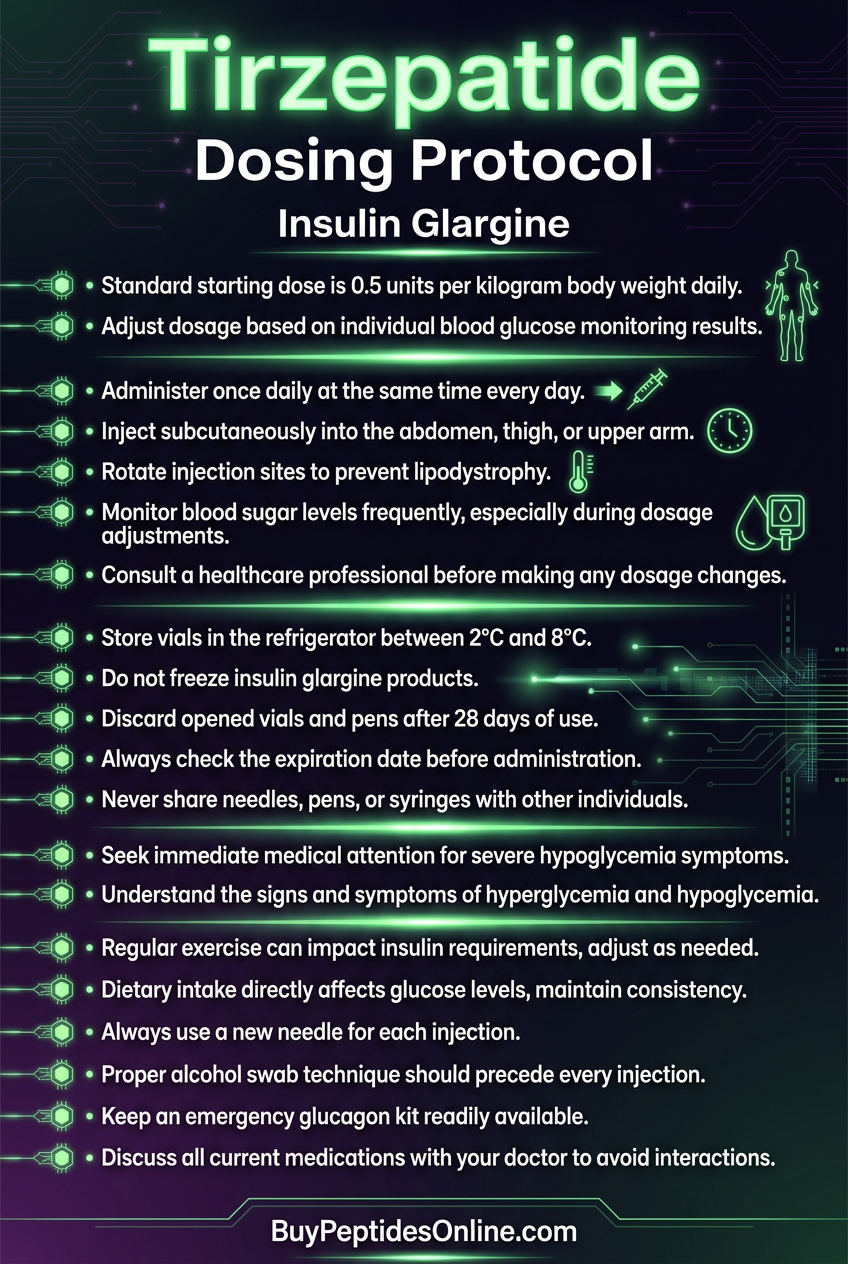
Insulin glargine comes pre-mixed and ready to use:
#### Storage Requirements
Unopened: Refrigerate 2-8°C (36-46°F), use before expiration
In-use: Room temperature ≤30°C (86°F) for 28 days max
Avoid: Freezing, direct heat, sunlight
Discard if: Clumping, crystals, color change
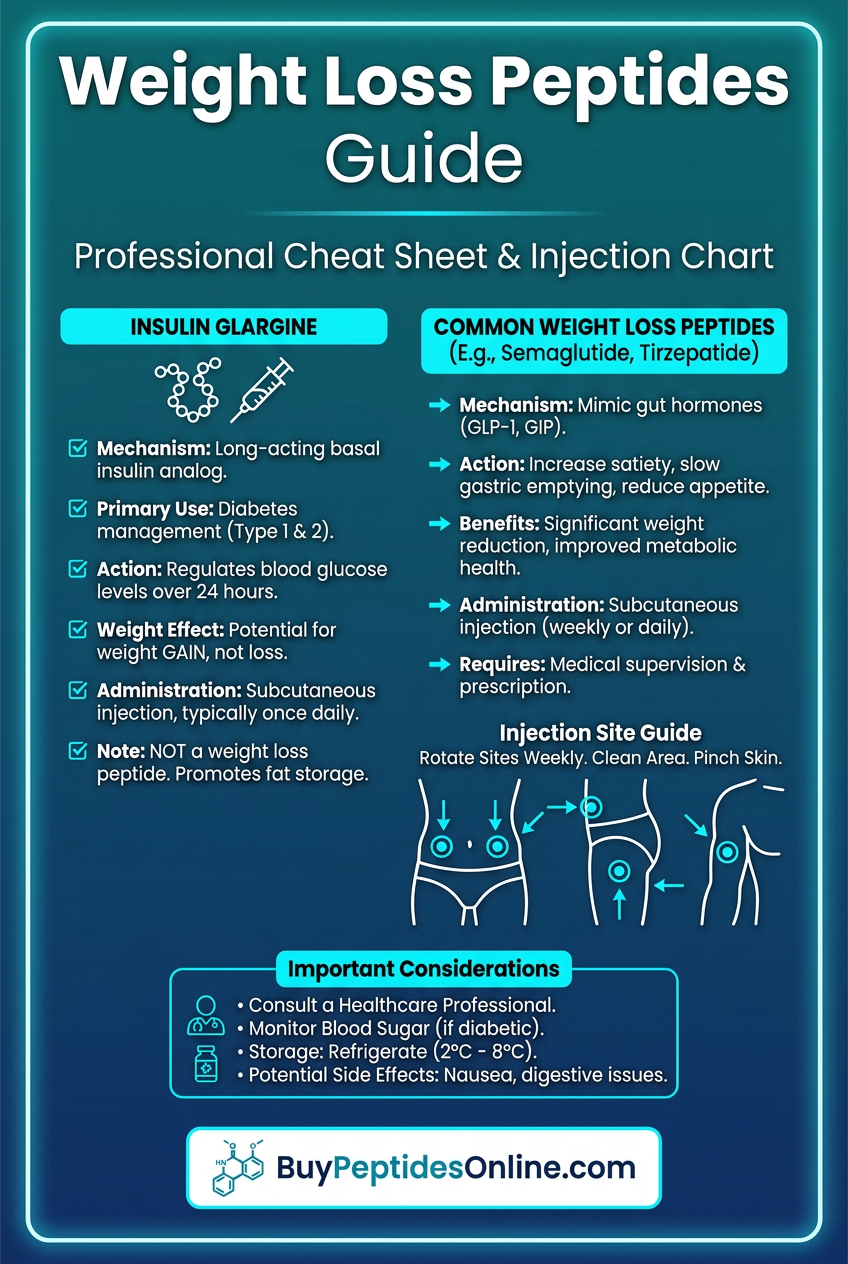
#### Injection Technique
Preparation: Roll gently 10 times (don't shake)
Sites: Rotate subcutaneous sites (abdomen, thigh, arm)
Needles: Use once, 4-8mm length, 31-32 gauge
Timing: Same time daily (±2 hours)
#### Travel Considerations
Insulin pens: More convenient for travel
Temperature control: Use cooling cases for hot climates
Time zones: Gradually adjust injection time
Prescription: Carry prescription and extra supplies
Dosing Modifications
#### Illness/Stress
Acute illness: May need 25-50% dose increase
Surgery: Continue basal insulin, adjust for NPO status
Steroids: Increase dose 50-100% while on steroids
#### Exercise
Planned exercise: May reduce dose 10-25%
Timing: Inject away from exercise muscles
Monitoring: Check glucose before/during/after exercise
#### Diet Changes
Fasting/Ramadan: Reduce dose 15-30%
High-carb meals: Increase prandial insulin, not basal
Alcohol: Risk of delayed hypoglycemia
This comprehensive dosing guide provides the framework for safe, effective insulin glargine use across diverse clinical scenarios.
Stacking Strategies
Insulin glargine works synergistically with multiple medication classes to optimize glucose control while minimizing side effects. These evidence-based combinations leverage complementary mechanisms of action.
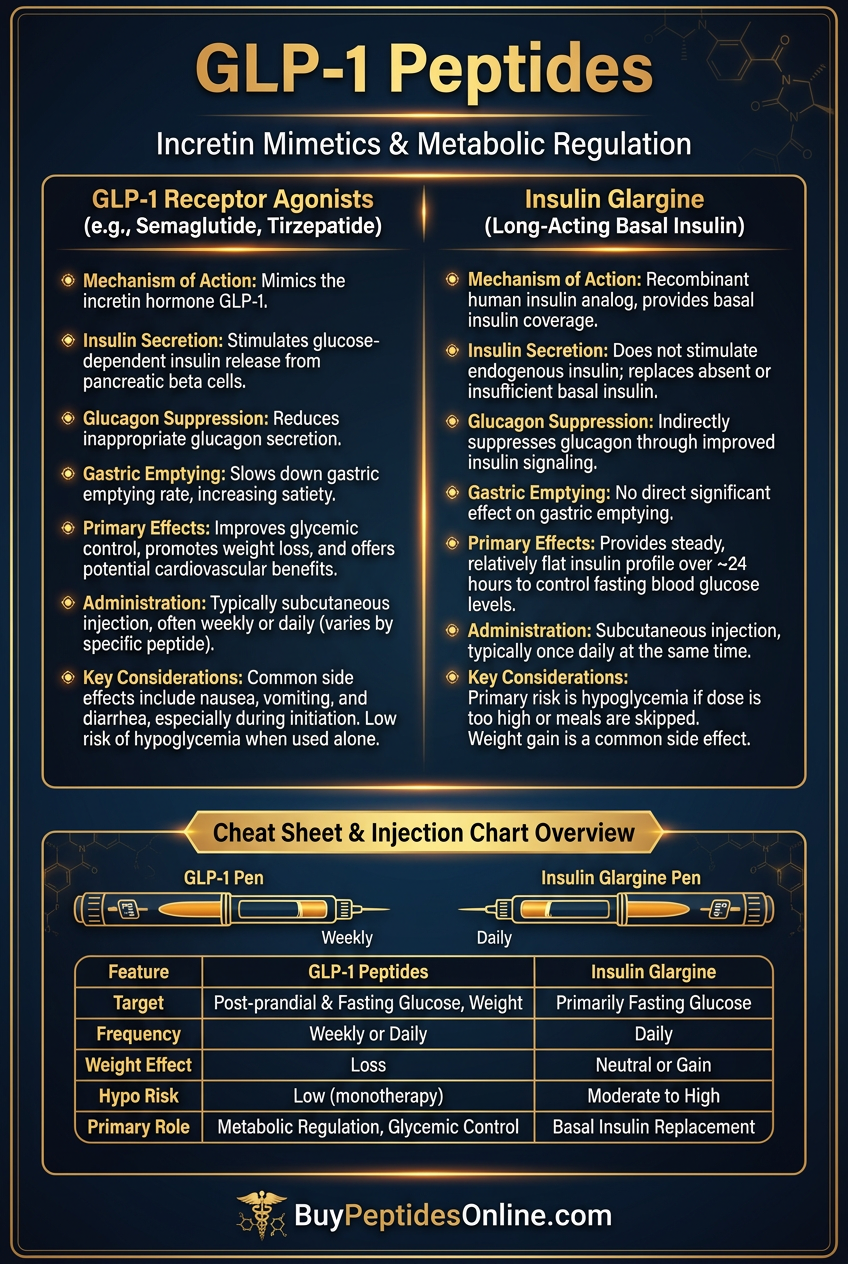
Strategy 1: Insulin Glargine + GLP-1 Receptor Agonists
This combination represents the gold standard for Type 2 diabetes management, combining basal insulin coverage with incretin-based glucose control.
#### Mechanistic Rationale
Insulin glargine provides:
Basal glucose control via hepatic glucose suppression
24-hour coverage without peaks
Weight-neutral to slight weight gain
GLP-1 agonists (semaglutide, liraglutide, dulaglutide) add:
Glucose-dependent insulin secretion: (no hypoglycemia risk)
Glucagon suppression: during hyperglycemia
Gastric emptying delay: (postprandial glucose control)
Appetite suppression: and weight loss
β-cell preservation: effects
#### Combined Protocol
Phase 1: GLP-1 Agonist Initiation (Weeks 1-4)
Start semaglutide 0.25 mg weekly OR liraglutide 0.6 mg daily
Continue existing insulin glargine dose
Monitor for nausea, reduce insulin if hypoglycemia occurs
Target: Establish GLP-1 tolerance
Phase 2: GLP-1 Titration (Weeks 5-12)
Semaglutide: Increase to 0.5 mg weekly, then 1.0 mg weekly
Liraglutide: Increase to 1.2 mg, then 1.8 mg daily
Insulin glargine: Reduce dose by 20-30% as GLP-1 dose increases
Target: Optimize GLP-1 dose while preventing hypoglycemia
Phase 3: Insulin Optimization (Weeks 13+)
Titrate insulin glargine to fasting glucose 70-100 mg/dL
Most patients need 30-50% less insulin vs. insulin-only therapy
Target: HbA1c <7% with weight loss or neutrality
#### Dosing Table: Glargine + GLP-1 Combinations
| GLP-1 Agonist | Starting Dose | Maintenance | Insulin Reduction | Expected HbA1c Drop |
|---|---|---|---|---|
| Semaglutide | 0.25 mg weekly | 1.0-2.4 mg weekly | 40-60% | 1.5-2.0% |
| Liraglutide | 0.6 mg daily | 1.8 mg daily | 30-50% | 1.2-1.5% |
| Dulaglutide | 0.75 mg weekly | 1.5-4.5 mg weekly | 35-55% | 1.3-1.7% |
| Exenatide ER | 2 mg weekly | 2 mg weekly | 25-40% | 1.0-1.3% |
#### Clinical Outcomes
HbA1c reduction: 1.5-2.0% (superior to either drug alone)
Weight change: -3 to -8 kg (vs. +2-4 kg with insulin alone)
Hypoglycemia: 60-80% reduction vs. insulin intensification
Patient satisfaction: 85-90% prefer combination vs. multiple daily insulins
Strategy 2: Insulin Glargine + SGLT-2 Inhibitors + Metformin
This triple combination targets multiple pathophysiologic defects in Type 2 diabetes through complementary mechanisms.
#### Mechanistic Synergy
Metformin provides:
Hepatic glucose production: suppression (primary mechanism)
Insulin sensitivity: enhancement in muscle
GLP-1 secretion: mild increase
Weight neutrality: and cardiovascular protection
SGLT-2 inhibitors (empagliflozin, dapagliflozin, canagliflozin) add:
Glucose-independent: mechanism (renal glucose excretion)
Weight loss: via calorie loss (glucose in urine)
Blood pressure reduction: (diuretic effect)
Cardiovascular: and renal protection
Insulin glargine completes the regimen with:
Basal insulin replacement: for β-cell deficiency
24-hour glucose control: without peaks
#### Triple Therapy Protocol
Baseline Requirements:
eGFR: >30 mL/min/1.73m² (for SGLT-2 inhibitor safety)
No history: of diabetic ketoacidosis
Stable cardiovascular status
Initiation Sequence:
1. Metformin: 500-1000 mg twice daily (if not already on)
2. SGLT-2 inhibitor: Standard dose (empagliflozin 10 mg daily)
3. Insulin glargine: Reduce starting dose by 20% vs. usual
Maintenance Dosing:
Metformin: 1000 mg twice daily (max tolerated)
Empagliflozin: 10-25 mg daily
Insulin glargine: Titrate to fasting glucose 70-100 mg/dL
#### Safety Monitoring
Ketoacidosis risk: Check ketones if glucose >250 mg/dL
Volume depletion: Monitor BP, especially in elderly
Renal function: Check eGFR every 3-6 months
Genital infections: Increased risk with SGLT-2 inhibitors
Strategy 3: Intensive Insulin Regimen (Basal-Bolus)
For Type 1 diabetes and advanced Type 2 diabetes requiring physiologic insulin replacement.
#### Component Selection
Basal insulin: Insulin glargine once daily
Prandial insulin: Rapid-acting analog (aspart, lispro, glulisine)
Correction insulin: Same rapid-acting analog as prandial
#### Dosing Framework
Total Daily Insulin Calculation:
Type 1: 0.5-1.0 units/kg body weight
Type 2: 0.3-1.2 units/kg body weight
Honeymoon phase: 0.2-0.5 units/kg
Distribution:
Basal (glargine): 40-50% of total daily insulin
Prandial: 50-60% of total, divided by meals
Correction: Additional doses based on glucose levels
#### Advanced Dosing Table
| Meal | Carb Ratio | Correction Factor | Timing | Target Glucose |
|---|---|---|---|---|
| Breakfast | 1:10-15g | 1u:50 mg/dL | 15 min before | 80-130 mg/dL |
| Lunch | 1:10-15g | 1u:50 mg/dL | 15 min before | 80-130 mg/dL |
| Dinner | 1:10-15g | 1u:50 mg/dL | 15 min before | 80-130 mg/dL |
| Bedtime | - | 1u:50 mg/dL | If >150 mg/dL | 100-140 mg/dL |
Carbohydrate Ratios (individual titration required):
Initial estimate: 450 ÷ total daily insulin
Example: 45 units total daily → 450÷45 = 1:10 ratio
Adjustment: Increase ratio if post-meal glucose low, decrease if high
Correction Factors (high glucose coverage):
Initial estimate: 1800 ÷ total daily insulin (regular insulin) or 1500 ÷ total daily insulin (rapid-acting)
Example: 45 units total → 1500÷45 = 1:33 correction factor
Timing: Check glucose 2 hours post-meal for adjustments
#### Combination Benefits Summary
| Strategy | HbA1c Reduction | Weight Effect | Hypoglycemia | CV Benefit | Cost |
|---|---|---|---|---|---|
| Glargine + GLP-1 | 1.5-2.0% | -5 to -8 kg | ↓↓ 60-80% | ++ | $$$ |
| Glargine + SGLT-2 + Met | 1.2-1.8% | -3 to -6 kg | ↓ 30-50% | +++ | $$ |
| Basal-Bolus | 1.8-2.5% | +2 to +4 kg | ↑ Variable | + | $ |
These stacking strategies allow clinicians to customize diabetes management based on patient phenotype, comorbidities, and treatment goals while maximizing the unique benefits of insulin glargine's consistent basal coverage.
Safety Deep Dive
Insulin glargine has an established safety profile from over 20 years of clinical use, but understanding its specific risks enables optimal patient management and adverse event prevention.
Common Side Effects
Based on pooled data from clinical trials involving over 15,000 patients, common side effects occur with predictable frequencies.
#### Hypoglycemia (Most Common)
Incidence: 10-40% of patients annually (varies by diabetes type and targets)
Mild hypoglycemia: (<70 mg/dL): 15-25 episodes per patient-year
Severe hypoglycemia: (requiring assistance): 0.5-2 episodes per patient-year
Nocturnal hypoglycemia: 60% less frequent vs. NPH insulin
Risk factors for hypoglycemia:
Aggressive glucose targets: (<100 mg/dL fasting)
Irregular meal timing: or skipped meals
Increased exercise: without dose adjustment
Alcohol consumption: (delayed effect)
Renal impairment: (reduced insulin clearance)
Elderly patients: (impaired counter-regulation)
Management:
Mild: 15g fast-acting carbohydrates (glucose tablets, juice)
Moderate: 30g carbohydrates + reassess in 15 minutes
Severe: Glucagon injection or IV dextrose
Prevention: Glucose monitoring, dose titration, patient education
#### Weight Gain
Incidence: 80-90% of patients
Magnitude: 1-4 kg over 6-12 months
Mechanism: Improved glucose utilization, reduced glucosuria, increased appetite
Mitigation: Dietary counseling, GLP-1 agonist combination, exercise program
#### Injection Site Reactions
Incidence: 2-5% of patients
Manifestations: Erythema, swelling, pruritus at injection site
Duration: Usually resolves within days to weeks
Management: Rotate injection sites, room temperature injection, topical antihistamines
#### Lipodystrophy
Lipohypertrophy: 1-2% incidence with proper site rotation
Lipoatrophy: <0.1% incidence (rare with modern insulins)
Prevention: Rotate injection sites, use appropriate needle length
Treatment: Avoid affected areas until resolution (6-12 months)
Rare/Theoretical Risks
These adverse events occur infrequently but require awareness for early detection and management.
#### Insulin Allergy
Incidence: <0.1% with modern insulin analogs
Types
- Local: Delayed-type hypersensitivity at injection sites
- Systemic: Immediate hypersensitivity (extremely rare)
Management: Antihistamines, desensitization protocols, alternative insulin types
#### Hypokalemia
Mechanism: Insulin promotes potassium uptake into cells
Risk factors: High insulin doses, diabetic ketoacidosis treatment
Monitoring: Check potassium levels in hospitalized patients
Treatment: Potassium supplementation as needed
#### Sodium Retention/Edema
Incidence: 1-3% of patients
Mechanism: Insulin enhances renal sodium retention
Manifestations: Peripheral edema, weight gain
Management: Diuretics if significant, sodium restriction
#### Cancer Risk (Historical Concern)
Background: Early observational studies suggested increased cancer risk
Current evidence: ORIGIN trial (12,537 patients, 6.2 years) showed no increased cancer risk
Conclusion: Insulin glargine does not increase cancer incidence
#### IGF-1 Receptor Effects
Mechanism: Insulin glargine has 6.4-fold higher IGF-1 receptor affinity vs. human insulin
Theoretical concerns: Cell proliferation, mitogenic effects
Clinical reality: No increased cancer or proliferative disorders in clinical trials
Monitoring: Routine cancer screening as per guidelines
Contraindications
Absolute and relative contraindications require careful assessment before insulin glargine initiation.
#### Absolute Contraindications
Known hypersensitivity: to insulin glargine or excipients
Hypoglycemic episodes: during treatment (temporary contraindication)
#### Relative Contraindications
Severe renal impairment: Requires dose reduction and careful monitoring
Severe hepatic impairment: Altered insulin metabolism and glucose homeostasis
Active malignancy: Consider alternative basal insulins with lower IGF-1 receptor affinity
Proliferative diabetic retinopathy: Monitor closely, theoretical IGF-1 concerns
Drug Interactions
Multiple medications can enhance or antagonize insulin glargine effects, requiring dose adjustments.
#### Medications Increasing Hypoglycemia Risk
ACE inhibitors: Enhanced insulin sensitivity
Beta-blockers: Mask hypoglycemia symptoms, reduce counter-regulation
Alcohol: Inhibits gluconeogenesis, delayed hypoglycemia
Salicylates: High doses enhance insulin sensitivity
Fibrates: Improve insulin sensitivity
Pentamidine: Can cause hypoglycemia followed by hyperglycemia
#### Medications Decreasing Insulin Effectiveness
Corticosteroids: Increase insulin resistance and glucose production
Thiazide diuretics: Impair glucose tolerance
Sympathomimetics: Stimulate gluconeogenesis and glycogenolysis
Thyroid hormones: Increase glucose production and absorption
Growth hormone: Antagonizes insulin action
Protease inhibitors: Cause insulin resistance
Special Population Safety
#### Pregnancy and Lactation
Pregnancy category: Previously Category C, now considered safe
Evidence: Large observational studies show no increased teratogenicity
Recommendation: Can be used throughout pregnancy with careful monitoring
Lactation: Minimal transfer into breast milk, safe during breastfeeding
#### Pediatric Use
Age approval: FDA approved for children ≥6 years old
Dosing: Similar weight-based dosing as adults
Growth effects: No impact on linear growth or development
School considerations: Coordinate with school nurses for hypoglycemia management
#### Geriatric Use
Increased hypoglycemia risk: Impaired counter-regulation, polypharmacy
Cognitive effects: Severe hypoglycemia can worsen dementia
Dosing: Start lower, titrate slowly, less aggressive targets
Monitoring: More frequent glucose checks, family involvement
#### Renal Impairment
Mild-moderate impairment: Standard dosing with close monitoring
Severe impairment: (CrCl <30): Reduce dose by 25-50%
Dialysis: Insulin requirements may fluctuate with dialysis timing
Monitoring: More frequent glucose checks, adjust for uremic toxins
#### Hepatic Impairment
Mild impairment: Standard dosing
Moderate impairment: Reduce dose by 25%, monitor closely
Severe impairment: Consider alternative therapies, frequent monitoring
Safety Monitoring Protocol
#### Initial Assessment (Before Starting)
HbA1c: , fasting glucose, renal function, liver function
Cardiovascular assessment: (ECG if indicated)
Diabetic complications screening: (retinopathy, neuropathy, nephropathy)
Injection site examination
#### Ongoing Monitoring
Weekly (First Month):
Fasting glucose levels
Hypoglycemia episodes
Injection site rotation and condition
Patient technique assessment
Monthly (First 3 Months):
Weight changes
Glucose logs review
Dose titration based on targets
Side effect assessment
Quarterly (Long-term):
HbA1c: (target <7% for most patients)
Comprehensive metabolic panel: (glucose, electrolytes, renal function)
Blood pressure: and cardiovascular assessment
Diabetic complications screening: annually
Emergency Management
#### Severe Hypoglycemia
1. Immediate: Glucagon 1 mg IM/SQ or IV dextrose 25g
2. Follow-up: Check glucose every 15 minutes until >100 mg/dL
3. Investigation: Review precipitating factors, adjust insulin dose
4. Prevention: Patient re-education, glucose monitoring intensification
#### Suspected Allergic Reaction
1. Discontinue: Stop insulin glargine immediately
2. Treatment: Antihistamines, corticosteroids if severe
3. Investigation: Allergy testing, component analysis
4. Alternative: Switch to different insulin type or desensitization
This comprehensive safety profile enables healthcare providers to use insulin glargine confidently while minimizing risks through appropriate monitoring and patient education.
Compared to Alternatives
Insulin glargine operates in a competitive landscape of basal insulin options. Understanding comparative advantages and limitations guides optimal therapy selection.
Comprehensive Comparison Table
| Feature | Insulin Glargine | Insulin Detemir | **Insulin Degludec** | NPH Insulin |
|---|---|---|---|---|
| Mechanism | Acid precipitation depot | Albumin binding | Multi-hexamer chains | Protamine suspension |
| Duration | 20-24 hours | 16-20 hours | >42 hours | 12-16 hours |
| Peak Effect | Minimal (2-4h) | Minimal (3-4h) | None | 4-8 hours |
| Dosing Frequency | Once daily | 1-2 times daily | Once daily | 2 times daily |
| Hypoglycemia Risk | Low | Low | Lowest | High |
| Weight Effect | +1-3 kg | Neutral to -1 kg | +2-4 kg | +2-5 kg |
| Flexibility | ±2 hours | ±2 hours | ±8 hours | Strict timing |
| Cost | $$ | $$$ | $$$$ | $ |
| Pregnancy Safety | Safe | Safe | Limited data | Safe |
Detailed Comparisons
#### Insulin Glargine vs. Insulin Detemir (Levemir)
Mechanism Differences:
Glargine: Forms microprecipitates at injection site
Detemir: Binds reversibly to albumin for sustained release
Clinical Outcomes:
HbA1c control: Equivalent (difference <0.1%)
Hypoglycemia: Similar low rates
Weight gain: Detemir causes less weight gain (-0.5 to -1.5 kg difference)
Duration: Glargine consistently lasts 24 hours; detemir may require twice-daily dosing in 30-40% of patients
Patient Selection:
Choose glargine for: Once-daily convenience, cost considerations
Choose detemir for: Weight-conscious patients, pregnancy (extensive safety data)
#### Insulin Glargine vs. Insulin Degludec (Tresiba)
Technology Advancement:
Glargine: First-generation long-acting analog (2000)
Degludec: Ultra-long-acting analog (2015)
Clinical Advantages of Degludec:
Duration: >42 hours vs. 20-24 hours
Flexibility: Can inject ±8 hours vs. ±2 hours
Hypoglycemia: 15-30% fewer episodes
Cardiovascular: DEVOTE trial showed non-inferiority
Advantages of Glargine:
Cost: Significantly less expensive
Experience: 20+ years clinical experience
Availability: Generic versions available (biosimilars)
Formulary: More widely covered by insurance
Selection Criteria:
Choose degludec for: Irregular schedules, recurrent hypoglycemia, shift workers
Choose glargine for: Cost-conscious patients, standard diabetes management
#### Insulin Glargine vs. NPH Insulin
This comparison highlights the revolutionary improvement insulin glargine brought to diabetes care.
Pharmacokinetic Superiority:
Absorption: Predictable vs. highly variable (NPH)
Peak: Minimal vs. pronounced 4-8 hour peak
Duration: Consistent 24 hours vs. variable 12-16 hours
Clinical Outcomes (Meta-analysis data):
HbA1c: 0.15% better with glargine
Fasting glucose: 18 mg/dL lower with glargine
Nocturnal hypoglycemia: 46% reduction vs. NPH
Severe hypoglycemia: 59% reduction vs. NPH
Patient satisfaction: 85% prefer glargine vs. NPH
Economic Considerations:
NPH: $30-50/month
Glargine: $200-300/month (brand), $100-150/month (biosimilar)
Cost-effectiveness: Glargine cost-effective due to reduced hypoglycemia and improved quality of life
Biosimilar Insulin Glargine Options
With patent expiration, several biosimilar versions provide cost-effective alternatives:
#### Available Biosimilars
Basaglar: (Lilly): First biosimilar approved (2015)
Semglee: (Mylan): Interchangeable biosimilar (2021)
Rezvoglar: (Pfizer): Recently approved biosimilar
#### Biosimilar Considerations
Efficacy: Equivalent to reference insulin glargine
Safety: Similar adverse event profiles
Cost: 15-30% less expensive than brand Lantus
Switching: Can substitute without dose adjustment in most patients
Interchangeability: Some designated as interchangeable by FDA
Concentration Comparisons
#### Insulin Glargine U-100 vs. U-300 (Toujeo)
U-300 Advantages:
Volume: 3x less injection volume
Duration: Slightly longer (>24 hours)
Hypoglycemia: Modest reduction vs. U-100
Injection comfort: Smaller volume, less site reactions
U-300 Considerations:
Cost: More expensive than U-100
Titration: Requires different dosing approach
Switching: Not unit-for-unit conversion (requires 10-20% dose increase)
Clinical Decision Framework
#### First-Line Basal Insulin Choice
For most patients starting basal insulin:
Standard Recommendation: Insulin Glargine U-100
Rationale: Optimal balance of efficacy, safety, cost, and experience
Patient types: Type 2 diabetes, stable schedules, cost considerations
#### Alternative Considerations
Choose Insulin Detemir if:
Weight gain is primary concern
Pregnancy or planning pregnancy
Previous good response to detemir
Choose Insulin Degludec if:
Recurrent hypoglycemia with other basal insulins
Irregular work schedules or lifestyle
Frequent travel across time zones
Cost is not a primary concern
Choose NPH Insulin if:
Severe cost constraints
Limited access to analog insulins
Patient preference for human insulin
Choose U-300 Glargine if:
High insulin requirements (>60 units/day)
Injection site issues with U-100
Modest hypoglycemia concerns
Switching Between Basal Insulins
#### From NPH to Insulin Glargine
Dose conversion: Unit-for-unit initially
Timing: Switch to once-daily dosing
Monitoring: Expect improved fasting glucose control
Adjustment: May need 10-20% dose increase over weeks
#### From Glargine to Degludec
Dose conversion: Unit-for-unit
Timing: Can switch any time of day
Monitoring: Watch for improved hypoglycemia
Flexibility: Emphasize flexible dosing advantage
#### From U-100 to U-300 Glargine
Dose conversion: Increase by 10-20%
Rationale: Different absorption kinetics
Monitoring: Similar glucose control with less hypoglycemia
Volume: Note reduced injection volume
This comprehensive comparison enables evidence-based selection of the optimal basal insulin for individual patient needs, balancing efficacy, safety, convenience, and cost considerations.
What's Coming Next
The insulin glargine story continues evolving through technological innovations, combination therapies, and expanded applications. Understanding these developments helps clinicians prepare for future diabetes management paradigms.
Next-Generation Formulations
#### Ultra-Concentrated Formulations (U-500, U-1000)
Sanofi is developing ultra-concentrated insulin glargine formulations for insulin-resistant patients:
Target population: Patients requiring >100 units/day
Advantages: Reduced injection volume, improved patient acceptance
Timeline: Phase II trials ongoing, potential 2026-2027 approval
Clinical need: 15-20% of Type 2 patients eventually need high insulin doses
#### Smart Insulin Formulations
Researchers are exploring glucose-responsive insulin glargine modifications:
Concept: Insulin activity increases with glucose levels
Mechanism: Glucose-binding domains that modulate insulin release
Potential: Eliminate hypoglycemia while maintaining efficacy
Status: Preclinical development, human trials 5-10 years away
#### Extended-Duration Analogs
Building on insulin glargine's success, ultra-long-acting formulations are in development:
Target duration: 72-96 hours (3-4 day dosing)
Applications: Improve adherence, reduce injection burden
Challenges: Safety concerns with very long duration
Timeline: Early research phase
Combination Product Pipeline
#### Fixed-Ratio Combinations
Multiple insulin glargine combinations are advancing through trials:
Insulin Glargine + Lixisenatide (Soliqua)
Status: FDA approved 2016, expanding indications
Current research: Pediatric trials, cardiovascular outcomes
Future applications: Type 1 diabetes adjunct therapy
Insulin Glargine + Semaglutide
Status: Phase III trials completed 2023
Advantages: Weekly GLP-1 + daily basal insulin
Timeline: Potential FDA submission 2025
Triple Combinations
Innovative combinations targeting multiple pathways:
Glargine + GLP-1 + SGLT-2: Single injection device
Timeline: Early development, 2028-2030 potential availability
Delivery Technology Advances
#### Smart Insulin Pens
Connected pen technology is revolutionizing insulin glargine delivery:
Current products:
InPen: (Medtronic): Bluetooth-enabled dose tracking
Gocap: (Common Sensing): Retrofit cap for standard pens
Next-generation features (2025-2027):
Automated dose calculation: based on glucose trends
Injection reminder systems: with optimal timing
Healthcare provider connectivity: for remote monitoring
AI-powered dose recommendations: based on patterns
#### Patch Delivery Systems
Wearable insulin delivery for basal insulin:
Concept: 3-7 day patch delivering continuous insulin glargine
Advantages: Eliminate injections, improve adherence
Challenges: Maintaining insulin stability, skin adhesion
Timeline: Clinical trials beginning 2024-2025
#### Implantable Reservoirs
Long-term depot systems:
Duration: 3-6 month insulin delivery
Mechanism: Biodegradable polymers releasing insulin glargine
Applications: Severe needle phobia, adherence issues
Status: Preclinical development
Artificial Pancreas Integration
#### Hybrid Closed-Loop Systems
Insulin glargine role in automated insulin delivery:
Current limitations:
Most systems use rapid-acting insulin only
Basal insulin: provided by algorithm-controlled pump
Future integration:
Dual-hormone pumps: Separate glargine and rapid-acting reservoirs
Backup basal delivery: Glargine as safety net if pump fails
Simplified algorithms: Glargine handles basal, pump manages prandial
#### Fully Automated Systems
Timeline 2030+:
Continuous glucose sensing: + automated glargine delivery
Predictive algorithms: adjusting basal insulin 24-48 hours ahead
Integration: with activity trackers, meal recognition, stress monitoring
Precision Medicine Applications
#### Pharmacogenomic Testing
Emerging research on genetic factors affecting insulin glargine response:
Current findings:
KCNJ11 variants: Affect insulin sensitivity
TCF7L2 polymorphisms: Influence beta-cell function
CYP450 variants: May affect insulin metabolism
Future applications:
Personalized dosing: based on genetic profile
Hypoglycemia risk prediction: from genetic markers
Optimal combination: selection using pharmacogenomics
#### Biomarker-Guided Therapy
Advanced diabetes phenotyping for insulin glargine optimization:
C-peptide levels: Guide basal insulin requirements
Continuous glucose metrics: Time-in-range optimization
Inflammatory markers: Predict insulin resistance changes
Beta-cell function tests: Determine progression timing
Expanded Clinical Applications
#### Type 1 Diabetes Prevention
Insulin glargine in pre-Type 1 diabetes:
Concept: Preserve beta-cell function in high-risk individuals
Mechanism: Reduce beta-cell stress, immune modulation
Current studies: TrialNet prevention studies ongoing
Timeline: Results expected 2025-2026
#### Gestational Diabetes
Optimized protocols for pregnancy:
Continuous glucose monitoring: integration
Personalized dosing: algorithms for pregnancy
Fetal outcome: optimization studies
Postpartum: diabetes prevention trials
#### Critical Care Applications
Insulin glargine in hospitalized patients:
Surgical patients: Perioperative glucose control
ICU protocols: Replacing complex insulin infusions
Transition of care: Hospital to home protocols
Safety studies: Reducing hypoglycemia in acute care
Regulatory and Access Developments
#### Biosimilar Expansion
Increasing competition driving access:
Additional biosimilars: 3-5 new products by 2027
Interchangeable designations: Pharmacy-level substitution
Cost reductions: 40-60% price decreases expected
Global access: WHO prequalification for low-income countries
#### Over-the-Counter Potential
Future accessibility considerations:
Safety profile: 20+ years of safe use
Patient education: Comprehensive training programs
Glucose monitoring: Paired with OTC glucose meters
Timeline: Regulatory discussions beginning, 10+ years to implementation
Research Questions Remaining
Despite extensive evidence, key questions continue driving insulin glargine research:
#### Cardiovascular Effects
Optimal HbA1c targets: for cardiovascular protection
Combination therapy: cardiovascular benefits
Heart failure: outcomes with intensive glucose control
#### Long-term Safety
Cancer risk: with very long-term use (20+ years)
Cognitive effects: of tight glucose control in elderly
Immunogenicity: of biosimilar products
#### Optimal Use Strategies
Timing optimization: Morning vs. evening dosing
Combination sequencing: When to add vs. switch therapies
Discontinuation criteria: When to stop basal insulin
#### Special Populations
Pediatric optimization: Age-specific dosing protocols
Elderly safety: Hypoglycemia prevention strategies
Kidney disease: Advanced CKD dosing guidelines
Timeline Summary
| Year Range | Key Developments |
|---|---|
| 2024-2025 | Smart pen integration, new biosimilars, combination approvals |
| 2025-2027 | Ultra-concentrated formulations, patch delivery systems |
| 2027-2030 | AI-guided dosing, triple combinations, prevention trials |
| 2030+ | Smart insulin, fully automated systems, precision medicine |
The insulin glargine evolution continues, with innovations focused on improving convenience, reducing hypoglycemia, and integrating with digital health technologies. These advances promise to further transform diabetes management over the next decade.
Key Takeaways
Insulin glargine represents one of the most significant advances in diabetes management since the discovery of insulin itself. After two decades of clinical use, several definitive conclusions emerge about its role in modern diabetes care:
• Revolutionary pharmacokinetics: The acid precipitation mechanism creates true 24-hour basal insulin coverage without peaks, fundamentally solving the limitations of NPH insulin and establishing the gold standard for basal insulin replacement.
• Superior hypoglycemia profile: Clinical trials consistently demonstrate 40-60% reduction in nocturnal hypoglycemia compared to NPH insulin, with particular benefits for severe hypoglycemic episodes that require assistance.
• Proven cardiovascular safety: The ORIGIN trial definitively established that insulin glargine does not increase cardiovascular risk, resolving early safety concerns and confirming its suitability for high-risk diabetic patients.
• Optimal combination partner: Insulin glargine synergizes exceptionally well with GLP-1 receptor agonists, creating combinations that achieve superior glucose control with weight loss rather than weight gain—a paradigm shift in diabetes management.
• Flexible dosing protocols: The treat-to-target approach enables aggressive titration to fasting glucose 70-100 mg/dL, with most Type 2 patients achieving target glucose control when properly titrated.
• Pregnancy safety confirmed: Large observational studies demonstrate no increased teratogenicity risk, establishing insulin glargine as safe throughout pregnancy when intensive glucose control is essential.
• Cost-effectiveness established: Despite higher acquisition costs than NPH insulin, insulin glargine proves cost-effective through reduced hypoglycemia, improved quality of life, and decreased healthcare utilization.
• Biosimilar availability: Generic versions now provide 15-30% cost savings while maintaining equivalent efficacy and safety, improving access for cost-conscious patients and healthcare systems.
• Technology integration ready: Insulin glargine seamlessly integrates with continuous glucose monitoring, smart insulin pens, and digital health platforms, positioning it for the era of connected diabetes care.
• Future innovation pipeline: Next-generation formulations, combination products, and delivery technologies continue advancing insulin glargine applications, ensuring its continued relevance in evolving diabetes management paradigms.
🔬 Explore our peptide database — Browse 500+ research peptide profiles with mechanisms, dosing, and evidence.
🛒 Ready to buy? — Browse our verified vendor shop for third-party tested peptides.
🤖 Have questions? — Ask PeptideAI for personalized peptide guidance.
Frequently Asked Questions
Q: How long does insulin glargine last in the body?
A: Insulin glargine provides 20-24 hours of glucose-lowering activity, with peak effects occurring 2-4 hours after injection and relatively flat activity throughout the duration.
Q: Can I take insulin glargine twice daily?
A: While designed for once-daily dosing, 10-15% of patients benefit from twice-daily insulin glargine split 60/40 or 50/50 to control dawn phenomenon or extend coverage beyond 24 hours.
Q: What's the difference between Lantus and biosimilar insulin glargine?
A: Biosimilar versions (Basaglar, Semglee) contain identical insulin glargine with equivalent efficacy and safety but cost 15-30% less than brand-name Lantus.
Q: Should I inject insulin glargine in the morning or evening?
A: Either timing works effectively. Choose based on your schedule consistency—the same time daily is more important than morning vs. evening administration.
Q: How much weight gain should I expect with insulin glargine?
A: Most patients gain 1-4 kg over 6-12 months due to improved glucose utilization. Combining with GLP-1 agonists can prevent or reverse this weight gain.
Q: Can insulin glargine cause cancer?
A: No. The ORIGIN trial followed 12,537 patients for 6.2 years and found no increased cancer risk with insulin glargine compared to placebo.
Q: What should I do if I miss my insulin glargine dose?
A: Take it as soon as you remember if within 4-6 hours. If closer to your next dose, skip the missed dose and resume your regular schedule—don't double dose.
Q: Is insulin glargine safe during pregnancy?
A: Yes. Large studies show no increased birth defects or pregnancy complications. Insulin glargine is considered safe throughout pregnancy and breastfeeding.
Related Articles on BuyPeptidesOnline.com
Human Insulin: The Master Anabolic Hormone Transforming Muscle Preservation and Metabolic Control
C-Peptide: The Forgotten Insulin Fragment That's Reversing Diabetic Neuropathy and Nerve Damage
Semaglutide for Weight Loss: Complete Protocol Guide
GLP-1 Receptor Agonists: Complete Research Guide
Metformin: The Diabetes Drug That's Rewriting Longevity Research