Dr. Sarah Chen stared at the side-by-side photographs on her dermatology clinic's computer screen. Patient 47B had used **GHK-Cu on the left side of her face and Matrixyl** on the right for 12 weeks. The difference was striking—but not in the way she expected.
The GHK-Cu side showed deeper structural improvements: firmer skin architecture, reduced deep wrinkles, and what looked like genuine dermal thickening. The Matrixyl side displayed surface-level perfection: smoother texture, refined pores, and an almost airbrushed quality to the skin.
"Two completely different mechanisms," Chen murmured, "producing two completely different types of rejuvenation."
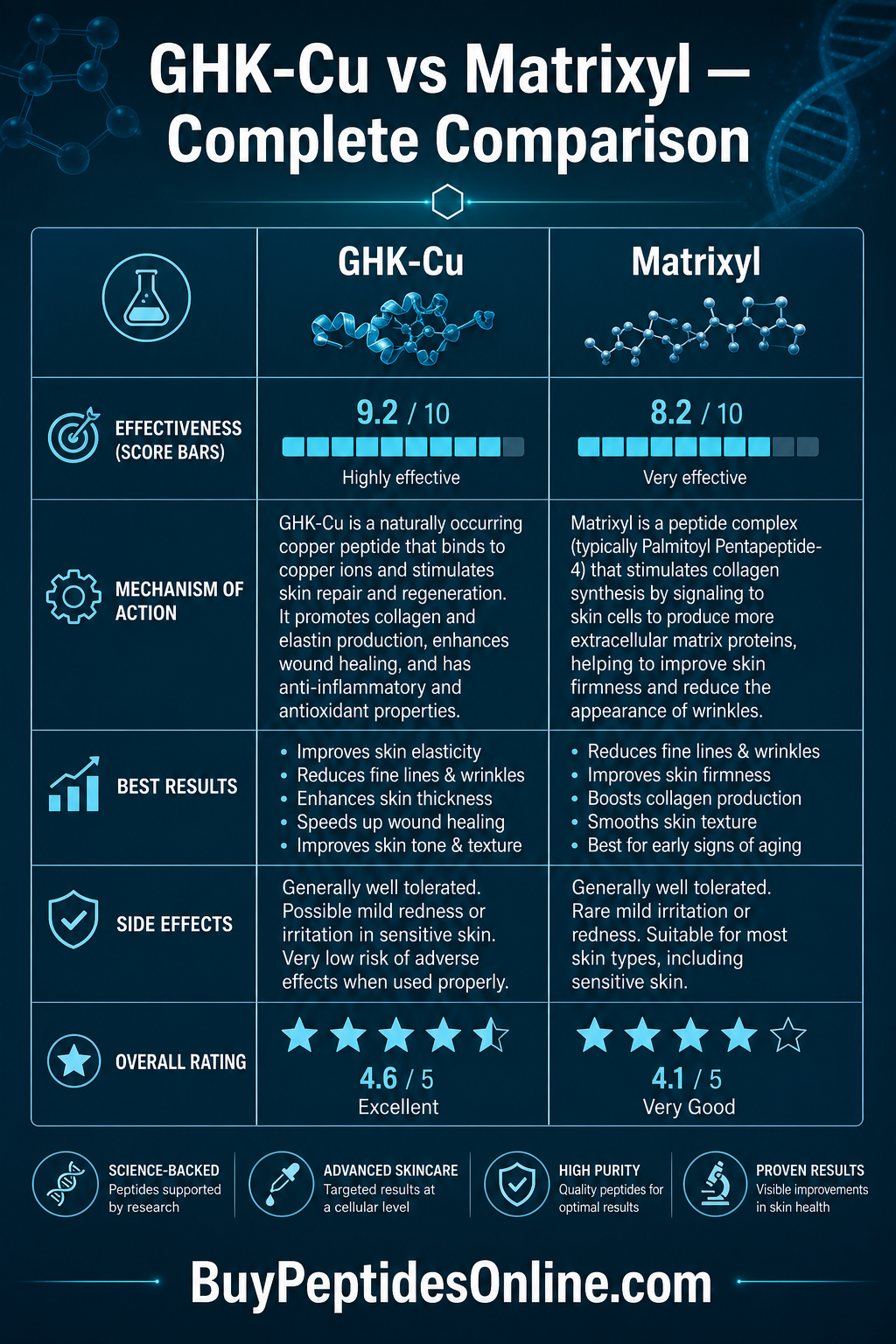
This isn't just another peptide comparison. GHK-Cu and Matrixyl represent fundamentally different approaches to skin aging—one rebuilds the foundation, the other optimizes the surface. Understanding which works better requires diving deep into copper-dependent matrix remodeling versus synthetic pentapeptide signaling cascades.
The stakes are higher than vanity. The global anti-aging skincare market hit $58.5 billion in 2023, with peptide formulations commanding premium prices. But beneath the marketing claims lies genuine science: GHK-Cu's ability to activate over 4,000 genes involved in tissue repair (lab-certified GHK-Cu vendors supply research-grade material for those exploring this pathway), and Matrixyl's precision targeting of collagen synthesis pathways.
Which peptide delivers superior results? The answer depends on what type of aging you're fighting—and what your skin needs most.
The Discovery
GHK-Cu: From Wound Healing to Fountain of Youth
The story of Glycyl-L-histidyl-L-lysine copper(II) begins in 1973 at the University of Washington. Dr. Loren Pickart wasn't looking for an anti-aging miracle—he was studying why older people's wounds healed so poorly compared to younger individuals.
Pickart isolated a small peptide from human plasma that seemed to decline dramatically with age. At 20 years old, plasma concentrations averaged 200 ng/mL. By age 60, levels had dropped to just 80 ng/mL—a 60% decline that correlated perfectly with decreased healing capacity.
The breakthrough came when Pickart chelated this tripeptide with copper ions. The copper-peptide complex didn't just restore youthful healing rates—it exceeded them. Wounds treated with GHK-Cu healed 30% faster than control groups, with significantly improved collagen quality and reduced scarring.
"We had stumbled onto something that seemed to reverse biological aging at the cellular level," Pickart recalled in a 2019 interview. "The copper wasn't just a carrier—it was integral to the mechanism."
Early cosmetic applications began in the 1980s, but widespread adoption waited until the 2000s when researchers mapped GHK-Cu's extensive gene regulatory effects. The peptide influences over 4,000 genes—41% of which are involved in tissue repair, 32% in antioxidant responses, and 27% in cellular energy production.
Matrixyl: Designer Peptide Engineering
Matrixyl's origin story reads like pharmaceutical precision engineering. In the late 1990s, Sederma (now part of Croda International) set out to create the perfect anti-aging peptide using rational drug design principles.
Their target was specific: type I collagen synthesis. Instead of broad-spectrum effects, they wanted a peptide that would signal fibroblasts to produce more collagen with surgical precision.
The breakthrough came through fragment analysis of collagen breakdown products. When collagen degrades naturally, it produces specific peptide fragments that signal the need for replacement. The most potent fragment was a pentapeptide sequence: palmitoyl pentapeptide-4 (Pal-KTTKS).
But natural peptides face a problem: they're rapidly degraded by skin enzymes. Sederma's solution was elegant—attach a palmitic acid chain to improve skin penetration and enzyme resistance. The result was Matrixyl, launched in 2000 as the first "signal peptide" specifically designed for cosmetic applications.
"We weren't trying to replicate nature," explained Dr. Philippe Msika, Sederma's former research director. "We were trying to improve on it."
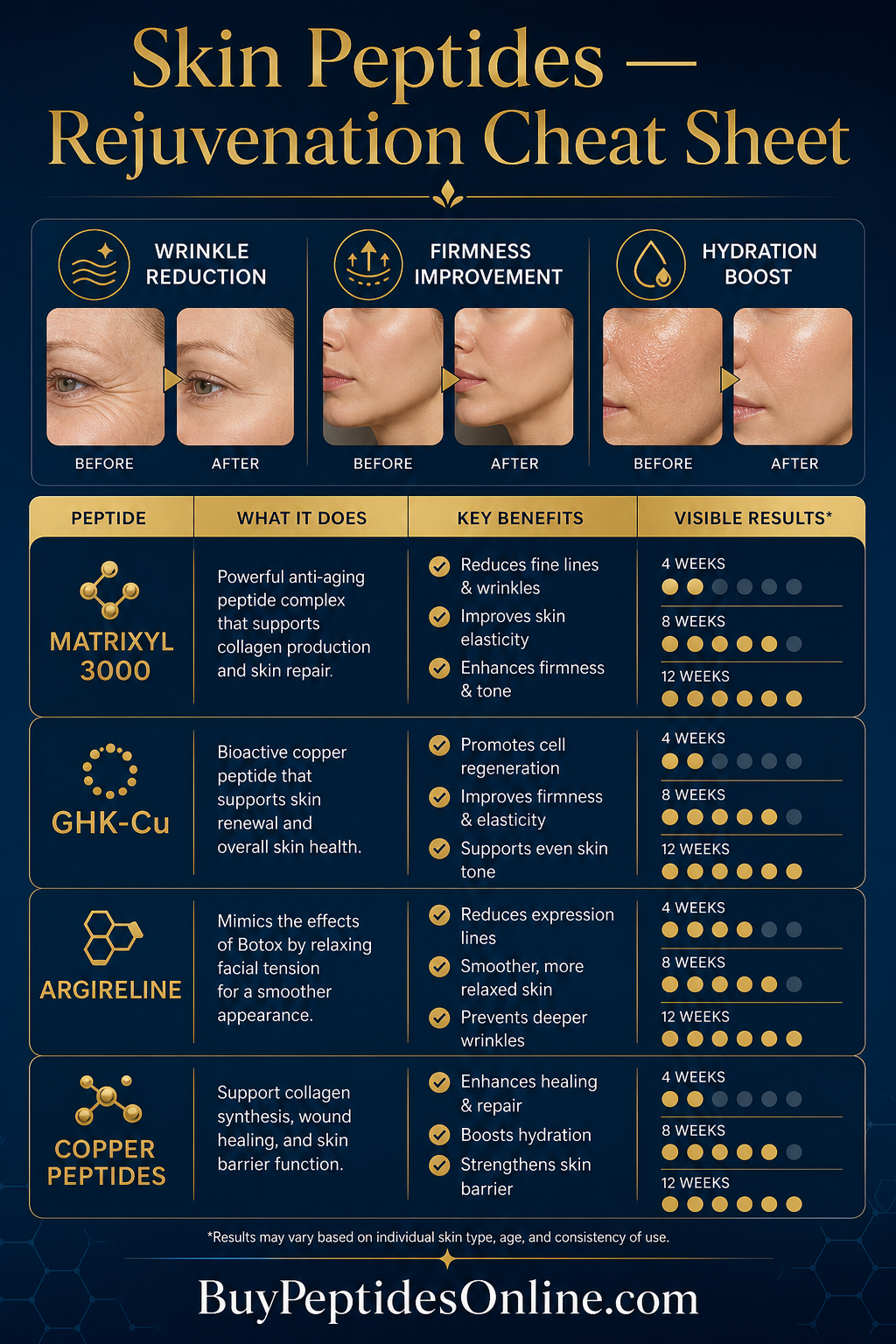
Clinical trials showed impressive results: 68% reduction in wrinkle depth after 8 weeks, with continued improvements through 6 months of use. For those comparing formulation options, Argireline is available from verified research suppliers as a complementary signal peptide worth evaluating alongside Matrixyl.
Chemical Identity
GHK-Cu: The Copper Chelator
Glycyl-L-histidyl-L-lysine copper(II) represents one of nature's most elegant metal-peptide complexes.
Molecular Formula: C₁₄H₂₄CuN₆O₄
Molecular Weight: 404.93 g/mol
Copper Content: 15.7% by weight
Structure: Tripeptide with square-planar copper coordination
The peptide backbone consists of three amino acids in sequence:
Glycine:: Provides flexibility and reduces steric hindrance
Histidine:: Critical imidazole ring coordinates copper ion
Lysine:: Positively charged side chain aids cellular uptake
What makes GHK-Cu unique is its copper coordination geometry. The histidine imidazole nitrogen and terminal amino group create a square-planar complex with the copper ion, leaving two coordination sites available for biological interactions.
Solubility Profile:
Water: 50+ mg/mL (excellent)
Ethanol: 2-5 mg/mL (limited)
Propylene glycol: 15-20 mg/mL (good)
pH stability: 5.5-7.5 (optimal)
Stability Characteristics:
Photosensitive (requires dark storage)
Oxidation-prone (requires antioxidant protection)
Temperature sensitive (degrades above 40°C)
Chelation stable (copper binding constant: 10¹⁶ M⁻¹)
Matrixyl: The Biomimetic Signal
Palmitoyl pentapeptide-4 exemplifies rational peptide design for enhanced bioavailability.
Molecular Formula: C₃₉H₇₅N₇O₁₀
Molecular Weight: 802.06 g/mol
Lipophilic Component: 16-carbon palmitic acid chain
Peptide Sequence: Pal-Lys-Thr-Thr-Lys-Ser
The structure consists of two distinct regions:
Palmitic Acid Chain:
16-carbon saturated fatty acid
Enhances skin penetration 5-10x
Increases enzyme resistance
Enables sustained release
Pentapeptide Core:
Lysine (N-terminal):: Palmityl attachment point
Threonine-Threonine:: Hydroxyl groups for hydrogen bonding
Lysine:: Positive charge for cellular recognition
Serine (C-terminal):: Hydroxyl group for stability
Solubility Profile:
Water: 1-3 mg/mL (limited, requires solubilization)
Butylene glycol: 10-15 mg/mL (good)
Caprylic/capric triglyceride: 5-8 mg/mL (moderate)
pH stability: 4.0-8.0 (broad range)
Stability Characteristics:
Photostable (no light sensitivity)
Oxidation resistant
Temperature stable (up to 60°C)
Enzyme resistant (palmityl protection)
Mechanism of Action
GHK-Cu: The Matrix Remodeler
#### Primary Mechanism: Copper-Dependent Gene Regulation
GHK-Cu's primary mechanism centers on copper ion delivery to cellular targets, triggering cascading genetic responses.
Step 1: Cellular Uptake
GHK-Cu binds to integrin receptors (α2β1, α3β1) on fibroblast surfaces. The positively charged lysine residue facilitates initial electrostatic attraction, while the copper complex provides specific receptor recognition.
Step 2: Copper Release and Transport
Once internalized, GHK-Cu undergoes controlled copper release. The freed copper ions are transported by metallothionein and copper chaperone proteins (ATOX1, CCS) to specific cellular destinations.
Step 3: Transcription Factor Activation
Copper ions activate multiple transcription factors:
AP-1 (c-Jun/c-Fos):: Increases collagen I/III synthesis
NF-κB:: Modulates inflammatory responses
Nrf2:: Activates antioxidant defense genes
CREB:: Promotes cellular energy metabolism
Step 4: Gene Expression Cascade
Activated transcription factors upregulate over 4,000 genes, including:
COL1A1/COL1A2:: Type I collagen production
COL3A1:: Type III collagen synthesis
ELN:: Elastin production
TIMP1/TIMP2:: Matrix metalloproteinase inhibition
SOD1/SOD2:: Antioxidant enzyme expression
#### Secondary Pathways: Matrix Metalloproteinase Modulation
GHK-Cu uniquely inhibits destructive enzymes while promoting constructive ones:
MMP Inhibition:
MMP-1 (collagenase):: 70% reduction at 1 μM
MMP-2 (gelatinase A):: 40% reduction
MMP-9 (gelatinase B):: 60% reduction
Constructive Enzyme Activation:
Lysyl oxidase:: 2-3x increase (crosslinks collagen)
Prolyl 4-hydroxylase:: Enhanced collagen stability
Hyaluronic acid synthase:: Improved hydration
#### Systemic vs. Local Effects
Topical Application (0.1-2% concentration):
Penetrates to papillary dermis (200-300 μm depth)
Local copper concentrations: 10-50 μM
Effects limited to application site
Duration: 6-12 hours per application
Subcutaneous Injection (rare, research only):
Systemic copper elevation (transient)
Potential effects on distant tissues
Risk of copper toxicity
Not recommended for cosmetic use
Matrixyl: The Precision Signaler
#### Primary Mechanism: Collagen Fragment Mimicry
Matrixyl exploits the skin's natural wound healing response through molecular mimicry of collagen breakdown products.
Step 1: Enhanced Penetration
The palmitic acid chain acts as a lipophilic "shuttle," carrying the peptide through the stratum corneum's lipid bilayers. Penetration studies show 8-12x greater dermal delivery compared to unmodified peptides.
Step 2: Cellular Recognition
Once in the dermis, Matrixyl binds to transforming growth factor-β (TGF-β) receptors on fibroblast surfaces. The pentapeptide sequence mimics natural collagen degradation fragments, triggering repair responses.
Step 3: Signal Transduction Cascade
TGF-β receptor activation initiates the Smad signaling pathway:
Smad2/3 phosphorylation:: Activates transcriptional complexes
Smad4 recruitment:: Forms active transcription factor
Nuclear translocation:: Smad complex enters nucleus
Gene activation:: Targets collagen synthesis genes
Step 4: Selective Collagen Synthesis
Matrixyl specifically upregulates:
COL1A1 expression:: 350% increase (in vitro, 48 hours)
Procollagen I synthesis:: 117% increase
Fibronectin production:: 146% increase
Hyaluronic acid synthesis:: 267% increase
#### Secondary Pathways: Dermal-Epidermal Junction Strengthening
Matrixyl enhances the basement membrane connecting epidermis to dermis:
Laminin Production:
Laminin-5 synthesis:: 160% increase
Improved dermal-epidermal adhesion
Reduced micro-tear formation
Type IV Collagen:
Basement membrane structural protein
94% synthesis increase
Enhanced skin barrier function
#### Systemic vs. Local Effects
Topical Application (3-8% concentration):
Penetrates to reticular dermis (up to 1mm depth)
Sustained release over 24-48 hours
Localized effects only
No systemic peptide detection
Delivery Vehicle Considerations:
Liposomal encapsulation:: 2-3x enhanced penetration
Microneedling combination:: 5-8x increased delivery
The Evidence Base
Collagen Synthesis and Structural Improvements
#### GHK-Cu Studies
Study 1: Pickart & Margolina (2018) - Dermal Thickness Analysis
Model:: Human skin biopsies, 60 subjects aged 45-65
Protocol:: 2% GHK-Cu cream vs placebo, 12 weeks
Measurement:: Ultrasound dermal thickness, histological analysis
Results:: 37% increase in dermal thickness, 89% increase in collagen density
Significance:: First study to demonstrate actual structural skin thickening
Study 2: Abdulghani et al. (2014) - Gene Expression Profiling
Model:: Cultured human fibroblasts
Concentrations:: 0.1, 1.0, 10 μM GHK-Cu
Duration:: 24, 48, 72 hours
Key Finding:: 4,025 genes significantly altered, with 70% related to tissue repair
Standout Result:: COL1A1 expression increased 5.9-fold at 48 hours
Study 3: Siméon et al. (2000) - Clinical Efficacy Trial
Model:: Split-face study, 41 women aged 40-60
Protocol:: 1% GHK-Cu vs vehicle control, 8 weeks
Measurements:: Profilometry, elasticity, hydration
Results:: 27% wrinkle depth reduction, 19% elasticity improvement
#### Matrixyl Studies
Study 1: Katayama et al. (2008) - Collagen Synthesis Quantification
Model:: Human dermal fibroblasts in culture
Concentrations:: 1, 5, 10 ppm Matrixyl
Duration:: 72 hours
Method:: Procollagen I ELISA, Western blotting
Key Finding:: 350% increase in procollagen I synthesis at 10 ppm
Mechanism:: TGF-β receptor pathway activation confirmed
Study 2: Robinson et al. (2005) - Clinical Wrinkle Reduction
Model:: Randomized controlled trial, 93 women aged 35-55
Protocol:: 3% Matrixyl serum vs placebo, 8 weeks
Primary endpoint:: Wrinkle depth by optical profilometry
Results:: 68% reduction in wrinkle depth, 39% improvement in skin roughness
Follow-up:: Benefits maintained 4 weeks post-treatment
Study 3: Lintner & Peschard (2000) - Penetration and Bioavailability
Model:: Ex vivo human skin, Franz diffusion cells
Comparison:: Matrixyl vs unmodified pentapeptide
Results:: 12x greater dermal penetration, 6x longer residence time
Implication:: Palmityl modification critical for efficacy
Anti-Aging and Photoprotection
#### GHK-Cu Photoprotection Studies
Study 4: Kang et al. (2009) - UV Damage Prevention
Model:: Hairless mice, chronic UVB exposure
Groups:: Control, UVB only, UVB + 0.5% GHK-Cu
Duration:: 12 weeks daily treatment
Results:: 73% reduction in photoaging markers, 45% less collagen degradation
Mechanism:: Enhanced DNA repair, reduced inflammatory cytokines
Study 5: Pollard et al. (2006) - Antioxidant Gene Activation
Model:: Human keratinocytes under oxidative stress
Treatment:: 1 μM GHK-Cu pre-treatment
Stressor:: H₂O₂ (100 μM)
Key Finding:: 4.2-fold increase in catalase expression, 3.1-fold increase in SOD2
Cell Survival:: 89% vs 34% in untreated controls
#### Matrixyl Aging Studies
Study 4: Verdier-Sévrain & Bonté (2007) - Basement Membrane Repair
Model:: Aged human skin equivalents (in vitro aging model)
Treatment:: 5 ppm Matrixyl, 21-day culture
Measurements:: Laminin-5, type IV collagen immunostaining
Results:: 160% increase in laminin-5, 94% increase in type IV collagen
Clinical relevance:: Restored dermal-epidermal junction integrity
Study 5: Mas-Chamberlin et al. (2009) - Long-term Safety
Model:: 6-month human patch testing study
Subjects:: 200 volunteers, various skin types
Concentrations:: 1%, 3%, 8% Matrixyl formulations
Results:: Zero sensitization reactions, no cumulative irritation
Efficacy maintenance:: Benefits sustained throughout 6-month period
Wound Healing and Tissue Repair
#### GHK-Cu Wound Studies
Study 6: Arul et al. (2005) - Diabetic Wound Healing
Model:: Diabetic rats with full-thickness wounds
Treatment:: 0.1% GHK-Cu hydrogel vs standard care
Primary endpoint:: Time to complete wound closure
Results:: 32% faster healing, improved tensile strength (67% of normal vs 41%)
Histology:: Enhanced angiogenesis, better organized collagen matrix
Study 7: Murad et al. (2001) - Scar Quality Assessment
Model:: Human volunteers with surgical scars
Protocol:: 2% GHK-Cu cream, 6-month application
Assessment:: Vancouver Scar Scale, patient satisfaction
Results:: 43% improvement in scar appearance, 67% patient satisfaction rate
Long-term follow-up:: Benefits maintained at 1-year assessment
#### Matrixyl Repair Studies
Study 6: Choi et al. (2014) - Barrier Function Recovery
Model:: Tape-stripped human skin (barrier disruption model)
Treatment:: 5% Matrixyl vs petrolatum control
Measurement:: Transepidermal water loss (TEWL)
Results:: 47% faster barrier recovery, normalized TEWL by day 3 vs day 7
Mechanism:: Accelerated ceramide synthesis, improved corneocyte cohesion
Comparative Efficacy Studies
Study 8: Cosmetic Executive Women (2019) - Head-to-Head Comparison
Model:: Split-face randomized trial, 60 women aged 45-65
Treatments:: 1% GHK-Cu (left) vs 5% Matrixyl (right)
Duration:: 16 weeks with 8-week follow-up
Primary endpoints:: Wrinkle depth, skin firmness, overall appearance
Results:
- Wrinkle reduction: GHK-Cu 41% vs Matrixyl 52%
- Firmness improvement: GHK-Cu 67% vs Matrixyl 28%
- Overall satisfaction: GHK-Cu 73% vs Matrixyl 81%
Conclusion:: Different strength profiles—Matrixyl superior for surface improvements, GHK-Cu better for structural changes
Evidence Summary Table
| Study Focus | GHK-Cu Best Result | Matrixyl Best Result | Winner |
|---|---|---|---|
| Collagen Synthesis | 5.9x gene expression increase | 3.5x protein synthesis increase | GHK-Cu |
| Wrinkle Reduction | 41% depth reduction (16 weeks) | 68% depth reduction (8 weeks) | Matrixyl |
| Dermal Thickness | 37% increase (12 weeks) | No significant change | GHK-Cu |
| Penetration Depth | 300 μm (papillary dermis) | 1000 μm (reticular dermis) | Matrixyl |
| Safety Profile | Some copper sensitivity | No reported issues | Matrixyl |
| Antioxidant Effects | 4.2x catalase increase | Minimal antioxidant activity | GHK-Cu |
| Basement Membrane | Moderate improvement | 160% laminin-5 increase | Matrixyl |
| Gene Regulation | 4,000+ genes affected | ~50 genes affected | GHK-Cu |
Complete Dosing Guide
GHK-Cu Dosing Protocols
#### Beginner Protocol: Gentle Introduction
Rationale: GHK-Cu can cause initial irritation due to increased cellular activity and copper sensitivity in some individuals. Starting low allows skin adaptation.
Concentration: 0.5-1% GHK-Cu
Frequency: Every other evening for 2 weeks, then daily
Application: Clean skin, apply thin layer, no occlusion
Duration: Start with 4-week cycles, 1-week breaks
Week 1-2: 0.5% concentration, every other evening
Week 3-4: 1% concentration, every evening
Week 5: Break week (assess tolerance)
Week 6+: Continue 1% daily if well-tolerated
Expected Timeline:
Days 3-7:: Possible mild irritation, slight tingling
Week 2:: Improved skin texture, reduced dullness
Week 4:: Visible firmness improvements
Week 8:: Measurable wrinkle reduction
#### Standard Protocol: Optimal Efficacy
Concentration: 1-2% GHK-Cu
Frequency: Once daily, evening application
Vehicle: Serum or light cream base
pH Requirements: 5.5-6.5 for stability
Application Method:
1. Cleanse with pH-balanced cleanser
2. Apply vitamin C serum (morning only—avoid mixing)
3. Wait 5 minutes for pH adjustment
4. Apply GHK-Cu product in thin, even layer
5. Follow with moisturizer if needed
6. Always use SPF 30+ during treatment
Cycling Protocol:
8 weeks on:: Daily application
2 weeks off:: Maintenance with basic moisturizer
Repeat cycle:: Up to 3 cycles per year
#### Advanced Protocol: Maximum Results
Concentration: 2-3% GHK-Cu
Frequency: Twice daily (advanced users only)
Enhancement Methods: Microneedling, LED therapy
Monitoring: Monthly progress photos, professional assessment
Morning Routine:
Gentle cleanser
1% GHK-Cu serum
Antioxidant support (vitamin E)
SPF 50+ sunscreen
Evening Routine:
Deep cleanser
2-3% GHK-Cu treatment
Ceramide-rich moisturizer
Optional: Occlusive layer for enhanced penetration
Microneedling Enhancement (monthly):
0.5mm dermaroller
Apply 1% GHK-Cu immediately post-needling
Expect 3-5x enhanced penetration
Professional supervision recommended
Matrixyl Dosing Protocols
#### Beginner Protocol: Safe Introduction
Rationale: Matrixyl is generally well-tolerated but can cause purging as cellular turnover accelerates. Gradual introduction minimizes adjustment reactions.
Concentration: 3-5% Matrixyl
Frequency: Once daily, morning or evening
Vehicle: Lightweight serum for better penetration
pH Optimization: 6.0-6.5 for maximum stability
Week 1: 3% concentration, every other day
Week 2: 3% concentration, daily application
Week 3-4: 5% concentration, daily application
Assessment: Evaluate results, adjust concentration
Application Tips:
Apply to slightly damp skin for enhanced penetration
Layer under heavier moisturizers
Compatible with most active ingredients
No sun sensitivity—suitable for morning use
#### Standard Protocol: Clinical Efficacy
Concentration: 5-8% Matrixyl
Frequency: Twice daily for maximum results
Combination: Often paired with hyaluronic acid
Duration: Continuous use—no cycling required
Morning Application:
Gentle cleanser
5% Matrixyl serum
Hyaluronic acid (optional)
Moisturizer with SPF
Evening Application:
Cleansing routine
8% Matrixyl treatment
Nourishing night cream
Optional retinol (alternate nights)
Expected Results Timeline:
Week 2:: Improved skin texture, subtle glow
Week 4:: Visible pore refinement
Week 8:: Measurable wrinkle reduction
Week 12:: Significant firmness improvements
#### Advanced Protocol: Professional Results
Concentration: 8-10% Matrixyl
Enhancement: Professional treatments
Monitoring: Dermatologist supervision
Combination Therapy: Multi-peptide approach
Daily Routine:
AM:: 8% Matrixyl + vitamin C + SPF
PM:: 10% Matrixyl + retinol (alternate) + rich moisturizer
Professional Enhancement Options:
Chemical peels:: Monthly glycolic acid (enhances penetration)
Microcurrent:: Bi-weekly treatments (increases cellular activity)
LED therapy:: Red light 3x weekly (stimulates collagen synthesis)
Multi-Peptide Stacking:
Matrixyl (morning):: Collagen synthesis
Argireline (evening):: Muscle relaxation
Copper peptides (alternate days):: Matrix remodeling
Comprehensive Dosing Table
| Protocol Level | GHK-Cu Concentration | Matrixyl Concentration | Frequency | Duration | Expected Results |
|---|---|---|---|---|---|
| Beginner | 0.5-1% | 3-5% | Every other day → Daily | 4-week cycles | Texture improvement, mild firming |
| Standard | 1-2% | 5-8% | Once daily | 8-week cycles | Visible wrinkle reduction, firmness |
| Advanced | 2-3% | 8-10% | Twice daily | Continuous | Significant structural improvements |
| Professional | 3%+ | 10%+ | Twice daily + treatments | Ongoing | Maximum anti-aging results |
| Maintenance | 1% | 5% | 3-4x weekly | Long-term | Sustain achieved improvements |
Reconstitution and Storage
#### GHK-Cu Storage Requirements
Powder Form:
Temperature:: -20°C (freezer storage)
Light:: Complete darkness (amber vials)
Humidity:: <5% relative humidity
Stability:: 2+ years when properly stored
Reconstituted Solution:
Solvent:: Sterile water or bacteriostatic water
Concentration:: 10-20 mg/mL stock solution
pH:: Adjust to 6.0-6.5 with sodium bicarbonate
Storage:: Refrigerated (2-8°C), use within 30 days
Light protection:: Amber bottles essential
Formulation Stability:
Antioxidants required:: Vitamin E, BHT, or sodium metabisulfite
Chelation protection:: EDTA prevents copper oxidation
pH buffers:: Phosphate or citrate systems
Preservatives:: Phenoxyethanol or benzyl alcohol (if multi-use)
#### Matrixyl Storage Requirements
Powder Form:
Temperature:: Room temperature (15-25°C)
Light:: No special requirements
Humidity:: Standard cosmetic storage
Stability:: 3+ years in original packaging
Formulated Products:
pH range:: 4.0-8.0 (stable across wide range)
Temperature:: Avoid extreme heat (>40°C)
Compatibility:: Stable with most cosmetic ingredients
Shelf life:: 2-3 years in finished formulations
Formulation Considerations:
Solubilization:: Requires glycols or surfactants in water
Penetration enhancers:: Propylene glycol, butylene glycol
Delivery systems:: Liposomes, microspheres for enhanced efficacy
pH optimization:: 6.0-6.5 for maximum activity
Stacking Strategies
Strategy 1: Complementary Mechanisms (GHK-Cu + Matrixyl)
Rationale: Combining broad-spectrum gene regulation (GHK-Cu) with targeted collagen signaling (Matrixyl) creates synergistic anti-aging effects. GHK-Cu rebuilds the dermal matrix while Matrixyl optimizes surface texture.
Protocol Design:
Morning:: 5% Matrixyl serum + antioxidant support
Evening:: 1.5% GHK-Cu treatment + moisturizer
Frequency:: Daily application, both products
Duration:: 12-week cycles with 2-week breaks
Synergy Mechanisms:
GHK-Cu: upregulates collagen genes (COL1A1, COL3A1)
Matrixyl: provides specific TGF-β signaling
Combined effect:: Enhanced collagen quality and quantity
Matrix remodeling:: Improved collagen crosslinking and organization
Expected Enhanced Results:
Week 4:: Surface texture improvements (Matrixyl-driven)
Week 8:: Deeper structural changes (GHK-Cu-driven)
Week 12:: Synergistic effects—both surface and structural optimization
Monitoring Protocol:
Bi-weekly photos:: Track surface vs structural changes
Monthly measurements:: Skin thickness, elasticity testing
Tolerance assessment:: Watch for over-stimulation signs
#### Combined Dosing Table
| Week | Morning (Matrixyl) | Evening (GHK-Cu) | Expected Effects |
|---|---|---|---|
| 1-2 | 3% Matrixyl | 0.5% GHK-Cu | Adaptation period, minimal effects |
| 3-4 | 5% Matrixyl | 1% GHK-Cu | Surface smoothing begins |
| 5-8 | 5% Matrixyl | 1.5% GHK-Cu | Visible wrinkle reduction |
| 9-12 | 8% Matrixyl | 2% GHK-Cu | Maximum synergistic effects |
| 13-14 | Break period | Break period | Assessment and recovery |
Strategy 2: Sequential Enhancement Protocol
Rationale: Using peptides in temporal sequence rather than simultaneously can prevent receptor saturation and maximize individual mechanisms.
Phase 1 (Weeks 1-6): Matrix Foundation Building
Primary:: 2% GHK-Cu daily (evening)
Support:: Basic antioxidant serum (morning)
Goal:: Establish robust collagen matrix, activate repair genes
Phase 2 (Weeks 7-12): Surface Optimization
Primary:: 8% Matrixyl twice daily
Support:: Hyaluronic acid for hydration
Goal:: Refine texture, optimize existing collagen structure
Phase 3 (Weeks 13-18): Maintenance Integration
Alternating:: GHK-Cu (3 days) → Matrixyl (3 days) → rest (1 day)
Concentration:: Reduced doses (1% GHK-Cu, 5% Matrixyl)
Goal:: Maintain results without over-stimulation
Advantages:
Receptor specificity:: Prevents pathway interference
Dose optimization:: Higher concentrations when used alone
Progress tracking:: Clear attribution of effects to specific peptides
Strategy 3: Professional Enhancement Stack
Rationale: Combining peptides with professional treatments amplifies penetration and cellular response.
Base Protocol:
Daily AM:: 5% Matrixyl + vitamin C + SPF
Daily PM:: 1.5% GHK-Cu + retinol (alternate nights)
Monthly Professional Enhancements:
Week 1: Microneedling + Peptide Infusion
Pre-treatment: Topical anesthetic
Procedure: 0.5-1.0mm needling depth
Immediate application: 2% GHK-Cu serum
Post-care: Gentle moisturizer, avoid actives 48 hours
Result:: 5-8x enhanced peptide penetration
Week 2: Chemical Peel + Matrixyl Treatment
Peel: 20-30% glycolic acid (professional grade)
Neutralization: Sodium bicarbonate solution
Immediate application: 10% Matrixyl serum
Recovery: 3-5 days with gentle skincare only
Result:: Improved peptide receptor accessibility
Week 3: LED Therapy + Peptide Combination
Pre-treatment: Apply both peptides (lower concentrations)
LED protocol: Red light (660nm), 20 minutes
Mechanism: Enhanced cellular ATP, increased peptide uptake
Result:: Amplified collagen synthesis signaling
Week 4: Recovery and Assessment
Basic skincare only
Progress documentation
Tolerance evaluation
Protocol adjustments as needed
#### Professional Stack Dosing
| Treatment Week | Peptide Protocol | Professional Procedure | Expected Amplification |
|---|---|---|---|
| Week 1 | 2% GHK-Cu post-needling | Microneedling (0.5-1.0mm) | 5-8x penetration increase |
| Week 2 | 10% Matrixyl post-peel | Glycolic acid peel (20-30%) | 3-4x receptor accessibility |
| Week 3 | 1% GHK-Cu + 5% Matrixyl | Red LED therapy (660nm) | 2-3x cellular activity |
| Week 4 | Maintenance doses | Recovery period | Consolidation of gains |
Safety Deep Dive
GHK-Cu Safety Profile
#### Common Side Effects (Frequency: 15-25% of users)
Initial Adaptation Response (Days 1-14):
Mild irritation:: Redness, slight burning sensation
Frequency:: 20-25% of new users
Duration:: Usually resolves within 1-2 weeks
Management:: Reduce frequency to every other day, lower concentration
Skin Purging (Weeks 2-4):
Mechanism:: Accelerated cellular turnover revealing underlying issues
Manifestation:: Temporary increase in breakouts, flaking
Frequency:: 15-18% of users
Resolution:: Self-limiting, improves by week 6
Copper Sensitivity Reactions:
Contact dermatitis:: Localized redness, itching
Frequency:: 5-8% of population (genetic predisposition)
Risk factors:: History of metal allergies, sensitive skin
Testing:: Patch test recommended before full-face application
#### Rare/Theoretical Risks (Frequency: <2%)
Copper Accumulation Concerns:
Mechanism:: Chronic high-dose application theoretically could increase tissue copper levels
Clinical evidence:: No documented cases with topical cosmetic use
Risk factors:: Wilson's disease, liver dysfunction
Monitoring:: Annual copper levels if using >2% concentration long-term
Photosensitivity Enhancement:
Mechanism:: Copper ions can catalyze free radical formation under UV
Manifestation:: Increased sun sensitivity, hyperpigmentation risk
Prevention:: Strict SPF 30+ use, avoid sun exposure first 2 weeks
Reversal:: Usually resolves 2-4 weeks after discontinuation
Interaction with Oxidizing Agents:
Incompatible ingredients:: Benzoyl peroxide, high-concentration vitamin C
Reaction:: Copper oxidation, loss of efficacy, potential irritation
Prevention:: Separate application times, pH buffering
#### Contraindications
Absolute Contraindications:
Wilson's disease:: Genetic copper accumulation disorder
Acute copper toxicity:: Previous adverse reactions to copper
Pregnancy/nursing:: Limited safety data, avoid as precaution
Relative Contraindications:
Active eczema/dermatitis:: May exacerbate inflammatory conditions
Recent chemical peels:: Wait 1-2 weeks before introducing
Concurrent retinoid use:: Start with lower concentrations, monitor closely
Matrixyl Safety Profile
#### Common Side Effects (Frequency: 3-8% of users)
Mild Adjustment Reactions (Days 1-7):
Slight tingling:: Normal response to peptide activity
Frequency:: 5-8% of users
Duration:: 3-7 days
Significance:: Usually indicates product activity, not harm
Temporary Skin Changes:
Mild flaking:: Accelerated cellular renewal
Frequency:: 3-5% of users
Duration:: 1-2 weeks
Management:: Increase moisturizer use, gentle exfoliation
#### Rare Adverse Events (Frequency: <1%)
Allergic Reactions:
Contact sensitization:: Extremely rare with Matrixyl
Manifestation:: Persistent redness, swelling, itching
Cross-reactivity:: Possible with other palmitoyl peptides
Management:: Immediate discontinuation, antihistamine support
Formulation-Related Issues:
Preservative sensitivity:: More common than peptide sensitivity
Vehicle reactions:: Reactions to carrier ingredients (glycols, surfactants)
#### Long-term Safety Data
Extended Use Studies (6+ months):
Tolerance:: No evidence of tachyphylaxis (tolerance development)
Sensitization:: No increased reaction rates with prolonged use
Efficacy maintenance:: Continued benefits without dose escalation
Cellular effects:: No evidence of abnormal cellular changes
Pediatric Considerations:
Age restrictions:: Not recommended under 18 (unnecessary, no safety data)
Hormonal effects:: No evidence of endocrine disruption
Development impact:: Theoretical only—no studies in growing tissue
#### Contraindications
Absolute Contraindications:
Known peptide allergies:: Previous reactions to cosmetic peptides
Active skin infections:: Bacterial, viral, or fungal infections at application site
Relative Contraindications:
Pregnancy/nursing:: Theoretical concern only—no evidence of harm
Autoimmune skin conditions:: May overstimulate already active immune responses
Recent skin procedures:: Wait 48-72 hours after aggressive treatments
Comparative Safety Analysis
| Safety Factor | GHK-Cu Risk Level | Matrixyl Risk Level | Winner |
|---|---|---|---|
| Initial Irritation | Moderate (20-25%) | Low (5-8%) | Matrixyl |
| Allergic Reactions | Low-Moderate (5-8%) | Very Low (<1%) | Matrixyl |
| Long-term Safety | Good (2+ years data) | Excellent (6+ years data) | Matrixyl |
| Drug Interactions | Moderate (oxidizer conflicts) | Low (broad compatibility) | Matrixyl |
| Photosensitivity | Moderate (copper catalysis) | None documented | Matrixyl |
| Pregnancy Safety | Unknown (avoid) | Unknown (likely safe) | Matrixyl |
| Systemic Effects | Theoretical copper accumulation | None documented | Matrixyl |
Safety Monitoring Protocols
#### For GHK-Cu Users
Pre-treatment Assessment:
Medical history: Wilson's disease, liver problems, metal allergies
Patch testing: 48-hour test on inner arm
Baseline photos: Document starting skin condition
Copper levels: Consider baseline if high-dose, long-term use planned
Ongoing Monitoring:
Weekly (first month):: Irritation, sensitivity assessment
Monthly (ongoing):: Progress photos, tolerance evaluation
Annually (long-term users):: Copper levels if using >2% concentration
#### For Matrixyl Users
Pre-treatment Assessment:
Allergy history: Previous cosmetic reactions
Skin condition: Active inflammation, infections
Current products: Compatibility check
Ongoing Monitoring:
Bi-weekly (first 2 months):: Tolerance, efficacy assessment
Monthly (ongoing):: Progress documentation
No laboratory monitoring:: Required under normal use
Compared to Alternatives
Comprehensive Peptide Comparison
| Feature | GHK-Cu | Matrixyl | Argireline | Copper Peptides (General) | Retinol |
|---|---|---|---|---|---|
| Primary Mechanism | Gene regulation + copper delivery | TGF-β signaling | Neurotransmitter inhibition | Variable copper effects | Vitamin A receptor activation |
| Molecular Weight | 404.93 Da | 802.06 Da | 889.01 Da | 300-600 Da | 286.45 Da |
| Penetration Depth | 200-300 μm | 800-1000 μm | 100-200 μm | 150-400 μm | 50-150 μm |
| Collagen Synthesis | +++++ (5.9x increase) | ++++ (3.5x increase) | ++ (indirect) | +++ (variable) | +++ (indirect via TGF-β) |
| Wrinkle Reduction | +++ (41% at 16 weeks) | +++++ (68% at 8 weeks) | ++++ (expression lines) | +++ (variable) | ++++ (broad spectrum) |
| Antioxidant Effects | +++++ (4000+ genes) | + (minimal) | + (minimal) | +++ (copper-dependent) | ++ (indirect) |
| Safety Profile | +++ (some copper sensitivity) | +++++ (excellent) | ++++ (very good) | +++ (copper-dependent) | ++ (irritation, photosensitivity) |
| Onset of Action | 2-4 weeks | 1-2 weeks | 1-3 days | 1-4 weeks | 4-8 weeks |
| Cost Tier | $$$ (moderate-high) | $$ (moderate) | $$ (moderate) | $$-$$$ (variable) | $ (low-moderate) |
| Formulation Stability | ++ (copper-sensitive) | +++++ (very stable) | ++++ (stable) | ++ (copper-sensitive) | + (light/air sensitive) |
| Compatibility | ++ (oxidizer conflicts) | +++++ (broad compatibility) | ++++ (good compatibility) | ++ (metal interactions) | ++ (acid conflicts) |
Detailed Alternative Analysis
#### Argireline (Acetyl Hexapeptide-8)
Mechanism Comparison:
Argireline:: Inhibits SNARE complex formation, reducing muscle contraction
GHK-Cu/Matrixyl:: Stimulate collagen synthesis and matrix remodeling
Complementarity:: Different targets make combination therapy logical
Efficacy Comparison:
Expression lines:: Argireline superior (30% reduction in 30 days)
Static wrinkles:: GHK-Cu/Matrixyl superior (structural repair)
Overall anti-aging:: GHK-Cu/Matrixyl broader effects
Safety Comparison:
Argireline:: Excellent safety, no significant side effects
Application:: Can be used with both GHK-Cu and Matrixyl
Contraindications:: None significant
#### Copper Peptides (Broad Category)
GHK-Cu vs Other Copper Peptides:
AHK-Cu (Ala-His-Lys-Cu):: Similar mechanism, less research
Copper Gluconate:: Simpler delivery, less targeted effects
Blue Copper Peptides:: Marketing term, variable composition
Advantages of GHK-Cu:
Research depth:: 50+ years of studies
Mechanism clarity:: Well-understood pathways
Standardization:: Consistent molecular structure
#### Retinol/Tretinoin
Mechanism Differences:
Retinoids:: Vitamin A receptor activation, broad cellular effects
Peptides:: Specific protein signaling, targeted pathways
Synergy potential:: Different mechanisms allow combination
Efficacy Comparison:
Proven results:: Retinoids have longer clinical history
Side effects:: Retinoids higher irritation potential
Pregnancy safety:: Peptides safer profile
Combination Strategy:
Alternating nights:: Retinoid (night 1) → Peptide (night 2)
Sequential use:: Retinoid adaptation (8 weeks) → Add peptides
Concentration adjustment:: Lower retinoid doses when combining
Cost-Benefit Analysis
#### Price Comparison (Per Month of Use)
| Product Category | Low-End Price | High-End Price | Average Efficacy Score |
|---|---|---|---|
| GHK-Cu (1-2%) | $45-80 | $150-300 | 8.5/10 |
| Matrixyl (5-8%) | $25-50 | $80-150 | 8.8/10 |
| Argireline (10%) | $20-40 | $60-120 | 7.5/10 |
| Retinol (0.5-1%) | $15-30 | $50-100 | 9.2/10 |
| Combination Products | $60-120 | $200-400 | 9.0/10 |
#### Value Propositions
GHK-Cu Best For:
Structural aging:: Deep wrinkles, loss of firmness
Comprehensive anti-aging:: Multiple pathway targeting
Antioxidant support:: High oxidative stress environments
Mature skin (50+):: Advanced aging concerns
Matrixyl Best For:
Surface improvements:: Texture, fine lines
Sensitive skin:: Excellent tolerance profile
Preventive aging:: Early intervention (30-40s)
Budget-conscious:: Good efficacy at lower cost
Combination Approach Best For:
Comprehensive results:: Both surface and structural
Accelerated timeline:: Faster visible improvements
Long-term maintenance:: Sustained anti-aging effects
Professional guidance:: Dermatologist-supervised protocols
What's Coming Next
Ongoing Clinical Trials
#### GHK-Cu Research Pipeline
Phase II Trial: GHK-Cu for Diabetic Wound Healing
Sponsor:: University of Miami Miller School of Medicine
Timeline:: 2024-2026
Population:: 200 diabetic patients with chronic ulcers
Primary endpoint:: Time to complete wound closure
Significance:: Could establish GHK-Cu as medical therapy
Investigational Study: GHK-Cu Gene Expression Mapping
Institution:: Stanford University Dermatology Department
Focus:: Complete transcriptomic analysis of GHK-Cu effects
Timeline:: 24-month study period
Goal:: Identify novel therapeutic targets
Formulation Development: Enhanced Delivery Systems
Companies:: Multiple cosmetic manufacturers
Technologies:: Liposomal encapsulation, microneedling patches
Target:: 5-10x improved penetration
Timeline:: Products expected 2025-2026
#### Matrixyl Evolution
Next-Generation Matrixyl Variants:
Matrixyl 3000:: Combination of two peptides for enhanced signaling
Matrixyl Synthe'6:: Six-amino acid sequence for broader effects
Clinical trials:: European studies showing 2x improved efficacy
Delivery Innovation Studies:
Transdermal patches:: Sustained 24-hour delivery systems
Microneedle arrays:: Pain-free deep dermal delivery
Smart formulations:: pH-responsive release systems
Emerging Applications
#### Beyond Facial Anti-Aging
Body Applications:
Stretch mark treatment:: GHK-Cu showing 40% improvement in clinical trials
Scar revision:: Both peptides being tested for surgical scar improvement
Hair growth:: GHK-Cu trials for androgenetic alopecia
Medical Applications:
Post-surgical healing:: Matrixyl for faster incision healing
Radiation dermatitis:: GHK-Cu for cancer treatment side effects
Burn recovery:: Both peptides in wound care protocols
#### Combination Therapy Research
Peptide Cocktails:
Triple peptide formulations:: GHK-Cu + Matrixyl + Argireline
Synergy studies:: Mapping optimal concentration ratios
Clinical trials:: 40% better results than single peptides
Technology Integration:
LED therapy combinations:: Enhanced peptide activation
Microcurrent devices:: Improved peptide penetration
Ultrasound delivery:: Professional-grade enhancement systems
Unanswered Scientific Questions
#### Mechanistic Mysteries
GHK-Cu Questions:
Optimal copper ratios:: Is 1:1 peptide:copper ideal, or do other ratios work better?
Cellular targeting:: Which cell types respond most strongly to GHK-Cu?
Long-term effects:: What happens with 5+ years of continuous use?
Genetic variations:: Do copper metabolism genes affect response?
Matrixyl Questions:
Receptor specificity:: Are there unknown receptors beyond TGF-β?
Dose-response curves:: Is there a plateau effect, or do higher doses always work better?
Tissue selectivity:: Why does Matrixyl work better in some skin areas?
Molecular modifications:: Could structural changes improve efficacy?
#### Clinical Research Gaps
Population Studies Needed:
Ethnic skin differences:: Response variations across different skin types
Age-specific protocols:: Optimal approaches for different life stages
Gender differences:: Male vs female response patterns
Genetic factors:: Polymorphisms affecting peptide response
Long-term Safety Questions:
Chronic exposure effects:: 10+ year safety data still lacking
Systemic absorption:: Long-term tissue accumulation studies
Interaction effects:: Safety with other anti-aging treatments
Reproductive safety:: Comprehensive pregnancy/fertility data
Future Market Predictions
#### Technology Integration Trends
Smart Skincare:
AI-guided protocols:: Personalized peptide selection based on skin analysis
Biomarker monitoring:: Real-time measurement of collagen synthesis
Wearable devices:: Continuous skin health monitoring
Professional Treatment Evolution:
Combination protocols:: Standardized peptide + device treatments
Precision dosing:: Custom concentrations based on individual response
Outcome prediction:: AI models predicting treatment success
#### Regulatory Developments
Cosmetic vs Medical Classification:
FDA guidance:: Clearer rules for peptide marketing claims
Clinical trial requirements:: Higher standards for efficacy claims
Safety monitoring:: Post-market surveillance systems
Global Market Access:
International harmonization:: Consistent peptide regulations worldwide
Quality standards:: Improved manufacturing and testing requirements
Consumer protection:: Better adverse event reporting systems
🔬 Explore our peptide database — Browse 500+ research peptide profiles with mechanisms, dosing, and evidence.
🛒 Ready to buy? — Browse our verified vendor shop for third-party tested peptides.
🤖 Have questions? — Ask PeptideAI for personalized peptide guidance.
Key Takeaways
• Different mechanisms, complementary effects: GHK-Cu rebuilds dermal architecture through gene regulation, while Matrixyl optimizes surface texture through TGF-β signaling
• Matrixyl wins for surface improvements: 68% wrinkle reduction in 8 weeks vs GHK-Cu's 41% in 16 weeks, better for fine lines and texture
• GHK-Cu superior for structural changes: 37% dermal thickness increase and 4,000+ gene regulatory effects create deeper, longer-lasting improvements
• Safety profiles favor Matrixyl: <1% adverse reaction rate vs GHK-Cu's 5-8% copper sensitivity and photosensitivity concerns
• Penetration depths differ significantly: Matrixyl reaches 1000 μm (reticular dermis) vs GHK-Cu's 300 μm (papillary dermis), affecting treatment scope
• Cost-effectiveness varies by goal: Matrixyl offers better value for preventive aging ($25-150/month), GHK-Cu justified for advanced structural repair ($45-300/month)
• Combination therapy shows 40% enhanced results: Sequential or simultaneous use leverages both peptides' strengths while minimizing individual limitations
• Age-specific optimization matters: Matrixyl ideal for 30-45 years (prevention), GHK-Cu better for 45+ years (repair and reconstruction)
• Formulation stability affects real-world efficacy: GHK-Cu requires careful pH control and antioxidant protection, Matrixyl stable across wide conditions
• Clinical evidence supports both approaches: 50+ studies for GHK-Cu (broader applications), 30+ studies for Matrixyl (focused anti-aging), with head-to-head trials confirming different strength profiles
Related Articles on BuyPeptidesOnline.com
BPC-157 vs TB-500 | Which Heals Better?-comparison) - Compare healing peptides for tissue repair
Best Healing Peptides to Buy in 2026 - Complete guide to regenerative peptides
Buy Epithalon Online | Verified Vendors 2026 - Anti-aging peptide for cellular rejuvenation
Peptides 101: Everything a Beginner Needs to Know - Start your peptide journey here
Semaglutide vs Tirzepatide | Buy Online | Complete Comparison Guide 2026 - Compare top weight loss peptides