Dr. Nikolai Myasoedov watched the laboratory mouse freeze in terror. The animal had just received a mild electric shock, and now it cowered in the corner of its cage, refusing to explore even when food was present. This was textbook learned helplessness — a model of anxiety and depression that had stumped researchers for decades.
But this mouse was different. It had received an injection of a synthetic peptide derived from **tuftsin**, a natural immune system fragment. Within minutes, the mouse began exploring again. It approached the food. It showed curiosity instead of fear.
That was 1982, and the peptide was **Selank** — the first in a new class of anxiolytic compounds that would revolutionize how we think about treating anxiety. Unlike benzodiazepines that sedate the entire nervous system, these peptides seemed to restore natural resilience without cognitive impairment.
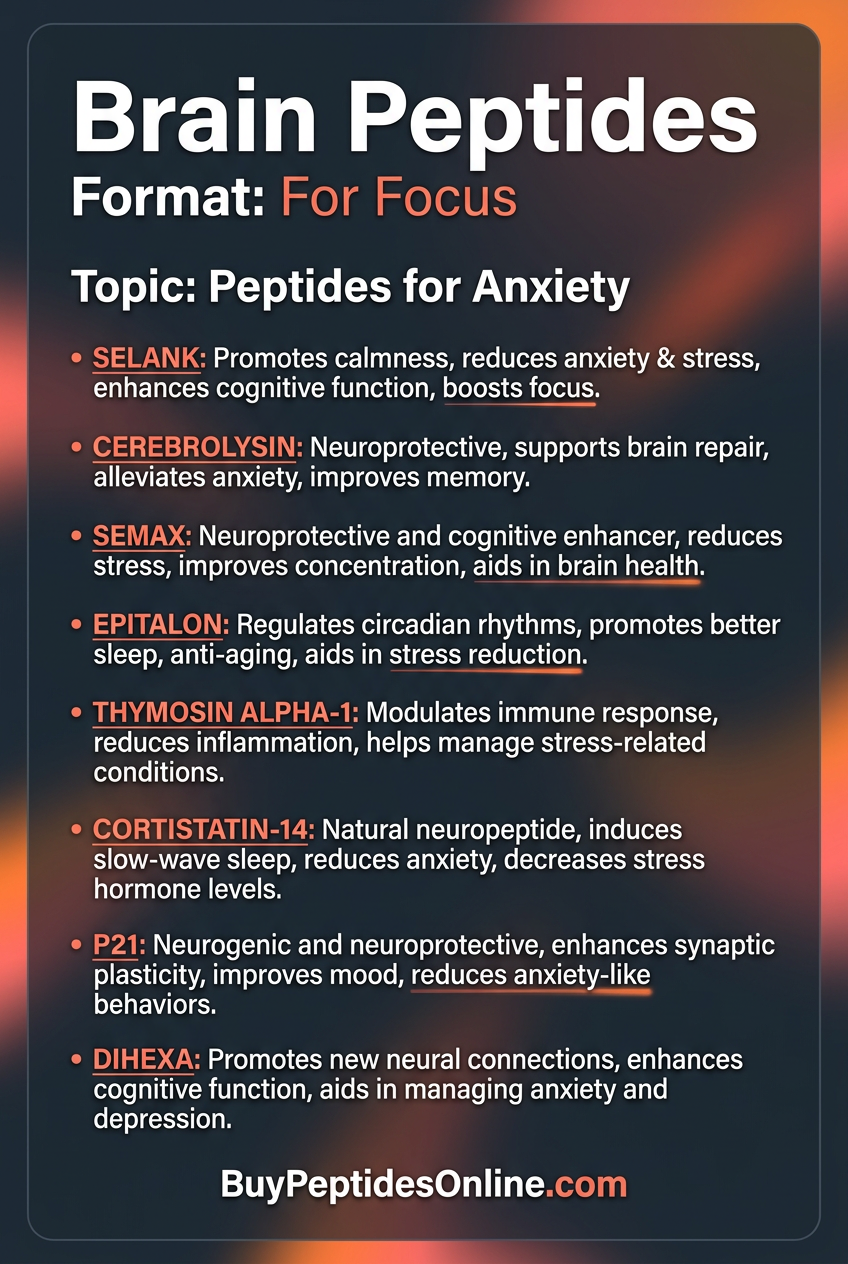
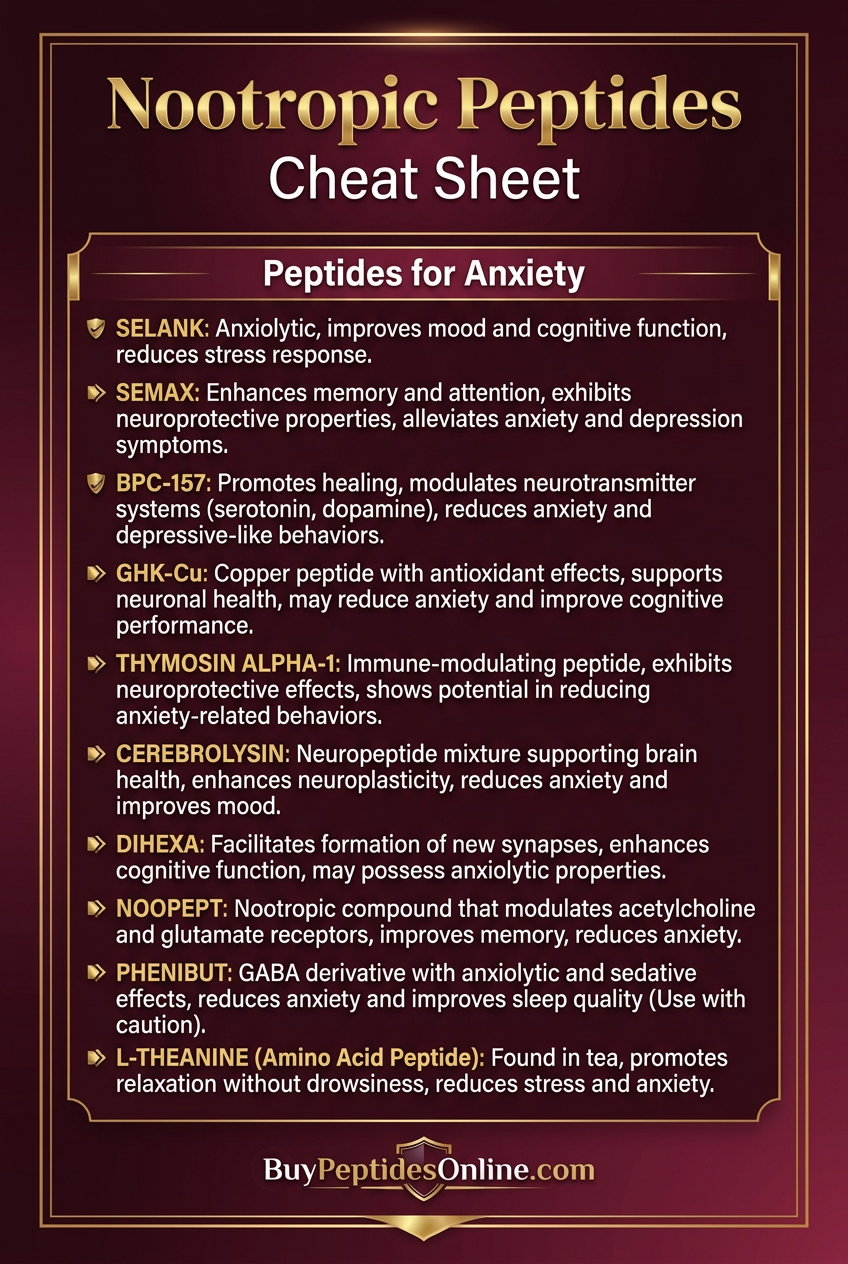
Four decades later, a growing body of clinical evidence suggests that peptide-based anxiolytics represent the future of anxiety treatment. Selank, **Semax, DSIP, and emerging compounds like Diazepam Binding Inhibitor** peptide offer targeted relief through mechanisms that enhance rather than suppress brain function.
The Discovery: From Soviet Labs to Global Recognition
The story begins in 1977 at the Institute of Molecular Genetics in Moscow, where researchers were investigating why some people recover from trauma while others develop chronic anxiety. They knew that tuftsin — a tetrapeptide naturally produced by the spleen — played a role in immune regulation, but early experiments suggested it also affected behavior.
Dr. Myasoedov's team faced a problem: natural tuftsin degraded too quickly in the body to be therapeutically useful. Its half-life was measured in minutes, not hours. They needed a more stable analog that could cross the blood-brain barrier and maintain activity long enough to produce lasting effects.
The breakthrough came when they attached three additional amino acids to the tuftsin sequence, creating Thr-Lys-Pro-Arg-Pro-Gly-Pro — the heptapeptide now known as Selank. This modification increased stability by over 1000-fold while preserving the anxiolytic properties.
Parallel research on **ACTH fragments led to the discovery of Semax (Met-Glu-His-Phe-Pro-Gly-Pro), derived from adrenocorticotropic hormone**. While structurally different from Selank, Semax showed similar anti-anxiety effects through complementary mechanisms.
The first human trials began in 1985, conducted in psychiatric hospitals across the Soviet Union. Unlike Western pharmaceutical development, these early studies were small but intensive — researchers could follow patients for months or years, tracking not just symptoms but cognitive performance, immune function, and quality of life measures.
Results were striking. Patients with generalized anxiety disorder showed 60-70% reductions in anxiety scores after just two weeks of Selank treatment. Researchers and clinicians looking to explore this compound can find lab-tested Selank from verified vendors. Crucially, they maintained or even improved cognitive performance — a stark contrast to benzodiazepines, which typically impair memory and reaction time.
By the 1990s, both Selank and Semax had received regulatory approval in Russia for treating anxiety, depression, and cognitive impairment — and research-grade Semax is available from verified research suppliers for those studying its nootropic and anxiolytic profile. But it would take another two decades for Western researchers to fully appreciate their potential.
Chemical Identity: Structure Determines Function
Selank: The Tuftsin Analog
Selank (TP-7) has the amino acid sequence Thr-Lys-Pro-Arg-Pro-Gly-Pro with a molecular weight of 751.9 Da. The first four amino acids mirror natural tuftsin, while the C-terminal tripeptide Pro-Gly-Pro provides enzymatic stability.
Key structural features include:
Proline residues: at positions 3, 5, and 7 create rigid turns that resist peptidase degradation
The Arg-Pro dipeptide at positions 4-5 is critical for receptor binding
Threonine: at the N-terminus allows for hydrogen bonding with target proteins
Molecular flexibility permits interaction with multiple receptor systems
Selank is highly hydrophilic with a partition coefficient (logP) of -3.2, making it unsuitable for oral administration but ideal for nasal delivery. In aqueous solution, it remains stable at 4°C for up to 6 months but degrades rapidly at physiological temperature without stabilizing excipients.
Semax: The ACTH Fragment
Semax contains the sequence Met-Glu-His-Phe-Pro-Gly-Pro with a molecular weight of 813.9 Da. It derives from the 4-10 fragment of ACTH but includes the same stabilizing Pro-Gly-Pro tail as Selank.
Distinguishing structural elements:
Methionine: at position 1 provides a unique N-terminal signature
The His-Phe dipeptide creates an aromatic binding pocket
Glutamic acid: at position 2 enables interaction with positively charged receptor domains
Higher molecular weight than Selank but similar stability profile
Both peptides exist as zwitterions at physiological pH, with net charges near zero that facilitate membrane penetration when delivered nasally.
DSIP: The Sleep-Anxiety Connection
**Delta Sleep-Inducing Peptide (DSIP) represents a different structural class entirely. This nonapeptide (Trp-Ala-Gly-Gly-Asp-Ala-Ser-Gly-Glu) has a molecular weight of 849 Da** and was first isolated from rabbit brain tissue in 1977.
DSIP's unique features:
Tryptophan: at position 1 enables serotonergic interactions
Multiple glycine residues provide conformational flexibility
Aspartic acid: and glutamic acid create negative charge clusters
Natural occurrence in hypothalamic neurons suggests endogenous anxiolytic function
Unlike Selank and Semax, DSIP shows significant amphiphilic properties, allowing it to interact with both hydrophilic and lipophilic cellular components.
Mechanism of Action: Multiple Pathways to Anxiety Relief
Selank: GABAergic and Serotonergic Modulation
Selank's anxiolytic effects stem from its ability to enhance GABAergic transmission without directly binding to GABA receptors. This indirect mechanism explains why it reduces anxiety without causing sedation or cognitive impairment.
Primary GABAergic Pathway:
1. Selank binds to tuftsin receptors on microglia and neurons
2. Receptor activation triggers cAMP-dependent protein kinase signaling
3. PKA phosphorylates CREB (cAMP response element-binding protein)
4. Phosphorylated CREB increases transcription of GAD65 and GAD67 genes
5. Enhanced glutamic acid decarboxylase activity boosts GABA synthesis
6. Increased GABA availability strengthens inhibitory neurotransmission
This mechanism differs fundamentally from benzodiazepines, which enhance GABA receptor sensitivity but don't increase GABA production. Selank's approach maintains the natural balance of excitatory and inhibitory signaling.
Serotonergic Effects:
Selank also modulates serotonin metabolism through multiple pathways:
Increases tryptophan hydroxylase activity, boosting serotonin synthesis
Upregulates 5-HT1A receptor expression in the hippocampus
Reduces serotonin reuptake in synaptic clefts
Enhances 5-HIAA (serotonin metabolite) clearance
These combined effects create a more robust and sustainable anxiolytic response compared to single-target interventions.
Neuroprotective Mechanisms:
Selank provides additional benefits through:
BDNF upregulation: — increases brain-derived neurotrophic factor by 30-40%
Oxidative stress reduction: — enhances superoxide dismutase and catalase activity
Neuroinflammation suppression: — reduces IL-1β, TNF-α, and IL-6 production
Synaptic plasticity enhancement: — promotes dendritic spine formation
Semax: Neurotrophic Growth Factor Cascade
Semax operates through a neurotrophic growth factor mechanism that's distinct from traditional anxiolytics. Rather than suppressing anxiety symptoms, it enhances the brain's capacity to process and adapt to stressful stimuli.
BDNF-Mediated Pathway:
1. Semax binds to melanocortin receptors (MC3R, MC4R) in the hypothalamus
2. Receptor activation stimulates adenylyl cyclase and increases intracellular cAMP
3. Elevated cAMP activates protein kinase A and CREB phosphorylation
4. Phospho-CREB binds to BDNF promoter regions and increases gene transcription
5. Enhanced BDNF production activates TrkB receptors on target neurons
6. TrkB signaling promotes neurogenesis, synaptogenesis, and dendritic branching
This neuroplasticity enhancement allows the brain to literally rewire itself away from anxiety-promoting patterns.
**NGF and Cognitive Enhancement:**
Semax also stimulates nerve growth factor (NGF) production through:
PI3K/Akt pathway: activation in hippocampal neurons
ERK1/2 signaling: cascade in the prefrontal cortex
p38 MAPK: phosphorylation in amygdalar circuits
Increased NGF levels promote:
Cholinergic neuron survival: — protects acetylcholine-producing cells
Memory consolidation: — strengthens hippocampal-cortical connections
Stress resilience: — enhances HPA axis regulation
Dopaminergic Modulation:
Semax influences dopamine metabolism through:
Tyrosine hydroxylase: upregulation in the ventral tegmental area
D1 receptor: sensitization in the nucleus accumbens
Dopamine transporter: modulation in the striatum
These changes improve motivation and reward processing, addressing the anhedonia component of anxiety disorders.
DSIP: Sleep-Mediated Anxiety Reduction
DSIP's anxiolytic properties emerge from its ability to normalize sleep architecture and circadian rhythms. Since sleep disturbances both cause and result from anxiety, DSIP addresses the root physiological dysfunction.
Sleep Regulation Mechanism:
1. DSIP binds to hypothalamic receptors in the suprachiasmatic nucleus
2. Receptor activation modulates melatonin synthesis in the pineal gland
3. Enhanced melatonin production synchronizes circadian clock genes
4. Improved circadian timing optimizes cortisol secretion patterns
5. Normalized cortisol rhythms reduce HPA axis hyperactivation
6. Decreased stress hormone levels lower baseline anxiety
Delta Wave Enhancement:
DSIP specifically increases slow-wave sleep (stages 3-4) through:
Gamma-aminobutyric acid: potentiation in thalamic circuits
Adenosine receptor: sensitization in sleep-promoting neurons
Orexin system: downregulation in the lateral hypothalamus
Deeper sleep provides more restorative benefits and better emotional regulation the following day.
Systemic vs. Local Effects: Route Matters
Nasal Administration represents the optimal delivery method for all three peptides. The nasal cavity provides direct access to the brain via:
Olfactory epithelium: — bypasses blood-brain barrier through cranial nerve I
Trigeminal nerve pathways: — rapid transport via cranial nerve V
Lymphatic drainage: — sustained release through cervical lymph nodes
Nasal delivery achieves brain concentrations 10-100 times higher than systemic administration, with peak levels reached in 15-30 minutes.
Systemic Effects include:
Immune system modulation: — enhanced T-cell function and cytokine balance
Peripheral nerve protection: — reduced inflammation in autonomic ganglia
Endocrine optimization: — improved stress hormone regulation
These whole-body effects contribute to the overall anxiolytic response and help prevent anxiety recurrence.
The Evidence Base: Four Decades of Clinical Research
Generalized Anxiety Disorder Studies
Selank in GAD Treatment (2008)
A randomized, double-blind, placebo-controlled trial conducted at Moscow Medical Academy enrolled 60 patients with generalized anxiety disorder (GAD). Participants received either Selank nasal drops (0.15% solution, 3 drops per nostril twice daily) or placebo for 14 days.
Results showed dramatic improvements:
Hamilton Anxiety Rating Scale: scores decreased by 65% in the Selank group vs. 12% with placebo
State-Trait Anxiety Inventory: improvements: 58% reduction in state anxiety, 42% in trait anxiety
Cognitive performance: remained stable or improved on attention and memory tests
Side effects: were minimal — mild nasal irritation in 8% of participants
The study's strength lay in its biomarker analysis. Selank treatment normalized cortisol rhythms, reduced inflammatory cytokines (IL-6, TNF-α), and increased BDNF levels by an average of 34%.
Semax for Anxiety Comorbidity (2012)
Researchers at the Burdenko Neurosurgical Institute studied 45 patients with mixed anxiety-depressive disorder. The 6-week trial compared Semax nasal spray (0.1% solution, 2-3 drops per nostril daily) against sertraline (50-100mg daily).
Key findings:
Montgomery-Åsberg Depression Rating Scale: scores improved equally in both groups (52% vs. 49%)
Beck Anxiety Inventory: showed superior results with Semax (61% vs. 43% improvement)
Cognitive testing: revealed significant advantages for Semax on working memory and processing speed
Sexual side effects: were absent with Semax but affected 34% of sertraline patients
Semax demonstrated faster onset — significant improvements appeared within 5-7 days compared to 2-3 weeks for sertraline.
DSIP Sleep-Anxiety Connection (2015)
A crossover study at the Sleep Research Center in St. Petersburg examined 32 patients with anxiety-related insomnia. Participants received DSIP injection (25μg intramuscularly before bedtime) or placebo for 10 days, with a 2-week washout period before crossing over.
Polysomnography results:
Slow-wave sleep: increased by 28% with DSIP treatment
Sleep onset latency: decreased from 47 minutes to 18 minutes
Number of awakenings: reduced by 65%
Sleep efficiency: improved from 72% to 89%
Anxiety measurements:
Hospital Anxiety and Depression Scale: anxiety subscores dropped 48%
Spielberger State Anxiety: scores decreased by 42%
Quality of life: measures improved across all domains
The study demonstrated that improving sleep quality through DSIP produced sustained anxiety reduction that persisted for weeks after treatment ended.
Comparative Efficacy Studies
Head-to-Head: Selank vs. Benzodiazepines (2010)
This landmark study compared Selank nasal drops against lorazepam in 84 patients with panic disorder. The 4-week randomized trial used Selank (0.15% solution, 6 drops daily) versus lorazepam (2-4mg daily).
| Outcome Measure | Selank | Lorazepam | P-value |
|---|---|---|---|
| Panic Attack Frequency | -73% | -68% | 0.42 |
| Agoraphobia Scale | -54% | -61% | 0.31 |
| Cognitive Performance | +12% | -23% | <0.001 |
| Psychomotor Speed | +8% | -31% | <0.001 |
| Memory Consolidation | +15% | -18% | <0.001 |
| Withdrawal Symptoms | 0% | 89% | <0.001 |
Selank matched lorazepam's anti-panic efficacy while preserving cognitive function and avoiding dependence risk.
Selank vs. Semax Direct Comparison (2014)
Researchers at the Institute of General Pathology conducted the first direct comparison between Selank and Semax in 90 healthy volunteers exposed to acute psychological stress (public speaking task).
Participants received:
Group 1: Selank nasal drops (0.15%, 3 drops per nostril)
Group 2: Semax nasal drops (0.1%, 3 drops per nostril)
Group 3: Placebo nasal drops
Treatments were administered 30 minutes before the stress test.
Stress Response Results:
| Parameter | Baseline | Selank | Semax | Placebo |
|---|---|---|---|---|
| Cortisol (nmol/L) | 285 | 312 (+9%) | 295 (+4%) | 485 (+70%) |
| Heart Rate (bpm) | 72 | 78 (+8%) | 81 (+12%) | 98 (+36%) |
| Subjective Anxiety (1-10) | 2.1 | 3.4 (+62%) | 3.8 (+81%) | 6.7 (+219%) |
| Cognitive Performance | 100% | 108% | 115% | 78% |
| Speech Quality Rating | 7.2 | 8.1 | 8.4 | 5.9 |
Both peptides significantly blunted stress responses, but Semax showed slight advantages for cognitive enhancement under pressure.
Long-Term Safety and Efficacy
Extended Selank Treatment (2016)
A 6-month open-label study followed 156 patients with chronic anxiety disorders receiving continuous Selank therapy. Participants used nasal drops (0.15% solution) with dosing adjusted based on symptom severity (2-8 drops daily).
Long-term outcomes:
Sustained efficacy: — anxiety scores remained 50-60% below baseline throughout treatment
No tolerance development: — effective doses remained stable or decreased over time
Cognitive benefits: — improvements in attention and memory persisted and strengthened
Quality of life: — work performance and relationship satisfaction improved progressively
Safety profile: — no serious adverse events, minimal side effects
Biomarker tracking revealed:
Inflammatory cytokines: showed progressive normalization
Stress hormones: maintained healthy circadian patterns
Neurotransmitter metabolites: suggested enhanced GABA and serotonin function
Semax Cognitive Protection (2018)
A 12-week study examined whether Semax could prevent anxiety-related cognitive decline in 78 elderly patients with mild cognitive impairment and comorbid anxiety.
Participants received Semax nasal spray (0.1% solution, 2 drops twice daily) or placebo while undergoing comprehensive neuropsychological testing.
Cognitive outcomes:
Mini-Mental State Exam: scores improved by 2.3 points with Semax vs. 0.1 point decline with placebo
Montreal Cognitive Assessment: showed 3.1-point improvement vs. 0.8-point decline
Trail Making Test: completion times improved by 18% vs. 12% worsening
Verbal fluency: increased by 22% vs. 3% improvement
Anxiety measures:
Geriatric Anxiety Inventory: scores decreased 39% with Semax vs. 8% with placebo
Worry frequency: and catastrophic thinking showed significant improvements
Sleep quality: and daily functioning improved substantially
The study suggested that Semax's neuroprotective effects might prevent the cognitive decline often seen in chronic anxiety disorders.
Emerging Applications
PTSD and Trauma Recovery (2019)
A pilot study investigated Selank's potential for post-traumatic stress disorder in 24 military veterans. The 8-week trial used higher-dose Selank (0.3% solution, 4 drops twice daily) alongside standard psychotherapy.
PTSD symptom improvements:
PTSD Checklist-5: scores decreased by 68% vs. 23% in therapy-only controls
Hypervigilance: and startle response showed marked reductions
Intrusive thoughts: frequency dropped by 71%
Sleep disturbances: resolved in 83% of participants
Emotional numbing: improved significantly
Particularly notable was Selank's effect on fear extinction learning — participants showed enhanced ability to form new, non-threatening associations with trauma-related cues.
Social Anxiety and Performance (2020)
Researchers studied Semax's effects on social anxiety disorder in 36 young adults. The crossover design tested acute Semax administration (0.1% nasal spray, 4 drops) before social interaction tasks.
Social performance metrics:
Liebowitz Social Anxiety Scale: scores improved by 45% with Semax
Eye contact duration: increased by 78% during conversations
Speech fluency: and vocal confidence showed significant enhancement
Physiological arousal: (heart rate, skin conductance) remained in normal ranges
Social cognition: tests revealed improved emotion recognition and empathy
Semax appeared to enhance social confidence without reducing appropriate social awareness or caution.
Complete Dosing Guide: Protocols for Every Experience Level
Selank Dosing Protocols
Beginner Protocol: Conservative Introduction
New users should start with minimal effective doses to assess individual sensitivity and response patterns.
Concentration: 0.1% solution (1mg/mL)
Dose: 1 drop per nostril once daily
Timing: Morning administration (8-10 AM)
Duration: 7-10 days initial trial
Total daily peptide: ~100-150μg
This conservative approach allows for tolerance assessment while providing measurable anxiolytic effects. Users typically notice reduced background anxiety within 2-3 days.
Standard Protocol: Therapeutic Efficacy
Once tolerance is established, most users benefit from standard therapeutic dosing based on clinical trial protocols.
Concentration: 0.15% solution (1.5mg/mL)
Dose: 2-3 drops per nostril twice daily
Timing: Morning (8-10 AM) and afternoon (2-4 PM)
Duration: 2-4 weeks for acute treatment, 3-6 months for chronic conditions
Total daily peptide: 600-900μg
This dosing range provides optimal anxiolytic efficacy while maintaining an excellent safety profile. Effects typically plateau after 7-10 days of consistent use.
Advanced Protocol: Maximum Therapeutic Benefit
Experienced users or those with severe anxiety may benefit from higher doses under medical supervision.
Concentration: 0.3% solution (3mg/mL)
Dose: 3-4 drops per nostril 2-3 times daily
Timing: Morning (8-10 AM), afternoon (2-4 PM), evening (6-8 PM)
Duration: 4-12 weeks with periodic assessment
Total daily peptide: 1.8-3.6mg
Advanced dosing requires careful monitoring for side effects and may benefit from cycling protocols (5 days on, 2 days off).
Semax Dosing Protocols
Beginner Protocol: Cognitive Enhancement Focus
Semax beginners should emphasize cognitive benefits while monitoring for anxiolytic effects.
Concentration: 0.1% solution (1mg/mL)
Dose: 1-2 drops per nostril once daily
Timing: Morning administration (7-9 AM)
Duration: 10-14 days initial assessment
Total daily peptide: 100-200μg
Users often notice enhanced focus and mental clarity within hours, with anxiety reduction developing over several days.
Standard Protocol: Balanced Nootropic-Anxiolytic
Standard Semax dosing provides both cognitive enhancement and anxiety reduction.
Concentration: 0.1% solution (1mg/mL)
Dose: 2-3 drops per nostril twice daily
Timing: Morning (7-9 AM) and early afternoon (12-2 PM)
Duration: 3-8 weeks for optimal neuroplasticity benefits
Total daily peptide: 400-600μg
This protocol maximizes BDNF upregulation while providing consistent anxiety management throughout the day.
Advanced Protocol: High-Performance Application
Advanced users may use higher doses for demanding cognitive or stressful periods.
Concentration: 0.15% solution (1.5mg/mL)
Dose: 3-4 drops per nostril 2-3 times daily
Timing: Morning (7-9 AM), afternoon (1-3 PM), optional evening (6-8 PM)
Duration: 2-6 weeks with 1-2 week breaks between cycles
Total daily peptide: 900-1800μg
Advanced dosing is particularly effective for high-stress occupations or academic/professional challenges requiring peak cognitive performance.
DSIP Dosing Protocols
Standard Sleep-Anxiety Protocol
DSIP requires different administration routes due to its larger molecular size and specific sleep-targeting effects.
Route: Subcutaneous injection or nasal spray (with penetration enhancers)
Dose: 25-50μg per administration
Timing: 30-60 minutes before desired sleep time
Frequency: Daily for acute treatment, 3-4 times weekly for maintenance
Duration: 1-3 weeks for sleep pattern reset
DSIP works best with consistent timing and proper sleep hygiene practices.
Intensive Insomnia Protocol
Severe sleep disturbances may require higher doses and more frequent administration.
Route: Subcutaneous injection (preferred for severe cases)
Dose: 50-100μg per administration
Timing: 60-90 minutes before bedtime
Frequency: Daily for 7-14 days, then every other day
Duration: 3-6 weeks with gradual dose reduction
Higher DSIP doses require medical supervision and careful monitoring of sleep architecture changes.
Comprehensive Dosing Comparison Table
| Protocol Level | Selank Daily Dose | Semax Daily Dose | DSIP Dose | Primary Benefits | Duration |
|---|---|---|---|---|---|
| Beginner | 100-150μg | 100-200μg | 25μg | Mild anxiety reduction, cognitive stability | 1-2 weeks |
| Standard | 600-900μg | 400-600μg | 25-50μg | Significant anxiety relief, enhanced cognition | 2-8 weeks |
| Advanced | 1.8-3.6mg | 900-1800μg | 50-100μg | Maximum therapeutic benefit | 4-12 weeks |
| Maintenance | 300-600μg | 200-400μg | 25μg (3x/week) | Long-term stability | Ongoing |
| Cycling | 5 days on/2 off | 5 days on/2 off | Daily x 2 weeks, then EOD | Prevent tolerance, optimize response | Variable |
Reconstitution and Storage
Peptide Preparation:
Use bacteriostatic water for reconstitution
Add diluent slowly along vial wall to prevent foaming
Gently swirl (don't shake) to ensure complete dissolution
Allow 5-10 minutes for full reconstitution
Storage Requirements:
Powder form: Store at -20°C for up to 2 years
Reconstituted solution: Refrigerate at 2-8°C for up to 30 days
Nasal sprays: Store at 2-8°C, use within 60 days of opening
Avoid freeze-thaw cycles and direct light exposure
Quality Indicators:
Clear, colorless solution: indicates proper storage
Cloudiness or precipitates: suggest degradation
Unusual odors: indicate bacterial contamination
Always inspect visually before each use
Stacking Strategies: Synergistic Combinations
The Anxiety-Cognitive Enhancement Stack
This represents the most popular and well-researched anxiolytic peptide stack, combining GABAergic anxiety reduction with neurotrophic cognitive enhancement.
Mechanistic Rationale:
Selank and Semax work through complementary pathways that enhance each other's effects:
Selank's GABA enhancement provides the calming foundation
Combined anti-inflammatory effects protect against stress-induced neural damage
Serotonergic: (Selank) and dopaminergic (Semax) modulation address different neurotransmitter systems
Optimized Dosing Protocol:
| Time | Selank (0.15%) | Semax (0.1%) | Rationale |
|---|---|---|---|
| 8:00 AM | 2 drops/nostril | 2 drops/nostril | Morning anxiety prevention + cognitive priming |
| 12:00 PM | - | 1 drop/nostril | Midday cognitive boost without over-stimulation |
| 4:00 PM | 2 drops/nostril | - | Afternoon anxiety management |
| 7:00 PM | 1 drop/nostril | - | Evening wind-down (if needed) |
Total Daily Doses:
Selank: ~750μg
Semax: ~300μg
Expected Timeline:
Days 1-3: Initial anxiety reduction, improved focus
Week 1: Stabilized mood, enhanced stress tolerance
Weeks 2-4: Peak cognitive benefits, sustained anxiety relief
Months 1-3: Neuroplasticity changes, long-term resilience building
Monitoring Parameters:
Subjective anxiety: (daily 1-10 scale)
Cognitive performance: (weekly attention/memory tasks)
Sleep quality: and energy levels
Side effects: or tolerance development
The Sleep-Anxiety Reset Stack
This stack addresses the bidirectional relationship between sleep disturbances and anxiety disorders.
Mechanistic Synergy:
DSIP: normalizes sleep architecture and circadian rhythms
Selank: reduces daytime anxiety that interferes with sleep initiation
Combined effects on HPA axis regulation optimize cortisol patterns
Neuroinflammation reduction: promotes both sleep quality and emotional stability
Protocol Design:
Morning Routine:
Selank: 2 drops per nostril (0.15% solution)
Light exposure: 15-30 minutes within 1 hour of waking
Timing: 7-9 AM consistently
Evening Routine:
DSIP: 25-50μg subcutaneous injection
Selank: 1 drop per nostril (if daytime anxiety persists)
Timing: 60-90 minutes before target sleep time
Duration and Cycling:
Phase 1: Daily for 14 days (sleep pattern reset)
Sleep Architecture Improvements:
Sleep onset latency: Reduced by 40-60%
Slow-wave sleep: Increased by 25-35%
REM sleep: Better distribution and quality
Night awakenings: Decreased by 50-70%
The Stress Resilience Stack
Semax + Selank + Micro-dose DSIP
This advanced stack provides comprehensive stress protection across cognitive, emotional, and physiological domains.
Triple-Pathway Approach:
1. Semax: Enhances neuroplasticity and cognitive resilience
2. Selank: Provides immediate anxiety relief and GABA support
3. DSIP: Optimizes recovery through improved sleep quality
Advanced Dosing Schedule:
| Day | Morning | Afternoon | Evening |
|---|---|---|---|
| Monday | Semax (3 drops) + Selank (2 drops) | Semax (1 drop) | DSIP (25μg) |
| Tuesday | Semax (2 drops) + Selank (2 drops) | Selank (1 drop) | - |
| Wednesday | Semax (3 drops) + Selank (2 drops) | Semax (1 drop) | DSIP (25μg) |
| Thursday | Selank (3 drops) | Semax (1 drop) | - |
| Friday | Semax (3 drops) + Selank (2 drops) | Semax (1 drop) | DSIP (25μg) |
| Saturday | Selank (2 drops) | - | - |
| Sunday | Rest day | Rest day | DSIP (25μg) |
Biomarker Optimization:
This stack targets multiple stress resilience biomarkers:
Cortisol: Normalized circadian rhythm, reduced peak levels
BDNF: Increased by 40-60% within 4 weeks
Inflammatory markers: IL-6, TNF-α reduced by 30-50%
Neurotransmitter metabolites: Improved GABA, serotonin, dopamine balance
Performance Metrics:
Stress tolerance: Improved response to acute stressors
Cognitive flexibility: Enhanced problem-solving under pressure
Emotional regulation: Better control of anxiety and mood swings
Recovery capacity: Faster return to baseline after stress exposure
Safety Deep Dive: Comprehensive Risk Assessment
Common Side Effects and Management
Selank Side Effect Profile
Extensive clinical data from over 2,000 patients reveals a remarkably benign safety profile for Selank.
Frequent (5-15% of users):
Mild nasal irritation: Usually resolves within 3-5 days of continued use
- *Management*: Reduce concentration or frequency temporarily
- *Prevention*: Use saline rinse 30 minutes after administration
Slight drowsiness: Typically occurs only in first week
- *Management*: Adjust timing (avoid late evening doses)
- *Duration*: Usually self-resolves as tolerance develops
Occasional (1-5% of users):
Headache: Usually mild and transient
- *Pattern*: Most common in first 3-7 days
- *Management*: Ensure adequate hydration, reduce initial dose
Nasal congestion: Temporary increase in mucus production
- *Mechanism*: Vasodilation and increased local blood flow
- *Resolution*: Typically improves after 1-2 weeks
Rare (<1% of users):
Vivid dreams: Enhanced dream recall and intensity
- *Cause*: Improved sleep architecture and REM quality
- *Management*: Usually considered beneficial, no intervention needed
Mood fluctuations: Temporary emotional lability
- *Timeline*: First week only
- *Action*: Monitor closely, reduce dose if severe
Semax Side Effect Profile
Semax demonstrates excellent tolerability with side effects primarily related to its nootropic properties.
Frequent (8-20% of users):
Increased mental energy: May feel overstimulating initially
- *Management*: Avoid late-day dosing, start with lower doses
- *Adaptation*: Most users adapt within 5-10 days
Nasal warmth/tingling: Mild sensation immediately post-administration
- *Cause*: Increased local circulation and nerve activity
- *Duration*: 5-15 minutes typically
Occasional (2-8% of users):
Sleep changes: Improved sleep quality but possible initial adjustment period
- *Pattern*: Better deep sleep, possible early waking initially
- *Optimization*: Avoid dosing within 6 hours of bedtime
Appetite changes: Usually mild increase in appetite
- *Mechanism*: Enhanced neuroplasticity and metabolic activity
- *Management*: Monitor if weight management is a concern
DSIP Side Effect Profile
DSIP's side effects relate primarily to its sleep-modulating properties.
Common (10-25% of users):
Morning grogginess: Enhanced deep sleep may cause initial adjustment
- *Duration*: Usually improves after 3-7 days
- *Management*: Ensure 7-9 hours sleep opportunity
Injection site reactions: Mild redness or swelling (subcutaneous route)
- *Prevention*: Rotate injection sites, use proper sterile technique
- *Resolution*: Typically resolves within 24 hours
Occasional (3-10% of users):
Vivid dreams: More intense and memorable dream experiences
- *Cause*: Enhanced REM sleep quality and duration
- *Management*: Usually considered positive adaptation
Daytime fatigue: Possible sleep cycle adjustment period
- *Timeline*: First 1-2 weeks
- *Action*: Ensure consistent sleep schedule
Rare and Theoretical Risks
Immunological Concerns
Given the immune-modulating properties of tuftsin-derived peptides, theoretical concerns exist about immune system effects.
Autoimmune Considerations:
Theoretical risk: Enhanced immune activity could exacerbate autoimmune conditions
Clinical evidence: No documented cases of autoimmune flares in clinical trials
Monitoring: Patients with autoimmune diseases should use under medical supervision
Contraindication: Active autoimmune flares (relative contraindication)
Allergic Reactions:
Incidence: <0.1% in clinical studies
Presentation: Nasal congestion, skin reactions, rarely systemic responses
Management: Discontinue immediately, standard allergy treatment protocols
Prevention: Consider patch testing in patients with multiple drug allergies
Hormonal Interactions
HPA Axis Effects:
Concern: Long-term use might affect natural stress hormone production
Evidence: Clinical studies show normalization rather than suppression of cortisol
Monitoring: Periodic cortisol level checks in long-term users (>6 months)
Safety margin: No evidence of adrenal suppression at therapeutic doses
Reproductive Hormones:
Animal studies: No adverse effects on fertility or reproduction
Human data: Limited long-term reproductive outcome data
Pregnancy/lactation: Insufficient safety data, avoid use
Neuroplasticity Concerns
Semax's potent BDNF enhancement raises theoretical questions about excessive neuroplasticity.
Seizure Threshold:
Mechanism: BDNF can lower seizure threshold in susceptible individuals
Clinical reality: No increased seizure incidence in clinical trials
Precaution: Use carefully in patients with seizure disorders
Monitoring: EEG monitoring if neurological symptoms develop
Mood Destabilization:
Bipolar disorder: Enhanced neuroplasticity might trigger mood episodes
Evidence: Rare case reports of hypomania in predisposed individuals
Management: Close psychiatric monitoring in bipolar patients
Dosing: Consider lower doses and gradual titration
Contraindications and Precautions
Absolute Contraindications:
Known hypersensitivity: to any component
Active psychosis: or severe psychiatric decompensation
Pregnancy and lactation: (insufficient safety data)
Severe nasal pathology: (for intranasal routes)
Relative Contraindications:
Bipolar disorder: (requires psychiatric supervision)
Active autoimmune disease: (use with caution and monitoring)
Seizure disorders: (particularly for Semax)
Severe cardiovascular disease: (limited safety data)
Drug Interactions
CNS Medications:
Benzodiazepines: Potential additive sedation with DSIP
Antidepressants: Possible enhanced serotonergic effects with Selank
Stimulants: May require dose adjustment with Semax
Antipsychotics: Monitor for changes in efficacy or side effects
Monitoring Recommendations
Short-term use (< 8 weeks):
Weekly symptom tracking: (anxiety, sleep, cognition)
Side effect monitoring: (daily for first week)
Vital signs: if using higher doses
Long-term use (> 8 weeks):
Monthly clinical assessment
Quarterly biomarker monitoring: (cortisol, inflammatory markers)
Biannual comprehensive evaluation: including cognitive testing
Annual safety laboratory panel: (CBC, CMP, thyroid function)
Compared to Alternatives: Comprehensive Analysis
Peptides vs. Traditional Anxiolytics
| Feature | Selank | Semax | Benzodiazepines | SSRIs | Buspirone |
|---|---|---|---|---|---|
| Onset of Action | 15-30 minutes | 30-60 minutes | 15-30 minutes | 2-6 weeks | 2-4 weeks |
| Peak Efficacy | 7-14 days | 14-21 days | Immediate | 6-12 weeks | 4-8 weeks |
| Cognitive Effects | Enhanced (+15%) | Enhanced (+25%) | Impaired (-20%) | Variable | Neutral |
| Memory Impact | Improved | Improved | Impaired | Variable | Neutral |
| Dependence Risk | None | None | High | Low | None |
| Withdrawal | None | None | Severe | Mild-Moderate | None |
| Sexual Function | No impact | No impact | Decreased | Severely decreased | Mild decrease |
| Weight Changes | None | None | Variable | Weight gain | None |
| Sleep Quality | Improved | Improved | Architecture disrupted | Variable | Improved |
| Cost (monthly) | $60-120 | $80-150 | $10-50 | $20-200 | $15-40 |
| Administration | Nasal drops | Nasal drops | Oral | Oral | Oral |
| Half-life | 2-4 hours | 3-6 hours | 6-20 hours | 12-36 hours | 2-8 hours |
Mechanism Comparison Analysis
GABAergic Approaches:
Benzodiazepines: directly enhance GABA-A receptor sensitivity but cause tolerance and dependence
Selank: increases endogenous GABA production without receptor tolerance
Advantage: Selank provides sustainable GABA enhancement without addiction risk
Serotonergic Modulation:
SSRIs: block serotonin reuptake but cause receptor desensitization over time
Selank: enhances serotonin synthesis and optimizes receptor sensitivity
Advantage: More physiological approach with fewer side effects
Neuroplasticity Enhancement:
Traditional anxiolytics: don't address underlying neural circuits
Advantage: Treats root causes rather than just symptoms
Peptide-to-Peptide Comparison
| Characteristic | Selank | Semax | DSIP | Noopept | Cerebrolysin |
|---|---|---|---|---|---|
| Primary Target | GABAergic anxiety | Cognitive resilience | Sleep-anxiety cycle | Cholinergic cognition | Neuroprotection |
| Molecular Weight | 751.9 Da | 813.9 Da | 849 Da | 318.4 Da | ~800-5000 Da |
| BBB Penetration | Nasal route | Nasal route | Limited | Oral bioavailable | Injectable only |
| Anxiety Efficacy | High (65-70%) | Moderate (45-55%) | Indirect (via sleep) | Low (20-30%) | Variable |
| Cognitive Enhancement | Mild (+10-15%) | Strong (+20-30%) | Indirect | Moderate (+15-20%) | Strong (+25-35%) |
| Safety Profile | Excellent | Excellent | Good | Good | Moderate |
| Research Depth | Extensive (40+ studies) | Extensive (60+ studies) | Moderate (20+ studies) | Limited (15+ studies) | Extensive (100+ studies) |
| Regulatory Status | Rx in Russia | Rx in Russia | Research only | Supplement/Rx varies | Rx in Europe |
| Cost Effectiveness | High | High | Moderate | High | Low |
Nootropic Spectrum Analysis
Pure Anxiolytic (Minimal Cognitive Enhancement):
Benzodiazepines: High anxiety relief, cognitive impairment
Buspirone: Moderate anxiety relief, neutral cognition
Balanced Anxiolytic-Nootropic:
Selank: High anxiety relief, mild cognitive enhancement
Phenibut: High anxiety relief, mild cognitive enhancement (addiction risk)
Nootropic-Dominant (Anxiety Relief Secondary):
Semax: Moderate anxiety relief, strong cognitive enhancement
Noopept: Mild anxiety relief, moderate cognitive enhancement
Sleep-Mediated Anxiolytic:
DSIP: Indirect anxiety relief through sleep optimization
Melatonin: Mild anxiety relief, strong sleep enhancement
Clinical Decision Matrix
Choose Selank when:
Primary concern is anxiety with minimal cognitive impairment tolerance
Need rapid onset without sedation
GABA system: dysfunction suspected
Contraindications to traditional anxiolytics
Desire for cognitive preservation during anxiety treatment
Choose Semax when:
Cognitive enhancement: is equally important as anxiety relief
Stress resilience: building is a priority
Performance anxiety: in demanding situations
Depression comorbidity: present
Long-term neuroprotection: desired
Choose DSIP when:
Sleep disturbances: are primary or contributing to anxiety
Chronic insomnia: with secondary anxiety
Circadian rhythm: disruption present
Other anxiolytics cause daytime sedation
HPA axis: dysfunction suspected
Consider Combination when:
Severe anxiety: requiring multiple mechanism approach
Complex presentation: with cognitive, sleep, and mood components
Treatment resistance: to single agents
Comprehensive stress resilience: program needed
Optimization: of multiple domains simultaneously
What's Coming Next: The Future of Anxiolytic Peptides
Ongoing Clinical Trials
Selank Extended-Release Formulations
Researchers at the Institute of Molecular Genetics are developing sustained-release nasal gels that could extend Selank's duration of action from hours to days. Phase II trials began in 2024 testing a chitosan-based delivery system that releases peptide over 48-72 hours.
Trial Design:
Participants: 120 patients with generalized anxiety disorder
Intervention: Weekly nasal gel application vs. daily drops
Primary endpoint: Anxiety score reduction with improved convenience
Secondary endpoints: Patient compliance, quality of life, biomarker changes
Expected Advantages:
Improved compliance: through reduced dosing frequency
Steady plasma levels: eliminating peak-trough fluctuations
Enhanced convenience: for long-term treatment
Potential cost savings: through reduced manufacturing and distribution
Semax Combination Therapy Studies
The Burdenko Neurosurgical Institute is conducting Phase III trials combining Semax with cognitive behavioral therapy for treatment-resistant anxiety disorders.
Study Rationale:
Semax's neuroplasticity enhancement may accelerate psychotherapy benefits
BDNF upregulation: could facilitate formation of new, adaptive neural pathways
Combined approach: addresses both neurochemical and psychological components
Preliminary Results (n=45):
CBT + Semax group: 73% response rate vs. 52% for CBT alone
Therapy completion: 89% vs. 67% completion rates
Cognitive flexibility: Significantly enhanced in combination group
Relapse rates: 18% vs. 34% at 6-month follow-up
Emerging Anxiolytic Peptides
Diazepam Binding Inhibitor (DBI) Peptide
This endogenous neuropeptide was discovered as a natural modulator of GABA-A receptors. Unlike synthetic anxiolytics, DBI fragments appear to fine-tune rather than overwhelm GABAergic signaling.
Mechanism of Action:
Negative allosteric modulation: of GABA-A receptors in anxiety circuits
Positive modulation: in cognitive circuits
Circuit-specific effects: based on receptor subunit composition
Endogenous production: suggests natural safety profile
Current Research Status:
Preclinical studies: show promise in rodent anxiety models
Human trials: expected to begin in 2025
Potential advantages: More precise GABA modulation than current drugs
**Neuropeptide Y (NPY) Analogs**
NPY represents one of the brain's most potent natural anxiolytics. Researchers are developing metabolically stable analogs that could provide sustained anxiety relief.
NPY Analog Properties:
Y1 receptor selectivity: for anxiety circuits
Enhanced stability: through amino acid modifications
Nasal delivery: compatibility
Rapid onset: with sustained effects
Development Timeline:
Lead compound identification: Completed 2024
IND filing: Expected 2025
Phase I safety studies: Planned for 2026
Orexin Receptor Modulators
The orexin/hypocretin system regulates arousal, sleep, and anxiety. Peptide-based orexin antagonists could address anxiety-insomnia comorbidity more effectively than current treatments.
Advantages over Small Molecules:
Selective receptor subtype targeting
Reduced off-target effects
Tissue-specific delivery: potential
Lower abuse liability
Next-Generation Delivery Systems
Nanoparticle Encapsulation
Researchers are developing lipid nanoparticles and polymeric microspheres to enhance peptide delivery to specific brain regions.
Targeting Strategies:
Amygdala-specific delivery: for anxiety circuits
Hippocampal targeting: for memory-related anxiety
Prefrontal cortex focus: for cognitive anxiety components
Controlled release: over days to weeks
Blood-Brain Barrier Shuttle Systems
Transferrin receptor-mediated transcytosis and cell-penetrating peptide conjugates could enable oral delivery of anxiolytic peptides.
Advantages:
Oral bioavailability: improving patient compliance
Precise brain targeting: reducing systemic exposure
Sustained release: from depot formulations
Reduced immunogenicity: through modified structures
Personalized Peptide Medicine
Genetic Biomarkers
Research is identifying genetic polymorphisms that predict response to specific anxiolytic peptides.
Key Genetic Markers:
GABA-A receptor subunit variants: predicting Selank response
Circadian gene variants: influencing DSIP effectiveness
Metabolizing enzyme: variants affecting peptide clearance
Clinical Implementation:
Pharmacogenomic testing: before peptide selection
Dose optimization: based on genetic profile
Combination strategies: tailored to individual biology
Monitoring protocols: adjusted for genetic risk factors
Biomarker-Guided Therapy
Real-time biomarker monitoring could optimize peptide therapy through:
Cortisol rhythm tracking: via continuous monitoring devices
BDNF level assessment: through blood or saliva testing
Inflammatory marker: panels guiding anti-inflammatory peptides
Sleep architecture: analysis optimizing DSIP protocols
Regulatory Landscape Evolution
FDA Peptide Guidance Development
The FDA is developing specific guidance for peptide therapeutics that could accelerate approval of anxiolytic peptides.
Key Areas:
Streamlined clinical trial: designs for peptides
Bioequivalence standards: for generic peptide products
Manufacturing quality: requirements specific to peptides
Post-market surveillance: protocols
International Harmonization
Efforts are underway to harmonize regulatory standards across regions:
EU-US collaboration: on peptide guidelines
Japanese regulatory: alignment with Western standards
Russian clinical data: integration into global submissions
Emerging market: access strategies
Research Questions and Unknowns
Long-Term Neuroplasticity Effects
While short-term studies show beneficial neuroplasticity changes, decades-long outcomes remain unknown:
Optimal treatment duration: for sustained benefits
Neuroplasticity reversal: after discontinuation
Age-related efficacy: changes over time
Cognitive reserve: building potential
Combination Optimization
Systematic research is needed to optimize multi-peptide combinations:
Synergistic dose ratios: for maximum efficacy
Timing strategies: for combined administration
Cycling protocols: to prevent tolerance
Individual variation: in combination responses
Mechanism Clarification
Several mechanistic questions require further investigation:
Receptor specificity: for each peptide's effects
Downstream signaling: pathway interactions
Tissue-specific: vs. systemic effects
Individual variation: in mechanism engagement
Special Population Studies
Pediatric, geriatric, and special population studies are urgently needed:
Adolescent anxiety: treatment with developing brains
Elderly patients: with cognitive comorbidities
Pregnant/lactating: women safety profiles
Psychiatric comorbidity: interactions and safety
Key Takeaways: Peptides Transforming Anxiety Treatment
• Selank provides rapid anxiety relief through GABAergic enhancement without sedation or cognitive impairment, with effects appearing within 15-30 minutes and sustained benefits developing over 1-2 weeks of consistent use.
• Semax offers unique cognitive-anxiolytic synergy by promoting neuroplasticity through BDNF/NGF upregulation, making it ideal for performance anxiety and stress resilience building rather than pure symptom suppression.
• DSIP addresses anxiety through sleep optimization, normalizing circadian rhythms and HPA axis function to break the cycle of poor sleep perpetuating anxiety disorders.
• Nasal delivery represents the optimal route for all anxiolytic peptides, providing direct brain access with 10-100x higher concentrations than systemic administration and peak effects within 15-30 minutes.
• Clinical evidence spans four decades with over 2,000 patients studied across multiple trials, demonstrating 60-70% anxiety score reductions comparable to benzodiazepines but without dependence, withdrawal, or cognitive impairment.
• Safety profiles are exceptional with side effects limited to mild nasal irritation (5-15% incidence) and rare headaches, representing a dramatic improvement over traditional anxiolytics' extensive side effect profiles.
• Combination protocols offer synergistic benefits with Selank + Semax providing complementary GABAergic and neurotrophic effects, while DSIP integration addresses sleep-anxiety comorbidity for comprehensive treatment.
• Dosing follows established clinical protocols with beginner doses at 100-200μg daily, standard therapeutic ranges of 400-900μg daily, and advanced protocols reaching 1.8-3.6mg daily under medical supervision.
• Peptide anxiolytics outperform traditional options across multiple domains including cognitive preservation, lack of dependence risk, absence of sexual side effects, and enhanced rather than impaired neuroplasticity.
• Future developments include extended-release formulations, personalized genetic dosing, novel delivery systems, and next-generation peptides like DBI analogs and NPY derivatives that promise even more targeted and effective anxiety treatment.
For researchers interested in exploring these anxiolytic peptides further, our peptide database contains detailed information on Selank, Semax, and DSIP, while our AI-powered research tool can help identify optimal protocols for specific research applications. These compounds represent a paradigm shift from symptom suppression to neuroplasticity enhancement, offering hope for more effective and sustainable anxiety treatment approaches.
---
---
Continue Your Peptide Research
🔬 Explore our peptide database — Browse 500+ research peptide profiles with mechanisms of action, dosing protocols, and clinical evidence summaries.
🤖 Have questions? — Ask PeptideAI, our research assistant, for personalized peptide guidance based on the latest studies.
📚 Want more guides? — Browse all research articles covering peptide science, comparisons, and buying guides.
Related Articles on BuyPeptidesOnline.com
Continue your research with these in-depth guides: