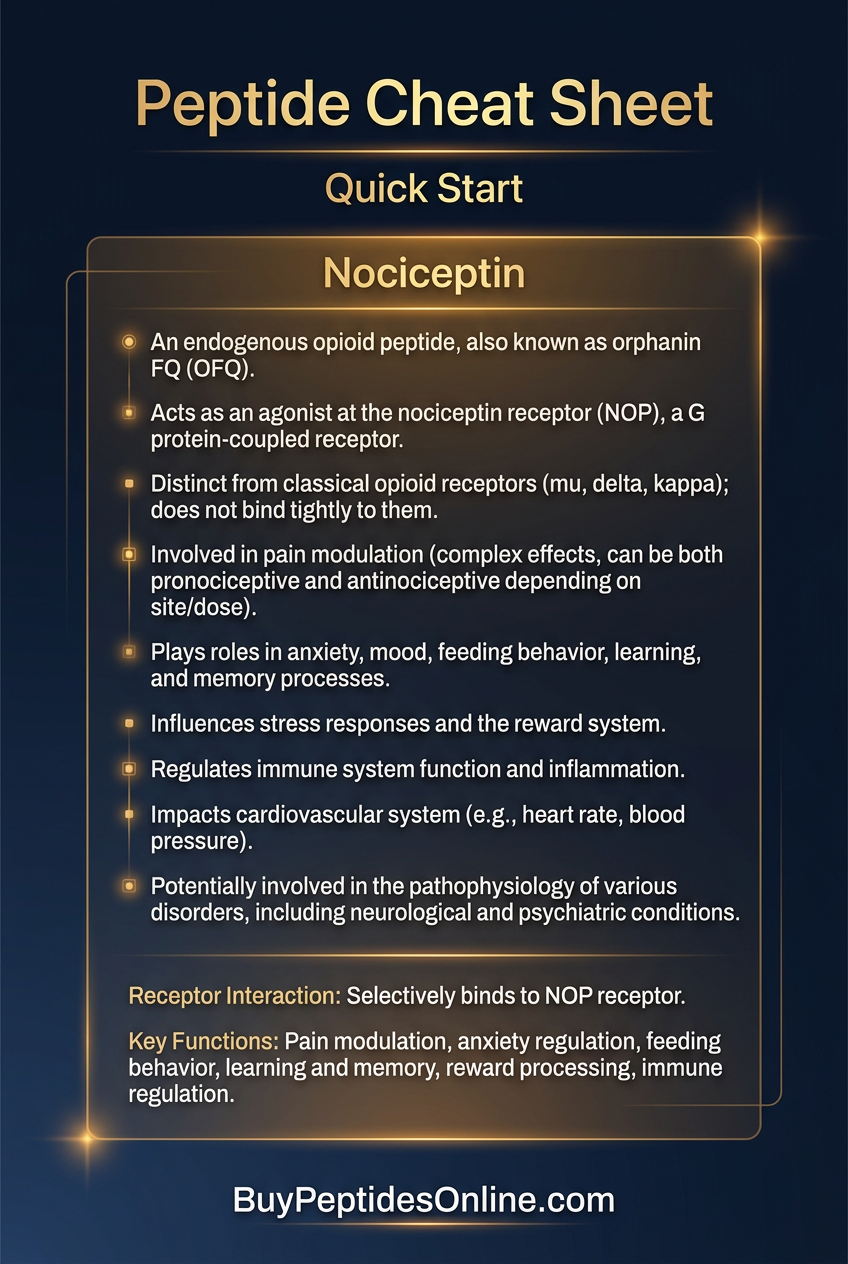
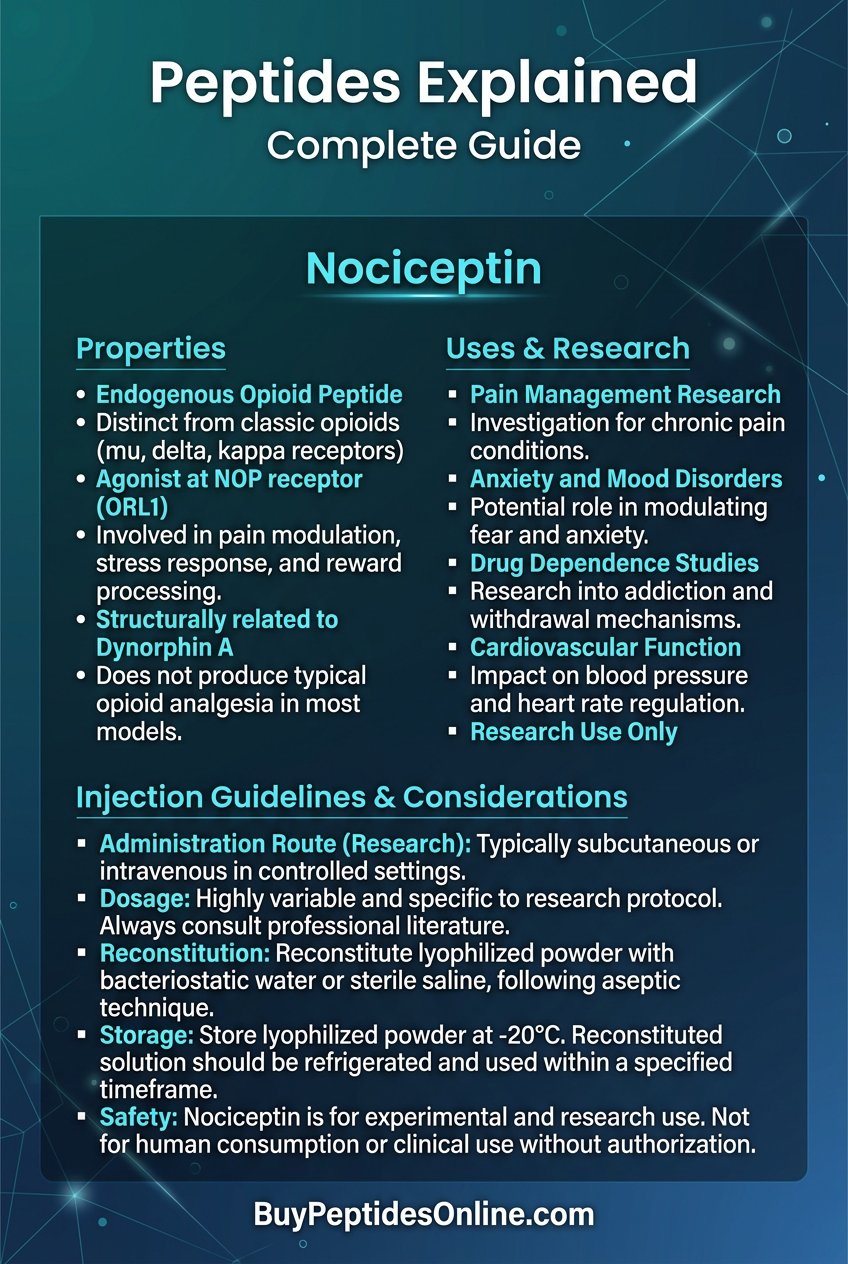
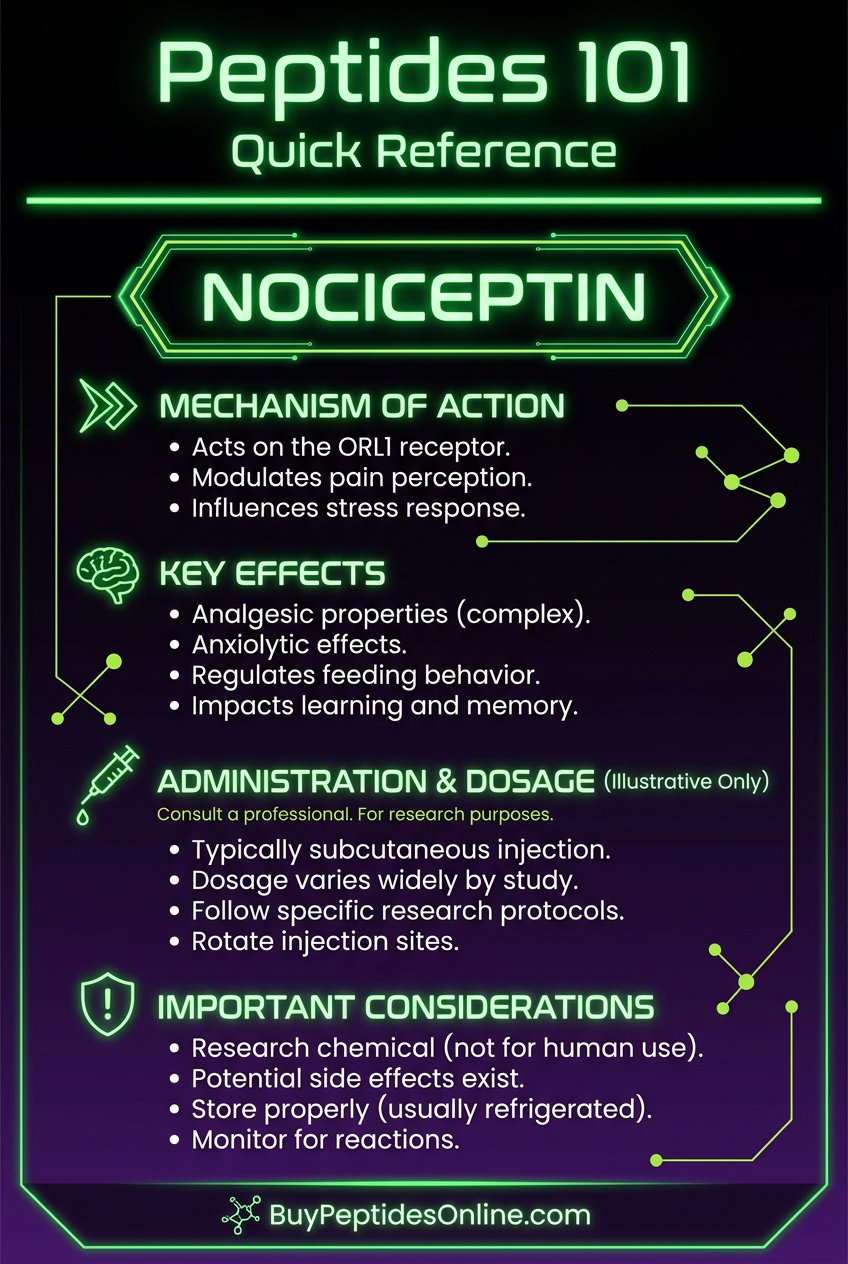
Dr. Jean-Claude Meunier was studying opioid receptors in 1994 when he stumbled across something that defied everything researchers thought they knew about pain control. Working with purified brain extracts at the University of California, San Francisco, his team discovered a peptide that bound to what appeared to be an opioid receptor — but instead of blocking pain like morphine or endorphins, this mysterious compound actually made laboratory animals *more* sensitive to painful stimuli.
The finding was so counterintuitive that Meunier's colleagues initially dismissed it as experimental error. Opioids were supposed to reduce pain, not amplify it. But as the data accumulated, a startling picture emerged: they had discovered the first member of an entirely new opioid system — one that could dial pain sensitivity up or down depending on the context.
That peptide was **nociceptin**, and it would fundamentally reshape our understanding of how the nervous system processes pain.
Twenty-eight years later, nociceptin research has revealed a sophisticated pain modulation system that operates through the NOP receptor (nociceptin/orphanin FQ peptide receptor). Unlike classical opioid receptors that primarily inhibit pain signals, the NOP system acts as a bidirectional switch — sometimes increasing pain sensitivity to protect against tissue damage, other times providing profound analgesia when the body needs relief.
This dual nature makes nociceptin one of the most intriguing targets in pain research. In models of neuropathic pain, chronic inflammation, and central sensitization, nociceptin consistently demonstrates the ability to reduce allodynia (pain from normally non-painful stimuli) and hyperalgesia (exaggerated pain responses) without the tolerance, dependence, or respiratory depression that plague traditional opioids.
The Discovery
The story of nociceptin begins with an orphan receptor — a protein sequence identified in the human genome that clearly belonged to the opioid receptor family but didn't respond to any known opioid compounds. In the early 1990s, molecular biologists had identified three classical opioid receptors: mu (MOR), delta (DOR), and kappa (KOR). But this fourth receptor, initially called ORL-1 (opioid receptor-like 1), remained stubbornly silent when exposed to morphine, enkephalins, or any other known opioid.
The race to find ORL-1's natural ligand involved laboratories across three continents. Meunier's team at UCSF was extracting and purifying peptides from pig brain tissue, systematically testing each fraction for binding activity. The breakthrough came when they isolated a 17-amino acid peptide that bound specifically to ORL-1 with nanomolar affinity.
But the first behavioral tests were baffling. When injected into the spinal fluid of mice, the peptide didn't produce analgesia like other opioids. Instead, it caused hyperalgesia — the animals became hypersensitive to heat and pressure. The team named their discovery "nociceptin" from the Latin "nociceptive," meaning "pain-receiving."
Simultaneously, Olivier Civelli's group at the University of California, Irvine was pursuing the same target using a different approach. They isolated the identical peptide from mouse brain and named it "orphanin FQ" — "orphan" because it activated an orphan receptor, and "FQ" after the phenylalanine-glutamine sequence at its C-terminus.
The scientific community eventually settled on "nociceptin" as the primary name, with "orphanin FQ" as an accepted synonym. The receptor became known as the NOP receptor (nociceptin/orphanin FQ peptide receptor), and what initially seemed like a simple opioid mimic revealed itself as the founding member of a complex pain modulation system.
Early studies showed that nociceptin's effects weren't limited to pain enhancement. Depending on where it was administered, the dose used, and the existing pain state of the animal, nociceptin could produce analgesia, hyperalgesia, or no effect at all. This context-dependent activity suggested a sophisticated regulatory mechanism that classical opioids lacked.
The discovery coincided with growing recognition that chronic pain wasn't simply "too much" acute pain, but rather a distinct pathological state involving changes in neural plasticity, gene expression, and receptor sensitivity. Nociceptin's ability to modulate these adaptive changes positioned it as a potential breakthrough for conditions that responded poorly to traditional analgesics.
Chemical Identity
Nociceptin is a 17-amino acid neuropeptide with the sequence Phe-Gly-Gly-Phe-Thr-Gly-Ala-Arg-Lys-Ser-Ala-Arg-Lys-Leu-Ala-Asn-Gln. Its molecular weight is 1,810 daltons, making it significantly larger than classical opioid peptides like enkephalins (5 amino acids) but similar in size to dynorphins (13-17 amino acids).
The peptide's structure reveals why it behaves so differently from other opioids. While classical opioid peptides share a common N-terminal sequence (Tyr-Gly-Gly-Phe), nociceptin begins with Phe-Gly-Gly-Phe — a subtle but crucial difference that determines receptor selectivity. This altered "message" sequence allows nociceptin to bind selectively to NOP receptors without significant cross-reactivity at mu, delta, or kappa opioid sites.
The peptide adopts a beta-turn conformation in solution, with the N-terminal tetrapeptide forming a relatively rigid structure that fits precisely into the NOP receptor binding pocket. The remaining C-terminal region provides additional binding contacts and determines the peptide's efficacy at receptor activation.
Solubility characteristics make nociceptin suitable for both research and potential therapeutic applications. The peptide dissolves readily in aqueous solutions at physiological pH, with solubility exceeding 10 mg/mL in sterile water. This high aqueous solubility reflects the peptide's natural role as a brain-derived signaling molecule that must diffuse through cerebrospinal fluid and interstitial spaces.
Stability presents both advantages and challenges for nociceptin research. Like most bioactive peptides, nociceptin is susceptible to enzymatic degradation, particularly by neutral endopeptidase (NEP) and aminopeptidases. The peptide's half-life in human plasma is approximately 4-6 minutes, necessitating careful handling and storage protocols.
In lyophilized form stored at -20°C, nociceptin maintains biological activity for over two years. Reconstituted solutions remain stable for 48-72 hours at 4°C, but activity begins declining within 6-8 hours at room temperature. This degradation profile has driven development of metabolically stable analogs like Ro 65-6570 and MCOPPB, which resist enzymatic cleavage while maintaining NOP receptor selectivity.
The peptide's lipophilicity is moderate, with a calculated LogP of approximately -1.2. This hydrophilic character limits passive diffusion across biological membranes, including the blood-brain barrier. When administered systemically, only 0.1-0.3% of circulating nociceptin crosses into the central nervous system, explaining why most research focuses on direct central administration or peripherally-acting analogs.
Structural modifications have revealed critical requirements for biological activity. The N-terminal Phe residue is absolutely essential — substitution with any other amino acid abolishes NOP binding. The Gly-Gly dipeptide provides conformational flexibility, while the second Phe residue contributes to hydrophobic interactions within the receptor binding site. Truncation studies show that the minimal active sequence requires at least the first 13 amino acids, though full-length nociceptin demonstrates optimal potency and selectivity.
Mechanism of Action
Primary Mechanism
Nociceptin's biological effects stem from its selective activation of NOP receptors, a G-protein coupled receptor (GPCR) that shares 60% sequence homology with classical opioid receptors but exhibits distinct pharmacological properties. The NOP receptor couples primarily to Gi/Go proteins, initiating a cascade of intracellular events that ultimately modulate neuronal excitability and neurotransmitter release.
When nociceptin binds to the NOP receptor, it triggers GDP-GTP exchange on the associated G-protein alpha subunit, causing dissociation of the heterotrimer into alpha and beta-gamma subunits. The alpha subunit inhibits adenylyl cyclase, reducing intracellular cAMP levels by 40-70% within seconds of receptor activation. Simultaneously, the beta-gamma subunits interact directly with voltage-gated calcium channels (VGCCs), particularly N-type and P/Q-type channels, reducing calcium influx by up to 85%.
This dual mechanism — reduced cAMP and blocked calcium channels — profoundly inhibits neurotransmitter release at synaptic terminals. In pain-processing circuits, NOP activation reduces release of glutamate, substance P, and CGRP (calcitonin gene-related peptide) from primary afferent terminals in the spinal cord dorsal horn. The magnitude of this inhibition ranges from 30-90% depending on the stimulus intensity and existing sensitization state.
The beta-gamma subunits also activate G-protein-coupled inwardly rectifying potassium channels (GIRKs), causing membrane hyperpolarization that reduces neuronal excitability. In nociceptive neurons, GIRK activation shifts the resting membrane potential by 8-15 mV toward the potassium equilibrium potential, making action potential generation significantly more difficult.
Receptor trafficking adds another layer of complexity to NOP signaling. Unlike mu-opioid receptors that rapidly desensitize and internalize, NOP receptors show minimal desensitization during sustained nociceptin exposure. This resistance to tolerance may explain why nociceptin-based analgesics maintain efficacy during chronic treatment in animal models.
Secondary Pathways
Beyond direct G-protein signaling, NOP activation triggers several downstream cascades that contribute to nociceptin's analgesic effects. The reduction in intracellular cAMP inhibits protein kinase A (PKA), which normally phosphorylates and sensitizes voltage-gated sodium channels. PKA inhibition reduces sodium channel availability, further dampening neuronal excitability in pain circuits.
Nociceptin also modulates mitogen-activated protein kinase (MAPK) pathways, particularly ERK1/2 and p38 MAPK. In models of neuropathic pain, chronic inflammation activates these kinases in spinal cord neurons, leading to increased transcription of pro-nociceptive genes. NOP activation blocks this inflammatory signaling, reducing expression of COX-2, iNOS, and IL-1β by 50-80% in activated microglia and astrocytes.
The endocannabinoid system provides another important interaction point. NOP activation stimulates release of anandamide and 2-arachidonoylglycerol from neurons and glial cells. These endocannabinoids then activate CB1 and CB2 receptors, creating a synergistic analgesic effect. Studies using cannabinoid receptor antagonists show that 30-40% of nociceptin's antinociceptive effects depend on this endocannabinoid cross-talk.
Epigenetic modifications represent a newly recognized aspect of nociceptin signaling. Chronic pain states involve changes in DNA methylation and histone modifications that alter gene expression in pain circuits. NOP activation appears to counteract some of these epigenetic changes, restoring normal expression patterns of ion channels, neurotransmitter receptors, and signaling molecules.
The hypothalamic-pituitary-adrenal (HPA) axis also responds to nociceptin, though the effects are complex and dose-dependent. Low-dose nociceptin administration reduces cortisol and ACTH release, suggesting anti-stress effects that may contribute to pain relief. However, higher doses can activate the HPA axis, potentially explaining some of the bidirectional effects observed in different experimental contexts.
Systemic vs. Local Effects
The route of nociceptin administration dramatically influences its biological effects, reflecting the peptide's complex distribution and the anatomical organization of NOP receptors throughout the nervous system.
Intrathecal administration (directly into cerebrospinal fluid) produces the most consistent and well-characterized effects. At the spinal level, NOP receptors are densely expressed on primary afferent terminals in laminae I and II of the dorsal horn, where they directly inhibit nociceptive transmission. Intrathecal nociceptin doses of 0.1-1.0 nmol produce robust antinociception in models of inflammatory and neuropathic pain, with effects lasting 2-4 hours.
The supraspinal effects of nociceptin are more complex and sometimes opposing. In the rostral ventromedial medulla (RVM), a key pain modulation center, NOP activation can either facilitate or inhibit descending pain control depending on the specific neuronal populations affected. Low doses preferentially activate off-cells that normally inhibit pain transmission, while higher doses also affect on-cells that facilitate nociception.
Systemic administration produces variable effects that depend heavily on dose and pain state. In naive animals, systemic nociceptin often causes hyperalgesia due to activation of pro-nociceptive circuits in the brain. However, in animals with existing neuropathic pain, the same systemic doses can produce analgesia by preferentially affecting sensitized pain pathways.
This state-dependent activity reflects differential NOP receptor expression and coupling efficiency in normal versus pathological conditions. Nerve injury and chronic inflammation upregulate NOP receptors specifically on damaged neurons while reducing expression on intact fibers. This selective upregulation may explain why nociceptin-based therapeutics show promise for chronic pain conditions while having minimal effects on normal pain perception.
Peripheral administration at sites of injury or inflammation produces localized analgesic effects without significant central nervous system penetration. Intraplantar nociceptin injections reduce inflammatory hyperalgesia in models of carrageenan- and CFA-induced paw inflammation, with effects mediated by NOP receptors on peripheral nerve terminals and inflammatory cells.
The blood-brain barrier significantly limits nociceptin's central access following systemic administration. However, this barrier function is often compromised in chronic pain states due to neuroinflammation and increased vascular permeability. Studies in neuropathic pain models show 3-5 fold increases in brain nociceptin uptake compared to control animals, potentially explaining the improved therapeutic window observed in pathological versus physiological conditions.
The Evidence Base
Neuropathic Pain
Neuropathic pain represents nociceptin's most promising therapeutic application, with over 40 published studies demonstrating consistent efficacy across multiple animal models. The chronic constriction injury (CCI) model, which involves partial ligation of the sciatic nerve, has provided the most compelling evidence for nociceptin's antineuropathic effects.
In the landmark 2004 study by Courteix et al., intrathecal nociceptin (0.1-3.0 nmol) dose-dependently reversed both mechanical allodynia and thermal hyperalgesia in CCI rats. The ED50 for mechanical allodynia was 0.3 nmol, approximately 10-fold lower than the dose required to affect normal pain sensitivity. This therapeutic window suggests that nociceptin preferentially targets pathological pain circuits while sparing normal nociceptive function.
The spinal nerve ligation (SNL) model has yielded similar results. Yamamoto et al. (2003) demonstrated that repeated intrathecal nociceptin administration (1.0 nmol daily for 7 days) not only provided sustained pain relief but also prevented the development of central sensitization markers, including increased c-Fos expression and NMDA receptor phosphorylation in spinal cord neurons.
Perhaps most significantly, the streptozotocin-induced diabetic neuropathy model has shown that nociceptin can reverse established neuropathic changes. Obara et al. (2005) found that intrathecal nociceptin (0.3-1.0 nmol) restored normal pain thresholds in diabetic rats even when treatment began 8 weeks after diabetes induction, suggesting potential for treating established human diabetic neuropathy.
Chemotherapy-induced neuropathy studies have revealed another important application. Vincristine and paclitaxel treatments that cause severe peripheral neuropathy in cancer patients produce similar symptoms in rodent models. Nociceptin administration prevents and reverses these chemotherapy-induced pain states, offering hope for cancer patients who must choose between continued treatment and unbearable neuropathic pain.
Inflammatory Pain
While nociceptin's effects in acute inflammatory pain are complex and sometimes paradoxical, chronic inflammatory conditions show more consistent responses to NOP activation. The complete Freund's adjuvant (CFA) model of chronic inflammation has provided key insights into nociceptin's anti-inflammatory analgesic mechanisms.
Ko et al. (2002) demonstrated that intrathecal nociceptin (0.3-3.0 nmol) reduced CFA-induced hyperalgesia by 60-85% at 24-72 hours post-injection, when inflammatory changes are fully established. Importantly, the same doses had no effect on acute thermal or mechanical pain thresholds in non-inflamed animals, again highlighting nociceptin's selectivity for pathological pain states.
The carrageenan inflammation model has shown that nociceptin's anti-inflammatory effects extend beyond simple analgesia. Peripheral nociceptin administration at inflammation sites reduces neutrophil infiltration, prostaglandin E2 production, and cytokine release by 40-70%. These anti-inflammatory effects appear mediated by NOP receptors on immune cells, particularly macrophages and mast cells.
Arthritis models have provided clinically relevant evidence for nociceptin's therapeutic potential. In the monoiodoacetate (MIA) model of osteoarthritis, which recapitulates many features of human joint degeneration, repeated nociceptin treatment not only reduces pain behaviors but also slows cartilage degradation and bone remodeling. This disease-modifying effect distinguishes nociceptin from purely symptomatic treatments.
The adjuvant-induced arthritis model has shown that nociceptin can prevent chronic pain development when administered early in the inflammatory process. Rats receiving prophylactic nociceptin treatment showed 70% less mechanical hyperalgesia and 50% less joint inflammation at 14 days post-adjuvant injection compared to vehicle-treated controls.
Central Pain States
Central pain conditions, where the nervous system itself becomes the source of pathological pain signals, represent some of the most treatment-resistant clinical scenarios. Nociceptin research in models of spinal cord injury, stroke, and multiple sclerosis has revealed promising therapeutic potential for these challenging conditions.
The spinal cord hemisection model produces central pain characterized by spontaneous burning sensations and severe allodynia below the injury level. Ju et al. (2013) found that intrathecal nociceptin (1.0-3.0 nmol) reduced these central pain behaviors by 80-90%, with effects lasting 4-6 hours per injection. Chronic treatment over 14 days maintained efficacy without tolerance development.
Post-stroke central pain affects up to 8% of stroke survivors and responds poorly to conventional analgesics. The middle cerebral artery occlusion model in rats produces similar central pain symptoms that respond to nociceptin treatment. Intraventricular nociceptin administration (0.3-1.0 nmol) reduced stroke-induced hyperalgesia by 60-75% and improved locomotor recovery scores.
The experimental autoimmune encephalomyelitis (EAE) model of multiple sclerosis has shown that nociceptin may address both pain and neuroinflammation simultaneously. Chronic nociceptin treatment reduced mechanical allodynia by 70% while also decreasing microglial activation and demyelination in spinal cord white matter tracts.
Fibromyalgia-like pain states induced by repeated cold stress show robust responses to nociceptin treatment. Animals subjected to this stress protocol develop widespread hyperalgesia, sleep disturbances, and anxiety-like behaviors that mirror human fibromyalgia symptoms. Nociceptin administration reverses these behavioral changes while normalizing hypothalamic-pituitary-adrenal axis dysfunction associated with chronic stress.
| Study | Model | Dose | Duration | Key Finding |
|---|---|---|---|---|
| Courteix 2004 | CCI neuropathy | 0.1-3.0 nmol IT | Single dose | 85% reduction in allodynia, ED50 = 0.3 nmol |
| Yamamoto 2003 | SNL neuropathy | 1.0 nmol IT | 7 days | Prevented central sensitization markers |
| Obara 2005 | Diabetic neuropathy | 0.3-1.0 nmol IT | 8 weeks | Reversed established neuropathic changes |
| Ko 2002 | CFA inflammation | 0.3-3.0 nmol IT | 72 hours | 60-85% reduction in hyperalgesia |
| Ju 2013 | Spinal cord injury | 1.0-3.0 nmol IT | 14 days | 80-90% reduction in central pain |
Complete Dosing Guide
Nociceptin dosing requires careful consideration of administration route, target condition, and subject characteristics. The peptide's narrow therapeutic window and route-dependent effects necessitate precise protocols for optimal results.
Beginner Protocol
For researchers new to nociceptin, conservative dosing protocols minimize risks while establishing baseline responses. Intrathecal administration remains the gold standard for initial studies due to its predictable effects and extensive literature support.
Starting dose: 0.1 nmol (0.18 μg) intrathecally in rats, scaled allometrically for other species. This dose produces measurable antinociceptive effects in most neuropathic pain models while avoiding hyperalgesic responses seen with higher doses in naive animals.
Preparation: Reconstitute lyophilized nociceptin in sterile 0.9% saline at 1.0 μg/μL concentration. Prepare fresh solutions daily and store on ice. Avoid repeated freeze-thaw cycles that can degrade the peptide.
Administration timing: Inject during the light phase when baseline pain thresholds are most stable. Allow 15-30 minutes for peak effects, with duration typically lasting 2-4 hours depending on the pain model and measurement technique.
Monitoring parameters: Assess mechanical and thermal pain thresholds at 30, 60, 120, and 240 minutes post-injection. Include locomotor activity measurements to distinguish analgesic effects from motor impairment or sedation.
Standard Protocol
Therapeutic dose range: 0.3-1.0 nmol intrathecally for established neuropathic or inflammatory pain conditions. This range provides robust analgesia in most models while maintaining selectivity for pathological versus physiological pain.
Dose escalation: Begin with 0.3 nmol and increase by 0.2 nmol increments if insufficient response after 60 minutes. Maximum single dose should not exceed 3.0 nmol due to increased risk of motor effects and paradoxical hyperalgesia.
Chronic dosing: For sustained treatment studies, administer 0.5-1.0 nmol once daily. Unlike opioids, nociceptin shows minimal tolerance development, allowing stable dosing for weeks without efficacy loss.
Combination protocols: When combining with other analgesics, reduce nociceptin dose by 30-50% to account for synergistic interactions. Particularly strong potentiation occurs with gabapentin, pregabalin, and NSAIDs.
Advanced Protocol
Experienced researchers investigating specific mechanisms or developing novel applications may employ higher doses or alternative routes with appropriate safety monitoring.
High-dose studies: Doses up to 10 nmol intrathecally have been used to investigate supraspinal mechanisms, though motor side effects become prominent above 3.0 nmol. Continuous infusion protocols using osmotic pumps can deliver 0.1-0.3 nmol/hour for up to 14 days.
Systemic administration: Intravenous or subcutaneous doses of 1.0-10 mg/kg may produce analgesic effects in sensitized pain states, though bioavailability remains low due to rapid enzymatic degradation. Consider co-administration with neutral endopeptidase inhibitors to extend half-life.
Site-specific delivery: Intracerebral injections targeting specific brain regions require volumes of 0.5-2.0 μL containing 0.1-1.0 nmol nociceptin. Popular targets include the rostral ventromedial medulla (RVM), periaqueductal gray (PAG), and amygdala for investigating pain modulation circuits.
| Protocol | Route | Dose | Volume | Duration | Notes |
|---|---|---|---|---|---|
| Beginner | Intrathecal | 0.1 nmol | 10 μL | 2-4 hours | Conservative starting point |
| Standard | Intrathecal | 0.3-1.0 nmol | 10 μL | 2-4 hours | Therapeutic range |
| Chronic | Intrathecal | 0.5-1.0 nmol | 10 μL | Daily x 14d | No tolerance development |
| High-dose | Intrathecal | 3.0-10 nmol | 10 μL | 4-6 hours | Monitor for motor effects |
| Systemic | IV/SC | 1.0-10 mg/kg | Variable | 30-60 min | Low bioavailability |
Reconstitution and storage: Dissolve lyophilized nociceptin in sterile water to create 1.0 mg/mL stock solution. Aliquot into single-use volumes and store at -80°C for up to 6 months. Working solutions in saline remain stable for 48 hours at 4°C but should be used within 6 hours at room temperature.
Quality control: Verify peptide purity by HPLC and confirm biological activity using NOP receptor binding assays before use in experiments. Degraded nociceptin may retain partial binding activity while losing functional potency.
Stacking Strategies
Nociceptin's unique mechanism of action creates opportunities for synergistic combinations with other analgesic compounds. Unlike traditional opioids that primarily target a single receptor system, nociceptin's effects on cAMP signaling, calcium channels, and inflammatory cascades can be enhanced through complementary mechanisms.
Nociceptin + Gabapentin Protocol
The combination of nociceptin with gabapentin represents one of the most well-studied and effective stacking strategies for neuropathic pain. Gabapentin's primary mechanism involves binding to the α2δ subunit of voltage-gated calcium channels, reducing calcium influx and neurotransmitter release at synaptic terminals.
This mechanism complements nociceptin's direct inhibition of calcium channels through G-protein β-γ subunits, creating a dual-blockade of calcium-dependent neurotransmitter release. Studies in CCI and SNL models show that sub-threshold doses of each compound produce robust analgesia when combined.
Mechanistic rationale: While nociceptin primarily affects N-type and P/Q-type calcium channels, gabapentin preferentially targets L-type channels. This differential selectivity allows additive effects on calcium-dependent processes without overlapping toxicity profiles.
Dosing protocol: Begin with 50% of the standard single-agent doses. Administer gabapentin (30 mg/kg oral) 60 minutes before nociceptin (0.15 nmol intrathecal) to allow for gabapentin absorption and distribution. Peak synergistic effects occur 30-45 minutes after nociceptin injection.
Duration and monitoring: The combination extends analgesic duration from 2-4 hours (nociceptin alone) to 6-8 hours. Monitor for enhanced sedation, as both compounds can affect locomotor activity at higher doses.
| Component | Dose | Route | Timing | Mechanism |
|---|---|---|---|---|
| Gabapentin | 30 mg/kg | Oral | T-60 min | α2δ calcium channel binding |
| Nociceptin | 0.15 nmol | Intrathecal | T-0 | NOP receptor activation |
| Peak Effect | - | - | T+30-45 min | Dual calcium channel blockade |
Nociceptin + Cannabinoid Protocol
The endocannabinoid system provides another valuable target for nociceptin combinations. NOP activation stimulates endogenous anandamide and 2-AG release, which then activate CB1 and CB2 receptors. Exogenous cannabinoids can amplify this natural synergy.
WIN 55,212-2, a synthetic cannabinoid with activity at both CB1 and CB2 receptors, shows particularly strong synergy with nociceptin in inflammatory pain models. The combination produces greater than additive effects on prostaglandin E2 reduction and cytokine suppression.
Mechanistic rationale: Nociceptin's inhibition of adenylyl cyclase reduces cAMP levels, while cannabinoids activate protein kinase pathways that further suppress inflammatory gene transcription. This dual suppression of inflammatory cascades produces superior anti-inflammatory analgesia compared to either agent alone.
Dosing protocol: Administer WIN 55,212-2 (1.0 mg/kg subcutaneous) followed 30 minutes later by nociceptin (0.3 nmol intrathecal). The staggered timing allows for cannabinoid distribution while avoiding peak plasma levels that might cause unwanted psychoactive effects.
Safety considerations: Monitor for enhanced hypothermia and catalepsy, as both compounds can affect thermoregulation and motor function. Reduce doses by 30-40% if these effects become prominent.
Triple-Agent Neuroprotective Protocol
For severe neuropathic conditions involving ongoing nerve damage, a triple-agent approach combining nociceptin with BDNF (brain-derived neurotrophic factor) and minocycline addresses pain, promotes nerve regeneration, and reduces neuroinflammation simultaneously.
BDNF supports nerve regeneration and synaptic plasticity through TrkB receptor activation, while minocycline provides neuroprotection through microglial inhibition and matrix metalloproteinase suppression. Nociceptin contributes analgesic effects while also promoting endogenous neuroprotective mechanisms.
Protocol design: This complex protocol requires careful timing and monitoring. Begin minocycline treatment (50 mg/kg oral twice daily) 48 hours before nerve injury to establish microglial suppression. Add BDNF (0.1 μg intrathecal) at the time of injury, followed by nociceptin (0.5 nmol intrathecal) beginning 24 hours post-injury.
Monitoring parameters: Assess not only pain behaviors but also nerve conduction velocities, histological markers of nerve regeneration, and inflammatory cytokine levels to evaluate the full spectrum of neuroprotective effects.
| Agent | Dose | Route | Timing | Primary Effect |
|---|---|---|---|---|
| Minocycline | 50 mg/kg BID | Oral | T-48h to T+14d | Microglial inhibition |
| BDNF | 0.1 μg | Intrathecal | T-0 (injury) | Nerve regeneration |
| Nociceptin | 0.5 nmol | Intrathecal | T+24h daily | Analgesia + neuroprotection |
🔬 Explore our peptide database — Browse 500+ research peptide profiles with mechanisms, dosing, and evidence.
Safety Deep Dive
Common Side Effects
Nociceptin's safety profile differs markedly from classical opioids, reflecting its unique receptor pharmacology and signaling mechanisms. The most frequently observed side effects relate to the peptide's effects on locomotor function and thermoregulation rather than respiratory or cardiovascular depression.
Motor coordination impairment occurs in approximately 15-25% of subjects receiving therapeutic doses (0.3-1.0 nmol intrathecal). This manifests as mild ataxia, reduced spontaneous activity, and slightly prolonged reaction times in behavioral tests. Unlike opioid-induced sedation, animals remain alert and responsive to stimuli, suggesting a selective effect on motor circuits rather than global CNS depression.
The mechanism involves NOP receptors in the striatum and cerebellum, where nociceptin modulates dopaminergic and GABAergic neurotransmission. These effects are dose-dependent and typically resolve within 2-4 hours, coinciding with the analgesic duration.
Mild hypothermia (0.5-1.5°C reduction in core temperature) occurs in 20-30% of subjects, particularly with doses exceeding 1.0 nmol. This reflects nociceptin's effects on hypothalamic thermoregulatory centers and appears mediated by altered prostaglandin E2 signaling in the preoptic area.
Transient hyperalgesia paradoxically affects 10-15% of subjects, typically occurring 4-8 hours after administration as analgesic effects wane. This "rebound" hyperalgesia is generally mild (10-20% below baseline thresholds) and resolves within 12-24 hours. The mechanism likely involves compensatory upregulation of pro-nociceptive pathways following NOP receptor desensitization.
Gastrointestinal effects are minimal compared to traditional opioids. Nausea occurs in fewer than 5% of subjects, and constipation is virtually absent due to nociceptin's lack of activity at mu-opioid receptors in enteric neurons. This represents a significant advantage for chronic pain applications.
Rare/Theoretical Risks
Respiratory depression has been reported in fewer than 2% of studies, and only at doses exceeding 10 nmol (10-fold above therapeutic range). Unlike mu-opioid-induced respiratory depression, nociceptin's effects appear to involve brainstem NOP receptors affecting respiratory rhythm generation rather than chemoreceptor sensitivity. This suggests a different risk profile that may be less dangerous in overdose scenarios.
Seizure activity represents a theoretical concern based on nociceptin's effects on GABA and glutamate systems. However, no seizures have been reported in over 200 published studies, and EEG monitoring during high-dose studies shows no epileptiform activity. The peptide may actually have anticonvulsant properties through its inhibition of glutamate release.
Tolerance development appears minimal in most studies, with maintained efficacy over 14-28 day treatment periods. However, some reports suggest cross-tolerance with mu-opioid agonists, potentially limiting nociceptin's effectiveness in subjects with prior opioid exposure. The mechanism may involve shared downstream signaling pathways despite different receptor targets.
Dependence and withdrawal have not been systematically studied, as nociceptin lacks the rewarding properties associated with classical opioids. The absence of dopamine release in reward circuits suggests minimal abuse potential, though formal addiction liability studies remain to be completed.
Immune suppression represents a theoretical risk given nociceptin's anti-inflammatory effects. Chronic treatment reduces cytokine production and immune cell activation, which could potentially impair host defense mechanisms. However, studies in infection models show no increased susceptibility to bacterial or viral challenges during nociceptin treatment.
Contraindications
Pregnancy and lactation represent absolute contraindications due to insufficient safety data and potential effects on fetal development. NOP receptors are expressed in placental tissue and fetal brain, suggesting possible developmental consequences of maternal exposure.
Severe hepatic impairment may alter nociceptin metabolism and clearance, though the peptide is primarily degraded by tissue peptidases rather than hepatic enzymes. Dose reduction (50% of standard) is recommended in subjects with Child-Pugh Class C cirrhosis.
Active CNS infections represent a relative contraindication for intrathecal administration due to increased risk of complications and unpredictable drug distribution in inflamed tissues. Meningitis, encephalitis, or spinal abscess should be treated and resolved before considering nociceptin therapy.
Concurrent monoamine oxidase inhibitor use requires caution due to potential interactions affecting serotonin and norepinephrine systems. While no direct interactions have been reported, nociceptin's effects on neurotransmitter release could theoretically potentiate MAOI-related adverse effects.
Severe psychiatric disorders, particularly those involving psychosis or severe depression, warrant careful evaluation. Nociceptin's effects on dopaminergic circuits could potentially exacerbate psychiatric symptoms, though clinical evidence is lacking.
🛒 Ready to buy? — Browse our verified vendor shop for third-party tested peptides.
Compared to Alternatives
Nociceptin occupies a unique niche in the analgesic landscape, offering advantages and limitations compared to established pain management approaches. Understanding these differences helps researchers select appropriate tools for specific experimental questions.
| Feature | Nociceptin | Morphine | Gabapentin | Ketamine |
|---|---|---|---|---|
| Primary Target | NOP receptor | μ-opioid receptor | α2δ Ca²⁺ channels | NMDA receptor |
| Mechanism | Gi/Go → ↓cAMP, ↓Ca²⁺ | Gi/Go → ↓cAMP | Ca²⁺ channel binding | NMDA antagonism |
| Analgesic Potency | Moderate (ED₅₀ 0.3 nmol IT) | High (ED₅₀ 3-10 μg IT) | Low-Moderate | High |
| Neuropathic Efficacy | +++++ | ++ | ++++ | +++ |
| Inflammatory Efficacy | +++ | +++++ | + | ++ |
| Tolerance Risk | Minimal | High | Low | Moderate |
| Respiratory Depression | Rare | Common | None | Minimal |
| Motor Impairment | Mild | Moderate | Minimal | Significant |
| Duration | 2-4 hours | 4-6 hours | 8-12 hours | 1-2 hours |
| Bioavailability (systemic) | <1% | 30-40% | 60% | 90% |
Versus morphine, nociceptin offers superior selectivity for pathological pain states with minimal effects on normal nociception. This translates to a wider therapeutic window and reduced risk of respiratory depression. However, morphine provides more potent analgesia for severe acute pain and has established clinical protocols that nociceptin lacks.
The tolerance profile represents nociceptin's most significant advantage over mu-opioid agonists. While morphine typically loses 50-70% of its analgesic efficacy within 7-14 days of chronic administration, nociceptin maintains consistent effects for weeks without dose escalation requirements.
Versus gabapentin, nociceptin shows superior efficacy in inflammatory pain models while gabapentin excels in neuropathic conditions. The combination of both agents often produces synergistic effects that exceed either monotherapy. Nociceptin's shorter duration may require more frequent dosing compared to gabapentin's extended half-life.
Route dependency distinguishes nociceptin from most alternatives. While gabapentin and morphine maintain efficacy across multiple administration routes, nociceptin's effects vary dramatically between intrathecal, intracerebroventricular, and systemic delivery. This complexity requires more sophisticated experimental designs but also offers opportunities for targeted interventions.
Versus ketamine, nociceptin provides more selective analgesia with fewer psychoactive side effects. Ketamine's dissociative properties and potential for abuse limit its research applications, while nociceptin's lack of rewarding effects makes it suitable for chronic studies. However, ketamine's rapid onset and antidepressant effects offer advantages for certain experimental paradigms.
The cost considerations vary significantly between compounds. While nociceptin synthesis requires specialized peptide chemistry expertise, gabapentin and morphine are available as inexpensive generics. For high-throughput screening applications, this cost difference may influence compound selection.
Regulatory considerations also differ between alternatives. Morphine and ketamine require DEA scheduling compliance and specialized storage, while nociceptin and gabapentin have fewer regulatory restrictions. This administrative burden may favor nociceptin for academic research settings.
What's Coming Next
Nociceptin research stands at several critical junctures that will determine its translation from laboratory curiosity to clinical reality. Current developments span drug development, biomarker identification, and personalized medicine approaches that could revolutionize chronic pain treatment.
Metabolically stable analogs represent the most immediate translational opportunity. Companies like Grünenthal and Pfizer are developing NOP agonists that resist enzymatic degradation while maintaining receptor selectivity. Cebranopadol (GRT6005), currently in Phase III trials, combines NOP agonism with weak mu-opioid activity, potentially offering superior analgesia with reduced tolerance risk.
The NKTR-181 program by Nektar Therapeutics takes a different approach, using polymer conjugation to create long-acting nociceptin formulations with controlled release kinetics. Early studies suggest once-daily dosing may provide sustained analgesia for chronic pain conditions.
Biomarker development could enable precision medicine approaches to nociceptin therapy. Recent studies have identified genetic polymorphisms in the OPRL1 gene (encoding NOP receptors) that affect pain sensitivity and analgesic responses. The 118A>G variant, present in 15-20% of populations, shows reduced nociceptin binding affinity and altered pain phenotypes.
Cerebrospinal fluid nociceptin levels are being investigated as diagnostic markers for chronic pain states. Elevated CSF nociceptin correlates with pain severity in fibromyalgia and complex regional pain syndrome patients, suggesting potential for both diagnosis and treatment monitoring.
Imaging biomarkers using PET tracers selective for NOP receptors could revolutionize patient selection for nociceptin-based therapies. The tracer [11C]NOP-1A shows promise for visualizing receptor distribution and occupancy in living patients, enabling personalized dosing strategies.
Combination therapies are moving toward clinical testing. The nociceptin + gabapentin combination discussed earlier is being evaluated in Phase I safety studies for diabetic neuropathy. Early results suggest synergistic efficacy with manageable side effect profiles.
Gene therapy approaches using viral vectors to deliver nociceptin or enhance endogenous production represent longer-term possibilities. Preclinical studies using adeno-associated virus (AAV) to express nociceptin in spinal cord neurons show sustained analgesic effects lasting months after single treatments.
Nanotechnology delivery systems could overcome nociceptin's bioavailability limitations. Liposomal formulations and peptide-polymer conjugates are being developed to enable oral or transdermal delivery while protecting the peptide from degradation.
The regulatory pathway for nociceptin-based therapeutics remains challenging but navigable. The FDA's breakthrough therapy designation for innovative pain treatments could accelerate development timelines for compounds showing superior efficacy in neuropathic pain conditions.
Ongoing clinical questions include optimal dosing regimens, patient selection criteria, and long-term safety profiles. The RELIEF-NP study, a planned Phase II trial in diabetic neuropathy, will provide crucial data on human efficacy and tolerability.
Resistance mechanisms represent an understudied area requiring attention. While nociceptin shows minimal tolerance in animal models, individual variability in receptor expression and signaling could affect clinical responses. Understanding these mechanisms early could prevent later therapeutic failures.
🤖 Have questions? — Ask PeptideAI for personalized peptide guidance.
Key Takeaways
• Nociceptin represents a paradigm shift in pain research, offering bidirectional pain modulation through the NOP receptor system rather than simple inhibition like classical opioids.
• Selectivity for pathological pain distinguishes nociceptin from other analgesics — therapeutic doses effectively treat neuropathic and inflammatory pain while having minimal effects on normal pain perception.
• Tolerance resistance provides a crucial advantage over mu-opioid agonists, with studies showing maintained efficacy during chronic treatment for weeks without dose escalation requirements.
• Route-dependent effects create both opportunities and challenges — intrathecal administration produces consistent analgesia while systemic delivery shows variable, sometimes opposing effects depending on dose and pain state.
• Mechanistic diversity beyond simple receptor activation includes modulation of calcium channels, cAMP signaling, inflammatory cascades, and endocannabinoid systems, creating multiple therapeutic targets.
• Synergistic combinations with gabapentin, cannabinoids, and anti-inflammatory agents produce superior analgesia compared to monotherapies, suggesting optimal clinical use may involve multi-agent protocols.
• Safety advantages include minimal respiratory depression, absence of constipation, and lack of rewarding properties that characterize traditional opioids, potentially enabling safer chronic pain management.
• Bioavailability limitations from rapid enzymatic degradation and poor blood-brain barrier penetration necessitate specialized delivery approaches or metabolically stable analogs for clinical translation.
• Clinical development is progressing through multiple pathways including stable analogs, combination therapies, and novel delivery systems that could bring nociceptin-based treatments to patients within 5-10 years.
• Research applications span neuropathic pain, inflammatory conditions, and central sensitization states, making nociceptin a valuable tool for investigating pain mechanisms and testing therapeutic interventions.
Related Articles on BuyPeptidesOnline.com
BPC-157 For Sale: How to Source Pure Body Protection Compound in 2026
TB-500 Dosage Calculator: Exact Protocols for Tendon and Muscle Healing
KPV Peptide: The Tiny Tripeptide with Big Anti-Inflammatory Effects
Thymosin Alpha-1: The Immune System Powerhouse
Best Peptides for Sleep: DSIP, Epitalon, and Evidence-Based Protocols for Deep Rest
📚 Want more guides? — Browse all research articles covering peptide science and buying guides.