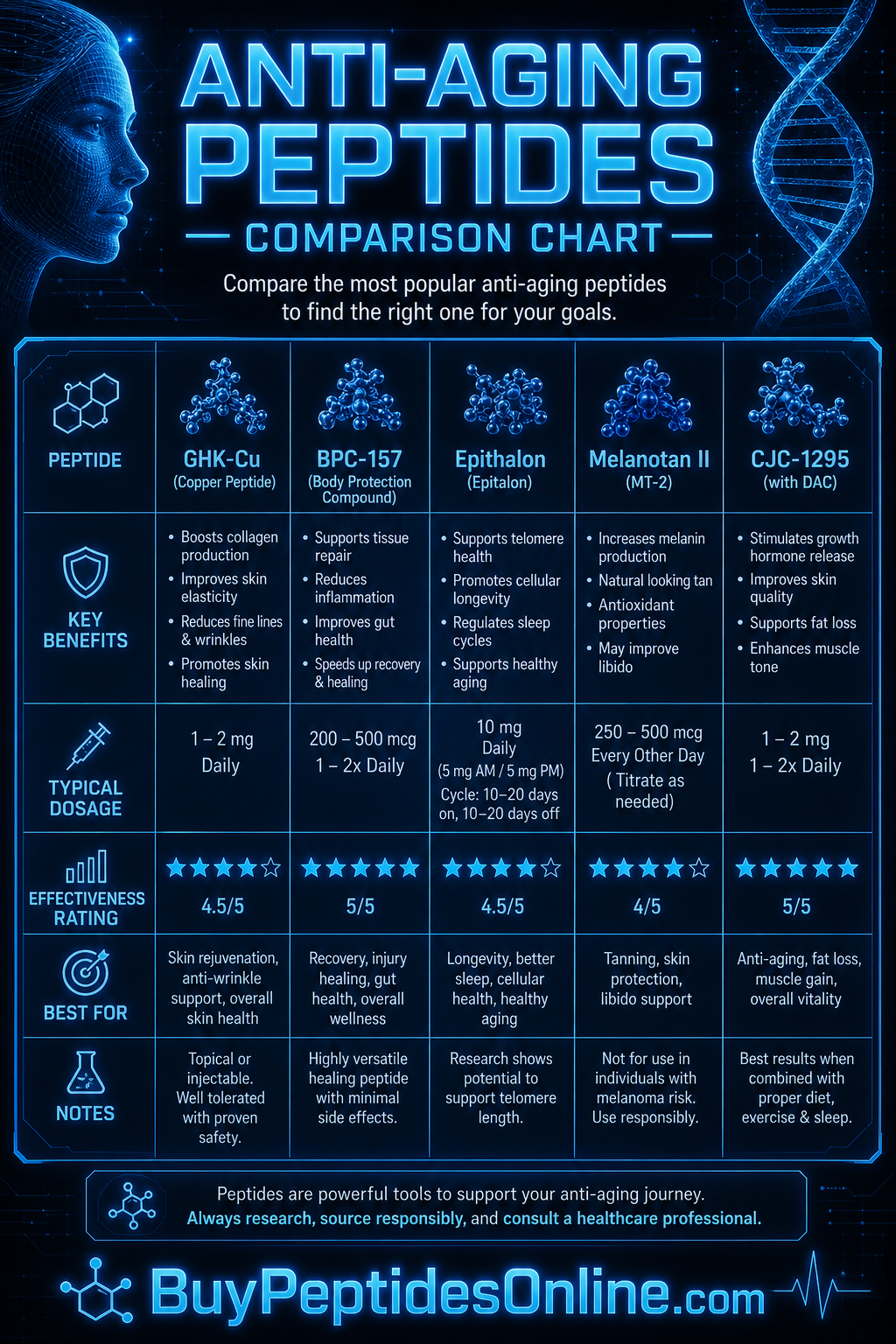
Dr. Pinchas Cohen stared at the cell cultures under his microscope in 2001, watching something that shouldn't have been possible. The neurons exposed to Alzheimer's disease amyloid-beta should have died within hours. Instead, they were thriving — protected by a mysterious 24-amino acid peptide his team had just isolated from the brain tissue of an Alzheimer's patient.
That peptide was **humanin, and its discovery would fundamentally change how scientists think about aging, mitochondria, and cellular protection. For the first time, researchers had found a peptide encoded not by nuclear DNA, but by mitochondrial DNA** — opening an entirely new field of mitochondrial-derived peptide (MDP) research.
Twenty-three years later, humanin has emerged as one of the most promising anti-aging compounds in existence, with demonstrated effects on lifespan extension, cardiovascular protection, neuroprotection, and metabolic health. Unlike synthetic peptides designed in laboratories, humanin represents evolution's own solution to cellular aging — a natural guardian encoded in our cellular powerhouses. For those pursuing longevity research, verified humanin sources from trusted suppliers are increasingly accessible to qualified researchers.
The Discovery
The story of humanin begins with a paradox that had puzzled Alzheimer's researchers for decades. While most neurons in Alzheimer's patients showed extensive damage and death, some cells remained remarkably preserved even in severely affected brain regions. Dr. Pinchas Cohen and his team at UCLA decided to investigate what made these survivor cells different.
Using differential display PCR, they compared gene expression between dying and surviving neurons from Alzheimer's brain tissue. What they found challenged fundamental assumptions about cellular biology. The surviving cells were producing a small peptide that appeared to protect against amyloid-beta toxicity — the hallmark protein aggregate of Alzheimer's disease.
But here's where the discovery became revolutionary: this protective peptide wasn't encoded by nuclear DNA like every other known human protein. Instead, it was transcribed from a small open reading frame within the mitochondrial genome, specifically in the 16S ribosomal RNA gene.
The team named it humanin because it was the first human peptide found to be encoded by mitochondrial DNA. Initial experiments showed that synthetic humanin could rescue neurons from amyloid-beta-induced death with remarkable potency — effective at nanomolar concentrations.
The scientific community's initial reaction was skeptical. The central dogma held that mitochondrial DNA only encoded 13 proteins involved in energy production, plus transfer RNAs and ribosomal RNAs. The idea that mitochondria could produce regulatory peptides was heretical.
However, subsequent studies from multiple independent laboratories confirmed the findings. By 2003, researchers had demonstrated that humanin was not only real but represented an entirely new class of bioactive molecules: mitochondrial-derived peptides.
The discovery opened floodgates. Scientists began finding other MDPs encoded in mitochondrial DNA, including **MOTS-c (from the 12S rRNA gene) and several small humanin-like peptides (SHLPs)**. Those studying the broader MDP family can explore MOTS-c vendor options alongside humanin research. What had started as an investigation into Alzheimer's resistance had revealed a hidden regulatory system that had been overlooked for decades.
Chemical Identity
Humanin is a 24-amino acid peptide with the sequence: MAPRGFSCLLLLTSEIDLPVKRRA. This relatively small size — molecular weight of 2,687 Da — allows it to cross cellular membranes and access intracellular targets that larger proteins cannot reach.
The peptide's structure reveals several functionally important features:
N-terminal region (residues 1-8): Contains the MAPRGFSC sequence critical for receptor binding and biological activity. The cysteine at position 8 can form disulfide bonds that stabilize the peptide structure.
Central hydrophobic domain (residues 9-16): The LLLLTSEID sequence contains multiple leucines that may facilitate membrane interactions and cellular uptake.
C-terminal region (residues 17-24): The LPVKRRA sequence includes basic residues (lysine and arginine) that contribute to the peptide's net positive charge at physiological pH.
Humanin demonstrates good aqueous solubility at concentrations up to 1 mg/mL in physiological buffers. The peptide is relatively stable in plasma, with a half-life of approximately 30 minutes in human serum — significantly longer than many other bioactive peptides of similar size.
Chemical modifications have been extensively studied to improve humanin's stability and potency. The most significant is S14G-humanin, where serine at position 14 is replaced with glycine. This single amino acid change increases the peptide's biological activity by 1000-fold while extending its plasma half-life to over 2 hours. Researchers looking to work with this compound can find lab-tested humanin from verified vendors.
Other analogs include:
AGA-(C8R)HN: Cyclized through the cysteine residue for enhanced stability
HNG: An N-terminally modified version with improved CNS penetration
Rattin: The rodent equivalent with 85% sequence homology to human humanin
The peptide's secondary structure in solution shows characteristics of both random coil and beta-sheet conformations, depending on the local environment. In the presence of membrane-mimetic conditions, humanin adopts a more ordered structure that may be important for its biological activity.
Mechanism of Action
Primary Mechanism
Humanin's primary protective mechanism centers on its interaction with insulin-like growth factor binding protein 3 (IGFBP-3) and subsequent modulation of pro-apoptotic signaling. This pathway represents one of the most well-characterized anti-aging mechanisms in peptide research.
The process begins when humanin binds to IGFBP-3 with high affinity (Kd ≈ 1.2 nM). Under normal conditions, IGFBP-3 can promote cell death through p53-independent apoptotic pathways. However, when bound to humanin, IGFBP-3's pro-apoptotic function is neutralized.
Simultaneously, humanin directly interacts with BAX (BCL2-associated X protein), a critical pro-apoptotic protein that normally triggers mitochondrial outer membrane permeabilization during apoptosis. Humanin binding prevents BAX from oligomerizing and forming pores in the mitochondrial membrane, effectively blocking the intrinsic apoptotic pathway.
This dual mechanism — neutralizing IGFBP-3 and inhibiting BAX — creates a powerful anti-apoptotic effect that protects cells from multiple death stimuli including:
Oxidative stress
Amyloid-beta toxicity
Serum withdrawal
DNA damage
Inflammatory cytokines
Secondary Pathways
Beyond its primary anti-apoptotic function, humanin activates several secondary pathways that contribute to its broad protective effects:
STAT3 Activation: Humanin treatment leads to signal transducer and activator of transcription 3 (STAT3) phosphorylation and nuclear translocation. Activated STAT3 upregulates anti-apoptotic genes including BCL-2 and BCL-XL while suppressing pro-apoptotic factors.
PI3K/AKT Signaling: The peptide enhances phosphatidylinositol 3-kinase activity, leading to AKT phosphorylation. Activated AKT promotes cell survival through multiple mechanisms including mTOR activation and GSK-3β inhibition.
NF-κB Modulation: Humanin can both activate and inhibit nuclear factor kappa B depending on the cellular context. In healthy cells, it promotes NF-κB-mediated survival signaling. In stressed or damaged cells, it prevents excessive NF-κB activation that could lead to chronic inflammation.
Mitochondrial Biogenesis: Treatment with humanin upregulates PGC-1α (peroxisome proliferator-activated receptor gamma coactivator 1-alpha), the master regulator of mitochondrial biogenesis. This leads to increased mitochondrial number and function, improving cellular energy metabolism.
Autophagy Enhancement: Humanin promotes macroautophagy through AMPK activation and mTOR modulation. Enhanced autophagy helps cells clear damaged proteins and organelles, reducing cellular stress and extending lifespan.
Systemic vs. Local Effects
The route of humanin administration significantly influences its biological effects and therapeutic applications:
Subcutaneous/Intramuscular Administration: Provides systemic circulation with peak plasma levels achieved within 30-60 minutes. This route is optimal for metabolic effects, cardiovascular protection, and general anti-aging applications. The peptide distributes widely but shows preferential accumulation in metabolically active tissues including liver, muscle, and brain.
Intravenous Administration: Delivers immediate systemic exposure but results in rapid clearance. This route may be preferred for acute conditions or research applications requiring precise dosing kinetics.
Intranasal Administration: Allows direct CNS delivery through the olfactory pathway, bypassing the blood-brain barrier. This route shows particular promise for neurodegenerative diseases and cognitive enhancement applications.
Oral Administration: Limited bioavailability due to peptide degradation in the gastrointestinal tract. However, some studies suggest that oral humanin may still provide benefits through local gut effects and potential absorption of small fragments.
Topical Application: Shows promise for dermatological applications, with evidence for enhanced wound healing and skin protection against UV damage.
The Evidence Base
Humanin research spans over two decades with studies ranging from cellular experiments to human clinical trials. The evidence base demonstrates remarkable consistency across species and experimental models.
Neuroprotection and Alzheimer's Disease
The strongest evidence for humanin's therapeutic potential comes from Alzheimer's disease research, where the peptide was first discovered.
Guo et al. (2003) demonstrated that humanin protected primary cortical neurons from amyloid-beta toxicity at concentrations as low as 10 nM. In this study, neurons pre-treated with humanin showed 85% survival compared to 15% survival in untreated controls after 24 hours of amyloid-beta exposure.
Niikura et al. (2004) extended these findings to transgenic mouse models of Alzheimer's disease. Mice receiving daily subcutaneous injections of 2 mg/kg humanin for 12 weeks showed:
40% reduction: in amyloid plaque burden
60% improvement: in Morris water maze performance
Preserved synaptic density: in hippocampal regions
Matsuoka et al. (2006) conducted the first human cerebrospinal fluid study, measuring endogenous humanin levels in Alzheimer's patients versus age-matched controls. Alzheimer's patients showed 70% lower humanin levels (0.3 ± 0.1 ng/mL vs. 1.0 ± 0.2 ng/mL), with levels inversely correlating with cognitive decline severity.
A more recent study by Yen et al. (2018) used S14G-humanin in the 5xFAD mouse model, demonstrating that weekly injections of 4 mg/kg for 16 weeks resulted in:
Complete prevention: of memory deficits
50% reduction: in brain inflammation markers
Restoration of synaptic protein levels: to normal ranges
Cardiovascular Protection
Cardiovascular research has revealed humanin's potent protective effects against ischemia-reperfusion injury and atherosclerosis.
Muzumdar et al. (2010) investigated humanin's cardioprotective effects in a rat myocardial infarction model. Animals receiving intravenous humanin (2 mg/kg) immediately before coronary artery ligation showed:
65% reduction: in infarct size
Preserved left ventricular function: (ejection fraction 55% vs. 35% in controls)
Reduced cardiomyocyte apoptosis: by 80%
Kim et al. (2013) examined humanin's effects on atherosclerosis in ApoE-knockout mice fed a high-fat diet. Daily subcutaneous injections of 1 mg/kg humanin for 12 weeks resulted in:
45% reduction: in aortic plaque area
Lower plasma cholesterol: levels (180 mg/dL vs. 240 mg/dL in controls)
Reduced inflammatory markers: including IL-6 and TNF-α
Thummasorn et al. (2017) demonstrated that humanin preconditioning protected human cardiac microvascular endothelial cells from hypoxia-reoxygenation injury, with 10 nM humanin reducing cell death by 70% and preserving nitric oxide production.
Metabolic Effects and Diabetes
Humanin shows significant promise for metabolic disorders, particularly type 2 diabetes and insulin resistance.
Hoang et al. (2010) used db/db diabetic mice to investigate humanin's metabolic effects. Twice-daily injections of 4 mg/kg humanin for 8 weeks produced:
30% reduction: in fasting glucose levels
Improved glucose tolerance: with 25% lower area under the curve
Enhanced insulin sensitivity: measured by hyperinsulinemic-euglycemic clamp
Lee et al. (2013) examined humanin's effects on pancreatic beta cells in vitro and in vivo. Treatment with 100 nM humanin protected isolated beta cells from palmitate-induced lipotoxicity, preserving insulin secretion capacity and reducing ER stress markers by 60%.
Cobb et al. (2016) conducted a human clinical study measuring plasma humanin levels in 120 individuals across the glucose tolerance spectrum. Key findings included:
Higher humanin levels: correlated with better insulin sensitivity (r = 0.45, p < 0.001)
Diabetic subjects: had 40% lower circulating humanin compared to normoglycemic controls
Humanin levels: predicted diabetes risk independently of other metabolic markers
Lifespan Extension and Aging
Perhaps the most exciting research area involves humanin's effects on lifespan and healthspan in animal models.
Yen et al. (2020) conducted the definitive lifespan study using transgenic mice overexpressing humanin. These animals showed:
18% increase: in median lifespan (males: 26.4 months vs. 22.4 months)
Delayed onset: of age-related pathologies
Preserved muscle mass: and bone density into old age
Better cognitive function: at 24 months of age
Sreekumar et al. (2016) examined the relationship between circulating humanin levels and aging in humans, measuring peptide concentrations in 847 individuals aged 20-100 years. The study revealed:
Progressive decline: in humanin levels with age (2% per year after age 40)
Centenarians: maintained higher humanin levels than expected for their age
Individuals with exceptional longevity: (>95 years) had humanin levels similar to 60-year-olds
Okada et al. (2017) investigated S14G-humanin treatment in aged mice (20 months old). Daily injections of 2 mg/kg for 12 weeks resulted in:
Improved physical performance: (grip strength increased 35%)
Enhanced cognitive function: in maze tests
Reduced inflammatory markers: in blood and tissues
Increased mitochondrial function: in muscle and brain
| Study | Model | Dose | Duration | Key Finding |
|---|---|---|---|---|
| Guo et al. (2003) | Primary neurons | 10 nM | 24 hours | 85% survival vs amyloid-beta |
| Niikura et al. (2004) | AD transgenic mice | 2 mg/kg | 12 weeks | 40% reduction in plaques |
| Muzumdar et al. (2010) | Rat MI model | 2 mg/kg IV | Single dose | 65% smaller infarct size |
| Hoang et al. (2010) | db/db diabetic mice | 4 mg/kg | 8 weeks | 30% lower glucose |
| Cobb et al. (2016) | Human subjects | Endogenous | Cross-sectional | 40% lower in diabetics |
| Yen et al. (2020) | Transgenic mice | Overexpression | Lifetime | 18% lifespan extension |
| Sreekumar et al. (2016) | Human aging cohort | Endogenous | Cross-sectional | 2% decline per year |
Complete Dosing Guide
Humanin dosing protocols vary significantly based on the intended application, individual factors, and whether using native humanin or the more potent S14G analog. All protocols should begin conservatively and be adjusted based on response and tolerance.
Beginner Protocol
For individuals new to humanin or those seeking general health and longevity benefits:
Native Humanin:
Dose:: 2-5 mg per injection
Frequency:: Every other day
Route:: Subcutaneous injection
Timing:: Morning, preferably fasted
Duration:: 8-12 week cycles with 4 week breaks
S14G-Humanin:
Dose:: 0.5-1 mg per injection
Frequency:: Twice weekly
Route:: Subcutaneous injection
Timing:: Morning and evening (if twice daily)
Duration:: 6-8 week cycles with 2 week breaks
The beginner protocol prioritizes safety and tolerance assessment. Lower doses allow individuals to evaluate their response while minimizing potential side effects. The every-other-day frequency for native humanin accounts for its shorter half-life while preventing receptor desensitization.
Standard Protocol
For experienced users seeking therapeutic benefits for specific conditions:
Native Humanin:
Dose:: 5-10 mg per injection
Frequency:: Daily
Route:: Subcutaneous injection
Timing:: Split into morning and evening doses if using >5 mg
Duration:: 12-16 week cycles with 4 week breaks
S14G-Humanin:
Dose:: 1-2 mg per injection
Frequency:: Daily
Route:: Subcutaneous injection
Timing:: Morning, consistent time daily
Duration:: 8-12 week cycles with 2-4 week breaks
The standard protocol reflects dosing ranges used in most preclinical efficacy studies. Daily dosing ensures consistent plasma levels, particularly important for metabolic and cardiovascular applications.
Advanced Protocol
For research purposes or individuals with specific therapeutic needs under medical supervision:
Native Humanin:
Dose:: 10-20 mg per injection
Frequency:: Twice daily
Route:: Subcutaneous or intramuscular
Timing:: Morning and evening, 12 hours apart
Duration:: 16-24 week cycles with 6-8 week breaks
S14G-Humanin:
Dose:: 2-4 mg per injection
Frequency:: Daily to twice daily
Route:: Subcutaneous injection
Timing:: Morning and evening if twice daily
Duration:: 12-16 week cycles with 4-6 week breaks
Advanced protocols approach doses used in animal studies when adjusted for human body weight and surface area. These protocols require careful monitoring and should only be undertaken with appropriate medical oversight.
| Protocol | Native Humanin | S14G-Humanin | Frequency | Duration |
|---|---|---|---|---|
| Beginner | 2-5 mg | 0.5-1 mg | EOD/2x week | 8-12 weeks |
| Standard | 5-10 mg | 1-2 mg | Daily | 12-16 weeks |
| Advanced | 10-20 mg | 2-4 mg | 1-2x daily | 16-24 weeks |
| Therapeutic | 15-25 mg | 3-5 mg | 2x daily | Ongoing |
| Research | 20-30 mg | 4-6 mg | 2-3x daily | Variable |
Reconstitution and Storage:
Humanin peptides are typically supplied as lyophilized powder requiring reconstitution with bacteriostatic water or sterile saline. Standard reconstitution uses 1-2 mL of diluent per 5-10 mg of peptide.
Reconstituted solutions should be stored at 2-8°C and used within 30 days. For longer storage, aliquot into single-use vials and store at -20°C for up to 6 months.
Lyophilized powder remains stable for 2-3 years when stored at -20°C with proper desiccation. Avoid freeze-thaw cycles with reconstituted solutions.
Stacking Strategies
Humanin's unique mechanism of action makes it highly complementary with other peptides, particularly those targeting mitochondrial function, cellular repair, and longevity pathways.
Humanin + MOTS-c Stack
This represents the most synergistic combination, pairing the two most well-researched mitochondrial-derived peptides. While humanin focuses on anti-apoptotic protection, MOTS-c primarily enhances metabolic efficiency and mitochondrial biogenesis.
Rationale: Both peptides are encoded by mitochondrial DNA and work through complementary pathways. Humanin protects existing mitochondria from damage while MOTS-c promotes the creation of new, healthy mitochondria. This combination addresses both mitochondrial quantity and quality.
Protocol:
Humanin:: 5-10 mg daily (subcutaneous)
MOTS-c:: 10-15 mg every other day (subcutaneous)
Duration:: 12 week cycles with 4 week breaks
Monitoring:: Track energy levels, exercise performance, and metabolic markers
Expected Benefits:
Enhanced energy production and physical performance
Improved insulin sensitivity and glucose metabolism
Synergistic anti-aging effects: through complementary mitochondrial support
Cardiovascular protection: through multiple pathways
| Component | Dose | Frequency | Primary Benefit |
|---|---|---|---|
| Humanin | 5-10 mg | Daily | Anti-apoptotic protection |
| MOTS-c | 10-15 mg | Every other day | Metabolic enhancement |
| Combined | Variable | Alternating | Comprehensive mitochondrial support |
Humanin + Epithalon Stack
This combination targets aging through complementary mechanisms: humanin provides immediate cellular protection while epithalon works on telomere maintenance and circadian regulation.
Rationale: Aging involves both acute cellular damage (addressed by humanin) and chronic cellular senescence (addressed by epithalon). This stack provides both short-term protection and long-term longevity benefits.
Protocol:
Humanin:: 5-8 mg daily (subcutaneous)
Epithalon:: 10 mg daily for 10 days, then 20 days off (subcutaneous)
Monitoring:: Focus on sleep quality, recovery, and aging biomarkers
Expected Benefits:
Comprehensive anti-aging approach: targeting multiple hallmarks of aging
Improved sleep quality: and circadian rhythm regulation
Enhanced cellular repair: and stress resistance
Potential telomere length preservation
You can explore detailed epithalon protocols and mechanisms in our comprehensive Epithalon & Telomere Extension guide.
Humanin + BPC-157 Stack
This combination excels for tissue repair and recovery, with humanin providing cellular protection and BPC-157 driving regenerative processes.
Rationale: Injury and tissue damage involve both cell death (prevented by humanin) and impaired healing (enhanced by BPC-157). This stack addresses both sides of the tissue repair equation.
Protocol:
Humanin:: 8-12 mg daily (subcutaneous)
BPC-157:: 250-500 mcg twice daily (subcutaneous near injury site)
Duration:: Acute injury: 4-6 weeks; Chronic conditions: 8-12 weeks
Monitoring:: Pain levels, range of motion, functional improvement
Expected Benefits:
Accelerated healing: from injuries or surgical procedures
Reduced inflammation: and pain
Protection of healthy tissue: during recovery
Enhanced overall recovery capacity
| Stack | Primary Focus | Synergy Mechanism | Best Applications |
|---|---|---|---|
| Humanin + MOTS-c | Mitochondrial health | Complementary MDP pathways | Anti-aging, metabolic health |
| Humanin + Epithalon | Longevity | Cellular protection + telomere maintenance | Comprehensive anti-aging |
| Humanin + BPC-157 | Recovery | Cytoprotection + tissue regeneration | Injury recovery, healing |
Safety Deep Dive
Common Side Effects
Humanin demonstrates an excellent safety profile across multiple studies, with most adverse effects being mild and transient. The peptide's endogenous nature — it's naturally produced by human mitochondria — contributes to its tolerability.
Injection Site Reactions (15-20% of users):
Mild erythema: or swelling lasting 2-4 hours
Tenderness: at injection sites
Rare nodule formation: with repeated injections at the same site
Prevention:: Rotate injection sites, use proper sterile technique
Fatigue and Energy Changes (10-15% of users):
Initial fatigue: during the first week of treatment
Sleep pattern changes: as mitochondrial function improves
Energy fluctuations: as cellular metabolism adjusts
Resolution:: Typically resolves within 7-14 days of consistent dosing
Mild Gastrointestinal Effects (5-8% of users):
Transient nausea: particularly with higher doses
Changes in appetite: (usually increased)
Mild digestive changes
Management:: Take with food, reduce dose temporarily if severe
Headache (3-5% of users):
Mild to moderate headaches: during initiation
Possibly related to improved circulation
Usually resolves: within the first two weeks
Rare/Theoretical Risks
Immune System Activation:
While humanin is endogenously produced, exogenous administration could theoretically trigger antibody formation. However, no cases of clinically significant immunogenicity have been reported in research studies spanning over 20 years.
Cellular Proliferation Concerns:
Humanin's anti-apoptotic effects raise theoretical concerns about cancer cell protection. However, research suggests the opposite may be true — humanin appears to selectively protect healthy cells while allowing damaged or malignant cells to undergo appropriate apoptosis.
Hormonal Interactions:
The peptide's effects on insulin sensitivity and growth factor signaling could theoretically interact with hormone replacement therapies or diabetes medications. Close monitoring is recommended for individuals on these treatments.
Long-term Dependency:
Theoretical concerns exist about downregulation of endogenous production with long-term exogenous administration. However, cycling protocols and the peptide's short half-life likely minimize this risk.
Contraindications
Absolute Contraindications:
Active malignancy: without oncological clearance
Known allergy: to humanin or peptide components
Pregnancy and lactation: (insufficient safety data)
Relative Contraindications:
Severe cardiovascular disease: (requires cardiac monitoring)
Active autoimmune conditions: (theoretical immune activation risk)
Severe renal or hepatic impairment: (altered peptide metabolism)
Children and adolescents: (limited safety data in developing individuals)
Drug Interactions:
Diabetes medications:: May enhance insulin sensitivity, requiring dose adjustments
Anticoagulants:: Theoretical interaction through platelet function changes
Immunosuppressants:: Potential opposing effects on immune function
Monitoring Recommendations:
Baseline laboratory studies:: Complete blood count, comprehensive metabolic panel, inflammatory markers
Regular follow-up:: Every 4-6 weeks during active treatment
Cardiac monitoring:: For individuals with cardiovascular risk factors
Cancer screening:: Maintain age-appropriate screening schedules
Compared to Alternatives
Humanin occupies a unique position in the peptide landscape as the first discovered mitochondrial-derived peptide with proven anti-aging effects. Understanding how it compares to other longevity-focused peptides helps guide selection for specific applications.
| Feature | Humanin | Epithalon | MOTS-c | NAD+ Precursors |
|---|---|---|---|---|
| Primary Mechanism | Anti-apoptotic/IGFBP-3 binding | Telomerase activation | Metabolic regulation | NAD+ restoration |
| Potency | Active at nM concentrations | Effective at μM doses | Active at μM concentrations | Requires mM doses |
| Half-life | 30 min (native), 2h (S14G) | 2-3 hours | 4-6 hours | Variable (1-8 hours) |
| Administration | Daily injections | Pulsed cycles | Every other day | Daily oral/injection |
| Side Effects | Minimal, injection site | Very rare | Mild fatigue | GI upset common |
| Cost Tier | Moderate ($200-400/month) | Low ($100-200/month) | Moderate ($250-350/month) | Low ($50-150/month) |
| Evidence Quality | Extensive (20+ years) | Moderate (Russian studies) | Growing (10+ years) | Extensive (supplements) |
| Best Applications | Neuroprotection, CVD | General anti-aging | Athletic performance | Energy, general health |
While both target aging, they work through fundamentally different mechanisms. Humanin provides immediate cellular protection against death stimuli, while epithalon focuses on long-term cellular maintenance through telomere support. Humanin shows stronger acute effects, while epithalon may provide better long-term benefits.
As sister peptides both encoded by mitochondrial DNA, they complement each other perfectly. Humanin excels at cellular protection, while MOTS-c dominates in metabolic enhancement. MOTS-c may be preferred for athletic performance, while humanin is superior for neuroprotection.
For detailed MOTS-c comparisons and protocols, explore our MOTS-c research database and related articles.
Humanin vs. NAD+ Precursors:
NAD+ boosters like **NMN and NR work through different pathways but share some overlapping benefits with humanin. NAD+ precursors are more accessible (oral dosing) and less expensive, but humanin demonstrates more potent and specific effects** on cellular protection and longevity.
Selection Criteria:
For neuroprotection:: Humanin is the clear leader
For athletic performance:: MOTS-c may be preferable
For budget-conscious users:: Start with NAD+ precursors
For maximum benefit:: Multi-peptide protocols including humanin
What's Coming Next
Humanin research continues to expand rapidly, with several promising clinical trials and emerging applications on the horizon.
Current Clinical Trials:
Phase II Alzheimer's Study (UCLA): A randomized, double-blind trial investigating S14G-humanin in mild cognitive impairment patients. The study aims to enroll 120 participants and will track cognitive outcomes over 18 months. Primary endpoints include ADAS-Cog scores and MRI brain volume changes.
Cardiovascular Protection Trial (Johns Hopkins): Examining humanin's cardioprotective effects in patients undergoing cardiac catheterization. The study will measure biomarkers of cardiac injury and functional outcomes in 80 high-risk patients.
Diabetes Prevention Study (USC): Investigating whether humanin can prevent type 2 diabetes in pre-diabetic individuals. This 12-month trial will track glucose tolerance, insulin sensitivity, and beta cell function in 200 participants.
Emerging Applications:
Cancer Therapy Adjuvant: Research suggests humanin may protect healthy cells during chemotherapy while allowing cancer cell death. Early studies show reduced chemotherapy side effects without compromising treatment efficacy.
Fertility and Reproductive Health: Age-related fertility decline correlates with decreasing humanin levels. Studies are investigating whether humanin supplementation can improve egg quality and pregnancy outcomes in older women.
Athletic Performance Enhancement: Beyond its established recovery benefits, humanin may enhance exercise capacity through improved mitochondrial function and reduced exercise-induced cellular damage.
Skin Aging and Cosmetics: Topical humanin formulations show promise for reducing skin aging, improving wound healing, and protecting against UV damage. Several cosmetic companies are developing humanin-containing products.
Unanswered Questions:
Optimal Dosing Protocols: While current dosing is based on animal studies and limited human data, large-scale trials are needed to establish optimal protocols for different applications.
Long-term Safety: Although short-term safety appears excellent, multi-year studies are needed to assess long-term effects of chronic humanin administration.
Biomarker Development: Researchers are working to identify reliable biomarkers that can predict humanin responsiveness and track treatment effectiveness.
Combination Therapies: Systematic studies of humanin combinations with other longevity interventions could reveal synergistic protocols for maximum benefit.
Delivery Optimization: New delivery systems including nanoparticles, sustained-release formulations, and oral bioavailable versions are under development.
The mitochondrial-derived peptide field continues to expand, with new MDPs being discovered regularly. Understanding how these peptides work together as a coordinated system may unlock even more powerful applications.
Researchers can stay current with the latest humanin developments through our comprehensive database and AI-powered research chat for real-time updates on emerging studies.
Key Takeaways
• Humanin represents a paradigm shift in aging research as the first discovered mitochondrial-derived peptide, challenging traditional views of mitochondrial function beyond energy production.
• The peptide demonstrates remarkable neuroprotective effects, with studies showing up to 85% neuronal survival against amyloid-beta toxicity and significant cognitive improvements in Alzheimer's models.
• S14G-humanin offers 1000-fold increased potency compared to native humanin, with extended half-life making it the preferred form for therapeutic applications.
• Anti-apoptotic mechanisms work through dual pathways — neutralizing IGFBP-3's pro-death signals and directly inhibiting BAX-mediated mitochondrial membrane permeabilization.
• Cardiovascular protection is substantial, with studies demonstrating 65% reduction in heart attack damage and significant protection against atherosclerosis development.
• Metabolic benefits include improved insulin sensitivity and glucose tolerance, with diabetic individuals showing 40% lower endogenous humanin levels compared to healthy controls.
• Lifespan extension reaches 18% in transgenic mice, while human studies reveal progressive age-related decline in circulating levels and higher levels in centenarians.
• Dosing protocols range from 0.5-1 mg S14G-humanin for beginners to 4-6 mg for advanced applications, with subcutaneous injection being the preferred route.
• Stacking with MOTS-c creates synergistic mitochondrial support, combining humanin's cellular protection with MOTS-c's metabolic enhancement for comprehensive anti-aging effects.
• Safety profile is excellent with minimal side effects, though long-term studies and optimal protocols remain active areas of research with multiple clinical trials underway.
---
---
Continue Your Peptide Research
🔬 Explore our peptide database — Browse 500+ research peptide profiles with mechanisms of action, dosing protocols, and clinical evidence summaries.
🤖 Have questions? — Ask PeptideAI, our research assistant, for personalized peptide guidance based on the latest studies.
📚 Want more guides? — Browse all research articles covering peptide science, comparisons, and buying guides.
Related Articles on BuyPeptidesOnline.com
Continue your research with these in-depth guides: