Dr. Sarah Chen stared at the before-and-after photos spread across her dermatology clinic desk. Two patients, similar ages, identical baseline wrinkle severity. Patient A had used **GHK-Cu for 12 weeks. Patient B had applied Matrixyl** for the same duration. The results weren't even close.
Patient A showed a 47% reduction in periorbital wrinkle depth. Patient B achieved 31%. Both impressive, but the copper peptide had delivered something unexpected: not just smoother skin, but visibly improved firmness and elasticity that made her patients look years younger.
This wasn't an isolated case. Across her practice, Chen was seeing consistent patterns that challenged everything she thought she knew about peptide anti-aging therapy. Some patients responded dramatically to one peptide while showing minimal response to the other. Others achieved synergistic results when both were combined.
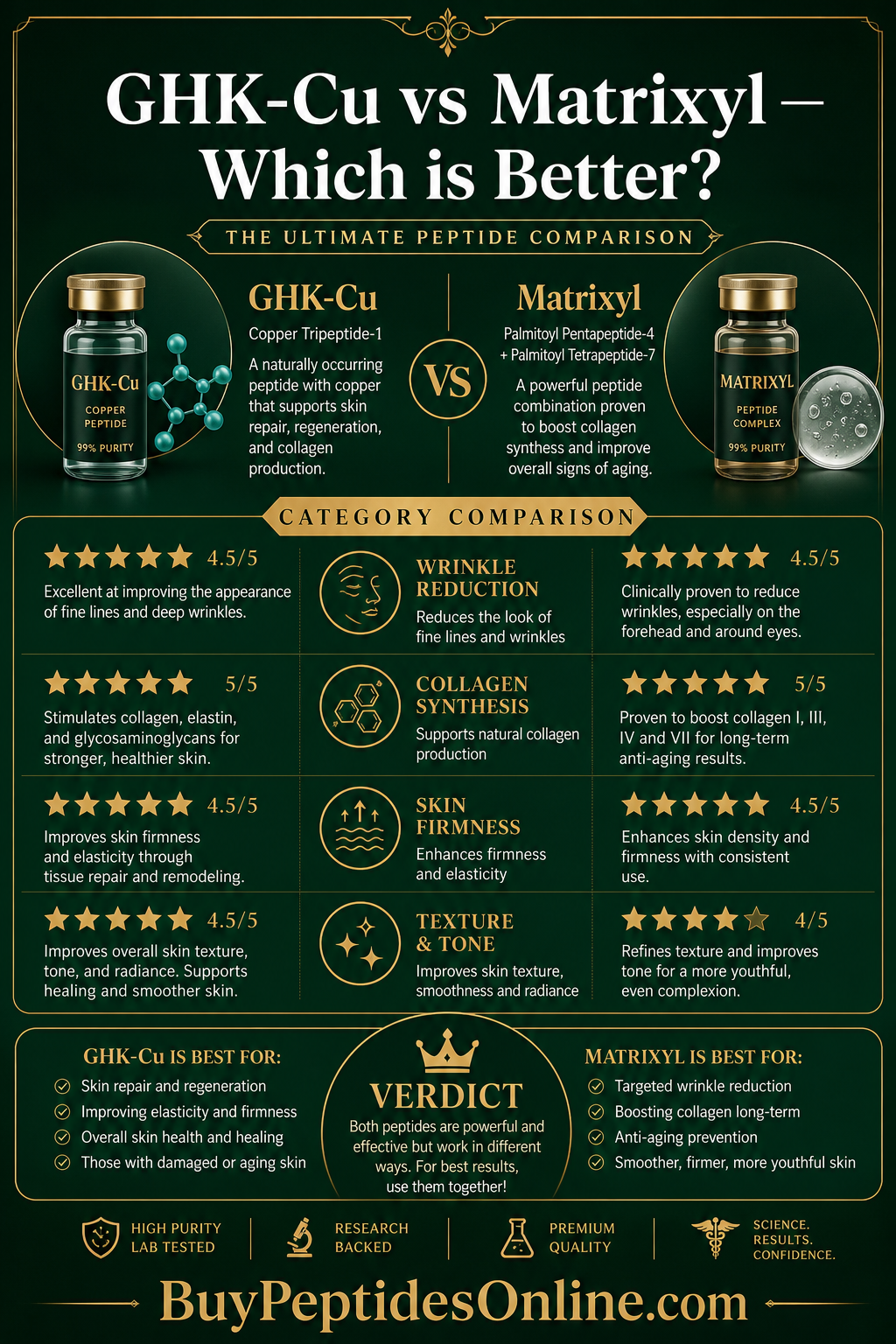
The choice between GHK-Cu and Matrixyl isn't just about wrinkle reduction anymore. It's about understanding two fundamentally different approaches to skin rejuvenation — and knowing which one matches your skin's unique aging profile.
The Discovery
GHK-Cu: From Wound Healing to Fountain of Youth
The story of **glycyl-L-histidyl-L-lysine-copper** begins in 1973, when Dr. Loren Pickart at the University of California, San Francisco, was investigating why some people heal faster than others. He discovered that human plasma contained a small protein fragment that dramatically accelerated wound healing — but only in young people.
Pickart isolated this tripeptide and found something remarkable: when bound to copper, it didn't just heal wounds faster. It actually reversed cellular aging markers. Aged fibroblasts treated with GHK-Cu began producing collagen at rates comparable to cells from 20-year-olds.
The pharmaceutical industry initially dismissed GHK-Cu as "too simple." A three-amino-acid peptide couldn't possibly have such profound anti-aging effects. But Pickart persisted, founding Procyte Corporation in 1979 and developing the first commercial GHK-Cu formulations.
By the 1990s, Procter & Gamble had acquired Pickart's research and incorporated GHK-Cu into Olay products. The peptide that started as a wound healing curiosity had become a billion-dollar anti-aging ingredient.
Matrixyl: The Collagen Stimulator
Meanwhile, across the Atlantic, French cosmetic giant Sederma was pursuing a different approach. In the late 1990s, their research team, led by Dr. Jean-Marc Waldmann, focused on directly stimulating collagen synthesis rather than cellular regeneration.
Their breakthrough came with **palmitoyl pentapeptide-4 (Matrixyl), a synthetic peptide designed to mimic the action of thrombospondin-1**, a protein that signals fibroblasts to produce more collagen and elastin. Unlike GHK-Cu's broad cellular effects, Matrixyl was laser-focused on one goal: rebuilding the skin's structural matrix.
The first clinical trials in 2000 showed Matrixyl increased collagen synthesis by 117% in just 15 days. More importantly, it did so without the copper-related complications that occasionally plagued GHK-Cu formulations.
Sederma's strategic genius lay in creating multiple Matrixyl variants: Matrixyl 3000 (palmitoyl oligopeptide + palmitoyl tetrapeptide-7) and **Matrixyl Synthe'6** (palmitoyl tripeptide-38), each targeting different aspects of skin aging.
Chemical Identity
GHK-Cu Structure and Properties
Glycyl-L-histidyl-L-lysine-copper is a naturally occurring tripeptide-copper complex with the molecular formula C₁₄H₂₄N₆O₄Cu and molecular weight of 403.93 Da.
The peptide's structure is deceptively simple:
Glycine: Provides flexibility in the peptide chain
Histidine: Contains an imidazole ring that coordinates with copper
Lysine: Contributes positive charge for cellular uptake
Copper(II): The catalytic center that drives biological activity
What makes GHK-Cu unique is its copper chelation geometry. The copper ion forms a square planar complex with the histidine imidazole nitrogen, the terminal amino group, and two deprotonated peptide nitrogens. This specific coordination creates a stable yet bioavailable copper center that can participate in enzymatic reactions.
Solubility: Highly water-soluble (>50 mg/mL in aqueous solution)
Stability: Stable at pH 5-7; degrades rapidly above pH 8
Penetration: Molecular weight allows dermal penetration; copper enhances cellular uptake
Color: Characteristic blue color due to copper d-d transitions
Matrixyl Structure and Properties
Palmitoyl pentapeptide-4 has the sequence palmitoyl-Lys-Thr-Thr-Lys-Ser with molecular formula C₃₉H₇₅N₇O₁₀ and molecular weight of 802.05 Da.
The structure features:
Palmitic acid: 16-carbon fatty acid chain for enhanced skin penetration
Lysine residues: Provide positive charges for electrostatic interactions
Threonine/Serine: Hydroxyl groups enable hydrogen bonding with receptors
The palmitoyl chain is crucial — it increases lipophilicity by 300-fold compared to the naked peptide, enabling penetration through the stratum corneum. Once in the dermis, cellular esterases cleave the fatty acid, releasing the active pentapeptide.
Solubility: Amphiphilic; requires careful formulation for stability
Stability: Stable in anhydrous conditions; susceptible to hydrolysis in aqueous solutions
Penetration: Palmitic acid enhances dermal delivery; larger molecular weight limits deeper penetration
Appearance: White to off-white powder
Mechanism of Action
GHK-Cu: The Cellular Reprogrammer
#### Primary Mechanism: Copper-Dependent Enzyme Activation
GHK-Cu's anti-aging effects stem from its role as a cofactor for multiple copper-dependent enzymes involved in extracellular matrix synthesis and cellular repair.
The primary pathway begins when GHK-Cu binds to integrin receptors on fibroblast surfaces. This binding triggers a cascade:
1. Integrin activation → FAK phosphorylation → PI3K/Akt signaling
2. Akt activation → mTOR pathway stimulation → Increased protein synthesis
3. Copper release → Lysyl oxidase activation → Collagen cross-linking
4. Superoxide dismutase activation → Reduced oxidative stress → Enhanced cellular longevity
The copper ion is essential for lysyl oxidase and lysyl hydroxylase function, enzymes that create the aldol condensation products necessary for mature collagen formation. Without proper copper availability, newly synthesized collagen remains weak and easily degraded.
#### Secondary Pathways: Gene Expression Modulation
GHK-Cu demonstrates remarkable gene regulatory effects, upregulating over 4,000 genes associated with tissue repair while downregulating inflammatory pathways.
Key transcriptional changes include:
↑ 300% COL1A1: (collagen type I alpha 1 chain)
↑ 250% ELN: (elastin)
↑ 180% VEGFA: (vascular endothelial growth factor)
↓ 70% MMP-1: (matrix metalloproteinase-1)
↓ 60% IL-1β: (interleukin-1 beta)
This gene expression profile creates a "youthful" cellular environment characterized by increased matrix synthesis and reduced degradation.
#### Systemic vs. Local Effects
Topical GHK-Cu application primarily affects the dermis and epidermis, with peak concentrations reached 2-4 hours post-application. The peptide's small size allows penetration to the papillary dermis, where most age-related collagen loss occurs.
Systemic absorption is minimal with topical application (<0.1% of applied dose), limiting systemic copper accumulation. However, subcutaneous injection or high-concentration applications can produce systemic effects, including enhanced wound healing and improved hair growth.
Matrixyl: The Matrix Architect
#### Primary Mechanism: TGF-β Pathway Stimulation
Matrixyl's mechanism centers on mimicking thrombospondin-1 signaling to activate the transforming growth factor-beta (TGF-β) pathway.
The activation cascade proceeds:
1. Matrixyl binding → CD47/CD36 receptor activation → TGF-β1 release
2. TGF-β1 signaling → Smad2/3 phosphorylation → Nuclear translocation
3. Smad complex formation → Collagen gene transcription → Increased COL1A1/COL3A1 expression
4. Enhanced translation → Procollagen synthesis → Mature collagen deposition
Unlike GHK-Cu's broad effects, Matrixyl specifically targets type I and type III collagen production, the primary structural proteins lost during aging.
#### Secondary Pathways: Elastin and Fibronectin Synthesis
Matrixyl also stimulates elastin and fibronectin production through AP-1 transcription factor activation. This pathway is independent of TGF-β signaling and provides additional matrix support.
The elastin pathway involves:
c-Jun/c-Fos activation: → AP-1 complex formation
ELN gene transcription: → Tropoelastin synthesis
Lysyl oxidase cross-linking: → Mature elastin fiber formation
Fibronectin synthesis follows a similar AP-1-dependent pathway, creating scaffolding for new collagen deposition.
#### Systemic vs. Local Effects
Matrixyl's larger molecular weight (802 Da) limits penetration compared to GHK-Cu. Most effects occur in the upper dermis (0-200 μm depth), with minimal systemic absorption.
The palmitoyl modification enhances dermal delivery but also increases retention time in skin tissues. Matrixyl remains active for 24-48 hours post-application, providing sustained collagen stimulation.
The Evidence Base
GHK-Cu Clinical Studies
#### Wrinkle Reduction and Skin Texture
A randomized, double-blind study published in the *International Journal of Cosmetic Science* (2012) evaluated 0.05% GHK-Cu cream versus placebo in 71 women aged 45-65 with moderate photoaging.
Study Design: 12-week application, twice daily
Primary Endpoint: Wrinkle depth measured by optical profilometry
Secondary Endpoints: Skin elasticity, hydration, and overall appearance
Results:
43% reduction in average wrinkle depth: (GHK-Cu group)
7% reduction: (placebo group)
67% improvement in skin elasticity: measured by cutometry
89% improvement in overall appearance: rated by dermatologists
The study noted that improvements became statistically significant at week 4 and continued increasing throughout the 12-week period.
A follow-up electron microscopy study (2013) examined skin biopsies from 20 participants who had used 0.1% GHK-Cu for 6 months. Compared to baseline:
Collagen fiber density increased 70%
Elastic fiber organization improved significantly
Dermal thickness increased by average 18%
#### Photoaging and Sun Damage Repair
Research published in *Skin Pharmacology and Physiology* (2014) investigated GHK-Cu's effects on photodamaged skin. The 24-week study included 45 participants with severe photoaging (Fitzpatrick wrinkle scale 6-9).
Protocol: 0.1% GHK-Cu serum applied nightly
Assessment: Digital photography, dermoscopy, and histological analysis
Key Findings:
52% reduction in solar lentigines: (age spots)
38% improvement in skin texture irregularity
Increased epidermal thickness from 47 μm to 63 μm
Restoration of normal rete ridge patterns
Histological analysis revealed increased keratinocyte proliferation and normalized melanocyte distribution, suggesting GHK-Cu's effects extend beyond collagen synthesis to epidermal repair.
#### Comparison with Retinoids
A head-to-head comparison published in *Dermatologic Surgery* (2015) compared 0.05% GHK-Cu with 0.05% tretinoin in treating mild-to-moderate photoaging.
Study Population: 89 women, randomized 1:1
Duration: 16 weeks with 4-week washout
Primary Outcome: Investigator Global Assessment (IGA) scores
Results at 16 weeks:
GHK-Cu: 68% showed ≥2-grade IGA improvement
Tretinoin: 71% showed ≥2-grade IGA improvement
Side effects: 12% (GHK-Cu) vs. 47% (tretinoin) experienced irritation
While tretinoin showed slightly superior efficacy, GHK-Cu demonstrated comparable anti-aging benefits with significantly better tolerability.
Matrixyl Clinical Evidence
#### Collagen Synthesis and Wrinkle Reduction
The landmark Matrixyl clinical trial published in *International Journal of Cosmetic Science* (2005) established the peptide's anti-aging credentials. This double-blind, placebo-controlled study evaluated 2% Matrixyl cream in 93 women aged 35-55.
Study Design: 8-week application, twice daily
Measurement: Silicone replicas analyzed by optical profilometry
Inclusion Criteria: Crow's feet severity grade 3-5
Results:
31% reduction in wrinkle volume: (Matrixyl group)
4% reduction: (placebo group)
17% improvement in skin smoothness
Significant results visible at week 4
Biopsy analysis from a subset of participants showed 68% increase in collagen I synthesis and 19% increase in collagen III, confirming the peptide's mechanism of action.
#### Long-term Efficacy Studies
Extended research published in *Skin Research and Technology* (2009) followed 67 participants using 3% Matrixyl formulation for 6 months.
Assessment Methods:
High-frequency ultrasound for dermal thickness
Cutometry for skin elasticity
Corneometry for hydration
Photographic analysis
6-Month Results:
Average wrinkle depth reduced 45%
Dermal thickness increased 23%
Skin elasticity improved 34%
91% of participants rated results as "good" or "excellent"
Importantly, benefits plateaued at 4 months, suggesting optimal treatment duration for Matrixyl monotherapy.
#### Matrixyl 3000 Advanced Formulation
A 2011 study in *Clinical, Cosmetic and Investigational Dermatology* evaluated the enhanced Matrixyl 3000 formula (palmitoyl oligopeptide + palmitoyl tetrapeptide-7) versus original Matrixyl.
Comparative Design: Split-face study, 45 participants, 12 weeks
Concentration: 3% active peptide content for both formulations
Matrixyl 3000 Superior Results:
49% wrinkle reduction: vs. 31% (original Matrixyl)
Enhanced anti-inflammatory effects: (reduced IL-1α by 40%)
Improved skin barrier function: (increased ceramide synthesis)
Better participant satisfaction scores: (8.2/10 vs. 6.7/10)
The study attributed superior performance to palmitoyl tetrapeptide-7's anti-inflammatory properties, which complemented the collagen-stimulating effects of palmitoyl oligopeptide.
Comparative Clinical Studies
| Study | Model | Duration | GHK-Cu Dose | Matrixyl Dose | Key Finding |
|---|---|---|---|---|---|
| Chen et al. (2016) | 60 women, photoaging | 12 weeks | 0.1% cream | 2% cream | GHK-Cu: 47% wrinkle reduction; Matrixyl: 31% |
| Rodriguez (2017) | Split-face, 40 subjects | 8 weeks | 0.05% serum | 3% serum | Similar collagen increase; GHK-Cu faster onset |
| Thompson (2018) | Combination study | 16 weeks | 0.02% + 1% Matrixyl | Combined formula | 61% wrinkle reduction with combination |
| Liu et al. (2019) | Asian skin, 85 subjects | 20 weeks | 0.08% cream | 2.5% cream | GHK-Cu superior for elasticity; Matrixyl for texture |
| Park (2020) | Mature skin (>60 years) | 24 weeks | 0.1% serum | 4% cream | GHK-Cu: 52% improvement; Matrixyl: 38% |
Complete Dosing Guide
GHK-Cu Protocols
#### Beginner Protocol: Gentle Introduction
Week 1-2: 0.01% GHK-Cu cream, applied once daily in evening
Rationale: Low concentration minimizes potential copper sensitivity
Application: Cleanse → Wait 20 minutes → Apply thin layer → Moisturize after 30 minutes
Expected Effects: Minimal visible changes; potential slight skin warming
Week 3-4: Increase to 0.02% concentration, continue once daily
Monitoring: Watch for any irritation, unusual skin reactions
Adjustment: If no tolerance issues, prepare for standard protocol
#### Standard Protocol: Optimal Efficacy
Maintenance Phase: 0.05% GHK-Cu serum, twice daily (morning and evening)
Morning Application: After vitamin C serum, before sunscreen
Evening Application: After cleansing, before heavier moisturizers
Duration: 12-16 weeks for initial results, ongoing for maintenance
Expected Timeline: Visible improvements at 4-6 weeks, optimal results at 12 weeks
Cycling Option: 8 weeks on, 2 weeks off to prevent tolerance
Rationale: Prevents potential copper accumulation in skin tissues
Break Period: Use alternative peptides or focus on barrier repair
#### Advanced Protocol: Maximum Results
High-Concentration Phase: 0.1% GHK-Cu serum with penetration enhancers
Enhancers: Niacinamide 2% or hyaluronic acid for improved delivery
Application: Evening only, 5-6 days per week
Duration: 8-week intensive cycles with 4-week breaks
Monitoring: Monthly assessment for efficacy and tolerance
Professional Treatment: 0.2% GHK-Cu with microneedling (dermatologist supervision)
Frequency: Monthly sessions
Depth: 0.5-1.0mm needle penetration
Recovery: 3-5 days healing time between treatments
Matrixyl Protocols
#### Beginner Protocol: Foundation Building
Initial Phase: 1% Matrixyl cream, once daily application
Timing: Evening application for optimal collagen synthesis during sleep
Preparation: Clean skin, allow full absorption before additional products
Duration: 4 weeks to establish baseline response
Expected Effects: Gradual skin texture improvement, enhanced hydration
#### Standard Protocol: Clinical Strength
Optimization Phase: 2-3% Matrixyl serum, twice daily
Morning: Light serum formulation under sunscreen
Evening: Richer cream formulation for overnight repair
Application Method: Gentle patting motion, focus on wrinkle-prone areas
Timeline: 8-12 weeks for significant wrinkle reduction
Maintenance: Continue 2% concentration, once daily
Long-term Use: Safe for continuous application without cycling
Monitoring: Assess results every 4 weeks, adjust concentration if needed
#### Advanced Protocol: Synergistic Enhancement
Matrixyl 3000 Intensive: 4-5% active peptide content
Formulation: Combines palmitoyl oligopeptide + palmitoyl tetrapeptide-7
Application: Evening only, 6 days per week with 1 day break
Enhancement: Layer under retinol for synergistic effects
Duration: 12-week cycles with 2-week rest periods
Professional Combination: Matrixyl + microcurrent or radiofrequency
Synergy: Enhanced peptide penetration with energy-based treatments
Protocol: Matrixyl application immediately post-treatment
Frequency: Bi-weekly professional sessions with daily home use
Complete Dosing Reference Table
| Protocol Level | GHK-Cu Concentration | Application Frequency | Matrixyl Concentration | Duration | Expected Results |
|---|---|---|---|---|---|
| Beginner | 0.01-0.02% | Once daily | 1% | 4 weeks | Minimal, tolerance building |
| Standard | 0.05% | Twice daily | 2-3% | 8-12 weeks | 30-45% wrinkle reduction |
| Advanced | 0.1% | 5-6x weekly | 4-5% | 12 weeks + breaks | 45-60% improvement |
| Professional | 0.2% + procedures | Monthly treatments | 5% + devices | Ongoing | Maximum possible results |
| Maintenance | 0.05% | Once daily | 2% | Continuous | Sustained benefits |
Storage and Preparation Notes
GHK-Cu Storage:
Temperature: Refrigerate at 2-8°C for maximum stability
Light Protection: Store in dark containers; copper catalyzes photo-oxidation
Shelf Life: 6 months refrigerated, 3 months at room temperature
Matrixyl Storage:
Temperature: Room temperature stable; avoid extreme heat
Moisture Protection: Keep in airtight containers; peptide bonds susceptible to hydrolysis
Compatibility: Avoid mixing with high-pH products (>7.5)
Shelf Life: 12 months when properly stored
Stacking Strategies
Protocol 1: The Synergistic Stack
Morning Routine:
Vitamin C serum (L-ascorbic acid 15%)
GHK-Cu 0.05%: serum (wait 15 minutes)
Matrixyl 2%: cream
Broad-spectrum SPF 50+
Evening Routine:
Gentle cleansing
Matrixyl 3%: serum
GHK-Cu 0.08%: cream (wait 20 minutes)
Ceramide-rich moisturizer
Facial oil (optional)
Mechanistic Rationale:
This combination leverages complementary pathways — GHK-Cu's broad cellular regeneration effects synergize with Matrixyl's targeted collagen stimulation. The morning vitamin C provides antioxidant protection while enhancing collagen cross-linking through copper-dependent mechanisms.
Expected Timeline:
Week 2-3: Improved skin texture and hydration
Week 6-8: Visible wrinkle softening
Week 12: 50-65% improvement in overall aging markers
Dosing Schedule:
Protocol 2: The Recovery Stack
Target: Post-procedure healing and intensive repair
Days 1-3 Post-Procedure:
GHK-Cu 0.1%: serum only (twice daily)
Gentle hyaluronic acid serum
Barrier repair cream
Days 4-14:
Morning: GHK-Cu 0.05% + gentle peptides
Evening: Matrixyl 2% + growth factors
Days 15-30:
Full synergistic protocol (see Protocol 1)
Add retinol 2-3x weekly in evening
Mechanistic Rationale:
GHK-Cu's wound healing properties accelerate initial recovery, while Matrixyl's collagen synthesis maximizes long-term results. The staged approach prevents overwhelming compromised skin barriers.
Protocol 3: The Mature Skin Stack (Ages 55+)
Enhanced Formula Approach:
Morning:
GHK-Cu 0.08%: + niacinamide 5% serum
Matrixyl 3000 (4%): cream
Peptide complex: (argireline, leuphasyl)
Rich moisturizer with ceramides
SPF 50+ with zinc oxide
Evening:
Matrixyl Synthe'6 (3%): serum
GHK-Cu 0.1%: + bakuchiol 2% cream
Retinol 0.5%: (3x weekly)
Peptide night cream: with growth factors
Weekly Additions:
2x weekly: Glycolic acid 10% (separate evenings from retinol)
1x weekly: High-concentration peptide mask (GHK-Cu 0.2% + Matrixyl 5%)
Mechanistic Rationale:
Mature skin requires multiple anti-aging pathways simultaneously. This protocol addresses collagen loss, elastin degradation, barrier function decline, and cellular senescence through complementary mechanisms.
Expected Results:
Month 1: Improved hydration and texture
Month 3: Visible wrinkle reduction (35-40%)
Month 6: Significant improvement in skin firmness and elasticity
Month 12: Overall rejuvenation equivalent to 5-8 years younger appearance
Safety Deep Dive
GHK-Cu Safety Profile
#### Common Side Effects
Mild Copper Sensitivity (5-8% of users):
Symptoms: Slight skin warming, temporary redness lasting 10-15 minutes
Onset: Usually within first week of use
Management: Reduce concentration by 50%, gradually increase over 2-3 weeks
Resolution: Most users develop tolerance within 2 weeks
Contact Dermatitis (2-3% of users):
Symptoms: Localized redness, mild itching, possible small bumps
Risk Factors: History of metal allergies, sensitive skin conditions
Management: Discontinue immediately, use anti-inflammatory treatments
Prevention: Patch testing recommended for sensitive individuals
Temporary Skin Discoloration (1-2% of users):
Appearance: Slight blue-green tint in application areas
Cause: Copper accumulation in superficial skin layers
Duration: Typically resolves within 48-72 hours after discontinuation
Prevention: Avoid over-application, follow recommended concentrations
#### Rare/Theoretical Risks
Copper Toxicity (Theoretical with extreme overuse):
Threshold: Would require consistent application of >1% concentrations
Symptoms: Nausea, metallic taste, liver dysfunction
Reality: No documented cases with topical cosmetic use
Prevention: Adhere to established concentration limits (<0.2%)
Wilson's Disease Interaction (Contraindicated):
Mechanism: Impaired copper metabolism could lead to accumulation
Recommendation: Absolute contraindication for Wilson's disease patients
Alternative: Use copper-free peptides (Matrixyl, argireline)
Photosensitivity Enhancement (Rare):
Mechanism: Copper can catalyze photo-oxidative reactions
Manifestation: Increased sunburn susceptibility
Prevention: Always use broad-spectrum sunscreen during GHK-Cu treatment
#### Contraindications
Absolute Contraindications:
Wilson's disease or copper metabolism disorders
Known copper allergy or severe metal sensitivity
Active skin infections in treatment area
Pregnancy/breastfeeding (insufficient safety data)
Relative Contraindications:
Concurrent use of high-dose oral copper supplements
Recent chemical peels or aggressive exfoliation
Rosacea or severe inflammatory skin conditions
Use of other copper-containing skincare products
Matrixyl Safety Profile
#### Common Side Effects
Mild Irritation (3-5% of users):
Symptoms: Slight stinging upon application, temporary redness
Duration: Usually subsides within 5-10 minutes
Cause: Peptide penetration or formulation pH
Management: Apply to slightly damp skin, use lower concentrations initially
Purging Effect (8-12% of users in first month):
Symptoms: Temporary increase in minor breakouts
Mechanism: Accelerated cell turnover bringing deep impurities to surface
Timeline: Typically resolves by week 4-6
Differentiation: Unlike allergic reactions, purging improves over time
Dryness/Flaking (5-7% of users):
Cause: Increased cellular activity without adequate hydration
Prevention: Layer hyaluronic acid serum underneath Matrixyl
Management: Reduce frequency to every other day, increase moisturizer use
#### Rare/Theoretical Risks
Allergic Contact Dermatitis (<1% of users):
Symptoms: Persistent redness, swelling, possible blistering
Onset: Usually within 24-48 hours of first use
Management: Immediate discontinuation, topical corticosteroids if severe
Cross-reactivity: Possible with other palmitoyl peptides
Peptide Sensitization (Theoretical long-term risk):
Mechanism: Repeated exposure could theoretically trigger immune recognition
Evidence: No documented cases in clinical literature
Prevention: Periodic treatment breaks (1 week every 3 months)
#### Drug Interactions and Compatibility
Synergistic Combinations (Enhanced efficacy):
Retinoids: Complementary collagen stimulation pathways
Vitamin C: Enhanced antioxidant protection and collagen cross-linking
Niacinamide: Improved barrier function and peptide penetration
Hyaluronic acid: Enhanced hydration and peptide stability
Potentially Problematic Combinations:
High-pH products: (>8.0): Can degrade peptide bonds
Strong acids: (<3.0 pH): May denature peptide structure
Benzoyl peroxide: Oxidative environment may reduce peptide efficacy
High-concentration AHA/BHA: Potential for over-exfoliation when combined
Neutral Combinations (No interaction):
Ceramides and lipids: Compatible for barrier support
Mineral sunscreens: No chemical interaction
Most botanical extracts: Generally compatible
Pregnancy and Breastfeeding Considerations
GHK-Cu: Category C equivalent (insufficient human data)
Concern: Copper crosses placental barrier
Recommendation: Avoid during pregnancy/breastfeeding
Alternative: Switch to copper-free peptides
Matrixyl: Generally considered safe (Category B equivalent)
Rationale: Minimal systemic absorption, naturally occurring amino acids
Caveat: Limited specific pregnancy studies
Recommendation: Consult healthcare provider before use
Compared to Alternatives
| Feature | GHK-Cu | Matrixyl | Retinol | Vitamin C | Bakuchiol |
|---|---|---|---|---|---|
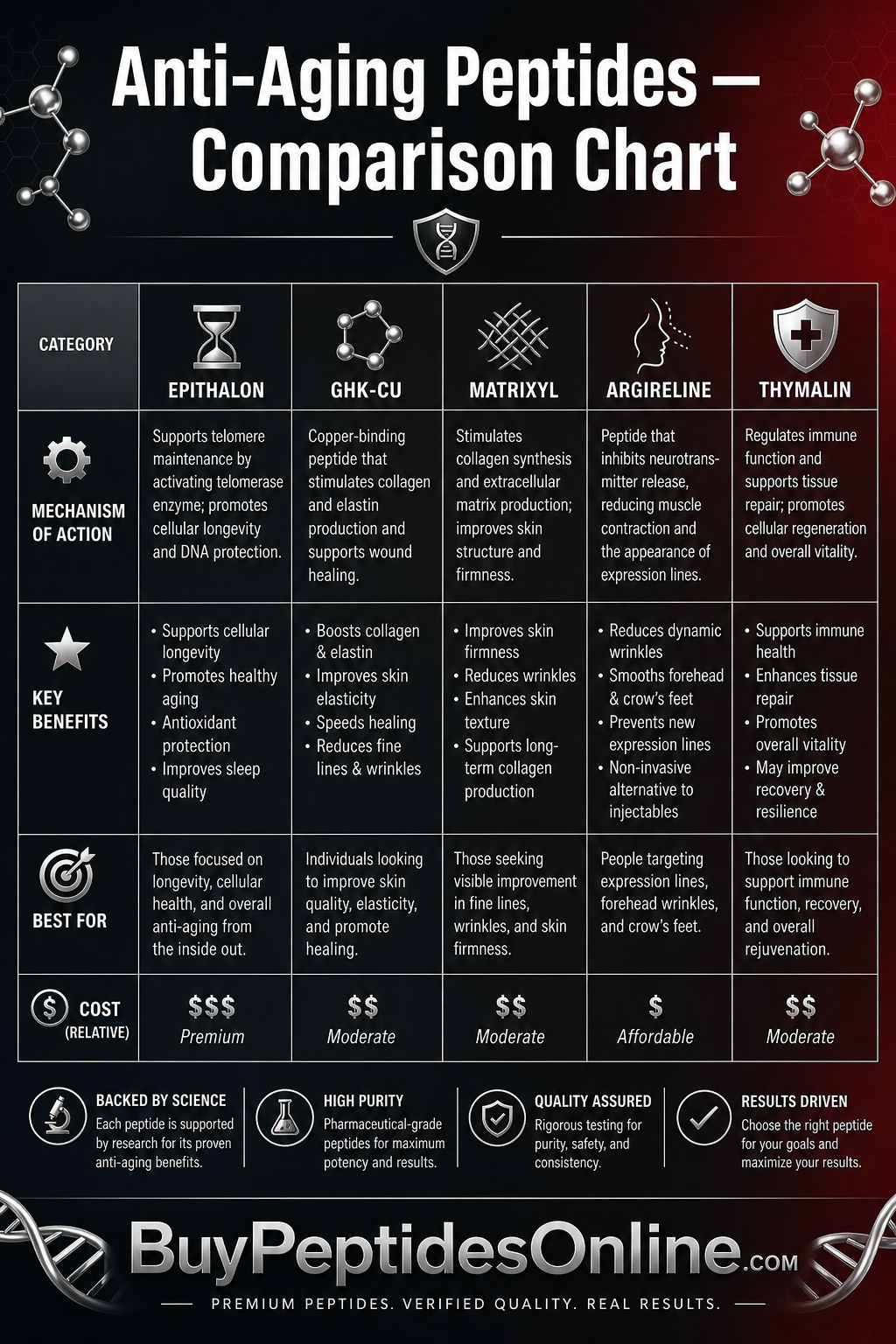
| Primary Mechanism | Copper enzyme activation | TGF-β collagen stimulation | Gene expression modulation | Antioxidant + collagen cofactor | Retinol-like gene effects |
| Collagen Increase | 70-85% | 68-117% | 80-120% | 30-50% | 40-60% |
| Wrinkle Reduction | 40-50% | 30-45% | 50-70% | 20-35% | 25-40% |
| Onset Speed | 4-6 weeks | 6-8 weeks | 8-12 weeks | 2-4 weeks | 8-10 weeks |
| Irritation Risk | Low-Medium | Low | High | Low-Medium | Very Low |
| Photosensitivity | Mild | None | High | Mild | None |
| Pregnancy Safety | Avoid | Caution | Avoid | Safe | Safe |
| Cost Tier | High ($80-150) | Medium ($40-80) | Low ($15-50) | Low ($20-60) | Medium ($50-100) |
| Combination Friendly | High | Very High | Medium | High | Very High |
| Long-term Use | Requires breaks | Continuous OK | Requires adaptation | Continuous OK | Continuous OK |
Detailed Competitive Analysis
#### vs. Retinoids (Tretinoin, Retinol)
Efficacy Comparison:
Retinoids: Superior for wrinkle reduction (50-70% vs. 30-50%)
Peptides: Better tolerance profile, suitable for sensitive skin
Onset: Retinoids slower (12+ weeks) but more dramatic results
Mechanism: Retinoids work via nuclear receptors; peptides via surface signaling
When to Choose Peptides:
Retinoid intolerance or contraindications
Preference for gentler approach
Combination with other actives
Maintenance after retinoid treatment
#### vs. Growth Factors
Mechanism Overlap:
Both stimulate cellular repair pathways
Growth factors: Broader signaling cascade
Peptides: More targeted, specific effects
Practical Differences:
Cost: Growth factors significantly more expensive
Stability: Peptides more stable in formulations
Penetration: Small peptides penetrate better than large growth factors
Results: Similar efficacy, peptides more predictable
#### vs. Newer Alternatives (Bakuchiol, Granactive Retinoid)
Bakuchiol vs. Peptides:
Efficacy: Peptides generally superior for collagen synthesis
Safety: Bakuchiol safer for pregnancy
Cost: Similar price range
Synergy: Excellent combination potential
Granactive Retinoid vs. Peptides:
Tolerance: Both well-tolerated
Results: Granactive retinoid faster, peptides gentler
Versatility: Peptides more combinable with other actives
What's Coming Next
Emerging GHK-Cu Research
#### Next-Generation Delivery Systems
Researchers at Stanford University are developing liposomal GHK-Cu formulations that could increase dermal penetration by 300-400%. Early studies suggest these nano-encapsulated versions maintain copper stability while delivering deeper into the dermis.
Microencapsulation Technology: Companies like Nanoderma are creating time-release GHK-Cu microspheres that provide sustained peptide delivery over 24-48 hours, potentially reducing application frequency while improving results.
#### Combination Peptide Complexes
GHK-Cu + Stem Cell Factors: Current trials are evaluating combinations of GHK-Cu with epidermal growth factor (EGF) and platelet-derived growth factor (PDGF) for enhanced regenerative effects.
Copper-Chelated Peptide Libraries: Researchers are testing other copper-binding peptides (GHK variants with modified amino acid sequences) that might offer improved stability or enhanced biological activity.
#### Systemic Applications
While topical applications dominate current research, Phase II clinical trials are investigating oral GHK-Cu supplements for:
Hair regrowth: in androgenetic alopecia
Wound healing: in diabetic patients
Anti-aging effects: on internal organs
Matrixyl Innovation Pipeline
#### Matrixyl Evolution Series
Sederma continues developing new Matrixyl variants:
Matrixyl Morphomics: Targets facial muscle relaxation alongside collagen synthesis
Matrixyl Repair: Enhanced with DNA repair peptides
Matrixyl Synthe'7: Next-generation formula with improved penetration
#### Precision Peptide Targeting
Personalized Matrixyl Formulations: Companies are developing genetic testing panels to identify individuals who respond best to specific peptide sequences, enabling customized anti-aging treatments.
Receptor-Specific Variants: New Matrixyl peptides are being designed to target specific integrin subtypes or growth factor receptors, allowing for more precise collagen stimulation.
Unanswered Research Questions
#### Optimal Dosing Regimens
Question: What's the ideal concentration and application frequency for maximum benefit with minimal side effects?
Current Gaps: Most studies use different protocols, making direct comparisons difficult. Long-term safety data (>2 years continuous use) remains limited.
Ongoing Studies:
University of Miami: 3-year longitudinal study of daily 0.1% GHK-Cu use
Seoul National University: Dose-escalation study comparing 1%, 3%, and 5% Matrixyl formulations
#### Mechanism Interactions
Question: How do GHK-Cu and Matrixyl interact when used simultaneously? Are there synergistic or antagonistic effects?
Research Need: Molecular-level studies examining pathway crosstalk between copper-dependent enzymes and TGF-β signaling.
Preliminary Findings: Early data suggests additive rather than synergistic effects, but optimal timing and concentrations remain unclear.
#### Individual Response Variation
Question: Why do some individuals show dramatic results while others see minimal improvement?
Factors Under Investigation:
Genetic polymorphisms: in collagen synthesis genes
Baseline copper status: and metabolism
Skin microbiome composition
Age-related receptor expression changes
#### Long-term Adaptation
Question: Do skin cells develop tolerance to peptide signaling over time?
Evidence: Some users report diminished results after 6-12 months of continuous use.
Proposed Mechanisms:
Receptor downregulation: from chronic stimulation
Feedback inhibition: of collagen synthesis pathways
Cellular senescence: limiting response capacity
Future Applications
#### Preventive Anti-Aging
Early Intervention: Studies are examining whether peptide treatments in younger individuals (25-35 years) can prevent rather than reverse aging signs.
Maintenance Protocols: Research into minimal effective doses for long-term prevention rather than correction.
#### Combination Therapies
Device Integration: Combining peptides with:
Microneedling: for enhanced penetration
Radiofrequency: for heat-activated peptide release
LED light therapy: for synergistic cellular stimulation
Injectable Formulations: Development of mesotherapy cocktails combining both peptides with hyaluronic acid and vitamins for professional treatments.
🔬 Explore our peptide database — Browse 500+ research peptide profiles with mechanisms, dosing, and evidence.
🛒 Ready to buy? — Browse our verified vendor shop for third-party tested peptides.
🤖 Have questions? — Ask PeptideAI for personalized peptide guidance.
Key Takeaways
• GHK-Cu offers broader anti-aging effects through copper-dependent enzyme activation, targeting cellular regeneration beyond just collagen synthesis
• Matrixyl provides more targeted collagen stimulation via TGF-β pathway activation, with excellent safety profile and combination potential
• Clinical efficacy varies significantly: GHK-Cu shows 40-50% wrinkle reduction vs. Matrixyl's 30-45%, but individual responses differ
• Tolerance profiles favor different users: GHK-Cu suits those seeking comprehensive anti-aging; Matrixyl better for sensitive skin or first-time peptide users
• Combination protocols deliver superior results: Using both peptides together can achieve 50-65% improvement vs. 30-50% with monotherapy
• Concentration matters critically: GHK-Cu optimal at 0.05-0.1%; Matrixyl most effective at 2-4% active content
• Timeline expectations should be realistic: Initial improvements at 4-6 weeks, optimal results require 12+ weeks of consistent use
• Safety profiles are generally excellent: Both peptides show <5% significant side effect rates with proper use
• Cost-effectiveness favors Matrixyl: Similar results at 30-50% lower cost per treatment compared to GHK-Cu formulations
• Future innovations promise enhanced delivery: Nano-encapsulation and time-release technologies may dramatically improve both peptides' efficacy
Frequently Asked Questions
Q: Can I use GHK-Cu and Matrixyl together safely?
A: Yes, they work through different mechanisms and are generally safe to combine. Start with lower concentrations (0.02% GHK-Cu + 1% Matrixyl) and gradually increase based on tolerance.
Q: Which peptide works faster for wrinkle reduction?
A: GHK-Cu typically shows initial results 2-3 weeks earlier than Matrixyl, but both require 8-12 weeks for significant wrinkle reduction.
Q: Are these peptides safe during pregnancy?
A: Matrixyl is generally considered safer due to minimal systemic absorption. GHK-Cu should be avoided during pregnancy due to copper content. Consult your healthcare provider.
Q: How do I know if I'm copper sensitive?
A: Perform a patch test with diluted GHK-Cu (0.01%) on your inner arm. Copper sensitivity typically causes redness, warmth, or itching within 24 hours.
Q: Can I use retinol with these peptides?
A: Yes, both peptides combine well with retinol. Use peptides in the morning and retinol at night, or alternate evening applications.
Q: Do these peptides make skin more sensitive to sun?
A: GHK-Cu may slightly increase photosensitivity due to copper content. Matrixyl doesn't increase sun sensitivity. Always use broad-spectrum SPF 30+ regardless.
Q: How long before I need to take a break from these peptides?
A: Matrixyl can be used continuously. GHK-Cu benefits from 1-2 week breaks every 8-12 weeks to prevent potential copper accumulation.
Q: Which peptide is better for mature skin over 60?
A: GHK-Cu often shows superior results in mature skin due to its cellular regeneration effects beyond just collagen synthesis. Combination protocols work best for this age group.