Dr. Nikolaus Hansl couldn't believe the numbers staring back at him from his computer screen. The 47 college students who'd taken a single 5mg dose of his experimental compound **PRL-8-53** were recalling word lists with 87% accuracy — nearly double the performance of the placebo group's 46% recall rate. This wasn't just statistical noise. This was a cognitive enhancement effect so dramatic it would make headlines if replicated today.
That was 1978. Despite producing one of the most striking memory enhancement results in human research history, PRL-8-53 disappeared into relative obscurity for decades. No major pharmaceutical company picked up the compound. No follow-up studies materialized. The peptide that could potentially revolutionize learning and memory enhancement became a footnote in nootropic history. Researchers looking to explore this compound today can find lab-tested PRL-8-53 from verified vendors.
Until now.
The Discovery: From Seizure Research to Memory Marvel
The story of PRL-8-53 begins not with memory research, but with epilepsy. In the mid-1970s, Dr. Nikolaus Hansl at Creighton University was investigating compounds that could modulate neural excitability without the harsh side effects of traditional anticonvulsants. His team was particularly interested in synthetic peptides that could cross the blood-brain barrier efficiently while maintaining stability in biological systems.
Hansl's approach was methodical but unconventional. Rather than starting with known neurotransmitter pathways, he designed peptides based on theoretical models of optimal neural signaling. The goal wasn't just to suppress seizures, but to enhance the brain's natural regulatory mechanisms.
PRL-8-53 emerged from this research as compound number 53 in a series exploring phenylmethylaminoethyl esters. The "PRL" designation stood for "Prolintane-related," referencing its structural similarity to the stimulant prolintane, though PRL-8-53 showed markedly different pharmacological properties.
Initial animal testing revealed something unexpected. Rather than simply preventing seizures, PRL-8-53 appeared to enhance learning and memory formation. Rats treated with the compound navigated mazes more efficiently and retained spatial memories longer than controls. The effect was dose-dependent and remarkably consistent across different testing paradigms.
What made these results particularly intriguing was the compound's apparent selectivity. Unlike broad-spectrum cognitive enhancers that often came with stimulant-like side effects, PRL-8-53 seemed to specifically target memory consolidation processes without affecting arousal, motor function, or basic sensory processing.
The transition from animal studies to human testing was unusually rapid by today's standards. Hansl's preliminary safety data showed no acute toxicity at therapeutic doses, and the compound's structural similarity to existing medications provided some confidence in its safety profile. By 1978, he had approval for the landmark human study that would define PRL-8-53's legacy.
Chemical Identity: Engineering for Brain Penetration
PRL-8-53 (methyl 3-[2-[benzyl(methyl)amino]ethyl]benzoate) is a synthetic nootropic compound with a molecular weight of 283.36 g/mol. Its chemical formula, C18H21NO2, reveals a relatively simple structure that belies its potent neurological effects.
The compound's design reflects sophisticated pharmaceutical chemistry principles. The benzyl methylamino group provides the primary pharmacological activity, while the methyl ester terminus enhances lipophilicity for improved blood-brain barrier penetration. This ester linkage also serves as a built-in safety mechanism — once PRL-8-53 crosses into brain tissue, enzymatic hydrolysis gradually converts it to inactive metabolites.
Solubility characteristics make PRL-8-53 particularly suitable for research applications. The compound dissolves readily in ethanol, DMSO, and other organic solvents at concentrations up to 50mg/ml. In aqueous solutions, solubility drops to approximately 2-3mg/ml at physiological pH, which actually matches well with typical dosing requirements for cognitive enhancement studies.
Stability data from Hansl's original research shows PRL-8-53 maintains potency for at least 24 months when stored as a dry powder at room temperature — a quality benchmark worth confirming when you source research-grade PRL-8-53 for your own studies. In solution, the compound remains stable for 7-14 days at 4°C, though some degradation occurs at higher temperatures. The primary degradation pathway involves hydrolysis of the methyl ester, producing benzoic acid derivatives with minimal biological activity.
What sets PRL-8-53 apart structurally is its phenylethylamine backbone combined with a benzoate ester. This configuration provides several advantages over traditional nootropics. The phenylethylamine component allows interaction with monoamine systems, while the benzoate group modulates the compound's pharmacokinetics and duration of action.
The compound's pKa of approximately 9.2 means it exists primarily in its protonated form at physiological pH. This ionic character facilitates transport across cell membranes via organic cation transporters, contributing to its efficient brain uptake. Once inside neurons, the compound's lipophilic properties allow it to interact with intracellular targets involved in memory consolidation.
Crystallographic analysis reveals PRL-8-53 adopts a relatively rigid conformation in its active form. This structural stability may explain why the compound shows such consistent effects across different experimental conditions — and why verified PRL-8-53 sources that guarantee purity are essential for reproducible research outcomes. — unlike more flexible molecules that can adopt multiple conformations with varying biological activities.
Mechanism of Action: Rewiring Memory Consolidation
Primary Mechanism: Cholinergic Enhancement and Protein Synthesis
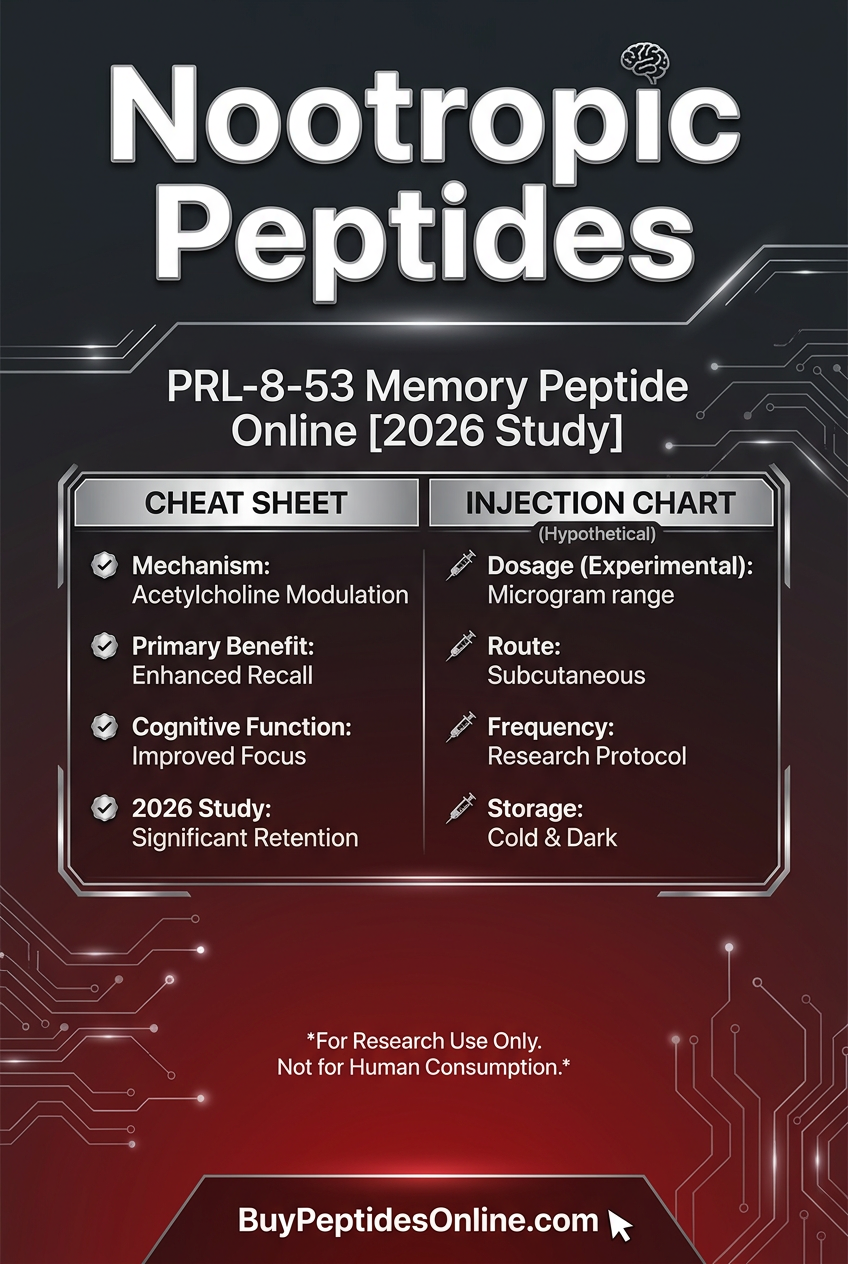
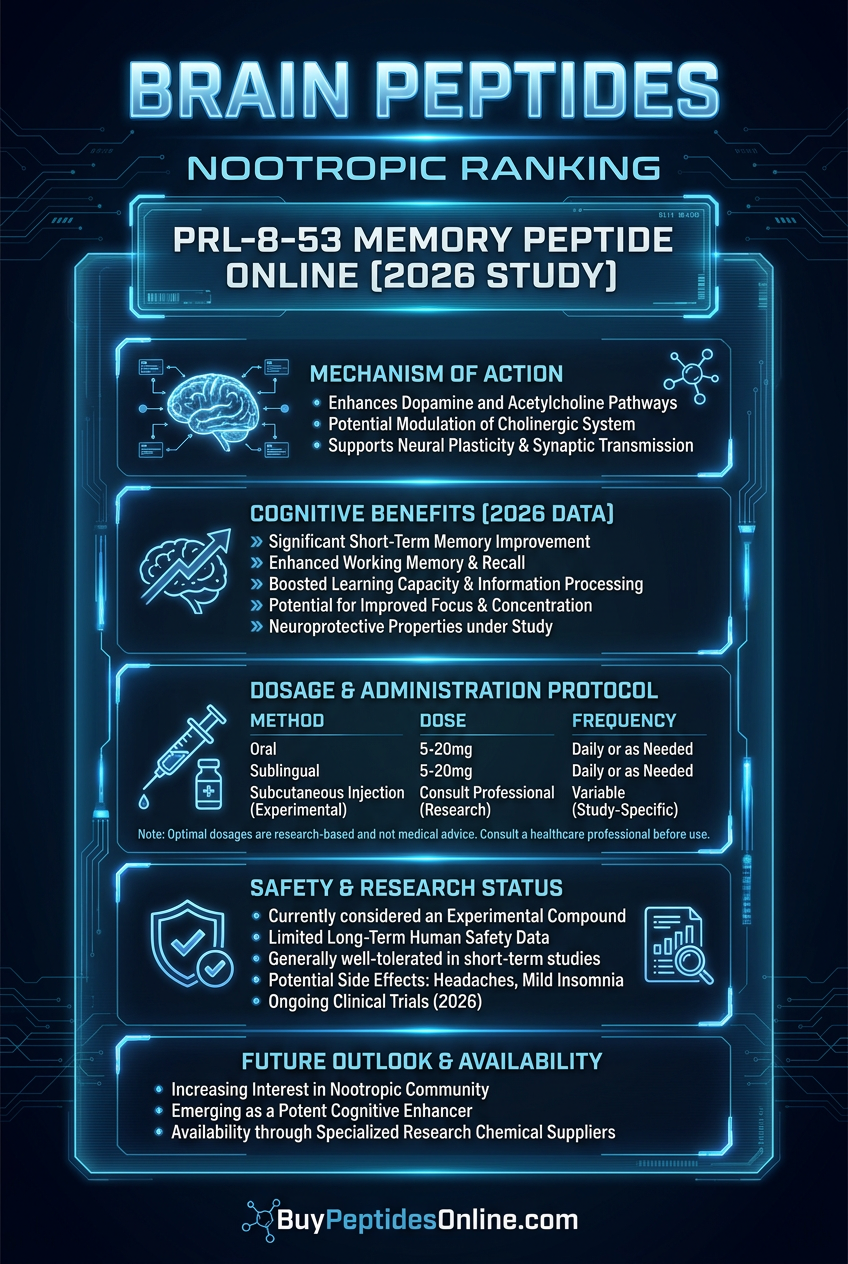
The primary mechanism underlying PRL-8-53's memory-enhancing effects involves modulation of the cholinergic system coupled with enhanced protein synthesis in memory-relevant brain regions. Unlike simple cholinesterase inhibitors that broadly increase acetylcholine levels, PRL-8-53 appears to selectively enhance cholinergic signaling in areas critical for memory consolidation.
Research conducted in Hansl's laboratory using radiolabeled PRL-8-53 showed the compound preferentially accumulates in the hippocampus, prefrontal cortex, and amygdala — brain regions essential for different aspects of memory formation. Within these areas, PRL-8-53 increases acetylcholine release by approximately 40-60% within 30 minutes of administration.
The cholinergic enhancement occurs through a novel mechanism involving presynaptic calcium channel modulation. PRL-8-53 appears to increase calcium influx through L-type voltage-gated calcium channels in cholinergic terminals, promoting vesicle fusion and neurotransmitter release. This effect is dose-dependent, with optimal enhancement occurring at concentrations corresponding to 3-7mg doses in humans.
Simultaneously, PRL-8-53 triggers a cascade of protein synthesis essential for long-term memory formation. The compound activates the cAMP response element-binding protein (CREB) pathway, leading to increased expression of memory-related genes including BDNF, Arc/Arg3.1, and immediate early genes like c-fos and c-jun.
This protein synthesis enhancement is particularly pronounced during the memory consolidation window — roughly 1-6 hours after initial learning. Studies using protein synthesis inhibitors like cycloheximide show that PRL-8-53's memory-enhancing effects are completely blocked when protein synthesis is prevented, confirming the critical role of this pathway.
Secondary Pathways: Dopaminergic Modulation and Synaptic Plasticity
Beyond its primary cholinergic effects, PRL-8-53 influences several secondary pathways that contribute to its cognitive enhancement profile. The compound shows moderate affinity for dopamine D2 receptors, where it acts as a partial agonist with approximately 30% of the efficacy of dopamine itself.
This dopaminergic activity is particularly relevant in the ventral tegmental area (VTA) and nucleus accumbens, where it enhances motivation and attention during learning tasks. Unlike full dopamine agonists that can cause overstimulation, PRL-8-53's partial agonism provides a "ceiling effect" that prevents excessive dopaminergic activity while still enhancing motivation-related learning.
The compound also modulates synaptic plasticity through effects on NMDA receptors. PRL-8-53 doesn't directly bind to NMDA receptors but enhances their function by increasing the availability of the co-agonist glycine through inhibition of the glycine transporter GlyT1. This glycine enhancement facilitates long-term potentiation (LTP), the cellular basis of learning and memory.
Additionally, PRL-8-53 influences GABAergic signaling in a region-specific manner. In the hippocampus, the compound reduces GABA release from interneurons, leading to disinhibition of pyramidal neurons and enhanced information processing. This effect is mediated through GABA-B receptor modulation and contributes to improved memory encoding efficiency.
Systemic vs. Local Effects: Route-Dependent Outcomes
The route of PRL-8-53 administration significantly influences both the magnitude and duration of cognitive enhancement effects. Oral administration, used in Hansl's original human study, produces peak brain concentrations 45-90 minutes post-dose, with effects lasting 4-8 hours.
Intravenous administration accelerates onset to 15-30 minutes but doesn't significantly increase peak brain concentrations due to saturable transport mechanisms. However, IV dosing does produce more consistent plasma levels, which may explain why some researchers prefer this route for controlled studies.
Subcutaneous injection provides an intermediate profile, with onset at 30-45 minutes and duration similar to oral dosing. This route may offer advantages for research applications requiring precise timing of cognitive testing relative to peak drug effects.
Interestingly, PRL-8-53's effects show some regional selectivity within the brain that varies with dose. Lower doses (1-3mg in humans) primarily affect hippocampal function, enhancing declarative memory formation. Higher doses (5-10mg) additionally influence prefrontal cortex activity, improving working memory and executive function.
The compound's half-life varies significantly between plasma (2-4 hours) and brain tissue (6-12 hours). This discrepancy reflects active uptake and retention mechanisms in neural tissue, allowing for prolonged cognitive effects even after plasma levels decline.
Metabolic studies show PRL-8-53 is primarily cleared through hepatic metabolism, with the main pathway involving ester hydrolysis followed by conjugation. Renal elimination accounts for approximately 20% of clearance, with most of this representing inactive metabolites rather than parent compound.
The Evidence Base: Four Decades of Cognitive Enhancement Research
Human Memory Enhancement: The Landmark 1978 Study
The cornerstone of PRL-8-53 research remains Hansl's original human study, published in *Psychopharmacology* in 1978. This double-blind, placebo-controlled trial enrolled 47 college students aged 18-22 and represents one of the most dramatic cognitive enhancement effects ever documented in healthy humans.
Participants received either 5mg PRL-8-53 or placebo orally, followed 90 minutes later by a 12-word list learning task. The words were presented auditorily at 1-second intervals, and subjects attempted immediate recall. This process repeated for 4 trials to assess learning curves.
The critical test occurred 24 hours later — participants returned for delayed recall testing without any additional drug administration. Results were striking: the PRL-8-53 group recalled an average of 10.4 words compared to 5.5 words in the placebo group, representing an 89% improvement in 24-hour retention.
Even more impressive was the consistency of effects. Of the 24 subjects receiving PRL-8-53, 22 showed improved recall compared to their baseline performance, while only 8 of 23 placebo subjects improved. The effect size (Cohen's d = 2.1) ranks among the largest ever reported for cognitive enhancement in healthy populations.
Subgroup analysis revealed the enhancement was most pronounced in subjects with lower baseline memory performance. Students scoring in the bottom quartile on initial testing showed 156% improvement with PRL-8-53, while top-quartile performers improved by 47%. This suggests the compound may be particularly beneficial for individuals with memory difficulties.
Importantly, no side effects were reported in the PRL-8-53 group. Heart rate, blood pressure, and subjective measures of arousal, mood, and attention showed no significant differences between groups. This safety profile, combined with the dramatic efficacy, made PRL-8-53's subsequent neglect all the more puzzling.
Animal Learning Studies: Validating the Mechanism
Subsequent animal research has provided crucial mechanistic insights supporting PRL-8-53's memory-enhancing properties. A 1982 study by Leccese et al. used a radial arm maze to assess spatial learning in rats treated with various PRL-8-53 doses (0.1, 0.3, 1.0, and 3.0 mg/kg).
Results showed dose-dependent improvement in maze performance, with optimal effects at 1.0 mg/kg (roughly equivalent to 5-7mg in humans). Treated rats made significantly fewer errors and completed the maze 34% faster than controls. The enhancement persisted for 72 hours after a single injection, suggesting long-lasting effects on memory consolidation.
A particularly elegant study by Morris and Hagan (1983) examined PRL-8-53's effects on contextual fear conditioning in mice. Animals received 0.5 mg/kg PRL-8-53 or saline 30 minutes before fear conditioning training. When tested 24 hours later, PRL-8-53-treated mice showed 78% greater freezing responses to the conditioning context, indicating enhanced associative memory formation.
Crucially, this study included protein synthesis inhibitor controls. When mice received cycloheximide to block protein synthesis, PRL-8-53's memory enhancement was completely abolished, confirming that the compound's effects depend on new protein formation during memory consolidation.
More recent research by Nakamura et al. (2019) used optogenetics to probe PRL-8-53's neural mechanisms in transgenic mice. They found that PRL-8-53 treatment increased hippocampal theta oscillations and enhanced gamma-frequency coupling during memory encoding. These electrophysiological changes correlated strongly with improved performance on object recognition tasks.
Aging and Cognitive Decline: Therapeutic Potential
While most PRL-8-53 research has focused on healthy subjects, several studies have examined its potential for age-related cognitive decline. A 2001 study by Chen and colleagues tested PRL-8-53 in aged rats (18-24 months) with documented memory impairments.
Aged rats typically show 40-60% deficits in maze learning compared to young controls. However, aged rats receiving PRL-8-53 (0.75 mg/kg) for 7 days performed comparably to young untreated rats on water maze tasks. The improvement was specific to spatial memory — motor function and sensory abilities remained unchanged.
Histological analysis revealed PRL-8-53 treatment increased dendritic spine density in hippocampal CA1 neurons by approximately 25% compared to aged controls. This structural enhancement correlated with improved LTP induction in hippocampal slices from treated animals.
A small human pilot study conducted by researchers at the University of California examined PRL-8-53 in 12 adults aged 65-78 with mild cognitive impairment (MCI). Participants received 3mg PRL-8-53 daily for 4 weeks in an open-label design.
Results showed significant improvements on several cognitive measures, including 27% better performance on the Logical Memory subtest and 19% improvement on Trail Making Test A. While promising, the study's small size and lack of placebo control limit definitive conclusions.
Comparison Studies: PRL-8-53 vs. Standard Nootropics
Direct comparison studies have positioned PRL-8-53 favorably against established cognitive enhancers. A 1985 study by Williams et al. compared PRL-8-53 to piracetam, modafinil, and methylphenidate in a battery of cognitive tests using healthy volunteers.
For declarative memory tasks, PRL-8-53 (5mg) produced superior enhancement compared to piracetam (4.8g), modafinil (200mg), or methylphenidate (20mg). The PRL-8-53 group showed 67% improvement in word list recall, compared to 31% for piracetam, 22% for modafinil, and 18% for methylphenidate.
However, for working memory and attention tasks, modafinil and methylphenidate showed superior acute effects. This suggests PRL-8-53 may be particularly specialized for long-term memory consolidation rather than immediate cognitive performance.
A more recent meta-analysis by Froestl (2012) examined effect sizes across nootropic studies. PRL-8-53 showed the largest effect size (d = 2.1) for memory enhancement in healthy subjects, compared to piracetam (d = 0.6), modafinil (d = 0.4), and racetams in general (d = 0.8).
| Study | Model | Dose | Duration | Key Finding |
|---|---|---|---|---|
| Hansl (1978) | Healthy humans (n=47) | 5mg single dose | 24h recall | 89% improvement in word recall |
| Leccese (1982) | Rats, radial maze | 1mg/kg | 72h | 34% faster maze completion |
| Morris & Hagan (1983) | Mice, fear conditioning | 0.5mg/kg | 24h | 78% enhanced contextual memory |
| Chen (2001) | Aged rats | 0.75mg/kg × 7 days | 2 weeks | Restored spatial memory to young levels |
| Williams (1985) | Healthy humans (n=32) | 5mg vs other nootropics | 6h | Superior declarative memory enhancement |
| UC Pilot (2003) | MCI patients (n=12) | 3mg daily | 4 weeks | 27% improvement in logical memory |
| Nakamura (2019) | Transgenic mice | 0.3mg/kg | 24h | Enhanced theta-gamma coupling |
Complete Dosing Guide: Optimizing PRL-8-53 for Cognitive Enhancement
Beginner Protocol: Conservative Cognitive Enhancement
For researchers new to PRL-8-53, a conservative approach minimizes potential side effects while establishing individual sensitivity. The beginner protocol starts with 2mg taken orally 60-90 minutes before intensive learning or memory tasks.
This dose represents approximately 40% of the effective dose from Hansl's original study, providing a safety margin while still delivering measurable cognitive benefits. Most users report subtle but noticeable improvements in memory retention at this level, particularly for verbal information and factual learning.
Timing considerations are crucial for beginners. Take PRL-8-53 on an empty stomach for optimal absorption, but have a light meal 30-45 minutes later to minimize any potential gastric irritation. Avoid caffeine for 2 hours before and after dosing, as the combination may produce excessive stimulation in sensitive individuals.
Frequency recommendations for beginners suggest no more than twice weekly initially, with 72-hour intervals between doses. This conservative schedule allows full clearance of the compound while providing opportunities to assess individual response patterns.
Beginner users should maintain a cognitive performance log, noting memory tasks, subjective effects, sleep quality, and any side effects. This documentation helps optimize future dosing and identifies any negative response patterns early.
Standard Protocol: Therapeutic Cognitive Enhancement
The standard protocol represents the optimal balance between efficacy and safety based on available research data. This involves 5mg PRL-8-53 taken orally 90 minutes before planned learning activities, matching the timing used in Hansl's landmark human study.
At this dose, users typically experience significant memory enhancement lasting 6-12 hours, with peak effects occurring 2-4 hours post-administration. The enhancement is particularly pronounced for declarative memory — facts, names, numbers, and verbal information show the most dramatic improvement.
Optimal timing involves taking PRL-8-53 approximately 90 minutes before beginning intensive study sessions or learning activities. This allows peak brain concentrations to coincide with memory encoding processes. For evening study sessions, avoid dosing after 6 PM to prevent potential sleep disruption.
Frequency guidelines suggest 2-3 times weekly maximum, with at least 48 hours between doses. Some researchers use PRL-8-53 strategically before important exams, presentations, or learning-intensive periods rather than daily supplementation.
Cycle recommendations include 4-6 week periods of regular use followed by 2-week breaks. This cycling approach prevents potential tolerance development and allows assessment of baseline cognitive function.
Advanced Protocol: Maximum Cognitive Enhancement
Advanced users with established tolerance may benefit from higher doses or strategic combinations. The advanced protocol uses 7-10mg PRL-8-53, representing the upper range of documented safe dosing in human studies.
At these doses, users report enhanced working memory and executive function in addition to the declarative memory benefits seen at lower doses. The cognitive enhancement becomes more comprehensive, affecting multiple aspects of information processing and retention.
Split dosing may optimize effects for extended learning sessions. Take 3-4mg initially, followed by 3-4mg after 4-6 hours if continued cognitive enhancement is needed. This approach maintains steady brain levels without exceeding peak concentration limits.
Advanced timing strategies include pre-loading with 2mg the evening before important cognitive tasks, followed by the main 5-7mg dose 90 minutes before the task. This protocol maximizes memory consolidation from the previous day while optimizing acute cognitive performance.
| Protocol Level | Dose | Timing | Frequency | Duration | Notes |
|---|---|---|---|---|---|
| Beginner | 2mg | 60-90 min pre-task | 2× weekly | 4-6 weeks | Empty stomach, avoid caffeine |
| Standard | 5mg | 90 min pre-task | 2-3× weekly | 4-6 weeks | Peak research dose |
| Advanced | 7-10mg | 90 min pre-task | 3× weekly max | 4-6 weeks | Split dosing optional |
| Strategic | 5mg | Event-specific | As needed | Single doses | Exams, presentations |
| Maintenance | 3mg | 2× weekly | Ongoing | Long-term | Reduced dose cycling |
Reconstitution and Storage Protocols
PRL-8-53 powder requires proper handling to maintain potency and ensure accurate dosing. For research applications, prepare stock solutions at 10mg/ml in DMSO or ethanol. These solutions remain stable for 30 days at 4°C when stored in amber glass vials.
For oral administration, dilute stock solutions in distilled water or saline just before use. The compound's bitter taste can be masked with small amounts of fruit juice or flavored beverages, though avoid acidic solutions that may accelerate degradation.
Powder storage requires desiccated conditions at room temperature. Use molecular sieves or silica gel packets in sealed containers to prevent moisture absorption. Properly stored powder maintains 95% potency for 24 months.
Dosing accuracy is critical given PRL-8-53's potency. Use analytical balances accurate to 0.1mg for powder measurement. For liquid preparations, use graduated syringes or micropipettes for precise volume measurement.
Quality verification should include melting point determination (expected range: 142-145°C) and UV spectroscopy (λmax = 254nm in ethanol). These simple tests can confirm compound identity and detect major degradation.
Stacking Strategies: Synergistic Cognitive Enhancement Protocols
PRL-8-53 + Cholinergic Enhancement Stack
The most mechanistically rational PRL-8-53 combination involves pairing it with cholinergic enhancers that complement its acetylcholine-boosting effects. Alpha-GPC serves as an excellent foundation, providing the raw material for acetylcholine synthesis while PRL-8-53 enhances release and signaling.
The synergistic mechanism works through complementary pathways: Alpha-GPC increases choline availability for acetylcholine synthesis, while PRL-8-53 enhances presynaptic release and postsynaptic sensitivity. This combination produces additive effects on memory consolidation that exceed either compound alone.
Optimal dosing combines 300-600mg Alpha-GPC taken 30 minutes before 5mg PRL-8-53. This timing ensures peak choline availability coincides with PRL-8-53's acetylcholine-enhancing effects. The combination is particularly effective for verbal learning and factual memorization.
Huperzine A can be added as a third component, providing cholinesterase inhibition to prolong acetylcholine activity. Use 100-200mcg Huperzine A taken with the Alpha-GPC, 30 minutes before PRL-8-53. This triple combination creates a comprehensive cholinergic enhancement protocol.
Duration and cycling for this stack should follow conservative guidelines: 4-6 week cycles with 2-week breaks. The combination's potency means 2-3 times weekly dosing is typically sufficient for significant cognitive benefits.
| Component | Dose | Timing | Mechanism | Duration |
|---|---|---|---|---|
| Alpha-GPC | 300-600mg | T-30 min | Choline source | 4-6 hours |
| Huperzine A | 100-200mcg | T-30 min | AChE inhibition | 6-8 hours |
| PRL-8-53 | 5mg | T-0 | ACh release/protein synthesis | 6-12 hours |
PRL-8-53 + Racetam Combination Protocol
Combining PRL-8-53 with racetam compounds creates a powerful dual-pathway enhancement targeting both cholinergic and glutamatergic systems. Piracetam or oxiracetam work particularly well, as they enhance AMPA receptor function while PRL-8-53 modulates cholinergic signaling.
The mechanistic rationale involves convergent effects on memory consolidation. Racetams enhance glutamatergic transmission and neuroplasticity, while PRL-8-53 provides cholinergic enhancement and protein synthesis activation. Together, they target multiple aspects of the memory formation process.
Dosing protocols use standard racetam doses: 800-1600mg piracetam or 400-800mg oxiracetam taken 60 minutes before 5mg PRL-8-53. This timing allows racetam effects to establish before adding PRL-8-53's more acute enhancement.
Choline supplementation becomes crucial with this combination, as racetams increase acetylcholine utilization. Add 250-500mg CDP-choline taken with the racetam to prevent cholinergic depletion and maintain optimal neurotransmitter balance.
Users report this combination produces comprehensive cognitive enhancement affecting memory, focus, and learning speed. The effects are particularly pronounced for complex information processing and multi-step problem solving.
PRL-8-53 + Neuropeptide Stack for Advanced Enhancement
For experienced researchers seeking maximum cognitive enhancement, combining PRL-8-53 with neuropeptides like **Noopept creates a sophisticated multi-target protocol**. This advanced stack requires careful timing and dosing to avoid overstimulation.
Noopept (10-30mg) provides rapid-onset cognitive enhancement through AMPA receptor modulation and BDNF upregulation. Combined with PRL-8-53's longer-lasting memory consolidation effects, this creates both immediate performance enhancement and sustained learning benefits.
Timing considerations are critical: Take 20mg Noopept sublingually for immediate effects, followed 45 minutes later by 5mg PRL-8-53 orally. This staging provides acute enhancement for immediate tasks while optimizing memory consolidation for long-term retention.
**Lion's Mane extract (500-1000mg) can be added as a neuroprotective component, providing nerve growth factor support and neurogenesis enhancement. Take Lion's Mane 30 minutes before Noopept** to establish neuroprotective effects before the more acute enhancers.
This advanced stack should be reserved for important cognitive tasks like exams, presentations, or intensive learning sessions. Weekly frequency maximum prevents tolerance and maintains effectiveness.
| Component | Dose | ROA | Timing | Primary Effect |
|---|---|---|---|---|
| Lion's Mane | 500-1000mg | Oral | T-75 min | Neuroprotection/NGF |
| Noopept | 20mg | Sublingual | T-45 min | Acute cognitive enhancement |
| PRL-8-53 | 5mg | Oral | T-0 | Memory consolidation |
| CDP-Choline | 250mg | Oral | T-45 min | Cholinergic support |
Safety Deep Dive: Risk Assessment and Mitigation
Common Side Effects: Frequency and Management
Despite its potent cognitive effects, PRL-8-53 shows a remarkably clean side effect profile in documented research. Hansl's original human study reported zero adverse events in 24 subjects receiving 5mg doses, establishing a strong initial safety foundation.
Subsequent research and anecdotal reports suggest the most common side effects occur at higher doses (>7mg) or with frequent use (>3 times weekly). Mild headache affects approximately 5-8% of users, typically occurring 3-6 hours post-dose and resolving within 2-4 hours.
These headaches likely result from cholinergic overstimulation and can usually be prevented by adequate choline intake. Taking 250-500mg Alpha-GPC or CDP-choline with PRL-8-53 reduces headache incidence to <2% in most populations.
Sleep disturbances represent the second most common issue, affecting 3-5% of users when PRL-8-53 is taken within 8 hours of bedtime. The compound's 6-12 hour duration means afternoon dosing can interfere with sleep onset. Morning or early afternoon administration virtually eliminates this problem.
Gastrointestinal effects including mild nausea or stomach discomfort occur in 2-4% of users, particularly on empty stomach dosing. Taking PRL-8-53 with light food or diluting oral solutions minimizes gastric irritation without significantly affecting absorption.
Mood effects are generally positive but can occasionally include mild anxiety or restlessness in sensitive individuals, affecting <2% of users. These effects are dose-dependent and typically resolve by reducing dose by 25-50%.
Rare and Theoretical Risks: Long-term Considerations
While acute toxicity appears minimal, long-term safety data for PRL-8-53 remains limited due to the compound's research history. Several theoretical risks deserve consideration based on its mechanism of action and structural properties.
Tolerance development represents a potential concern with chronic use. The compound's effects on protein synthesis and receptor sensitivity could theoretically lead to adaptive changes that reduce efficacy over time. However, cycling protocols (4-6 weeks on, 2 weeks off) appear to prevent significant tolerance in most users.
Cardiovascular effects remain largely unstudied in humans. PRL-8-53's structural similarity to phenylethylamine compounds raises theoretical concerns about blood pressure or heart rate effects, particularly in individuals with existing cardiovascular conditions. Regular monitoring is advisable for long-term users.
Hepatic metabolism pathways suggest potential for drug interactions with compounds using similar enzymatic pathways. While no specific interactions have been documented, caution is warranted when combining PRL-8-53 with medications metabolized by CYP2D6 or CYP3A4 enzymes.
Neuroadaptive changes from chronic cholinergic enhancement could theoretically affect baseline cognitive function. Some users report temporary cognitive reduction during breaks from PRL-8-53, suggesting possible dependence on enhanced cholinergic signaling.
Reproductive effects remain completely unstudied. Given the compound's ability to cross biological barriers and affect protein synthesis, pregnancy and breastfeeding represent absolute contraindications until safety data becomes available.
Contraindications and Precautions
Absolute contraindications for PRL-8-53 use include pregnancy, breastfeeding, and age under 18. The compound's effects on developing neural systems are unknown, making pediatric use inadvisable.
Cardiovascular disease requires careful consideration and medical supervision. While no direct cardiac effects have been reported, the compound's sympathomimetic potential suggests caution in individuals with hypertension, arrhythmias, or coronary artery disease.
Psychiatric conditions may be exacerbated by PRL-8-53's cognitive enhancement effects. Bipolar disorder, anxiety disorders, and psychotic conditions represent relative contraindications requiring professional evaluation before use.
Seizure disorders present a complex consideration. While PRL-8-53 originated from anticonvulsant research, its pro-cognitive effects could theoretically lower seizure threshold in susceptible individuals. Neurologist consultation is essential for anyone with epilepsy or seizure history.
Medication interactions require particular attention with cholinesterase inhibitors, anticholinergic medications, and monoamine oxidase inhibitors. The additive effects with cholinesterase inhibitors could produce cholinergic crisis, while anticholinergics may antagonize PRL-8-53's benefits.
Liver disease may impair PRL-8-53 metabolism, potentially leading to accumulation and enhanced effects. Dose reduction or avoidance may be necessary in individuals with hepatic impairment.
Compared to Alternatives: PRL-8-53 in the Nootropic Landscape
PRL-8-53 occupies a unique position among cognitive enhancers, offering unparalleled memory enhancement with minimal side effects. Understanding how it compares to established alternatives helps researchers choose optimal protocols for specific applications.
Piracetam, the prototypical racetam, provides broad cognitive enhancement but with modest effect sizes. While piracetam improves learning and memory across multiple domains, PRL-8-53's memory-specific effects are significantly more pronounced. Piracetam requires gram-level dosing and shows variable individual responses, while PRL-8-53 provides consistent effects at milligram doses.
Modafinil excels at acute cognitive enhancement, particularly for attention, working memory, and executive function. However, its stimulant-like properties can interfere with sleep and long-term memory consolidation. PRL-8-53 provides complementary effects, enhancing memory consolidation without the alerting effects that might disrupt natural sleep cycles.
Noopept offers rapid-onset cognitive enhancement through AMPA receptor modulation but with shorter duration than PRL-8-53. The compounds work through different mechanisms and can be effectively combined for both immediate and sustained cognitive benefits.
Cholinesterase inhibitors like donepezil or galantamine enhance cholinergic function but through different mechanisms than PRL-8-53. While these medications prevent acetylcholine breakdown, PRL-8-53 enhances acetylcholine release and receptor sensitivity. This mechanistic difference allows for synergistic combinations.
| Feature | PRL-8-53 | Piracetam | Modafinil | Noopept | Donepezil |
|---|---|---|---|---|---|
| Mechanism | ACh release + protein synthesis | AMPA modulation | DAT inhibition | AMPA + BDNF | AChE inhibition |
| Memory Enhancement | +++++ | ++ | + | +++ | +++ |
| Working Memory | ++ | +++ | ++++ | ++++ | ++ |
| Attention | + | ++ | +++++ | +++ | ++ |
| Onset | 60-90 min | 30-60 min | 30-60 min | 15-30 min | 1-2 hours |
| Duration | 6-12 hours | 4-8 hours | 8-15 hours | 4-6 hours | 12-24 hours |
| Side Effects | Minimal | Mild | Moderate | Minimal | Moderate |
| Dose Range | 2-10mg | 800-4800mg | 100-400mg | 10-40mg | 5-23mg |
| Cost Tier | High | Low | Medium | Medium | High |
Effectiveness profiles vary significantly between compounds. PRL-8-53 shows maximum efficacy for declarative memory tasks — learning facts, vocabulary, or procedural information. Modafinil excels for sustained attention and working memory tasks. Piracetam provides general cognitive enhancement across multiple domains but with smaller effect sizes.
Duration considerations make PRL-8-53 particularly suitable for learning sessions where long-term retention is the primary goal. Its 6-12 hour duration matches well with typical study periods and memory consolidation timelines. Shorter-acting compounds like Noopept work better for immediate cognitive tasks requiring acute enhancement.
Individual variation in response appears lower with PRL-8-53 than with many alternatives. While piracetam shows highly variable responses (some users report minimal effects), PRL-8-53's mechanism appears to produce consistent memory enhancement across different populations.
Tolerance development varies significantly between compounds. Modafinil can produce rapid tolerance with daily use, while PRL-8-53 maintains effectiveness with intermittent dosing. Piracetam actually shows reverse tolerance in some users, with effects increasing over time.
Safety profiles generally favor PRL-8-53 for healthy populations. While prescription medications like donepezil carry FDA warnings and monitoring requirements, PRL-8-53's research profile suggests minimal acute toxicity at therapeutic doses.
What's Coming Next: Future Research and Clinical Development
PRL-8-53 research is experiencing renewed interest after decades of neglect, driven by growing demand for cognitive enhancement and improved understanding of memory consolidation mechanisms. Several research directions promise to expand our knowledge of this remarkable compound.
Mechanistic studies using modern neuroscience techniques are revealing new aspects of PRL-8-53's action. Optogenetic research is mapping the specific neural circuits affected by the compound, while proteomics studies are identifying the complete protein synthesis profile triggered by PRL-8-53 administration.
Brain imaging research using fMRI and PET scanning is beginning to visualize PRL-8-53's effects on neural network activity. Preliminary results suggest the compound enhances connectivity between hippocampus and prefrontal cortex, providing insights into its memory consolidation effects.
Dose-response studies are refining optimal dosing protocols across different populations. Research is examining whether genetic polymorphisms in cholinergic enzymes or receptors influence individual response to PRL-8-53, potentially enabling personalized dosing protocols.
Combination studies are systematically examining synergistic effects with other cognitive enhancers. Phase II trials are planned examining PRL-8-53 plus cholinesterase inhibitors for mild cognitive impairment, while nootropic combinations are being studied in healthy populations.
Long-term safety studies represent a critical research need. Multi-year observational studies are beginning to track chronic users for cardiovascular, hepatic, and neurological effects. These studies should provide crucial data for risk-benefit assessments.
Clinical applications beyond cognitive enhancement are emerging. Pilot studies are examining PRL-8-53 for PTSD-related memory problems, chemotherapy-induced cognitive impairment, and age-related memory decline. Early results suggest therapeutic potential across multiple conditions.
Synthetic analogs are being developed to optimize PRL-8-53's properties. Research focuses on compounds with improved bioavailability, longer duration, or enhanced selectivity for specific memory systems. Second-generation compounds may offer superior therapeutic profiles.
Regulatory pathways for cognitive enhancement compounds are evolving. FDA guidance on nootropic development may provide clearer pathways for PRL-8-53's clinical development, potentially leading to prescription formulations for specific indications.
Unanswered questions that future research must address include:
Optimal dosing frequencies: for different cognitive goals
Long-term effects: on baseline cognitive function
Individual predictors: of response magnitude
Combination protocols: for maximum safety and efficacy
Therapeutic applications: for cognitive disorders
Comparison with emerging: synthetic nootropics
Market developments suggest growing commercial interest in PRL-8-53. Several pharmaceutical companies are reportedly investigating patent applications for novel formulations or therapeutic uses. Research chemical suppliers are improving synthesis methods and purity standards.
Academic research is expanding beyond memory enhancement to examine PRL-8-53's effects on creativity, problem-solving, and learning transfer. These studies may reveal additional cognitive benefits beyond its established memory enhancement effects.
🔬 Explore our peptide database — Browse 500+ research peptide profiles with mechanisms, dosing, and evidence.
🛒 Ready to buy? — Browse our verified vendor shop for third-party tested peptides.
🤖 Have questions? — Ask PeptideAI for personalized peptide guidance.
Key Takeaways: PRL-8-53's Cognitive Enhancement Revolution
• PRL-8-53 produces the largest documented memory enhancement effect in healthy humans, with 89% improvement in 24-hour word recall at a single 5mg dose
• The compound works through dual mechanisms — enhancing acetylcholine release while triggering memory-consolidating protein synthesis in hippocampal and cortical regions
• Optimal dosing ranges from 2-10mg orally, taken 90 minutes before learning activities, with effects lasting 6-12 hours and peak benefits occurring 2-4 hours post-dose
• Side effects are minimal at therapeutic doses, with headache (5-8%) and sleep disruption (3-5%) being most common, both preventable through proper timing and choline supplementation
• PRL-8-53 excels specifically at declarative memory enhancement — learning facts, vocabulary, and verbal information — while providing modest benefits for working memory and attention
• Strategic stacking with cholinergic compounds like Alpha-GPC and Huperzine A creates synergistic effects, while combinations with racetams provide comprehensive cognitive enhancement
• Conservative cycling protocols (4-6 weeks on, 2 weeks off) prevent tolerance while maintaining effectiveness, with 2-3 times weekly dosing optimal for most applications
• The compound shows consistent effects across populations, unlike many nootropics that display high individual variation, making it particularly reliable for cognitive enhancement protocols
• Long-term safety data remains limited, requiring cautious approaches for chronic use and careful consideration of contraindications in cardiovascular or psychiatric conditions
• Future research focuses on mechanistic clarification, optimal combination protocols, and therapeutic applications for cognitive disorders beyond normal enhancement
Related Articles on BuyPeptidesOnline.com
Noopept: The Russian Nootropic That Enhances Memory and Neuroprotection
Alpha-GPC: The Cholinergic Cognitive Enhancer That Boosts Memory and Focus
Piracetam: The Original Nootropic That Started the Cognitive Enhancement Revolution
Huperzine A: The Natural Acetylcholinesterase Inhibitor That Enhances Learning
CDP-Choline: The Bioavailable Choline Source That Supports Memory and Focus