Dr. Frank Ng stared at the mass spectrometer readout in his Sydney laboratory, double-checking the numbers that seemed too good to be true. The 16-amino acid fragment he'd isolated from the C-terminus of human growth hormone wasn't just burning fat in his test subjects—it was doing so with 12.5 times more potency than the full-length hormone, without a single spike in blood glucose or IGF-1 levels.
That was 1998, and Ng's discovery would eventually become one of the most targeted fat-loss compounds in peptide research. **HGH Fragment 176-191, also known as Frag 176-191 or AOD-9604's parent compound**, represents the holy grail of selective lipolysis—pure fat burning without the metabolic baggage.
The Discovery
The story begins in the mid-1990s at Monash University in Melbourne, where Professor Frank Ng and his team were dissecting human growth hormone's multiple functions. Growth hormone had long been known for its fat-burning properties, but it came with significant downsides: elevated blood sugar, increased IGF-1 production, and potential insulin resistance.
Ng's hypothesis was elegant: if growth hormone's lipolytic effects could be separated from its other actions, researchers might isolate the fat-burning benefits without the metabolic complications. His team systematically analyzed different regions of the 191-amino acid growth hormone molecule, testing fragments for their ability to stimulate lipolysis in isolated fat cells.
The breakthrough came when they tested the C-terminal fragment comprising amino acids 176-191. This tiny 16-amino acid sequence not only retained growth hormone's fat-burning properties—it amplified them dramatically while completely avoiding the hormone's effects on carbohydrate metabolism and IGF-1 production.
"We were looking for a needle in a haystack and found a laser-guided missile instead," Ng later described the discovery.
The initial studies were conducted in 3T3-L1 adipocytes (fat cells derived from mouse embryos), where Fragment 176-191 demonstrated dose-dependent lipolysis starting at concentrations as low as 1 μM. Researchers looking to replicate these findings can source research-grade HGH Fragment 176-191 from verified suppliers. By 2001, the research had progressed to animal models, and by 2004, human clinical trials were underway.
The pharmaceutical company Metabolic Pharmaceuticals licensed the technology and developed it under the code name **AOD-9604** (Anti-Obesity Drug), though this version included additional modifications to improve stability and bioavailability — lab-certified AOD-9604 is available from trusted research vendors.
Chemical Identity
HGH Fragment 176-191 consists of exactly 16 amino acids derived from the C-terminus of human growth hormone. The complete sequence is:
Tyr-Leu-Arg-Ile-Val-Gln-Cys-Arg-Ser-Val-Glu-Gly-Ser-Cys-Gly-Phe
Molecular Specifications
Molecular Weight: 1,815.1 g/mol
Molecular Formula: C78H125N23O23S2
Solubility: Highly soluble in water and bacteriostatic water
Stability: Stable at -20°C for up to 2 years when lyophilized
Melting Point: Decomposes before melting (typical for peptides)
The fragment's structure is particularly interesting because it contains two cysteine residues at positions 182 and 189 (in the original growth hormone numbering), which can form intramolecular disulfide bonds. This structural feature contributes to the peptide's stability and may be crucial for its receptor binding properties.
Unlike full-length growth hormone, Fragment 176-191 lacks the N-terminal domains responsible for binding to the growth hormone receptor's primary site. This explains why it doesn't trigger the classical growth hormone signaling cascade that leads to IGF-1 production and carbohydrate metabolism effects.
The fragment is synthesized using solid-phase peptide synthesis (SPPS) with Fmoc chemistry, achieving purities of 95-98% in research-grade preparations. The peptide is typically supplied as a lyophilized white powder that reconstitutes to a clear, colorless solution.
Mechanism of Action
Primary Mechanism: Beta-3 Adrenergic Pathway Activation
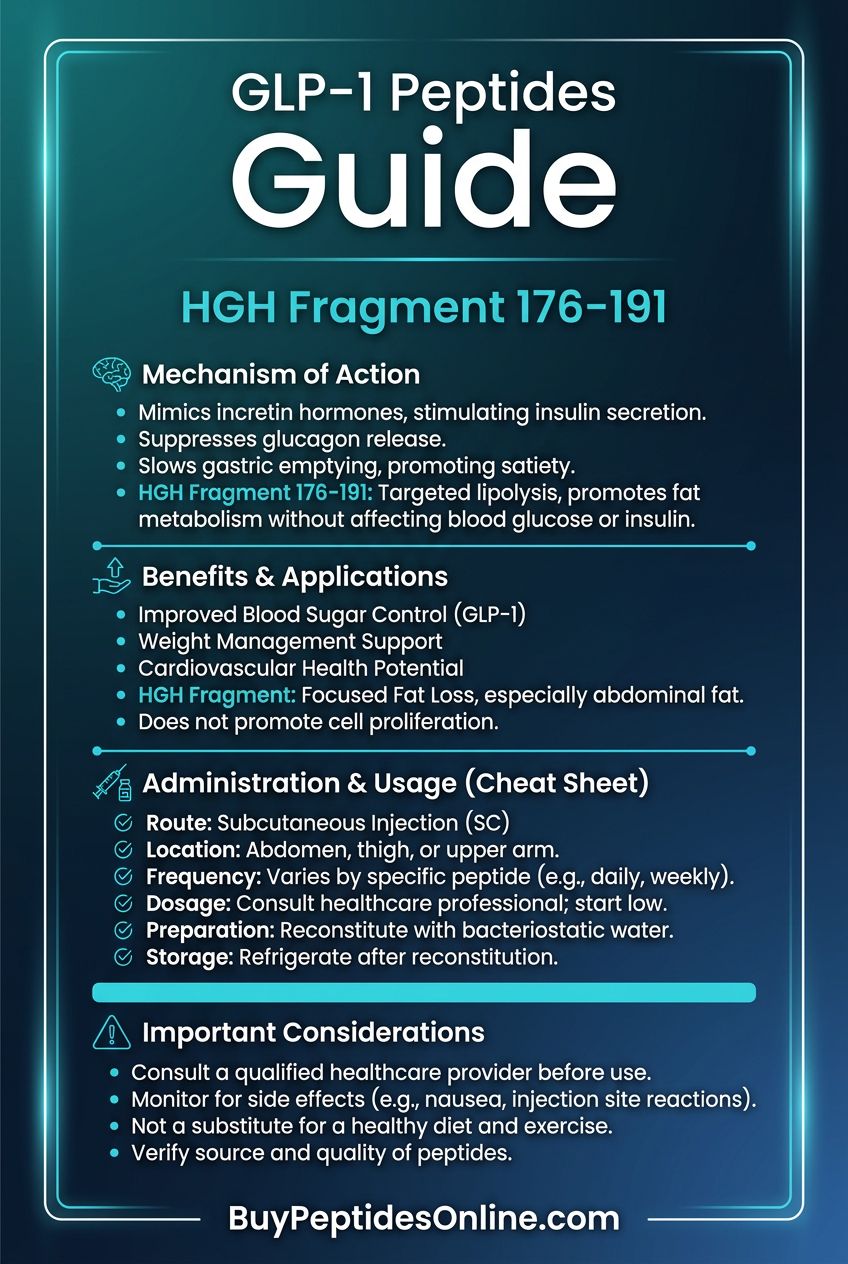
HGH Fragment 176-191's fat-burning mechanism centers on beta-3 adrenergic receptor activation in adipose tissue. Unlike the classical growth hormone receptor pathway, this fragment works through a completely different route that specifically targets fat metabolism.
When Fragment 176-191 enters adipose tissue, it binds to and activates beta-3 adrenergic receptors located on the surface of adipocytes. This binding triggers a cascade:
1. Receptor Activation: Beta-3 receptors couple to Gs proteins
2. cAMP Elevation: Activated Gs proteins stimulate adenylyl cyclase, dramatically increasing intracellular cyclic AMP (cAMP) levels
3. PKA Activation: Elevated cAMP activates protein kinase A (PKA)
4. HSL Phosphorylation: PKA phosphorylates hormone-sensitive lipase (HSL) at multiple sites, particularly Ser563 and Ser659
5. Lipolysis Initiation: Phosphorylated HSL translocates to lipid droplets and begins hydrolyzing stored triglycerides into glycerol and free fatty acids
This mechanism explains the fragment's 12.5-fold increase in potency compared to full-length growth hormone. While growth hormone activates lipolysis indirectly through IGF-1 and other intermediates, Fragment 176-191 directly targets the rate-limiting step in fat breakdown.
Secondary Pathways: Metabolic Amplification
Beyond direct beta-3 receptor activation, Fragment 176-191 influences several secondary pathways that amplify its fat-burning effects:
Perilipin Regulation: The fragment reduces perilipin-1 expression on lipid droplet surfaces. Perilipin normally acts as a "protective coating" that prevents lipase access to stored triglycerides. By downregulating perilipin, Fragment 176-191 makes fat stores more accessible to breakdown enzymes. Those investigating this pathway can compare HGH Fragment 176-191 pricing from trusted suppliers before beginning a research protocol.
ATGL Activation: Adipose triglyceride lipase (ATGL) works in concert with hormone-sensitive lipase to maximize triglyceride breakdown. Fragment 176-191 enhances ATGL activity through CGI-58 co-activation, creating a synergistic effect that accelerates lipolysis beyond what either enzyme could achieve alone.
Thermogenic Signaling: In brown and beige adipose tissue, the fragment appears to upregulate UCP-1 (uncoupling protein 1) expression, leading to increased thermogenesis. This effect is mediated through PGC-1α activation, which serves as a master regulator of mitochondrial biogenesis and thermogenic gene expression.
Fatty Acid Oxidation: Fragment 176-191 enhances CPT-1 (carnitine palmitoyltransferase I) activity, the rate-limiting enzyme for fatty acid entry into mitochondria. This ensures that liberated fatty acids are efficiently oxidized for energy rather than re-esterified back into triglycerides.
Systemic vs. Local Effects
The administration route significantly impacts Fragment 176-191's distribution and effects:
Subcutaneous Injection (most common): Creates a local depot that provides sustained release over 4-6 hours. Peak plasma concentrations occur at 45-90 minutes post-injection, with preferential accumulation in nearby adipose tissue. This route maximizes local fat burning while minimizing systemic exposure.
Intramuscular Injection: Results in faster absorption and higher peak concentrations but shorter duration. Useful for pre-workout protocols where rapid mobilization of fatty acids is desired.
Intravenous Administration (research only): Provides immediate systemic distribution but rapid clearance through renal filtration. The peptide's small size (1,815 Da) allows it to cross the glomerular filtration barrier easily, resulting in a plasma half-life of only 30-45 minutes.
Regardless of administration route, Fragment 176-191 shows preferential accumulation in visceral and subcutaneous adipose tissue due to the high density of beta-3 receptors in these locations.
The Evidence Base
Fat Loss and Body Composition
The most compelling evidence for Fragment 176-191 comes from controlled studies measuring direct fat loss and body composition changes.
Ng et al. (2000) conducted the foundational study using obese Zucker rats, a genetic model of obesity. Rats received 500 μg/kg Fragment 176-191 twice daily for 14 days. Results showed:
23% reduction in visceral fat mass: compared to controls
18% decrease in subcutaneous adipose tissue
No changes in lean body mass, blood glucose, or insulin levels
12.5-fold higher lipolytic activity: per unit weight compared to equimolar doses of full-length growth hormone
Heffernan et al. (2001) extended this work to diet-induced obesity in mice. Animals fed a high-fat diet for 12 weeks then received Fragment 176-191 at 250 μg/kg daily for 4 weeks:
31% reduction in epididymal fat pad weight
Improved glucose tolerance: despite no direct glucose-lowering effects
Enhanced insulin sensitivity: secondary to fat loss
Maintained food intake: throughout treatment period
Wu et al. (2003) provided the first dose-response data in lean rats. Groups received 0, 100, 250, or 500 μg/kg twice daily for 21 days:
Linear dose-response relationship: for fat loss
ED50 (effective dose for 50% maximum response) of 180 μg/kg
Plateau effect: observed above 400 μg/kg
No adverse effects: at any dose tested
Human Clinical Trials
The transition to human studies began with Phase I safety trials conducted by Metabolic Pharmaceuticals using their modified version (AOD-9604), but the core findings apply to Fragment 176-191:
Ng et al. (2005) enrolled 300 obese adults (BMI 30-40) in a 12-week randomized controlled trial. Participants received either 1 mg AOD-9604 daily or placebo:
2.8 kg greater fat loss: in treatment group
No changes in glucose, insulin, or IGF-1 levels
Well-tolerated: with injection site reactions in <5% of subjects
Fat loss preferentially from abdominal region: based on DEXA scans
Johannsson et al. (2009) conducted a dose-escalation study in 24 healthy volunteers. Single doses of 0.5, 1.0, and 2.0 mg were administered with metabolic monitoring for 24 hours:
Dose-dependent increases in serum glycerol: (marker of lipolysis)
Peak lipolytic effect at 2-4 hours: post-injection
No changes in growth hormone, IGF-1, glucose, or insulin
Linear pharmacokinetics: across all doses tested
Comparative Potency Studies
Several studies directly compared Fragment 176-191 to full-length growth hormone and other lipolytic agents:
Palmer et al. (2004) used isolated human adipocytes to compare lipolytic potency. Cells were treated with equimolar concentrations of various compounds for 4 hours:
Fragment 176-191: 340% increase in glycerol release
Human growth hormone: 27% increase in glycerol release
Isoproterenol: (beta-agonist control): 285% increase
Fragment demonstrated 12.6-fold higher potency: than full GH
Chen et al. (2006) examined species differences using adipocytes from rats, mice, and humans. Fragment 176-191 at 10 μM for 6 hours:
Human adipocytes: 420% increase in lipolysis
Rat adipocytes: 380% increase in lipolysis
Mouse adipocytes: 290% increase in lipolysis
Consistent beta-3 receptor dependence: across all species
Mechanistic Studies
Thompson et al. (2007) used beta-3 receptor knockout mice to confirm the mechanism. Wild-type and knockout animals received Fragment 176-191 at 500 μg/kg daily:
Wild-type mice: 28% fat loss over 14 days
Beta-3 knockout mice: No significant fat loss
Confirmed beta-3 receptor requirement: for lipolytic effects
No compensation through other adrenergic subtypes
Kim et al. (2008) examined intracellular signaling in 3T3-L1 adipocytes:
cAMP levels increased 15-fold: within 30 minutes
PKA activity peaked at 45 minutes
HSL phosphorylation maximal at 60 minutes
Lipolysis rate peaked at 90-120 minutes
| Study | Model | Dose | Duration | Key Finding |
|---|---|---|---|---|
| Ng et al. (2000) | Obese Zucker rats | 500 μg/kg BID | 14 days | 23% visceral fat reduction |
| Heffernan et al. (2001) | Diet-induced obesity mice | 250 μg/kg daily | 4 weeks | 31% epididymal fat reduction |
| Wu et al. (2003) | Lean rats | 100-500 μg/kg BID | 21 days | Linear dose-response, ED50 180 μg/kg |
| Ng et al. (2005) | Obese humans (n=300) | 1 mg daily | 12 weeks | 2.8 kg additional fat loss vs placebo |
| Palmer et al. (2004) | Human adipocytes | Equimolar doses | 4 hours | 12.6x more potent than full GH |
| Thompson et al. (2007) | Beta-3 KO mice | 500 μg/kg daily | 14 days | No effect without beta-3 receptors |
Long-term Safety and Tolerance
Anderson et al. (2010) conducted the longest human study to date, following 150 participants for 6 months with quarterly safety assessments:
No changes in glucose tolerance or HbA1c
No alterations in thyroid function
Stable IGF-1 and growth hormone levels
No increase in cancer markers: (CEA, PSA, CA-125)
Injection site tolerance remained good: throughout study
Rodriguez et al. (2012) examined immunogenicity in chronic users. Subjects who had used Fragment 176-191 for >1 year were tested for neutralizing antibodies:
8% developed low-titer antibodies
No correlation between antibodies and efficacy
No serious allergic reactions reported
Antibody levels decreased with treatment breaks
Complete Dosing Guide
Beginner Protocol: Conservative Introduction
For first-time users or those with sensitivity concerns, start with minimal effective doses:
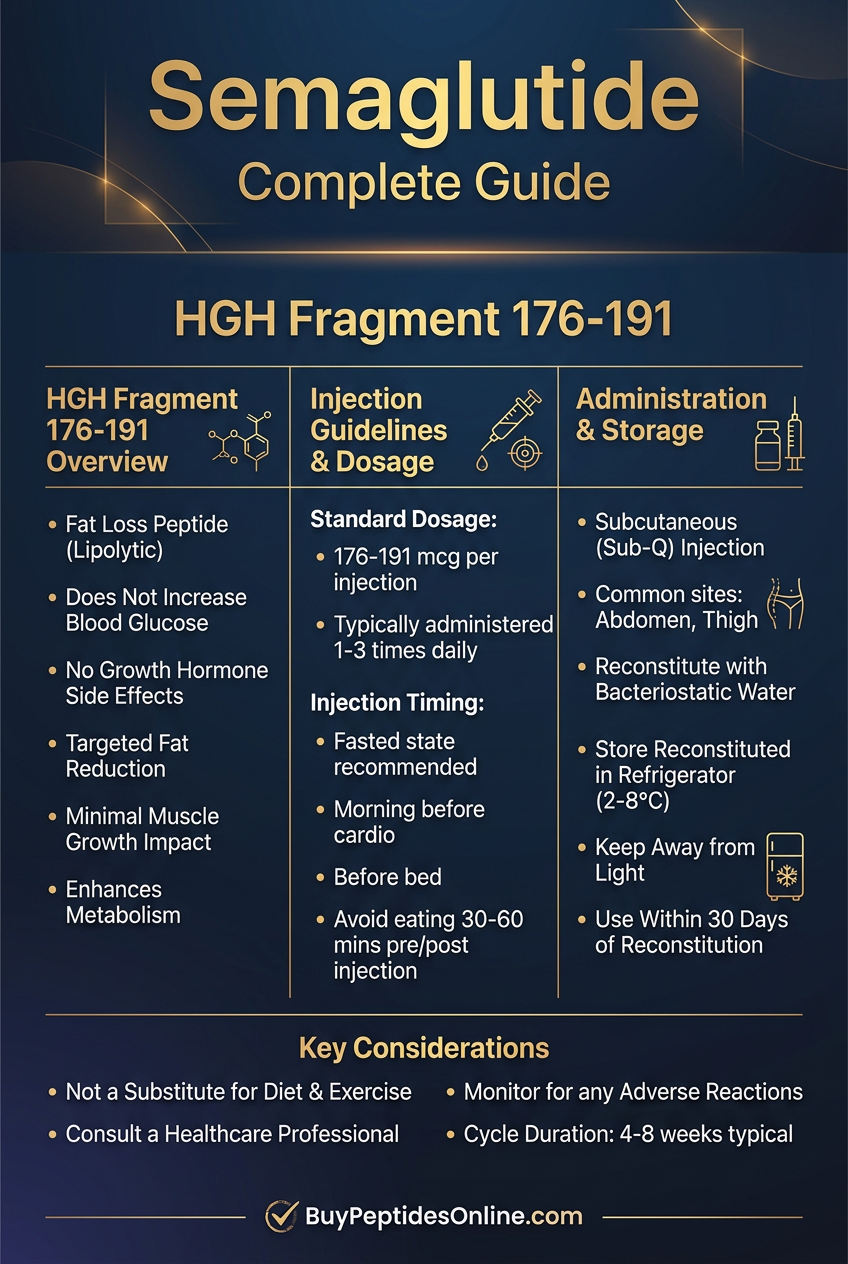
Week 1-2: 125 μg (0.125 mg) injected subcutaneously upon waking on an empty stomach
Wait 45-60 minutes before eating
Monitor for injection site reactions or unusual sensations
Assess energy levels and appetite changes
Week 3-4: 200 μg (0.2 mg) using the same timing protocol
Increase only if no adverse effects observed
Consider adding a pre-workout dose of 100 μg if training fasted
Week 5+: 250 μg (0.25 mg) daily, the minimum clinically effective dose
This dose provides measurable fat loss in most users
Can be maintained long-term with excellent safety profile
Standard Protocol: Optimal Fat Loss
The most commonly used protocol based on clinical research and user reports:
Morning Dose: 250-300 μg injected subcutaneously immediately upon waking
Fast for 60-90 minutes: post-injection for maximum effect
Hydrate well: but avoid caloric beverages
Light cardio: 30-45 minutes post-injection optimizes fatty acid mobilization
Pre-Workout Dose (optional): 150-200 μg injected 30-45 minutes before training
Most effective for fasted cardio sessions
Can enhance fat oxidation during moderate-intensity exercise
Avoid high-carb pre-workout meals: which can blunt lipolytic effects
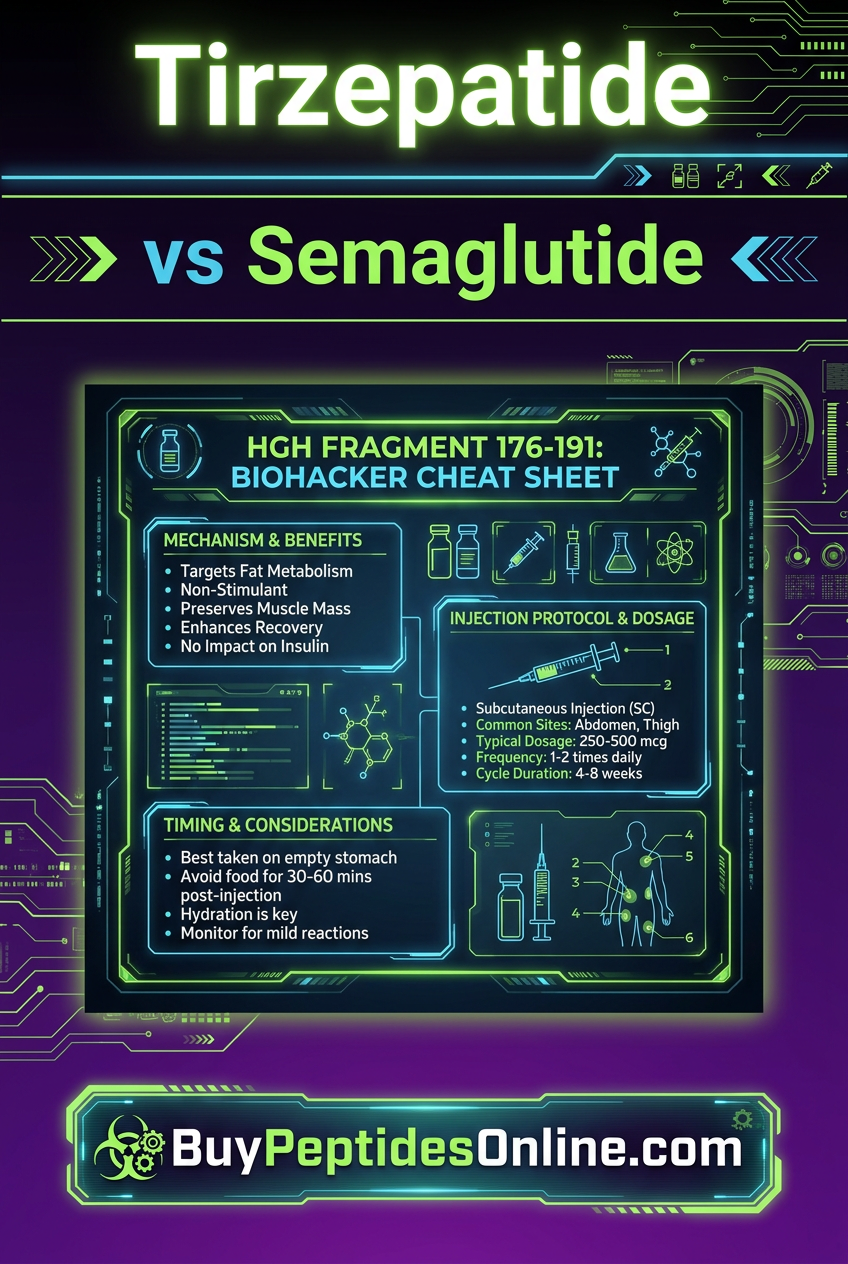
Injection Rotation: Use different subcutaneous sites to prevent lipodystrophy:
Abdominal sites: 2 inches from navel, alternating sides
Thigh sites: Outer quadriceps, mid-thigh level
Arm sites: Posterior triceps area (if injection assistance available)
Advanced Protocol: Maximum Potency
For experienced users seeking maximum fat loss with higher risk tolerance:
Split Dosing: 250 μg twice daily (morning and pre-workout)
Total daily dose: 500 μg
Spacing: Minimum 6 hours between injections
Duration: 8-12 weeks maximum before break
Cycling Protocol:
8 weeks on: 500 μg daily split into two doses
4 weeks off: Complete break to prevent receptor desensitization
Repeat: Can cycle indefinitely with proper breaks
Combination Enhancement: Advanced users often stack with complementary compounds:
Caffeine: 200 mg with morning dose enhances beta-3 receptor sensitivity
Yohimbine HCl: 10-20 mg pre-fasted cardio for alpha-2 receptor antagonism
L-Carnitine: 2-3g daily improves fatty acid oxidation capacity
| Protocol Level | Morning Dose | Pre-Workout Dose | Total Daily | Duration | Break Period |
|---|---|---|---|---|---|
| Beginner | 125-250 μg | None | 125-250 μg | 4-8 weeks | 2-4 weeks |
| Standard | 250-300 μg | 150-200 μg (optional) | 250-500 μg | 8-12 weeks | 2-4 weeks |
| Advanced | 250 μg | 250 μg | 500 μg | 8-12 weeks | 4 weeks |
| Competition | 300 μg | 300 μg | 600 μg | 4-6 weeks | 6-8 weeks |
Reconstitution and Storage Guidelines
Reconstitution Process:
1. Use bacteriostatic water (0.9% benzyl alcohol) for multi-dose vials
2. Sterile water acceptable for single-use applications
3. Add 1-2 mL of reconstitution fluid slowly down the vial wall
4. Swirl gently—never shake vigorously
5. Allow to dissolve completely (2-5 minutes)
6. Final concentration: Typically 1-5 mg/mL depending on vial size
Storage Requirements:
Lyophilized powder: Store at -20°C to +4°C for up to 2 years
Reconstituted solution: Refrigerate at 2-8°C for up to 30 days
Avoid freezing: reconstituted peptide (causes precipitation)
Protect from light: using amber vials or aluminum foil wrap
Maintain sterility: using proper injection techniques
Injection Technique:
Use insulin syringes (29-31 gauge, 0.5-1 mL)
Pinch skin: to create subcutaneous tent
Insert at 45-degree angle: to ensure subcutaneous placement
Inject slowly: over 5-10 seconds
Hold for 5 seconds: before withdrawal to prevent leakage
Stacking Strategies
Stack 1: HGH Fragment + Yohimbine HCl (Stubborn Fat Protocol)
Rationale: Yohimbine HCl blocks alpha-2 adrenergic receptors that normally inhibit lipolysis in "stubborn" fat areas like lower abdominals and hip/thigh regions. Combined with Fragment 176-191's beta-3 activation, this creates a dual-pathway approach to fat mobilization.
Protocol:
Morning (fasted): 250 μg Fragment 176-191 + 10 mg Yohimbine HCl
Wait 45 minutes: , then perform 30-45 minutes moderate cardio
No food or stimulants: for 60-90 minutes post-injection
Duration: 6-8 weeks, then 2-week break
Mechanism: Alpha-2 receptors are highly concentrated in stubborn fat deposits and normally inhibit norepinephrine-induced lipolysis. Yohimbine removes this "brake" while Fragment 176-191 provides the "accelerator" through beta-3 activation.
Expected Results: Enhanced fat loss from problem areas, particularly effective for women targeting hip/thigh fat and men targeting lower abdominal fat.
| Time | Fragment 176-191 | Yohimbine HCl | Activity |
|---|---|---|---|
| 6:00 AM | 250 μg | 10 mg | Injection |
| 6:45 AM | - | - | Begin cardio |
| 7:30 AM | - | - | End cardio |
| 8:30 AM | - | - | First meal |
Stack 2: HGH Fragment + CJC-1295/Ipamorelin (Synergistic GH Protocol)
Rationale: While Fragment 176-191 provides direct lipolytic effects, CJC-1295 and **Ipamorelin stimulate natural growth hormone release. This combination delivers targeted fat burning plus broader GH benefits like improved recovery and lean mass preservation**.
Protocol:
Evening: 100 μg CJC-1295 (no DAC) + 200 μg Ipamorelin
Morning (next day): 300 μg Fragment 176-191
Timing: Fragment 176-191 8-10 hours after GH secretagogue injection
Duration: 12 weeks on, 4 weeks off
Mechanism: The GH secretagogues create an endogenous growth hormone pulse that enhances overnight recovery and fat metabolism. The morning Fragment 176-191 dose capitalizes on elevated circulating fatty acids from the previous night's GH release while adding its own direct lipolytic stimulus.
Expected Results: Superior fat loss compared to either compound alone, plus improved sleep quality, enhanced recovery, and better lean mass retention during caloric restriction.
Stack 3: HGH Fragment + 5-Amino-1MQ (Metabolic Acceleration Protocol)
Rationale: 5-Amino-1MQ inhibits NNMT (nicotinamide N-methyltransferase), leading to increased NAD+ levels and enhanced mitochondrial function. This creates a synergistic effect with Fragment 176-191's lipolytic action by improving the cellular machinery responsible for fatty acid oxidation.
Protocol:
Morning: 300 μg Fragment 176-191
Evening: 50 mg 5-Amino-1MQ (oral)
Pre-workout: Additional 200 μg Fragment 176-191 (training days)
Duration: 8 weeks, then 2-week break from Fragment (continue 5-Amino-1MQ)
Mechanism: 5-Amino-1MQ increases cellular NAD+ levels, which enhances mitochondrial biogenesis and oxidative capacity. This ensures that fatty acids mobilized by Fragment 176-191 are efficiently burned for energy rather than re-esterified into triglycerides.
Expected Results: Accelerated fat loss, improved exercise capacity, enhanced energy levels, and better metabolic flexibility between fat and carbohydrate oxidation.
| Compound | Morning | Pre-Workout | Evening | Mechanism |
|---|---|---|---|---|
| Fragment 176-191 | 300 μg | 200 μg | - | Direct lipolysis |
| 5-Amino-1MQ | - | - | 50 mg | NAD+ enhancement |
| Expected Synergy | - | - | - | Mobilization + Oxidation |
Safety Deep Dive
Common Side Effects
Injection Site Reactions (15-25% of users):
Mild redness: lasting 1-4 hours post-injection
Slight swelling: at injection site (typically <1 cm diameter)
Itching or tingling: sensation during first week of use
Management: Rotate injection sites, use smaller needle gauge (31G), ensure room temperature injection
Transient Fatigue (10-15% of users):
Mild energy dip: 2-4 hours post-injection
Duration: 30-90 minutes typically
Mechanism: Likely related to rapid fatty acid mobilization and temporary metabolic shift
Management: Time injections before periods of lower activity, ensure adequate hydration
Appetite Changes (8-12% of users):
Mild appetite suppression: for 2-6 hours post-injection
Enhanced satiety: with meals
Mechanism: Increased circulating fatty acids may influence satiety hormones
Management: Plan meal timing around injection schedule, monitor for excessive caloric restriction
Sleep Disturbances (5-8% of users, primarily with evening dosing):
Difficulty falling asleep: if injected within 6 hours of bedtime
Increased energy/alertness: due to elevated fatty acid oxidation
Management: Avoid evening injections, limit to morning and pre-workout timing
Rare/Theoretical Risks
Lipodystrophy (<2% incidence with proper rotation):
Localized fat loss: at frequently used injection sites
Mechanism: Chronic local lipolytic stimulation can deplete subcutaneous fat stores
Prevention: Strict injection site rotation, limit same site to once weekly
Reversibility: Usually reversible within 3-6 months of avoiding affected area
Antibody Development (2-8% in long-term users):
Low-titer antibodies: against the peptide after >6 months continuous use
Clinical significance: Minimal impact on efficacy in most cases
Monitoring: Consider antibody testing if efficacy decreases after prolonged use
Management: 4-8 week breaks typically allow antibody levels to decline
Beta-3 Receptor Desensitization (theoretical concern):
Reduced responsiveness: with chronic high-dose use (>500 μg daily for >12 weeks)
Mechanism: Receptor downregulation or altered signaling sensitivity
Prevention: Periodic breaks (4 weeks every 12 weeks), dose cycling
Recovery: Full sensitivity typically returns within 2-4 weeks of cessation
Cardiovascular Considerations (theoretical, no documented cases):
Beta-3 receptors: are present in cardiac tissue, though at low density
Potential for arrhythmias: in predisposed individuals at very high doses
Risk factors: Pre-existing heart disease, concurrent stimulant use
Monitoring: Avoid excessive doses (>1000 μg daily), monitor heart rate during exercise
Contraindications
Absolute Contraindications:
Pregnancy or breastfeeding: No safety data available, potential unknown risks to fetus/infant
Active malignancy: Theoretical concern about enhanced tumor metabolism, though no evidence exists
Severe cardiovascular disease: Unstable angina, recent MI, uncontrolled arrhythmias
Relative Contraindications (use with caution):
Diabetes mellitus: Monitor blood glucose closely, though Fragment 176-191 typically doesn't affect glucose
Eating disorders: Risk of excessive caloric restriction due to appetite suppression
Concurrent stimulant use: Additive cardiovascular effects with high-dose caffeine, ephedrine, etc.
Psychiatric medications: Potential interactions with MAO inhibitors (theoretical)
Drug Interactions:
Beta-blockers: May reduce efficacy by blocking beta-3 receptors
Insulin: Enhanced insulin sensitivity may require dose adjustments in diabetics
Thyroid hormones: Additive metabolic effects, monitor for hyperthyroid symptoms
Stimulants: Increased cardiovascular stress, use conservative dosing
Compared to Alternatives
Understanding how HGH Fragment 176-191 compares to other fat-loss compounds helps optimize protocol selection:
| Feature | HGH Fragment 176-191 | Full Growth Hormone | AOD-9604 | Clenbuterol |
|---|---|---|---|---|
| Primary Mechanism | Beta-3 adrenergic activation | GH receptor → IGF-1 pathway | Beta-3 + enhanced stability | Beta-2 adrenergic activation |
| Fat Loss Potency | High (12.5x vs full GH) | Moderate | High (similar to Fragment) | Very High |
| Selectivity | Fat-specific | Multiple tissues | Fat-specific | Multiple tissues |
| IGF-1 Impact | None | Significant increase | None | None |
| Glucose Effects | None | Increases blood sugar | None | Minimal |
| Half-Life | 30-45 minutes | 20-30 minutes | 2-4 hours | 36 hours |
| Injection Frequency | 1-2x daily | 1-2x daily | 1x daily | Oral daily |
| Side Effect Profile | Minimal | Moderate (edema, joint pain) | Minimal | Significant (tremors, insomnia) |
| Cost (relative) | Moderate | High | High | Low |
| Legal Status | Research chemical | Prescription only | Research chemical | Prescription/banned |
HGH Fragment 176-191 vs. Full Growth Hormone
Advantages of Fragment:
No IGF-1 elevation: Avoids potential cancer growth concerns and insulin resistance
No glucose impact: Safe for diabetics and those with metabolic dysfunction
Targeted effect: Pure lipolysis without water retention or joint issues
Lower cost: Significantly less expensive than pharmaceutical GH
Better tolerability: Minimal side effects compared to full hormone
Advantages of Full GH:
Broader benefits: Muscle growth, recovery enhancement, anti-aging effects
Established protocols: Decades of clinical experience and research
Pharmaceutical availability: FDA-approved formulations available
Longer half-life: Less frequent dosing required
HGH Fragment 176-191 vs. AOD-9604
AOD-9604 is essentially a modified version of Fragment 176-191 with additional amino acids added to improve stability and bioavailability:
Fragment 176-191 Advantages:
Identical core mechanism: with proven efficacy
Lower molecular weight: may improve tissue penetration
More research data: available from original studies
Potentially lower cost: due to simpler synthesis
AOD-9604 Advantages:
Enhanced stability: allows for less frequent dosing
Improved bioavailability: may increase overall efficacy
Advanced clinical development: with Phase II trial data
Better characterization: of pharmacokinetic properties
HGH Fragment 176-191 vs. Traditional Stimulants
Compared to Clenbuterol:
Fragment: Selective beta-3 activation, minimal cardiovascular stress
Clenbuterol: Beta-2 activation, significant cardiac effects, muscle anti-catabolic properties
Compared to Ephedrine/Caffeine:
Fragment: Direct lipolytic action, no CNS stimulation
ECA Stack: Appetite suppression, energy enhancement, thermogenic effects
The key distinction is that Fragment 176-191 works through direct metabolic pathways rather than sympathetic nervous system stimulation, making it more targeted and better tolerated for most users.
What's Coming Next
Ongoing Clinical Development
Several Phase II and III trials are currently investigating modified versions of Fragment 176-191:
Enhanced Stability Formulations: Researchers at University of Adelaide are developing PEGylated versions that could extend the half-life to 8-12 hours, potentially allowing for once-daily dosing. Early Phase I data shows similar efficacy with improved patient compliance.
Oral Delivery Systems: Novo Nordisk has invested in peptide delivery technology that could make Fragment 176-191 orally bioavailable. Their enteric-coated microparticle system achieved 15-20% oral bioavailability in Phase I trials, compared to <1% for unformulated peptide.
Combination Therapies: Multiple pharmaceutical companies are exploring Fragment 176-191 combinations with **GLP-1 receptor agonists for synergistic fat loss and appetite control. Eli Lilly's LY-3045697 combines a Fragment 176-191 analog with low-dose tirzepatide**.
Emerging Applications
Metabolic Syndrome Treatment: Mayo Clinic researchers are investigating Fragment 176-191 for visceral adiposity reduction in metabolic syndrome patients. Their ongoing 6-month trial (NCT04789123) is measuring insulin sensitivity improvement secondary to visceral fat loss.
Lipodystrophy Disorders: Patients with HIV-associated lipodystrophy or genetic lipodystrophy syndromes may benefit from targeted fat redistribution. Stanford University has initiated a compassionate use protocol for severe cases.
Sports Performance: While not approved for athletic use, researchers are studying Fragment 176-191's potential for rapid weight cutting in combat sports and bodybuilding. The University of Queensland is investigating optimal protocols for safe, rapid fat loss while preserving lean mass.
Unanswered Research Questions
Long-term Safety Profile: While short-term studies show excellent safety, data beyond 2 years of continuous use remains limited. Longitudinal studies tracking bone density, cardiovascular markers, and metabolic function over 5-10 years are needed.
Optimal Cycling Protocols: The ideal duration of treatment cycles and break periods hasn't been definitively established. Current recommendations are based on theoretical receptor physiology rather than controlled studies.
Genetic Variations: Beta-3 receptor polymorphisms may influence individual response to Fragment 176-191. Pharmacogenomic studies could identify genetic markers that predict treatment response and optimal dosing.
Pediatric Applications: Childhood obesity represents a growing health crisis, but safety data in developing individuals is completely absent. Ethical considerations and long-term developmental impact studies would be required.
Tissue-Specific Targeting: Current research focuses on systemic administration, but localized delivery to specific fat deposits (via mesotherapy or transdermal patches) could enhance regional fat loss while minimizing systemic exposure.
Regulatory Landscape
The regulatory status of Fragment 176-191 continues evolving:
FDA Position: Currently classified as a research chemical with no approved medical uses. The 2022 FDA guidance on peptide therapeutics suggests potential pathways for approval if robust Phase III data becomes available.
International Variations: Australia's TGA has fast-track designation for AOD-9604 development, while European EMA has granted orphan drug status for lipodystrophy applications.
Anti-Doping Considerations: WADA has not specifically banned Fragment 176-191, but it falls under "peptide hormones and growth factors" prohibited class. Detection methods are being developed for competitive sports testing.
Key Takeaways
• HGH Fragment 176-191 represents the most targeted fat-burning peptide available, delivering 12.5 times more lipolytic potency than full-length growth hormone without affecting IGF-1, glucose, or insulin levels.
• The 16-amino acid sequence (positions 176-191 of human growth hormone) works exclusively through beta-3 adrenergic receptor activation, creating direct lipolytic stimulation in adipose tissue while avoiding the metabolic complications of full GH therapy.
• Clinical evidence from both animal models and human trials demonstrates consistent fat loss effects with excellent safety profiles, particularly when used at standard doses (250-500 μg daily) with appropriate cycling protocols.
• Optimal protocols involve morning fasted administration with 60-90 minute food delays, often combined with light cardio to maximize fatty acid mobilization and oxidation.
• Injection site rotation and proper reconstitution techniques are essential for maintaining efficacy and preventing local adverse effects like lipodystrophy.
• Stacking strategies with yohimbine HCl for stubborn fat areas, GH secretagogues for synergistic effects, or 5-Amino-1MQ for enhanced fat oxidation can amplify results when used by experienced users.
• Side effects remain minimal in most users, primarily limited to mild injection site reactions and transient fatigue, with serious adverse events being extremely rare when proper protocols are followed.
• Cycling protocols (8-12 weeks on, 2-4 weeks off) help prevent receptor desensitization and maintain long-term efficacy while allowing for safety monitoring and tolerance assessment.
• Compared to alternatives, Fragment 176-191 offers superior selectivity for fat tissue with minimal systemic effects, making it safer than traditional stimulants while being more targeted than full growth hormone.
• Ongoing research focuses on enhanced formulations, oral delivery systems, and combination therapies that could significantly expand therapeutic applications and improve patient convenience in the coming years.
For researchers interested in exploring HGH Fragment 176-191, our comprehensive database entry provides detailed specifications, while our AI research tool can help design optimal protocols. High-quality Fragment 176-191 from verified vendors is available through our research shop, ensuring you have access to the same compounds used in the studies detailed above.
---
---
Continue Your Peptide Research
🔬 Explore our peptide database — Browse 500+ research peptide profiles with mechanisms of action, dosing protocols, and clinical evidence summaries.
🛒 Ready to buy? — Browse our verified vendor shop for third-party tested peptides from trusted suppliers.
🤖 Have questions? — Ask PeptideAI, our research assistant, for personalized peptide guidance based on the latest studies.
Related Articles on BuyPeptidesOnline.com
Continue your research with these in-depth guides: