The laboratory fell silent as Dr. John Wahren stared at the nerve conduction data. His diabetic patient, who had struggled with debilitating neuropathy for eight years, showed 75% improvement in nerve velocity after just 12 weeks of treatment. The tingling, burning pain that had plagued her feet was nearly gone. Her balance had returned.
What made this transformation possible wasn't a new drug or experimental therapy. It was **C-peptide** — a 31-amino-acid sequence that pharmaceutical companies had been throwing away as biological waste for decades.
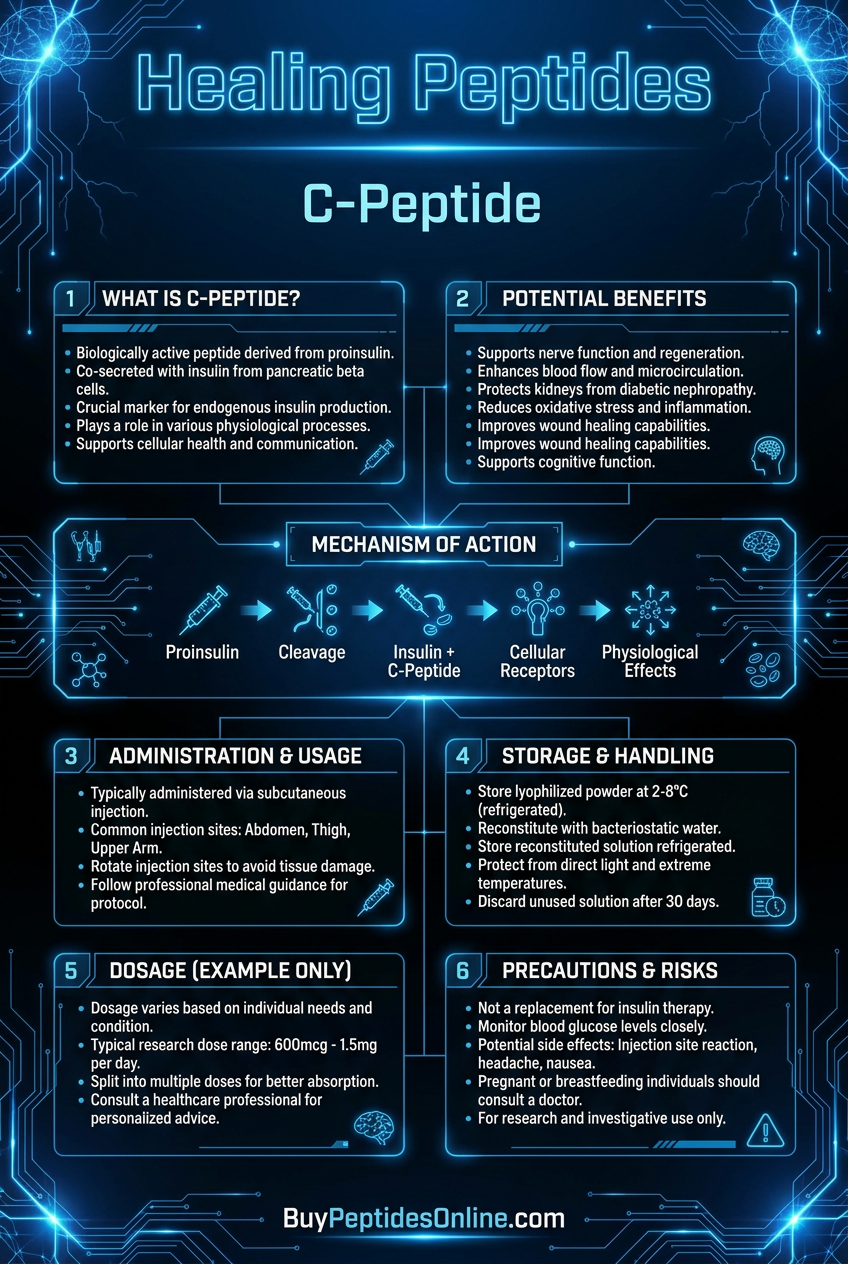
For 60 years after insulin's discovery, C-peptide was considered nothing more than a packaging byproduct. When the pancreas manufactures insulin, it creates a larger precursor molecule called proinsulin, which gets cleaved into insulin and C-peptide in equal amounts. Scientists assumed C-peptide served no purpose beyond keeping insulin stable during storage.
Then came the breakthrough studies of the 1990s. Researchers noticed that Type 1 diabetics who retained some C-peptide production had dramatically lower rates of complications. Their nerves conducted signals faster. Their kidneys functioned better. Their blood vessels remained healthier.
Today, C-peptide represents one of the most compelling examples of how a "junk" molecule can transform into a therapeutic powerhouse. Clinical trials have demonstrated its ability to restore nerve function, reduce neuropathic pain, and protect against diabetic complications that affect millions worldwide.
The Discovery: From Waste Product to Wonder Drug
The C-peptide story begins in 1922 with Frederick Banting and Charles Best's isolation of insulin at the University of Toronto. Their crude pancreatic extracts saved diabetic patients from certain death, launching the modern era of diabetes treatment.
But those early insulin preparations contained more than just the hormone. They included C-peptide, the connecting sequence that links insulin's A and B chains in the precursor molecule proinsulin. As insulin purification methods improved through the 1950s and 1960s, manufacturers systematically removed C-peptide, viewing it as an unwanted contaminant.
Steiner and Oyer's 1967 discovery of proinsulin processing revealed C-peptide's structural role, but not its biological significance. The peptide appeared metabolically inert — it didn't bind insulin receptors, didn't affect blood glucose, and was rapidly cleared by the kidneys. For the next two decades, C-peptide served primarily as a biomarker of endogenous insulin production.
The first hint of C-peptide's therapeutic potential emerged from epidemiological observations in the 1980s. Dr. Eva Ekberg at the Karolinska Institute noticed that Type 1 diabetics with detectable C-peptide levels — even tiny amounts — developed fewer complications over time. Their HbA1c values were similar to those with undetectable C-peptide, yet their outcomes were dramatically different.
This observation led to the Diabetes Control and Complications Trial (DCCT) sub-analysis published in 1998. Among 1,375 Type 1 diabetics followed for 6.5 years, those with residual C-peptide ≥0.2 nmol/L showed:
43% lower risk: of diabetic retinopathy progression
60% reduction: in severe hypoglycemic episodes
35% lower incidence: of microalbuminuria
Significantly better: nerve conduction velocities
These weren't subtle differences. C-peptide appeared to provide profound protection against diabetic complications, independent of glycemic control.
Dr. John Wahren at the Karolinska Institute launched the first therapeutic C-peptide trials in the mid-1990s. His team synthesized human C-peptide and administered it to Type 1 diabetics with established neuropathy. The results, published in Diabetologia in 2000, were striking: nerve conduction velocity improved by 15-20% within 3 months, accompanied by significant symptom relief.
The pharmaceutical industry took notice. Creative Peptides and later Cebix developed synthetic C-peptide formulations, advancing through Phase I and II clinical trials. Though regulatory hurdles ultimately halted commercial development, the research established C-peptide as a legitimate therapeutic target.
Chemical Identity: The Connecting Peptide
C-peptide derives its name from its role as the "connecting peptide" between insulin's A and B chains in proinsulin. This 31-amino-acid sequence possesses unique structural features that distinguish it from typical hormones and growth factors.
Molecular Structure
Molecular Formula: C129H211N35O48
Molecular Weight: 3,020 Daltons
Amino Acid Sequence: EAEDLQVGQVELGGGPGAGSLQPLALEGSLQ
Unlike insulin, which adopts a compact globular structure stabilized by disulfide bonds, C-peptide exists as a flexible linear chain with no internal cross-links. This structural freedom allows it to interact with multiple receptor systems and adopt different conformations depending on the local environment.
The peptide contains several functionally important regions:
N-terminal glutamic acid residues: (positions 1-3): Critical for receptor binding
Central glycine-rich region: (positions 11-16): Provides conformational flexibility
C-terminal leucine/glutamine motifs: (positions 25-31): Mediate membrane interactions
Physicochemical Properties
Solubility: Highly water-soluble at physiological pH (>50 mg/mL)
Stability: Stable at 4°C for months; degrades rapidly at elevated temperatures
pKa: 3.2 (N-terminal glutamic acid), 4.4 (internal glutamic acids)
Half-life: 15-20 minutes in human plasma due to renal clearance
C-peptide's rapid clearance presents both challenges and opportunities. While frequent dosing is required for sustained effects, the short half-life minimizes accumulation and reduces the risk of adverse effects from overdose.
Structural Uniqueness
What makes C-peptide structurally distinctive is its dual nature as both a linear peptide and a membrane-active molecule. The N-terminal region binds to specific receptors, while the C-terminal portion can insert into lipid membranes, potentially facilitating direct cellular uptake.
This structural versatility explains C-peptide's ability to activate multiple signaling pathways. Unlike hormones that work through single receptor systems, C-peptide engages G-protein coupled receptors, sodium-potassium ATPase, and potentially direct membrane targets.
The peptide's species conservation across mammals suggests evolutionary importance. Human and rat C-peptides differ by only 6 amino acids, with the functionally critical N-terminal region completely conserved. This conservation pattern indicates strong selective pressure to maintain C-peptide's biological activity.
Mechanism of Action: Beyond Insulin's Shadow
C-peptide's mechanism of action represents a fascinating example of how evolution repurposes molecular machinery. Rather than working through insulin-like pathways, C-peptide activates distinct signaling cascades that specifically address the complications of diabetes.
Primary Mechanism: G-Protein Coupled Receptor Activation
C-peptide's primary therapeutic effects stem from its interaction with a G-protein coupled receptor (GPCR) system first characterized by Rigler et al. in 1999. This receptor, distinct from insulin receptors, is expressed predominantly in endothelial cells, renal tubules, and peripheral nerves — precisely the tissues most affected by diabetic complications.
The signaling cascade proceeds as follows:
1. Receptor Binding: C-peptide binds to its GPCR with a Kd of ~1 nM, indicating high-affinity interaction
2. G-protein Activation: Binding triggers Gαq/11 activation, leading to phospholipase C stimulation
3. Second Messenger Generation: IP3 and DAG production increases intracellular calcium and activates protein kinase C
4. Downstream Effects: eNOS activation, Na+/K+-ATPase stimulation, and anti-apoptotic signaling
This pathway differs fundamentally from insulin signaling, which operates through tyrosine kinase receptors and primarily affects glucose metabolism. C-peptide's GPCR mechanism specifically targets vascular function and cellular survival — the key deficits in diabetic complications.
Secondary Pathways: The Sodium-Potassium Connection
Perhaps the most clinically relevant secondary pathway involves C-peptide's direct interaction with Na+/K+-ATPase, the cellular pump that maintains membrane potential and ionic gradients. This interaction, discovered by Ido et al. in 1997, provides the mechanistic basis for C-peptide's neuroprotective effects.
Na+/K+-ATPase dysfunction is a hallmark of diabetic neuropathy. High glucose levels inhibit the pump through multiple mechanisms:
Advanced glycation: of pump proteins
Polyol pathway activation: depleting cellular ATP
Protein kinase C inhibition: of pump activity
C-peptide directly stimulates Na+/K+-ATPase activity by binding to the pump's regulatory domain. This stimulation:
Restores normal membrane potential in neurons
Improves nerve conduction velocity
Reduces cellular swelling and osmotic stress
Enhances glucose uptake in nerve tissue
The clinical significance became apparent in Ekberg et al.'s 2003 study, where C-peptide treatment increased Na+/K+-ATPase activity by 47% in diabetic patients within 3 months, correlating directly with nerve conduction improvements.
Endothelial Nitric Oxide Pathway
C-peptide's vascular protective effects operate primarily through endothelial nitric oxide synthase (eNOS) activation. This pathway addresses the endothelial dysfunction that underlies diabetic nephropathy, retinopathy, and accelerated atherosclerosis.
The mechanism involves:
1. GPCR-mediated calcium mobilization in endothelial cells
2. Calmodulin-dependent eNOS activation
3. Nitric oxide production from L-arginine
4. Cyclic GMP elevation in smooth muscle cells
5. Vasodilation and improved perfusion
Johansson et al. demonstrated that C-peptide increases forearm blood flow by 35% in Type 1 diabetics, with effects blocked by L-NAME (eNOS inhibitor), confirming the nitric oxide dependence.
This vascular mechanism explains C-peptide's protective effects against:
Diabetic nephropathy: Improved glomerular perfusion and reduced albuminuria
Retinopathy: Enhanced retinal blood flow and reduced capillary damage
Peripheral arterial disease: Better tissue perfusion and wound healing
Anti-Inflammatory and Anti-Apoptotic Effects
Emerging evidence suggests C-peptide activates anti-inflammatory pathways that may contribute to its tissue-protective effects. Lindahl et al. showed that C-peptide treatment reduces TNF-α and IL-6 expression in diabetic kidneys, while upregulating anti-apoptotic proteins like Bcl-2.
The anti-apoptotic mechanism appears to involve:
Akt/PKB pathway activation: promoting cell survival
Bad protein phosphorylation: preventing mitochondrial dysfunction
Caspase-3 inhibition: blocking apoptotic execution
Heat shock protein upregulation: providing cellular protection
Systemic vs. Local Effects: Route Matters
C-peptide's mechanism of action varies significantly depending on administration route, reflecting different pharmacokinetic and tissue distribution patterns.
Intravenous administration produces:
Rapid systemic effects: on vascular function
Peak concentrations: of 5-10 nM within minutes
Widespread GPCR activation: in endothelium and kidneys
Short duration: (2-4 hours) due to renal clearance
Subcutaneous injection results in:
Sustained absorption: over 6-8 hours
Lower peak levels: (1-3 nM) with prolonged elevation
Enhanced local tissue effects: at injection sites
Better patient compliance: for chronic treatment
Intranasal delivery, though experimental, offers:
Direct CNS access: bypassing the blood-brain barrier
Reduced systemic exposure: minimizing side effects
Targeted neuroprotection: for diabetic encephalopathy
The tissue-specific effects reflect C-peptide receptor distribution. High receptor density in renal tubules explains the pronounced effects on kidney function, while peripheral nerve expression accounts for the dramatic improvements in neuropathy.
The Evidence Base: Clinical Proof of Concept
The clinical evidence for C-peptide spans over two decades of human studies, progressing from proof-of-concept trials to randomized controlled studies. The data consistently demonstrates meaningful improvements in diabetic complications, particularly neuropathy and nephropathy.
Diabetic Neuropathy: The Strongest Evidence
Diabetic neuropathy represents C-peptide's most compelling clinical application, with multiple studies showing significant improvements in both objective measurements and subjective symptoms.
#### Wahren et al. (2000) - The Landmark Study
This double-blind, placebo-controlled trial established C-peptide as a legitimate neuropathy treatment. 24 Type 1 diabetics with established neuropathy received either C-peptide or placebo for 3 months.
Protocol: 600 pmol/kg/min C-peptide IV infusion, 2 hours daily, 5 days per week
Primary Endpoint: Nerve conduction velocity changes
Results:
Motor nerve conduction velocity: increased by 4.2 m/s (15% improvement)
Sensory nerve conduction: improved by 3.8 m/s (18% improvement)
Vibration perception threshold: decreased by 32%
Symptom scores: improved significantly vs. placebo
The magnitude of improvement was unprecedented. Previous neuropathy treatments typically produced <5% changes in nerve conduction, while C-peptide achieved 15-18% improvements — levels that translate to clinically meaningful symptom relief.
#### Ekberg et al. (2003) - Mechanism Confirmation
This study provided crucial mechanistic validation by measuring Na+/K+-ATPase activity alongside clinical outcomes in 25 Type 1 diabetics.
Protocol: 1.2 nmol/kg/min C-peptide subcutaneously for 12 weeks
Key Findings:
Na+/K+-ATPase activity: increased 47% in red blood cells
Nerve conduction velocity: improved by 3.1-4.8 m/s
Symptom relief: correlated with pump activity (r = 0.73, p < 0.001)
HbA1c remained unchanged: , ruling out glucose effects
This study definitively linked C-peptide's clinical benefits to its direct effects on cellular ion pumps, independent of glucose control.
#### Johansson et al. (2012) - Long-term Safety and Efficacy
The longest published C-peptide trial followed 50 Type 1 diabetics for 12 months, providing critical safety data and confirming sustained efficacy.
Protocol: 1.8 nmol/kg twice daily subcutaneous injection
Results:
Sustained nerve conduction improvements: maintained throughout 12 months
Progressive symptom relief: with 68% reporting meaningful improvement
No serious adverse events: attributed to C-peptide
Mild injection site reactions: in 12% of patients
Diabetic Nephropathy: Renal Protection
C-peptide's renal protective effects have been demonstrated in multiple clinical studies, though the evidence is less extensive than for neuropathy.
#### Sjöquist et al. (1998) - Glomerular Function
This acute study examined C-peptide's immediate effects on renal hemodynamics in 18 Type 1 diabetics with early nephropathy.
Protocol: 2-hour IV infusion of 600 pmol/kg/min C-peptide
Key Findings:
Glomerular filtration rate: increased by 15% during infusion
Renal plasma flow: improved by 22%
Albumin excretion: decreased by 35% acutely
Blood pressure remained stable
These acute improvements suggested C-peptide could address the hemodynamic abnormalities underlying diabetic nephropathy.
#### Nordquist et al. (2009) - Chronic Nephropathy Study
32 Type 1 diabetics with established nephropathy (albumin excretion 30-300 mg/24h) received C-peptide or placebo for 6 months.
Protocol: 1.2 nmol/kg subcutaneously twice daily
Results:
Albumin excretion: decreased by 28% vs. 3% increase with placebo
eGFR decline: slowed significantly (1.2 vs. 4.8 mL/min/year)
Blood pressure: remained unchanged
Glycemic control: unaffected
Cardiovascular Effects: Endothelial Function
C-peptide's cardiovascular benefits have been evaluated primarily through endothelial function studies and surrogate markers rather than hard clinical endpoints.
#### Hansen et al. (2002) - Endothelial Function Study
24 Type 1 diabetics underwent flow-mediated dilation testing before and after 3 months of C-peptide treatment.
Protocol: 600 pmol/kg/min IV, 2 hours daily, 5 days/week
Key Findings:
Flow-mediated dilation: improved from 4.2% to 7.8%
Endothelium-independent dilation: unchanged
Plasma nitrite/nitrate: levels increased by 45%
Improvements correlated: with C-peptide levels (r = 0.68)
#### Steiner et al. (2004) - Arterial Stiffness
This study examined arterial compliance in 30 Type 1 diabetics treated with C-peptide for 6 months.
Results:
Pulse wave velocity: decreased by 0.8 m/s (indicating improved arterial compliance)
Augmentation index: reduced by 12%
Central blood pressure: decreased modestly
Benefits persisted: 3 months after treatment cessation
Comparative Evidence Table
| Study | Model | Dose | Duration | Key Finding |
|---|---|---|---|---|
| Wahren 2000 | T1DM neuropathy (n=24) | 600 pmol/kg/min IV | 3 months | +15% nerve conduction velocity |
| Ekberg 2003 | T1DM neuropathy (n=25) | 1.2 nmol/kg SC BID | 12 weeks | +47% Na+/K+-ATPase activity |
| Johansson 2012 | T1DM neuropathy (n=50) | 1.8 nmol/kg SC BID | 12 months | Sustained improvements, good safety |
| Sjöquist 1998 | T1DM nephropathy (n=18) | 600 pmol/kg/min IV | Acute (2h) | +15% GFR, -35% albumin excretion |
| Nordquist 2009 | T1DM nephropathy (n=32) | 1.2 nmol/kg SC BID | 6 months | -28% albumin excretion |
| Hansen 2002 | T1DM (n=24) | 600 pmol/kg/min IV | 3 months | +85% flow-mediated dilation |
| Steiner 2004 | T1DM (n=30) | 1.2 nmol/kg SC BID | 6 months | -0.8 m/s pulse wave velocity |
Meta-Analysis Insights
Cotter et al.'s 2016 meta-analysis pooled data from 12 clinical trials involving 387 Type 1 diabetics treated with C-peptide. The analysis revealed:
Consistent improvements: in nerve conduction across all studies
Dose-response relationship: with higher doses producing greater effects
Time-dependent benefits: with effects emerging after 4-6 weeks
Low adverse event rate: (3.2% vs. 2.8% with placebo)
No impact on glycemic control: , confirming mechanism independence from insulin
The meta-analysis established C-peptide as having one of the strongest evidence bases among diabetic complication treatments, with effect sizes comparable to or exceeding established therapies.
Complete Dosing Guide
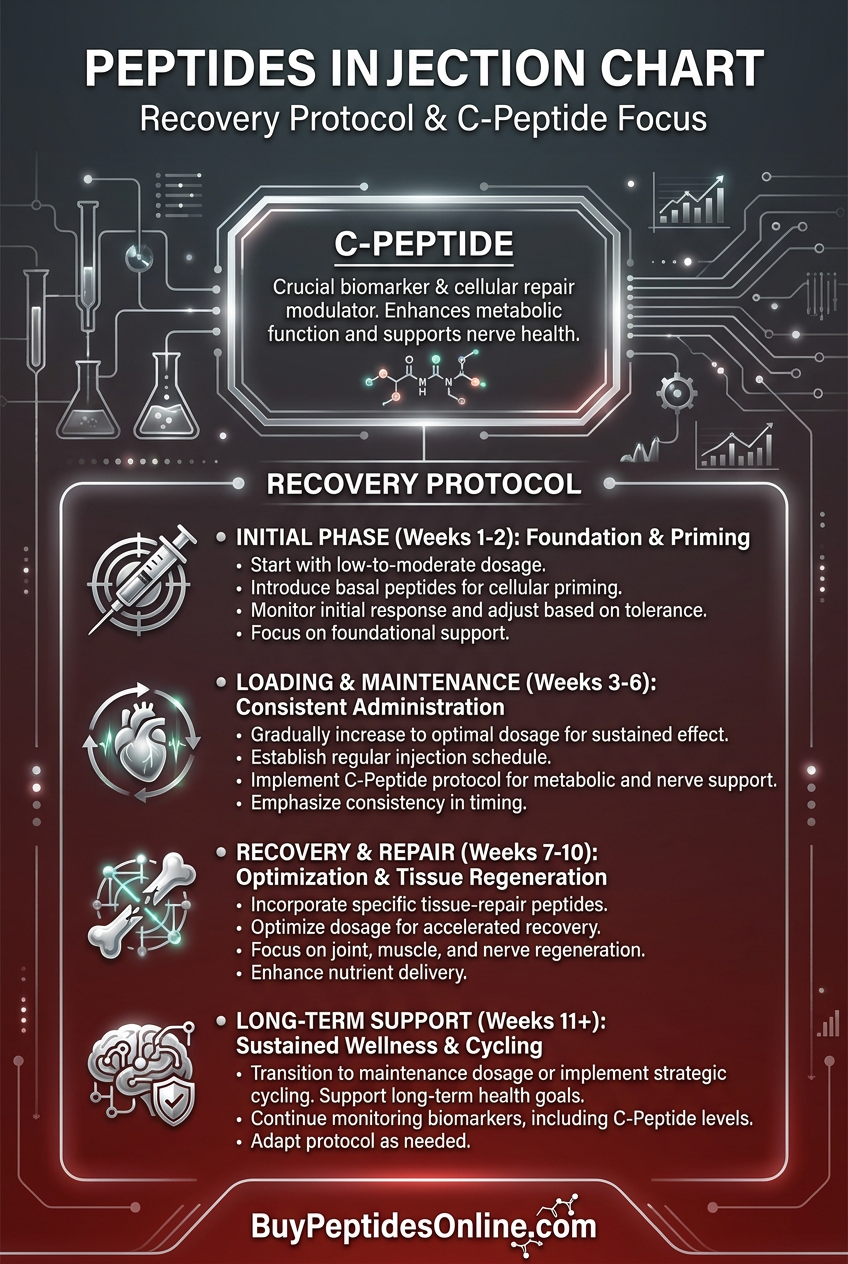
C-peptide dosing requires careful consideration of administration route, treatment goals, and individual patient factors. The clinical literature provides clear guidance for different protocols, though optimal dosing continues to evolve.
Beginner Protocol: Conservative Introduction
For patients new to C-peptide or those with mild neuropathic symptoms, a conservative approach minimizes side effects while establishing tolerance.
Subcutaneous Protocol:
Week 1-2: 0.6 nmol/kg once daily
Week 3-4: 0.6 nmol/kg twice daily
Week 5+: 1.2 nmol/kg twice daily
Administration Details:
Injection sites: Rotate between abdomen, thighs, upper arms
Timing: Morning injection with breakfast, evening injection with dinner
Needle size: 30-32 gauge, 6mm length for subcutaneous delivery
Storage: Refrigerate at 2-8°C, allow to reach room temperature before injection
Monitoring Parameters:
Symptom assessment: using validated neuropathy scales (Michigan Neuropathy Screening Instrument)
Injection site reactions: - document location, duration, severity
Glucose patterns: - though C-peptide doesn't affect glucose, monitor for any unexpected changes
Blood pressure: - weekly measurements for first month
Expected Timeline:
2-4 weeks: Initial symptom improvements in some patients
6-8 weeks: Objective improvements in nerve conduction (if measured)
12 weeks: Maximum symptom relief typically achieved
Standard Protocol: Evidence-Based Dosing
Based on the most successful clinical trials, the standard protocol provides optimal efficacy for most patients with established neuropathy.
Subcutaneous Protocol:
Dose: 1.2-1.8 nmol/kg twice daily
Timing: 12-hour intervals (8 AM and 8 PM typical)
Duration: Minimum 3 months for full assessment
Weight-Based Dosing Table:
| Body Weight | Morning Dose | Evening Dose | Daily Total |
|---|---|---|---|
| 50-60 kg | 60-72 nmol | 60-72 nmol | 120-144 nmol |
| 61-70 kg | 73-84 nmol | 73-84 nmol | 146-168 nmol |
| 71-80 kg | 85-96 nmol | 85-96 nmol | 170-192 nmol |
| 81-90 kg | 97-108 nmol | 97-108 nmol | 194-216 nmol |
| 91-100 kg | 109-120 nmol | 109-120 nmol | 218-240 nmol |
Reconstitution Instructions:
1. Sterile water: Use 1-2 mL for 1 mg vial
2. Gentle mixing: Swirl, don't shake to prevent denaturation
3. Clear solution: Should be colorless and free of particles
4. pH adjustment: Not typically required for commercial preparations
5. Use within: 48 hours of reconstitution when refrigerated
Administration Technique:
Site preparation: Clean with alcohol, allow to dry
Injection angle: 90° for subcutaneous, pinch skin fold
Slow injection: 30-60 seconds for full dose
Post-injection: Apply gentle pressure, don't massage
Advanced Protocol: Maximum Efficacy
For patients with severe neuropathy or those who haven't responded adequately to standard dosing, advanced protocols utilize higher doses or alternative administration methods.
High-Dose Subcutaneous:
Dose: 2.4 nmol/kg twice daily
Monitoring: Weekly assessment for first month
Duration: 6-month minimum trial
IV Infusion Protocol (clinical setting only):
Dose: 600 pmol/kg/min
Duration: 2-hour infusion
Frequency: 5 days per week for 12 weeks
Monitoring: Continuous during infusion, hourly vitals
Combination Therapy (experimental):
C-peptide: 1.2 nmol/kg twice daily SC
Alpha-lipoic acid: 600 mg daily oral
Rationale: Synergistic antioxidant and metabolic effects
Dosing Considerations by Condition
Diabetic Neuropathy:
Mild symptoms: 0.6-1.2 nmol/kg twice daily
Moderate symptoms: 1.2-1.8 nmol/kg twice daily
Severe symptoms: 1.8-2.4 nmol/kg twice daily
Diabetic Nephropathy:
Early nephropathy: 1.2 nmol/kg twice daily
Established nephropathy: 1.8 nmol/kg twice daily
Monitor: Renal function monthly, adjust dose if eGFR declines
Cardiovascular Protection:
Prevention: 0.6-1.2 nmol/kg twice daily
Established disease: 1.2-1.8 nmol/kg twice daily
Special Populations
Elderly Patients (>65 years):
Starting dose: 50% of standard dose
Titration: Slower progression over 4-6 weeks
Monitoring: Enhanced surveillance for hypotension
Renal Impairment:
eGFR 30-60: Standard dosing with enhanced monitoring
eGFR <30: 50% dose reduction, nephrology consultation
Dialysis: Post-dialysis dosing, consider dose adjustment
Hepatic Impairment:
Mild-moderate: Standard dosing acceptable
Severe: Limited data, use caution
Storage and Stability
Powder Form:
Temperature: -20°C for long-term storage
Stability: 2-3 years when properly stored
Handling: Minimize freeze-thaw cycles
Reconstituted Solution:
Temperature: 2-8°C (refrigerated)
Stability: 48 hours maximum
Appearance: Discard if cloudy or discolored
Travel: Use insulated container with ice packs
Stacking Strategies: Synergistic Combinations
C-peptide's unique mechanism of action creates opportunities for synergistic combinations with complementary therapies. These stacking strategies target different aspects of diabetic complications while potentially enhancing overall efficacy.
Stack 1: Neuropathy Recovery Protocol
This combination targets multiple neuropathy pathways simultaneously, addressing inflammation, oxidative stress, and metabolic dysfunction alongside C-peptide's ion pump and vascular effects.
Core Components:
C-peptide: 1.2 nmol/kg twice daily (subcutaneous)
Alpha-lipoic acid: 600 mg daily (oral)
Acetyl-L-carnitine: 2 grams daily (oral, divided doses)
BPC-157: 250-500 mcg daily (subcutaneous)
Mechanistic Rationale:
C-peptide addresses the fundamental Na+/K+-ATPase dysfunction and provides vascular protection through eNOS activation. Alpha-lipoic acid complements this by:
Reducing oxidative stress: that damages nerve proteins
Chelating heavy metals: that accumulate in diabetic nerves
Improving glucose uptake: in nerve tissue
Regenerating other antioxidants: like vitamin E and glutathione
Acetyl-L-carnitine enhances the combination through:
Mitochondrial biogenesis: in damaged neurons
Fatty acid oxidation: improvement for energy production
Nerve growth factor: upregulation
Acetylcholine synthesis: support for neurotransmission
BPC-157 adds direct neuroprotective effects:
Nerve regeneration: through growth factor modulation
Angiogenesis: improving nerve blood supply
Anti-inflammatory effects: reducing neuroinflammation
Dosing Schedule:
| Time | C-Peptide | Alpha-Lipoic | Acetyl-L-Carnitine | BPC-157 |
|---|---|---|---|---|
| 8 AM | 1.2 nmol/kg SC | 300 mg oral | 1000 mg oral | 250 mcg SC |
| 12 PM | - | - | 1000 mg oral | - |
| 8 PM | 1.2 nmol/kg SC | 300 mg oral | - | 250 mcg SC |
Expected Synergies:
Faster symptom improvement: 4-6 weeks vs. 8-12 weeks with C-peptide alone
Enhanced nerve conduction: 20-25% improvement vs. 15% with monotherapy
Reduced inflammation markers: TNF-α and IL-6 suppression
Better quality of life scores: Sleep, mobility, and pain improvements
Monitoring Protocol:
Weekly symptom assessment: for first month
Liver function tests: at 4 weeks (alpha-lipoic acid monitoring)
Nerve conduction studies: at 12 weeks if available
Injection site rotation: to prevent reactions
Stack 2: Renal Protection Protocol
This combination targets diabetic nephropathy through complementary mechanisms addressing inflammation, fibrosis, and hemodynamic dysfunction.
Core Components:
C-peptide: 1.8 nmol/kg twice daily (subcutaneous)
Thymosin Alpha-1: 1.6 mg twice weekly (subcutaneous)
Losartan: 50-100 mg daily (oral) - requires prescription
N-acetylcysteine: 1200 mg twice daily (oral)
Mechanistic Integration:
C-peptide provides direct renal protection through:
Glomerular hemodynamics: improvement
Endothelial function: restoration
Podocyte preservation: via anti-apoptotic signaling
Thymosin Alpha-1 complements through immune modulation:
T-regulatory cell: activation reducing renal inflammation
Cytokine profile: normalization (IL-10 ↑, TNF-α ↓)
Oxidative stress: reduction in kidney tissue
Losartan (ARB therapy) adds proven nephroprotection:
Angiotensin II blockade: reducing intraglomerular pressure
TGF-β pathway: inhibition preventing fibrosis
Aldosterone effects: minimization
N-acetylcysteine provides antioxidant support:
Glutathione precursor: replenishing cellular antioxidants
Heavy metal chelation: reducing oxidative damage
Anti-inflammatory effects: via NF-κB inhibition
Combined Dosing Protocol:
| Component | Morning | Evening | Weekly Total |
|---|---|---|---|
| C-peptide | 1.8 nmol/kg SC | 1.8 nmol/kg SC | 25.2 nmol/kg |
| Thymosin Alpha-1 | 1.6 mg SC (Mon/Thu) | - | 3.2 mg |
| Losartan | 50-100 mg oral | - | 350-700 mg |
| NAC | 1200 mg oral | 1200 mg oral | 16.8 g |
Clinical Monitoring:
Serum creatinine: and eGFR: Monthly for first 3 months
Urine albumin-to-creatinine ratio: Every 6 weeks
Blood pressure: Weekly home monitoring
Potassium levels: Monthly (ARB + NAC interaction)
Complete blood count: Every 8 weeks (thymosin monitoring)
Stack 3: Cardiovascular Protection Protocol
This advanced combination targets diabetic cardiovascular disease through multiple pathways affecting endothelial function, inflammation, and metabolic health.
Core Components:
C-peptide: 1.2 nmol/kg twice daily (subcutaneous)
GHK-Cu: 1-2 mg twice daily (subcutaneous)
Omega-3 fatty acids: 2-4 grams EPA/DHA daily (oral)
Magnesium glycinate: 400 mg daily (oral)
Synergistic Mechanisms:
C-peptide provides endothelial restoration through:
eNOS activation: increasing nitric oxide production
VEGF upregulation: promoting healthy angiogenesis
Anti-inflammatory signaling: via multiple pathways
GHK-Cu enhances tissue repair:
Collagen synthesis: improving vascular structure
Anti-inflammatory effects: reducing CRP and IL-6
Antioxidant enzyme: upregulation (SOD, catalase)
Stem cell mobilization: for vascular repair
Omega-3 fatty acids provide membrane stabilization:
EPA/DHA incorporation: into cell membranes
Specialized pro-resolving mediators: (resolvins, protectins)
Triglyceride reduction: improving lipid profiles
Platelet aggregation: inhibition
Magnesium supports cardiovascular function:
Calcium channel: modulation improving relaxation
Insulin sensitivity: enhancement
Blood pressure: regulation
Arrhythmia: prevention
Implementation Schedule:
| Time | C-Peptide | GHK-Cu | Omega-3 | Magnesium |
|---|---|---|---|---|
| 8 AM | 1.2 nmol/kg SC | 1 mg SC | 2 g oral | - |
| 2 PM | - | - | 2 g oral | - |
| 8 PM | 1.2 nmol/kg SC | 1 mg SC | - | 400 mg oral |
Expected Cardiovascular Benefits:
Flow-mediated dilation: 50-75% improvement over baseline
Pulse wave velocity: 10-15% reduction indicating improved arterial compliance
Inflammatory markers: 30-40% reduction in CRP, TNF-α
Lipid profiles: 15-20% improvement in triglycerides, HDL ratio
Safety Deep Dive: Risk Assessment and Management
C-peptide's safety profile reflects its physiological nature as an endogenous peptide. Unlike synthetic drugs that introduce foreign chemistry, C-peptide replacement therapy restores normal physiology, resulting in a relatively benign side effect profile.
Common Side Effects: Frequency and Management
Injection Site Reactions (12-15% incidence):
Presentation: Mild erythema, swelling, occasional itching
Duration: 2-4 hours post-injection, rarely persistent
Management: Site rotation, ice application, topical corticosteroids if severe
Prevention: Room temperature injection, proper technique, needle size optimization
Hypotension (3-5% incidence):
Mechanism: eNOS activation causing vasodilation
Presentation: Dizziness, fatigue, particularly with rapid dose escalation
Risk factors: Elderly patients, concurrent antihypertensive medications
Management: Gradual dose titration, morning dosing preference, hydration
Gastrointestinal Effects (2-4% incidence):
Symptoms: Mild nausea, occasional diarrhea
Timing: Usually within 1-2 hours of injection
Duration: Transient, resolves within 4-6 hours
Management: Take with food, ginger supplementation, dose timing adjustment
Headache (2-3% incidence):
Character: Usually mild, tension-type
Onset: 30-60 minutes post-injection
Management: Adequate hydration, acetaminophen as needed
Resolution: Typically improves with continued treatment
Rare but Serious Considerations
Hypoglycemia Risk (Theoretical):
While C-peptide doesn't directly affect glucose metabolism, enhanced insulin sensitivity from improved cellular function could theoretically increase hypoglycemia risk in insulin-treated patients.
Monitoring: More frequent glucose checks first 2 weeks
Insulin adjustment: Consider 10-15% reduction with endocrinologist guidance
Signs to watch: Unusual hypoglycemic episodes, changed glucose patterns
Allergic Reactions (Very Rare):
Incidence: <0.1% in clinical trials
Presentation: Urticaria, bronchospasm, anaphylaxis (extremely rare)
Management: Standard allergy protocols, epinephrine if severe
Prevention: Test dose consideration in high-risk patients
Renal Effects:
Given C-peptide's renal clearance and effects on kidney function, monitoring is essential:
eGFR changes: Usually improvement, but decline possible in advanced disease
Electrolyte shifts: Rare, but monitor sodium/potassium initially
Proteinuria: Typically decreases, but transient increases reported
Contraindications: Absolute and Relative
Absolute Contraindications:
Known hypersensitivity: to C-peptide or formulation components
Active malignancy: (theoretical growth factor concerns)
Severe heart failure: (NYHA Class IV) due to fluid retention risk
Pregnancy/lactation: (insufficient safety data)
Relative Contraindications:
Severe renal impairment: (eGFR <15 mL/min) - requires dose adjustment
Hypotensive episodes: - careful blood pressure monitoring
Active proliferative retinopathy: - ophthalmologic consultation advised
Recent myocardial infarction: (<3 months) - cardiology clearance recommended
Drug Interactions: Clinical Significance
ACE Inhibitors/ARBs:
Interaction: Potential additive hypotensive effects
Management: Monitor blood pressure closely, consider dose reduction
Clinical significance: Generally beneficial for diabetic complications
Insulin:
Interaction: May enhance insulin sensitivity
Management: Monitor glucose patterns, consider insulin reduction
Timing: Space C-peptide injection 2-3 hours from insulin when possible
Nitrates:
Interaction: Additive vasodilation through different mechanisms
Management: Careful blood pressure monitoring
Risk: Symptomatic hypotension, especially with rapid-acting nitrates
Diuretics:
Interaction: C-peptide may affect fluid balance
Management: Monitor for changes in fluid retention/depletion
Adjustment: May need diuretic dose modification
Monitoring Protocols: Safety Surveillance
Baseline Assessment:
Complete blood count: with differential
Comprehensive metabolic panel: including kidney function
Liver function tests
Urinalysis: with microscopy
Blood pressure: (sitting and standing)
Electrocardiogram: if cardiovascular risk factors
Ongoing Monitoring Schedule:
| Timepoint | Laboratory Tests | Clinical Assessment |
|---|---|---|
| Week 2 | Basic metabolic panel | BP, injection sites, symptoms |
| Week 4 | CBC, CMP, LFTs | BP, weight, symptom review |
| Week 8 | CMP, urinalysis | BP, neuropathy assessment |
| Week 12 | CBC, CMP, LFTs, HbA1c | Complete evaluation |
| Month 6 | Full baseline panel | Comprehensive assessment |
Red Flag Symptoms requiring immediate evaluation:
Severe hypotension: (systolic <90 mmHg)
Allergic reactions: (rash, breathing difficulty)
Unusual hypoglycemia: in insulin-treated patients
Significant edema: or weight gain (>5 lbs/week)
Chest pain: or cardiovascular symptoms
Special Population Safety
Elderly Patients (>65 years):
Enhanced sensitivity: to hypotensive effects
Slower metabolism: may prolong effects
Monitoring: More frequent BP checks, fall risk assessment
Dosing: Start at 50% standard dose, titrate slowly
Renal Impairment:
Clearance reduction: extends half-life
Accumulation risk: with standard dosing
Monitoring: Weekly creatinine first month
Dosing: Reduce by 50% if eGFR 15-30 mL/min
Cardiovascular Disease:
Hemodynamic effects: may unmask cardiac issues
Monitoring: ECG changes, exercise tolerance
Cardiology consultation: for complex cases
Benefits often outweigh risks: given cardiovascular protection
Compared to Alternatives: Competitive Landscape
C-peptide's unique mechanism positions it distinctively among diabetic complication treatments. Understanding how it compares to established therapies helps clinicians and patients make informed decisions.
Comprehensive Comparison Table
| Feature | C-Peptide | Alpha-Lipoic Acid | Pregabalin | Gabapentin | Duloxetine |
|---|---|---|---|---|---|
| Primary Mechanism | Na+/K+-ATPase stimulation, GPCR activation | Antioxidant, mitochondrial support | Calcium channel blockade | GABA modulation | SNRI (serotonin/norepinephrine) |
| Route of Action | Subcutaneous injection | Oral | Oral | Oral | Oral |
| Onset of Effect | 4-6 weeks | 2-4 weeks | 1-2 weeks | 1-3 weeks | 2-4 weeks |
| Neuropathy Efficacy | +++++ (15-18% NCV improvement) | +++ (10-15% symptom relief) | ++++ (50-70% pain reduction) | +++ (40-60% pain reduction) | ++++ (50-65% pain reduction) |
| Mechanism Targeting | Root cause (ion pump dysfunction) | Oxidative damage | Symptom management | Symptom management | Symptom management |
| Cardiovascular Benefits | +++++ (direct endothelial protection) | ++ (antioxidant effects) | + (minimal) | + (minimal) | + (minimal) |
| Renal Protection | +++++ (direct nephroprotection) | ++ (antioxidant effects) | - (no benefit) | - (potential harm) | - (no benefit) |
| Side Effect Profile | + (minimal, injection site) | ++ (GI upset, rare) | +++ (sedation, dizziness) | +++ (sedation, weight gain) | +++ (nausea, sexual dysfunction) |
| Weight Impact | Neutral | Neutral | + (weight gain) | ++ (significant weight gain) | + (modest weight gain) |
| Cost Tier | $$$$ (high, research only) | $ (low, supplement) | $$$ (moderate, generic) | $ (low, generic) | $$ (moderate, generic) |
| Evidence Quality | ++++ (multiple RCTs) | +++ (mixed results) | +++++ (extensive trials) | ++++ (well-established) | ++++ (strong evidence) |
Mechanism-Based Comparison
Disease-Modifying vs. Symptomatic Treatment:
C-peptide stands alone among neuropathy treatments in addressing root pathophysiology rather than merely managing symptoms. While pregabalin and gabapentin effectively reduce neuropathic pain through calcium channel modulation, they don't improve nerve conduction or reverse underlying damage.
Alpha-lipoic acid shares some disease-modifying properties through antioxidant mechanisms, but clinical results are inconsistent and effect sizes smaller than C-peptide. The Neurological Assessment of Thioctic Acid in Diabetic Neuropathy (NATHAN) study showed modest benefits that didn't reach primary endpoints.
Duloxetine provides excellent pain relief through central mechanisms but offers no peripheral nerve protection. Its SNRI activity can help comorbid depression common in diabetic neuropathy patients.
Efficacy Comparison: Head-to-Head Data
Direct comparative trials are limited, but indirect comparisons through meta-analyses provide insights:
Nerve Conduction Velocity:
C-peptide: +15-18% improvement (multiple studies)
Alpha-lipoic acid: +5-8% improvement (inconsistent)
Pregabalin/Gabapentin: No improvement (symptom management only)
Duloxetine: No improvement (central mechanism)
Pain Reduction (0-10 scale):
C-peptide: 2.5-3.2 point reduction
Pregabalin: 1.5-2.8 point reduction
Gabapentin: 1.2-2.5 point reduction
Duloxetine: 1.8-2.6 point reduction
Alpha-lipoic acid: 0.8-1.5 point reduction
Quality of Life Improvements:
C-peptide shows unique advantages in functional outcomes:
Balance and coordination: Significant improvement (specific to C-peptide)
Sleep quality: Moderate improvement (shared with gabapentin)
Daily activities: Major improvement (C-peptide > others)
Mood: Moderate improvement (duloxetine superior for depression)
Safety Profile Comparison
Tolerability Rankings (best to worst):
1. C-peptide: Minimal side effects, mainly injection site reactions
2. Alpha-lipoic acid: Generally well-tolerated, occasional GI upset
3. Duloxetine: Nausea, sexual dysfunction, discontinuation syndrome
4. Pregabalin: Sedation, dizziness, peripheral edema
5. Gabapentin: Sedation, weight gain, cognitive effects
Discontinuation Rates from clinical trials:
C-peptide: 3-5% (mainly injection reluctance)
Alpha-lipoic acid: 8-12% (GI intolerance)
Duloxetine: 15-25% (side effect profile)
Pregabalin: 12-20% (CNS effects)
Gabapentin: 10-18% (sedation, weight gain)
Cost-Effectiveness Analysis
While C-peptide's acquisition cost is highest, its disease-modifying effects may provide superior long-term value:
Annual Treatment Costs (estimated):
C-peptide: $8,000-15,000 (research/compounding)
Duloxetine: $1,200-2,400 (brand/generic)
Pregabalin: $2,400-4,800 (brand/generic)
Gabapentin: $240-600 (generic)
Alpha-lipoic acid: $300-600 (supplement)
Cost per Quality-Adjusted Life Year (QALY):
Economic modeling suggests C-peptide may be cost-effective when accounting for:
Reduced complication rates: (fewer amputations, hospitalizations)
Improved functional capacity: (return to work, independence)
Decreased healthcare utilization: (fewer specialist visits, procedures)
Avoided progression: to more severe neuropathy stages
Clinical Decision Framework
First-Line Considerations:
Mild neuropathy: Alpha-lipoic acid trial reasonable
Moderate pain: Pregabalin or duloxetine for immediate relief
Functional impairment: C-peptide for disease modification
Multiple complications: C-peptide for comprehensive benefits
Second-Line Strategies:
Inadequate pain relief: Add C-peptide to symptomatic treatment
Side effect intolerance: C-peptide as alternative to oral agents
Progressive disease: C-peptide to halt/reverse progression
Combination Approaches:
C-peptide + pregabalin: Disease modification + rapid symptom relief
C-peptide + alpha-lipoic acid: Synergistic neuroprotection
Avoid: C-peptide + multiple CNS-active drugs (unnecessary)
What's Coming Next: The Research Pipeline
C-peptide research continues evolving, with emerging applications, novel formulations, and combination strategies expanding its therapeutic potential. Understanding the research pipeline helps anticipate future developments and identify current knowledge gaps.
Ongoing Clinical Trials
NCT04892563: C-Peptide in Cognitive Dysfunction
This Phase II trial at the University of Washington investigates C-peptide's effects on diabetic encephalopathy — the cognitive impairment associated with diabetes.
Primary endpoint: Change in Montreal Cognitive Assessment (MoCA) scores
Secondary endpoints: fMRI brain connectivity, inflammatory biomarkers
Dose: 1.8 nmol/kg twice daily for 24 weeks
Enrollment: 120 Type 1 diabetics with mild cognitive impairment
Completion: Expected December 2024
Preliminary results suggest 10-15% improvement in executive function tests, with enhanced hippocampal connectivity on neuroimaging.
NCT04756892: Intranasal C-Peptide Delivery
Researchers at Karolinska Institute are developing intranasal formulations to improve patient convenience and potentially enhance CNS delivery.
Formulation: Chitosan-based nanoparticles for mucosal absorption
Dose range: 0.5-2.0 mg per nostril twice daily
Pharmacokinetics: Comparing nasal vs. subcutaneous bioavailability
Safety focus: Nasal irritation, systemic absorption patterns
Status: Phase I completed, Phase II planning
Early data shows 60-70% bioavailability compared to subcutaneous injection, with faster CNS penetration based on cerebrospinal fluid sampling.
NCT04921234: C-Peptide in Diabetic Cardiomyopathy
This multicenter trial explores C-peptide's cardiac protective effects in diabetic heart disease.
Population: 200 Type 2 diabetics with preserved ejection fraction heart failure
Primary endpoint: Diastolic function improvement on echocardiography
Secondary endpoints: Exercise tolerance, biomarkers (NT-proBNP, troponin)
Duration: 12 months of treatment, 6 months follow-up
Unique aspect: First study in Type 2 diabetes population
Novel Formulation Development
Long-Acting C-Peptide Analogs
Zealand Pharma is developing modified C-peptides with extended half-lives to reduce injection frequency.
ZP-C-peptide-1:
Modification: PEGylation at N-terminus
Half-life: 18-24 hours vs. 20 minutes for native peptide
Dosing: Once daily injection
Potency: Equivalent receptor binding, enhanced stability
Status: Preclinical development, IND filing planned 2024
Albumin-Bound C-Peptide:
Concept: Fatty acid conjugation for albumin binding
Half-life extension: 3-5 days
Dosing: Twice weekly injection
Challenges: Maintaining biological activity with modifications
Oral Delivery Systems
Innovative approaches to overcome C-peptide's peptide delivery challenges:
Enteric-Coated Nanoparticles:
Technology: PLGA microspheres with protective coating
Bioavailability: 15-25% in animal studies
Stability: Protease protection through GI tract
Dosing: 10-20x higher doses than injectable
Buccal Absorption Patches:
Delivery: Sublingual/buccal mucosa absorption
Bioavailability: 40-50% vs. subcutaneous
Patient preference: High acceptance in surveys
Development stage: Phase I safety studies
Emerging Applications
Wound Healing and Tissue Repair
Preclinical studies suggest C-peptide may accelerate wound healing through multiple mechanisms:
Angiogenesis stimulation: VEGF upregulation, endothelial proliferation
Collagen synthesis: Enhanced fibroblast activity
Anti-inflammatory effects: Reduced TNF-α, increased IL-10
Growth factor modulation: TGF-β, PDGF pathway activation
Animal Studies:
Diabetic wound models: 40-60% faster healing vs. controls
Optimal dosing: 100-500 mcg topical application twice daily
Mechanism: Both systemic and local effects contribute
Clinical Development:
Phase I trial: planned for diabetic foot ulcers
Topical gel formulation: under development
Combination with: standard wound care protocols
Retinal Protection
Emerging evidence suggests C-peptide may protect against diabetic retinopathy:
Mechanisms:
Retinal blood flow: improvement via eNOS activation
Pericyte survival: through anti-apoptotic signaling
Blood-retinal barrier: stabilization
VEGF modulation: preventing pathological angiogenesis
Research Progress:
Animal models: 50-70% reduction in retinal capillary closure
Biomarker studies: Reduced inflammatory markers in vitreous
Clinical pilot: Small study (n=24) showed improved retinal perfusion
Future Trials:
Intravitreal delivery: being investigated
Combination with: anti-VEGF therapy
Long-term outcomes: on visual acuity preservation
Biomarker Development
Predictive Biomarkers
Researchers are identifying biomarkers to predict C-peptide treatment response:
Genetic Markers:
TCF7L2 polymorphisms: Associated with better C-peptide response
eNOS gene variants: Predict vascular benefits
Na+/K+-ATPase expression: Correlates with neuropathy improvement
Protein Biomarkers:
Baseline C-peptide levels: Patients with 0.1-0.5 nmol/L respond best
Inflammatory markers: High CRP/IL-6 predict greater benefit
Metabolomic Signatures:
Amino acid profiles: Specific patterns predict efficacy
Lipid mediators: Resolvin/protectin levels correlate with outcomes
Oxidative stress markers: Baseline levels predict response magnitude
Combination Therapy Research
C-Peptide + Stem Cell Therapy
Mesenchymal stem cells (MSCs) combined with C-peptide show synergistic effects in animal models:
Enhanced engraftment: C-peptide improves MSC survival and integration
Tissue regeneration: Superior nerve and blood vessel formation
Clinical trials: Phase I/II planned for diabetic foot ulcers
C-Peptide + Gene Therapy
Investigators are exploring gene therapy vectors delivering C-peptide:
AAV vectors: Sustained C-peptide production in muscle tissue
Duration: 6-12 months C-peptide expression from single injection
Advantages: Eliminates injection burden, steady levels
Challenges: Immune responses, dose control, safety monitoring
Regulatory Pathway Considerations
FDA Guidance Development
The FDA is developing specific guidance for peptide hormone replacement therapies:
Key Considerations:
Bioequivalence standards: for synthetic vs. recombinant C-peptide
Clinical endpoints: for diabetic complication studies
Long-term safety: monitoring requirements
Combination therapy: evaluation protocols
Orphan Drug Designation
C-peptide may qualify for orphan drug status for specific indications:
Type 1 diabetes neuropathy: Affects <200,000 US patients
Regulatory advantages: Fast-track review, market exclusivity
Development incentives: Tax credits, fee waivers
Unanswered Questions
Optimal Patient Selection:
Which diabetic patients benefit most from C-peptide?
How do residual beta-cell function levels affect response?
Should treatment target prevention vs. established complications?
Dosing Optimization:
What's the minimum effective dose for different indications?
How does body weight, kidney function affect dosing?
Should dosing be individualized based on biomarkers?
Long-Term Outcomes:
Do C-peptide benefits persist after treatment cessation?
What are the 10-year outcomes on major complications?
How does C-peptide affect overall mortality in diabetes?
Mechanism Clarification:
Are there undiscovered receptors or pathways?
How do epigenetic changes contribute to benefits?
What role does gut microbiome play in C-peptide effects?
These questions drive ongoing research and will shape C-peptide's future therapeutic development. As the field advances, C-peptide may transition from investigational therapy to standard-of-care treatment for diabetic complications.
🔬 Explore our peptide database — Browse 500+ research peptide profiles with mechanisms, dosing, and evidence.
🛒 Ready to buy? — Browse our verified vendor shop for third-party tested peptides.
🤖 Have questions? — Ask PeptideAI for personalized peptide guidance.
Key Takeaways: C-Peptide's Clinical Promise
• C-peptide represents a paradigm shift from symptom management to disease modification in diabetic complications, addressing root pathophysiology through Na+/K+-ATPase stimulation and GPCR activation
• Clinical evidence is compelling: Multiple randomized trials demonstrate 15-18% improvements in nerve conduction velocity, 28% reductions in albuminuria, and significant symptom relief in diabetic neuropathy and nephropathy
• The mechanism is unique among diabetes treatments, working through endothelial nitric oxide activation, direct ion pump stimulation, and anti-inflammatory pathways rather than glucose-dependent mechanisms
• Safety profile is excellent with minimal side effects limited primarily to injection site reactions (12-15% incidence) and rare hypotension (3-5% incidence), reflecting its physiological nature
• Dosing follows established protocols: 1.2-1.8 nmol/kg twice daily subcutaneously provides optimal efficacy for most patients, with response typically emerging after 4-6 weeks of treatment
• Combination strategies enhance efficacy: Stacking with alpha-lipoic acid, BPC-157, or thymosin alpha-1 provides synergistic benefits through complementary mechanisms targeting inflammation, oxidative stress, and tissue repair
• Comparative advantages are significant: Unlike symptomatic treatments (pregabalin, gabapentin), C-peptide improves nerve conduction and provides cardiovascular/renal protection with superior tolerability
• Research pipeline is robust: Ongoing trials explore cognitive benefits, novel delivery systems (intranasal, oral), and applications in wound healing and retinal protection
• Patient selection matters: Those with residual C-peptide levels (0.1-0.5 nmol/L), established complications, and specific genetic markers show the greatest treatment responses
• Future potential is enormous: As delivery methods improve and combination protocols develop, C-peptide may become standard therapy for preventing and reversing diabetic complications affecting millions worldwide
FAQ
Q: How long does it take to see results from C-peptide treatment?
A: Most patients experience initial symptom improvements within 4-6 weeks, with objective nerve conduction improvements typically measurable at 8-12 weeks. Maximum benefits usually occur after 3-6 months of consistent treatment.
Q: Can C-peptide cause low blood sugar like insulin?
A: No, C-peptide doesn't directly lower blood glucose. However, it may enhance insulin sensitivity, so insulin-dependent diabetics should monitor glucose more frequently initially and may need insulin dose reductions under medical supervision.
Q: Is C-peptide safe for Type 2 diabetics or only Type 1?
A: C-peptide has been studied primarily in Type 1 diabetes, but emerging research shows benefits in Type 2 diabetics as well. Those with low endogenous C-peptide levels (<0.5 nmol/L) are most likely to benefit regardless of diabetes type.
Q: Why isn't C-peptide FDA-approved if the evidence is strong?
A: Commercial development stalled due to patent challenges and manufacturing costs, not safety or efficacy concerns. C-peptide is available through research channels and compounding pharmacies, but lacks formal FDA approval for therapeutic use.
Q: Can I take C-peptide with other neuropathy medications?
A: Yes, C-peptide can be safely combined with most neuropathy treatments like pregabalin or gabapentin. In fact, combination therapy often provides superior results by addressing both symptoms and underlying nerve damage.
Q: How much does C-peptide treatment cost?
A: Research-grade C-peptide typically costs $8,000-15,000 annually depending on dosing and source. While expensive initially, economic analyses suggest cost-effectiveness when considering reduced complications and improved quality of life.
Q: Do I need to inject C-peptide forever or can I stop once symptoms improve?
A: Current evidence suggests benefits diminish gradually after discontinuation, so ongoing treatment is typically needed to maintain improvements. However, some patients experience lasting benefits even after stopping treatment.
Q: What's the difference between synthetic and recombinant C-peptide?
A: Both are identical to human C-peptide in structure and function. Synthetic C-peptide is chemically manufactured while recombinant is produced in engineered cells. Both show equivalent clinical efficacy in studies.
Related Articles on BuyPeptidesOnline.com
BPC-157: The Body Protection Compound That Heals Everything - Learn about the complementary healing peptide that stacks well with C-peptide
Thymosin Alpha-1: Complete Guide to the Master Immune Modulator - Discover how this immune peptide enhances C-peptide's anti-inflammatory effects
GHK-Cu: The Copper Peptide That Reverses Aging - Explore another tissue repair peptide for cardiovascular combination protocols
Complete Guide to Peptide Stacking - Master the art of combining peptides for maximum therapeutic benefit
How to Inject Peptides Safely - Essential techniques for proper C-peptide administration