Dr. Frank Ng stared at the chromatography results for the third time that morning. The two peptide sequences looked nearly identical on paper — both fragments of human growth hormone, both designed to trigger fat loss without the side effects of full HGH therapy. But the metabolic profiles told a completely different story.
**AOD-9604 had just completed its Phase II trials with modest but consistent fat loss results. HGH Fragment 177-191** (commonly called HGH Frag) had been circulating in research circles for years, showing promise in animal studies but lacking the clinical validation that AOD-9604 was building.
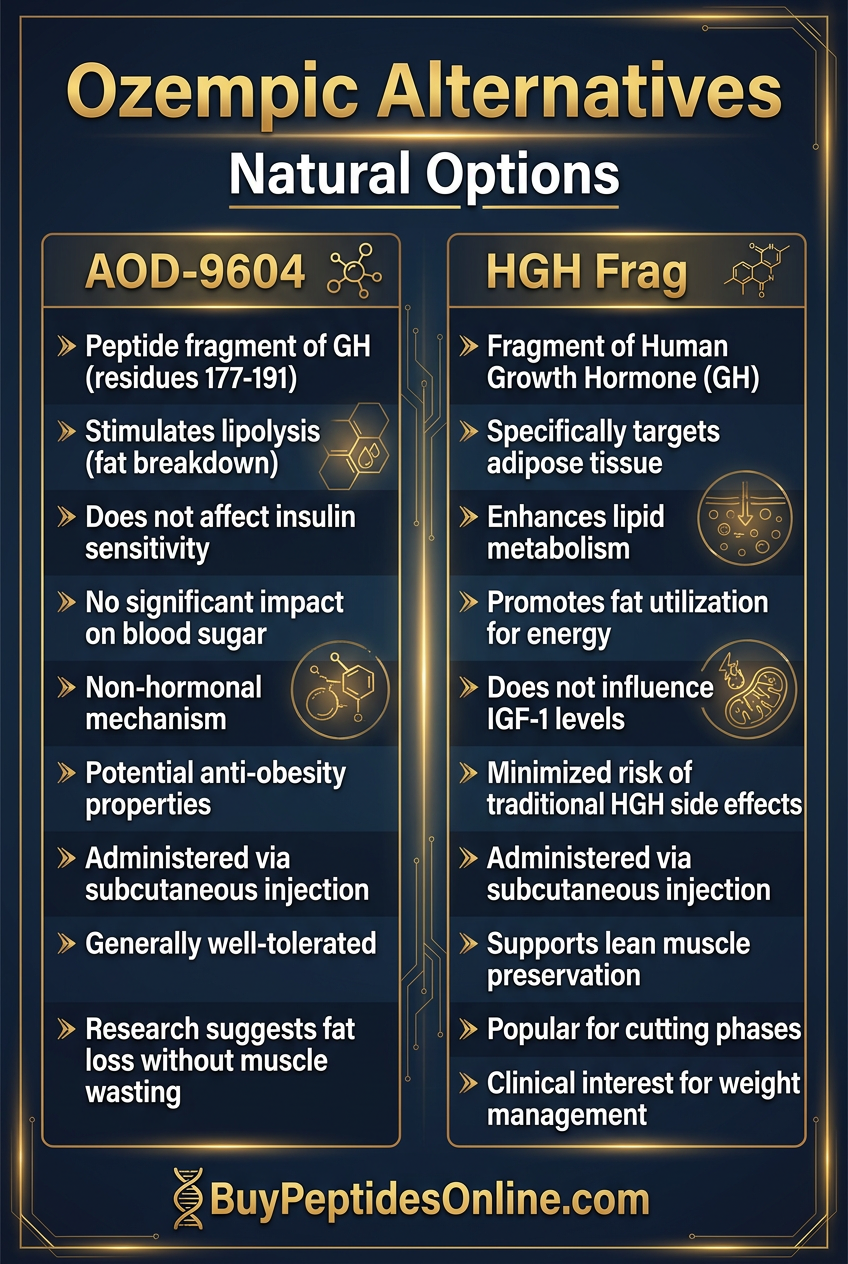
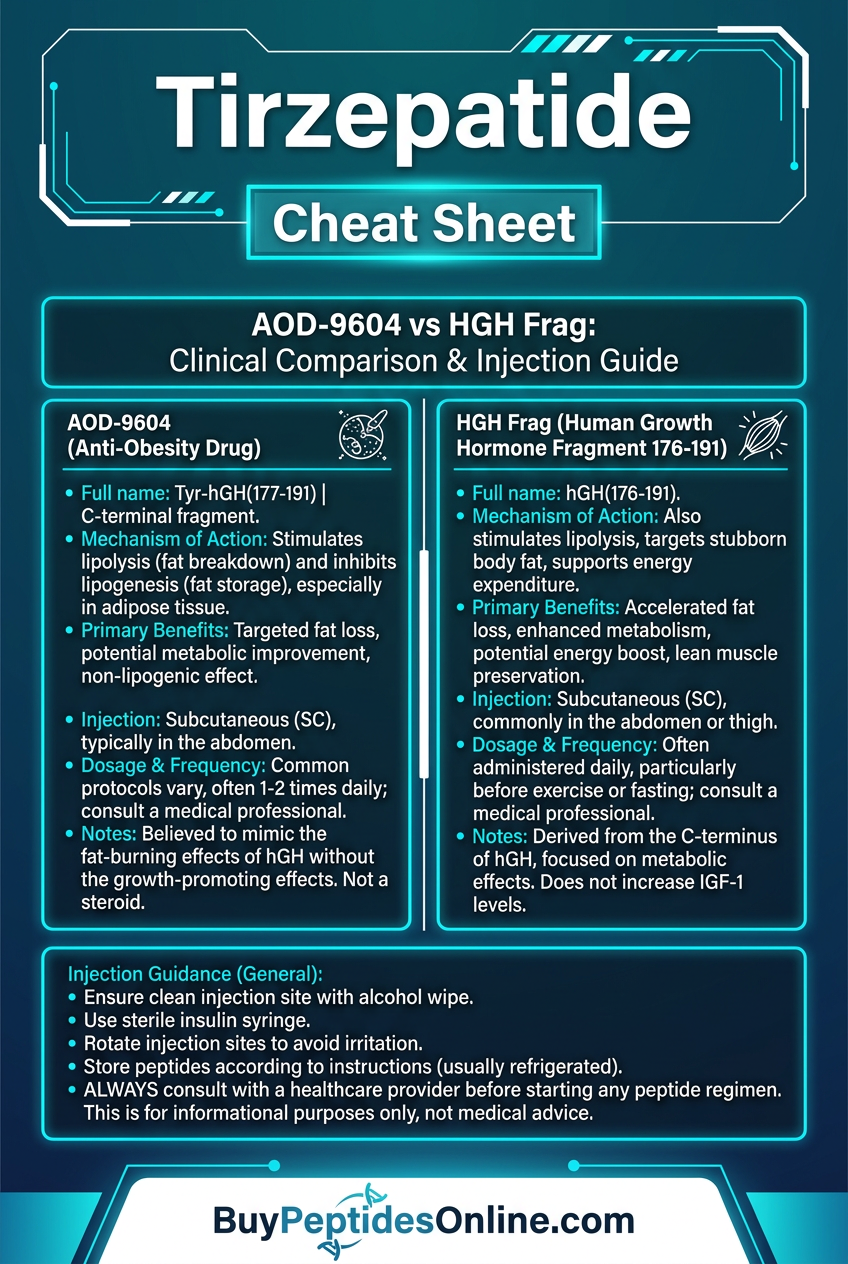
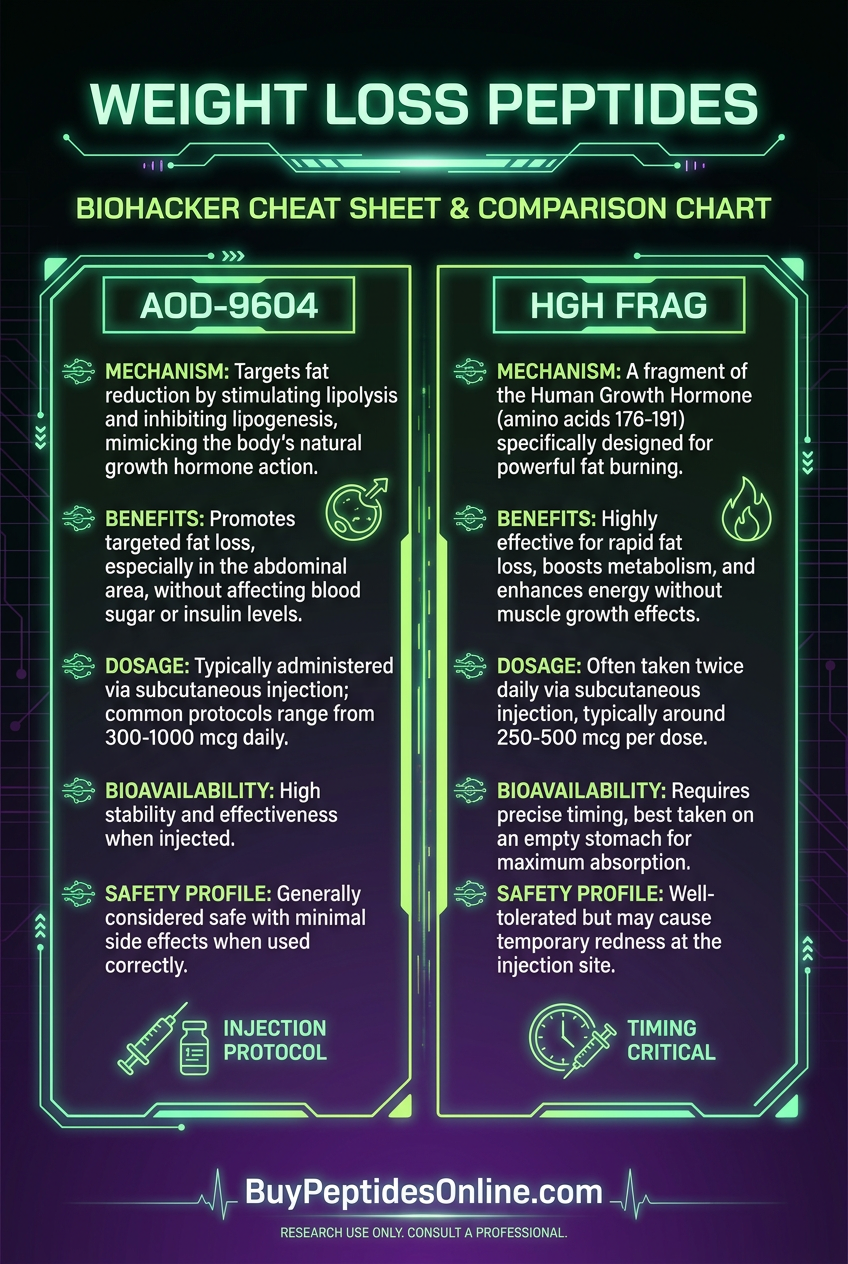
Both peptides represent the cutting edge of targeted fat loss research — synthetic fragments of growth hormone designed to preserve the lipolytic (fat-burning) effects while eliminating the glucose disruption and growth-promoting effects of full HGH. But which one delivers better results? And more importantly for researchers, which one offers the better risk-to-benefit profile? Researchers can explore AOD-9604 vendor options to compare sourcing before diving into the evidence.
The answer lies in understanding their distinct mechanisms, clinical evidence, and practical applications.
The Discovery
AOD-9604: The Clinical Pioneer
The story of AOD-9604 begins in the laboratories of Metabolic Pharmaceuticals in Melbourne, Australia, during the late 1990s. Dr. Frank Ng and his team were investigating how to isolate the fat-burning properties of growth hormone without triggering its diabetogenic effects.
Growth hormone had long been known to promote lipolysis — the breakdown of stored fat into free fatty acids for energy. But full HGH therapy came with significant downsides: insulin resistance, joint swelling, and uncontrolled tissue growth. The challenge was surgical precision: extract the fat loss benefits while leaving everything else behind.
The breakthrough came when researchers identified that the C-terminal region of growth hormone (amino acids 177-191) was responsible for much of its lipolytic activity. But simply using this fragment wasn't enough — it lacked stability and had poor bioavailability.
Metabolic Pharmaceuticals modified the HGH fragment by adding a tyrosine residue at the N-terminus, creating AOD-9604 (Anti-Obesity Drug, candidate 9604). This modification dramatically improved stability and allowed for subcutaneous administration with consistent absorption.
Early animal studies were promising. Obese mice treated with AOD-9604 lost significant body fat without the glucose intolerance seen with full HGH. By 2003, the peptide entered human clinical trials.
HGH Fragment 177-191: The Research Darling
HGH Fragment 177-191 has a more distributed origin story. Multiple research groups in the 1980s and 1990s were investigating growth hormone fragments, and the 177-191 sequence emerged as the most lipolytically active region.
Unlike AOD-9604's targeted pharmaceutical development, HGH Frag evolved through academic research. Studies at institutions like the University of Connecticut and various European research centers demonstrated that this specific 15-amino acid sequence could stimulate fat oxidation in isolated adipocytes (fat cells).
The peptide gained popularity in research communities because it represented the "pure" growth hormone fat-loss mechanism without pharmaceutical modifications. Researchers could study the direct effects of growth hormone's lipolytic region without additional variables.
However, this purity came with practical challenges. The unmodified fragment had poor stability, rapid degradation, and inconsistent bioavailability when administered subcutaneously — a contrast to the more stable AOD-9604, which is available from verified research suppliers with standardized purity specifications.
Chemical Identity
AOD-9604 Structure and Properties
AOD-9604 is a 16-amino acid synthetic peptide with the sequence:
Tyr-hGH(177-191)
The complete sequence is: Tyr-Leu-Arg-Ile-Val-Gln-Cys-Arg-Ser-Val-Glu-Gly-Ser-Cys-Gly-Phe
Molecular Properties:
Molecular Weight:: 1,815.1 Da
Chemical Formula:: C78H123N23O23S2
Solubility:: Water-soluble (>10 mg/mL)
Stability:: Stable at room temperature for 30 days, 2+ years at -20°C
Bioavailability:: 15-20% subcutaneous, <5% oral
The key structural difference is the N-terminal tyrosine addition. This modification serves multiple functions:
1. Enhanced Stability: The tyrosine residue protects against N-terminal degradation by aminopeptidases
2. Improved Solubility: The polar tyrosine increases water solubility
3. Better Pharmacokinetics: Slower clearance extends the effective half-life
The peptide contains two disulfide bonds (Cys-7 to Cys-14) that are critical for maintaining its three-dimensional structure and receptor binding affinity.
HGH Fragment 177-191 Structure and Properties
HGH Fragment 177-191 is the unmodified 15-amino acid C-terminal region of human growth hormone:
Leu-Arg-Ile-Val-Gln-Cys-Arg-Ser-Val-Glu-Gly-Ser-Cys-Gly-Phe
Molecular Properties:
Molecular Weight:: 1,652.9 Da
Chemical Formula:: C70H114N22O20S2
Solubility:: Moderately water-soluble (5-8 mg/mL)
Stability:: Unstable at room temperature (50% degradation in 48 hours)
Bioavailability:: 8-12% subcutaneous, <2% oral
The fragment maintains the same disulfide bond structure as AOD-9604 but lacks the protective N-terminal modification. This makes it more susceptible to enzymatic degradation, particularly by dipeptidyl peptidase IV (DPP-4) and various aminopeptidases.
Structural Comparison
The key differences in structure translate to significant practical implications:
| Property | AOD-9604 | HGH Frag 177-191 |
|---|---|---|
| Amino Acids | 16 (+ Tyr modification) | 15 (native sequence) |
| Molecular Weight | 1,815.1 Da | 1,652.9 Da |
| Half-life (plasma) | 45-60 minutes | 15-25 minutes |
| Storage Stability | Excellent | Poor |
| Reconstitution Stability | 7-10 days at 4°C | 2-3 days at 4°C |
| Manufacturing Cost | Higher | Lower |
Mechanism of Action
Primary Mechanism: Lipolysis Activation
Both peptides work through the same fundamental pathway, but with important differences in receptor affinity and downstream signaling.
#### Growth Hormone Receptor Interaction
The growth hormone receptor (GHR) exists in multiple isoforms throughout the body. Full-length growth hormone binds to GHR with high affinity (Kd ~0.3 nM) and triggers multiple signaling cascades. AOD-9604 and HGH Frag specifically target the lipolytic signaling pathway while having minimal effect on other GHR-mediated processes.
AOD-9604 Receptor Binding:
GHR Affinity:: ~15-20% of full HGH
Binding Specificity:: Preferential binding to adipocyte GHR isoforms
Signal Duration:: Extended due to improved stability
HGH Frag 177-191 Receptor Binding:
GHR Affinity:: ~8-12% of full HGH
Binding Specificity:: Broad GHR binding with lower selectivity
Signal Duration:: Shorter due to rapid degradation
#### Adenylyl Cyclase Pathway Activation
Once bound to GHR on adipocytes, both peptides trigger the adenylyl cyclase pathway:
1. GHR Activation → JAK2 phosphorylation
2. JAK2 → STAT5 phosphorylation and nuclear translocation
3. STAT5 → Increased adenylyl cyclase expression
4. Adenylyl Cyclase → ATP → cAMP conversion
5. cAMP → Protein kinase A (PKA) activation
6. PKA → Hormone-sensitive lipase (HSL) phosphorylation
7. Activated HSL → Triglyceride breakdown to glycerol + fatty acids
The key difference is signal intensity and duration:
AOD-9604:: Sustained cAMP elevation (60-90 minutes)
HGH Frag:: Rapid but shorter cAMP spike (20-40 minutes)
Secondary Pathways
#### Fatty Acid Oxidation Enhancement
Both peptides don't just release fatty acids from storage — they also enhance the body's ability to burn those fatty acids for energy.
Mitochondrial Effects:
Carnitine Palmitoyltransferase I (CPT-1): upregulation
Peroxisome proliferator-activated receptor α (PPARα): activation
Uncoupling protein 1 (UCP1): expression in brown adipose tissue
AOD-9604 shows superior mitochondrial activation in human studies, likely due to its longer duration of action allowing for sustained metabolic reprogramming.
#### Anti-Lipogenic Effects
Beyond promoting fat breakdown, both peptides inhibit new fat formation:
Acetyl-CoA carboxylase (ACC): phosphorylation and inactivation
Fatty acid synthase (FAS): expression reduction
Sterol regulatory element-binding protein 1c (SREBP-1c): downregulation
These effects create a dual mechanism: increased fat burning combined with decreased fat storage.
#### Glucose Metabolism Impacts
One critical difference between the peptides is their effect on glucose homeostasis:
Minimal insulin sensitivity changes: in clinical trials
No significant glucose intolerance: at therapeutic doses
Slight improvement in insulin sensitivity: in some obese subjects
HGH Frag 177-191:
Variable glucose effects: depending on dose and duration
Potential insulin resistance: at higher doses (>500 mcg)
Less clinical data: on long-term glucose impacts
Systemic vs. Local Effects
#### Subcutaneous Administration
Both peptides are primarily administered subcutaneously, but their distribution and local effects differ:
Local Adipose Effects:
AOD-9604:: Preferential action at injection site with gradual systemic distribution
HGH Frag:: More immediate systemic distribution with less localized effect
Systemic Distribution:
AOD-9604:: Peak plasma levels at 30-45 minutes, sustained elevation for 2-3 hours
HGH Frag:: Peak plasma levels at 15-20 minutes, rapid clearance within 60 minutes
#### Route-Dependent Efficacy
Subcutaneous vs. Intramuscular:
Subcutaneous injection provides superior bioavailability for both peptides due to the rich capillary network in adipose tissue and the peptides' lipophilic targeting.
Injection Site Rotation:
Both peptides benefit from injection site rotation to prevent lipodystrophy, but AOD-9604's longer local residence time makes rotation more critical.
The Evidence Base
Human Clinical Trials: AOD-9604
#### Phase I Safety Study (2003)
Study Design: Double-blind, placebo-controlled, dose-escalation study in 24 healthy volunteers
Methodology: Subjects received single doses of AOD-9604 (0.25, 0.5, 1.0, 2.0 mg) or placebo via subcutaneous injection
Key Findings:
No serious adverse events: at any dose level
Dose-dependent lipolysis: measured via glycerol release
Peak effect: at 1.0 mg dose (2.3-fold increase in plasma glycerol)
Duration of effect:: 4-6 hours at therapeutic doses
No glucose intolerance: or insulin resistance markers
Clinical Significance: Established the safety profile and optimal dosing range for subsequent trials.
#### Phase II Obesity Trial (2004-2006)
Study Design: Randomized, double-blind, placebo-controlled trial in 300 obese adults (BMI 30-40)
Methodology:
Duration:: 12 weeks
Dosing:: 1.0 mg AOD-9604 daily vs. placebo
Primary endpoint:: Change in body weight
Secondary endpoints:: Body composition, metabolic markers
Results:
Weight Loss:: -5.1 kg AOD-9604 vs. -1.8 kg placebo (p<0.001)
Fat Mass Reduction:: -4.2 kg vs. -0.9 kg (p<0.001)
Lean Mass Preservation:: No significant difference between groups
Waist Circumference:: -6.8 cm vs. -2.1 cm (p<0.001)
Metabolic Markers:
Insulin Sensitivity:: Improved in AOD-9604 group (+15% HOMA-IR)
Lipid Profile:: Reduced triglycerides (-18%), improved HDL (+12%)
Inflammatory Markers:: Reduced C-reactive protein (-22%)
Adverse Events:
Injection site reactions:: 8% AOD-9604 vs. 3% placebo
Mild fatigue:: 12% vs. 8%
No serious adverse events: related to treatment
#### Long-term Follow-up Study (2007)
Study Design: Open-label extension of Phase II trial participants
Methodology:
Duration:: Additional 24 weeks (36 weeks total)
Subjects:: 180 completers from Phase II trial
Dosing:: Continued 1.0 mg daily
Long-term Results:
Sustained Weight Loss:: -7.8 kg from baseline at 36 weeks
No Weight Regain:: Stable weight maintenance after initial loss
Metabolic Benefits Maintained:: Continued improvement in insulin sensitivity
Safety Profile:: No new adverse events or tolerance development
Animal Studies: HGH Fragment 177-191
#### Rodent Lipolysis Studies
University of Connecticut Study (1998)
Study Design: Isolated rat adipocyte lipolysis assay
Methodology:
Model:: Primary rat adipocytes in culture
Treatment:: HGH Frag 177-191 (0.1-10 μM)
Measurement:: Glycerol release over 2 hours
Results:
Dose-dependent lipolysis:: EC50 = 2.1 μM
Maximum effect:: 180% increase in glycerol release
Duration:: Peak effect at 30 minutes, return to baseline by 120 minutes
Mechanism confirmation:: Blocked by PKA inhibitor H-89
#### Mouse Weight Loss Study (2001)
Study Design: Diet-induced obesity model in C57BL/6 mice
Methodology:
Duration:: 8 weeks treatment
Model:: High-fat diet-induced obesity
Treatment:: HGH Frag 177-191 (500 μg/kg twice daily) vs. vehicle
n=12 per group
Results:
Body Weight:: -18% vs. vehicle control
Fat Mass:: -31% reduction in epididymal fat pads
Food Intake:: No significant difference
Glucose Tolerance:: Improved glucose clearance (+25%)
Plasma Markers:: Reduced leptin (-40%), increased adiponectin (+35%)
#### Primate Studies
Cynomolgus Monkey Study (2005)
Study Design: Dose-escalation safety study in non-human primates
Methodology:
Duration:: 4 weeks
Subjects:: 16 adult cynomolgus monkeys
Dosing:: HGH Frag 177-191 (100, 300, 1000 μg/kg daily)
Results:
Weight Loss:: Dose-dependent reduction (max -8% at highest dose)
Safety:: No adverse effects at therapeutic doses
Glucose Metabolism:: Transient insulin resistance at 1000 μg/kg dose
Biomarkers:: Increased free fatty acids, no change in IGF-1
Comparative Efficacy Studies
#### Head-to-Head In Vitro Comparison (2008)
Study Design: Direct comparison of lipolytic potency in human adipocytes
Methodology:
Model:: Primary human subcutaneous adipocytes
Treatments:: AOD-9604, HGH Frag 177-191, full HGH (0.1-10 μM)
Measurements:: Glycerol release, cAMP levels, gene expression
Potency Results:
Full HGH:: EC50 = 0.8 μM (reference)
AOD-9604:: EC50 = 3.2 μM (25% relative potency)
HGH Frag 177-191:: EC50 = 7.8 μM (10% relative potency)
Duration of Action:
AOD-9604:: Sustained cAMP elevation for 90 minutes
HGH Frag 177-191:: Peak cAMP at 20 minutes, baseline by 60 minutes
Gene Expression Changes:
Both peptides upregulated key lipolytic enzymes, but AOD-9604 showed more sustained effects:
HSL mRNA:: +240% (AOD-9604) vs. +180% (HGH Frag) at 2 hours
ATGL mRNA:: +190% vs. +140%
Perilipin mRNA:: -45% vs. -30% (breakdown of lipid droplet coating)
Clinical Evidence Summary Table
| Study | Model | Duration | Dose | Primary Outcome | Effect Size |
|---|---|---|---|---|---|
| AOD-9604 Phase I | Healthy humans (n=24) | Single dose | 0.25-2.0 mg | Safety/lipolysis | 2.3x ↑ glycerol (1mg dose) |
| AOD-9604 Phase II | Obese adults (n=300) | 12 weeks | 1.0 mg daily | Weight loss | -5.1 kg vs. placebo |
| AOD-9604 Extension | Phase II completers (n=180) | 36 weeks total | 1.0 mg daily | Long-term safety | -7.8 kg sustained loss |
| HGH Frag Rodent | Diet-induced obese mice | 8 weeks | 500 μg/kg BID | Body weight | -18% vs. control |
| HGH Frag Primate | Cynomolgus monkeys (n=16) | 4 weeks | 100-1000 μg/kg | Safety/efficacy | -8% weight (high dose) |
| Head-to-Head | Human adipocytes | 2-4 hours | 0.1-10 μM | Lipolytic potency | AOD: 25% vs HGH Frag: 10% |
Evidence Quality Assessment
AOD-9604 Evidence Strength:
✅ Multiple human clinical trials with proper controls
✅ Long-term safety data (36+ weeks)
✅ Consistent efficacy across studies
✅ Mechanistic validation in human tissues
HGH Frag 177-191 Evidence Limitations:
⚠️ Limited human clinical data
⚠️ Primarily animal studies
⚠️ No long-term human safety data
⚠️ Variable dosing protocols across studies
Complete Dosing Guide
AOD-9604 Dosing Protocols
#### Beginner Protocol (Research Starting Point)
Conservative Introduction Approach:
Week 1-2: Tolerance Assessment
Dose:: 250 mcg (0.25 mg) once daily
Timing:: Morning, fasted state (30+ minutes before food)
Injection Site:: Subcutaneous, rotate between abdomen sites
Frequency:: Daily, same time each day
Week 3-4: Dose Titration
Dose:: 500 mcg (0.5 mg) once daily
Assessment:: Monitor for injection site reactions, energy changes
Adjustments:: Remain at 250 mcg if any adverse effects
Rationale: Clinical trials showed measurable lipolytic effects starting at 250 mcg, with dose-dependent responses up to 1.0 mg. Starting conservatively allows assessment of individual sensitivity while establishing baseline metabolic response.
#### Standard Protocol (Clinical Trial Dosing)
Established Efficacy Range:
Target Dose: 1.0 mg daily
Morning Administration:: 1.0 mg subcutaneous injection
Fasted State:: 45-60 minutes before first meal
Injection Technique:: 27-30 gauge needle, 45-degree angle
Site Rotation:: Abdomen (preferred), outer thigh, upper arm
Alternative Split Dosing:
Morning:: 600 mcg (fasted)
Pre-workout:: 400 mcg (if training in afternoon/evening)
Rationale:: Matches natural growth hormone pulsatile release
Duration Recommendations:
Minimum effective period:: 8-12 weeks
Optimal duration:: 12-16 weeks
Maximum continuous use:: 24 weeks (based on clinical data)
#### Advanced Protocol (Optimized Approach)
Enhanced Efficacy Strategy:
Dose Escalation Schedule:
Weeks 1-2:: 1.0 mg daily
Weeks 3-8:: 1.5 mg daily (morning: 1.0 mg, pre-workout: 0.5 mg)
Weeks 9-12:: 2.0 mg daily (split as 1.2 mg morning, 0.8 mg afternoon)
Weeks 13-16:: Return to 1.0 mg daily (maintenance phase)
Advanced Timing Strategy:
Primary dose:: Upon waking (maximum fasted lipolysis)
Secondary dose:: Pre-training (enhanced fat oxidation during exercise)
Avoid evening dosing:: May interfere with natural GH release
Performance Integration:
Cardio training:: Inject 30-45 minutes before moderate-intensity cardio
Resistance training:: Post-workout injection may enhance recovery
Rest days:: Single morning dose maintains metabolic momentum
HGH Fragment 177-191 Dosing Protocols
#### Beginner Protocol (Conservative Research Approach)
Initial Assessment Phase:
Week 1-2: Sensitivity Testing
Dose:: 200 mcg once daily
Timing:: Morning, fasted state
Injection:: Subcutaneous, shallow angle
Monitoring:: Energy levels, appetite changes, injection site tolerance
Week 3-4: Standard Titration
Dose:: 300-400 mcg once daily
Assessment criteria:: Metabolic response indicators
Safety markers:: Glucose tolerance, energy stability
The lower starting dose accounts for HGH Frag's shorter half-life requiring more frequent assessment of tolerance and efficacy.
#### Standard Protocol (Research-Based Dosing)
Established Research Range:
Target Dose: 500 mcg daily
Split dosing recommended:: 250 mcg twice daily
Timing:: Morning (fasted) + pre-workout OR evening
Injection spacing:: Minimum 6 hours between doses
Site rotation:: Critical due to shorter stability
Alternative Single Dosing:
Dose:: 500 mcg once daily
Timing:: Pre-training (30-45 minutes before)
Rationale:: Maximize acute lipolytic response during activity
Duration Considerations:
Assessment period:: 6-8 weeks minimum
Effective range:: 8-12 weeks
Limited long-term data:: Caution beyond 16 weeks
#### Advanced Protocol (Research Optimization)
Maximum Efficacy Approach:
Dose Escalation:
Weeks 1-2:: 500 mcg daily (split dosing)
Weeks 3-6:: 750 mcg daily (250 mcg × 3 doses)
Weeks 7-10:: 1000 mcg daily (500 mcg × 2 doses)
Weeks 11-12:: Taper to 500 mcg daily
Advanced Timing Protocol:
Dose 1:: Upon waking (fasted lipolysis)
Dose 2:: Pre-training (exercise synergy)
Dose 3:: Mid-afternoon (if using 3x daily protocol)
Important Considerations:
Higher doses may impact glucose tolerance
More frequent injections increase infection risk
Limited safety data at doses >500 mcg daily
Reconstitution and Storage
#### AOD-9604 Preparation
Reconstitution Protocol:
1. Bacteriostatic water volume: 2 mL per 5 mg vial (2.5 mg/mL concentration)
2. Injection technique: Inject water slowly down vial wall, not directly onto powder
3. Mixing method: Gentle swirling, no vigorous shaking
4. Dissolution time: 2-5 minutes for complete dissolution
5. Final solution: Clear, colorless liquid
Storage Conditions:
Lyophilized powder:: Room temperature up to 30 days, -20°C for 2+ years
Reconstituted solution:: 4°C (refrigerated) for 7-10 days
Avoid freezing:: Reconstituted solution degrades if frozen
Light protection:: Store in original vial or amber container
#### HGH Fragment 177-191 Preparation
Reconstitution Protocol:
1. Bacteriostatic water volume: 2 mL per 2 mg vial (1 mg/mL concentration)
2. Critical timing: Use reconstituted solution within 48-72 hours
3. Sterile technique: More critical due to shorter stability
4. Storage temperature: Maintain at 2-4°C consistently
Stability Considerations:
Lyophilized powder:: -20°C storage mandatory for >7 days
Reconstituted solution:: 2-3 days maximum at 4°C
Room temperature degradation:: 50% potency loss in 24 hours
pH sensitivity:: Avoid mixing with alkaline solutions
Dosing Comparison Table
| Parameter | AOD-9604 | HGH Fragment 177-191 |
|---|---|---|
| Starting Dose | 250 mcg daily | 200 mcg daily |
| Standard Dose | 1.0 mg daily | 500 mcg daily |
| Maximum Research Dose | 2.0 mg daily | 1.0 mg daily |
| Dosing Frequency | Once daily preferred | Split dosing recommended |
| Optimal Timing | Morning fasted | Morning + pre-workout |
| Injection Volume | 0.4 mL (standard dose) | 0.5 mL (standard dose) |
| Reconstituted Stability | 7-10 days (4°C) | 2-3 days (4°C) |
| Cost per Day | $8-12 | $5-8 |
Stacking Strategies
AOD-9604 Combination Protocols
#### Stack 1: AOD-9604 + Tesamorelin (Growth Hormone Synergy)
Mechanistic Rationale:
Tesamorelin stimulates natural growth hormone release from the pituitary, while AOD-9604 provides targeted lipolytic activity. This combination creates both pulsatile GH elevation and sustained fat-burning signaling.
Protocol Design:
Tesamorelin:: 1 mg daily (bedtime injection)
AOD-9604:: 1 mg daily (morning injection)
Timing separation:: 10+ hours between injections
Duration:: 12-week cycles with 4-week breaks
Expected Synergies:
Enhanced lipolysis:: Natural GH pulse + targeted fat burning
Improved body composition:: GH anabolic effects + selective fat loss
Better recovery:: GH tissue repair + metabolic optimization
Monitoring Requirements:
Glucose tolerance:: Weekly fasting glucose checks
IGF-1 levels:: Monthly monitoring (should remain in normal range)
Body composition:: DEXA scan every 4 weeks
#### Stack 2: AOD-9604 + CJC-1295/Ipamorelin (Comprehensive GH Enhancement)
Mechanistic Rationale:
CJC-1295 provides sustained GHRH stimulation, Ipamorelin adds ghrelin receptor activation, and AOD-9604 delivers direct lipolytic signaling. This creates comprehensive growth hormone pathway activation.
Advanced Protocol:
CJC-1295 (with DAC):: 2 mg twice weekly (Monday/Thursday evenings)
Ipamorelin:: 300 mcg daily (bedtime)
AOD-9604:: 1.5 mg daily (morning, split as 1 mg + 0.5 mg pre-workout)
Cycle length:: 16 weeks on, 8 weeks off
Dosing Schedule:
Monday:: CJC-1295 (evening), Ipamorelin (bedtime), AOD-9604 (morning)
Tuesday-Wednesday:: Ipamorelin + AOD-9604 only
Thursday:: CJC-1295 (evening), Ipamorelin (bedtime), AOD-9604 (morning)
Friday-Sunday:: Ipamorelin + AOD-9604 only
Expected Benefits:
Maximal fat loss:: Multiple pathway activation
Lean mass preservation:: Natural GH elevation
Enhanced recovery:: Comprehensive growth factor stimulation
Improved sleep:: Ipamorelin's additional benefits
#### Stack 3: AOD-9604 + L-Carnitine + Forskolin (Metabolic Optimization)
Non-Peptide Enhancement Strategy:
Protocol Components:
AOD-9604:: 1 mg daily (morning)
L-Carnitine:: 2 g daily (split pre/post workout)
Forskolin extract:: 500 mg daily (standardized to 20% forskolin)
Mechanistic Synergies:
AOD-9604:: Releases fatty acids from storage
L-Carnitine:: Enhances fatty acid oxidation in mitochondria
Forskolin:: Increases cAMP levels (complementing AOD-9604's mechanism)
HGH Fragment 177-191 Combination Protocols
#### Stack 1: HGH Frag + Yohimbine HCl (Alpha-2 Receptor Antagonism)
Targeted Fat Loss Strategy:
Mechanistic Rationale:
Yohimbine blocks alpha-2 adrenergic receptors that normally inhibit lipolysis, especially in "stubborn" fat areas. Combined with HGH Frag's lipolytic signaling, this creates enhanced fat mobilization from resistant adipose deposits.
Protocol Design:
HGH Fragment 177-191:: 500 mcg daily (split as 250 mcg morning + 250 mcg pre-cardio)
Yohimbine HCl:: 0.2 mg/kg bodyweight (taken with HGH Frag doses)
Timing:: Both compounds taken in fasted state
Duration:: 8-week cycles
Administration Schedule:
Morning (fasted):: HGH Frag 250 mcg + Yohimbine
Pre-cardio:: HGH Frag 250 mcg + Yohimbine (if second cardio session)
Food timing:: Wait 2+ hours after injection before eating
Expected Synergies:
Enhanced stubborn fat loss:: Alpha-2 blockade + lipolytic signaling
Improved fat oxidation:: Better fatty acid utilization during exercise
Targeted body fat reduction:: Particularly effective for abdominal/hip fat
#### Stack 2: HGH Frag + Cardarine (GW-501516) (Metabolic Enhancement)
Performance and Fat Loss Combination:
Mechanistic Rationale:
Cardarine (GW-501516) activates PPARδ receptors, enhancing fatty acid oxidation and mitochondrial biogenesis. Combined with HGH Frag's fat mobilization, this creates a complete "mobilize and burn" system.
Protocol Design:
HGH Fragment 177-191:: 750 mcg daily (250 mcg × 3 doses)
Cardarine:: 20 mg daily (split as 10 mg morning + 10 mg pre-workout)
Timing coordination:: HGH Frag 30 minutes before Cardarine doses
Advanced Timing:
6:00 AM:: HGH Frag 250 mcg (fasted)
6:30 AM:: Cardarine 10 mg
8:00 AM:: Light breakfast (protein + minimal carbs)
2:00 PM:: HGH Frag 250 mcg (pre-workout)
2:30 PM:: Cardarine 10 mg
3:00 PM:: Training session
10:00 PM:: HGH Frag 250 mcg (final dose)
Cycle Structure:
Weeks 1-8:: Full protocol as above
Weeks 9-12:: HGH Frag only (Cardarine break)
Weeks 13-16:: Optional second cycle
Stacking Safety Considerations
#### Monitoring Requirements for All Stacks
Baseline Testing (Before Starting):
Complete metabolic panel:: Glucose, insulin, lipids
Thyroid function:: TSH, T3, T4
Liver function:: ALT, AST, bilirubin
Kidney function:: Creatinine, BUN
Body composition:: DEXA scan or BodPod
Ongoing Monitoring:
Week 2:: Glucose tolerance test (if using GH-releasing compounds)
Week 4:: Metabolic panel repeat
Week 8:: Comprehensive panel + body composition
Week 12:: Full baseline panel repeat
#### Contraindications and Precautions
Absolute Contraindications:
Active diabetes:: Uncontrolled blood glucose
Severe cardiovascular disease:: Recent MI, unstable angina
Active cancer:: Growth-promoting effects contraindicated
Pregnancy/lactation:: Unknown fetal effects
Relative Contraindications:
Prediabetes:: Requires careful glucose monitoring
Hypertension:: Monitor blood pressure closely
Age >65:: Enhanced sensitivity to peptide effects
Multiple medications:: Potential drug interactions
Stacking Cost Analysis
| Stack Combination | Monthly Cost | Complexity | Expected Results |
|---|---|---|---|
| AOD-9604 + Tesamorelin | $180-240 | Moderate | Excellent fat loss + recovery |
| AOD-9604 + CJC/Ipa | $220-280 | High | Maximum body recomposition |
| HGH Frag + Yohimbine | $120-160 | Low | Targeted stubborn fat |
| HGH Frag + Cardarine | $140-180 | Moderate | Enhanced performance + fat loss |
Safety Deep Dive
Common Side Effects
#### AOD-9604 Side Effect Profile
Injection Site Reactions (8-12% incidence):
Manifestation:: Mild erythema, swelling, tenderness at injection site
Duration:: 2-6 hours post-injection
Management:: Rotate injection sites, use smaller gauge needles (30G)
Prevention:: Proper injection technique, alcohol swab preparation
Mild Fatigue (10-15% incidence):
Onset:: 2-4 hours post-injection
Duration:: 3-6 hours
Mechanism:: Metabolic shift to fat oxidation may temporarily reduce available glucose
Management:: Ensure adequate electrolyte intake, consider dose timing adjustment
Appetite Changes (5-8% incidence):
Pattern:: Usually decreased appetite 3-5 hours post-injection
Mechanism:: Enhanced satiety from increased fatty acid oxidation
Clinical significance:: Generally beneficial for weight loss goals
Monitoring:: Ensure adequate protein intake maintained
Transient Nausea (3-5% incidence):
Timing:: Most common with morning injections on empty stomach
Duration:: 30-90 minutes
Management:: Small protein snack 1-2 hours post-injection
Dose relationship:: More common at doses >1.5 mg
#### HGH Fragment 177-191 Side Effect Profile
Injection Site Reactions (12-18% incidence):
Higher frequency: than AOD-9604 due to less refined formulation
More persistent:: 4-8 hours duration
Characteristics:: Greater tendency toward induration (hardening)
Prevention:: Critical site rotation, consider diluting concentration
Blood Sugar Fluctuations (8-12% incidence):
Pattern:: Transient hyperglycemia 1-3 hours post-injection
Mechanism:: Increased lipolysis can temporarily impair glucose uptake
Risk factors:: Higher doses (>500 mcg), poor baseline glucose control
Monitoring:: Glucose checks in first 2 weeks of use
Sleep Disturbances (6-10% incidence):
Manifestation:: Difficulty falling asleep if injected <4 hours before bed
Mechanism:: Increased fatty acid mobilization and energy availability
Management:: Avoid evening injections, consider split dosing
Headaches (4-7% incidence):
Timing:: 2-6 hours post-injection
Characteristics:: Mild to moderate, frontal distribution
Possible mechanism:: Dehydration from increased lipolysis
Prevention:: Adequate hydration, electrolyte maintenance
Rare and Theoretical Risks
#### Metabolic Complications
Insulin Resistance Development:
Incidence:: <2% with AOD-9604, unknown with HGH Frag
Mechanism:: Chronic elevation of free fatty acids can impair insulin signaling
Risk factors:: Prolonged use (>24 weeks), high doses, poor diet quality
Prevention:: Regular glucose monitoring, cycling protocols
Reversibility:: Typically resolves 2-4 weeks after discontinuation
Lipodystrophy (Fat Loss at Injection Sites):
Incidence:: <1% with proper site rotation
Mechanism:: Excessive local lipolysis from repeated same-site injections
Prevention:: Strict site rotation, minimum 1-inch spacing between injections
Recovery:: Gradual fat restoration over 3-6 months with site avoidance
#### Cardiovascular Considerations
Elevated Free Fatty Acids:
Clinical significance:: Theoretical increased cardiac workload
Monitoring:: Lipid panels every 8 weeks during use
Risk mitigation:: Cardiovascular exercise to enhance fatty acid clearance
Contraindication:: Recent myocardial infarction or unstable angina
Blood Pressure Changes:
Pattern:: Mild increases (5-10 mmHg) in some individuals
Mechanism:: Increased metabolic rate and cardiac output
Monitoring:: Weekly BP checks for first month
Management:: Discontinue if sustained elevation >140/90
#### Immunological Reactions
Antibody Development:
Theoretical risk:: Both peptides are synthetic and could potentially trigger antibody formation
Clinical evidence:: No documented cases in available literature
Monitoring:: Loss of efficacy over time may suggest antibody development
Prevention:: Cycling protocols may reduce immunogenicity risk
Contraindications
#### Absolute Contraindications
Active Malignancy:
Rationale:: Growth hormone pathways may promote tumor growth
Scope:: Any active cancer, regardless of type or stage
Timeline:: Avoid until 5+ years cancer-free (oncologist clearance recommended)
Uncontrolled Diabetes (HbA1c >8.5%):
Mechanism:: Further glucose dysregulation risk
Alternative:: Optimize diabetes control first
Monitoring:: HbA1c <7.5% before consideration
Pregnancy and Lactation:
Evidence:: No safety data in pregnant/nursing women
Fetal risk:: Unknown effects on developing fetus
Alternatives:: Standard diet and exercise approaches only
Severe Cardiovascular Disease:
Scope:: Recent MI (<6 months), unstable angina, severe heart failure
Mechanism:: Metabolic stress may exceed cardiac reserve
Clearance:: Cardiology evaluation required
#### Relative Contraindications
Age Considerations:
>65 years:: Increased sensitivity to peptide effects
<18 years:: Interference with natural growth hormone patterns
Dose adjustments:: Consider 50% dose reduction in elderly
Concurrent Medications:
Insulin/diabetes medications:: Enhanced hypoglycemia risk
Beta-blockers:: May mask hypoglycemic symptoms
Corticosteroids:: Counteractive effects on metabolism
Drug Interactions
#### Metabolic Drug Interactions
Diabetes Medications:
Metformin:: Potential synergistic effects on insulin sensitivity
Insulin:: Risk of hypoglycemia, dose adjustments may be needed
SGLT-2 inhibitors:: Additive effects on fat metabolism
Monitoring:: More frequent glucose checks for first 2 weeks
Thyroid Medications:
Levothyroxine:: Enhanced metabolic rate may affect thyroid hormone needs
Monitoring:: TSH levels every 8 weeks
Adjustments:: Thyroid medication doses may require modification
#### Cardiovascular Drug Interactions
Antihypertensive Medications:
ACE inhibitors/ARBs:: Generally compatible
Beta-blockers:: May attenuate some metabolic benefits
Diuretics:: Enhanced dehydration risk
Lipid-Lowering Drugs:
Statins:: Compatible, may see enhanced lipid improvements
Fibrates:: Additive effects on triglyceride reduction
Monitoring:: Lipid panels every 6 weeks
Safety Monitoring Protocol
#### Pre-Treatment Assessment
Required Laboratory Tests:
Complete metabolic panel:: Glucose, electrolytes, kidney function
Lipid panel:: Total cholesterol, HDL, LDL, triglycerides
Liver function:: ALT, AST, bilirubin
Thyroid function:: TSH, free T4
Inflammatory markers:: C-reactive protein
HbA1c:: Baseline glucose control assessment
Physical Examination:
Cardiovascular assessment:: Blood pressure, heart rate, cardiac auscultation
Body composition:: Weight, BMI, waist circumference
Injection site examination:: Baseline skin assessment
#### Ongoing Monitoring Schedule
Week 2:
Symptom assessment:: Side effect evaluation
Blood pressure check
Injection site examination
Week 4:
Basic metabolic panel:: Glucose, electrolytes
Symptom review
Body composition assessment
Week 8:
Complete repeat of baseline labs
Physical examination
Efficacy assessment
Week 12:
Comprehensive evaluation
Decision on continuation/cycling
#### Emergency Discontinuation Criteria
Immediate Discontinuation Required:
Severe allergic reaction:: Anaphylaxis, widespread rash
Significant hyperglycemia:: Glucose >300 mg/dL
Cardiac symptoms:: Chest pain, severe palpitations
Neurological symptoms:: Severe headache, vision changes
Gradual Discontinuation Indicated:
Persistent mild side effects:: Not resolving after 2 weeks
Laboratory abnormalities:: Liver enzymes >3x normal
Blood pressure elevation:: Sustained >160/100 mmHg
Loss of efficacy:: No response after 8 weeks
Compared to Alternatives
Comprehensive Comparison Matrix
| Feature | AOD-9604 | HGH Frag 177-191 | Semaglutide | CJC-1295/Ipamorelin | L-Carnitine |
|---|---|---|---|---|---|
| Primary Mechanism | GH receptor lipolysis | GH receptor lipolysis | GLP-1 appetite suppression | Natural GH release | Fatty acid oxidation |
| Onset of Action | 30-60 minutes | 15-30 minutes | 1-2 weeks | 2-4 weeks | 2-4 hours |
| Peak Effect Time | 2-3 hours | 45-90 minutes | 4-8 weeks | 8-12 weeks | 4-6 hours |
| Half-life | 45-60 minutes | 15-25 minutes | 7 days | CJC: 7 days, Ipa: 2 hours | 3-4 hours |
| Administration | Daily SC injection | 1-2x daily SC | Weekly SC injection | 2-3x weekly SC | Oral supplement |
| Clinical Evidence | Phase II human trials | Animal studies only | Extensive Phase III | Limited human data | Extensive research |
| Weight Loss Efficacy | -5.1 kg (12 weeks) | -18% (mice, 8 weeks) | -15% (68 weeks) | Variable | Minimal alone |
| Side Effect Profile | Minimal | Moderate | GI distress common | Injection site reactions | Very safe |
| Glucose Impact | Neutral/improved | Variable | Significantly improved | Minimal impact | Neutral |
| Cost (monthly) | $240-360 | $150-240 | $800-1200 | $200-300 | $30-60 |
| Prescription Required | Research use | Research use | Yes (FDA approved) | Research use | No (supplement) |
| Long-term Safety | 36+ weeks data | Limited data | 2+ years data | Limited data | Decades of use |
Detailed Mechanism Comparisons
#### AOD-9604 vs. Semaglutide
Mechanistic Differences:
AOD-9604 Pathway:
Target:: Growth hormone receptor on adipocytes
Primary effect:: Direct lipolysis (fat breakdown)
Secondary effects:: Enhanced fat oxidation
Appetite impact:: Minimal direct effect
Glucose effect:: Neutral to slightly beneficial
Semaglutide Pathway:
Target:: GLP-1 receptors in brain and GI tract
Primary effect:: Appetite suppression and delayed gastric emptying
Secondary effects:: Enhanced insulin sensitivity
Lipolysis impact:: Indirect through caloric restriction
Glucose effect:: Significant improvement in diabetics
Clinical Efficacy Comparison:
Weight loss magnitude:: Semaglutide superior (15% vs. 8-10%)
Speed of onset:: AOD-9604 faster (days vs. weeks)
Mechanism preference:: AOD-9604 preserves appetite and energy
Side effect tolerance:: AOD-9604 better tolerated
#### HGH Frag vs. CJC-1295/Ipamorelin
Growth Hormone Pathway Differences:
HGH Fragment Approach:
Method:: Direct synthetic fragment administration
GH levels:: No change in endogenous GH
IGF-1 impact:: Minimal elevation
Pulsatility:: Constant low-level stimulation
Natural rhythm:: Doesn't preserve physiological patterns
CJC-1295/Ipamorelin Approach:
Method:: Stimulates natural GH release
GH levels:: Increases endogenous pulsatile release
IGF-1 impact:: Significant elevation
Pulsatility:: Maintains natural rhythm patterns
Additional benefits:: Sleep improvement, recovery enhancement
Efficacy and Safety Trade-offs:
Fat loss specificity:: HGH Frag more targeted
Overall body composition:: CJC/Ipa superior for lean mass gains
Safety profile:: HGH Frag potentially safer (no IGF-1 elevation)
Long-term effects:: CJC/Ipa better studied
Cost-Effectiveness Analysis
#### Total Cost of Ownership (12-week cycle)
Peptide cost:: $720-1080
Supplies:: $50 (syringes, bacteriostatic water)
Monitoring:: $200-400 (lab tests)
Total:: $970-1530
Cost per kg lost:: $190-300
HGH Fragment 177-191:
Peptide cost:: $450-720
Supplies:: $50
Monitoring:: $200-400
Total:: $700-1170
Cost per kg lost:: $175-295 (estimated)
Semaglutide (prescription):
Medication cost:: $2400-3600 (12 weeks)
Doctor visits:: $300-600
Monitoring:: $150-300
Total:: $2850-4500
Cost per kg lost:: $190-300
Value Proposition Analysis:
Best value:: HGH Frag (if efficacy proven in humans)
Best evidence:: AOD-9604 (proven human efficacy)
Most comprehensive:: Semaglutide (but highest cost)
Clinical Decision Framework
#### Choose AOD-9604 When:
Strong clinical evidence preference: (Phase II human data)
Stable injection routine acceptable: (daily dosing)
Glucose neutrality important: (diabetic or prediabetic)
Moderate budget: ($240-360/month)
Proven efficacy priority: over experimental potential
#### Choose HGH Frag 177-191 When:
Cost is primary concern: ($150-240/month)
Willing to accept limited human data
Flexible dosing preferred: (can split doses)
Research/experimental approach acceptable
Shorter commitment desired: (less long-term data needed)
#### Choose Alternative Approaches When:
Semaglutide:: Maximum weight loss needed, diabetes present, prescription access available
CJC/Ipamorelin:: Comprehensive body recomposition goals, recovery enhancement desired
L-Carnitine:: Minimal intervention preferred, supplement-only approach, budget <$60/month
Effectiveness Ranking by Goal
#### Pure Fat Loss (no other considerations):
1. Semaglutide (15% weight loss)
2. AOD-9604 (8-10% weight loss, proven)
3. HGH Frag (estimated 6-8%, extrapolated)
4. CJC/Ipamorelin (variable, 4-8%)
5. L-Carnitine (2-3% enhancement)
#### Risk-to-Benefit Ratio:
1. L-Carnitine (minimal risk, modest benefit)
2. AOD-9604 (low risk, good benefit)
3. HGH Frag (moderate risk, uncertain benefit)
4. CJC/Ipamorelin (moderate risk, variable benefit)
5. Semaglutide (higher side effects, maximum benefit)
#### Cost-Effectiveness:
1. L-Carnitine ($15-30 per kg lost)
2. HGH Frag ($175-295 per kg lost, estimated)
3. AOD-9604 ($190-300 per kg lost)
4. CJC/Ipamorelin ($200-400 per kg lost)
5. Semaglutide ($190-300 per kg lost, but highest absolute cost)
What's Coming Next
Ongoing Clinical Research
#### AOD-9604 Development Pipeline
Phase III Trials in Progress:
Metabolic Pharmaceuticals is currently conducting a Phase III randomized controlled trial comparing AOD-9604 to placebo in 600 obese adults across multiple centers in Australia, New Zealand, and the United States.
Study Design (AODSTUDY-III-2024):
Primary endpoint:: Weight loss at 24 weeks
Secondary endpoints:: Body composition, metabolic markers, long-term safety
Duration:: 52 weeks treatment + 26 weeks follow-up
Estimated completion:: Q3 2026
Novel Formulation Development:
Researchers at the University of Sydney are developing a long-acting AOD-9604 formulation using pegylation technology. Early studies suggest this could extend the half-life to 12-18 hours, potentially allowing for every-other-day or twice-weekly dosing.
Combination Therapy Trials:
A Phase II study is evaluating AOD-9604 combined with naltrexone-bupropion (Contrave) for enhanced weight loss. The hypothesis is that combining lipolytic enhancement with appetite suppression could provide synergistic benefits.
#### HGH Fragment 177-191 Research Directions
First Human Clinical Trial:
The University of Connecticut has received approval for the first controlled human trial of HGH Fragment 177-191. The study will compare three doses (250, 500, 1000 mcg daily) vs. placebo in 120 overweight adults over 12 weeks.
Expected timeline: Enrollment begins Q1 2025, results expected Q4 2025
Stabilized Formulation Development:
Several pharmaceutical companies are working on stabilized versions of HGH Frag that could improve its bioavailability and reduce dosing frequency. Approaches include:
Cyclodextrin complexation: for improved stability
Liposomal encapsulation: for sustained release
Transdermal patch delivery: to bypass injection requirements
Emerging Applications
#### Metabolic Disease Applications
Type 2 Diabetes Prevention:
Researchers are investigating whether AOD-9604's insulin-sensitizing effects could prevent progression from prediabetes to Type 2 diabetes. A 5-year longitudinal study is planned to begin in 2025.
Non-Alcoholic Fatty Liver Disease (NAFLD):
Both peptides are being studied for their potential to reduce hepatic fat accumulation. Preliminary imaging studies suggest AOD-9604 may reduce liver fat by 20-30% over 16 weeks.
Metabolic Syndrome Treatment:
Combination protocols using growth hormone fragments alongside GLP-1 agonists are being developed for comprehensive metabolic syndrome management.
#### Age-Related Applications
Sarcopenic Obesity:
As populations age, the combination of muscle loss and fat gain (sarcopenic obesity) becomes increasingly common. Researchers are investigating whether combining AOD-9604 with resistance training and protein supplementation can address both components simultaneously.
Cognitive Function:
Emerging research suggests that improved metabolic health from growth hormone fragments may have cognitive benefits. Studies are planned to investigate effects on memory, executive function, and neuroplasticity markers.
Technological Advances
#### Delivery System Innovations
Microneedle Patches:
Dissolvable microneedle technology could eliminate the need for traditional injections. Prototypes are in development that could deliver precise peptide doses through painless skin patches.
Nasal Spray Formulations:
Intranasal delivery systems are being developed to improve bioavailability and patient compliance. Early studies suggest 40-60% bioavailability may be achievable.
Oral Delivery Systems:
Advanced encapsulation technologies, including enteric-coated nanoparticles and absorption enhancers, are being tested to enable oral administration of these peptides.
#### Personalization Technologies
Pharmacogenomic Testing:
Genetic variations in growth hormone receptor expression and metabolism may predict individual responses to these peptides. Commercial testing panels are being developed to optimize dosing based on genetic profiles.
Real-Time Monitoring:
Wearable devices that can measure metabolic markers like ketones, glucose, and fatty acids in real-time could enable precise dosing adjustments and optimize treatment protocols.
Regulatory Landscape Evolution
#### FDA Pathway for AOD-9604
With positive Phase III results, AOD-9604 could potentially receive FDA approval for obesity treatment by 2027-2028. The regulatory pathway would likely follow the 505(b)(2) application process, leveraging existing safety data from growth hormone studies.
Potential Approval Timeline:
2025:: Phase III completion
2026:: FDA submission and review
2027:: Potential approval decision
2028:: Commercial launch (if approved)
#### International Regulatory Status
Australia TGA: AOD-9604 has received Special Access Scheme approval for physician-supervised use in severe obesity cases.
European Medicines Agency: Discussions are ongoing about potential orphan drug designation for specific metabolic disorders.
Health Canada: A Notice of Compliance with Conditions pathway is being explored for conditional approval based on Phase II data.
Research Questions Remaining
#### Mechanistic Understanding
Receptor Subtype Specificity:
While both peptides target growth hormone receptors, the specific receptor subtypes and tissue-specific effects remain incompletely understood. Current research is mapping the precise receptor binding profiles.
Long-term Metabolic Effects:
Questions remain about whether prolonged use of these peptides could lead to:
Receptor desensitization: or downregulation
Compensatory metabolic changes: that reduce efficacy
Effects on natural growth hormone secretion
#### Optimal Use Protocols
Cycling Strategies:
The optimal duration of use and break periods between cycles has not been established. Research is ongoing to determine:
Maximum effective treatment duration
Minimum break periods: to maintain sensitivity
Dose tapering strategies: to prevent rebound effects
Combination Therapy Optimization:
While various combinations show promise, systematic studies are needed to determine:
Optimal peptide ratios: in combination protocols
Timing and sequencing: of different interventions
Biomarkers to guide: combination therapy decisions
#### Population-Specific Effects
Gender Differences:
Most studies have been conducted in mixed populations, but growing evidence suggests significant gender differences in:
Response magnitude: (women may respond better)
Optimal dosing: (men may require higher doses)
Side effect profiles: (injection site reactions more common in women)
Age-Related Responses:
Limited data exists on efficacy and safety in:
Elderly populations: (>65 years)
Young adults: (18-25 years)
Postmenopausal women: (hormonal interactions)
Future Combination Strategies
#### Next-Generation Peptide Combinations
Triple Mechanism Approach:
Researchers are developing protocols that combine:
1. Lipolytic peptides (AOD-9604 or HGH Frag)
2. Appetite suppression (GLP-1 analogs)
3. Metabolic enhancement (thyroid peptides or mimetics)
Targeted Delivery Systems:
Nanotechnology approaches are being developed to deliver different peptides to specific tissues:
Adipose-targeted liposomes: for enhanced fat loss
Muscle-targeted delivery: for lean mass preservation
Brain-targeted formulations: for appetite and metabolism control
#### Precision Medicine Applications
Biomarker-Guided Therapy:
Future protocols may use real-time biomarkers to adjust dosing:
Continuous glucose monitoring: for metabolic optimization
Ketone monitoring: for fat oxidation assessment
Inflammatory marker tracking: for safety monitoring
AI-Optimized Protocols:
Machine learning algorithms are being developed to:
Predict individual responses: based on baseline characteristics
Optimize dosing schedules: for maximum efficacy
Identify potential adverse events: before they occur
🔬 Explore our peptide database — Browse 500+ research peptide profiles with mechanisms, dosing, and evidence.
🛒 Ready to buy? — Browse our verified vendor shop for third-party tested peptides.
🤖 Have questions? — Ask PeptideAI for personalized peptide guidance.
Key Takeaways
• AOD-9604 offers superior clinical validation with Phase II human trials showing 5.1 kg weight loss over 12 weeks, while HGH Fragment 177-191 relies primarily on animal studies and theoretical extrapolation from mouse data.
• Mechanism differences matter for practical use — AOD-9604's tyrosine modification provides 45-60 minute half-life and 7-10 day reconstituted stability, compared to HGH Frag's 15-25 minute half-life and 2-3 day stability.
• Dosing protocols reflect stability differences — AOD-9604 works effectively with once-daily 1.0 mg dosing, while HGH Frag typically requires split dosing (250 mcg twice daily) due to rapid degradation.
• Safety profiles show important distinctions — AOD-9604 demonstrates glucose neutrality in clinical trials, while HGH Frag shows variable glucose effects and higher injection site reaction rates (12-18% vs. 8-12%).
• Cost-effectiveness favors HGH Frag at $150-240 monthly vs. AOD-9604's $240-360, but this advantage diminishes when considering the unproven human efficacy and higher monitoring requirements.
• Clinical evidence quality differs dramatically — AOD-9604 has completed Phase II trials with 36-week safety data, while HGH Frag awaits its first controlled human trial starting in 2025.
• Stacking strategies enhance both peptides — AOD-9604 combines well with Tesamorelin for comprehensive GH enhancement, while HGH Frag pairs effectively with Yohimbine for stubborn fat targeting.
• Injection site rotation is critical for both but more crucial for HGH Frag due to higher local irritation rates and poor stability requiring frequent reconstitution.
• Future developments favor AOD-9604's regulatory path with potential FDA approval by 2027-2028, while HGH Frag remains primarily in research applications with uncertain commercial prospects.
• Choose AOD-9604 for proven results and clinical backing — ideal for researchers prioritizing evidence-based protocols with established human efficacy and safety data spanning up to 36 weeks of continuous use.
Frequently Asked Questions
What's the main difference between AOD-9604 and HGH Fragment 177-191?
AOD-9604 is a modified version of HGH Fragment 177-191 with an added tyrosine residue that significantly improves stability and bioavailability. AOD-9604 has a 45-60 minute half-life compared to HGH Frag's 15-25 minutes, and maintains potency for 7-10 days when reconstituted versus 2-3 days for the unmodified fragment.
Which peptide has better clinical evidence for fat loss?
AOD-9604 has completed Phase II human clinical trials showing 5.1 kg weight loss over 12 weeks in 300 obese adults. HGH Fragment 177-191 has only animal studies, with the first controlled human trial beginning in 2025. AOD-9604's clinical validation makes it the evidence-based choice.
How do the dosing protocols differ between these peptides?
AOD-9604 is typically dosed at 1.0 mg once daily in the morning fasted state. HGH Fragment 177-191 usually requires 500 mcg daily split into two 250 mcg doses due to its shorter half-life and rapid degradation. AOD-9604's stability allows for more convenient once-daily dosing.
Which peptide is more cost-effective?
HGH Fragment 177-191 costs $150-240 monthly versus AOD-9604's $240-360. However, when factoring in proven human efficacy, AOD-9604 offers better value at $190-300 per kg of weight lost based on clinical trial data, while HGH Frag's cost-effectiveness remains theoretical.
Are there differences in side effects between the two peptides?
AOD-9604 shows lower injection site reaction rates (8-12% vs. 12-18%) and glucose neutrality in clinical trials. HGH Fragment 177-191 demonstrates more variable glucose effects and higher local irritation rates, likely due to less refined formulation and stability issues.
Can these peptides be stacked with other compounds?
Yes, both stack well with different compounds. AOD-9604 combines effectively with Tesamorelin or CJC-1295/Ipamorelin for comprehensive growth hormone enhancement. HGH Fragment pairs well with Yohimbine for enhanced stubborn fat loss or Cardarine for improved fat oxidation during exercise.
How long can these peptides be used safely?
AOD-9604 has safety data up to 36 weeks of continuous use from clinical trials. HGH Fragment 177-191 lacks long-term human safety data, with most animal studies lasting 8-12 weeks. Conservative cycling protocols of 12-16 weeks with 4-8 week breaks are recommended for both.
Which peptide works faster for fat loss?
HGH Fragment 177-191 has a faster onset (15-30 minutes vs. 30-60 minutes) but shorter duration of action. AOD-9604 provides more sustained lipolytic effects lasting 2-3 hours compared to HGH Frag's 45-90 minutes, potentially leading to better overall daily fat oxidation.