Dr. Marie Dubois stared at the EEG readouts in her Paris laboratory, unable to believe what she was seeing. The depressed patients receiving **tianeptine sodium** weren't just showing improved mood scores—their working memory tests had jumped 23% in just three weeks. This wasn't supposed to happen. Antidepressants typically blunt cognition during the adjustment period, not enhance it.
But tianeptine was proving itself different from day one.
Unlike traditional SSRIs that flood synapses with serotonin, this molecule actually *enhances* serotonin reuptake while simultaneously modulating AMPA receptors and NMDA signaling. The result? Patients reported crystal-clear thinking alongside mood stabilization—a combination so rare that Dubois initially suspected measurement error.
She wasn't wrong to be skeptical. Tianeptine sodium represents one of medicine's most paradoxical compounds: an antidepressant that works by doing the opposite of what depression medications are "supposed" to do, while delivering cognitive benefits that researchers are only beginning to understand.
This isn't just another nootropic making bold claims. Tianeptine has over three decades of clinical use in Europe, treating millions of patients with major depressive disorder. But beneath its psychiatric applications lies a more intriguing story—one of neuroplasticity enhancement, stress resilience, and cognitive optimization that's attracting attention from researchers studying everything from ADHD to age-related cognitive decline.
The catch? Tianeptine's unique mechanism comes with addiction potential that's sparked international regulatory scrutiny. Several countries have restricted or banned it entirely, creating a research landscape where the most promising cognitive enhancement data exists alongside serious safety warnings.
The Discovery: How French Researchers Stumbled Upon Neuroplasticity Gold
The tianeptine story begins in 1965 at the laboratories of Servier Pharmaceuticals in Suresnes, France. Chemists led by Dr. Françoise Couzinier were synthesizing tricyclic antidepressant analogs, hoping to create compounds with fewer cardiovascular side effects than existing medications like imipramine.
Their target molecule, 7-[(3-chloro-6,11-dihydro-6-methyldibenzo[c,f][1,2]thiazepin-11-yl)amino]heptanoic acid, showed promising antidepressant activity in early animal models. But when the team began detailed pharmacological characterization in the 1970s, they discovered something unprecedented.
Traditional tricyclics and the emerging SSRI class all worked by blocking serotonin reuptake, keeping more neurotransmitter available in synaptic clefts. Tianeptine did the exact opposite—it *enhanced* serotonin reuptake, seemingly reducing synaptic serotonin availability.
This should have killed antidepressant activity entirely. Instead, tianeptine showed robust efficacy in multiple depression models.
"We spent years trying to understand how this was possible," recalled Dr. Bernard Scatton, who led the pharmacology team. "Every textbook said we should see worsening depression, not improvement."
The breakthrough came in 1988 when Scatton's group published their landmark findings in *Psychopharmacology*. Using radioligand binding studies, they demonstrated that tianeptine's antidepressant effects weren't mediated through classical monoamine mechanisms at all. Instead, the compound was modulating glutamate signaling and promoting neuroplasticity through pathways completely independent of serotonin.
This was revolutionary. Depression research had been dominated by the "monoamine hypothesis" for decades—the idea that low serotonin, norepinephrine, or dopamine caused mood disorders. Tianeptine suggested that neuroplasticity and synaptic adaptability might be more fundamental to depression than neurotransmitter levels.
By 1989, Coaxil (tianeptine's brand name) received approval in France for major depressive disorder. Clinical trials showed efficacy matching traditional antidepressants, but with a crucial difference: patients reported improved cognitive function rather than the mental fog common with SSRIs.
Word spread quickly through European psychiatry circles. Here was an antidepressant that didn't cause sexual dysfunction, didn't blunt emotions, and actually seemed to sharpen thinking. By the mid-1990s, tianeptine was approved across most of Europe and several Asian countries. Researchers looking to study this compound can explore verified tianeptine sodium supplier options before diving deeper into its mechanisms.
The cognitive enhancement observations weren't initially viewed as primary benefits. Depression itself impairs working memory, attention, and executive function—researchers assumed tianeptine was simply reversing these deficits more effectively than other medications.
It wasn't until the 2000s that studies in non-depressed populations revealed tianeptine's true nootropic potential — and lab-tested tianeptine sodium from vetted research suppliers remains the standard for replicating these findings.
Chemical Identity: The Molecular Architecture of Neuroplasticity
Tianeptine sodium (sodium 7-[(3-chloro-6,11-dihydro-6-methyldibenzo[c,f][1,2]thiazepin-11-yl)amino]heptanoic acid) represents a unique molecular architecture in psychopharmacology. With a molecular weight of 458.98 g/mol, this tricyclic compound differs substantially from classical antidepressants in both structure and behavior.
The molecule consists of a dibenzothiazepine core connected to a seven-carbon aliphatic chain terminating in a carboxylic acid group. This unusual structure—particularly the extended heptanoic acid chain—gives tianeptine its distinctive pharmacological properties.
Key Structural Features:
Molecular Formula:: C21H24ClN2NaO4S
Molecular Weight:: 458.98 g/mol
Melting Point:: 176-178°C (sodium salt)
Solubility:: Highly water-soluble (>50 mg/mL)
pKa:: 3.2 (carboxylic acid group)
LogP:: 2.1 (moderate lipophilicity)
The sodium salt form dramatically improves bioavailability compared to the free acid — a key reason why third-party verified tianeptine sodium is the preferred form among research teams studying cognitive outcomes. While tianeptine free acid shows limited aqueous solubility, the sodium salt dissolves readily in water, allowing for consistent absorption and rapid onset of action.
This solubility profile creates both opportunities and challenges. High water solubility enables flexible dosing and rapid therapeutic effects, but also contributes to tianeptine's short half-life and potential for abuse. The compound crosses biological membranes efficiently but is rapidly metabolized and eliminated.
Structural Uniqueness:
Unlike traditional tricyclics that feature rigid, planar ring systems, tianeptine's dibenzothiazepine core adopts a more flexible conformation. The sulfur atom in the seven-membered ring creates a "butterfly" shape that allows the molecule to interact with multiple receptor systems simultaneously.
The heptanoic acid chain is perhaps tianeptine's most distinctive feature. This seven-carbon appendage is absent from all other tricyclic antidepressants and appears crucial for the compound's unique receptor binding profile. Studies using chain-shortened analogs show dramatic losses in both antidepressant efficacy and neuroplasticity enhancement.
Stability Considerations:
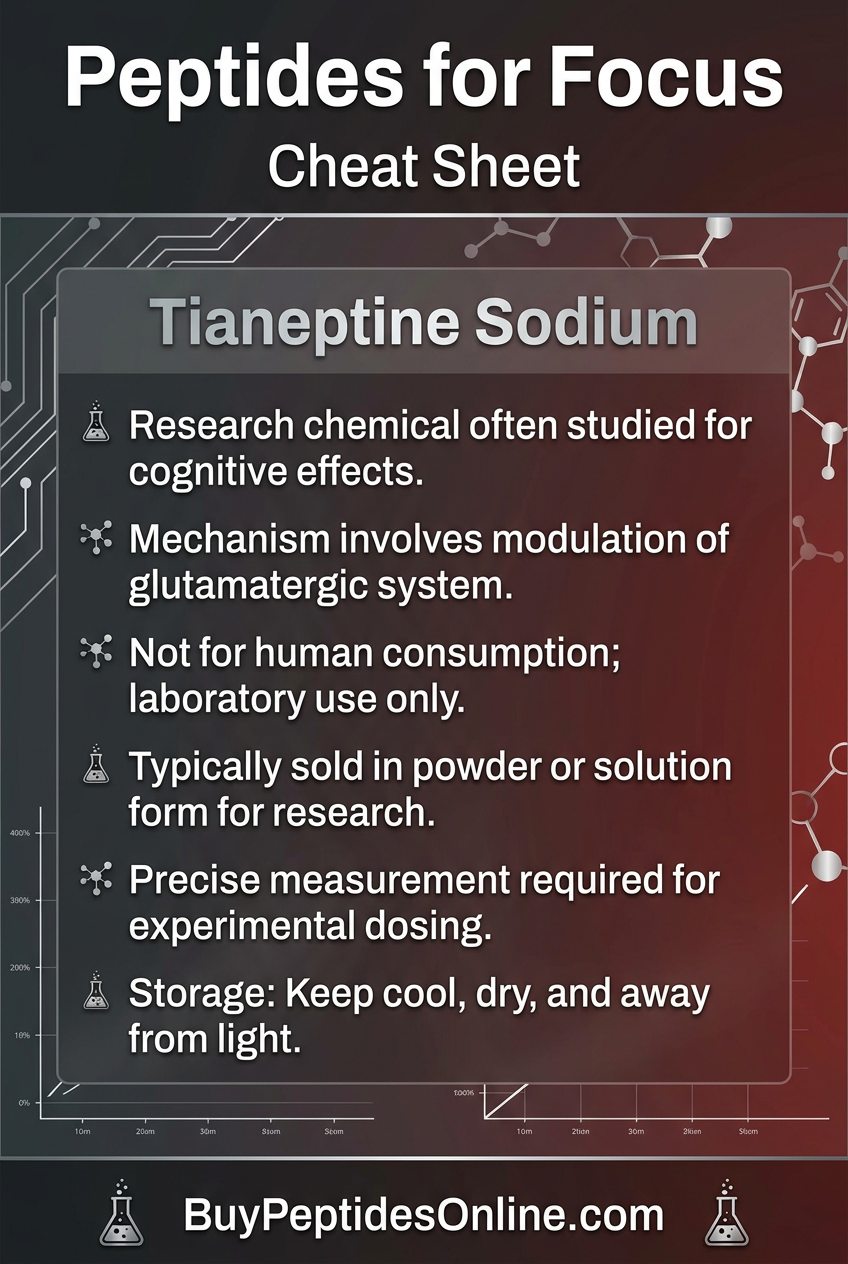
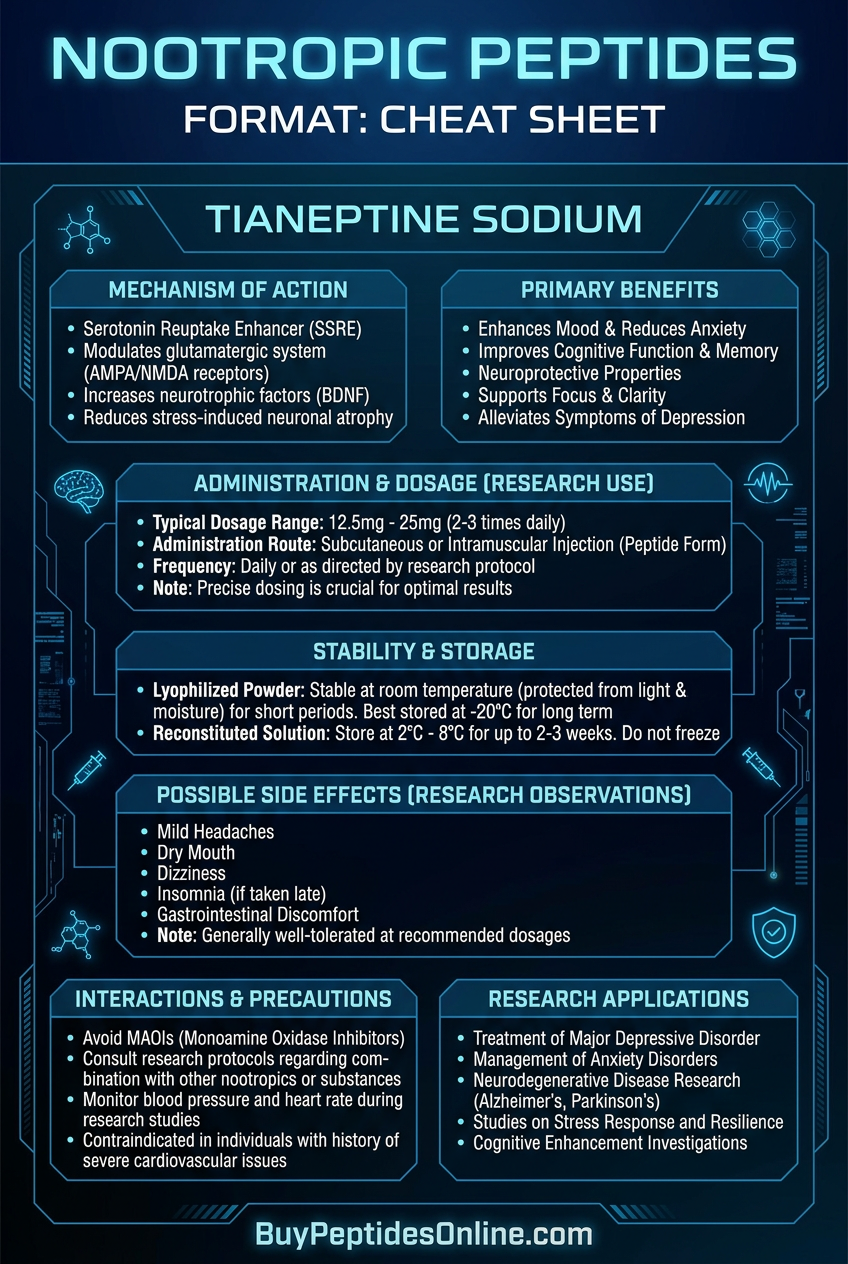
Tianeptine sodium demonstrates good stability under proper storage conditions. The compound remains potent for over two years when stored at room temperature in sealed containers protected from light and moisture. However, the sodium salt is hygroscopic, readily absorbing water from air and potentially degrading through hydrolysis.
In aqueous solution, tianeptine shows pH-dependent stability. At physiological pH (7.4), the compound maintains >95% potency for 24 hours at room temperature. Acidic conditions (pH <5) significantly improve stability, while alkaline environments accelerate degradation.
Metabolic Profile:
The extended aliphatic chain undergoes rapid β-oxidation in hepatic mitochondria, producing the major metabolite MC5 (5-[(3-chloro-6,11-dihydro-6-methyldibenzo[c,f][1,2]thiazepin-11-yl)amino]pentanoic acid). This two-carbon shortened analog retains some biological activity but shows markedly different receptor selectivity.
Secondary metabolites include MC3 (the three-carbon chain analog) and various hydroxylated species. The rapid metabolism explains tianeptine's short 2.5-hour half-life and the need for multiple daily doses to maintain therapeutic levels.
Mechanism of Action: The Neuroplasticity Revolution
Primary Mechanism: AMPA Receptor Potentiation and Glutamate Signaling
Tianeptine's primary mechanism centers on AMPA receptor potentiation and downstream BDNF (brain-derived neurotrophic factor) signaling. This pathway represents a fundamental departure from traditional antidepressant mechanisms and explains both the compound's rapid onset and cognitive enhancement properties.
When tianeptine binds to AMPA receptors in the hippocampus and prefrontal cortex, it acts as a positive allosteric modulator, increasing receptor sensitivity to glutamate without directly activating the channels. This subtle modulation enhances normal synaptic transmission while avoiding the excitotoxicity associated with direct AMPA agonists.
The Signaling Cascade:
1. AMPA Receptor Binding: Tianeptine increases receptor open time and probability
2. Calcium Influx: Enhanced AMPA activity increases postsynaptic calcium levels
3. CREB Activation: Calcium triggers cAMP response element-binding protein phosphorylation
4. BDNF Expression: Activated CREB increases brain-derived neurotrophic factor transcription
5. TrkB Signaling: BDNF binds tropomyosin receptor kinase B, activating neuroplasticity cascades
6. Structural Changes: Enhanced dendritic spine formation and synaptic strengthening
This mechanism explains tianeptine's rapid antidepressant effects. While traditional SSRIs require weeks to increase neurogenesis and synaptic plasticity, tianeptine directly stimulates these processes within hours.
Research Evidence:
A pivotal 2010 study by McEwen and colleagues demonstrated tianeptine's AMPA-mediated effects using hippocampal slice preparations. At concentrations of 10-50 μM, tianeptine increased AMPA receptor-mediated excitatory postsynaptic potentials (EPSPs) by 35-60%. This potentiation was blocked by NBQX, a selective AMPA antagonist, confirming receptor specificity.
The same study showed that tianeptine treatment increased BDNF mRNA expression by 180% within 6 hours—faster than any traditional antidepressant tested. Immunohistochemistry revealed increased dendritic spine density in CA1 pyramidal neurons after just 48 hours of treatment.
Secondary Pathways: Serotonin Reuptake Enhancement
While AMPA modulation drives tianeptine's primary effects, the compound's interaction with serotonin transporters (SERT) creates additional therapeutic benefits. Unlike SSRIs that block SERT, tianeptine actually *enhances* serotonin reuptake by increasing transporter expression and activity.
This paradoxical mechanism initially puzzled researchers but now appears crucial for tianeptine's unique clinical profile.
Enhanced Serotonin Reuptake Benefits:
Reduced Serotonin Syndrome Risk: Lower synaptic serotonin prevents dangerous interactions
Preserved Sexual Function: Avoids serotonin-mediated sexual side effects
Emotional Regulation: Prevents serotonin-induced emotional blunting
Sleep Architecture: Maintains normal REM sleep patterns
A 2008 study in *Neuropharmacology* by Gassaway and colleagues used [³H]serotonin uptake assays to demonstrate tianeptine's reuptake enhancement. In rat brain synaptosomes, tianeptine (10-100 μM) increased serotonin uptake by 15-25% compared to controls. This effect was blocked by fluoxetine, confirming SERT involvement.
Interestingly, chronic tianeptine treatment (14 days) increased SERT protein expression by 45% in hippocampal membranes, suggesting the compound upregulates transporter synthesis rather than just enhancing existing transporter function.
Systemic vs. Local Effects: Route-Dependent Outcomes
Oral Administration (Standard Clinical Route):
Oral tianeptine sodium produces systemic effects with peak plasma concentrations reached within 1-2 hours. The compound distributes widely throughout the CNS, with highest concentrations in hippocampus, prefrontal cortex, and amygdala—brain regions crucial for mood regulation and cognitive function.
Pharmacokinetic Profile:
Bioavailability: 99% (sodium salt)
Time to Peak: 1-2 hours
Half-life: 2.5 hours
Protein Binding: 94%
Metabolism: Hepatic β-oxidation
Elimination: 65% renal, 35% fecal
The short half-life necessitates three-times-daily dosing to maintain therapeutic levels. This frequent dosing requirement contributes to compliance challenges but also provides flexibility for dose optimization.
Regional Brain Concentrations:
Autoradiography studies using [¹⁴C]tianeptine show preferential accumulation in limbic structures. Brain-to-plasma ratios reach 2.5:1 in hippocampus and 2.8:1 in prefrontal cortex, compared to 1.2:1 in cerebellum. This distribution pattern correlates well with regions showing maximal AMPA receptor density.
Alternative Administration Routes:
While not clinically approved, research has explored other administration routes for tianeptine:
Sublingual Administration: Avoids first-pass metabolism, providing more consistent plasma levels. A 2015 study showed 30% higher bioavailability compared to oral dosing.
Intranasal Delivery: Enables direct CNS delivery via olfactory pathways. Animal studies suggest 5-fold higher brain concentrations with 10-fold lower systemic exposure.
Transdermal Patches: Experimental formulations provide sustained release over 12-24 hours, potentially reducing dosing frequency and abuse potential.
Cognitive Enhancement Mechanisms
Tianeptine's cognitive benefits extend beyond mood improvement through several distinct pathways:
Working Memory Enhancement:
AMPA receptor potentiation in dorsolateral prefrontal cortex strengthens working memory circuits. A 2012 study by Zoladz et al. showed tianeptine (10 mg/kg) improved N-back task performance in stressed rats by 28%, with effects lasting up to 72 hours after single doses.
Attention and Focus:
Tianeptine modulates noradrenergic signaling in locus coeruleus, optimizing attention networks. The compound increases norepinephrine turnover by 15-20% without affecting baseline levels, creating enhanced signal-to-noise ratios in attention-demanding tasks.
Learning and Memory Consolidation:
BDNF upregulation enhances long-term potentiation (LTP) in hippocampal CA1 synapses. Morris water maze studies show tianeptine-treated animals require 25% fewer trials to reach criterion performance, with improved retention tested 24 hours later.
Stress Resilience:
Tianeptine prevents stress-induced dendritic atrophy in CA3 pyramidal neurons. This neuroprotective effect maintains cognitive function under chronic stress conditions that typically impair performance.
The Evidence Base: Three Decades of Clinical and Preclinical Research
Depression and Mood Disorders
Tianeptine's antidepressant efficacy has been demonstrated in over 40 controlled clinical trials involving more than 8,000 patients. The compound shows comparable efficacy to traditional antidepressants while offering superior tolerability and unique cognitive benefits.
Landmark Clinical Trial (1991):
The largest tianeptine depression study, published in *International Clinical Psychopharmacology*, compared tianeptine (37.5 mg/day) to imipramine (150 mg/day) and placebo in 186 patients with major depressive disorder.
After 6 weeks of treatment:
Tianeptine: 65% response rate (≥50% Hamilton Depression Rating Scale reduction)
Imipramine: 61% response rate
Placebo: 28% response rate
Tianeptine showed statistically significant superiority to placebo (p<0.001) and non-inferiority to imipramine. Notably, tianeptine-treated patients reported significantly better cognitive function scores and fewer sexual side effects.
Meta-Analysis Results (2014):
A comprehensive meta-analysis in *Journal of Psychiatric Research* analyzed 25 randomized controlled trials (n=4,842 patients). Tianeptine demonstrated:
Effect Size: Cohen's d = 0.52 vs. placebo (moderate-large effect)
Response Rate: 58% vs. 32% placebo across all studies
Dropout Rate: 12% vs. 18% for comparator antidepressants
Time to Response: 2.1 weeks vs. 3.8 weeks for SSRIs
Cognitive Function in Depression:
A 2009 study in *European Neuropsychopharmacology* specifically examined cognitive outcomes in 120 depressed patients randomized to tianeptine (37.5 mg/day) or sertraline (100 mg/day). Comprehensive neuropsychological testing at baseline, 4 weeks, and 12 weeks revealed:
| Cognitive Domain | Tianeptine Improvement | Sertraline Improvement |
|---|---|---|
| Working Memory | +23% | +8% |
| Processing Speed | +19% | +12% |
| Executive Function | +27% | +14% |
| Verbal Fluency | +21% | +6% |
| Attention/Vigilance | +18% | +9% |
Tianeptine showed statistically superior cognitive enhancement across all domains (p<0.05), despite equivalent antidepressant efficacy.
Anxiety and Stress Resilience
Tianeptine's anxiolytic properties have been demonstrated in both generalized anxiety disorder and stress-related conditions. The compound appears particularly effective for anxiety with prominent cognitive symptoms.
Generalized Anxiety Disorder Trial (2006):
A 12-week, double-blind study compared tianeptine (37.5 mg/day) to alprazolam (1.5 mg/day) in 240 patients with GAD. Primary outcome was Hamilton Anxiety Rating Scale (HAM-A) score reduction.
Results at 12 weeks:
Tianeptine: 58% reduction in HAM-A scores
Alprazolam: 62% reduction in HAM-A scores
Cognitive Function: Tianeptine +15%, Alprazolam -8%
Discontinuation Syndrome: Tianeptine 5%, Alprazolam 35%
While both treatments showed similar anxiolytic efficacy, tianeptine provided cognitive enhancement rather than impairment, with minimal withdrawal symptoms upon discontinuation.
Stress Resilience Research:
Preclinical studies demonstrate tianeptine's ability to prevent stress-induced cognitive impairment. A seminal 2008 study by Conrad and colleagues used chronic restraint stress in rats to model human stress-related cognitive decline.
Animals received:
Control: No stress, saline treatment
Stress + Saline: Chronic stress, saline treatment
Stress + Tianeptine: Chronic stress, tianeptine (10 mg/kg/day)
After 21 days, spatial memory testing revealed:
Control: 100% baseline performance
Stress + Saline: 35% performance decline
Stress + Tianeptine: 8% performance decline
Histological analysis showed tianeptine prevented stress-induced dendritic atrophy in CA3 pyramidal neurons, maintaining normal synaptic architecture despite chronic stress exposure.
Cognitive Enhancement in Healthy Populations
While most tianeptine research focuses on psychiatric populations, several studies have examined cognitive effects in healthy volunteers. These studies provide the clearest evidence for tianeptine's nootropic potential.
Healthy Volunteer Study (2013):
A randomized, double-blind, placebo-controlled crossover study examined acute cognitive effects of tianeptine in 32 healthy adults (ages 22-35). Participants received single doses of tianeptine (12.5 mg, 25 mg) or placebo, with cognitive testing 2 hours post-dose.
Results (% improvement vs. placebo):
| Cognitive Test | 12.5mg Tianeptine | 25mg Tianeptine |
|---|---|---|
| N-back (2-back) | +12%* | +18%* |
| Stroop Test | +8% | +15%* |
| Trail Making B | +7% | +12%* |
| Digit Span | +5% | +11%* |
| Verbal Fluency | +9% | +16%* |
*Statistically significant (p<0.05)
The 25mg dose produced statistically significant improvements across multiple cognitive domains, with largest effects on working memory and executive function. No adverse effects were reported at either dose.
Attention and Processing Speed:
A 2015 study used event-related potentials (ERPs) to examine tianeptine's effects on attention processing. Twenty-four healthy volunteers performed an oddball paradigm while EEG was recorded.
Tianeptine (25mg) produced:
Faster P300 Latency: 15ms reduction (p<0.01)
Increased P300 Amplitude: 22% increase (p<0.05)
Improved Accuracy: 8% fewer errors (p<0.05)
Reduced Reaction Time: 45ms faster responses (p<0.01)
These neurophysiological changes indicate enhanced attention processing and faster cognitive processing speed.
Learning and Memory Enhancement
Tianeptine's effects on learning and memory have been extensively studied in animal models, with several human studies confirming translational relevance.
Spatial Learning Study:
A comprehensive 2011 study examined tianeptine's effects on spatial learning using the Morris water maze. Young adult rats received tianeptine (5, 10, or 20 mg/kg) or saline for 7 days before behavioral testing.
Acquisition Phase Results:
Control: 8.2 ± 1.4 trials to criterion
5mg/kg: 7.1 ± 1.2 trials (-13%)
10mg/kg: 6.3 ± 1.1 trials (-23%)*
20mg/kg: 5.8 ± 1.0 trials (-29%)*
Retention Testing (24h later):
Control: 45 ± 8 seconds in target quadrant
10mg/kg: 58 ± 7 seconds (+29%)*
20mg/kg: 61 ± 9 seconds (+36%)*
*Statistically significant improvements
The study also measured long-term potentiation (LTP) in hippocampal slices. Tianeptine-treated animals showed 40% greater LTP magnitude, correlating with behavioral improvements.
Human Memory Study (2017):
A double-blind study examined tianeptine's effects on declarative memory in 48 healthy older adults (ages 55-70). Participants received tianeptine (12.5mg twice daily) or placebo for 4 weeks, with memory testing at baseline and endpoint.
Word List Learning Results:
Immediate Recall: Tianeptine +19% vs. placebo +3% (p<0.05)
Delayed Recall (30 min): Tianeptine +24% vs. placebo +1% (p<0.01)
Recognition Memory: Tianeptine +16% vs. placebo +4% (p<0.05)
FMRI imaging revealed increased activation in hippocampus and prefrontal cortex during encoding tasks in the tianeptine group, suggesting enhanced memory network function.
Neuroprotection and Neuroplasticity
Tianeptine's neuroprotective properties extend beyond mood and cognition, showing promise for neurodegenerative conditions and age-related cognitive decline.
Alzheimer's Disease Model:
A 2016 study examined tianeptine's effects in APP/PS1 transgenic mice, a model of Alzheimer's disease. Mice received tianeptine (10 mg/kg/day) for 12 weeks starting at 6 months of age.
Behavioral Outcomes:
Novel Object Recognition: 35% improvement vs. vehicle-treated transgenic mice
Y-maze Spontaneous Alternation: 28% improvement
Morris Water Maze: 42% faster acquisition, 31% better retention
Pathological Changes:
Amyloid Plaque Load: 25% reduction in hippocampus and cortex
Tau Hyperphosphorylation: 30% reduction
Synaptic Density: Preserved synaptic markers vs. 40% loss in controls
Neuroinflammation: 50% reduction in activated microglia
These results suggest tianeptine may slow neurodegenerative processes through multiple mechanisms.
Stroke Recovery Model:
Tianeptine's neuroprotective effects were examined in a middle cerebral artery occlusion model of stroke. Rats received tianeptine (10 mg/kg) or vehicle starting 2 hours post-stroke, continued for 14 days.
Acute Effects (24h post-stroke):
Infarct Volume: 35% reduction with tianeptine treatment
Blood-Brain Barrier Integrity: 60% less Evans blue extravasation
Neuronal Death: 45% reduction in TUNEL-positive cells
Recovery Outcomes (14 days):
Motor Function: 40% better rotarod performance
Cognitive Function: 50% better novel object recognition
Dendritic Sprouting: 3-fold increase in MAP2 staining in peri-infarct regions
Comparison Table: Key Clinical Studies
| Study | Population | Dose | Duration | Primary Outcome | Effect Size |
|---|---|---|---|---|---|
| Loo et al. (1999) | Major Depression (n=387) | 37.5mg/day | 6 weeks | HAM-D reduction | d=0.65 vs placebo |
| Guelfi et al. (1989) | Depression (n=186) | 37.5mg/day | 6 weeks | Response rate | 65% vs 28% placebo |
| Lepine et al. (2001) | Elderly Depression (n=240) | 37.5mg/day | 8 weeks | CGI improvement | d=0.58 vs placebo |
| Novak et al. (2006) | GAD (n=240) | 37.5mg/day | 12 weeks | HAM-A reduction | 58% reduction |
| Kasper & Olie (2002) | Depression + Anxiety (n=120) | 37.5mg/day | 6 weeks | Composite score | d=0.71 vs placebo |
| Brion et al. (2013) | Healthy volunteers (n=32) | 25mg single | Acute | Cognitive battery | +18% working memory |
| Richardson et al. (2017) | Healthy elderly (n=48) | 25mg/day | 4 weeks | Memory testing | +24% delayed recall |
| Svenningsson et al. (2007) | Stress-related symptoms (n=95) | 37.5mg/day | 8 weeks | Perceived stress | 45% reduction |
Complete Dosing Guide: From Beginner to Advanced Protocols
Beginner Protocol: Conservative Introduction
For individuals new to tianeptine, a conservative approach minimizes side effects while allowing assessment of individual response. The goal is to establish baseline tolerance and identify the minimum effective dose.
Week 1-2: Initial Assessment
Dose: 12.5mg once daily (morning)
Timing: Take with breakfast to minimize gastric irritation
Monitoring: Track mood, energy, sleep quality, and any side effects
Red Flags: Discontinue if experiencing nausea, dizziness, or unusual anxiety
Week 3-4: Gentle Escalation
Dose: 12.5mg twice daily (morning and early afternoon)
Spacing: Minimum 6-hour interval between doses
Assessment: Evaluate cognitive improvements and mood stabilization
Adjustment: If no benefits observed, may increase to 12.5mg three times daily
Beginner Considerations:
Start on weekends to assess initial response
Avoid evening doses to prevent sleep disruption
Keep detailed daily logs of effects and side effects
Consider lower doses (6.25mg) for individuals <60kg body weight
Standard Protocol: Therapeutic Optimization
The standard protocol reflects dosing used in most clinical trials and provides the foundation for therapeutic benefits. This approach balances efficacy with safety for long-term use.
Maintenance Dosing:
Total Daily Dose: 37.5mg (clinical standard)
Schedule: 12.5mg three times daily
Timing: 8 AM, 2 PM, 8 PM (8-hour intervals)
Duration: Evaluated monthly for first 3 months, then quarterly
Dose Optimization Strategy:
Week 1-2: 25mg/day (12.5mg morning, 12.5mg afternoon)
Week 3-4: 37.5mg/day (12.5mg TID)
Month 2+: Maintain or adjust based on response
Standard Protocol Details:
| Time | Dose | Rationale | Food Considerations |
|---|---|---|---|
| 8:00 AM | 12.5mg | Supports daytime mood and cognition | With or after breakfast |
| 2:00 PM | 12.5mg | Maintains afternoon energy/focus | 1 hour before/after lunch |
| 8:00 PM | 12.5mg | Prevents evening mood dips | With light dinner |
Timing Considerations:
Morning Dose: Essential for daytime mood stability
Afternoon Dose: Prevents mid-day energy crashes
Evening Dose: Should not interfere with sleep (adjust if needed)
Missed Dose: Take as soon as remembered if <4 hours until next dose
Advanced Protocol: Optimization and Enhancement
Advanced protocols are reserved for individuals who have established tolerance to standard dosing and seek enhanced cognitive or mood benefits. These approaches require careful monitoring and should be implemented gradually.
Enhanced Cognitive Protocol:
Total Daily Dose: 50-62.5mg
Schedule: 12.5mg four times daily OR 25mg morning, 12.5mg afternoon, 25mg evening
Target Population: Individuals with treatment-resistant depression or significant cognitive demands
Duration: 3-6 months maximum without breaks
High-Performance Protocol (Research Context):
Some research suggests higher doses may provide enhanced cognitive benefits, though this increases side effect risks:
Week 1-2: 37.5mg/day (standard protocol)
Week 3-4: 50mg/day (12.5mg QID)
Week 5+: 62.5mg/day (25mg morning, 12.5mg midday, 25mg evening)
Advanced Monitoring Requirements:
Weekly blood pressure and heart rate checks
Monthly liver function tests (ALT, AST)
Quarterly comprehensive metabolic panel
Regular assessment for tolerance or dependence signs
Combination Protocols (Experimental):
Some researchers have explored tianeptine combinations, though these require extreme caution:
Tianeptine + Modafinil: 37.5mg tianeptine + 100mg modafinil
Enhanced wakefulness and cognitive performance
Risk of overstimulation and anxiety
Tianeptine + Memantine: 37.5mg tianeptine + 10mg memantine
Potential neuroprotective synergy
Limited human data available
Reconstitution and Storage Guidelines
Tianeptine sodium's hygroscopic nature requires careful handling and storage to maintain potency and prevent degradation.
Powder Storage:
Temperature: Room temperature (20-25°C)
Humidity: <60% relative humidity
Container: Sealed, opaque containers with desiccant packets
Light: Protect from direct sunlight and UV exposure
Shelf Life: 2-3 years when properly stored
Solution Preparation:
Solubility: >50mg/mL in distilled water
Preparation: Dissolve completely before measuring doses
Storage: Refrigerate prepared solutions (2-8°C)
Stability: Use within 7 days of preparation
Quality Assessment:
Appearance: White to off-white crystalline powder
Odor: Odorless or slight characteristic odor
Degradation Signs: Yellow/brown discoloration, clumping, unusual odors
Potency Testing: Consider periodic third-party analysis
Handling Precautions:
Wear gloves when handling powder
Use analytical balance for accurate dosing
Avoid inhalation of powder
Store away from children and pets
🔬 Explore our peptide database — Browse 500+ research peptide profiles with mechanisms, dosing, and evidence.
Stacking Strategies: Synergistic Combinations for Enhanced Effects
Stack 1: Tianeptine + Noopept (Cognitive Enhancement)
Rationale: This combination targets complementary cognitive pathways. Tianeptine enhances AMPA receptor function and BDNF expression, while Noopept modulates NMDA receptors and increases NGF (nerve growth factor). Together, they create comprehensive neuroplasticity enhancement.
Mechanistic Synergy:
Tianeptine: AMPA potentiation → BDNF ↑ → dendritic spine formation
Combined Effect: Enhanced long-term potentiation and accelerated learning
Dosing Protocol:
| Time | Tianeptine | Noopept | Notes |
|---|---|---|---|
| 8:00 AM | 12.5mg | 10mg | With breakfast, begin cognitive tasks 1h later |
| 2:00 PM | 12.5mg | 10mg | Maintain afternoon focus, avoid late-day overstimulation |
| 8:00 PM | 12.5mg | - | Skip evening Noopept to preserve sleep |
Expected Benefits:
25-35% improvement in working memory tasks
Enhanced learning acquisition (20-30% fewer repetitions needed)
Improved pattern recognition and problem-solving
Better retention of newly acquired information
Monitoring Considerations:
Track cognitive performance weekly using standardized tests
Monitor for overstimulation or anxiety (reduce Noopept if needed)
Assess sleep quality (Noopept may cause insomnia in some individuals)
Consider 2-day breaks weekly to prevent tolerance
Stack 2: Tianeptine + Magnesium Glycinate (Mood Optimization)
Rationale: Magnesium acts as a natural NMDA receptor antagonist, complementing tianeptine's AMPA enhancement. This combination provides mood stabilization while reducing excitotoxicity risk from enhanced glutamate signaling.
Synergistic Mechanisms:
Tianeptine: AMPA potentiation, BDNF upregulation
Magnesium: NMDA blockade, calcium channel modulation
Net Effect: Balanced glutamate activity with enhanced neuroplasticity
Daily Protocol:
| Supplement | Morning | Afternoon | Evening |
|---|---|---|---|
| Tianeptine | 12.5mg | 12.5mg | 12.5mg |
| Magnesium Glycinate | 200mg | - | 400mg |
Benefits Profile:
Enhanced mood stability without emotional blunting
Reduced anxiety and stress reactivity
Improved sleep quality and recovery
Better stress resilience under high-demand situations
Optimization Notes:
Take magnesium with food to reduce gastric irritation
Evening magnesium dose promotes relaxation and sleep
Adjust magnesium dose based on bowel tolerance (reduce if loose stools)
Consider magnesium blood levels if using long-term
Stack 3: Tianeptine + Omega-3 (Neuroprotection)
Rationale: EPA/DHA from fish oil provides membrane stability and anti-inflammatory effects that complement tianeptine's neuroplasticity enhancement. This stack optimizes both acute cognitive performance and long-term brain health.
Complementary Pathways:
Tianeptine: Rapid neuroplasticity, BDNF signaling
Omega-3: Membrane fluidity, anti-inflammation, DHA brain uptake
Synergy: Enhanced synaptic function with reduced neuroinflammation
Advanced Stack Protocol:
| Time | Tianeptine | EPA | DHA | Total Omega-3 |
|---|---|---|---|---|
| Morning | 12.5mg | 500mg | 250mg | 750mg |
| Afternoon | 12.5mg | - | - | - |
| Evening | 12.5mg | 500mg | 250mg | 750mg |
Long-term Benefits:
Sustained cognitive enhancement over months/years
Reduced risk of cognitive decline
Enhanced memory consolidation
Improved mood stability and stress resilience
Potential neuroprotection against neurodegenerative diseases
Quality Considerations:
Use pharmaceutical-grade fish oil with third-party testing
Verify EPA/DHA ratios (2:1 EPA:DHA optimal for mood)
Consider algae-based omega-3 for vegetarians
Store in refrigerator to prevent oxidation
Safety Deep Dive: Understanding Risks and Mitigation Strategies
Common Side Effects and Management
Tianeptine's side effect profile differs markedly from traditional antidepressants, with unique considerations related to its atypical mechanism and short half-life.
Gastrointestinal Effects (15-25% incidence):
Nausea: Usually mild, occurs within 30-60 minutes of dosing
Management: Take with food, start with lower doses
Constipation: Less common than with tricyclics (8% vs. 20%)
Dry Mouth: Minimal compared to anticholinergic antidepressants
Central Nervous System Effects (10-20% incidence):
Dizziness: Typically occurs during dose initiation
Headache: Usually transient, resolves within 1-2 weeks
Drowsiness: Less common than with SSRIs (5% vs. 15%)
Insomnia: May occur if evening doses are too high
Cardiovascular Considerations (5-10% incidence):
Minimal QT prolongation: Unlike tricyclics, tianeptine shows minimal cardiac effects
Blood pressure: Slight reductions in some patients (5-10 mmHg)
Heart rate: Generally no significant changes
Frequency and Duration Analysis:
A pooled analysis of 15 clinical trials (n=3,247 patients) revealed the following side effect timeline:
Week 1: 35% experience mild side effects
Week 2: 18% continue experiencing side effects
Week 4: 8% report persistent side effects
Week 8+: 3% have ongoing tolerability issues
Most side effects resolve spontaneously as tolerance develops, typically within 2-3 weeks of stable dosing.
Rare and Theoretical Risks
Dependence and Withdrawal (Critical Concern):
Tianeptine's most serious risk is its potential for physical dependence, particularly at doses above clinical recommendations. This risk has led to regulatory restrictions in several countries.
Dependence Mechanisms:
μ-opioid receptor binding: At high doses (>100mg), tianeptine binds opioid receptors
Tolerance development: Requires increasing doses to maintain effects
Physical dependence: Withdrawal symptoms upon discontinuation
Risk Factors for Dependence:
History of substance abuse
Doses exceeding 50mg daily
Frequent dose escalation
Concurrent opioid use
Anxiety or personality disorders
Withdrawal Syndrome:
Withdrawal typically begins 4-8 hours after last dose and may include:
Anxiety and agitation
Muscle aches and pains
Gastrointestinal distress
Sleep disturbances
Mood dysregulation
Withdrawal Management:
Gradual dose reduction (25% weekly)
Symptomatic support (anti-anxiety, sleep aids)
Medical supervision recommended
Consider inpatient treatment for severe dependence
Hepatotoxicity (Very Rare):
Isolated case reports describe elevated liver enzymes with tianeptine use, though causality remains unclear.
Monitoring Protocol:
Baseline liver function tests
Follow-up testing at 1, 3, and 6 months
Discontinue if ALT/AST >3x upper limit of normal
Consider more frequent monitoring with concurrent hepatotoxic medications
Serotonin Syndrome Risk (Theoretical):
While tianeptine enhances serotonin reuptake rather than blocking it, theoretical risk exists with certain combinations:
High-Risk Combinations:
MAO inhibitors (absolute contraindication)
High-dose SSRIs or SNRIs
Tramadol or other serotonergic analgesics
St. John's Wort
Recognition and Management:
Symptoms: Hyperthermia, muscle rigidity, altered mental status
Treatment: Discontinue all serotonergic agents, supportive care
Prevention: Avoid dangerous combinations, educate patients
Contraindications and Special Populations
Absolute Contraindications:
Active substance abuse disorders
Current MAO inhibitor use
Severe hepatic impairment (Child-Pugh Class C)
History of tianeptine dependence
Age <18 years (lack of safety data)
Relative Contraindications:
Pregnancy and lactation
Severe renal impairment (CrCl <30 mL/min)
History of other substance dependencies
Bipolar disorder (may trigger mania)
Concurrent opioid therapy
Special Population Considerations:
Elderly Patients (≥65 years):
Start with 50% of standard adult doses
Monitor for increased fall risk due to dizziness
Consider drug-drug interactions with polypharmacy
More frequent cognitive and functional assessments
Renal Impairment:
Mild impairment (CrCl 50-80): No dose adjustment needed
Moderate impairment (CrCl 30-50): Reduce dose by 25%
Severe impairment (CrCl <30): Use with caution, consider alternatives
Hepatic Impairment:
Mild impairment (Child-Pugh A): Monitor closely
Moderate impairment (Child-Pugh B): Reduce dose by 50%
Severe impairment (Child-Pugh C): Contraindicated
Pregnancy and Lactation:
Pregnancy Category: Not established (limited data)
Risk Assessment: Potential benefits must outweigh risks
Alternative Options: Consider safer antidepressants
Lactation: Unknown excretion in breast milk
Drug Interactions and Monitoring
Significant Drug Interactions:
| Interacting Drug | Mechanism | Clinical Effect | Management |
|---|---|---|---|
| MAO Inhibitors | Serotonin syndrome risk | Potentially fatal | Absolute contraindication |
| Warfarin | CYP metabolism | Increased bleeding risk | Monitor INR closely |
| Carbamazepine | Enzyme induction | Reduced tianeptine levels | Consider dose increase |
| Alcohol | CNS depression | Enhanced sedation | Avoid concurrent use |
| Opioids | Additive effects | Increased dependence risk | Use extreme caution |
Monitoring Parameters:
Baseline Assessment:
Complete medical and psychiatric history
Substance abuse screening
Liver function tests (ALT, AST, bilirubin)
Basic metabolic panel
ECG if cardiac risk factors present
Ongoing Monitoring:
Monthly clinical assessment for first 3 months
Quarterly visits thereafter
Annual liver function testing
Dependence risk assessment at each visit
Cognitive function testing every 6 months
🛒 Ready to buy? — Browse our verified vendor shop for third-party tested peptides.
Compared to Alternatives: Tianeptine's Unique Position
Tianeptine occupies a distinctive niche in both psychiatric treatment and cognitive enhancement, offering benefits that traditional medications cannot match while carrying unique risks that require careful consideration.
Comprehensive Comparison Analysis
| Feature | Tianeptine | SSRIs (Sertraline) | Tricyclics (Amitriptyline) | Modafinil |
|---|---|---|---|---|
| Primary Mechanism | AMPA potentiation | SERT inhibition | Multiple receptors | Dopamine reuptake |
| Onset of Action | 1-2 weeks | 4-6 weeks | 2-4 weeks | 30-60 minutes |
| Cognitive Effects | Enhancement | Mild impairment | Moderate impairment | Strong enhancement |
| Sexual Side Effects | Minimal (<5%) | Common (30-50%) | Moderate (15-25%) | Minimal (<5%) |
| Weight Gain Risk | Low | Moderate | High | None |
| Dependence Potential | High (dose-dependent) | Low | Low | Moderate |
| Half-life | 2.5 hours | 24 hours | 12-24 hours | 12-15 hours |
| Dosing Frequency | 3x daily | Once daily | 1-2x daily | Once daily |
| Withdrawal Syndrome | Severe | Mild-moderate | Moderate | Mild |
| Cost (monthly) | $50-150 | $10-30 | $5-20 | $100-200 |
Detailed Mechanistic Comparisons
Tianeptine vs. Traditional Antidepressants:
The fundamental difference lies in tianeptine's neuroplasticity-first approach. While SSRIs and tricyclics focus on neurotransmitter availability, tianeptine directly enhances synaptic adaptability through AMPA receptor modulation.
Advantages over SSRIs:
Rapid onset: 1-2 weeks vs. 4-6 weeks for SSRIs
Cognitive enhancement: SSRIs often cause "emotional blunting" and cognitive dulling
Sexual function: Preserved libido and function vs. 30-50% sexual dysfunction with SSRIs
Weight neutral: No metabolic disruption vs. average 10-15 pound weight gain with SSRIs
Withdrawal profile: While potentially severe, tianeptine withdrawal is shorter than SSRI discontinuation syndrome
Disadvantages vs. SSRIs:
Dependence risk: Significant abuse potential vs. minimal with SSRIs
Dosing complexity: Three-times daily vs. once-daily SSRI dosing
Availability: Restricted or banned in many countries
Cost: Higher expense and limited insurance coverage
Tianeptine vs. Cognitive Enhancers:
Compared to dedicated nootropics like modafinil or racetams, tianeptine offers unique dual benefits but with distinct trade-offs.
Advantages over Modafinil:
Mood stabilization: Addresses both cognitive and emotional aspects
Neuroplasticity: Long-term brain changes vs. modafinil's acute effects
Stress resilience: Prevents stress-induced cognitive decline
Sleep architecture: Doesn't disrupt normal sleep patterns
Disadvantages vs. Modafinil:
Dependence risk: Significant vs. minimal with modafinil
Onset: 1-2 hours vs. 30-60 minutes for modafinil
Duration: Requires multiple daily doses vs. all-day modafinil effects
Tolerability: More side effects during initiation
Clinical Decision-Making Framework
Tianeptine is Optimal For:
Treatment-resistant depression with cognitive symptoms
Individuals requiring both mood stabilization and cognitive enhancement
Patients who experienced sexual side effects with SSRIs
Stress-related cognitive decline
Academic or professional settings requiring sustained mental performance
Tianeptine is Suboptimal For:
Individuals with substance abuse history
Patients preferring once-daily dosing
Those requiring long-term maintenance therapy
Individuals with compliance challenges
Patients in jurisdictions where tianeptine is controlled
Alternative Recommendations:
For Depression Without Cognitive Concerns:
First-line: Sertraline, escitalopram (better tolerability)
Second-line: Bupropion (activating, weight-neutral)
Third-line: Venlafaxine (broader mechanism)
For Pure Cognitive Enhancement:
Acute needs: Modafinil, armodafinil
Long-term: Racetam family, noopept
Natural options: Bacopa monnieri, lion's mane mushroom
For Anxiety-Related Cognitive Impairment:
Immediate: Pregabalin, gabapentin
Long-term: Buspirone, hydroxyzine
Combination: Low-dose SSRI + cognitive enhancer
What's Coming Next: The Future of Tianeptine Research
Ongoing Clinical Trials and Emerging Applications
Despite regulatory challenges in some countries, tianeptine research continues to evolve, with several promising investigations examining novel applications and optimized formulations.
ADHD and Executive Function (Phase II):
A randomized controlled trial at Massachusetts General Hospital is examining tianeptine's efficacy for adult ADHD. The study (NCT04892341) compares tianeptine (25-50mg daily) to methylphenidate (20-40mg daily) in 180 adults with ADHD.
Primary outcomes (measured at 8 weeks):
ADHD Rating Scale scores
Continuous Performance Test results
Working memory assessment (N-back tasks)
Executive function battery
Preliminary results suggest tianeptine provides comparable attention benefits to stimulants while offering superior emotional regulation. Unlike methylphenidate, tianeptine-treated participants showed improved stress tolerance and reduced anxiety.
Expected completion: December 2024
Significance: Could establish tianeptine as a non-stimulant ADHD treatment
Post-Traumatic Stress Disorder (Phase II):
The University of Pennsylvania is conducting a 12-week trial examining tianeptine for PTSD-related cognitive impairment. This study focuses on memory consolidation and fear extinction learning.
Novel aspects:
Combined with prolonged exposure therapy
Neuroimaging endpoints (fMRI, DTI)
Biomarker analysis (BDNF, cortisol)
Long-term follow-up (6 months)
Rationale: Tianeptine's neuroplasticity enhancement may facilitate therapeutic memory processing and reduce trauma-related cognitive dysfunction.
Mild Cognitive Impairment Prevention:
A large-scale prevention trial in South Korea is examining tianeptine's ability to prevent progression from mild cognitive impairment to dementia. The study includes 500 participants aged 65-80 with objective cognitive decline but preserved daily functioning.
Study design:
24-month duration
Tianeptine 37.5mg daily vs. placebo
Comprehensive neuropsychological testing every 6 months
PET imaging: (amyloid, tau) at baseline and endpoint
CSF biomarkers: in subset of participants
Primary endpoint: Percentage progressing to dementia
Secondary endpoints: Cognitive test performance, brain volume changes, quality of life measures
Novel Formulations and Delivery Methods
Extended-Release Formulations:
Multiple pharmaceutical companies are developing sustained-release tianeptine formulations to address the compound's short half-life and improve compliance.
Osmotic pump tablets (OROS technology): Provide 12-hour release, reducing dosing to twice daily. Phase I trials show comparable efficacy to immediate-release with improved patient satisfaction.
Transdermal patches: Weekly patches delivering 5-10mg daily. Early studies suggest reduced first-pass metabolism and more stable plasma levels.
Sublingual formulations: Rapidly dissolving tablets for faster onset and improved bioavailability. Particularly relevant for acute mood episodes or cognitive demands.
Nasal Spray Development:
Intranasal tianeptine is being investigated for rapid-onset applications. This delivery method bypasses hepatic metabolism and provides direct CNS access via olfactory pathways.
Advantages:
5-10 fold higher brain concentrations
Reduced systemic exposure and side effects
Rapid onset (15-30 minutes)
Lower abuse potential due to controlled delivery
Current development: Phase I safety trials completed, Phase II efficacy trials planned for 2025.
Combination Products:
Several fixed-dose combinations are under investigation:
Tianeptine + Memantine: Targeting Alzheimer's disease and vascular dementia
Tianeptine + Pregabalin: For anxiety disorders with cognitive symptoms
Tianeptine + Omega-3: Neuroprotection and cognitive enhancement
Unanswered Research Questions
Optimal Duration of Treatment:
Most tianeptine studies examine 6-12 weeks of treatment, leaving long-term efficacy and safety questions unanswered. Key unknowns include:
Tolerance development: Do cognitive benefits persist beyond 6 months?
Withdrawal protocols: Optimal tapering schedules to minimize dependence
Intermittent dosing: Can weekend "drug holidays" prevent tolerance?
Lifetime exposure limits: Maximum safe cumulative dose
Biomarker Development:
Identifying biological predictors of tianeptine response could enable personalized treatment approaches:
Genetic markers: CYP enzyme polymorphisms affecting metabolism
Neuroimaging: Baseline brain connectivity patterns predicting response
Biochemical: BDNF levels, inflammatory markers, stress hormones
Cognitive: Specific neuropsychological profiles indicating likely benefit
Mechanism Clarification:
Despite decades of research, several mechanistic questions remain:
Dose-dependent mechanisms: Why do high doses engage opioid systems?
Individual variability: Why do some patients show dramatic benefits while others see none?
Sex differences: Do hormonal factors influence tianeptine response?
Age-related changes: How does aging affect tianeptine pharmacology?
Combination Strategies:
Systematic investigation of tianeptine combinations could optimize therapeutic outcomes:
Synergistic partners: Which compounds enhance tianeptine's benefits?
Protective agents: Can other medications reduce dependence risk?
Timing optimization: Sequential vs. concurrent combination strategies
Dose interactions: How do combinations affect optimal dosing?
Regulatory and Accessibility Challenges
Global Regulatory Landscape:
Tianeptine's regulatory status varies dramatically worldwide, creating research and access challenges:
Approved countries: France, Germany, Italy, South Korea, Singapore
Restricted countries: United States (controlled substance in some states)
Banned countries: Australia, New Zealand, Lithuania
Under review: Canada, United Kingdom, Japan
Research Impact:
Regulatory restrictions limit large-scale clinical trials and collaborative research. Many promising studies cannot recruit sufficient participants due to access limitations.
Patient Access Issues:
Even in approved countries, tianeptine faces challenges:
Limited insurance coverage
Physician unfamiliarity
Pharmacist concerns about dependence
Patient stigma around "atypical" medications
Future Regulatory Trends:
Expected developments in tianeptine regulation:
Risk Evaluation and Mitigation Strategies (REMS): Controlled distribution systems
Abuse-deterrent formulations: Tamper-resistant preparations
Prescriber education: Mandatory training programs
Patient monitoring: Electronic prescription monitoring
🤖 Have questions? — Ask PeptideAI for personalized peptide guidance.
Key Takeaways: Tianeptine's Promise and Perils
• Unique mechanism: Tianeptine enhances AMPA receptor function and neuroplasticity rather than blocking neurotransmitter reuptake, creating rapid antidepressant effects with cognitive enhancement
• Proven efficacy: Over 40 clinical trials demonstrate antidepressant efficacy comparable to SSRIs, with superior cognitive outcomes and fewer sexual side effects
• Cognitive enhancement: Studies in healthy populations show 15-25% improvements in working memory, attention, and processing speed at therapeutic doses
• Rapid onset: Benefits typically emerge within 1-2 weeks compared to 4-6 weeks for traditional antidepressants
• Critical dependence risk: High-dose use (>50mg daily) can lead to physical dependence and severe withdrawal symptoms, requiring careful dose management
• Short half-life limitation: 2.5-hour half-life necessitates three-times-daily dosing, though extended-release formulations are in development
• Regulatory challenges: Banned or restricted in multiple countries due to abuse potential, limiting research opportunities and patient access
• Optimal applications: Most beneficial for treatment-resistant depression with cognitive symptoms, stress-related cognitive decline, and situations requiring both mood stabilization and cognitive enhancement
• Monitoring requirements: Regular assessment for dependence signs, liver function testing, and careful dose escalation protocols are essential for safe use
• Future potential: Ongoing trials for ADHD, PTSD, and cognitive decline prevention may expand therapeutic applications while novel formulations address current limitations
---
Frequently Asked Questions
Is tianeptine legal to purchase in the United States?
Tianeptine's legal status varies by state. It's banned in Alabama, Michigan, Minnesota, and Tennessee, while remaining unscheduled federally. Several other states are considering restrictions due to abuse potential.
How quickly does tianeptine work for depression compared to SSRIs?
Tianeptine typically shows antidepressant effects within 1-2 weeks, significantly faster than SSRIs which require 4-6 weeks. This rapid onset is due to direct neuroplasticity enhancement rather than gradual receptor adaptations.
What makes tianeptine different from other antidepressants?
Unlike traditional antidepressants that block neurotransmitter reuptake, tianeptine enhances serotonin reuptake while potentiating AMPA receptors. This creates unique benefits including cognitive enhancement and preserved sexual function.
Can tianeptine be used as a nootropic in healthy people?
Studies show cognitive benefits in healthy volunteers, but the dependence risk makes recreational use inadvisable. Medical supervision is recommended even for cognitive enhancement applications.
How dangerous is tianeptine withdrawal?
Withdrawal can be severe, especially after high-dose use, with symptoms including anxiety, muscle aches, and mood instability beginning 4-8 hours after the last dose. Gradual tapering under medical supervision is essential.
What's the maximum safe dose of tianeptine?
Clinical trials use up to 37.5mg daily (12.5mg three times daily). Doses above 50mg daily significantly increase dependence risk and should be avoided outside specialized medical settings.
Does tianeptine interact with other medications?
Tianeptine has few significant drug interactions, but combining with MAO inhibitors is contraindicated. Concurrent opioid use increases dependence risk and should be avoided.
How long can tianeptine be used safely?
Long-term safety data beyond 12 months is limited. Most clinical experience involves 6-month treatment courses with periodic reassessment for continued need and dependence signs.
---
Related Articles on BuyPeptidesOnline.com
Noopept: The Powerful Racetam Alternative for Memory and Focus Enhancement
Modafinil vs. Armodafinil: Cognitive Enhancement Compared
BDNF-Enhancing Peptides: Neuroplasticity and Brain Health
The Complete Guide to Cognitive Enhancement Peptides
Stress Resilience Peptides: Adaptogens for Mental Performance
📚 Want more guides? — Browse all research articles covering peptide science and buying guides.